Environmentalist, author, and journalist Bill McKibben wrote about an innovative idea that would help curb Europe’s dependency on Russian fossil fuels, and the Biden administration might actually implement the plan.
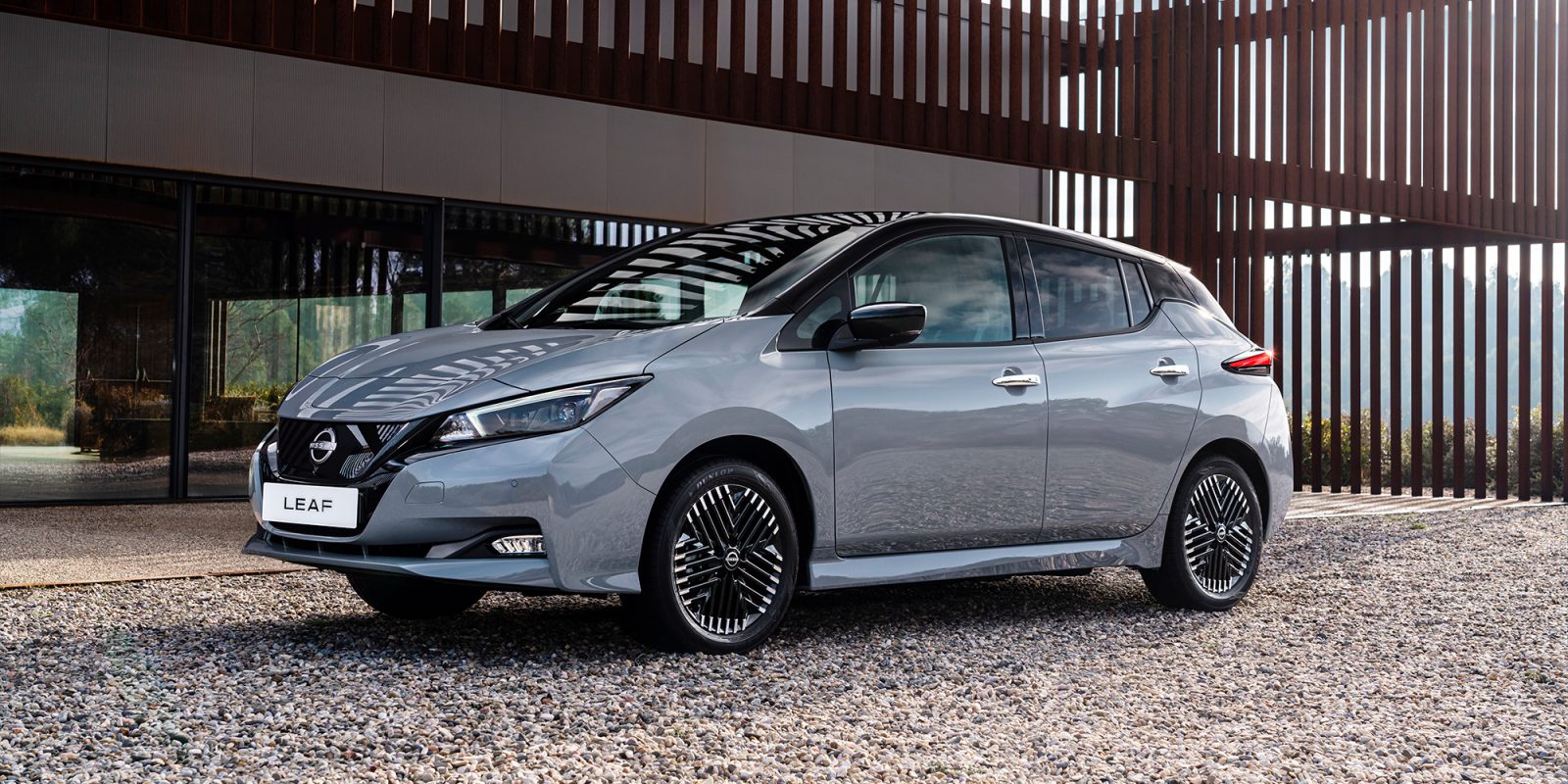
Ahead of an opening of orders on March 1, the 2022 Nissan LEAF will arrive in the UK and Europe with a refreshed exterior look. The 2022 models will include new alloy wheels, Nissan brand badges, and new exterior color choices. However, not much else has changed compared to previous model year LEAFs, including the decision to stick with the lame duck CHAdeMO charging port.
American EV automaker Fisker Inc. announced its flagship Ocean SUV will make its official debut in Europe at Mobile World Congress in Barcelona, Spain. The annual trade show will take place from February 28 to March 3, and will give visitors a first chance to see the Fisker Ocean up close in Europe, ahead of production this fall.
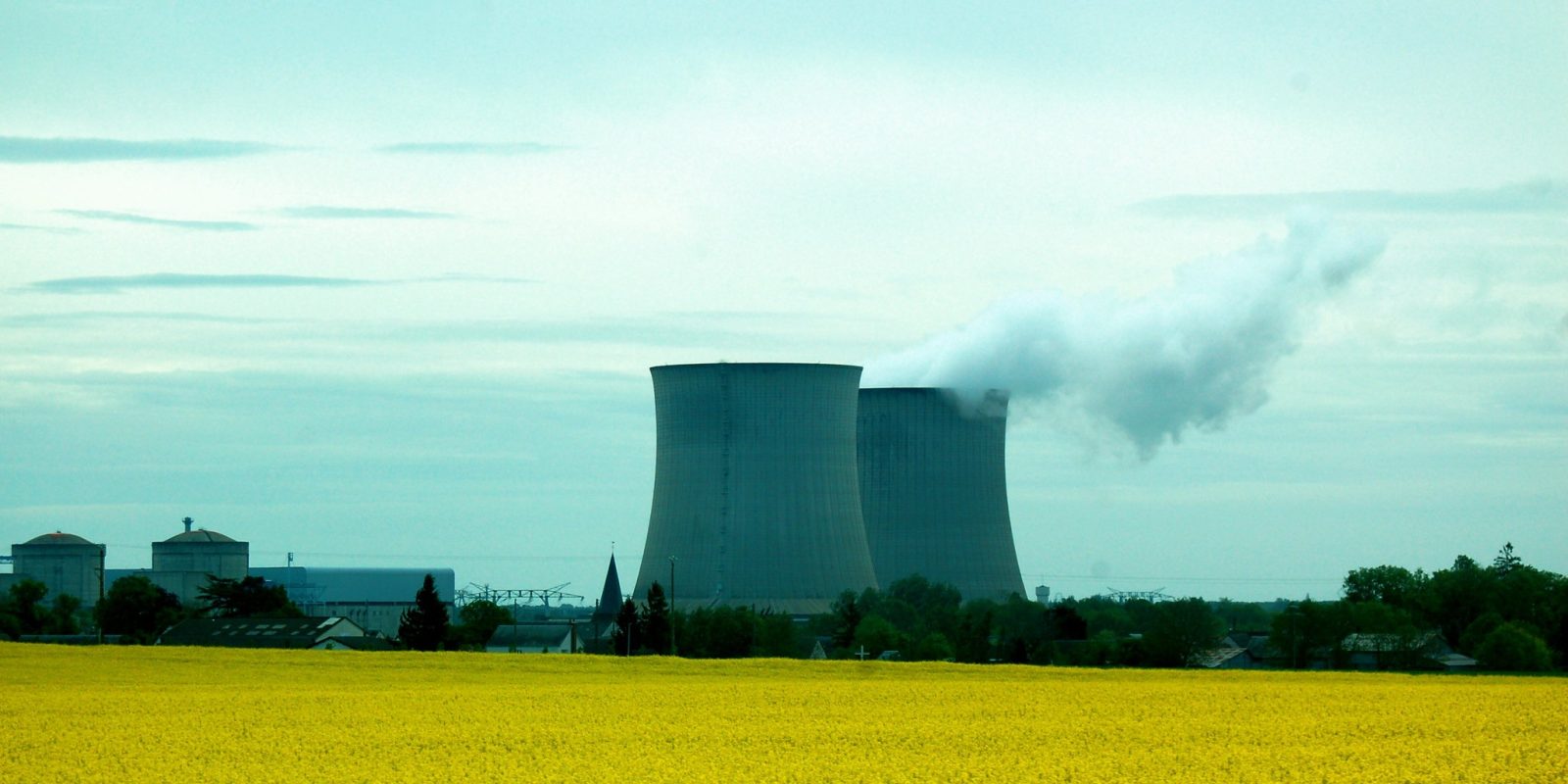
The European Commission wants to label some natural gas and nuclear power plants as sustainable, calling them “transitional” sources of energy in rules proposed yesterday. But that label comes with strings attached, and many, from environmental groups to countries, call the proposal a greenwash.
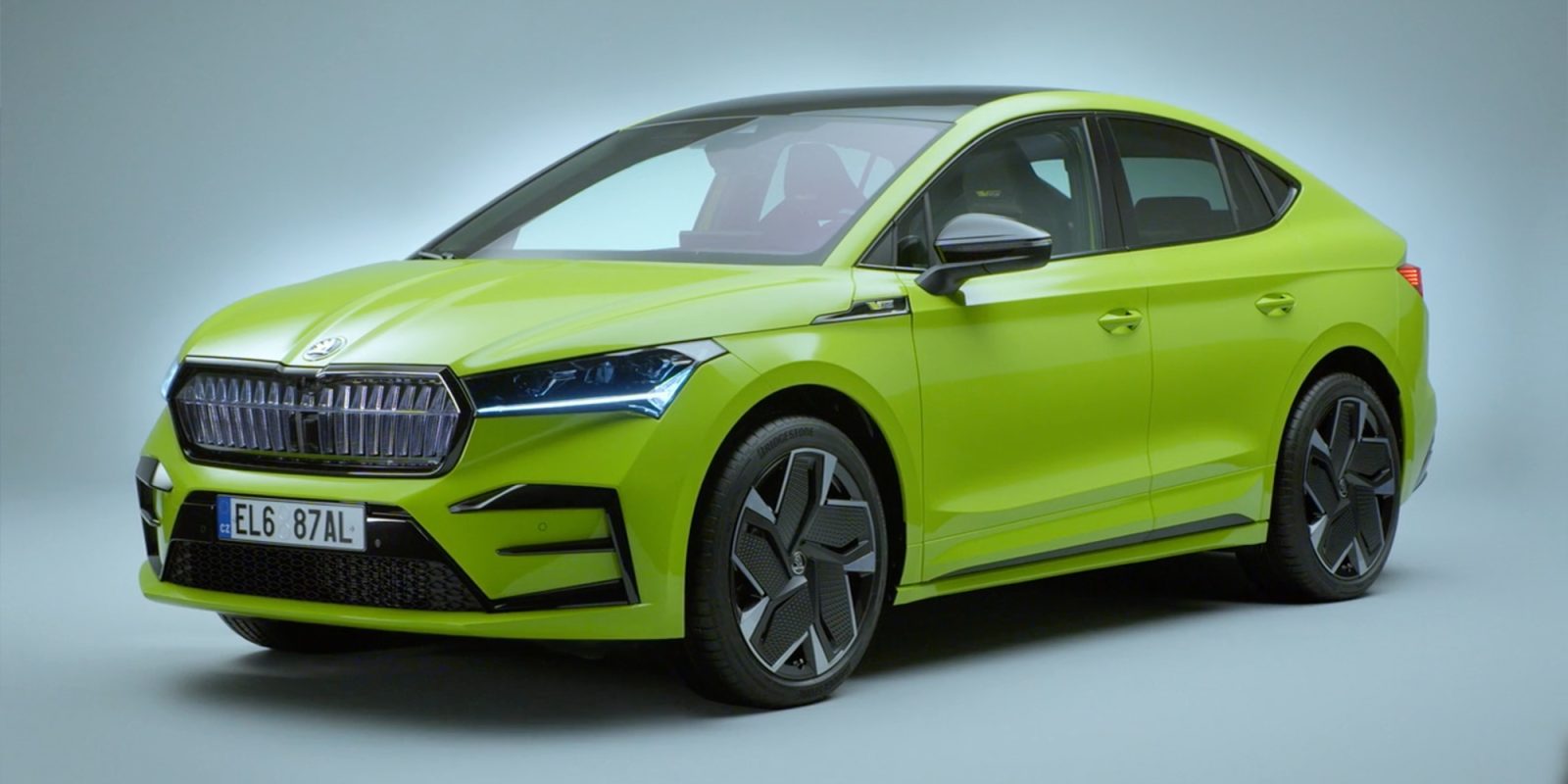
Czech auto manufacturer Škoda has expanded its all-electric vehicle offerings by introducing a new Enyaq Coupé iV for Europe. The new EV was unveiled alongside a sportier Rally Sport version and can come in two different battery sizes as well as rear- or all-wheel drive.
As EV adoption continues to grow around the world, Europe in particular appears to be moving at a quicker pace. With automakers vowing to go all electric as a result of laws to eventually eliminate the sale of combustion vehicles, countries overseas are well on their way to fully embracing zero-emissions vehicles. A new study used historical date to predict where European countries will stand in 2035, based on new EV registrations.
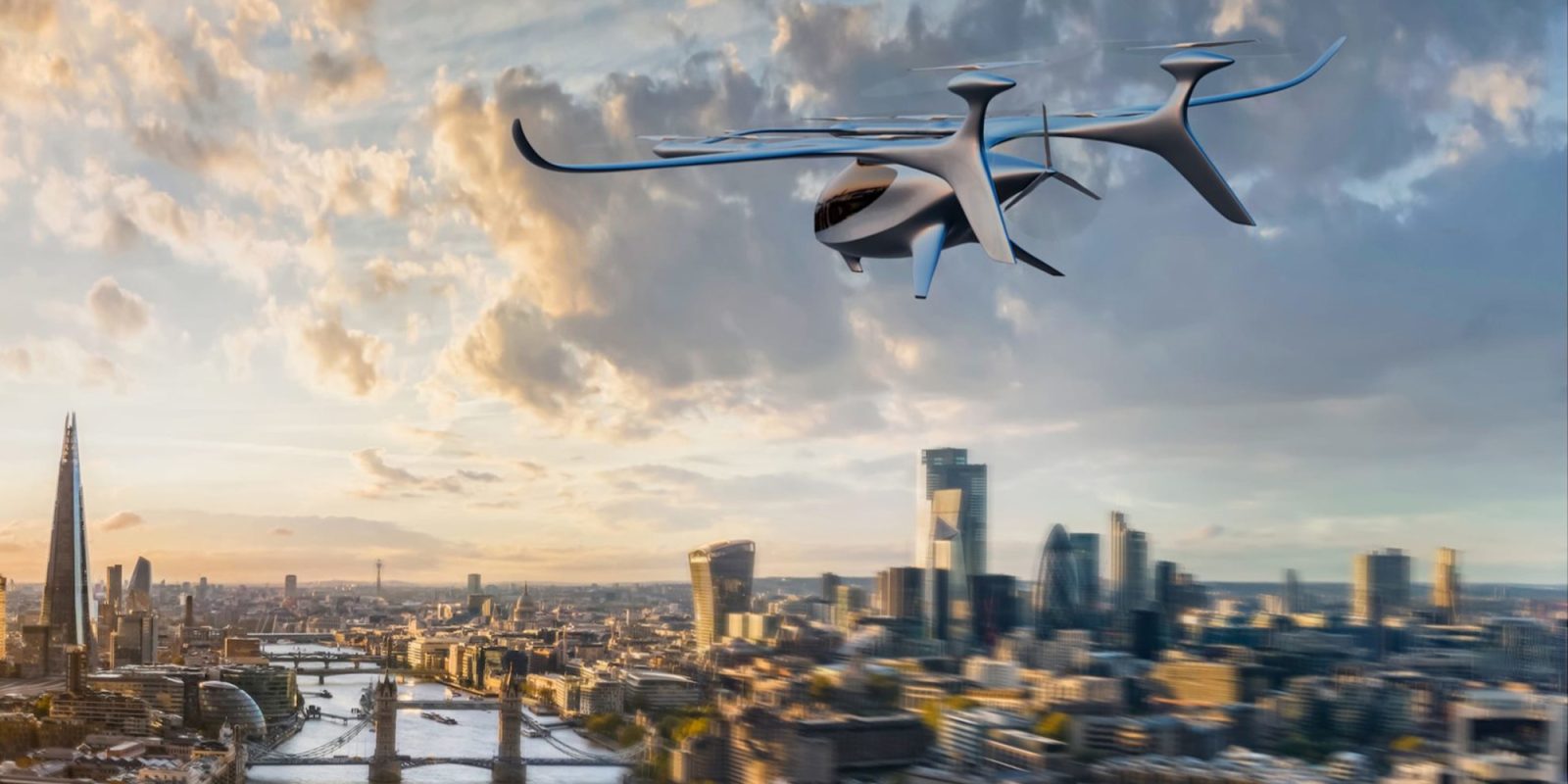
Chinese eVTOL developer AutoFlight is showcasing its global expansion by officially entering Europe. The company has set up shop at Augsburg Airport in Germany, as it now seeks to to achieve certification from the European Aviation Safety Agency (EASA) for its “Prosperity I” eVTOL taxi. The certification program will begin this year and is expected to be completed by 2025.
French automaker Renault has joined the all-electric party in Europe, as its CEO recently shared news that the brand would become 100% electric by 2030. While the announcement is welcomed progress, its timing also correlates with current climate proposals in the UK and EU that will limit ICE by 2030, and require 100% EV sales by 2035. Conversely, another Renault exec has openly spoken out against the ICE ban.
Efforts by automakers and legislators overseas appear to be paying off, as a new study found that consumers’ transition to all-electric vehicles in the EU and UK is “inevitable.” Due to commitments from automakers, tighter regulations on CO2 emissions, and a decline in overall costs of EVs, sales across Europe are expected to surpass those of ICE vehicles in the next three years.
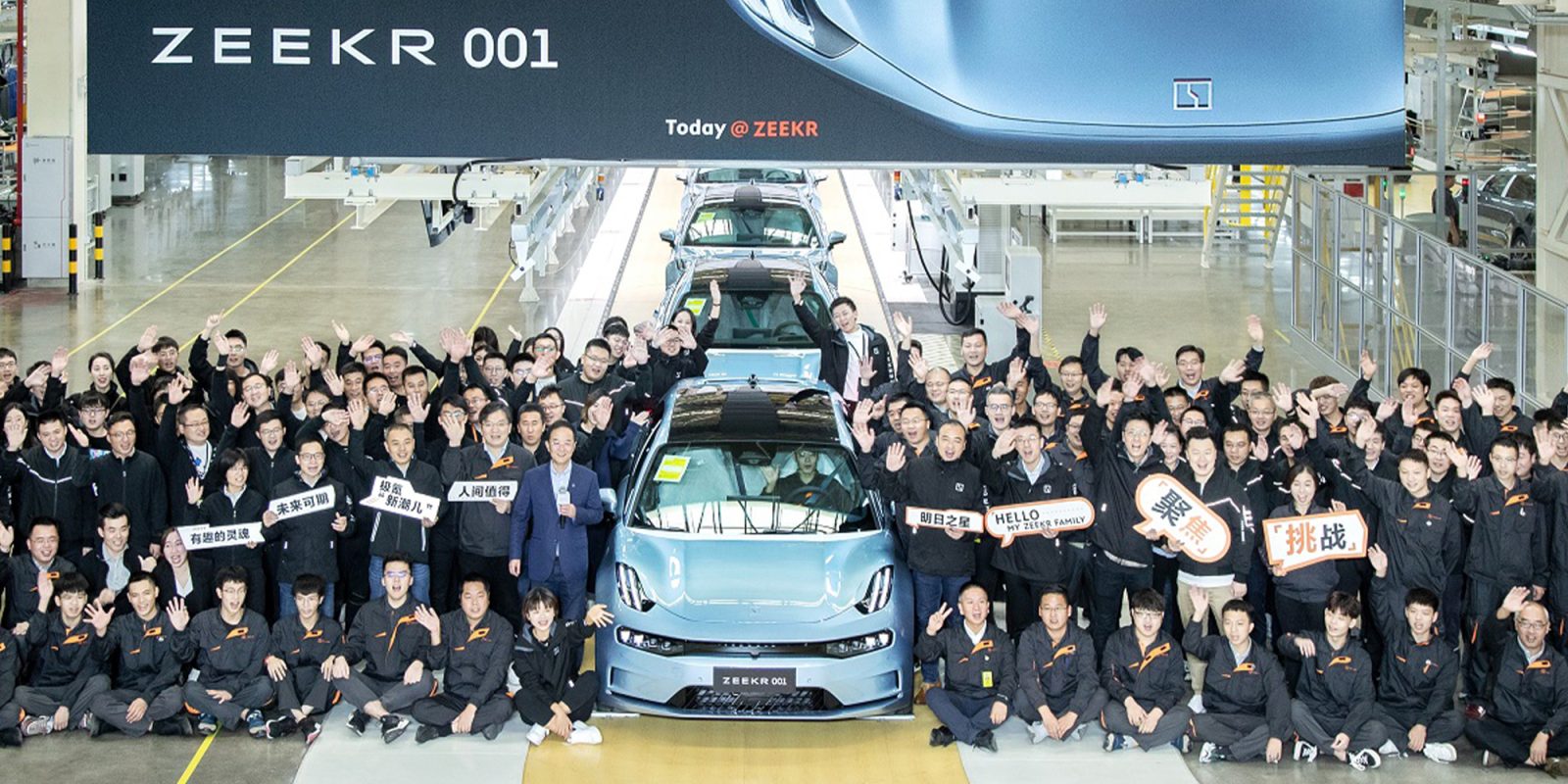
Geely-owned EV sub-brand ZEEKR continues its ambitious entry into electrified markets by sharing ambitious delivery goals for China this year. Furthermore, ZEEKR now plans to enter the EU market next year, joining previously announced plans to enter North America as well.
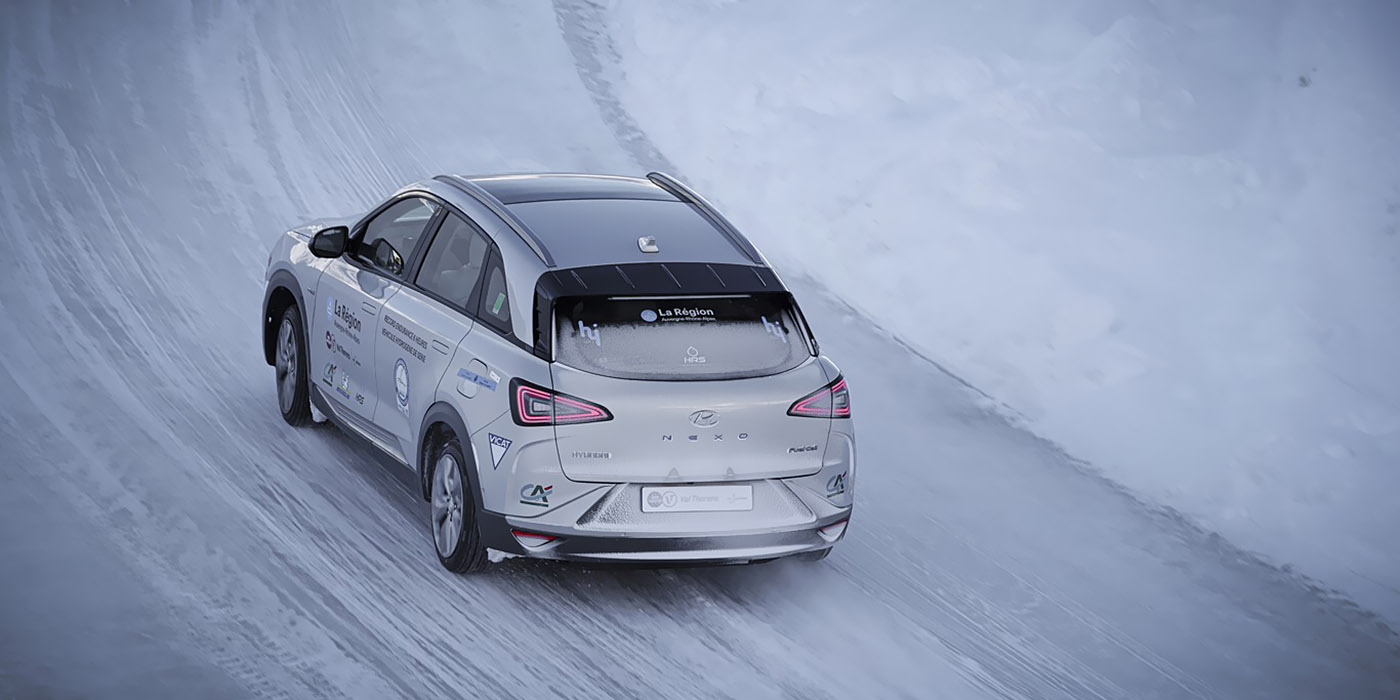
If you asked a Hyundai executive to describe their relationship status with hydrogen these days, they’d probably tell you, “it’s complicated”. Indeed, the news regarding the Korean carmaker’s various hydrogen programs seems – well, if not contradictory, at least confusing – with the company’s announcement that its hydrogen fuel-cell (HFC) powered Nexo crossover had broken some key, extreme-weather endurance records in Europe arriving almost lock-step with news that Hyundai had paused development of its HFC Genesis.
What the “H” is really going on at Hyundai, and what does the EU have to do with its future hydrogen plans? Read on.
During a recent media event in Brussels, Toyota Europe outlined a plan for a 100% CO2 reduction in all-new vehicle sales in the market by 2035. This “goal” will be preceded by a sales mix of at least 50% zero-emission vehicles (ZEVs) in Western Europe by 2030. On a broader scale, Toyota Motor Corporation continues to dig in its heels as one of the few major automakers that has yet to set an expiry for gasoline vehicle production.
European charging network IONITY has announced a major investment of €700 million to expand its number of fast chargers across the continent. The ensemble joint venture between several major automakers will more than quadruple its current footprint from 1,500 fast chargers to 7,000 by 2025.
During IAA Mobility 2021 in Munich, Hyundai Motor Group has shared its goal to become completely carbon neutral by 2045. This will include its global product lineup and all company operations. Furthermore, Hyundai announced an end to all combustion engine vehicles in Europe beginning in 2035.
Great Wall Motor has announced it will be next Chinese automaker to test out the market in Europe by launching an all-electric compact and plug-in hybrid EV (PHEV) SUV in 2022. The company shared the news at IAA Mobility in Munich today alongside plans to debut the EVs under its WEY brand and existing ORA marque, both under the Great Wall Umbrella.
As part of the European Green Deal, the EU has adopted a package of climate proposals they’re calling “fit for 55”. In it, Europe targets a 55% reduction in CO2 by 2030 and full climate neutrality by 2050. To serve this goal, Europe plans to reduce new car emissions by 55% by 2030 and 100% by 2035 — which means no new emitting vehicles.
The European Commission (EC) and the Batteries European Partnership Association (BEPA) have announced a memorandum of understanding to research and develop battery technologies for production in Europe. The co-programmed partnership is being called BATT4EU, and it’s aimed at bringing value and competitiveness to the EU’s battery chain.
Chinese EV automaker NIO announced it has received European Whole Vehicle Type Approval (EWVTA) for its flagship SUV, the ES8. This essential certification will allow for mass production of the NIO ES8, as well as license plate registration for all countries in the EU.
German electric utility company EnBW has announced it is implementing a flagship charging station at the Kamener Kreuz autobahn interchange. When complete, the 52 charging points will make it the largest public fast charging station in Europe, according to EnBW.
Electric cars will triple their market share in Europe this year as a result of EU car emissions targets, according to a new report released today from Transport & Environment (T&E), a European umbrella group for non-governmental organizations that work in transport and the environment, and promote sustainable transport in Europe.
The head of VW, Herbert Diess, is using scare tactics against the new proposal while he claims that the German automaker is all-in with electric vehicles. Expand Expanding Close