The Trump Administration’s decision to repeal of the 30% home solar tax credit in 2025 looked like the end of the road for subsidized rooftop solar projects, but it looks like the home solar tax credit is still alive — you just have to know where to look for it, and how to claim it.
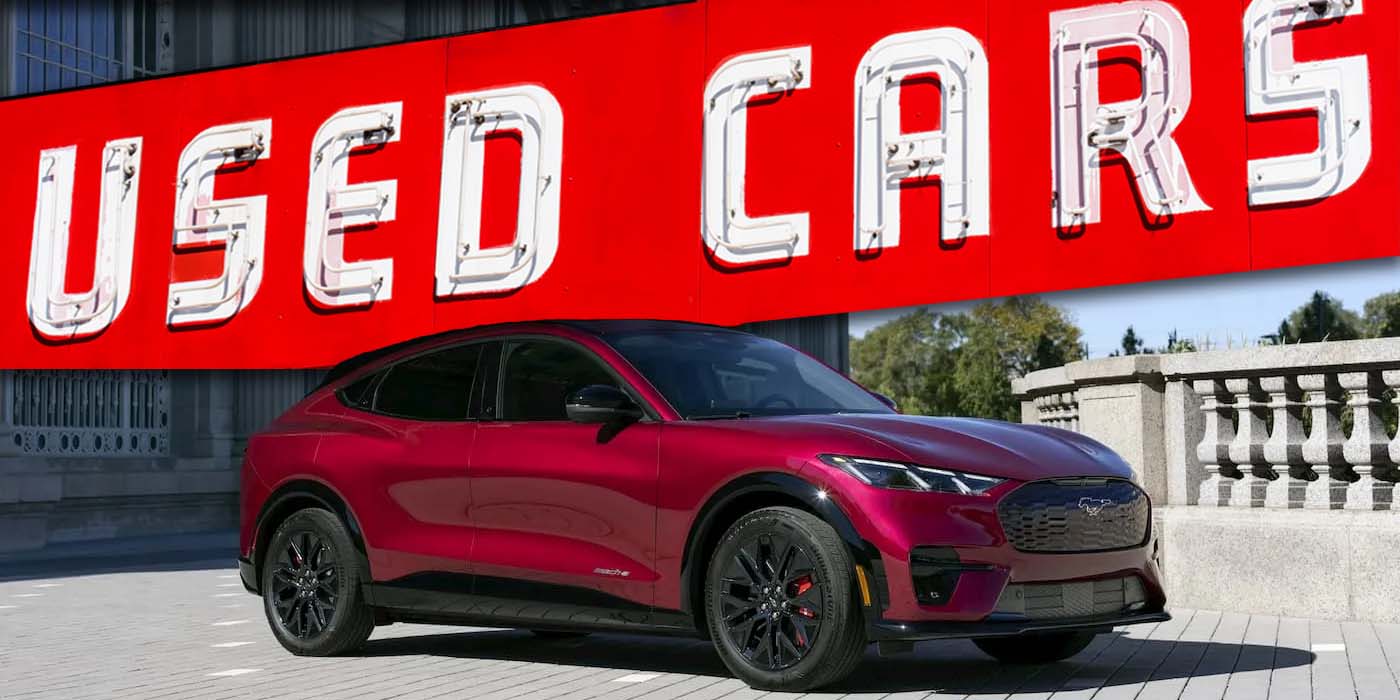
Federal tax credits are starting to waver under the current administration, but as of May 2025, you can still take advantage of up to $4,000 off the purchase of a used EV. If you’d rather not listed to me talk, you can skip right to all the BEVs and PHEVs that currently qualify by clicking here.
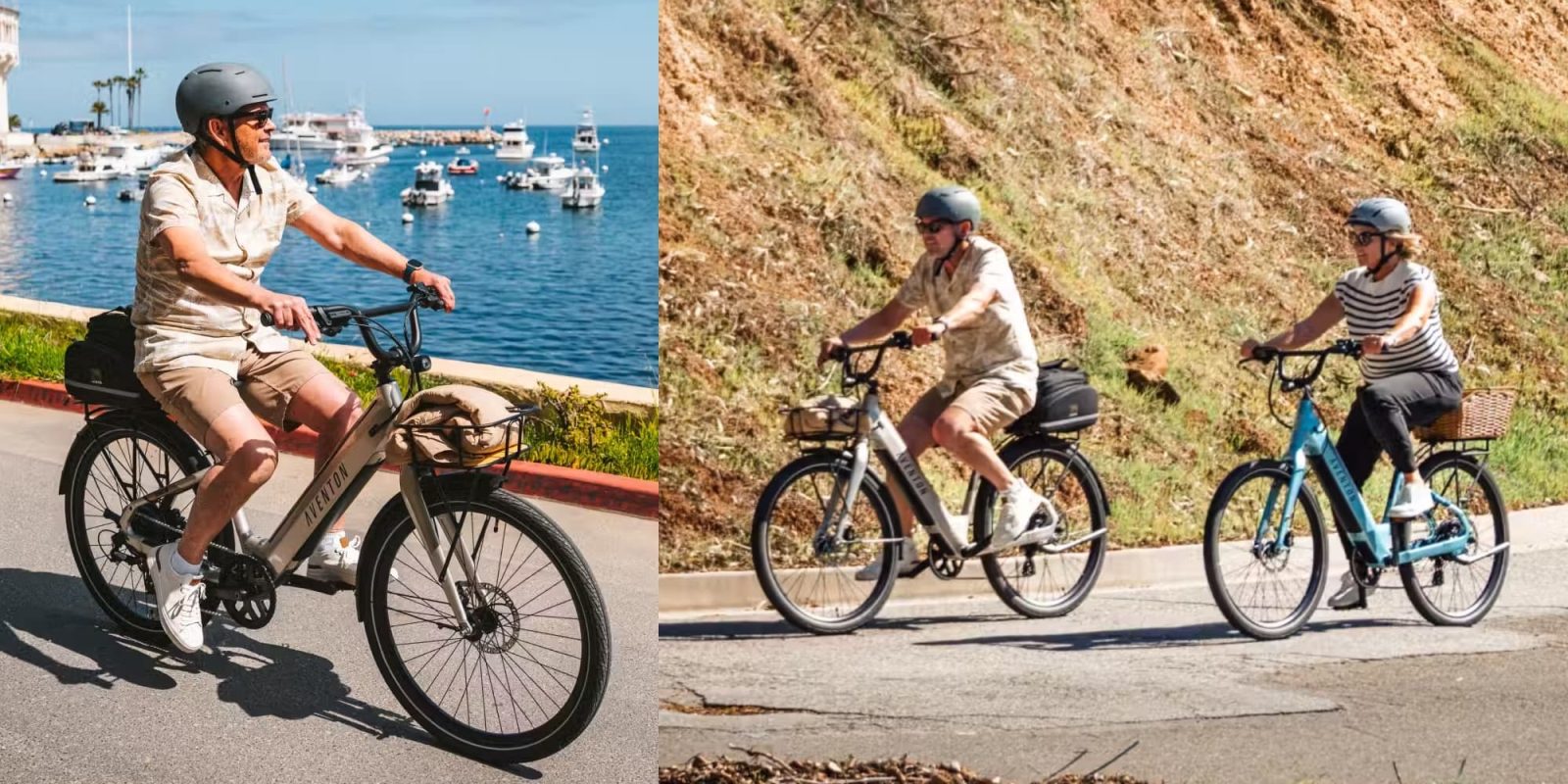
California’s rollercoaster of an electric bicycle voucher program, designed to make the highly effective transportation alternative affordable for more California residents, has hit yet another bumpy section of track. This time, a “technical issue” is being blamed for the second tranche of vouchers being delayed indefinitely, causing yet another headache for the beleaguered California E-Bike Incentive Program.
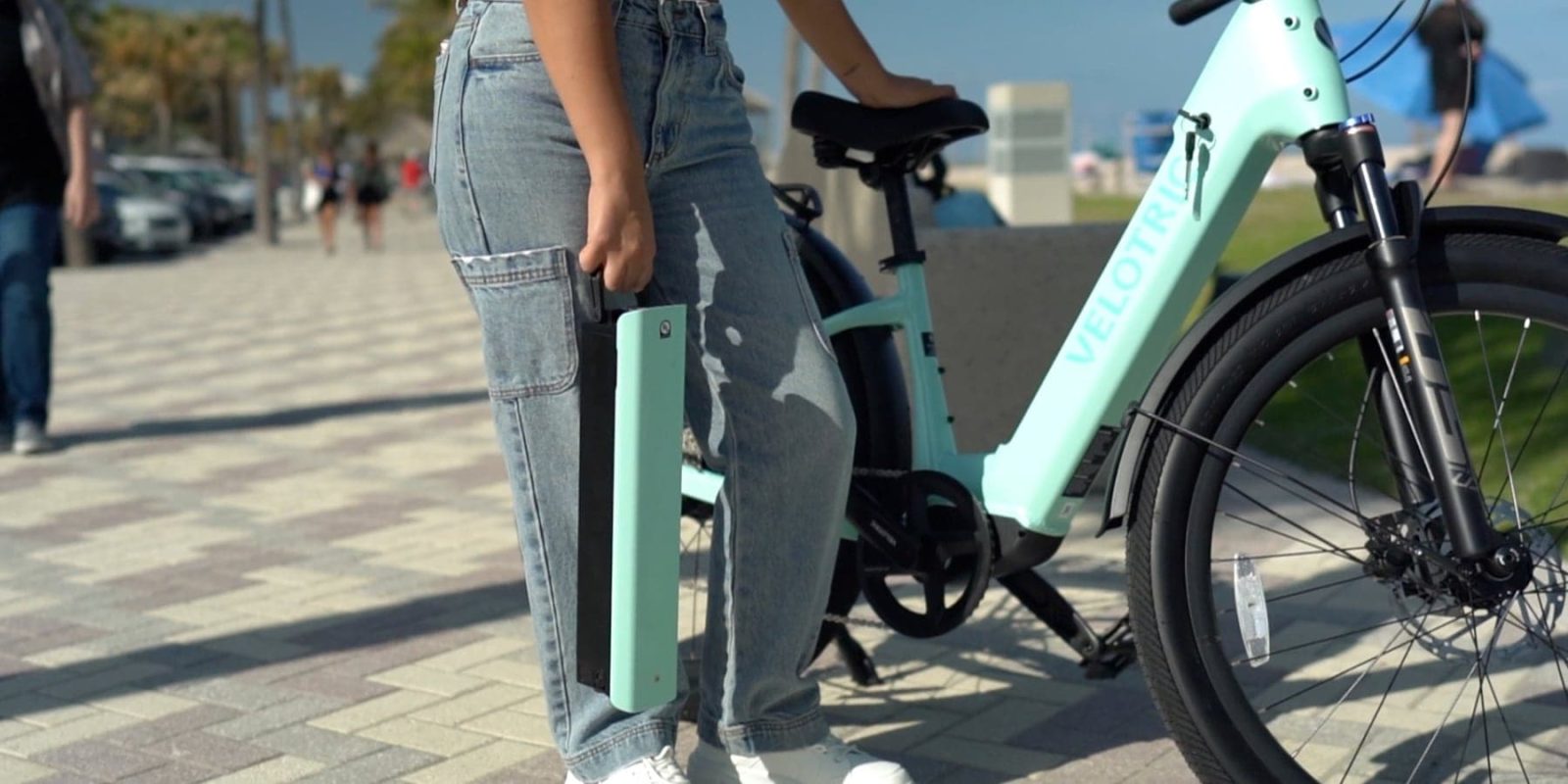
Electric bicycle incentive programs have grown considerably over the last few years, and Washington State is one of the most recent to lay the groundwork for yet another program designed to reduce the cost of this alternative transportation for lower-income commuters. But the state is also going about it in a unique way, by using funding raised from its emissions taxes.
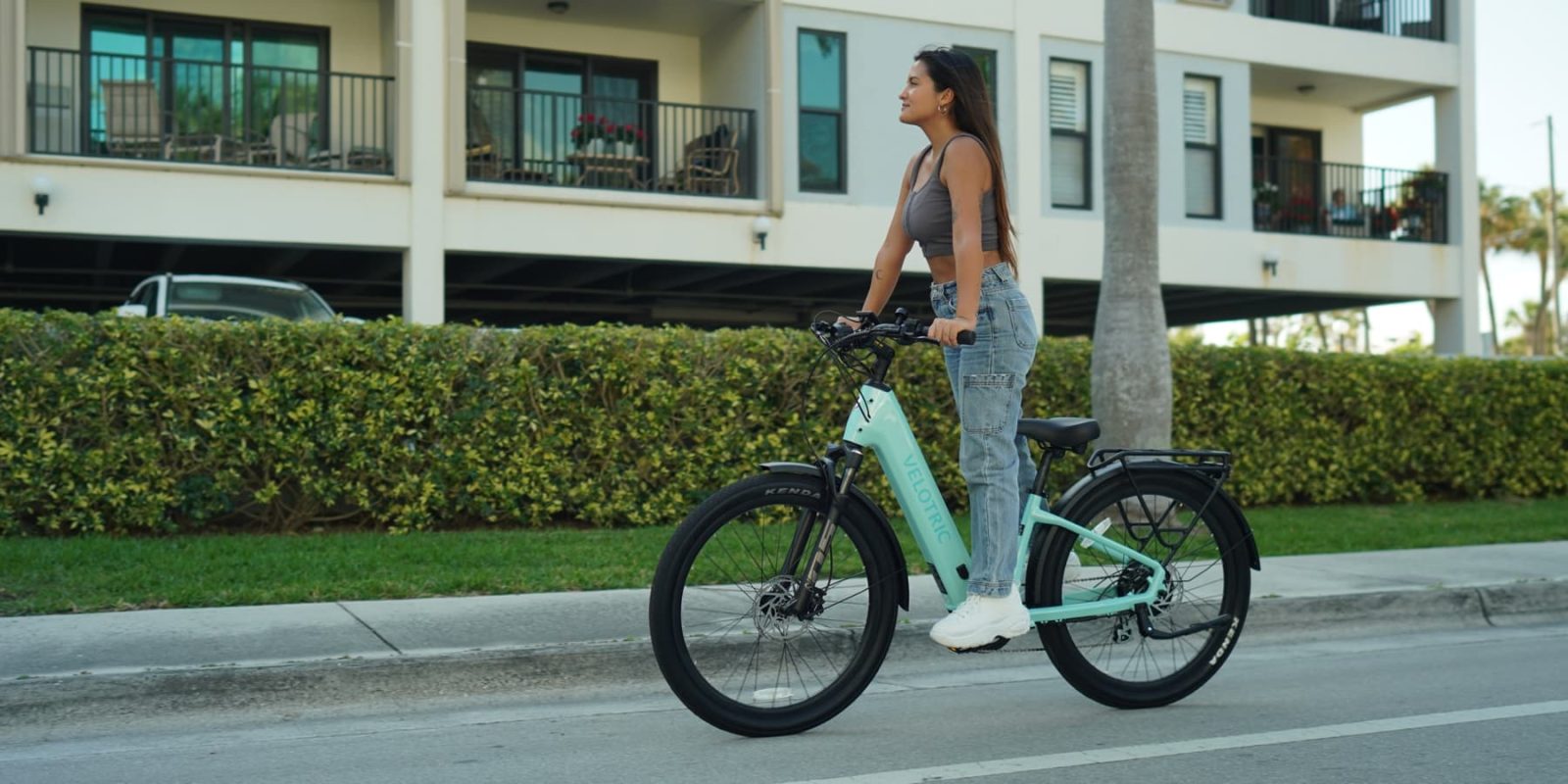
Electric bicycle rebate programs, which often provide vouchers or tax credits to help offset the cost of an electric bike for local residents, are becoming increasingly popular around the US. The city of Denver’s own program, which was one of the first in the country, has now become a victim of its own success.
Ever since the federal government gave up on including electric bikes in its broader electric vehicle incentive programs, alternative incentives at the local and state levels have been met largely with success—except, of course, in California. In stark contrast to most other incentive programs around the US, California’s partially developed program has spent years in shambles with no apparent launch date in sight.
Here’s how California screwed the pooch so badly with its own state-sponsored electric bicycle incentive program.
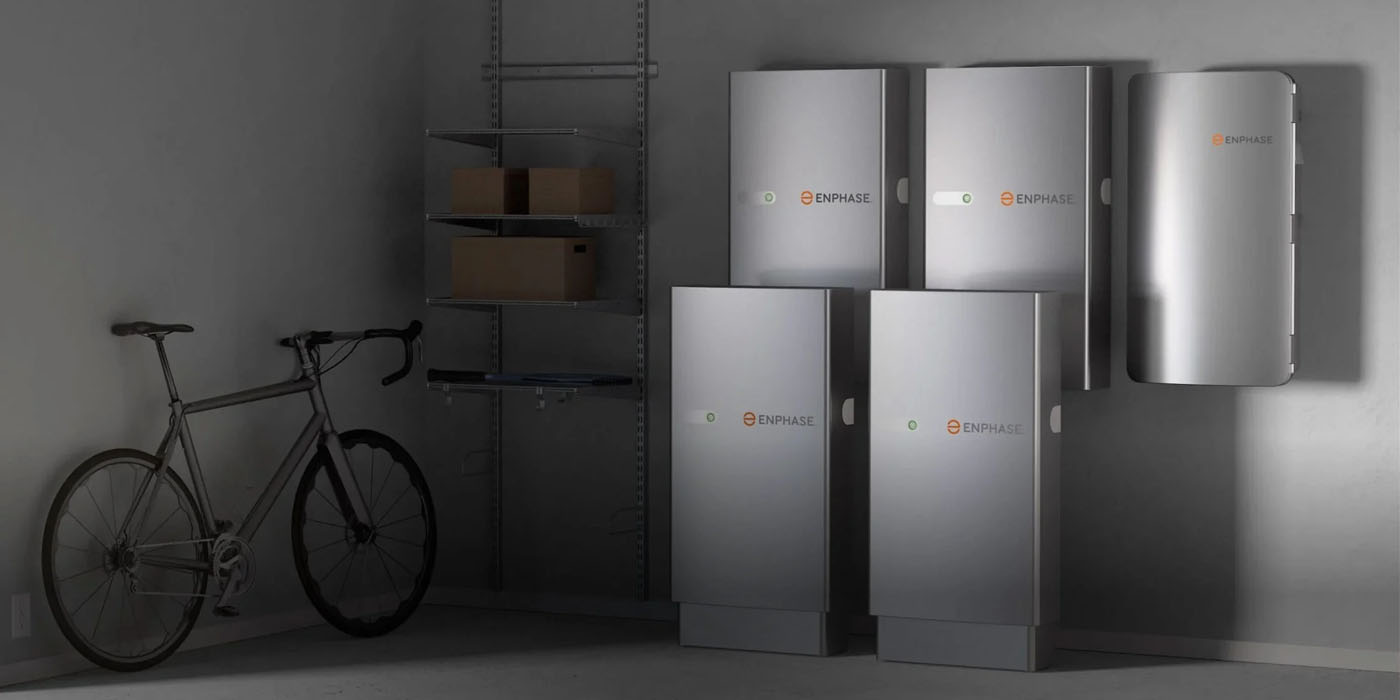
Solar and battery systems provider Enphase Energy has introduced new residential and commercial products made in the United States that will help bolster the percentage of available federal tax credits available to customers installing the tech.
China’s Ministry of Finance has confirmed that tax exemptions for New Energy Vehicles (NEVs) scheduled to expire at the end of this year have been extended through 2027. Consumers in China will now be able to take advantage of EV tax breaks amounting to over $4,000 per vehicle to start, which will dwindle down over the next four years.
Canadians gather! If you’re looking to go electric, there is an expansive program at your disposal offering varying levels of incentives for EV purchases and leases in Canada. We’ve compiled everything you need to know below, alongside an ever-growing list of vehicles that qualify.
After being originally introduced in 2021, yet faltering before the finish line, a federal incentive for electric bicycle purchases is back on the table. If it passes, Americans could receive a $1,500 tax credit for the purchase of an electric bike.
Electric bicycles are quickly proving to be one of the best ways to get drivers out of cars while still providing fast, efficient personal transportation. And rebate programs that help reduce the cost of expensive e-bikes are now making them more affordable than ever before.
The European Union has asked the United States to include EVs, batteries, and other sustainable products sold on US soil in federal tax credits, similar to benefits it currently offers its North American neighbors. According to a recent report, the US and EU are in discussions about what’s possible.
Germany last week doubled its consumer subsidies of electric vehicles that cost up to €40,000. But a more powerful measure is in the works to help Germans transition to fuel-efficient vehicles: a high tax on vehicles that get less than about 28 miles per gallon.
Legislation in New Jersey passed critical committee votes today, making it likely to become law this week. It will make New Jersey one of the most generous states for EVs, as well as improve EV infrastructure for the millions of Americans who drive through the state.
A Republican-backed bill introduced in Georgia’s House of Representatives would reinstate a $2,500 state tax credit for the purchase or lease of new electric, zero emission, and plug-in hybrid electric vehicles.
Virginia lawmakers have put forward House Bill 469 which would allow for a 10% State tax refund on the purchase of an electric vehicle up to a $3500 maximum.
On May 26, 2016 – “U.S. Rep. Mike Honda (D-Silicon Valley, Calif.) introduced H.R. 5350, the bipartisan Energy Storage for Grid Resilience and Modernization Act. Honda was joined by Reps. Chris Gibson (R-NY), Tom Reed (R-NY) and Mark Takano (D-CA).” The purpose of the legislation is to clarify that energy storage industry receives a 30% tax credit equivalent in nature to what the Renewable Energy industry gets. The 30% Solar Power Tax Credit, is credited with being one of the major drivers for the solar power installation boom in the United States.
Tesla announced a new Build Plan for the Model 3 this week. According to Tesla CEO Elon Musk, it could result in the company manufacturing as many as 100,000 to 200,000 Model 3 vehicles during the second half of 2017, and around 500,000 cars in 2018 (Model 3, S and X). It’s a direct response to the storm of Model 3 reservations, now over 400,000, that Tesla received since unveiling the vehicle just over a month ago.
The ambitious plan would not only result in reservation holders getting the car sooner, but also in more (a lot more) American reservation holders having access to the $7,500 federal tax credit for electric vehicles. Expand Expanding Close

In an email sent out last night (see below), Tesla confirmed that following the overwhelming number of Model 3 reservations it received, the company is currently “increasing its production plans to minimize the wait for Model 3” – something Elon Musk hinted Tesla was looking into after witnessing the long lines of people waiting at Tesla’s stores to reserve the $35,000 long-range all-electric vehicle. Expand Expanding Close
The long-awaited Tesla Model X, which will launch on September 29th, could become a very popular vehicle with American business owners, not just because of its signature ‘Falcon Wing’ doors or the ‘sculptural beauty‘ of its second row seats, but because it could actually be a great bargain despite of its $80,000 starting price.
Beyond the $7,500 federal tax credit offer at the purchase of electric vehicles and other tax incentives at the state level, the Model X’s weight and capacity could make it eligible to the $25,000 tax deduction for heavy vehicles under Section 179, also known as the ‘Hummer Tax Loophole’… Expand Expanding Close