Tesla: A guide from the original Roadster to today
Tesla is a transportation and energy company. It sells vehicles under its 'Tesla Motors' division and stationary battery pack for home, commercial and utility-scale projects under its 'Tesla Energy' division.
Table of contents
The history of Tesla
Sure, you now know Tesla as a Cerberus of energy innovation, software, and booming stock, but it wasn’t always the clean energy juggernaut we know today. In fact, Tesla as a company has overcome quite a few obstacles to get where it stands today as the most valuable automaker by market cap.
Tesla Inc. was founded in 2003 as Tesla Motors by Martin Eberhard and Marc Tarpenning. If you’ve been living on a deserted island or under a large rock the past 18 years, you may be surprised to hear that the company’s name is a tribute to inventor Nikola Tesla.
Regardless, Ian Wright joined Tesla shortly thereafter, and the three original employees were off to the races in search of funding.
That’s where Elon Musk comes in. In early 2004, Tesla Motors managed to raise $7.5 million in series A funding, including investor Musk, who contributed all but $1 million of that total.
As a result, Musk joined the company as chairman of the board. J. B. Straubel, now of QuantumScape fame, joined Tesla in May 2004 as employee #5. As a result of the first of many controversies surrounding the company, a 2009 lawsuit settlement allows all five of the original employees to call themselves co-founders.
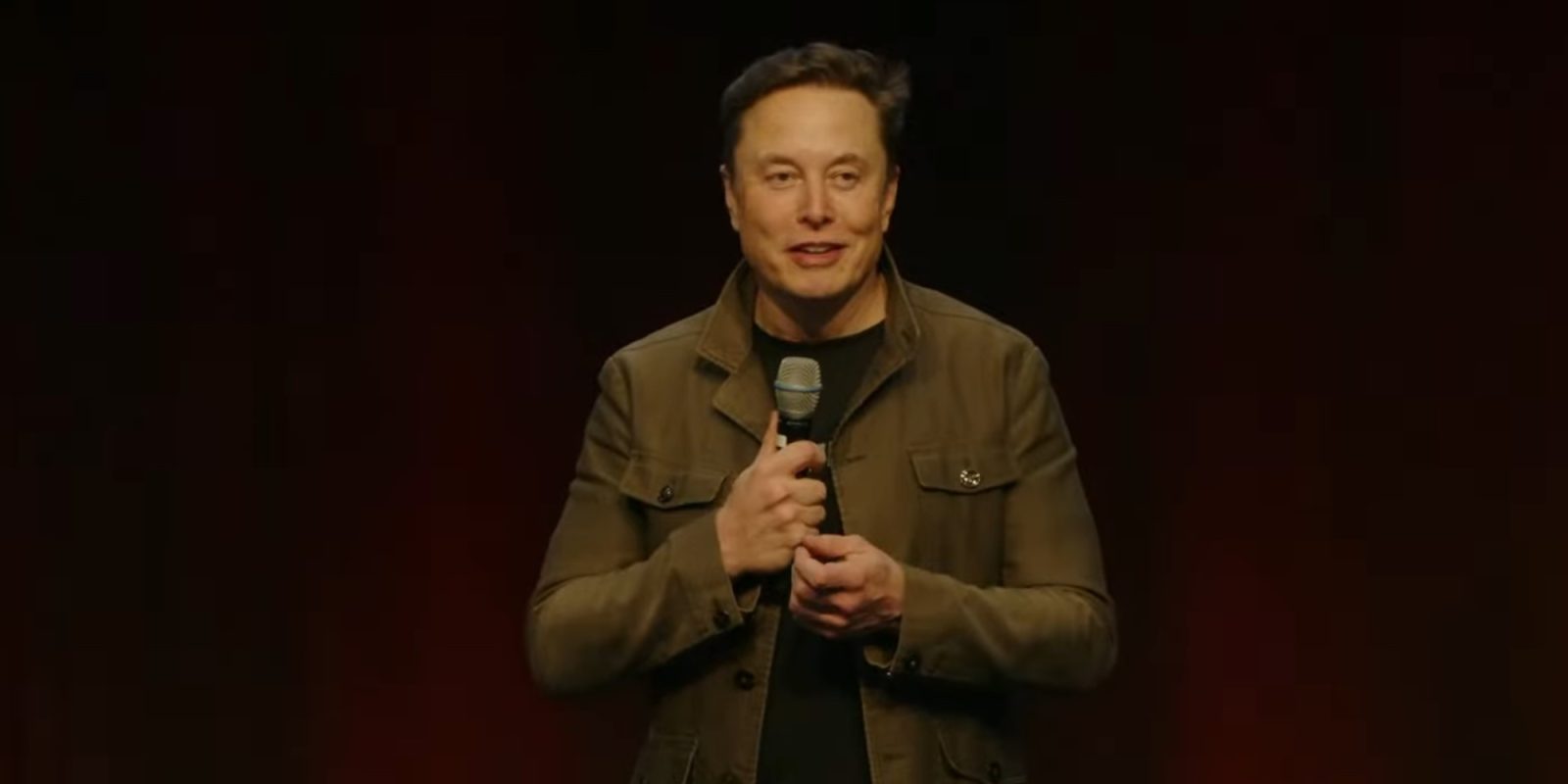
Elon Musk
After an early investment and a role at the company, Musk began spearheading public statements for Tesla while helping facilitate more funding.
This included several additional rounds, each garnering tens of millions of dollars. Musk openly discussed the company strategy of creating a sleek and stylish sports car to attract early adopters (and their wallets) before expanding production to more practical and affordable EVs with the cash flow to scale. This led to the introduction of Tesla’s flagship EV, the Roadster, which debuted as a prototype in the summer of 2006.
In 2007, cofounder Martin Eberhard was asked to step down as CEO by the board of directors, and by early 2008, neither Eberhard nor Tarpenning was still at Tesla. That is when Musk took over as CEO, a position he still holds today… along with “Technoking of Tesla.”
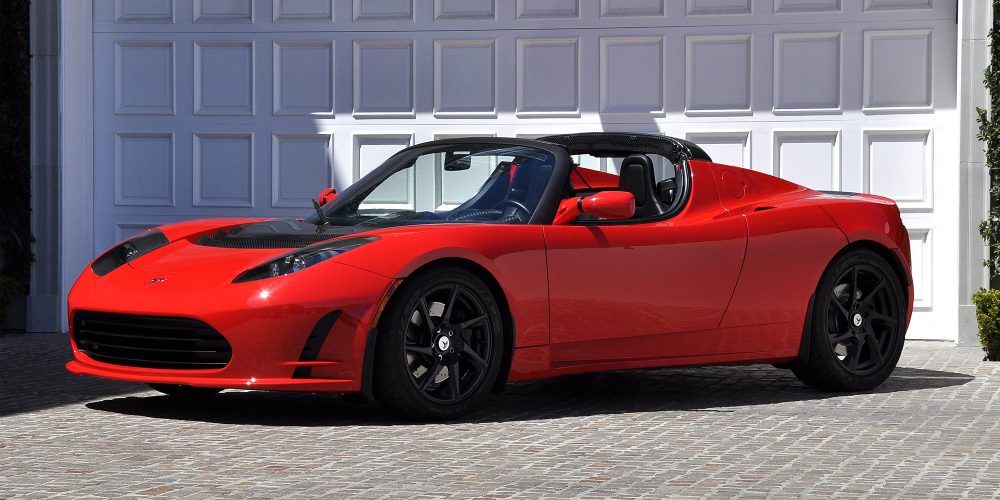
The Roadster
The Tesla Roadster hit production in 2008 as the original electric vehicle to debut for the American automaker. It helped show that EVs could be carbon conscious and cool, helping pave the way for Tesla to develop and sell more practical and efficient vehicles.
Although it was a niche vehicle from a relatively unknown automaker at the time, The Roadster emerged as the first highway legal serial production BEV to use lithium-ion batteries. It was also the first fully-electric production vehicle to travel over 200 miles on a single charge.
Tesla ended up selling close to 2,500 first-generation Roadsters over the course of the four years it was in production. Small potatoes by today’s Tesla standards, but this Roadster remains the EV that put Tesla on the map and kicked in the door of an industry still very much focused on internal combustion engines. It remains a collector’s item for many as the original Tesla.
Used Roadsters remain coveted EVs and are still available on the used car market.
Model S, energy storage, and Model X
Tesla started to gain steam in 2010 when it purchased what would become its Fremont Factory to begin production on two new EVs. Later that year, Tesla launched an IPO on the NASDAQ as the first American automaker to do so in over 50 years.
After discontinuing The Roadster in early 2012, Tesla began production on its Model S sedan the following summer.
2015 proved to be another tremendous year for the automaker, as Tesla ventured into energy storage solutions with the introduction of its Powerwall for the home and Powerpack battery packs. Shortly thereafter, Tesla introduced its third EV: an SUV called the Model X.
Solar and Model 3
In 2016, Tesla acquired SolarCity, thus entering the solar energy game as well. It was at this point that the company dropped the “Motors” from its name, which includes solar and energy solutions in addition to electric vehicles.
Profits from previous EV models and new energy ventures allowed Tesla to scale and produce its Model 3 sedan, a mass-market EV that remains the most affordable option in the company fleet. Production issues plagued the entire production process on the Model 3, but Tesla was eventually able to deliver at a reasonable price, making it one of the best-selling EVs of all time in its short tenure.
Model Y and beyond
It would be three whole years before Tesla would deliver a new EV after the Model 3, but in March of 2020, The Model Y crossover emerged. Tesla continues to sell many of the two newly introduced EVs compared to the original S and X models, although both have seen a significant refresh this year.
For now, Tesla continues to expand its global production presence with two new Gigafactories on the way, along with three additional vehicles. This includes Cybertruck, the Tesla Semi, and a 2nd generation Roadster.
We will get deeper into those models a little later. For now, we will focus on Tesla’s current EV offerings.
Current Tesla EVs
As the company currently stands, Tesla has four electric vehicles in its fleet, varying in a number of ways — particularly in availability. In terms of sedans, Tesla has its veteran Model S and more consumer-friendly Model 3. The Model X sits as Tesla’s largest EV on the current market, while the Model Y is the company’s most recent offering as more of a smaller, crossover SUV.
Below is a breakdown of each vehicle in greater detail.
Model S
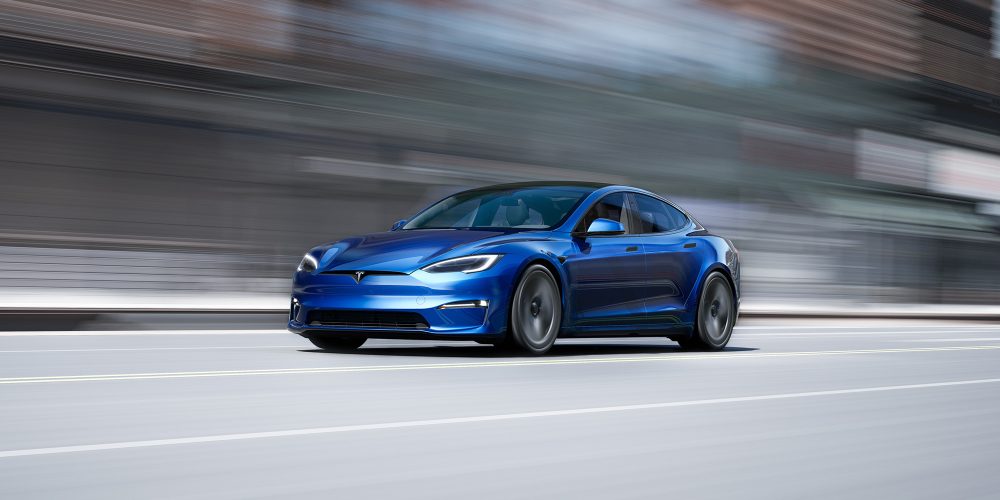
The Model S sedan is Tesla’s longest-running EV in production to date. It made its official debut in 2012 after years as a prototype for the automaker. Since then, the sporty EV has reigned as the best-selling plug-in electric in both 2015 and 2016.
Sales of the veteran Tesla have slowed since the launch of the automaker’s more cost-friendly Model 3 and Model Y EVs, but the Model S still sits as a premier sedan that offers a variety of luxury and performance for those who can afford it. You can check out 2021 Model S pricing here.
The current Long Range trim can travel 405 miles on a single charge, hit a top speed of 155 mph, and tear from 0-60 mph in 3.1 seconds. Tesla recently revealed in its Model S refresh that the vehicle will now come in either a Plaid or Plaid+ trim with varied range.
Model S Plaid/Plaid+
Tesla originally claimed the Plaid+ will be able to travel an EPA estimated 520+ miles on a single charge compared to 390 miles on the regular old Plaid. Either tri-motor option can also reach a top speed of 200 mph, blowing a hole through the top speed previously held by its “ludicrous mode.” At 0-60 mph in under 2 seconds, this upcoming Tesla EV has already claimed the throne of quickest of any production car ever.
Originally the Plaid was scheduled to begin deliveries this spring with the Plaid+ to follow in late 2021. Those plans have since changed, however. In June, Elon Musk revealed that Tesla would be scrapping the Plaid+ Model S altogether, because no one needs more than 400 miles of range and the new Plaid, “is just so good.”
The Model S is Plaid is now available and has been delivering to customers. However, those who order now likely won’t see their delivery until 2022.
For those who were holding rezzies for the Plaid+, you may want to put that money toward a 2nd generation Roadster.
Here’s a quick catchup:
- Tesla Model S Plaid laps Nürburgring in 7:35.579, production electric record
- Tesla pushes estimated delivery dates for both Model S trims
- Tesla puts new Model S deliveries on hold, and it’s unclear why
- Tesla restarts Model S deliveries after a strange weeklong hold
- Tesla buyers are asking for better communications over messy Model S deliveries
- Tesla apologizes for new Model S delays, but some worrying things are going on
Tesla’s Model X
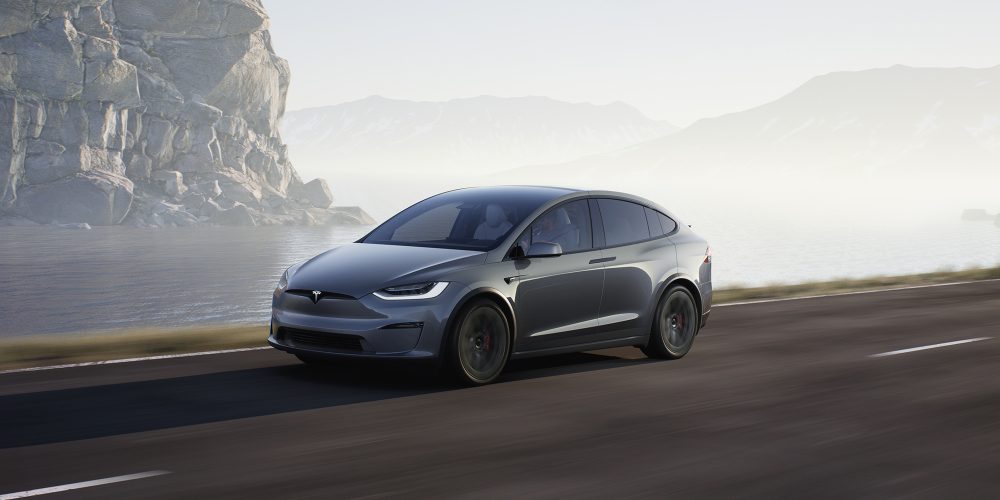
Tesla’s Model X, its largest EV currently available, holds seniority as the automaker’s second-longest-running model on its assembly lines behind the Model S. While the Model X was originally unveiled in 2012, its first deliveries were not until the fall of 2015 due to production delays, particularly on its distinct Falcon Wing doors.
Shortly thereafter, the Model X quickly ranked as one of the top-selling plug-in EVs worldwide, although sales have since staggered a bit following the release of the less expensive Model 3 and Model Y. The Model X hadn’t seen any substantial overhauls since its initial rollout. That was until early this year when Tesla finally confirmed a refresh was, in fact, coming.
With the new refresh, the Model X will be soon available in either dual-motor AWD or a tri-motor Plaid option. The dual-motor Model X Long Range can travel 360 miles on a single charge (a slight downgrade of 11 miles from the previous Long Range Plus). That being said, it can still hit a top speed of 155 mph, and its 0-60 mph acceleration of 3.8 seconds is an improvement of .6 seconds compared to its previous version.
Model X Plaid
Additionally, Tesla has dropped the Performance trim Model X in favor of a tri-motor Plaid option. This version can travel an EPA estimated 340 miles, reach a top speed of 163 mph, and go 0-60 mph in 2.5 seconds.
Truthfully, this feels more like a rebranding than anything, as the Plaid powertrain offers nearly the same specs as the previous Performance trim. Plaid loses one mile of estimated range in exchange for .1 seconds saved on its 0-60. The top speed of 163 mph remains the same.
Those interested in the refreshed Model X will have to continue to wait, however, as the delivery times have been continually pushed throughout 2021. In fact, these models were originally scheduled to arrive in April of 2021, but both trims were pushed to deliver in January or February of 2022.
While some new versions of the Model X were recently spotted, delivery times are listed as May or June of 2022. Might want to check out versions of the Model X that are currently available for delivery.
Model 3

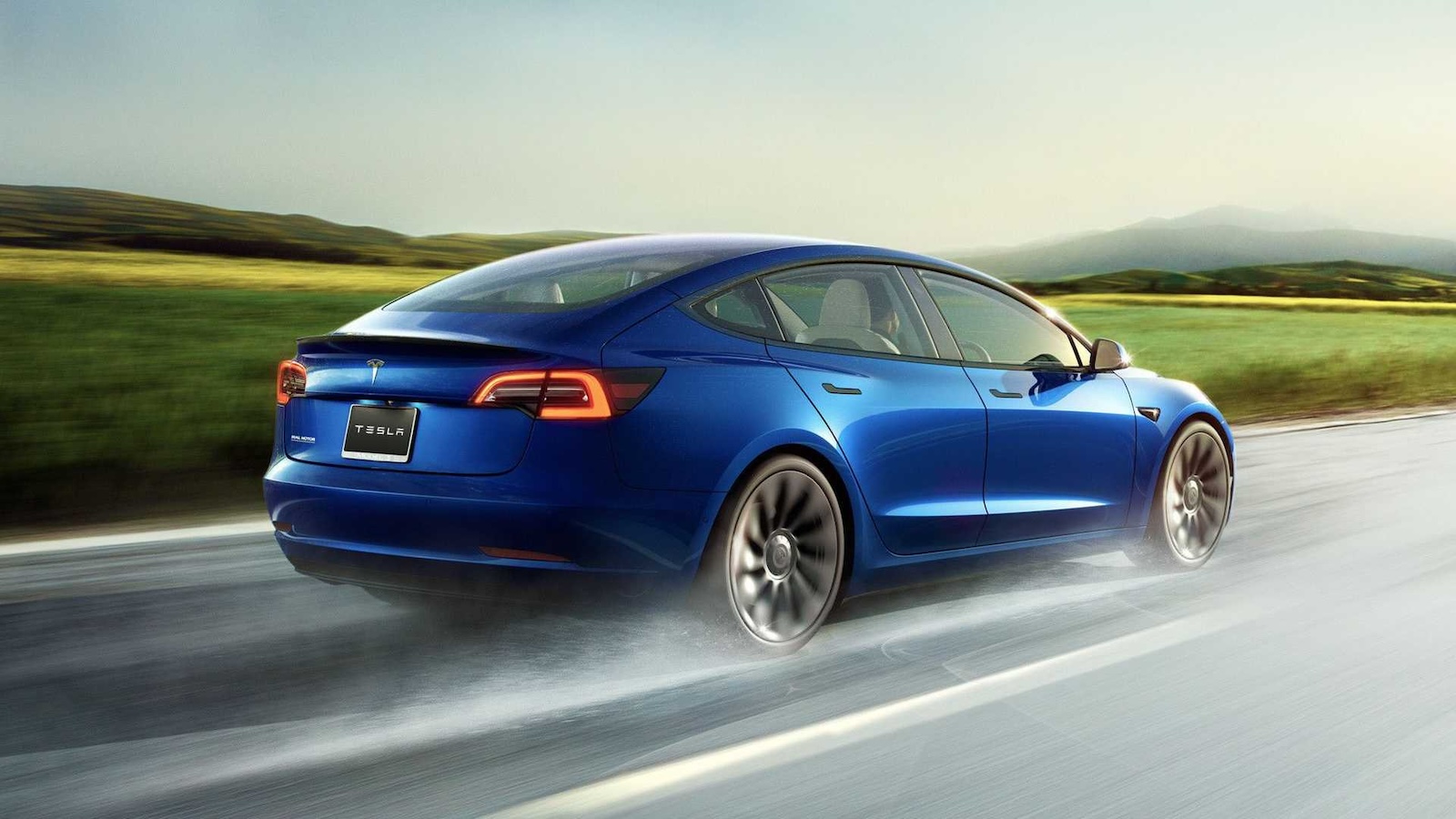
From the early years after Tesla’s inception, CEO Elon Musk was candid about the automaker’s goal of providing quality EVs most consumers could afford to drive. With 2016’s announcement of its Model 3 sedan, Tesla came one step closer to its goal of an EV at $35,000.
After an encouraging number of early reservations were made for Tesla’s most affordable model to date, the Model 3 debuted in 2017. Since then, it has cruised comfortably in the fast lane of sales. The EV currently sits as the world’s best-selling all-electric vehicle and has accounted for a majority of the total Teslas sold in recent years.
Tesla (briefly) sold a $35,000 version of the Model 3 to hit a price point originally promised by Elon Musk in years leading up to the first delivery. Last November, however, Tesla quietly removed this option during a refresh for its 2021 model. For perspective, the current version sits at a purchase price of $41,990 for the Standard Range Plus trim with zero added features.
Tesla’s Model 3 currently sells three separate drivetrains to choose from, each offering various ranges and speeds based on a customer’s preferences (and budget). The most affordable trim, the Standard Range Plus, travels an EPA estimated 263 miles, has a top speed of 140 mph, and can travel 0-60 mph in 5.3 seconds.
Moving up the ladder to the Long Range trim, this version can travel 353 miles per charge and has a top speed of 145 mph. Furthermore, its 0-60 time is 4.2 seconds flat. The Performance Model 3, on the other hand, sheds 38 miles of range compared to the Long Range (315 miles) in favor of speed. This trim tops out at 162 mph and can dart 0-60 mph in just 3.1 seconds.
Tesla’s Model Y
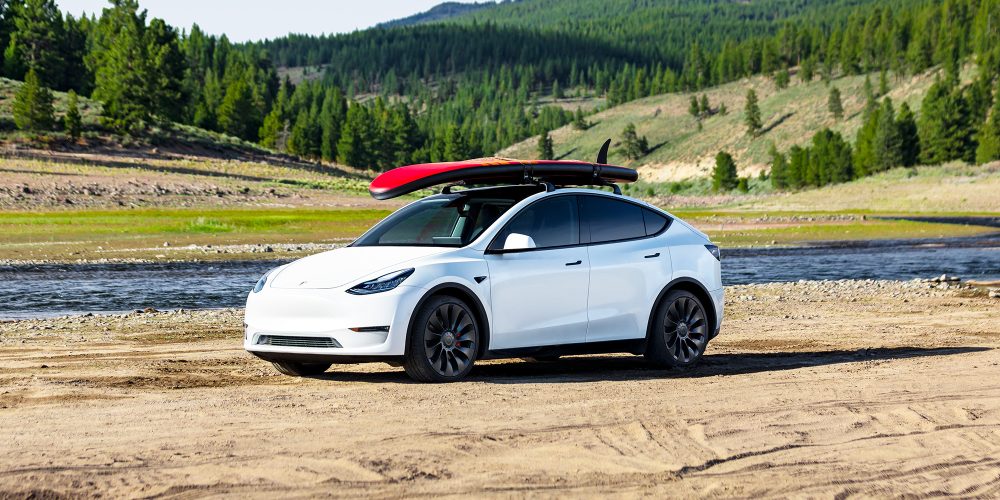
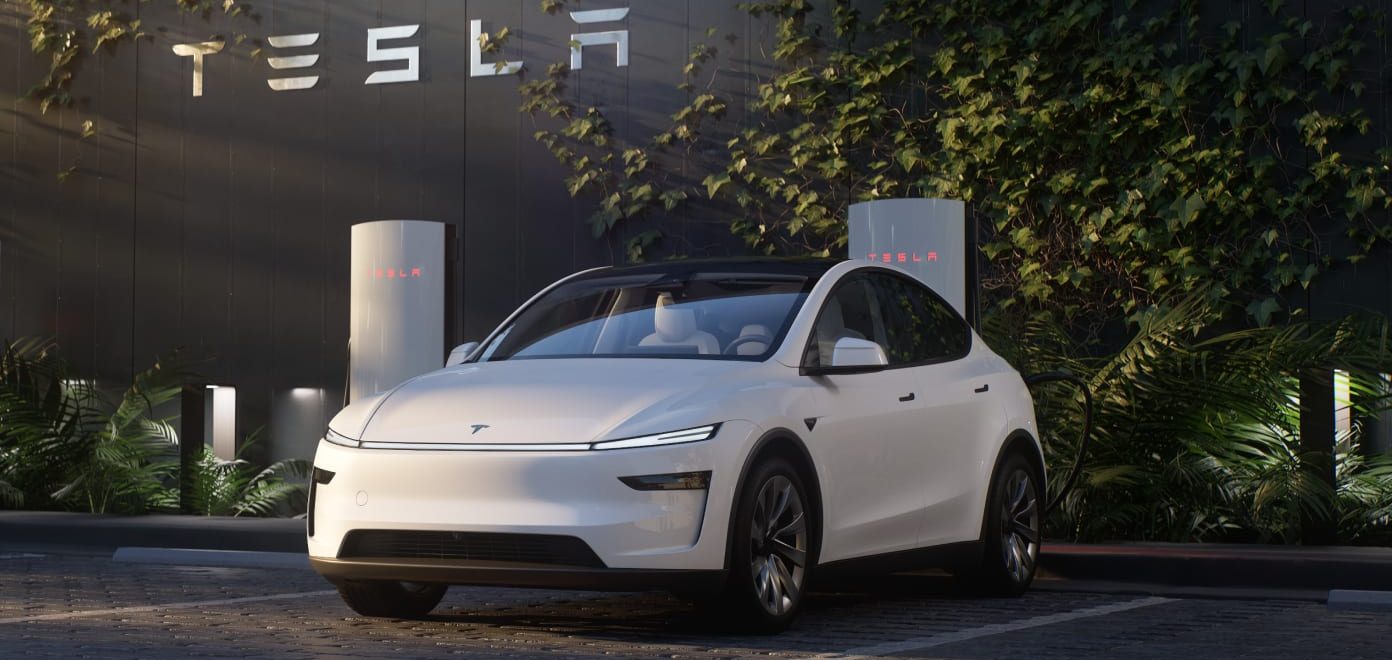
Tesla unveiled its Model Y in 2019 as a smaller, crossover version of its larger and more established Model X mid-size SUV. After beginning deliveries to customers in March of 2020, the Model Y remains the newborn in the Tesla family but has still managed to make a significant splash in sales during its short tenure on the EV market.
Last fall, Tesla CEO Elon Musk nixed a Standard Range Model Y option but still promised a rear-wheel-drive (RWD) Long Range Model Y to follow. It then appeared that Tesla had gone back to Standard Range RWD Model Y, as it recently made this option available on its website. Almost as quickly as it was implemented, the Standard Range Model Y suddenly disappeared from Tesla’s website configurator.
Electrek later reported that the RWD Model Y will instead remain available as an “off menu” item because Musk was not satisfied with its 244-mile range. That being said, it did recently receive its official EPA rating as one of the most efficient EVs in the world.
Tesla’s newest EV now comes in two different dual-motor AWD trims: Long Range and Performance. The current Long Range trim boasts an EPA estimated range of 326 miles, can reach a top speed of 135 mph, and can accelerate from 0-60 mph in 4.8 seconds. Its Performance trim can travel 303 miles on a single charge, tops out at 155 mph, and can do 0-60 in 3.5 seconds. The EV also houses 68 cubic feet of cargo space.
Upcoming Tesla EVs
The following EVs have been long promised by Tesla (some more than others) but are all seemingly on the cusp of full production… at least we all hope.
Cybertruck
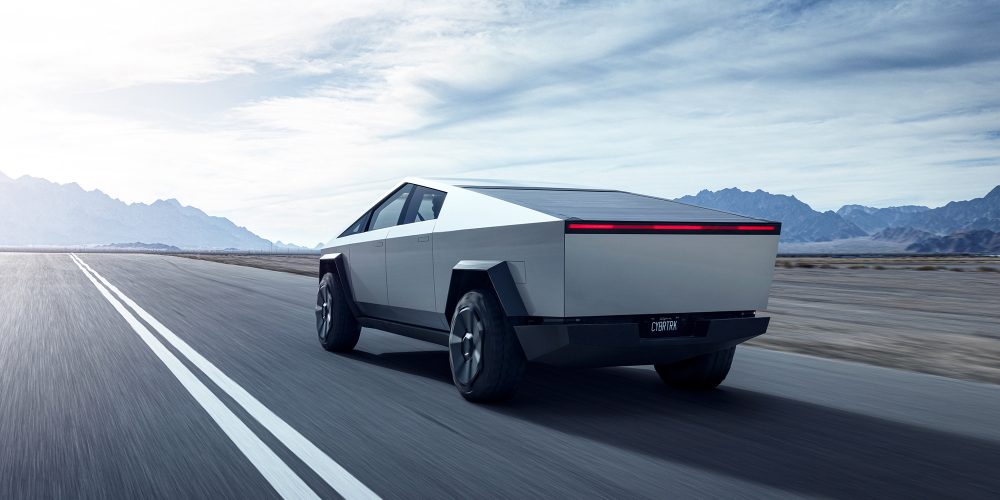
The upcoming Cybertruck is Tesla’s modern (albeit futuristic) take on the pickup truck, one of the last vehicles on the road to see successful electrification. Cybertruck is also only the second major Tesla vehicle outside the mainline S, 3, X, Y lineup, second only to the aforementioned 1st generation Roadster.
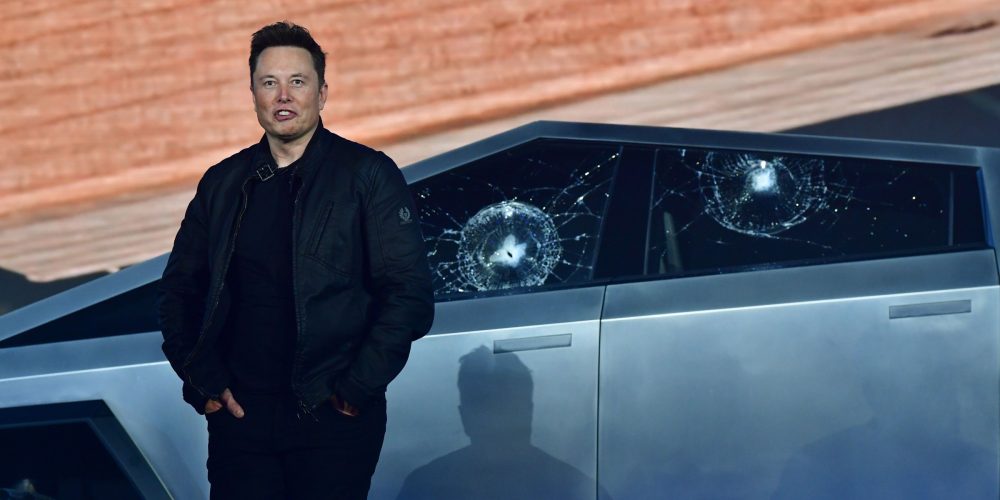
Cybertruck was unveiled in November of 2019 via a glass-shattering Tesla reveal, showcasing unique design and performance. The exterior is comprised of an exoskeleton of 30x cold-rolled stainless-steel structural skin and Tesla armored glass for its windows.
Updates on the Cybertruck were somewhat slow-moving after the unveiling — a solar roof option will offer an additional 15 miles of range each day, and a matte black exterior has also been confirmed. Regardless, the hype is real; Tesla tallied over 250,000 pre-orders in the first week. By February 2020, they were at half a million.
Powertrain variations
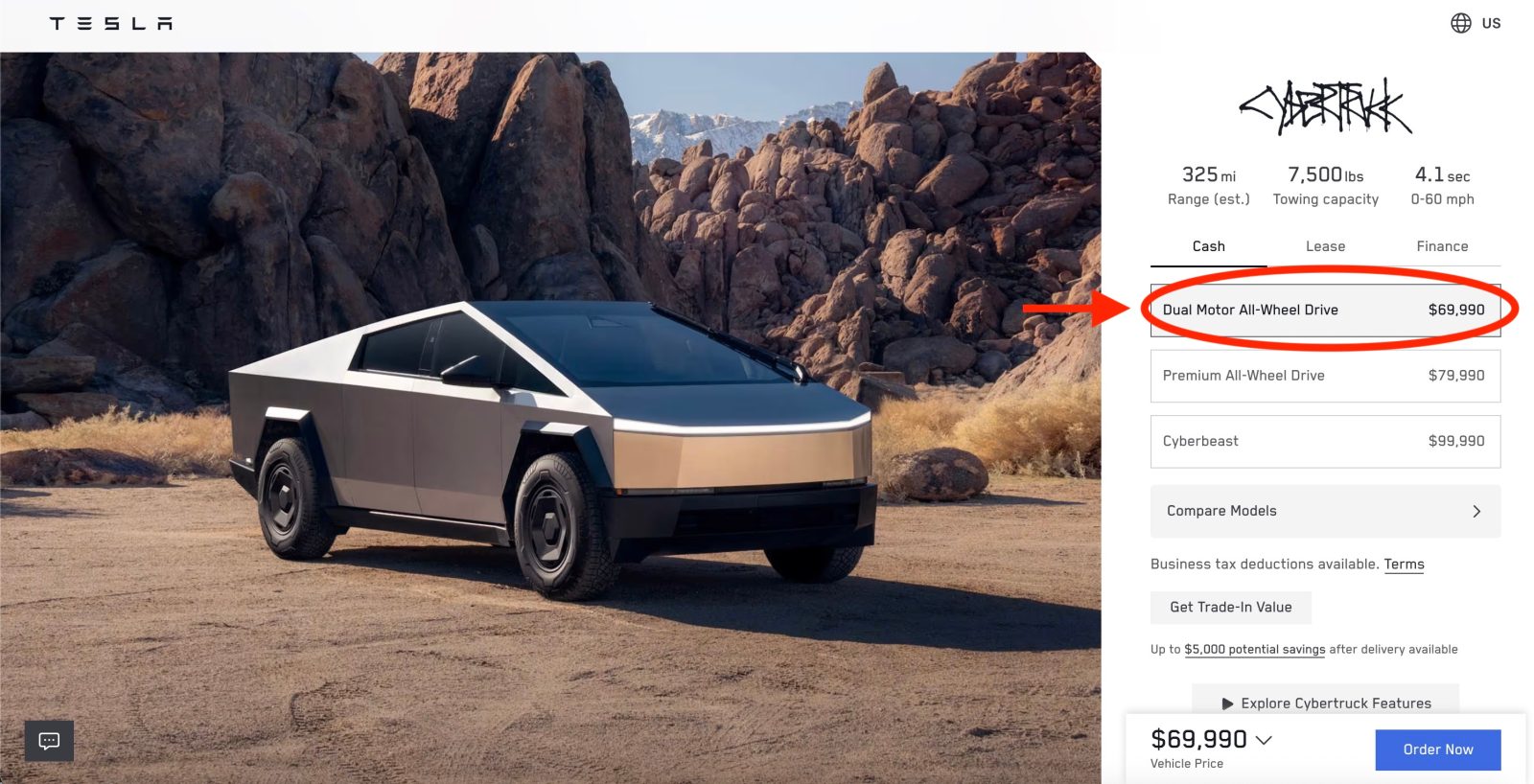
Cybertruck is currently slotted to arrive in three different powertrain options. A single motor RWD version will debut last in late 2022 and will offer an EPA estimated range of 250+ miles, travel 0-60 mph in under 6.5 seconds, and carry a towing capacity of 7,500+ lbs.
The dual-motor powertrain comes with AWD and a range of 300+ miles on top of 10,000+ lbs. towing capacity. This trim can travel 0-60 mph in under 4.5 seconds too.
Last and far from least is the top tier, tri-motor Cybertruck, boasting an EPA range of over 500 miles, 14,000+ towing capacity, and a 0-60 mph time under 2.9 seconds. Did we mention it has three motors?
The dual and tri-motor Cybertrucks were originally listed as delivering in late 2021 on Tesla’s website. However, Elon Musk recently shared what many had previously expected – the Cybertruck has now been delayed to 2022.
Although it has been delayed, Elon Musk as exclaimed that Cybertruck will be “a glitch in the matrix.”
Most recently, Tesla has removed the Cybertruck specs and pricing from its website entirely. Not good. That being said, a more recent product design has been spotted.
Check out our Cybertruck guide for all the latest details in one place.
Tesla Semi
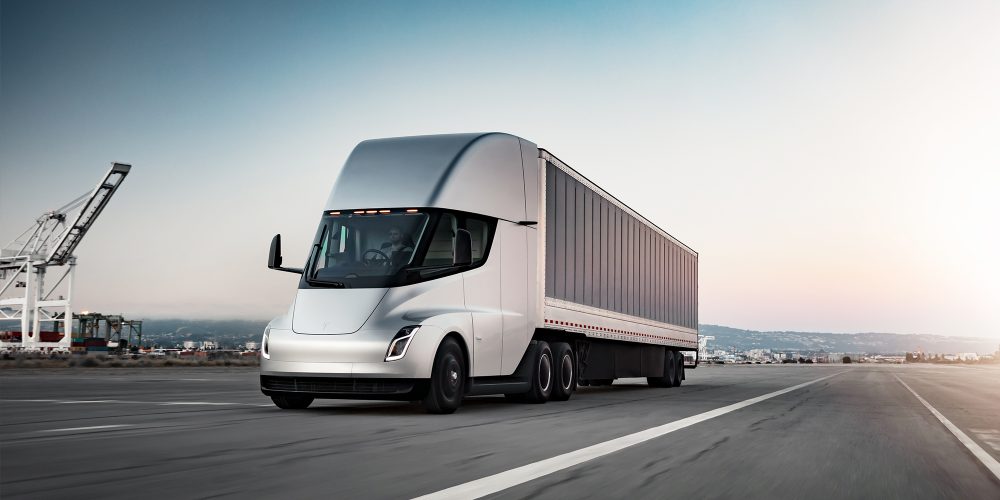
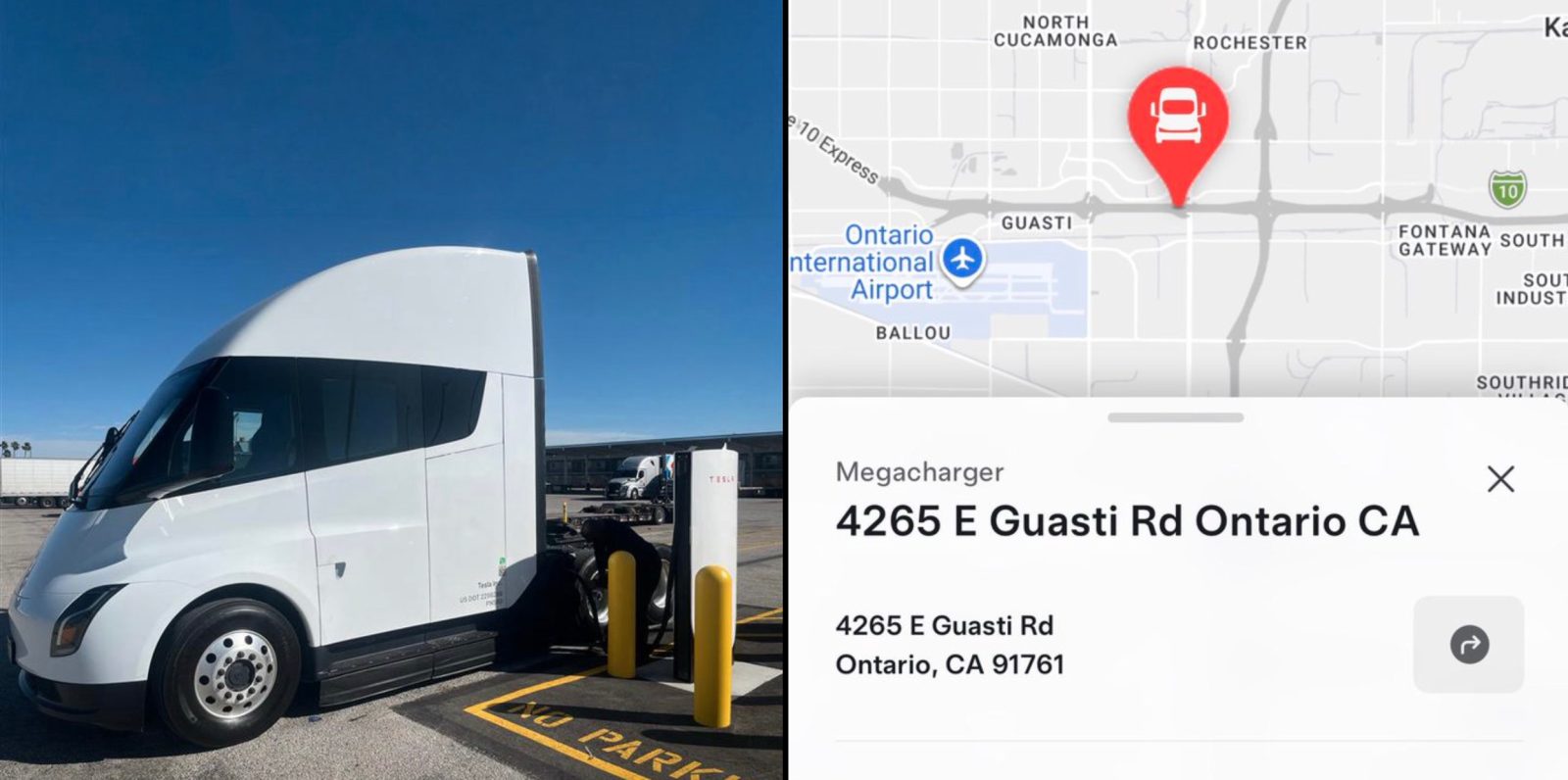
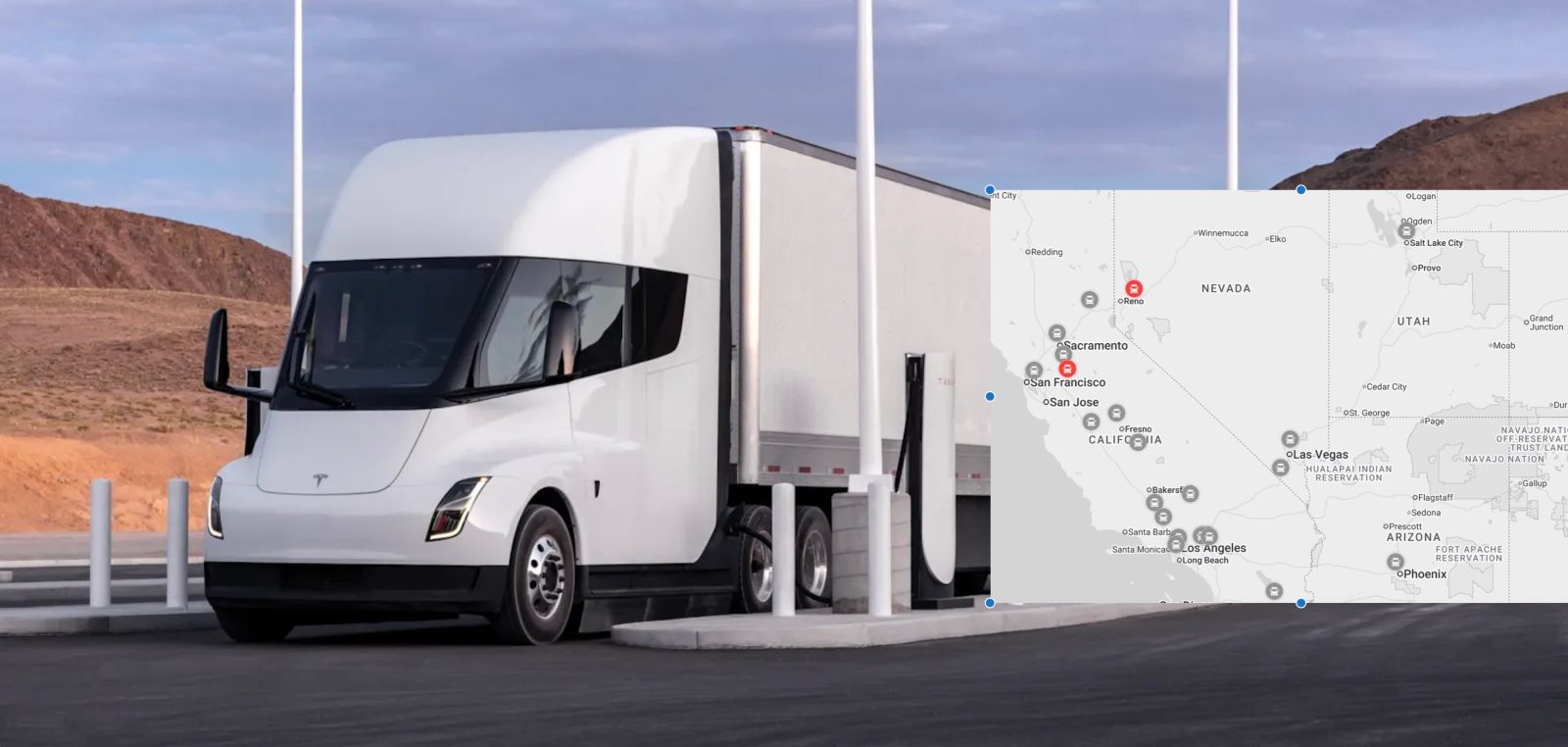
The Tesla Semi promises to be the first commercial offering from the automaker and a workhorse at that. First unveiled in November of 2017, the Semi features a unique, centrally positioned driver’s seat led by four rear powertrains.
Tesla’s website lists the Semi with either a 300- or 500-mile range, depending on the battery pack, but Musk has previously stated the truck will eventually have up to 621 miles of range. The trucks are also listed at a starting price of $150,000-$180,000 depending on battery size and promise owners gas savings over $200,000.
After its unveiling, the Semi was scheduled to arrive on roads in 2019 before being pushed to low-volume production in 2020. During a 2020 Q1 results call, Tesla again shifted its delivery window to 2021. Despite multiple delays, Tesla has seen interest from major companies like Budweiser, Walmart, and UPS. Furthermore, the company plans to deliver 15 Semis to PepsiCo later this year.
The Semi trucks are currently being produced at Tesla’s Nevada Gigafactory, which recently added a new production line with a goal of producing five trucks a week. Next, Tesla will move its Semi production to Austin when its Gigfactory Texas is complete later this year. For now, however, the focus will be on service technicians and infrastructure between Tesla’s Fremont Factory and Gigafactory Nevada.
Tesla Semi remains in the prototype stage, although those recently spotted appear to be updated versions of the original 2017 prototypes. At this point, Tesla is moving ever closer to finally reaching full-fledged production on its Semi trucks in 2021… but they’ve been wrong before.
Second-generation Roadster
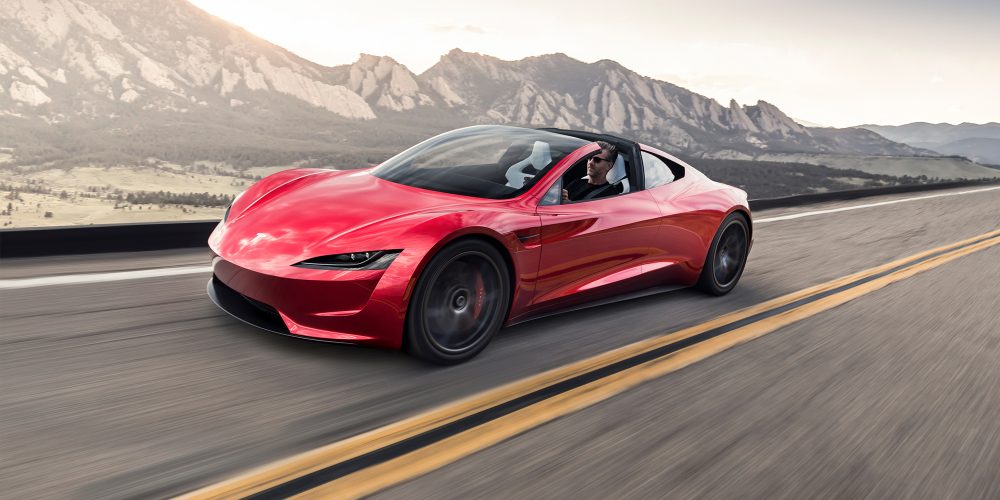
To pay homage to its original trailblazing EV, Tesla is releasing a second-generation Roadster with groundbreaking specs, which may include the unconfirmed potential to hover.
According to Tesla’s CEO, the Roadster redux will reach a 620-mile range and zoom from 0-60 mph in 1.9 seconds. Musk even teased that these are the “base specs,” hinting at even better performance. Tesla’s website is currently taking reservations for the new Roadster, as well as a variation called the Founders Series Roadster.
It remains unclear what the extra $50,000 for the Founders Series will get consumers, but Tesla is only taking reservations for 1,000 total. That would make it a collector’s item and could explain the price bump. The Founders Series Tesla Roadster costs $250,000, compared to a much more affordable $200,000 for the regular Gen. 2 Roadster.
When the revamped Roadster was first unveiled in 2017, Musk said it would deliver in 2020… then 2021. Then he admitted another Roadster delay to 2022, so Tesla could focus on the Cybertruck.
Most recently, Tesla admitted it is now targeting 2023 for the debut of the Gen. 2 Roadster, but that will only happen if the automaker doesn’t suffer long term effects of the global supply chain shortage, so that’s a big “if.”
Whenever it does deliver, IF it does deliver… it is sure to turn heads.
Tesla manufacturing facilities
While Tesla was founded and is headquartered in the US, it has since expanded its sales and production around the world. Currently, Tesla has three operational facilities in addition to its original Fremont Factory in California, with two more on the way.
Additionally, rumors are perpetually circulating about where Tesla might break ground next, including an additional factory in China or expansion to other parts of Asia like Japan, Korea, or possibly India. You can also check out our specific map of Tesla’s Gigafactories, both current and rumored.
- Fremont Factory – California
- Gigafactory 1 – Giga Nevada
- Gigafactory 2 – Giga New York
- Gigafactory 3 – Giga Shanghai
- Gigafactory 4 – Giga Berlin (under construction)
- Gigafactory 5 – Giga Texas (under construction)
Here’s the latest news on Tesla’s Gigafatories, in case you’ve missed it:
- Tesla Gigafest Berlin on the ground [Gallery]
- Tesla announces a new ‘Gigabeer’ with Cybertruck-inspired bottle, because why not?
- Leaked video from Tesla Gigafactory Texas shows tons of megacasts ahead of production
- Tesla Gigafactory Texas attracts suppliers as production nears
- Tesla is planning a new facility named ‘Bobcat Project’ next to Gigafactory Texas
Other Tesla ventures
While Tesla began as an automotive company taking a software development approach to designing electric vehicles, it has since transcended that narrow scope into new technologies. As you’ll see below, Tesla’s focus on solar panels, energy storage, and its own network of charging stations has made it just as much of an energy company, if not more.
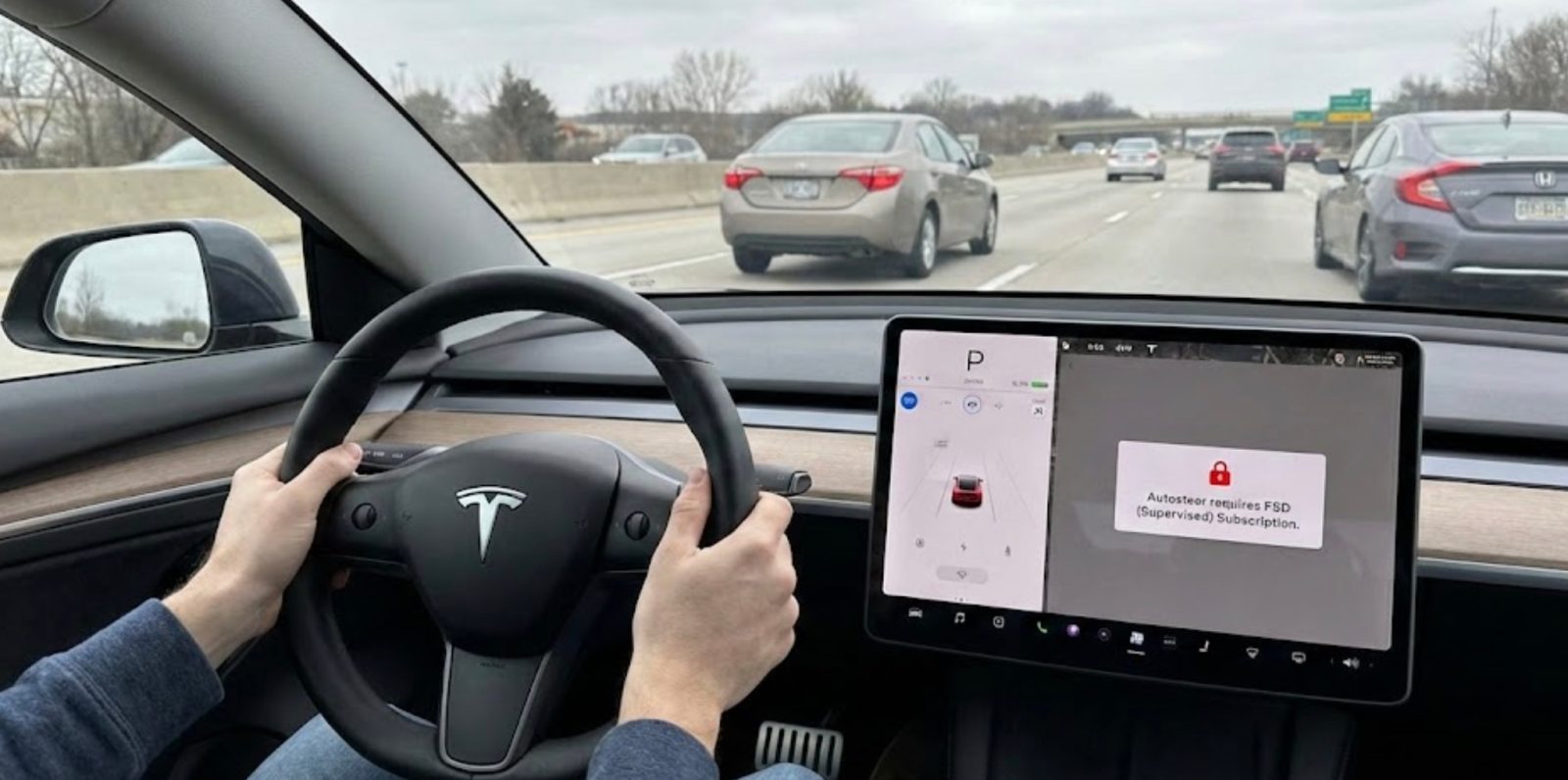
With advancements in autonomous driving technologies, Tesla is (maybe?) on the cusp of delivering Full Self-Driving (FSD) to customers. To that note, Musk recently said on a quarterly sales call that Tesla is becoming more of an AI and robotics company too.
Full Self-Driving (FSD) capabilities
FSD has been a carrot constantly dangled in front of Tesla fans since 2014, when the company first mentioned its Autopilot feature and potential capabilities. By the end of 2016, Tesla was confident it would be able to demonstrate full autonomy a year later. Unfortunately, that was not the case.
In fact, we still have seen hard evidence of full self-driving capabilities, although Tesla did roll out a beta version of the software to a select group in October of 2020.
This whole promise of FSD, along with multiple punts on deadlines, has led to controversy and debate amongst the EV community about whether Tesla’s approach to autonomous driving is even possible
Still, Tesla continues to roll out public beta versions of its Full Self-Driving tech, currently in version 10.7. Most recently the pricing was announced as an increase of $2k, now totaling $12,000 for the added capability.
Here’s some literature to get you up to speed:
- Tesla pushes ‘Full Self-Driving Beta’ to investor with poor ‘safety score’ while requiring perfect score from others
- Tesla wants to share ‘Full Self-Driving’ with other automakers when it has yet to deliver it to people who paid for it
- Tesla officially starts its ‘wider release’ of Full Self-Driving Beta in the US
- Slow Teslas everywhere: 24 hours into ‘the FSD button’, what is your Safety Score (Beta)?
- Tesla launches its Full Self-Driving subscription package for $199 per month
- Tesla reduces price of FSD computer upgrade to $1,000 (but not zero) after criticism
Solar

As previously mentioned, Tesla acquired SolarCity in 2016 and has been focused on becoming a one-stop-shop for all energy solutions since then. That being said, its solar rollout has been a bit haphazard.
When Tesla first unveiled its Solar Roof tiles, the product wasn’t actually complete yet, although the company had several design plans in its pipeline. Since then, Tesla has had issues bringing the solar panels to volume production and deployment, as it tried to test the longevity and make the installation quicker.
Last year, Tesla finally began to accelerate solar deployment, but the public has only seen one version of the tiles being installed on customer roofs so far, even though it was originally listed in four different styles. Many paying customers are still awaiting installation of their solar roofs, too.
Furthermore, the company has caught the ire of some customers as a result of price hikes and changes to policy, which now involves its Powerwall, too.
In 2021, the company has discontinued its solar subscription service that was originally announced over two years ago. This was previously the cheapest solar option for Tesla’s customers.
Most recently, Tesla is asking employees to fight back against a new tax proposal in California, one of its largest customer bases.
Here’s the latest:
- Tesla allows you to go off-grid in one press with new mobile app
- Tesla is only bundling solar products and Powerwall together going forward
- Tesla starts offering free Powerwalls to people with big price increases on solar roof
- Tesla hikes solar roof price on contracts signed over a year ago
Powerwall and Powerpack

The Powerwall and Powerpack are rechargeable lithium-ion battery stationary energy storage products manufactured by Tesla Energy. The Powerwall is designed for home energy storage by storing electricity for solar self-consumption, time of use load shifting, and as a source of backup power. The larger Powerpack is specifically intended for commercial or electric utility grid use.
The company recently revealed a Powerwall 2 Plus went into production last November, leading to increases in capacity. So far, we have seen the first glimpses of the new Powerwall too. Here’s what we know so far.
- A new giant Tesla Megapack project is under construction in the UK
- Tesla has Powerwall backlog of 80,000 orders worth over $500 million
- First Tesla Powerwall+ images and specs released
- Tesla Powerwall owner shows how the battery system can withstand 48-hour outage with solar power
- Tesla is increasing Powerwall power capacity by up to 50%
Supercharger network
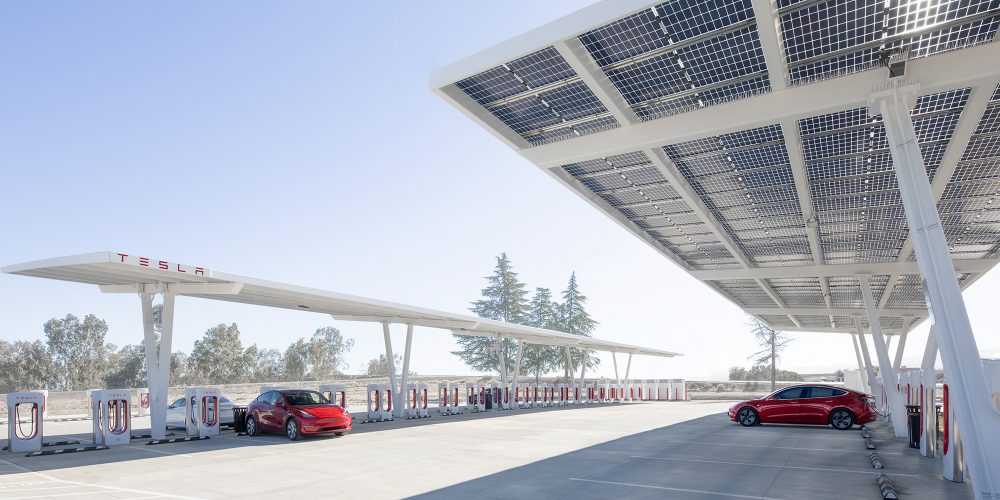
The Tesla Supercharger exists as a combined network of proprietary charging stations developed and implemented by Tesla. As a result, the automaker doesn’t have to rely on third-party charging networks like most automakers producing electric vehicles currently do.
The Supercharger network was introduced in September 2012, beginning with six Supercharger stations. This debut coincided with the launch of Tesla’s Model S sedan, the first to utilize the new network.
Since then, the Supercharger network has grown to over 20,000 stalls worldwide within over 2,100 stations or hubs. This includes North America, Europe, Asia, and even the Arctic Circle. Tesla recently passed 1,000 Supercharger stations in North America alone.
The average station usually features about 10 Supercharger stalls, but some stations offer many more. For example, Tesla opened a 72-stall Supercharger station in Shanghai at the end of 2020, making it the world’s largest. Currently, Tesla is working through permitting for a 62-stall station on the west side of Los Angeles that could easily make it the largest in North America.
Most recently, Elon Musk revealed that the American automaker plans to upgrade its Supercharger network to support 300 kW faster charging.
For more information, visit our comprehensive Tesla Supercharger guide.
Tesla Bot
During the company’s AI Day in August of 2021, it released many details about its progress to develop AI technology to power its self-driving system. As expected, however there was a “one more thing” moment, and it was robots.
CEO Elon Musk shared plans to build a humanoid robot called Tesla Bot. Musk stated that Tesla already describes itself as the largest robotic company in the world, considering the capabilities of its vehicles to see and understand the world around them, and act on that data.
While Musk didn’t go into many details about the overall capabilities of the Bot, or what exact tasks it will be able to do, he did hint that the ultimate goal is for the robot to eventually replace most “dangerous, repetitive, and boring tasks.”
Here’s the latest news surrounding the Humanoid Bot:
- Tesla starts hiring roboticists for its ‘Tesla Bot’ humanoid robot project
- Tesla adds more jobs to build its humanoid robot, hints at production in Texas
- Why is Elon Musk, posterchild of AI doomsday, creating AI-powered robots?
- Tesla (TSLA) rises on market digesting AI Day, primed to ‘tackle world’s hardest problems’
Tesla FAQ
As you can see above, there are several different models and variations to each available to customers. Depending on the vehicle, the powertrain, down to the exterior color, all play a part in potential cost of a new Tesla. Everything you need to know is been compiled here for you:
How much is a Tesla? Your guide to Tesla prices
Again, not a simple answer due to a number of factors. Where you are charging, what level of charger you are using, and what sort of output is available from that port are all common variables.
To better understand these charging levels and the differences between home and public chargers, you can check out the following guide:
How long does it take to charge a Tesla?
Another great question, but unfortunately another not so clear cut answer. Battery size, charging level, time of day, and charging efficiency can all affect how much or how little it will cost you to fully charge your EV. Luckily, we’ve broken it down further for you by each current model:
How much does it cost to charge a Tesla?
Sure can. However, we recommend doing your research to determine that a lease is the best option for you as opposed to buying
Check out our Tesla leasing guide here.