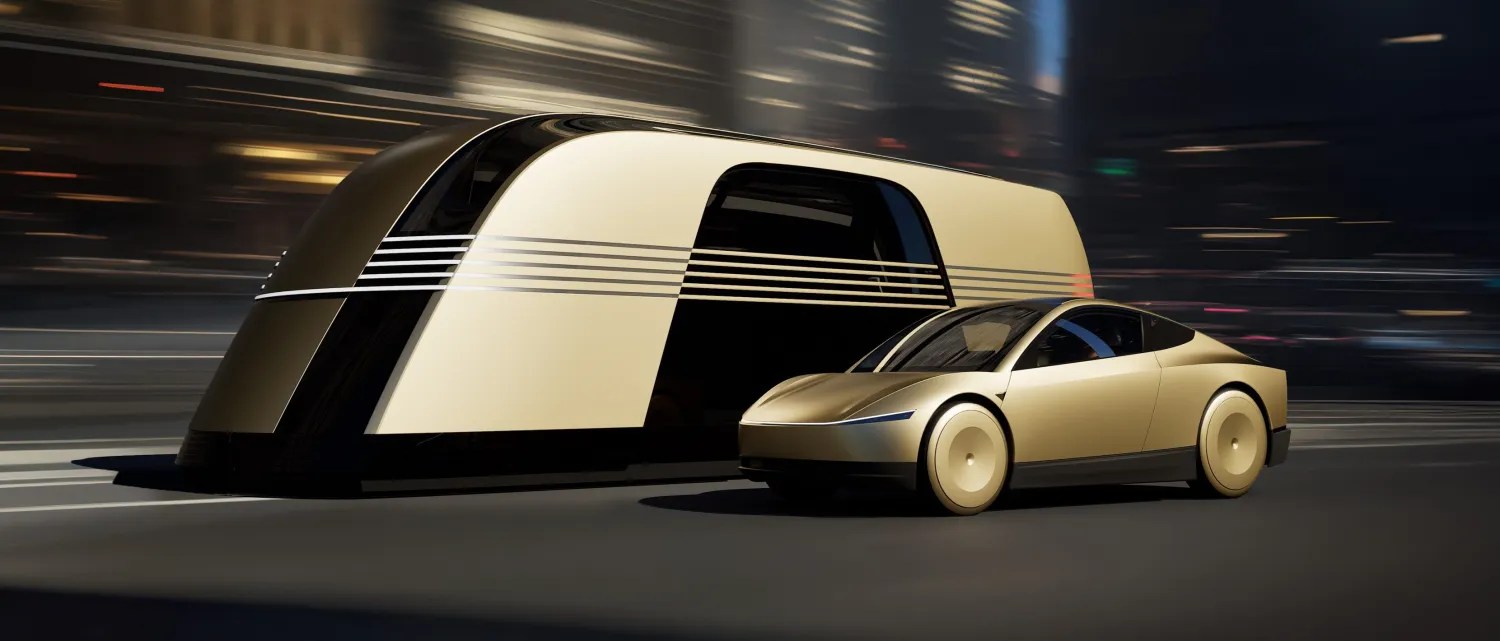
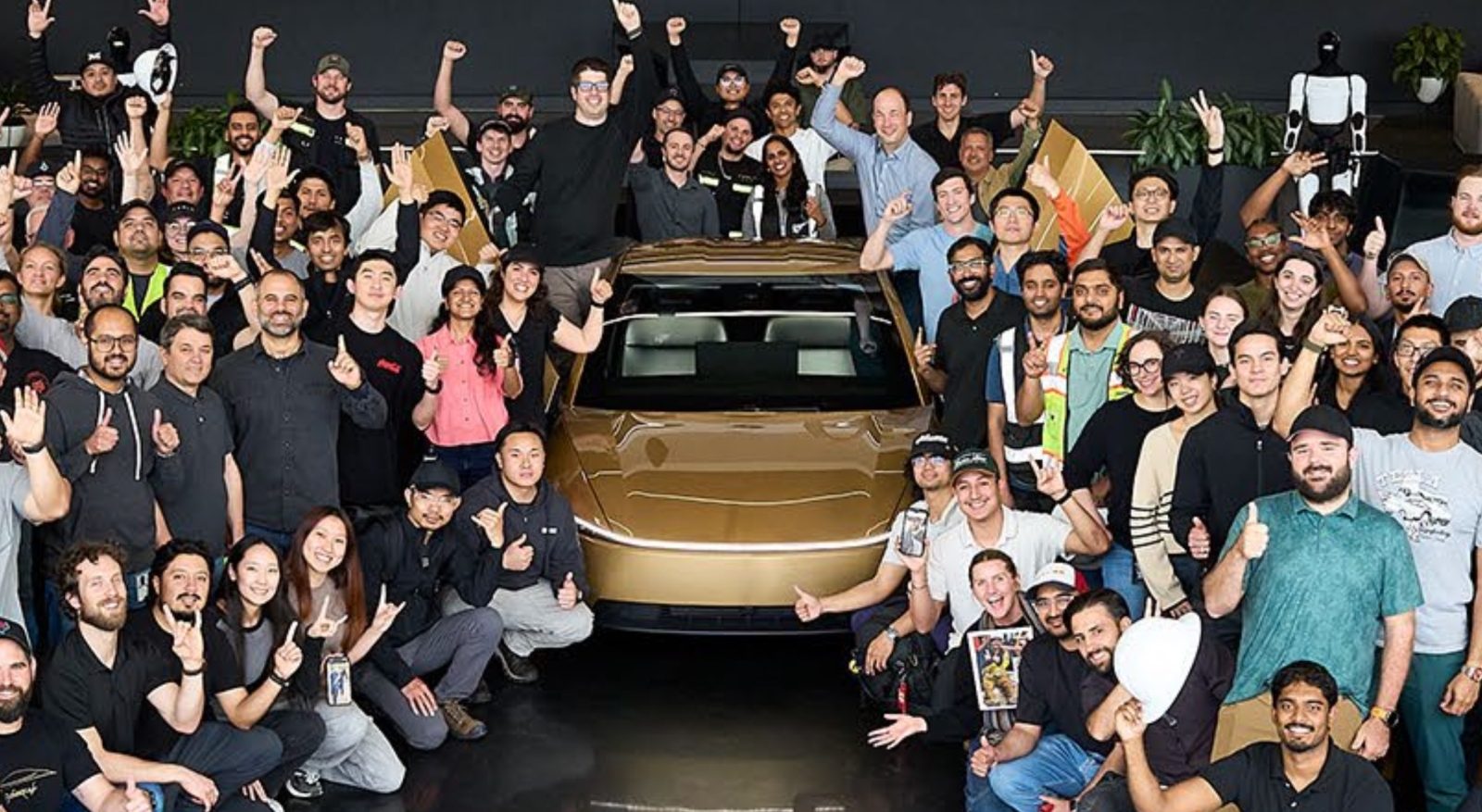
Tesla Cybercab

See All Stories

Tesla brings Cybercab to China, rules out sale and robotaxi service

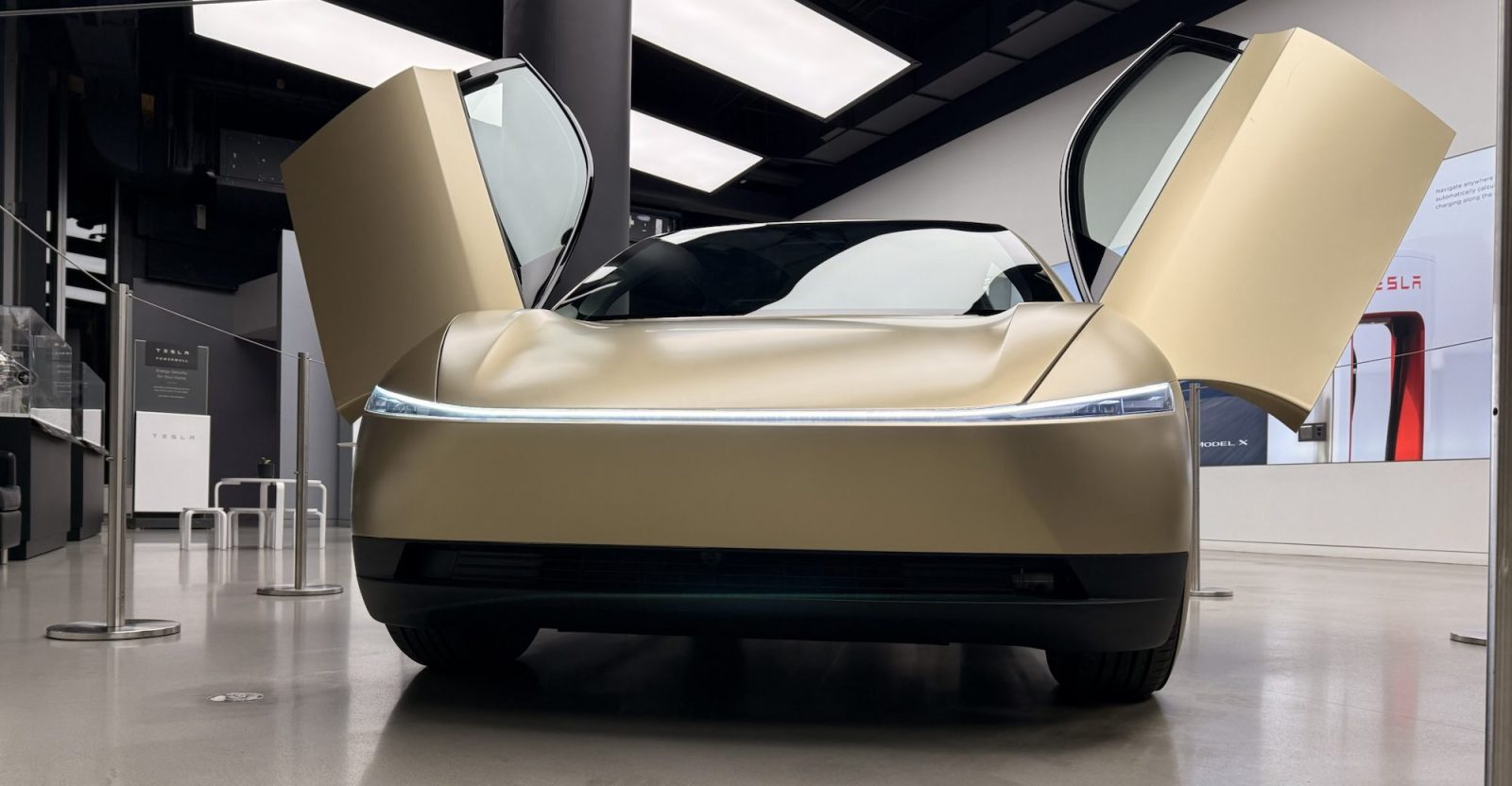
Tesla is putting its Cybercab on public display in China this week, but the company wants to be clear about one thing it isn’t: a vehicle it plans to sell there.

Tesla China said the showcase “does not involve” selling the Cybercab in the Chinese market or launching a driverless ride-hailing service — even as China’s own robotaxi operators run paid rides at scale.

Expand Expanding Close
NHTSA orders Tesla to prove its Cybercab is legal to sell, under oath

Tesla Cybercab hero

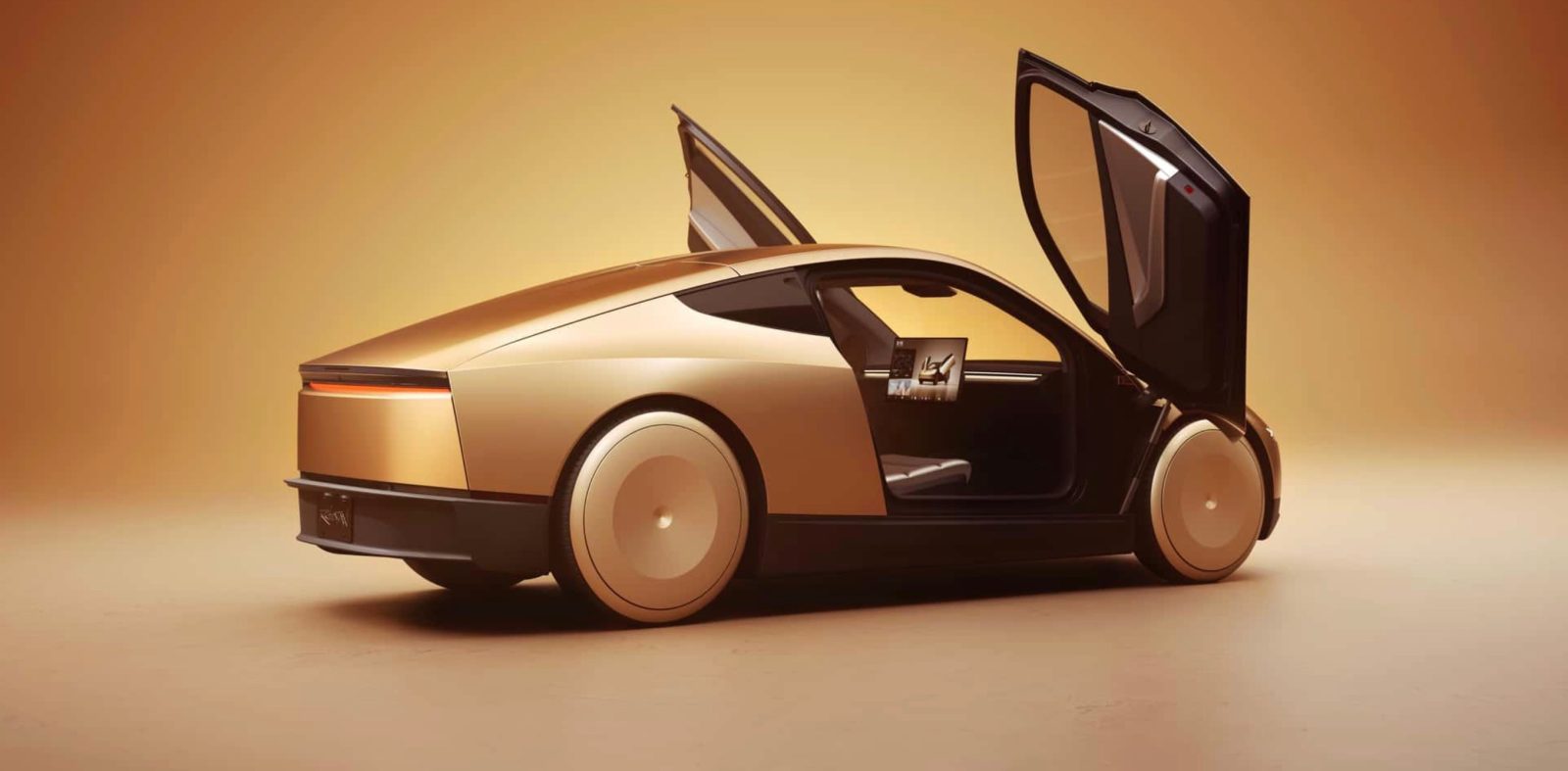
NHTSA has ordered Tesla to prove that its Cybercab is even legal to sell. The agency issued a formal Special Order on September 10 demanding that the company show, under oath, how a vehicle with no steering wheel, no pedals, and no mirrors complies with federal safety standards written for human drivers.

Tesla has until September 30 to respond. Failing to answer fully and truthfully carries penalties of up to $139 million.

Expand Expanding Close

First look at Tesla Cybercab’s steering: a Cybertruck wheel bolted on

Split image: gold Tesla Cybercab parked in Berkeley beside the exposed Cybertruck steering column bolted into it

A pre-production Tesla Cybercab was spotted parked on a street in Berkeley, California, and it gives us the clearest look yet at how Tesla puts a steering wheel into a car it designed to have none.

The photos, shared with Electrek by reader Adam Machacek, show a Cybertruck steering wheel mounted on an exposed steering column that has been bolted into the two-seat robotaxi.

Expand Expanding Close

Tesla’s new rare-earth-free EV motor is a big deal, but not THAT big a deal

tesla zero rare earth permanent magnet motor

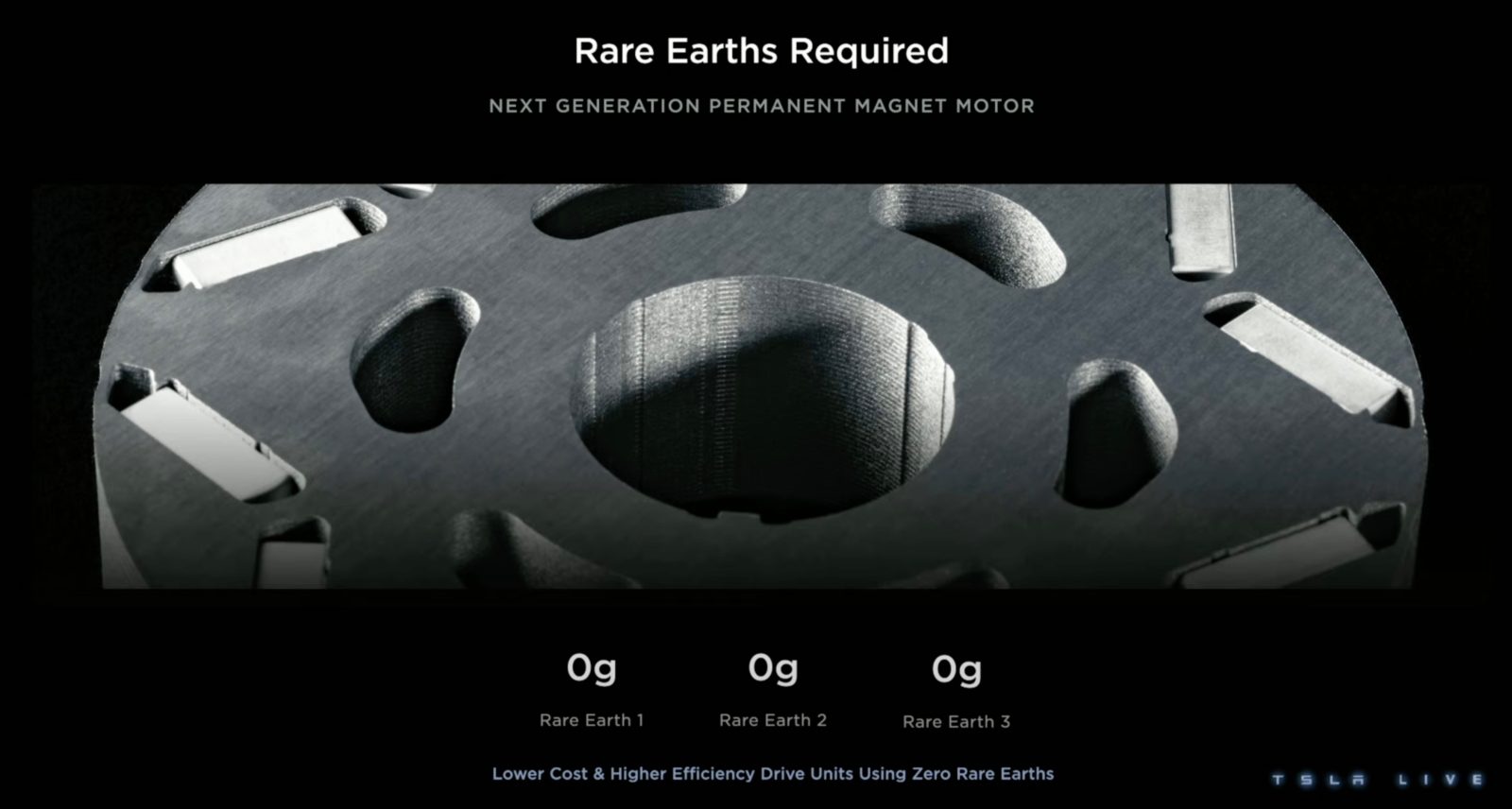
Alongside Tesla’s low-key Cybercab event this week, the company showed off its new rare earth-free Cybercab motor, which reportedly increases power density and efficiency significantly.

It’s some kind of an achievement, but to understand how much of an achievement it is, we must first understand what all of this actually means. Strap in.

Expand Expanding Close

Tesla Cybercab is already under NHTSA investigation after launch

Tesla Cybercab with Starlink.

Tesla’s Cybercab is already under federal investigation. NHTSA opened an audit into how Tesla certified the vehicle the same day the company started putting passengers in it in Austin.

The probe targets the exact thing that makes the Cybercab unusual: it has no steering wheel, no pedals, and no mirrors, and Tesla certified it as road-legal anyway.

Expand Expanding Close

Tesla opens search for Cybercab fleet sales, but FSD owners are still left out

Tesla has started distributing a “Robotaxi interest form,” collecting interest from fleet buyers who would want to build a Robotaxi network or provide related infrastructure services.

It’s the first step in allowing non-Tesla entities to make money off of Tesla’s FSD driver-assist software… but the owners who were promised they could make passive income with their cars are still out of luck.

Expand Expanding Close

My Tesla Cybercab launch predictions

Tesla Cybercab hero

Tesla holds its Cybercab launch event in Austin on September 3, and it’s being sold as a milestone. Here’s my prediction: it’s going to look a lot like the last time Tesla launched this car, back in October 2024.

Expect a big robotaxi fleet number as the headline, a steering wheel and safety monitor finally coming out, and almost nothing that touches the one thing actually holding the program back.

Expand Expanding Close

Tesla confirms Cybercab launch coming next week

Tesla Cybercab launch poster

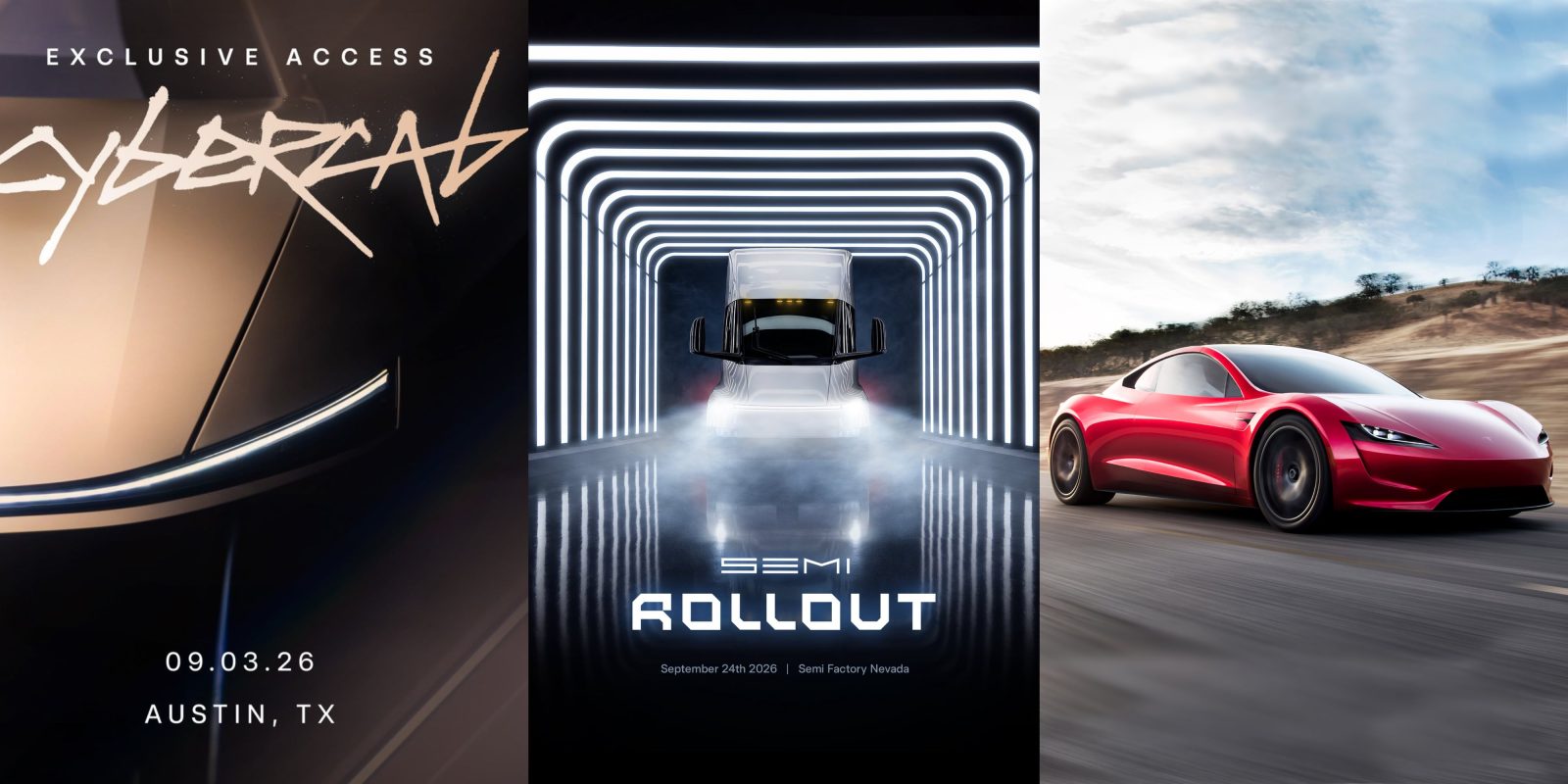
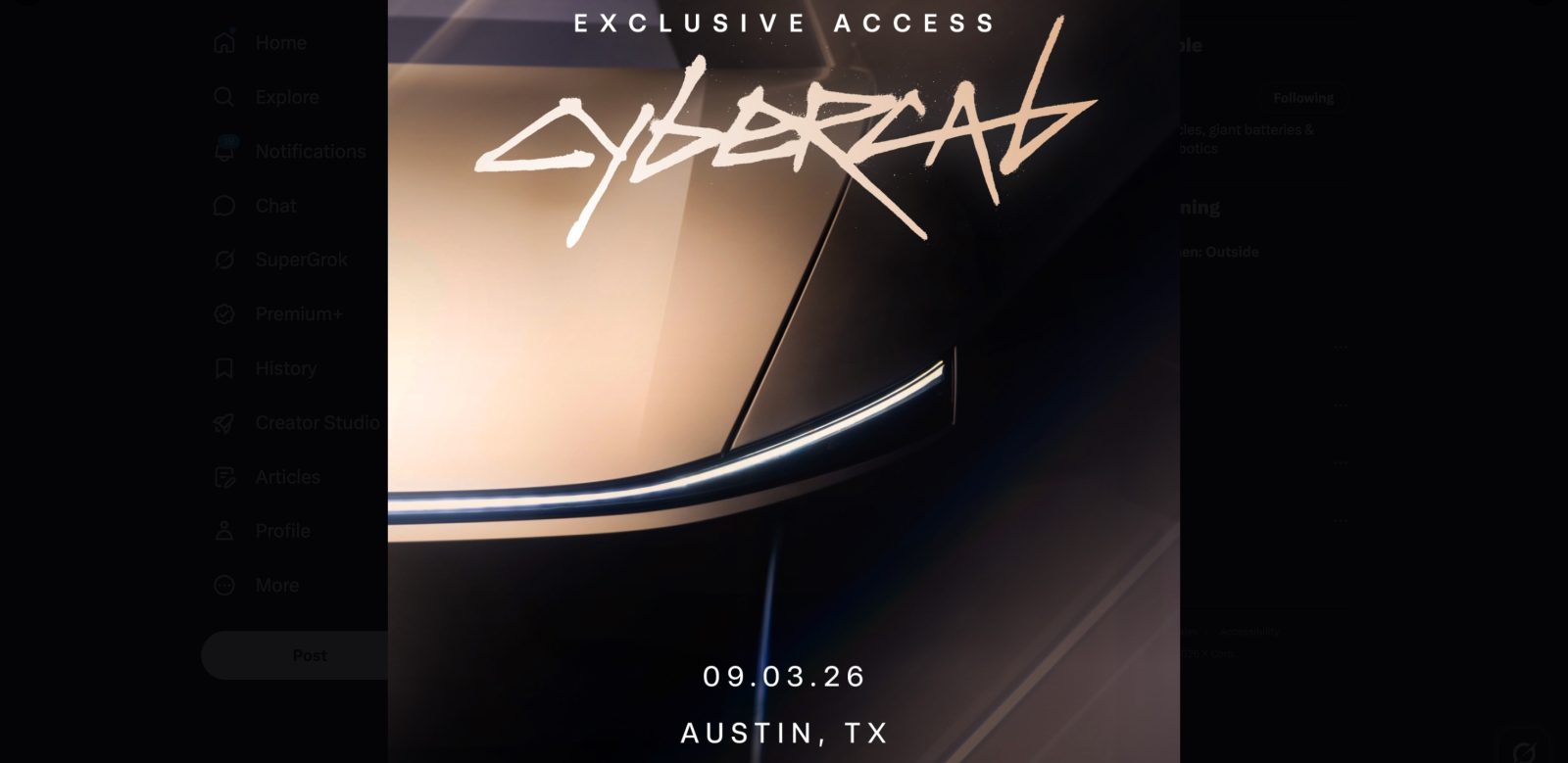
Tesla confirmed it will hold a Cybercab event in Austin on September 3, promoting it with a poster that reads “Exclusive Access: Cybercab.” It’s an invite-only affair for the top scorers in its Robotaxi rider sweepstakes, and Tesla says it will livestream the launch for everyone else.

The framing suggests something big is coming. What’s actually coming is a two-seat car with no steering wheel added to the same driverless service Tesla has been running in Austin for over a year — a fleet that our tracking still puts at roughly two dozen unsupervised vehicles.

Expand Expanding Close

Tesla says FSD v15 is a ‘step-change,’ Optimus sells in 2027

Tesla (TSLA) montreal

Tesla laid out an updated timeline for Full Self-Driving, its Cybercab, and the Optimus robot in a recent meeting with JPMorgan at its Fremont factory. The bank walked away with claims that FSD v15 is a “step-change,” that today’s HW4 computer can handle unsupervised driving, and that Optimus could go on sale to outside buyers as soon as the second half of 2027.

Most of it repeats promises Tesla has made, and missed, before.

Expand Expanding Close
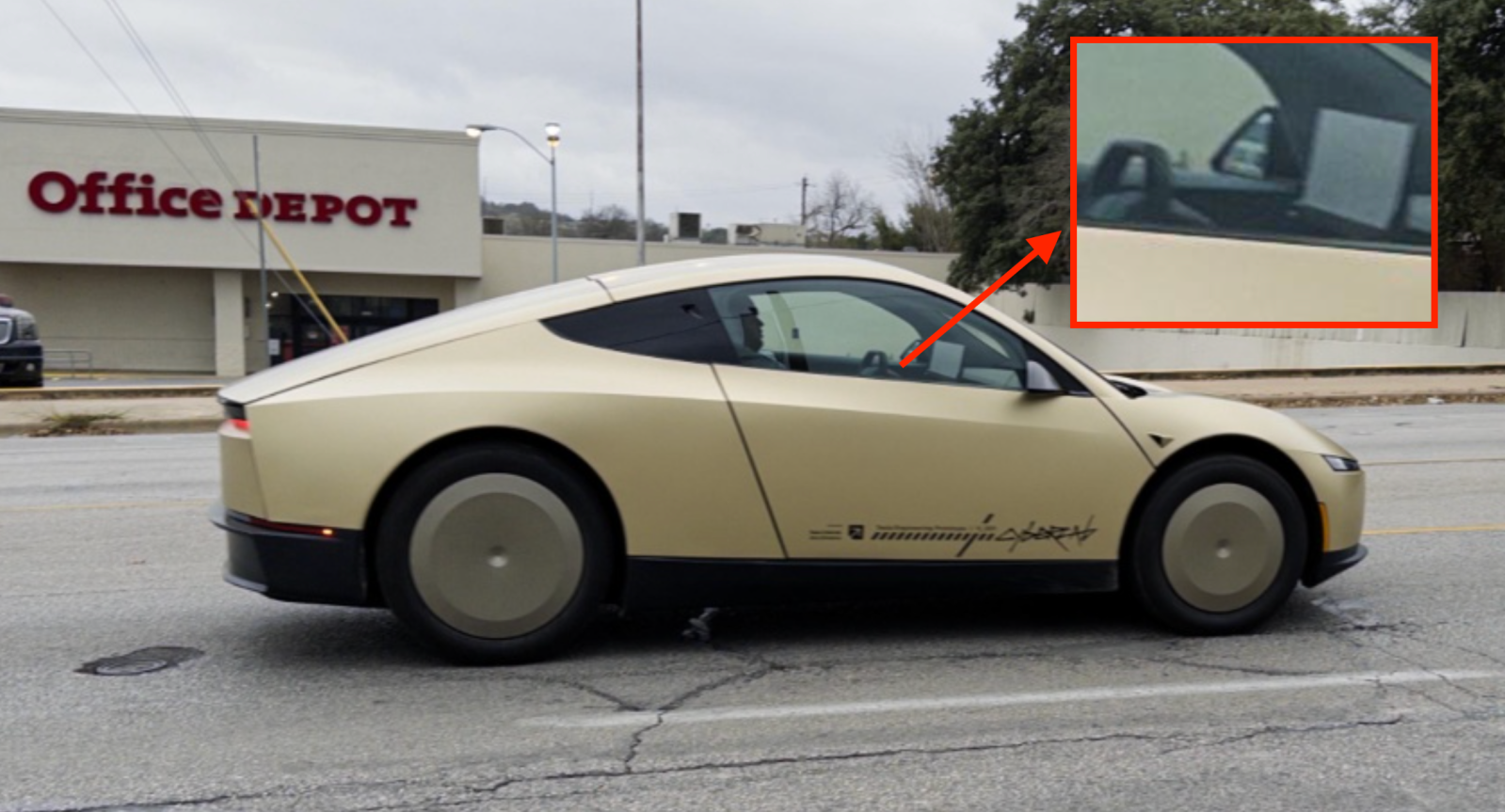
Tesla unveils first Cybercab with Starlink antenna integrated

Tesla Cybercab with Starlink.

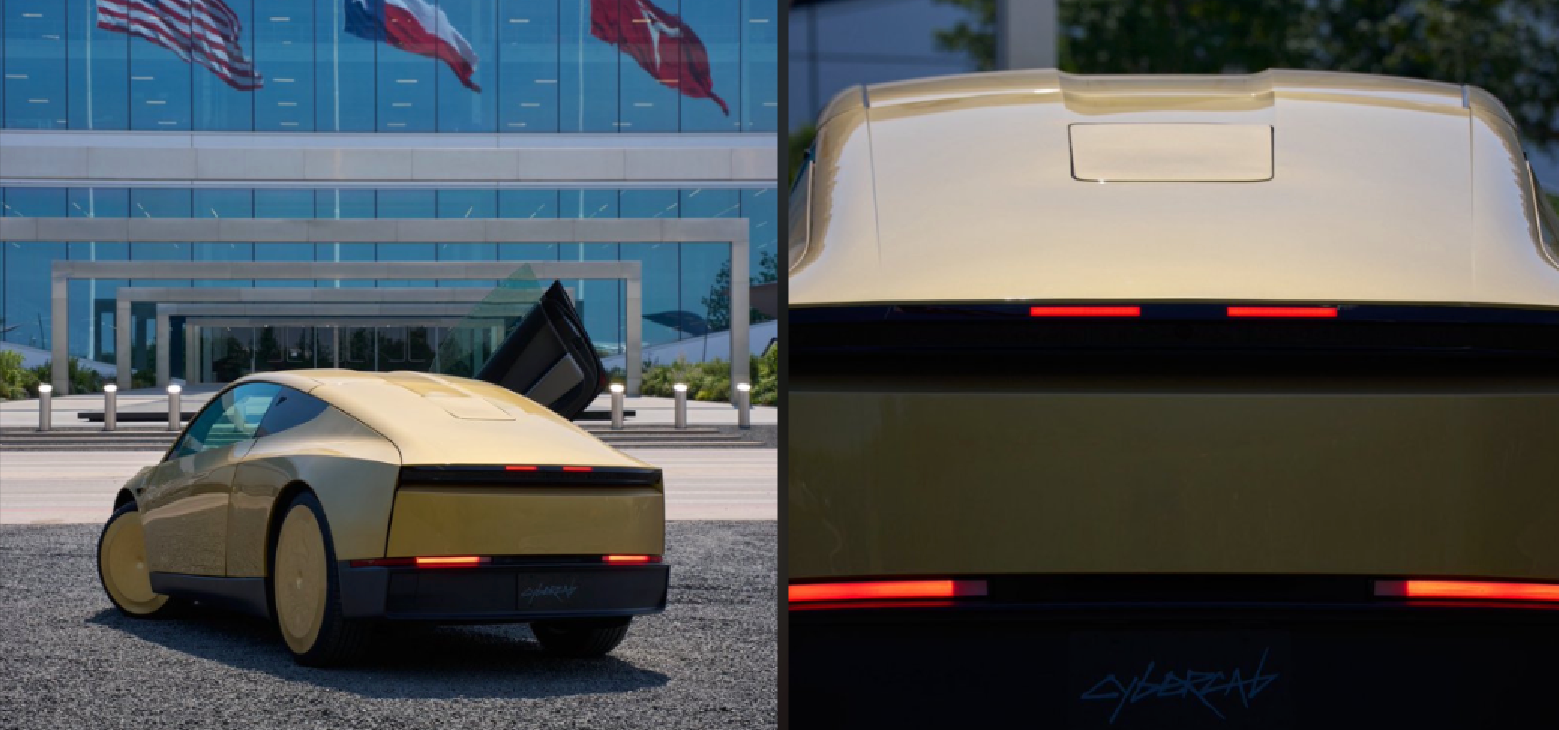
Tesla’s robotaxi account posted photos today of what it’s calling the first Cybercab with a Starlink antenna built into the vehicle.

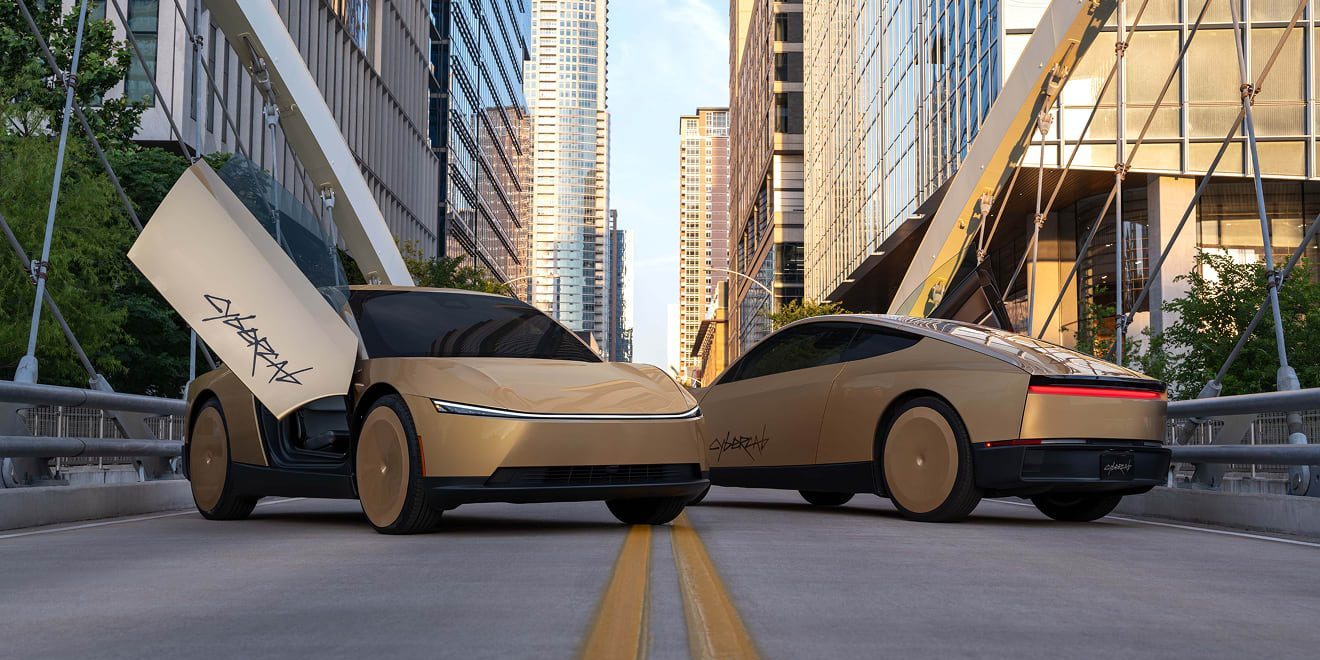
The pictures show a gold Cybercab parked at Gigafactory Texas, with a low-profile satellite antenna integrated into the roof. It’s the physical version of an integration Tesla teased with a diagram last month.

Expand Expanding Close
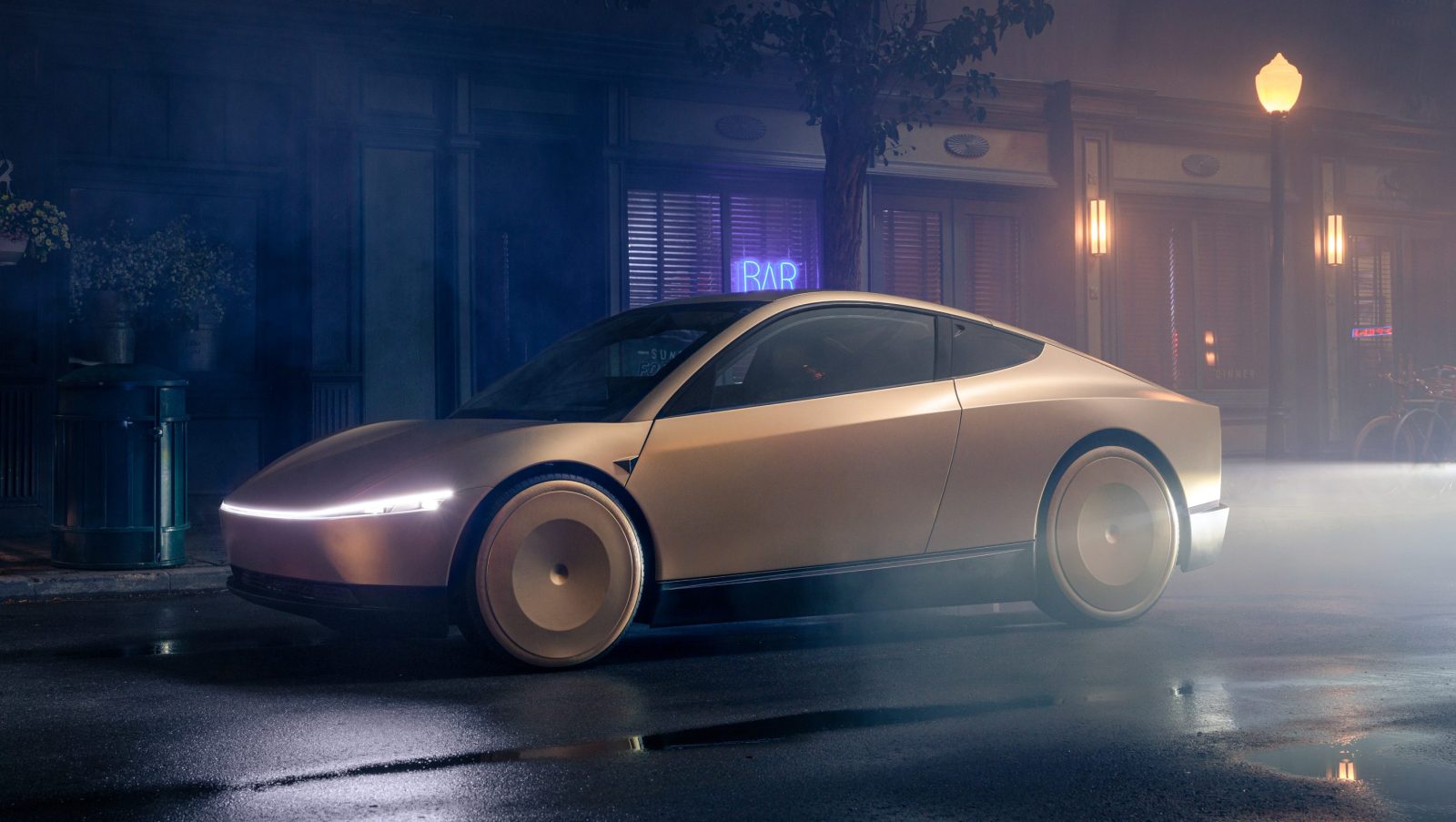
Tesla Cybercab: mass-producing a car it can’t sell or drive itself

Tesla Cybercab hero

Tesla is ramping up production of the Cybercab at Giga Texas, with more than 100 of the steering-wheel-less two-seaters already spotted in the factory’s outbound lots.

The problem is that Tesla can’t sell it to you, and it can’t yet drive itself without a human watching — which raises the obvious question of why Tesla is building the car at all right now.

Expand Expanding Close

Tesla Cybercab full specs revealed: 3,113 lbs, 219 HP, 48 kWh

Tesla Cybercab hero

Tesla’s Cybercab EPA certification documents reveal the robotaxi’s full technical specs for the first time — including a 3,113-lb curb weight, a 219 HP motor, and a 48 kWh battery pack. The filing confirms several claims Tesla made about the vehicle while revealing some surprises.

The Certificate Summary Information (CSI) for EPA test group TTSLV00.0L1A, filed on May 21 and certified on May 26, provides the most detailed look yet at the engineering behind the most efficient EV ever produced.

Expand Expanding Close
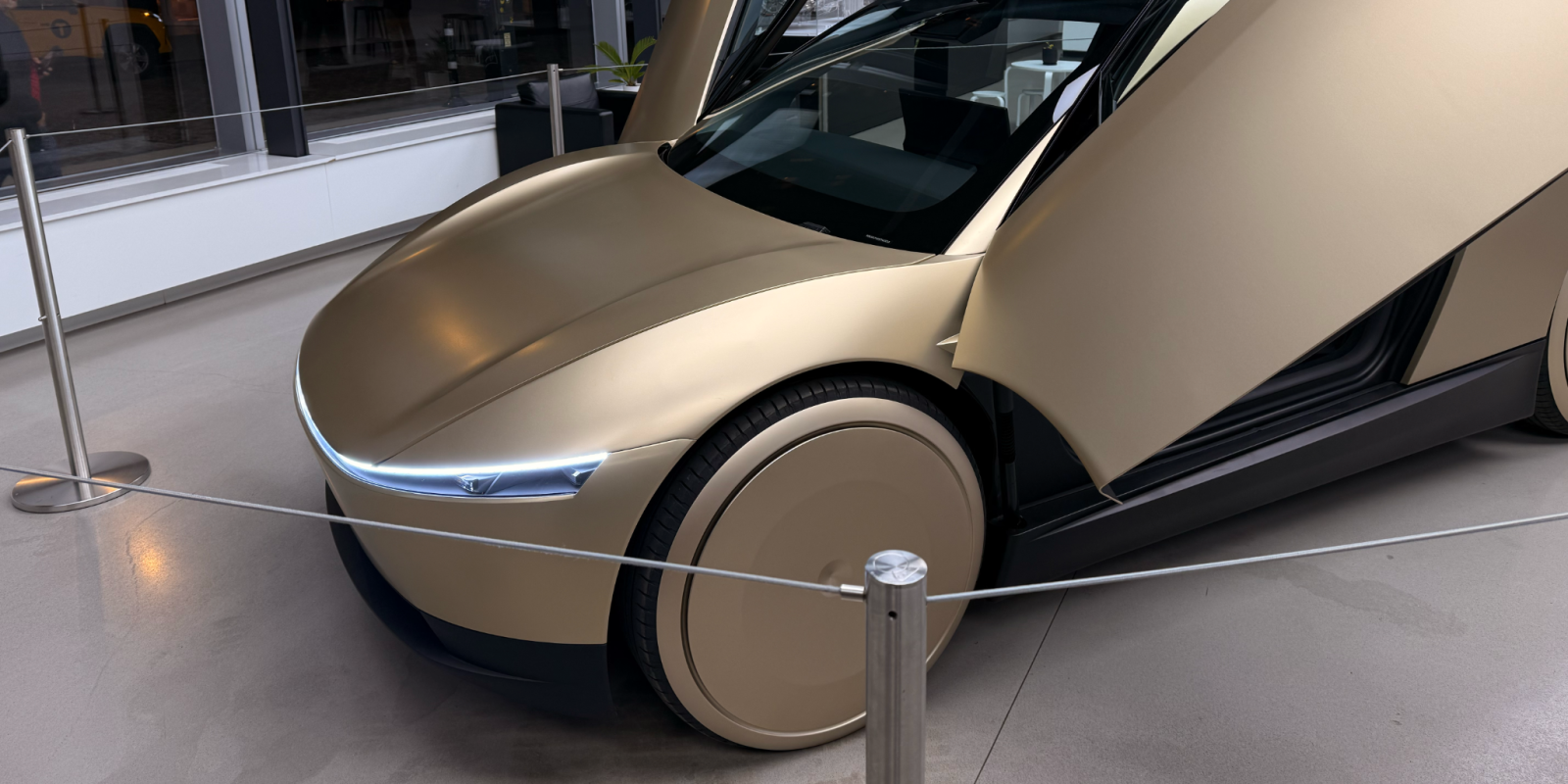
Tesla Cybercab: hate it or love it, it is the most efficient EV ever

Tesla Cybercab hero

Tesla’s Cybercab has been certified at 165 Wh/mi, making it the most efficient electric vehicle ever produced — by a wide margin. The next most efficient EV on the market, the Lucid Air Pure, consumes 28% more energy per mile.

Tesla VP of Vehicle Engineering Lars Moravy confirmed the figure, which represents a certified rating — not a marketing claim or internal target. It’s an impressive achievement, but it comes with a massive asterisk: Tesla accomplished this by building a tiny two-seat robotaxi with no steering wheel, no pedals, and a sub-50 kWh battery pack.

Expand Expanding Close

Tesla Cybercabs spotted testing, unsurprisingly with steering wheels

A new sighting of Tesla Cybercab prototypes in Austin, Texas, is fueling the ongoing debate about the vehicle’s design. While the prototypes were spotted with steering wheels, which is standard for testing, it raises questions about whether Tesla can actually stick to its plan to launch the vehicle without them given the state of its self-driving effort.

Expand Expanding Close

Tesla Cybercab is on display in NYC, providing a cool look at an uncertain future [Gallery]

Early last month, Tesla unveiled the Cybercab, a 2 door vehicle with no steering wheel and pedals, fully reliant on the future of autonomy. Since then, they’ve put the vehicle on display at a couple Tesla showrooms, most recently at the Meatpacking District location in New York City. I went to go take a look, and I have a few thoughts.

Expand Expanding Close