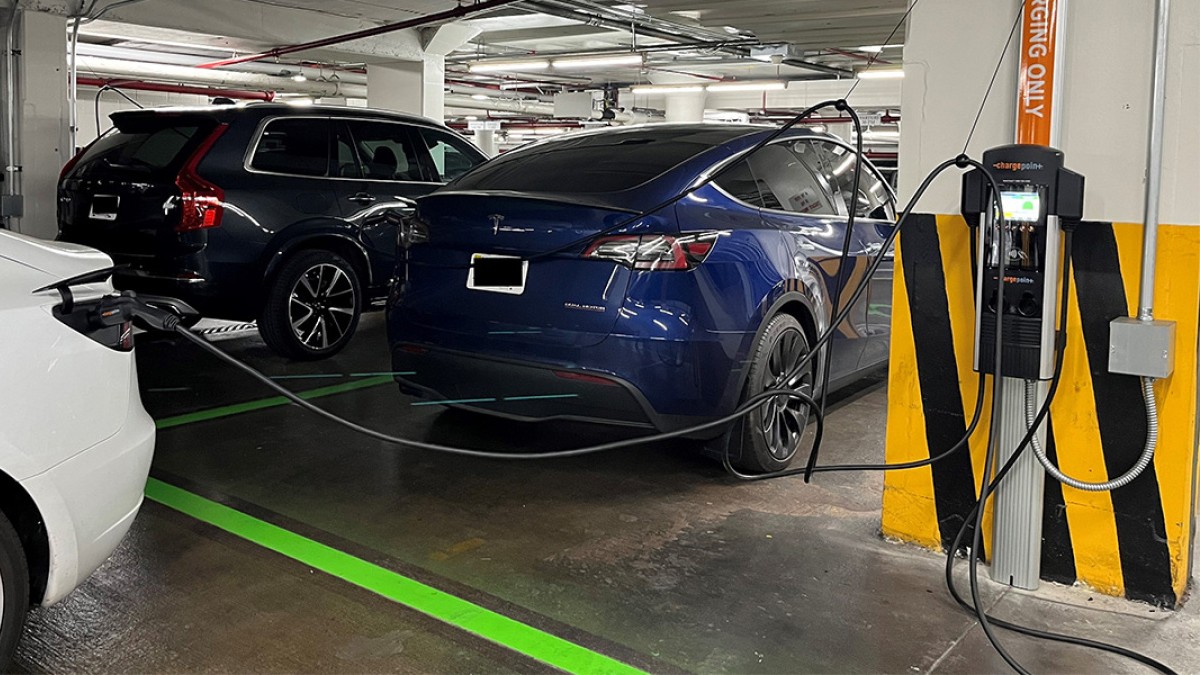
EV chargers that don’t work because they’re stuck offline are still a daily frustration for drivers and a costly headache for operators. Emobi and HeyCharge say they have a practical fix for that.
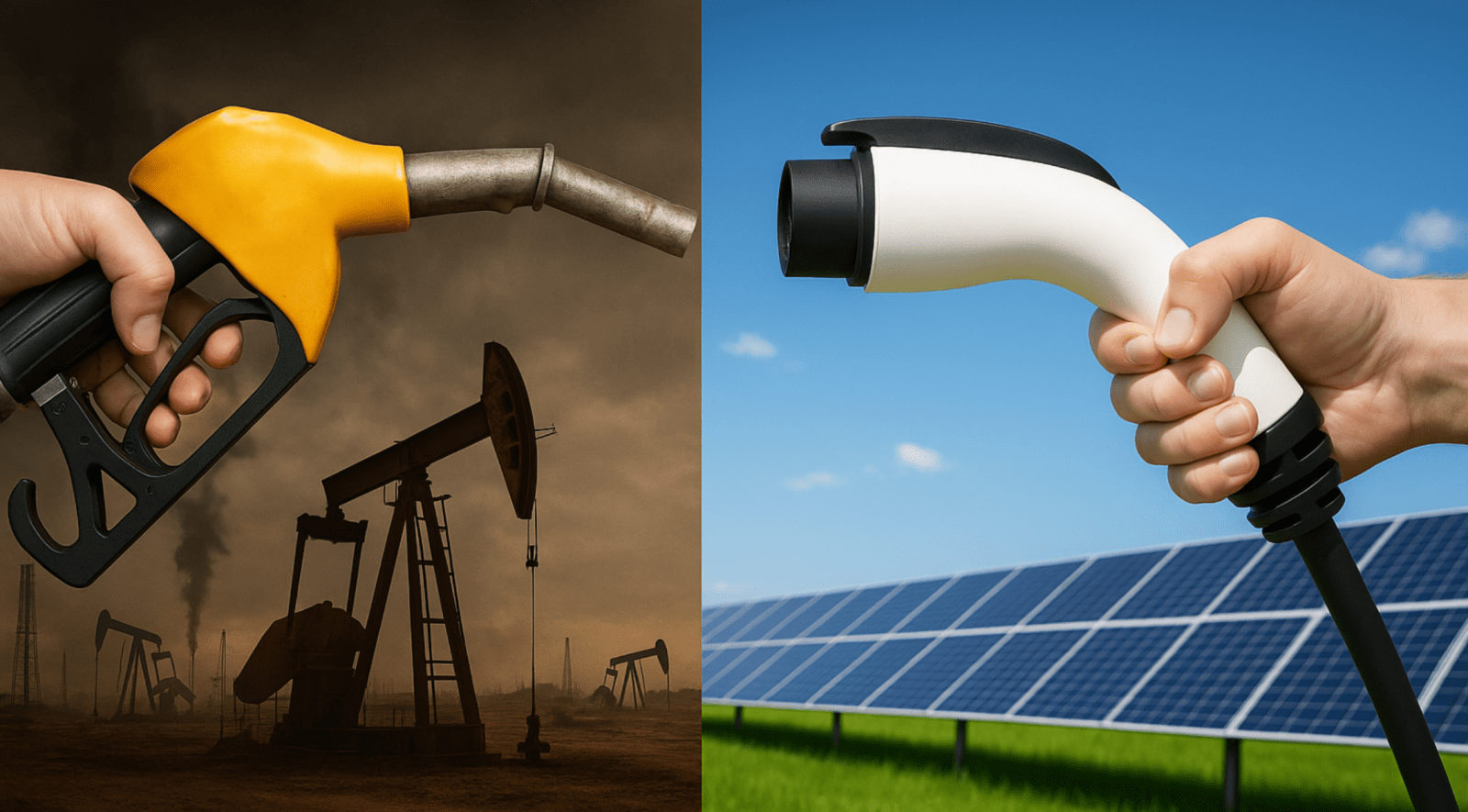
In a concerning series of poor decisions, Switzerland’s Federal Office of Energy (SFOE) decided to bury a study it had ordered and paid $120,000 for, as it confirmed that upgrading an internal combustion engine (ICE) car to an electric vehicle is beneficial for the environment.
Chinese EV automakers ZEEKR and NIO have announced a rare and exciting cooperation to enable driver access to each other’s charging networks in China. This collaboration combines some of the world’s fastest EV charging with one of the largest networks in the country.
Only a measly 1% of US retailers offer EV charging stations even though they come with significant benefits and government incentives, according to Consumer Reports.
It looks like Google-owned navigation app Waze is finally going to make it possible to add your EV and plug type into its app to find EV chargers along your route – but when, exactly?
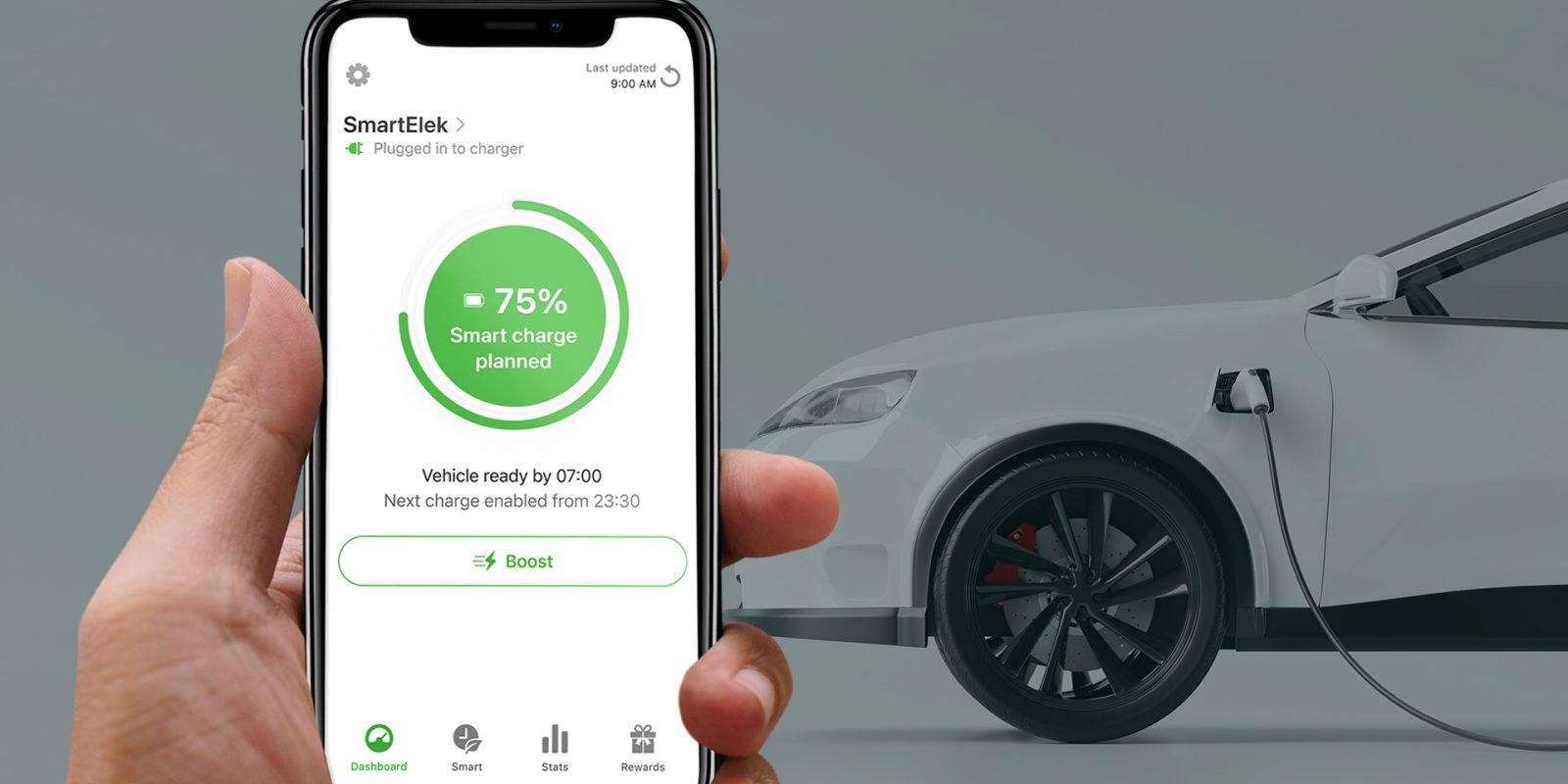
Renewable energy retailer Octopus Energy US today announced that it’s going to give Texas electric vehicle drivers cheaper electricity rates when they smart charge their EVs at home.
Google is making it easier for electric vehicle drivers to get around with new Maps features like a “very fast charging” filter, improved EV charging stop suggestions, and more.
There are currently more than 160,000 EV chargers in the United States. Here’s how many the auto industry data analysts at S&P Global Mobility think the country will need to install by 2030.
EV tech and infrastructure giant Siemens eMobility today announced that it will locate its second US manufacturing hub for EV chargers in Carrollton, Texas, outside of Dallas.
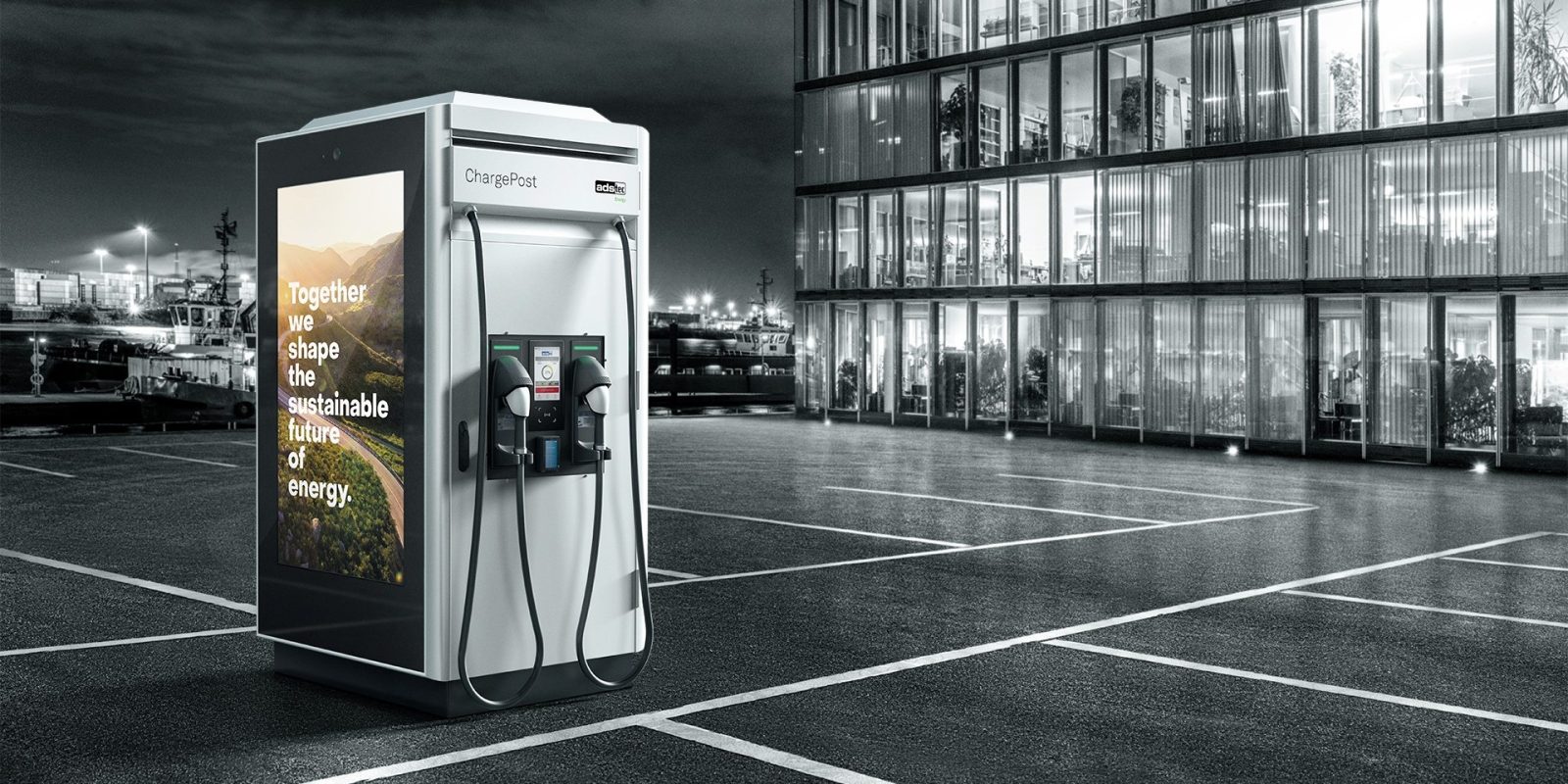
ADS-TEC Energy today debuted ChargePost, a compact battery-based EV charging system that enables ultra-fast charging without the need to extend the existing grid.
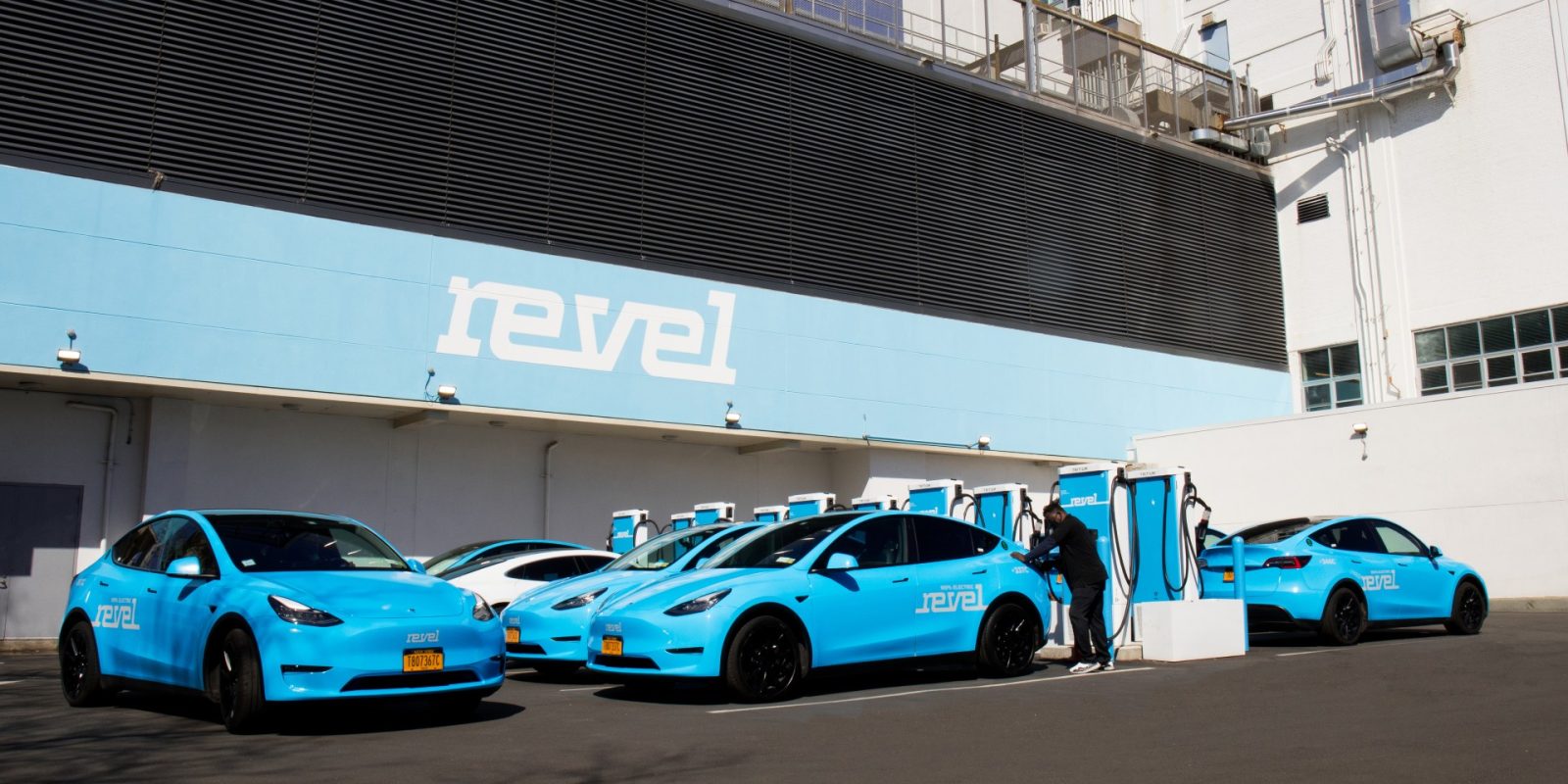
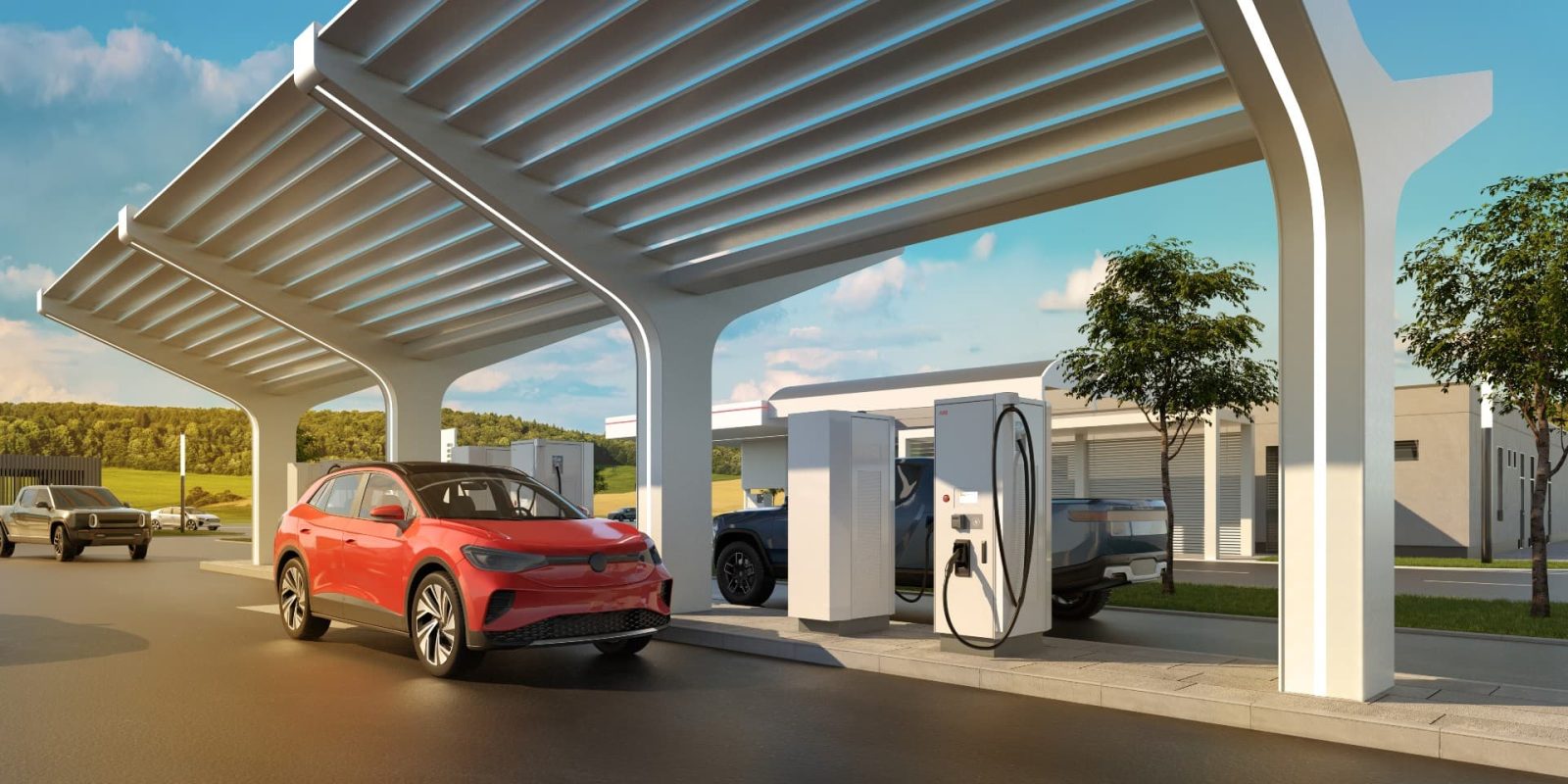
Revel, which specializes in building universal fast charging stations in cities and also offers Tesla rideshare and electric moped rentals, today announced that it’s going to expand its network of high-volume, public EV fast charging Superhubs. The Brooklyn-based company will site the new Level 3 charging stations in dense US urban areas.
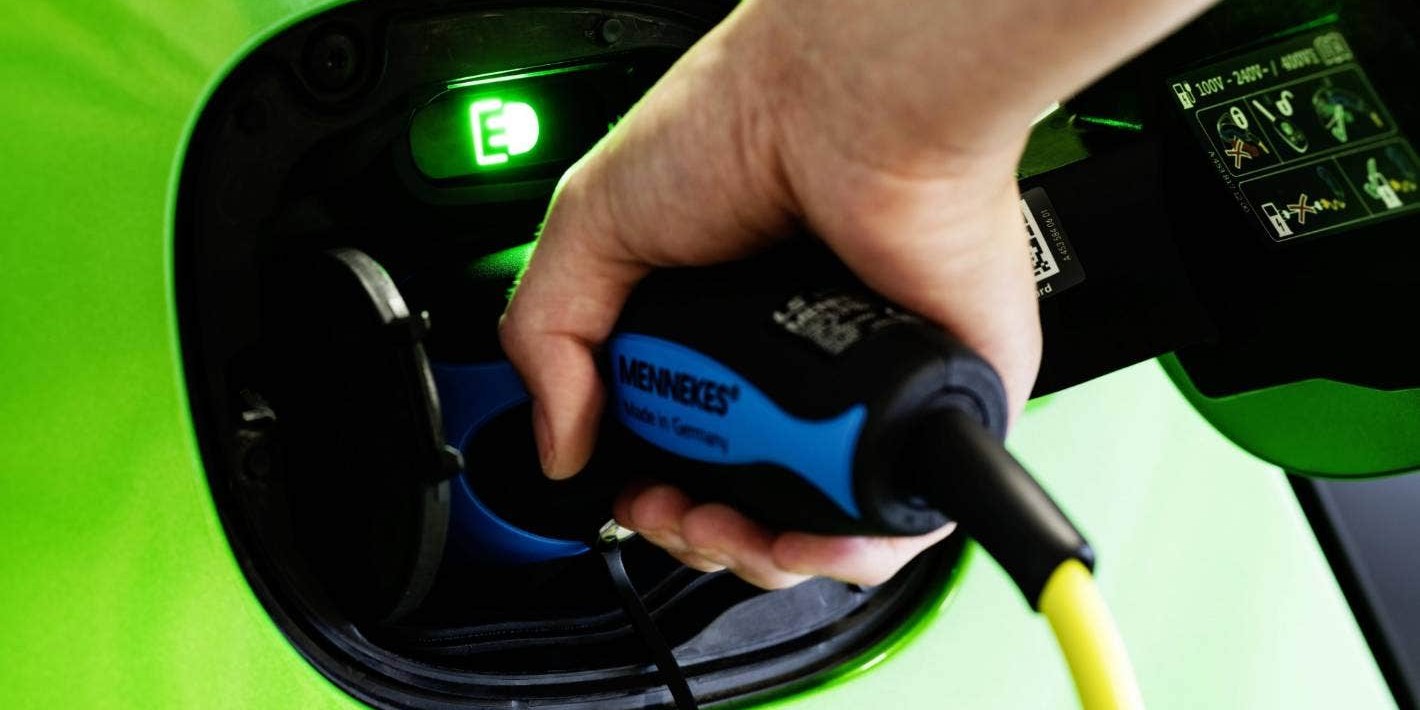
Palo-Alto, California-based EV charging software provider ev.energy and internet of things (IoT) solutions provider Smartenit, based in Irvine, Calirfornia, today launched a smart, grid-optimized Level 1 mobile EV cable for drivers who don’t have access to home charging stations.
Global EV charging infrastructure company ABB E-mobility today announced that it will spend $4 million to open an EV charger factory in Columbia, South Carolina.
Auckland, New Zealand-based Invisible Urban Charging (IUC), which offers “end-to-end charging as a service,” is going to roll out more than 6,000 EV chargers in Florida, mostly at commercial sites and parking lots.
A Cambridge University professor’s ultrafast EV battery startup has raised $59 million in Series B funding. Nyobolt aims to develop a battery that can achieve 5-minute EV charging time.
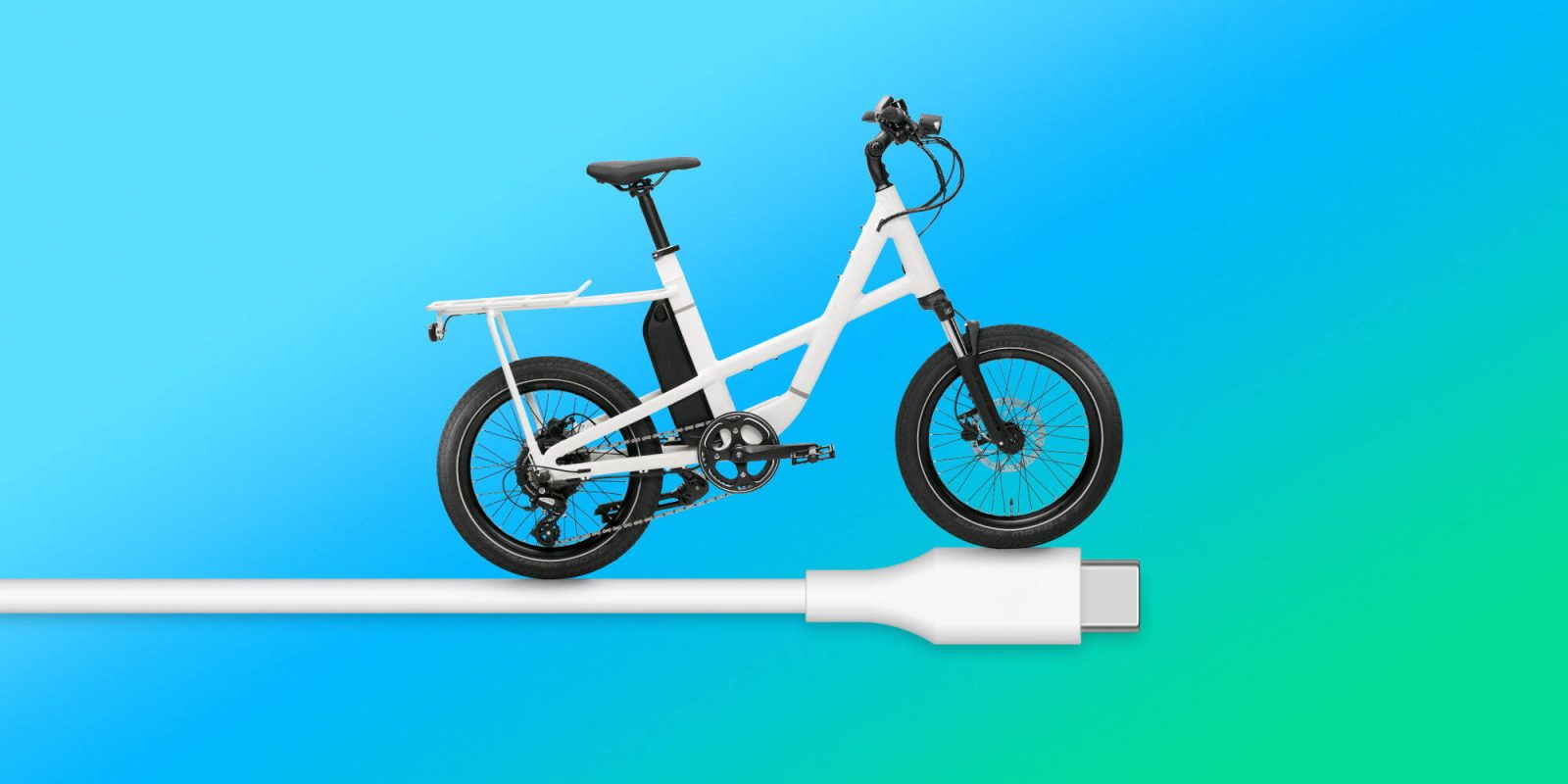
If you’ve owned an electric bike, e-scooter, or other personal mobility device (and especially if you’ve owned more than one), you know they all have a charger that pretty much fits nothing else you own. I have several electric bikes, scooters, skateboards, and other e-rideables, and almost none of them can share chargers. But don’t fret! There’s already a convenient solution here, and it’s called USB-C. Electric bike battery USB-C charging needs to become a thing. And while, we’re at it, USB-C PD discharging, effectively turning the battery into a backup power supply for your electronics, could easily be added.
So listen up, electric bike companies. This one’s for you.
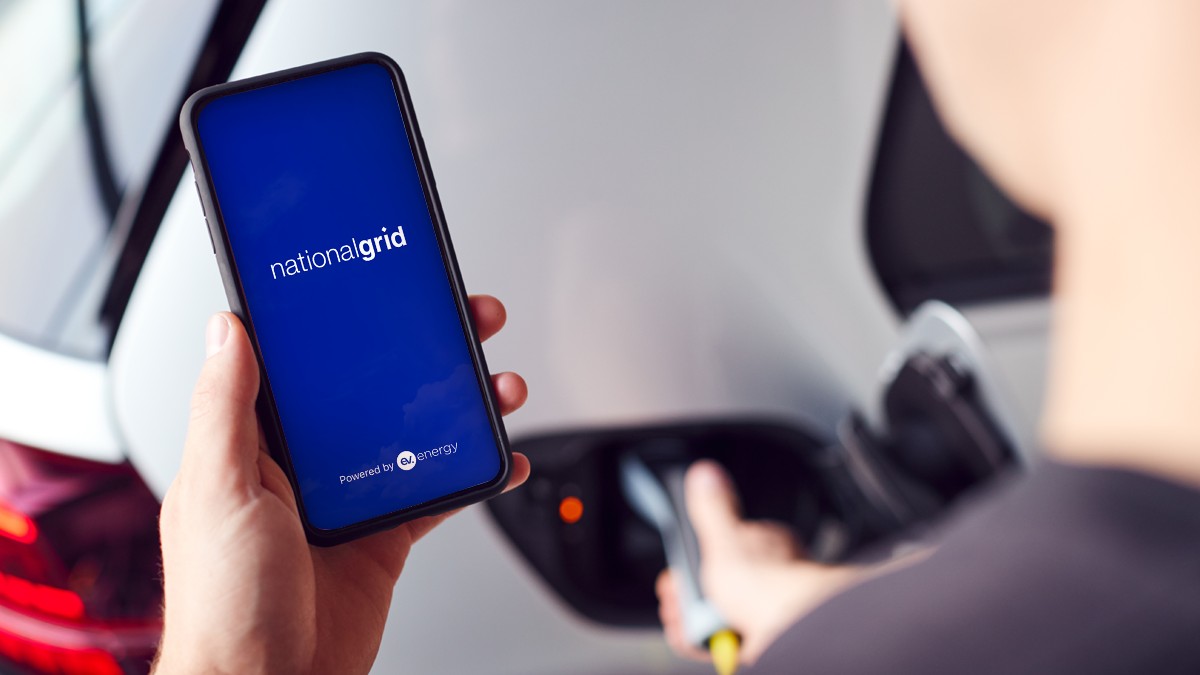
National Grid, a utility that serves more than 20 million people in New York, Massachusetts, and Rhode Island, is expanding its Off-Peak Charging Rebate Program in Massachusetts that it runs with ev.energy, a certified B corporation and global provider of managed EV charging software.
The number of consumers looking to buy electric vehicles has hit 52%, according to the latest EY Mobility Consumer Index (MCI). This is the first time the number has exceeded 50%, and it represents a rise of 22 percentage points in just two years.
The global spend on electric vehicle charging at home will exceed $16 billion in 2026, up from $3.4 billion in 2021, according to a new report by UK-based digital technology research firm Juniper Research.