wireless charging

See All Stories

That awesome wireless charger for electric bikes just hit a surprise hurdle

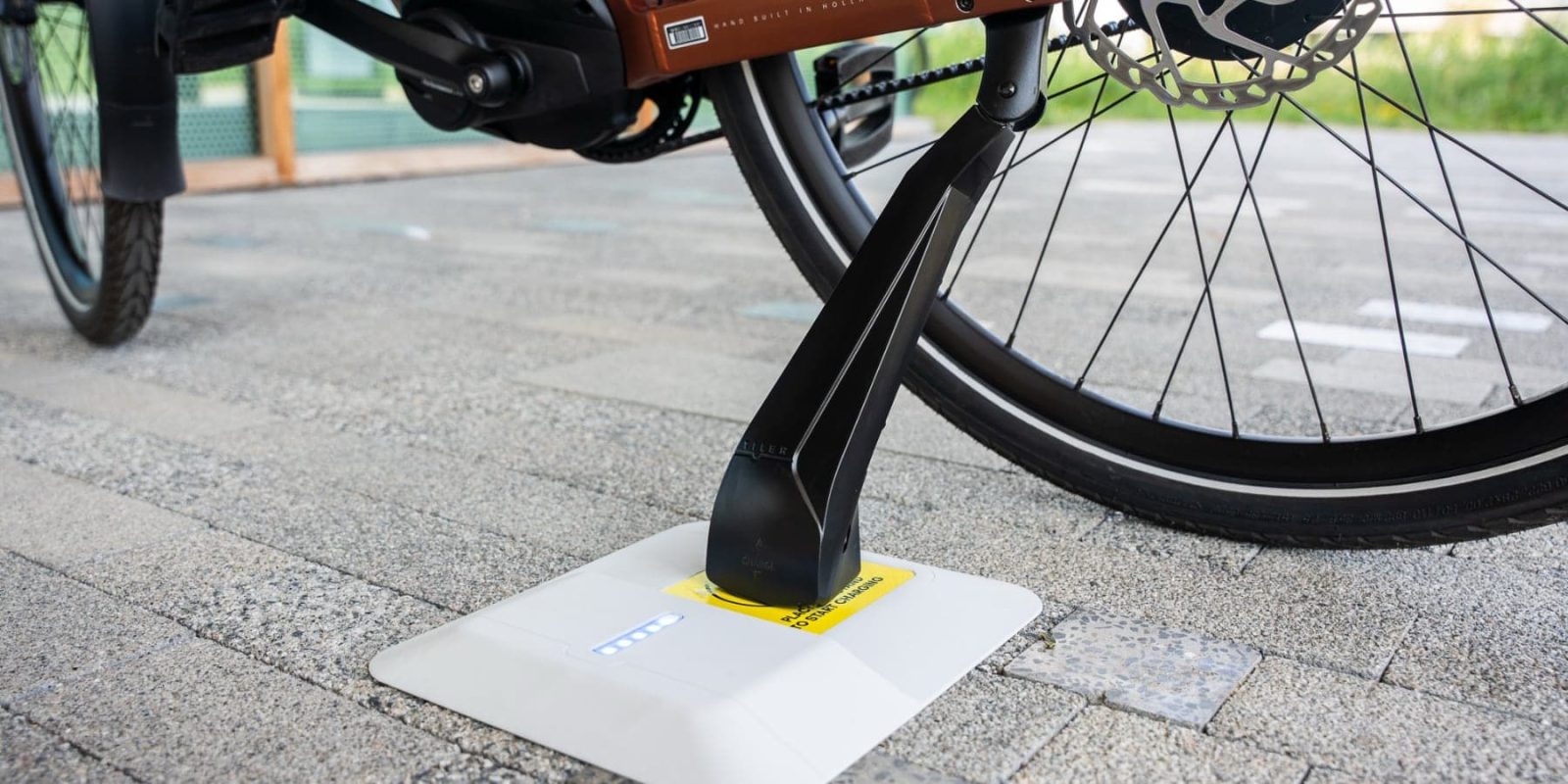
For the last few years, one of the coolest bits of e-bike tech I’ve seen didn’t involve more power, bigger batteries, or new motor designs. It involved getting rid of the charger cable altogether.

Last summer, I covered Dutch startup Tiler’s newly developed wireless charging tile that lets an e-bike charge directly through its kickstand. You roll the bike into place, lower the stand onto the tile, and the battery starts charging automatically via an integrated magnetic coil. There are no plugs to deal with, no dangling wires, and no forgetting to bring your charger to work.

Expand Expanding Close
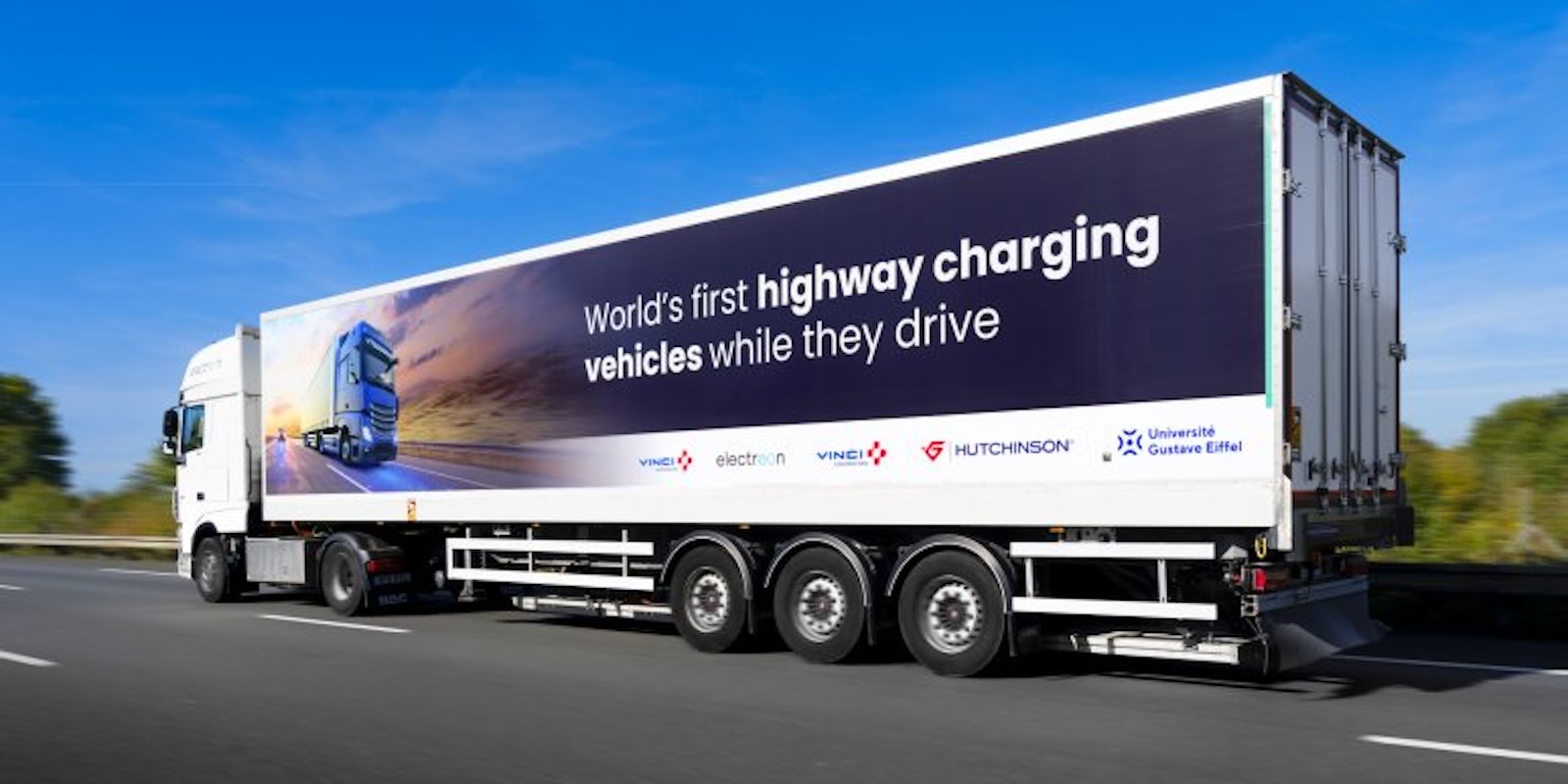
Electreon snaps up InductEV’s wireless charging tech in new MoU

Electreon InductEV

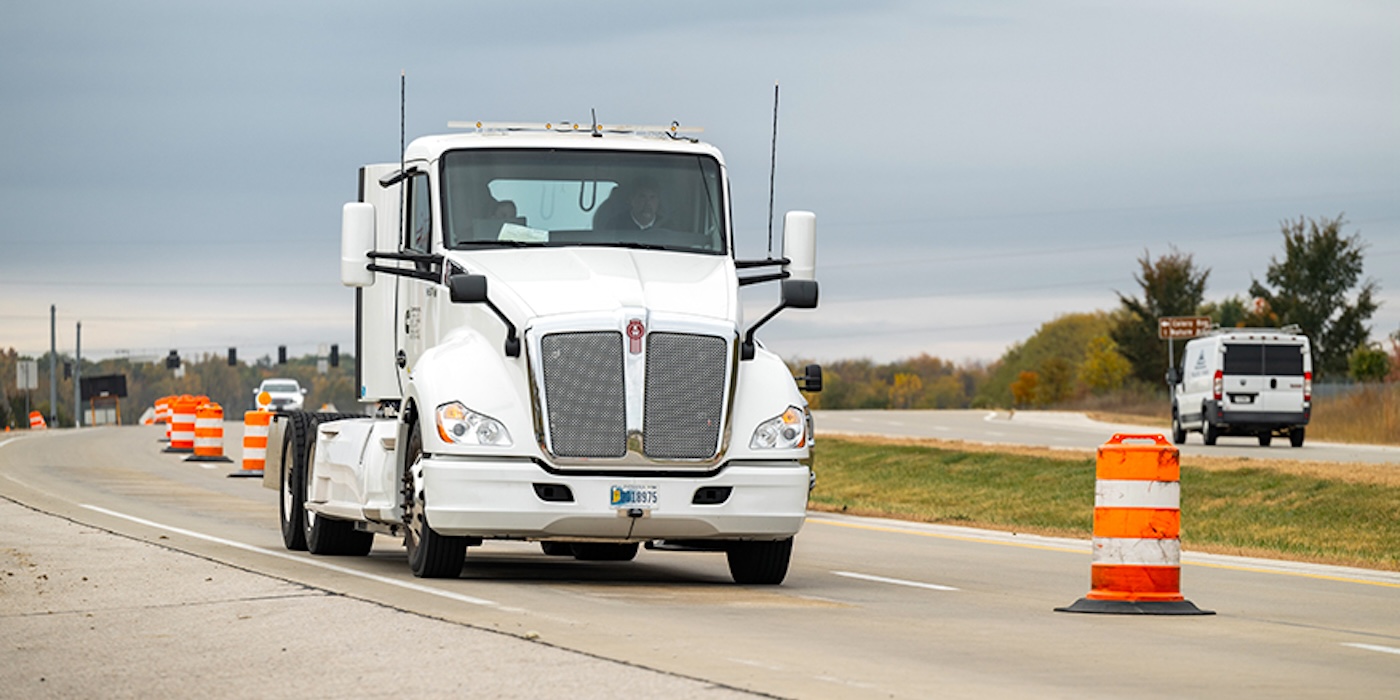
Electreon just took a big step toward expanding wireless EV charging. The Israel-based company signed a memorandum of understanding (MoU) to acquire the assets of InductEV, a Pennsylvania-based firm known for its ultra-fast, high-power static wireless charging systems used by heavy-duty electric transit and freight fleets.

Expand Expanding Close

UCLA receives $20M to electrify bus fleet and deploy California’s first in-road EV charging system

California EV charging

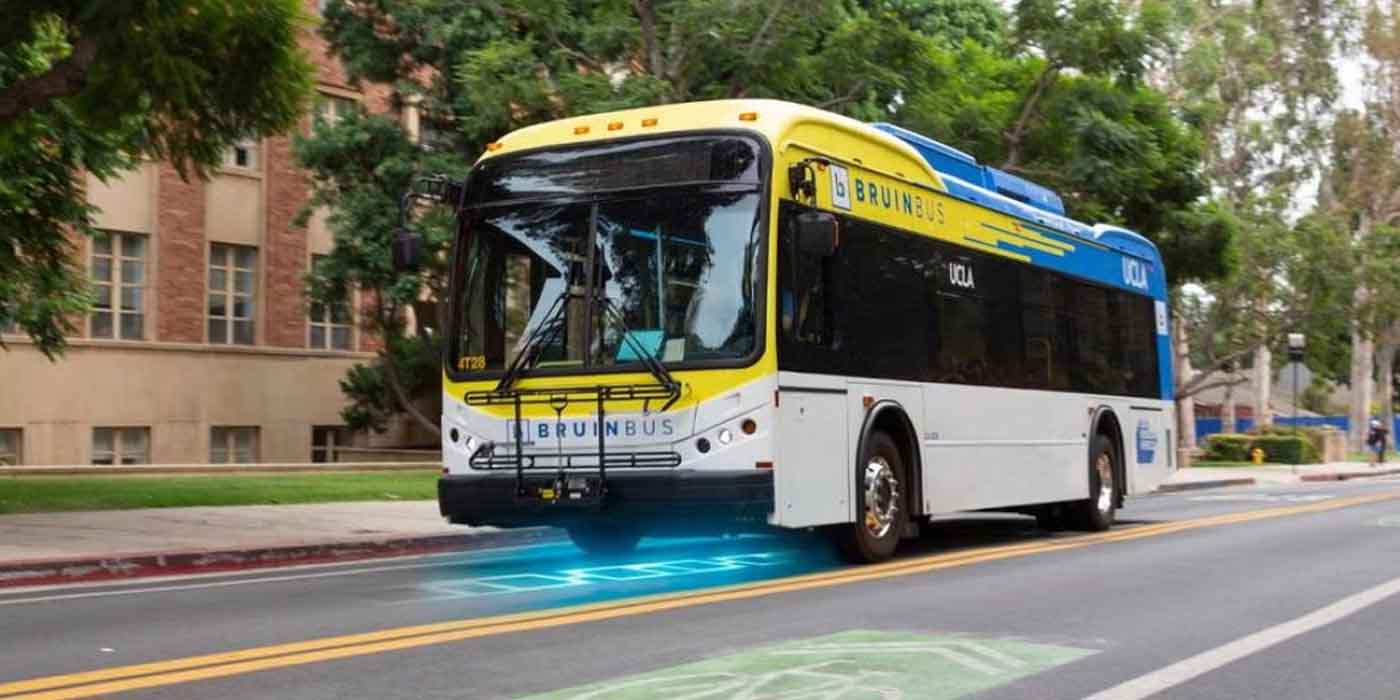
The Events and Transportation Department at UCLA has secured a grant from the state of California totaling nearly $20 million. The funding will be used to transition the university’s bus fleet to 100% electric vehicles, expand service, and fund California’s first in-road EV charging system with the help of Electreon.

Expand Expanding Close

Hands-on: Nomad Wireless Charger for Tesla Model 3 [Video]

With a car as forward thinking as the Model 3, I admit that it’s a bit disappointing that Tesla didn’t opt for wireless smartphone charging, or at least make a wireless charger for Tesla Model 3 an option in the design studio. As Tesla makes progress with Model 3 deliveries and eventually ushers in the standard range battery option, it’ll hopefully begin addressing smaller wants like this.

Until then, there are wireless charging solutions made available by third-parties. One of the most popular options, the Nomad Wireless Charger for Tesla Model 3, recently landed in the office. Nomad, which is known for its Horween Leather-based iPhone cases and iPhone accessories, saw an excellent opportunity to fill the needs of Model 3 owners. The result is a wireless charging pad that could easily pass as being a native part of the Model 3. Watch our hands-on video as we discuss the ins and outs of Nomad’s wireless charging solution.
Expand
Expanding
Close

Continental to debut automated universal wireless and bi-directional car charging ecosystem

Continental AG, the large German automotive OEM company today previewed some new electric car charging technology that they plan to showcase at CES in Las Vegas next month. The announcements amount to two different parts of the EV charging infrastructure that would be OEM-ed into Electric vehicles by automakers:


Expand
Expanding
Close

GM announces partnership with Boston startup WiTricity to develop wireless charging technology

Site default logo image

Love it or hate it, wireless charging has been around for years. While stereotypically the technology comes with enough convenience issues to make most users question its superiority to traditional chorded tech, like any contemporary invention it has steadily improved over the past few years.

Earlier this week, a partnership was announced between Boston-area startup WiTricity and General Motors (GM), with the goal of developing wireless charging pads for electric vehicles.
Expand
Expanding
Close
Momentum Dynamics says it will deliver a 200 kW wireless charging systems by the end of the year

Momentum Dynamics, a wireless charging startup, sent out a press release this week claiming that they will deliver 200 kW wireless charging systems by the end of the year. In comparison, the company had previously only delivered 25 kW and 50 kW systems, and just recently, it was testing a very slow 1.5 kW wireless charger with Google for its self-driving car prototypes.

A 200 kW system would not only be faster than most charging stations, but it would also have higher output than the Tesla Supercharger’s 135 kW charge rate.
Expand
Expanding
Close