One giant US power line, enough wind power for 1 million homes
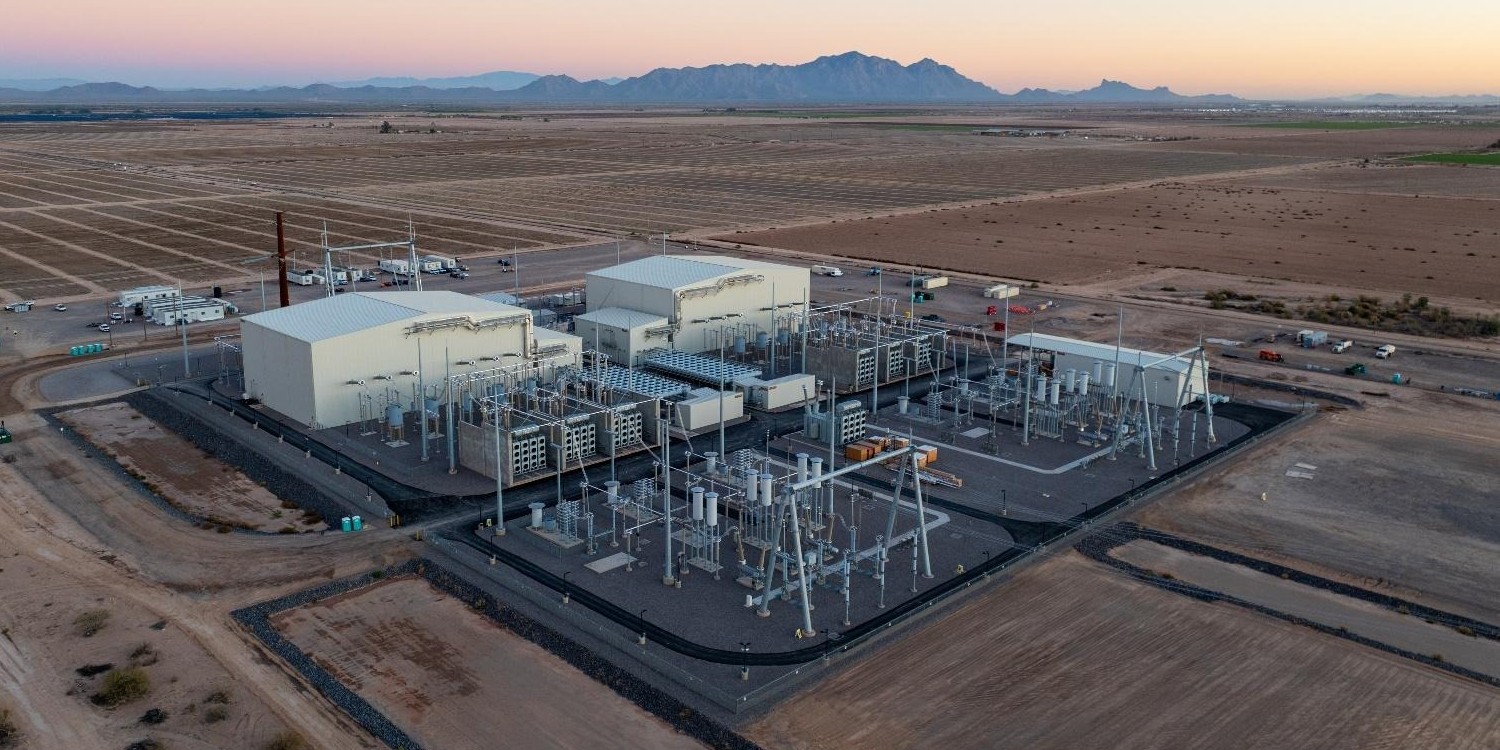
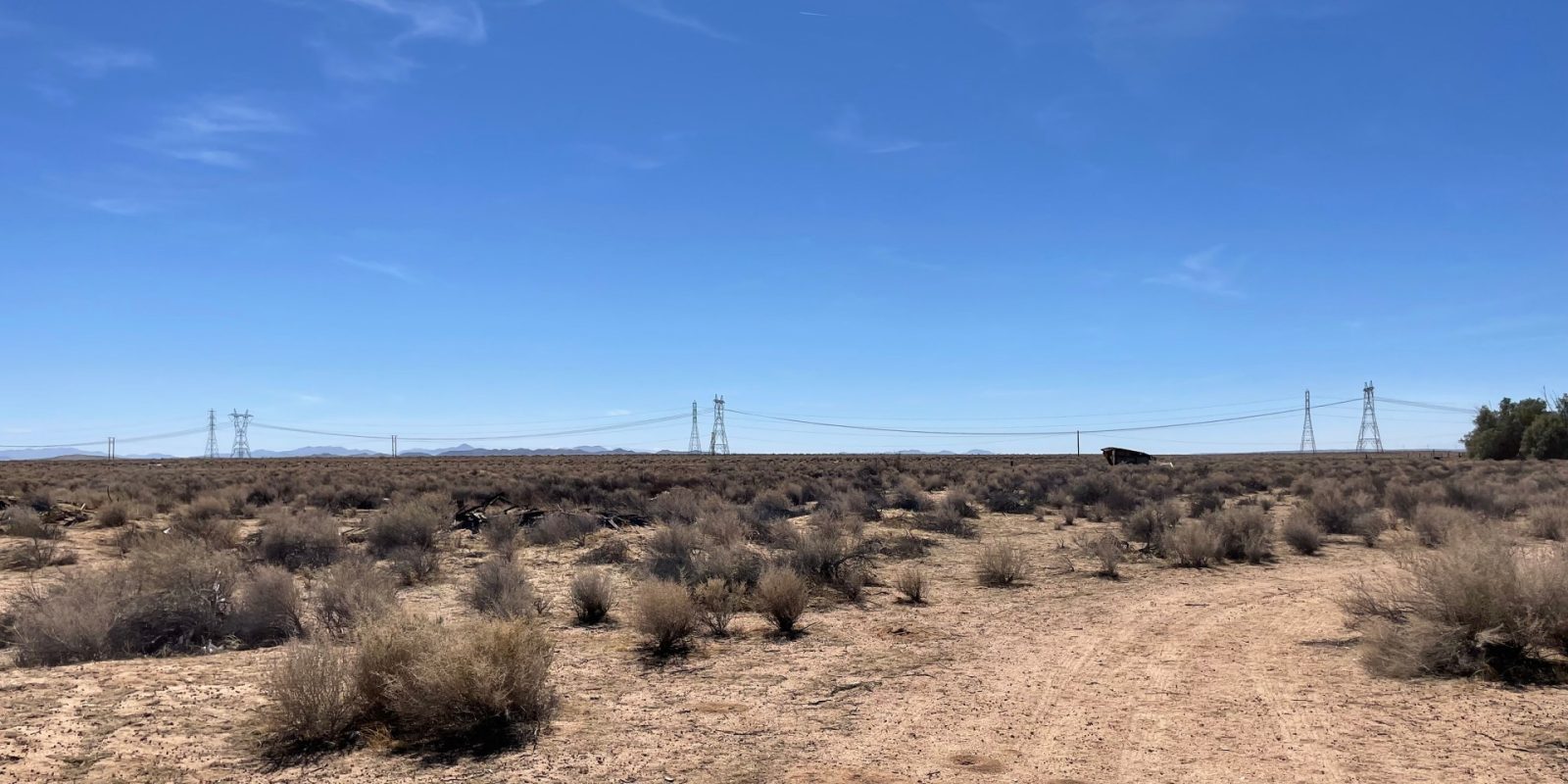
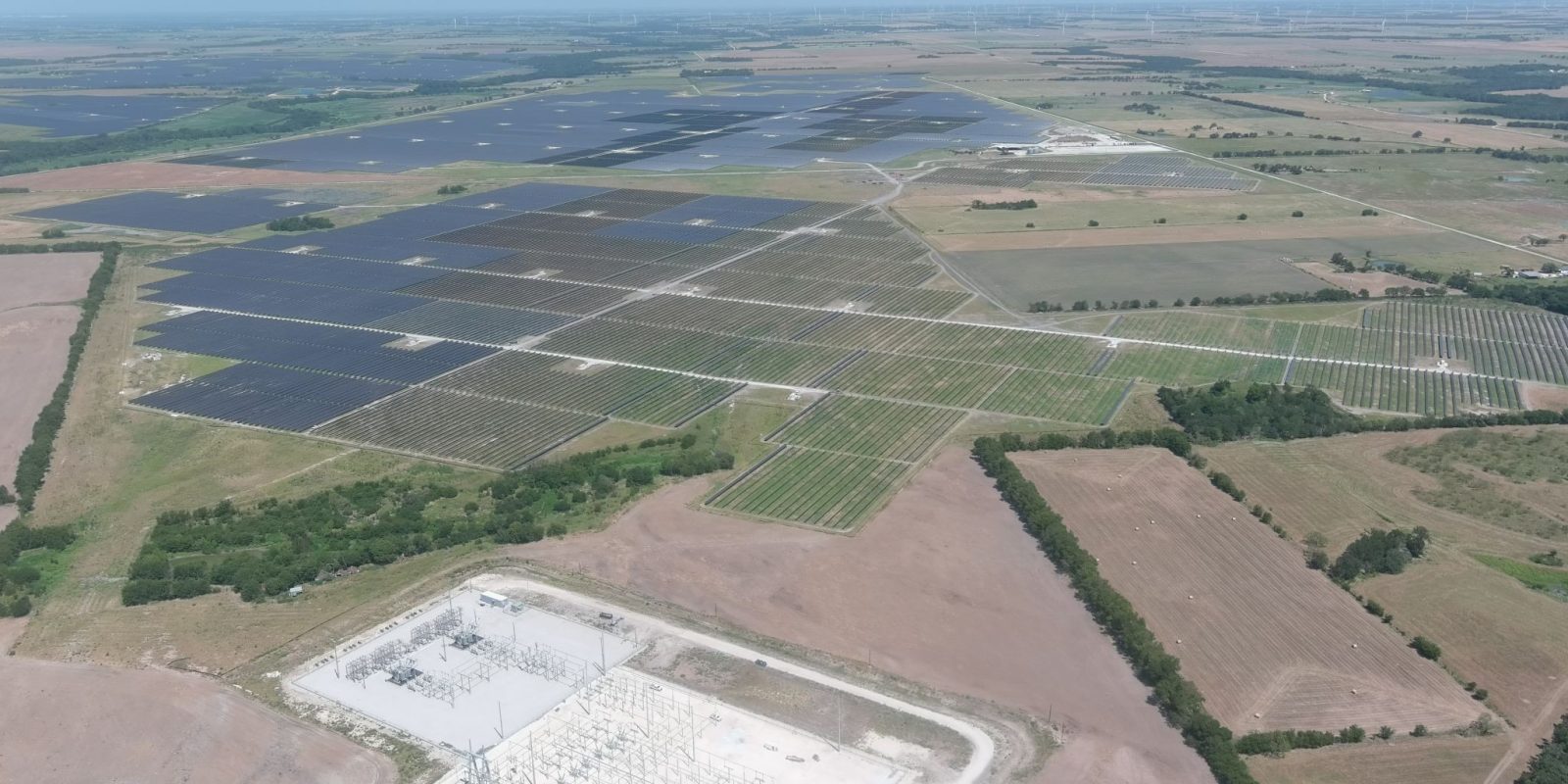
SunZia, an $11 billion wind-and-power-line project and one of the largest US clean energy transmission projects ever built, is officially online.
Expand Expanding Close
SunZia, an $11 billion wind-and-power-line project and one of the largest US clean energy transmission projects ever built, is officially online.
Expand Expanding Close
California’s utility-scale solar plants are generating more electricity than natural gas for most days of the year in 2026, according to new data from the US Energy Information Administration (EIA).
Expand Expanding Close
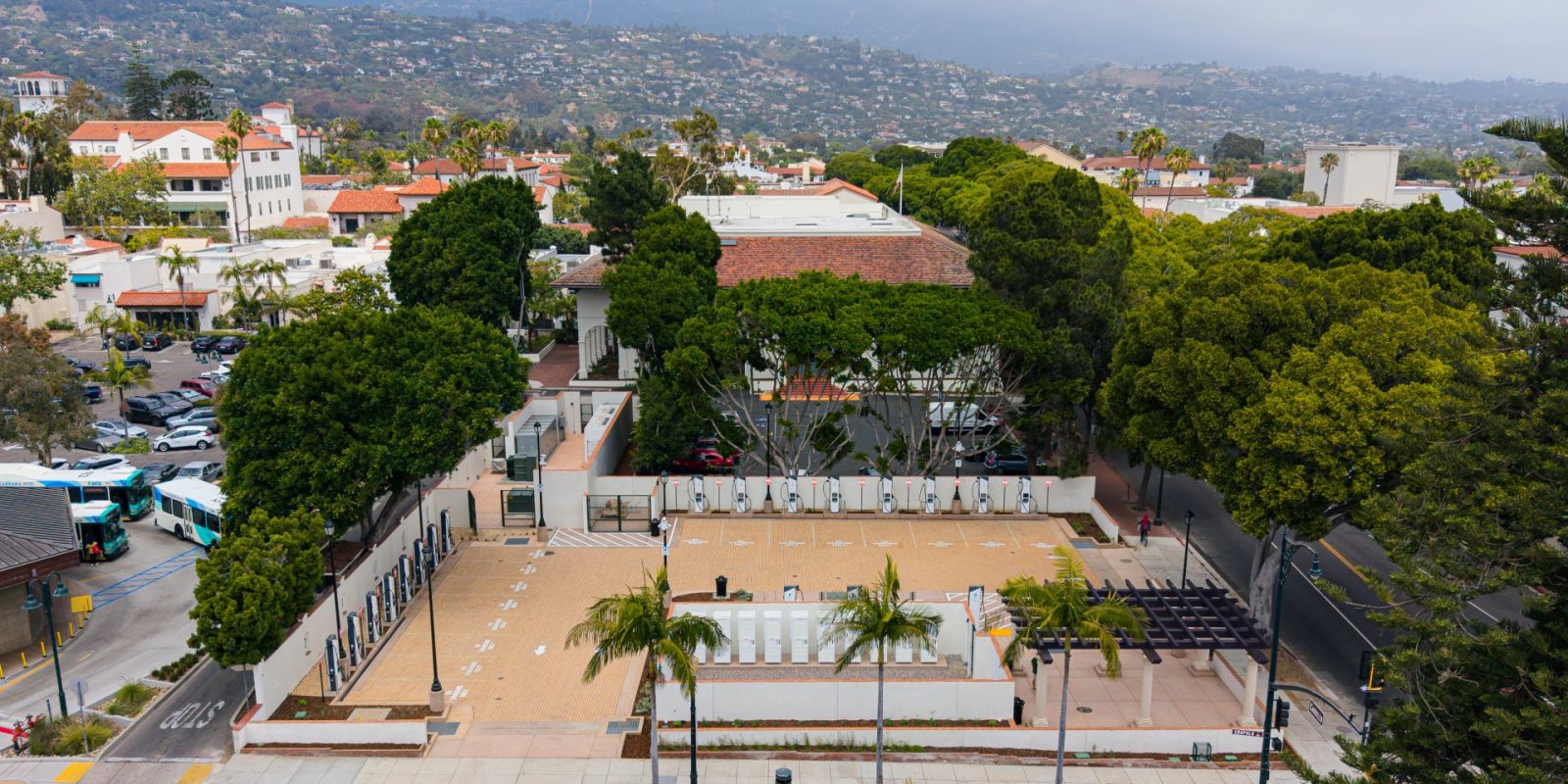
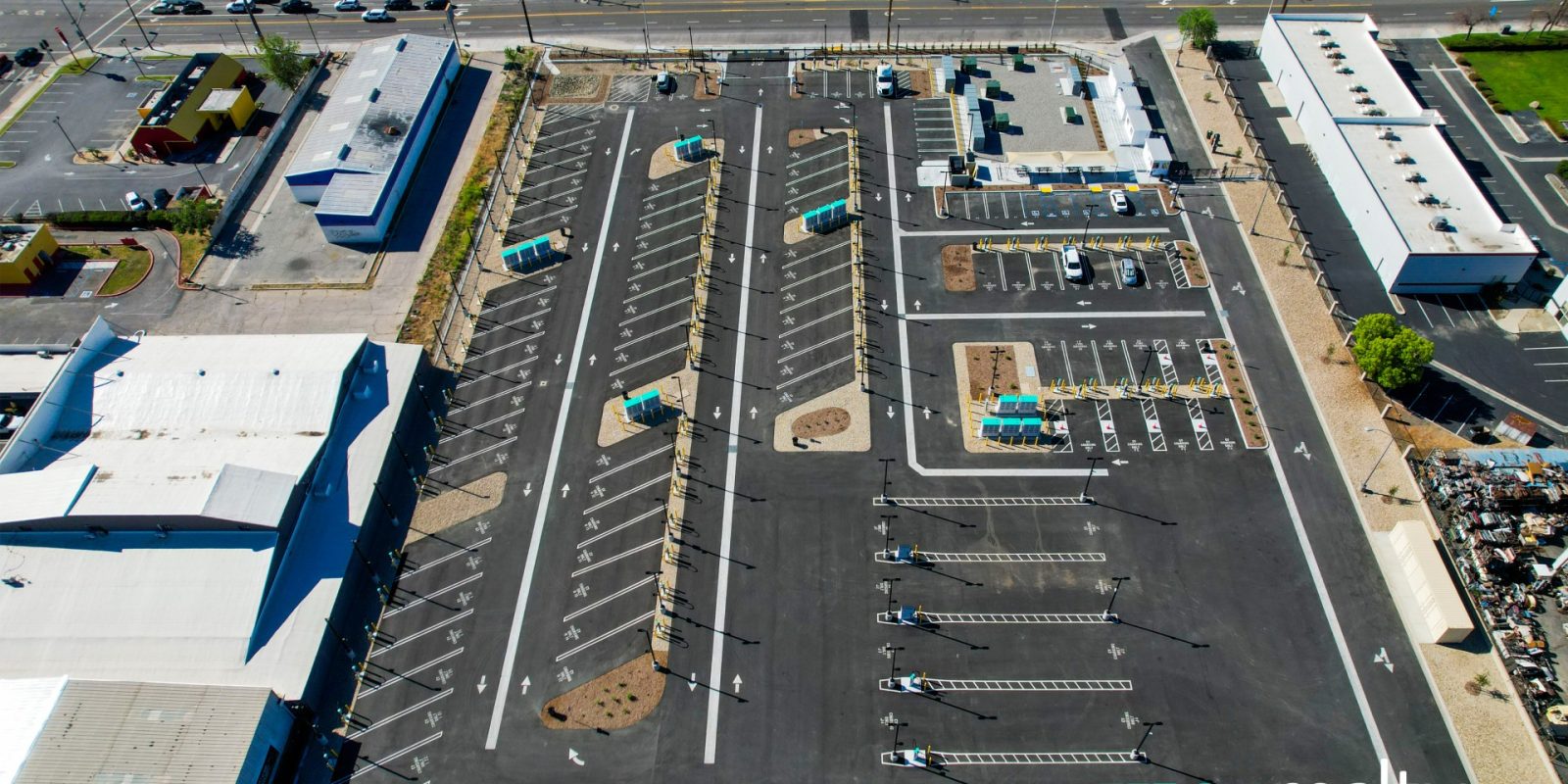
Electrify America just opened a new “large-format” EV charging station in downtown Santa Barbara, California, adding 20 DC fast chargers and the company’s largest public battery energy storage system to date.
Expand Expanding Close

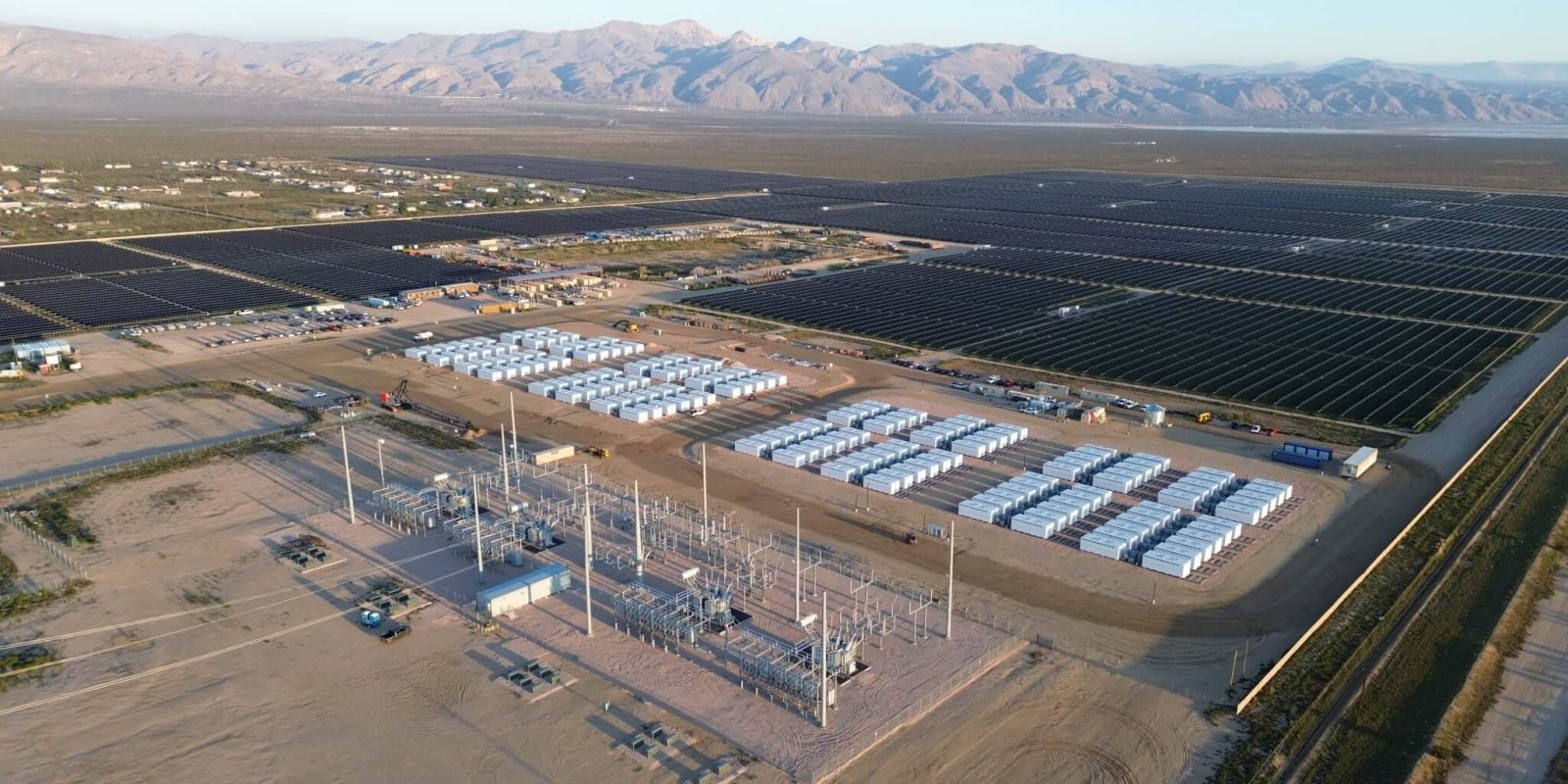
California renewable energy developer Juniper Energy has partnered with Alsym Energy to deploy 500 MWh of sodium-ion battery storage projects across California.
Expand Expanding Close
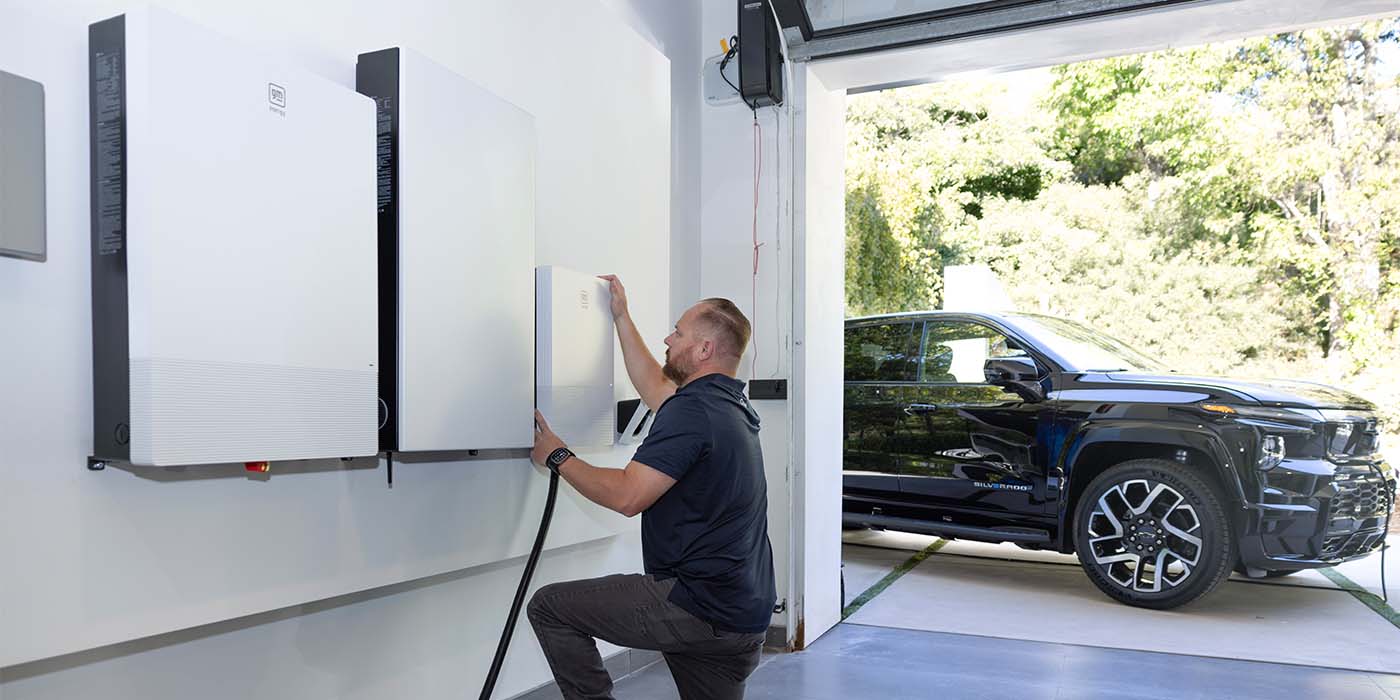
California senate bill 913 would allow utilities and grid operators to treat home backup batteries like real power plants, opening the door for programs that can pay homeowners to share excess energy capacity during peak demand.
Expand Expanding Close
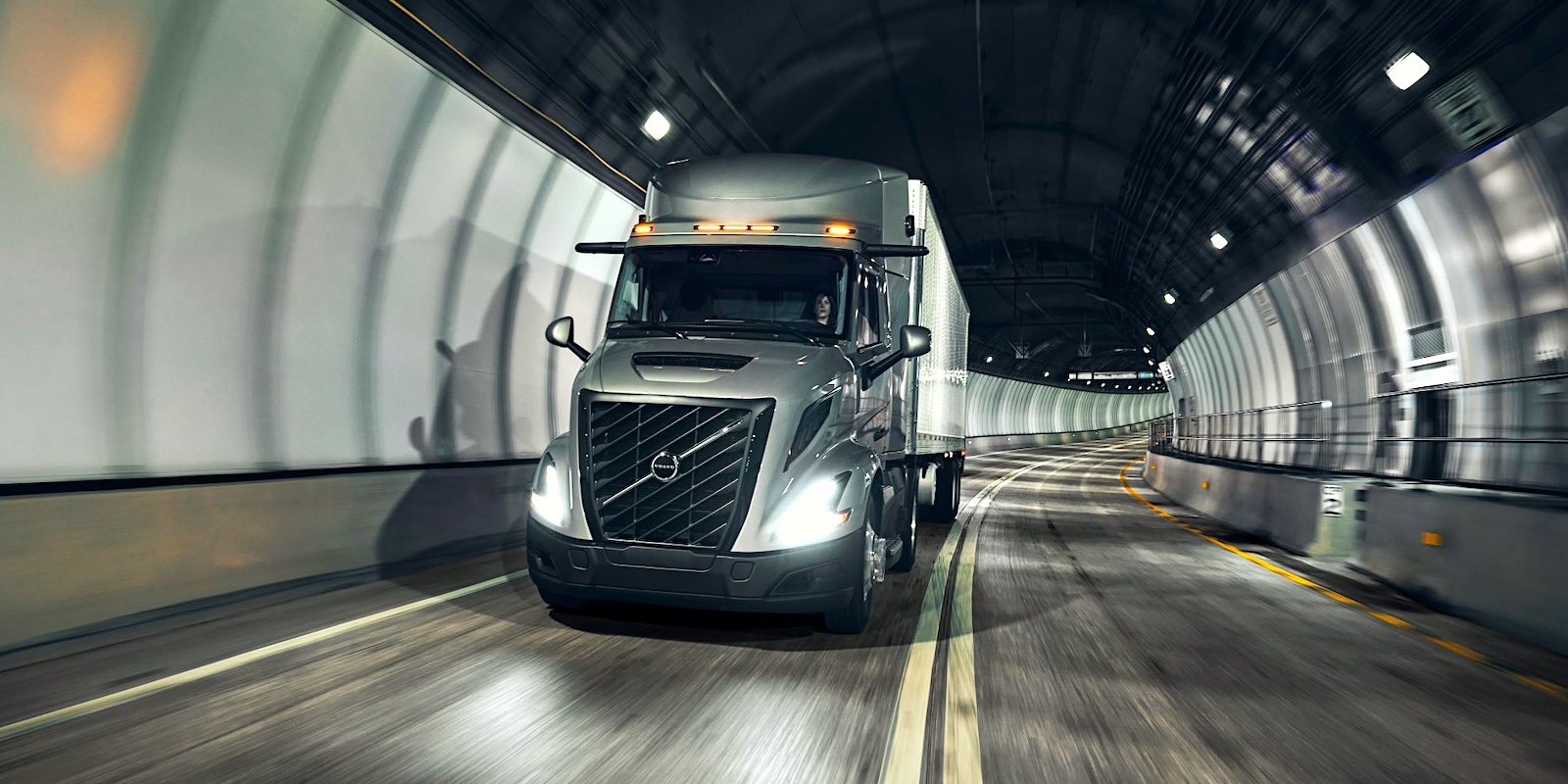
California Senate Bill 1213 is calling out truck makers for playing games with zero emission truck pricing by requiring manufacturers to make truck pricing public if they want access to the state’s Hybrid and Zero-Emission Truck and Bus Voucher Incentive Project (HVIP) and Clean Transportation Programs.
Expand Expanding Close
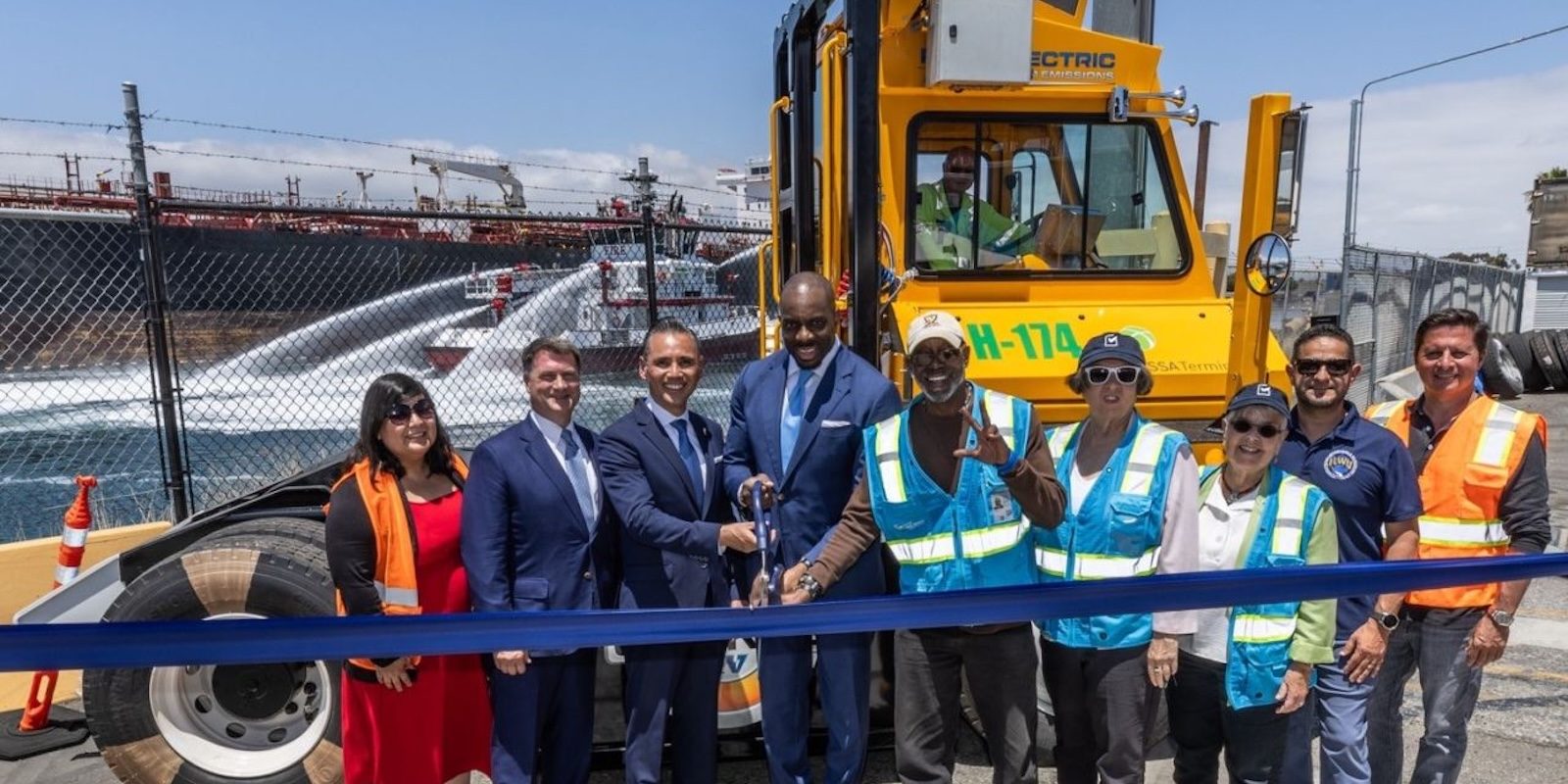
EV Realty just opened its flagship electric truck charging hub in San Bernardino, California, and it’s built for the kind of heavy-duty freight work that keeps supply chains moving.
Expand Expanding Close
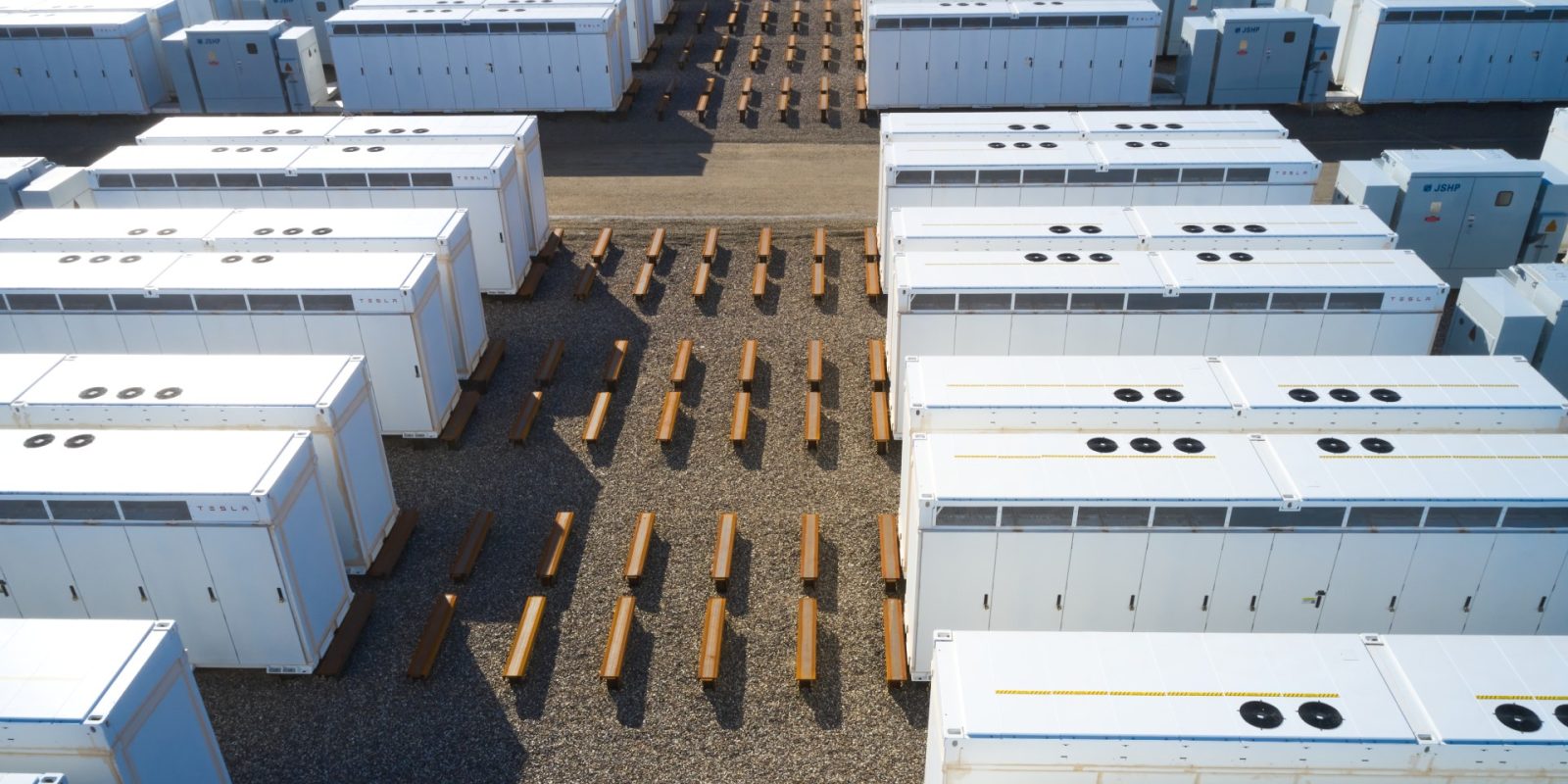
Arevon is building a big new battery project just south of San Francisco, designed to keep the lights on when demand spikes.
Expand Expanding Close
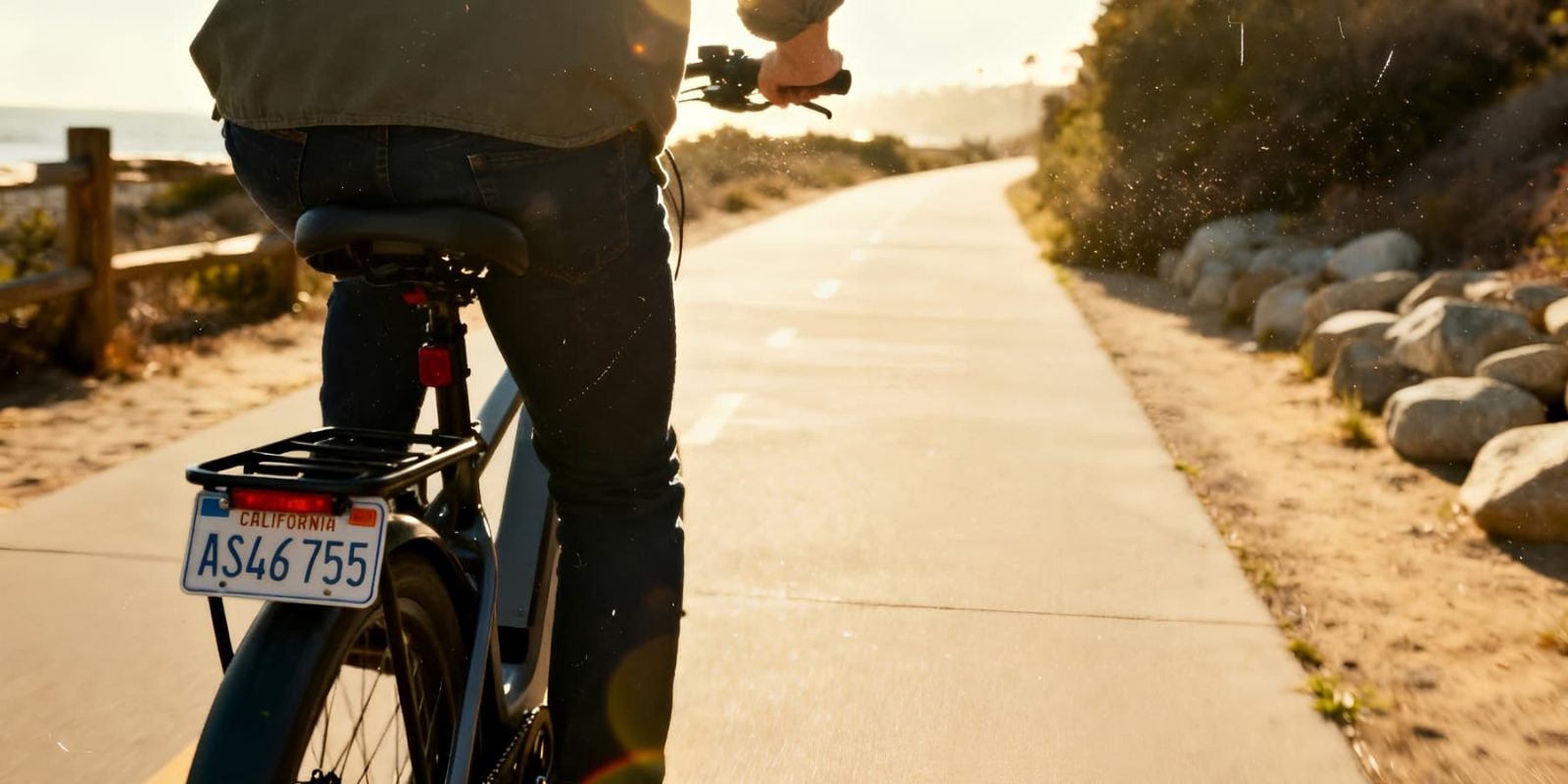
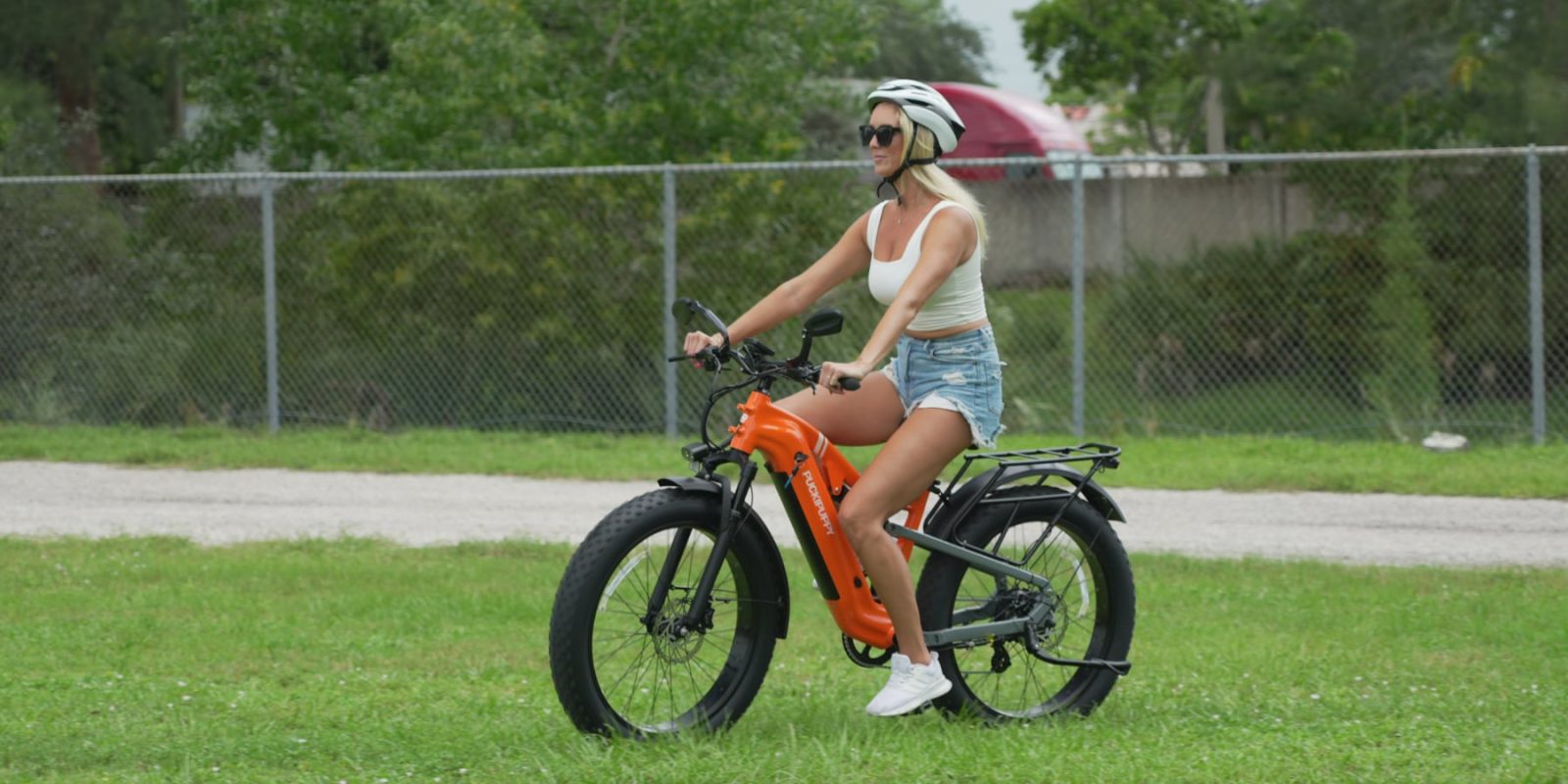
Many states across the US have spent the last several years promoting electric bikes as a climate solution. California, one of the leaders in e-bike adoption in the US, has funded rebate programs, invested in bike infrastructure, and championed e-bikes as a way to reduce car trips and cut emissions. At the same time, however, another trend has emerged: a sharp increase in youth ridership – and with it, a growing number of complaints about unsafe riding.
Now, some lawmakers in states with high e-bike usage are proposing something that would have sounded unthinkable just a few years ago: license plates for e-bikes.
Expand Expanding Close
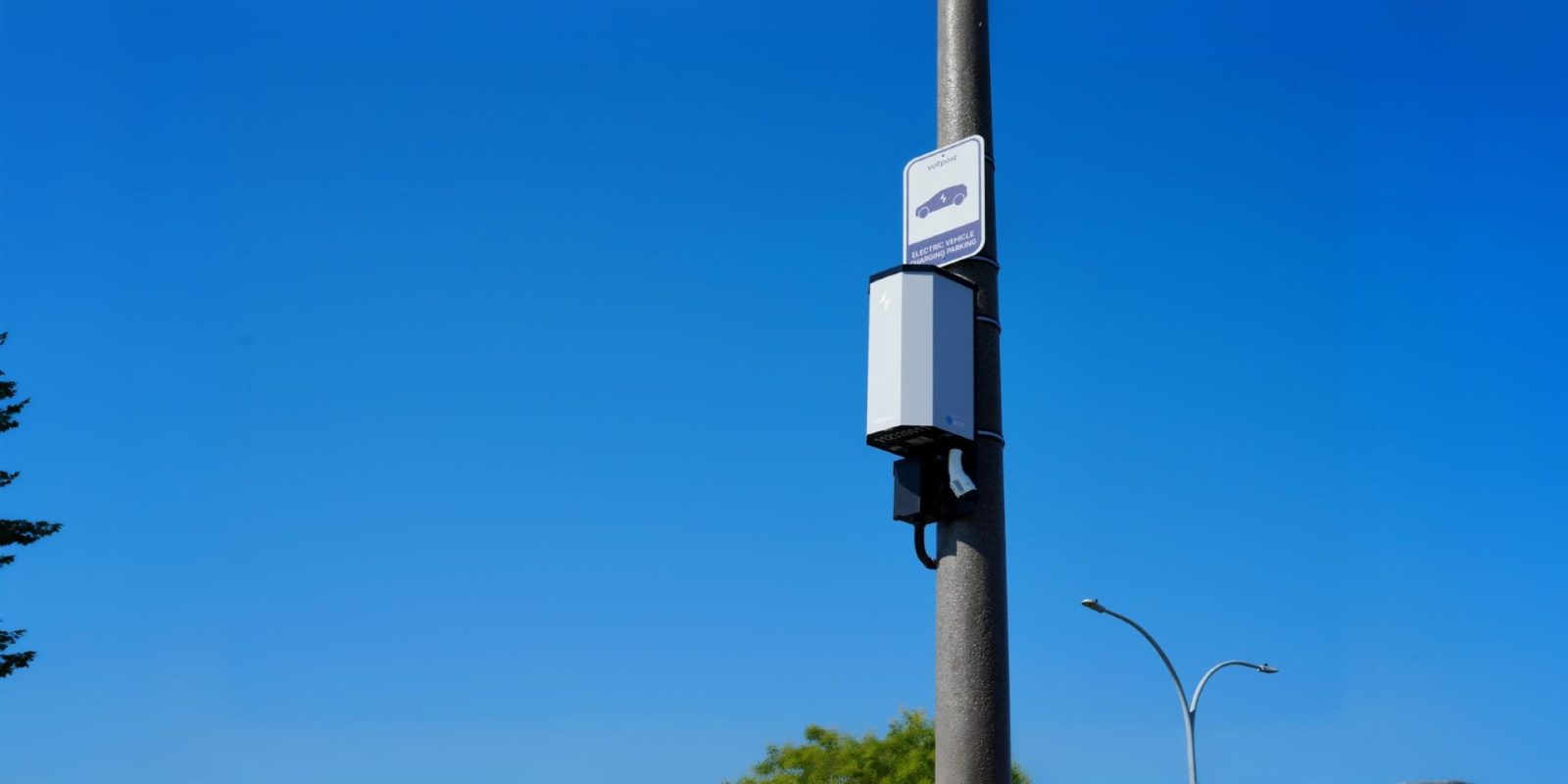
The City of San Francisco could soon make it much easier for residents without a driveway or garage to charge their EVs on the street.
Expand Expanding Close
A new report finds Texas is set to overtake California in battery storage as US installs hit a record 57.6 GWh in 2025, up 30% year-over-year.
Expand Expanding Close
Octopus Energy Generation is investing almost $1 billion in California clean tech projects, the latest move by the UK‑based renewable investor as it scales up its presence in the US market.
Expand Expanding Close
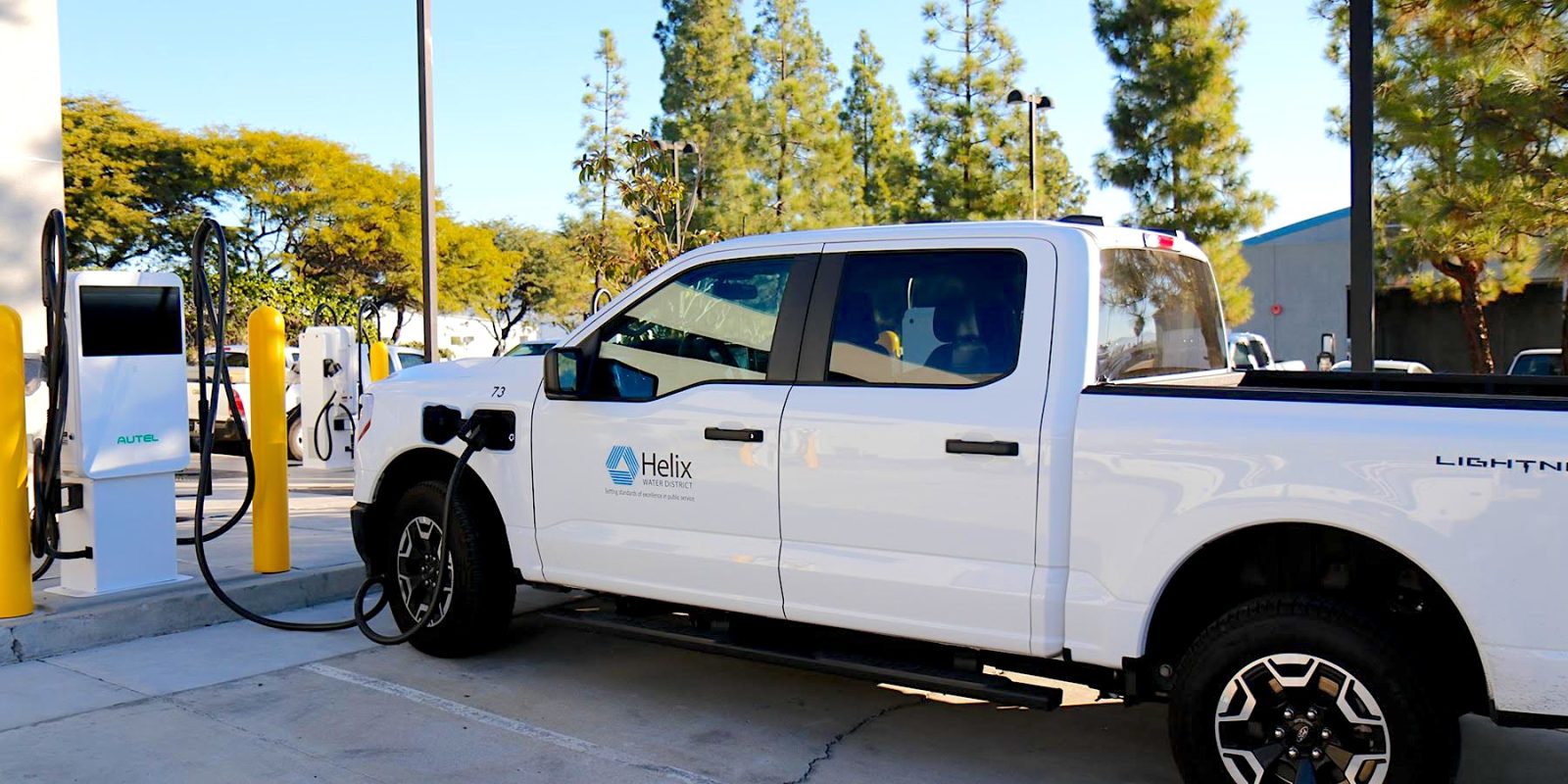
Located at Helix water district’s operations center in El Cajon, California, the project supports the district’s full transition to zero-emission vehicles while maintaining the reliability required of a mission-critical public utility. To keep it all running smoothly, the district has deployed Better Fleet’s advanced managed charging software solution – and we’ve got the company’s CEO, Dan Hilson, to walk us through it.
Expand Expanding Close
EVs are supposed to clean up the air, but finding real-world proof has been surprisingly hard. A new study from the University of Southern California (USC) says the satellite evidence is finally strong enough to measure.
Expand Expanding Close
The California Energy Commission (CEC) reported this week that the state passed 2.5 million cumulative new zero‑emission vehicle (ZEV) sales in 2025.
Expand Expanding Close
California lawmakers are once again taking aim at the gray areas of electric bike regulation, this time by targeting what has quietly become one of the biggest loopholes in the state’s e-bike laws.
Expand Expanding Close
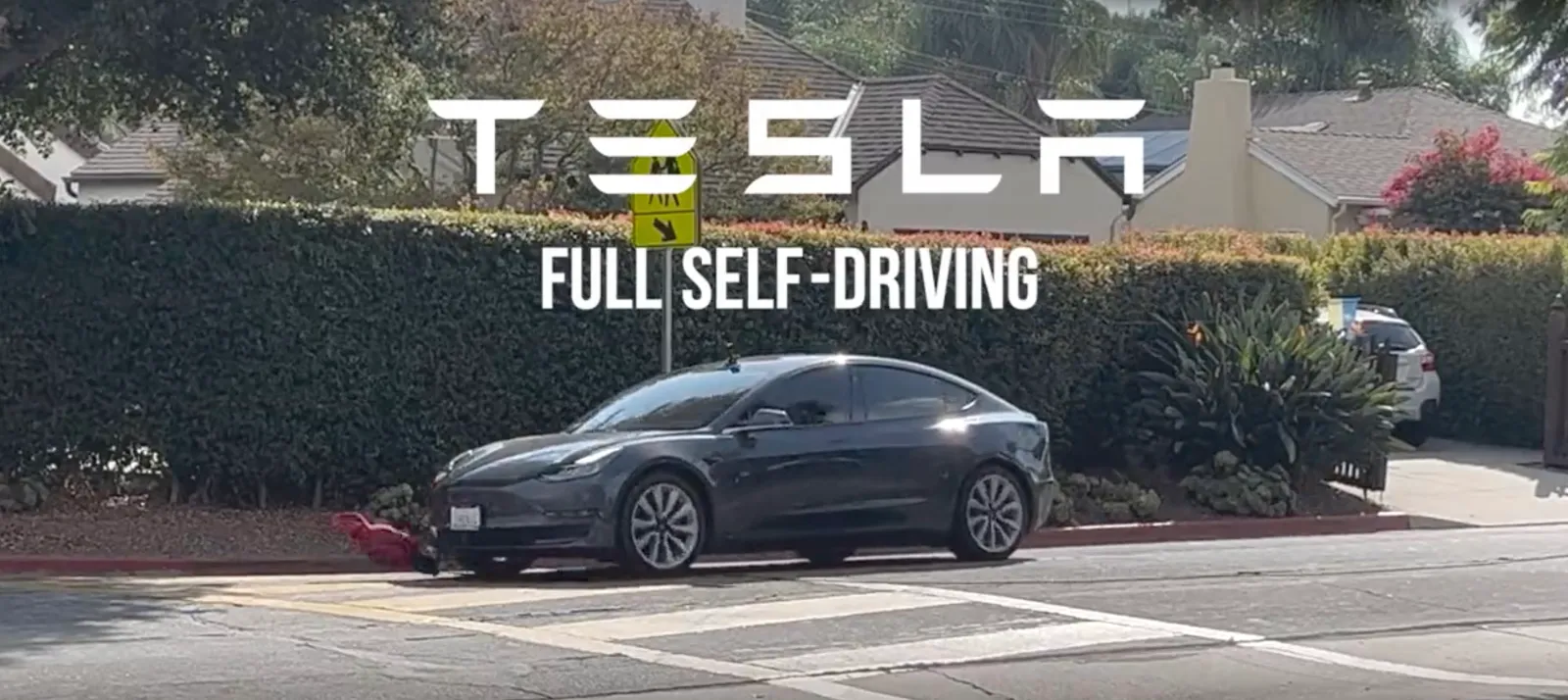
Tesla abruptly announced this week that it would no longer sell its Full Self-Driving software package through an upfront, one-time fee, and instead would move to a subscription only model, starting on February 14th.
That just so happens to be the same day that a court ruling goes into effect that could stop Tesla from selling cars in California unless it changes the way it advertises autonomy. Is it just a coincidence, or is that the reason for the shift?
Expand Expanding Close
Los Angeles has officially cut ties with coal. City officials say the Intermountain Power Project (IPP) in Utah – the last coal-fired power plant supplying the US’s second-largest city – went offline just before Thanksgiving.
Expand Expanding Close
Not-for-profit public power provider Ava Community Energy just brought its first EV fast-charging station online in downtown Oakland, California, and it’s a big one.
Expand Expanding Close
Mercedes-Benz High-Power Charging and Starbucks have officially opened their first DC fast charging hub together, off the I-5 in Red Bluff, California.
Expand Expanding Close
Tesla and Waymo are currently on opposite sides of a back-and-forth regarding how to proceed with California’s autonomous ride-hailing rules, and Tesla’s filings paint a different picture of its “Robotaxi” system’s capabilities than its CEO Elon Musk has in his public statements.
Expand Expanding Close
Terawatt Infrastructure has switched on its newest commercial EV charging hub in Rialto, California, giving electric truck fleets a new high-speed charging stop along one of the US’s busiest freight routes.
Expand Expanding Close
Following a lawsuit brought against the California Air Resources Board (CARB) by major heavy truck manufacturers over California’s emissions requirements, CARB has struck back with fresh lawsuit of its own alleging that the manufacturers violated the terms of the 2023 Clean Truck Partnership agreement to sell cleaner vehicles.
Expand Expanding Close
Californians just set another record for zero-emission vehicle (ZEV) adoption. In Q3 2025, residents bought 124,755 ZEVs – that’s nearly 1 in 3 new cars sold statewide. The 29.1% market share marks California’s highest quarterly total of ZEVs yet.
Expand Expanding Close