Jameson is based in Southern California and has been driving electric vehicles since 2009 and writing about EVs, sustainability and policy for Electrek since 2016.
You can contact him at jamie@electrek.co, or on his bluesky account that he just set up and maybe will never use at https://blskyl.ink/jamesondow
At today’s shareholder meeting, we heard more from Tesla CEO Elon Musk about “the machine that builds the machine.”
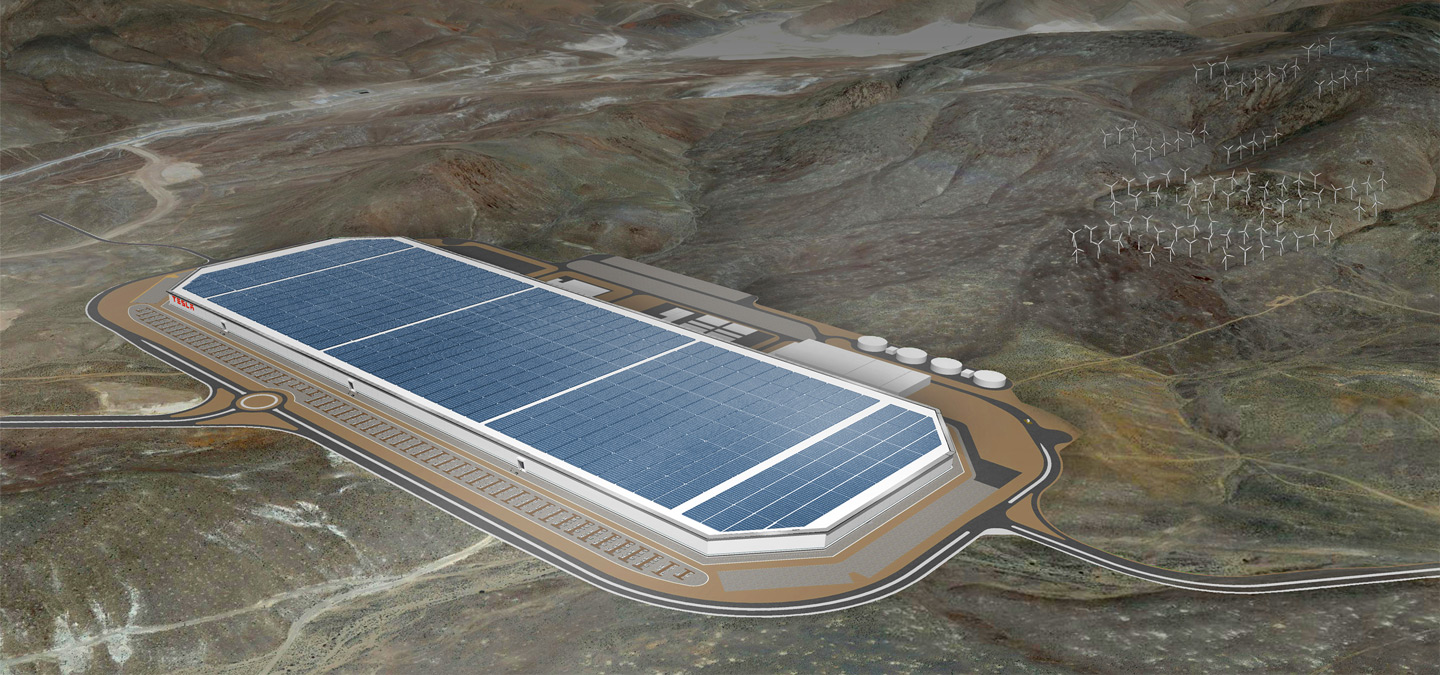
While Tesla’s first Gigafactory is not yet fully operational, the company is currently finalizing three additional locations for future gigafactories, with an announcement to come about those locations. Musk mentioned that it is likely Tesla will eventually build 10-20 gigafactories worldwide, in the long-term.
Musk also stated that Tesla will have to find or build a new factory to manufacture the Model Y, while the Model 3 will still be built at Tesla’s main factory in Fremont, along with the Model S and Model X.
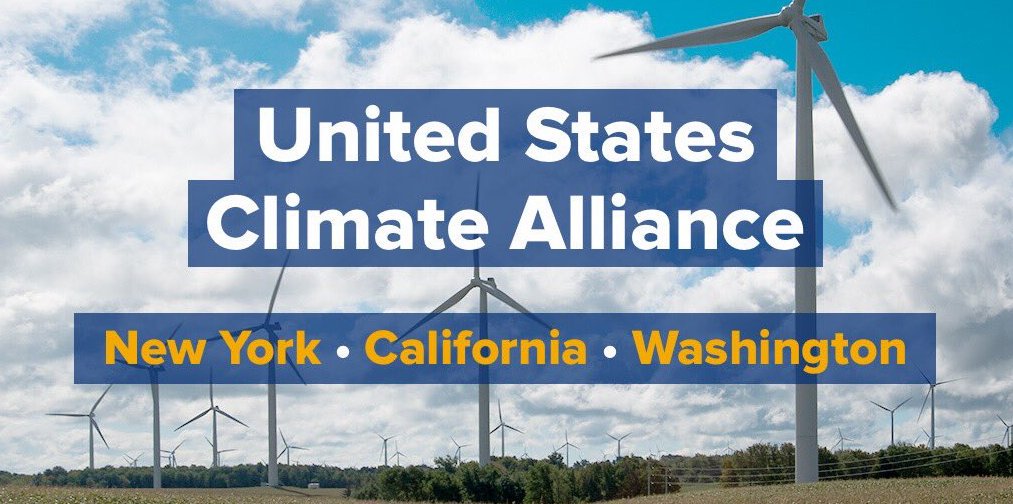
California Governor Jerry Brown, New York Governor Andrew Cuomo, and Washington Governor Jay Inslee announced the creation of the group called the “United States Climate Alliance” and the three states, which together represent a quarter of US GDP and more than 20% of the nation’s population (but only about 10% of its carbon emissions), are inviting other states to join them.
Update: 68 “Climate Mayors” representing 38 million Americans have also committed to upholding the goals of the Paris Agreement. These include the non-CA/NY mayors of Boston, Houston, Chicago, Seattle, Atlanta, and many other large cities. One notable city joining the pact is Pittsburgh – in Mr. Trump’s speech, he noted that he was elected to represent “the citizens of Pittsburgh, not Paris.” Pittsburgh, however, apparently wishes to remain in the Agreement. Also, the governors of Massachusetts, Oregon, Colorado, Hawaii, Connecticut, Minnesota, Virginia and Rhode Island have all proclaimed continued support for the Agreement.
Mr. Trump has announced that he will pull the US out of the Paris Climate Agreement, ceasing all implementation as of today. Despite the vast majority of Americans support remaining in the Agreement by a 5:1 margin, and even a 2:1 margin among Republicans, Mr. Trump claimed that the decision to pull out was borne of a desire to follow the will of the people.
The US will consider re-entering the Agreement after “negotiating a new deal” which is more “fair” to the US. It is unclear what is “unfair” about the Paris Agreement, as the Agreement itself does not set any specific goals for the US or any other country. Click below the fold for more details of the Agreement and analysis of this decision.
As part of California’s Low Carbon Fuel Standard Program, Southern California Edison today introduced a new $450 rebate for electric vehicle and plug-in hybrid owners who live in SCE’s service area. This rebate is quite inclusive, as it applies to new, used, leased, or purchased EVs or PHEVs, and has no income limits.
To apply, you need to create an account on scecleanfuel.com. This is different from your normal sce.com account, so you’ll have to create a new one for the purposes of the rebate. You’ll also need your VIN number, to scan or send a photo of your permanent vehicle registration, and your SCE Service Account number (this is different from the “customer account” which starts with a 2, “service account” starts with the number 3, and is shown on your bill).
The program is expected to last through 2020, though rebate amounts may increase or decrease in that time. You can apply now at scecleanfuel.com. Expect up to 30 days before approval and several more weeks before the check shows up in the mail.
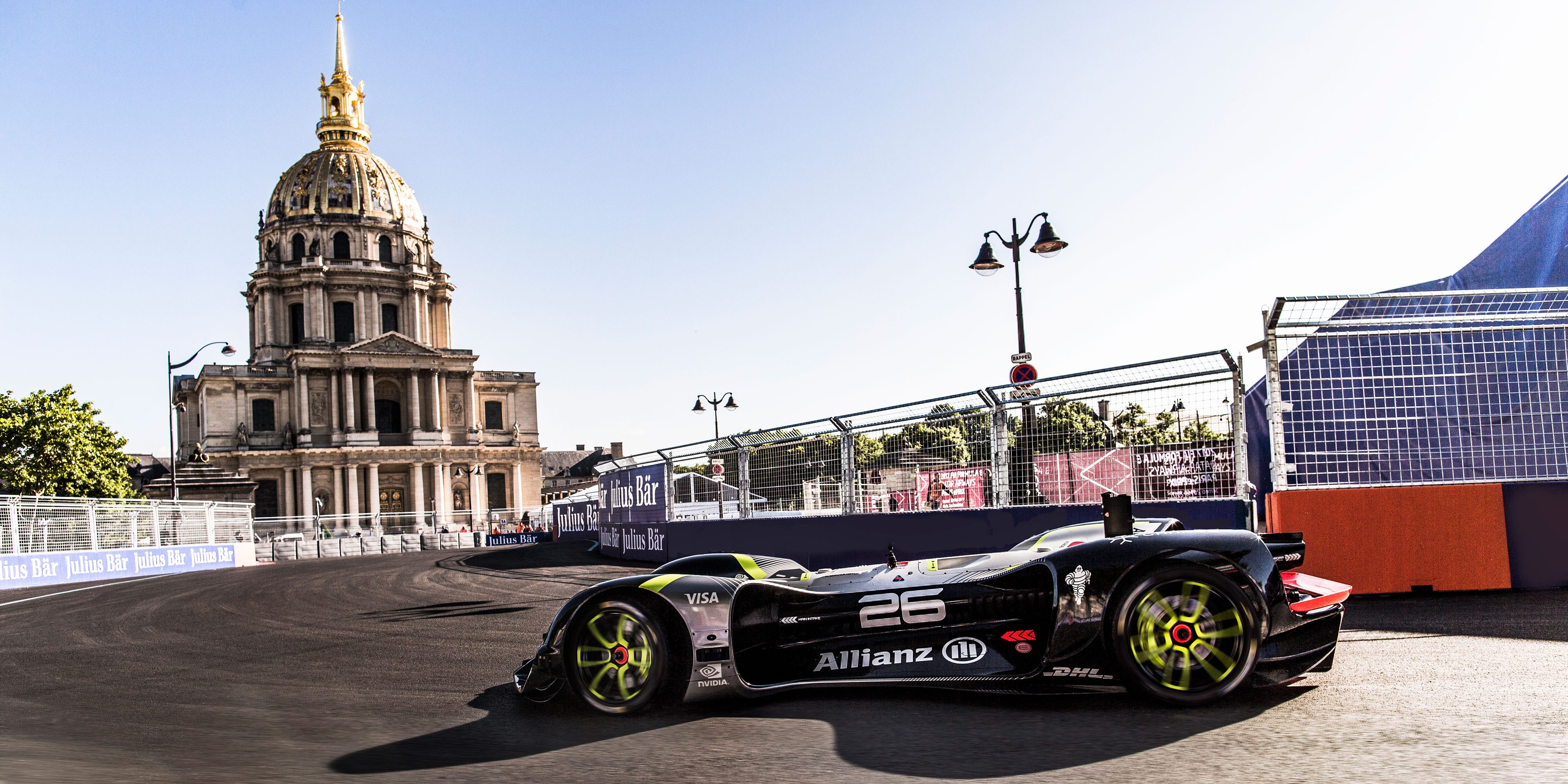
In February, we brought you news of Roborace’s first self-driving car “race” at the Buenos Aires ePrix, using two of their “DevBot” development cars for the upcoming autonomous car racing series. But earlier today at the Paris ePrix, Roborace took their actual car, dubbed “Robocar,” onto a public track for the first time.
Previously, while Roborace has been testing the Robocar around a private test track, it has only demonstrated DevBots in public. The actual design of the Robocar which will be used for the series had only been shown at their unveiling event back in February, or parked in the paddock at last week’s Monaco ePrix. The main difference between the two is that DevBots are a stripped-down version of an LMP-style racecar, complete with a cockpit for a human driver for testing purposes. The Robocar however has no cockpit, and there is no place for a human driver to sit.
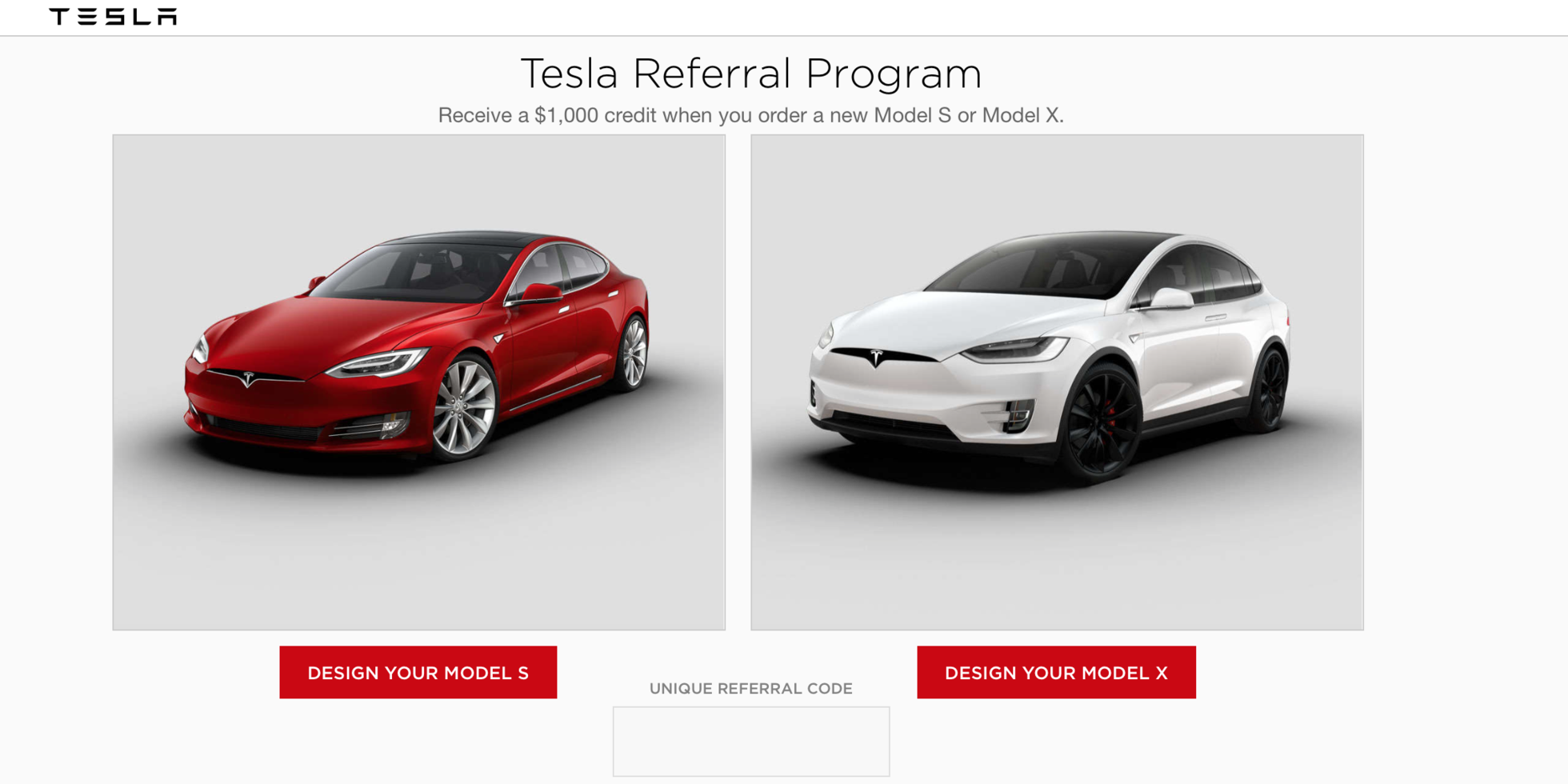
The last round of Tesla’s referral program isn’t even over yet, but today Tesla announced a new round which extends from May 19th all the way through the end of this year, December 31st 2017. While this overlaps with the previous program which ends on June 15th, qualifying referrals between now and the end of that program will count for prizes from both referral programs for owners who have at least one referral between March 16 and May 19.
Tesla has previously limited the number of referrals a single owner can give out, and this time has lowered the limit down to 5, from the previous 9. Most interestingly, though, in addition to providing $1,000 off a new Model S or X, owners can provide their five referrals with unlimited supercharging. Tesla used to provide unlimited supercharging for all Model S and X vehicles, but recently ended that program for orders made past Jan 15th and delivered after April 15th.
One by one, EVs are decimating records set by internal combustion engine vehicles. NIO/NextEV’s $1.48 million electric supercar, the NIO EP9, has set a new lap record around one of the world’s most famous and grueling racetracks, the Nurburgring Nordschleife. The car managed a time of 6:45.90, which is the fastest lap ever set by an electric vehicle around the track – and in fact is faster than any production vehicle, electric or otherwise, beating the Lamborghini Huracan Performante by just over 6 seconds. Expand Expanding Close
Tesla’s Project Loveday fan-made ad contest (which has been extended until June 5) recently got a clever entry from the Latvian subsidiary of global ad firm Publicis. The project, titled “Stop Tesla,” purports to be supported by the fictional “International Oil Baron Association,” and tells several sad stories of rich oil industry figures who are distraught to find out that their close personal relations have ordered a Tesla Model 3.
The campaign claims to warn consumers about the Tesla Model 3 and “the dangers that it unleashes towards international fossil fuel corporations.” It also offers several ways to help – they’ve gone so far as to set up a change.org petition appealing directly to Elon Musk not to build the Model 3, and an indiegogo campaign with the goal of buying an island compound on which to plan ways to “protect the world from an oilless future.” The campaign has a goal of just under $2 billion, and as of this publication, they are only $1,999,999,989 away from reaching it with two months left to go.
We’ve included a couple of their spec ads below, and you can visit stoptesla.com to see more.
A new article in the May edition of Transportation Research took up the question of how much, if anything, consumers would pay for autonomous driving capabilities in their vehicles. The survey of 1,260 American households concluded that the average household would be willing to pay $3,500 for partial automation, or $4,900 for full automation.
There was a lot of variance in the data however, as several households said they would pay upwards of $10,000 for full automation, and others said they would not be interested in paying a premium at all for this technology. The research also concludes that because of this large variance in consumer price preferences, there will be plenty of room for vehicle models with varying levels of automation at various price points.
In today’s Q1 results, Tesla announced that they will add “nearly 100” sales, delivery and service locations globally over the next year, which is a 30% increase from their current physical footprint. In addition to their recent plan to expand the Tesla-certified body shop network, Tesla also plans to open their own Tesla-owned body shops in an attempt to add consistency to the customer experience with out-of-warranty body repairs. Expand Expanding Close
Update/editor’s note: the article was updated to correct information on previous pricing and to include a statement from Tesla about the changes made today – read at the end of the article.
Tesla has updated their design studio overnight and made significant changes to pricing and options for the Model S and X, seemingly streamlining them in anticipation of the upcoming Model 3 release. The 75kWh Model S, now Tesla’s cheapest vehicle, has received a $7,500 $5,000 price drop to $69,500 – just $1,500 more than the 60kWh version which was discontinued yesterday. They’ve also added the all glass roof (formerly $1,500) and automatic rear power liftgate as standard equipment on the Model S, so the base model has become a significantly better value with these updates. The 90D also received a $2,000 price cut.
A few other changes were made to option availability – the smart air suspension can no longer be added to the 75kWh Model S (still available on all other models), and the high amperage (72 amp) charger is now included with 100kWh models but unavailable on all other battery sizes. The high amperage charger is separate from the DC Supercharging system, and allows faster AC charging if paired with a Tesla wall connector ($550) and attached to a circuit capable of delivering 72 amps.
Tesla also released a few new Model X features overnight, which you can read about over here in Fred’s post.
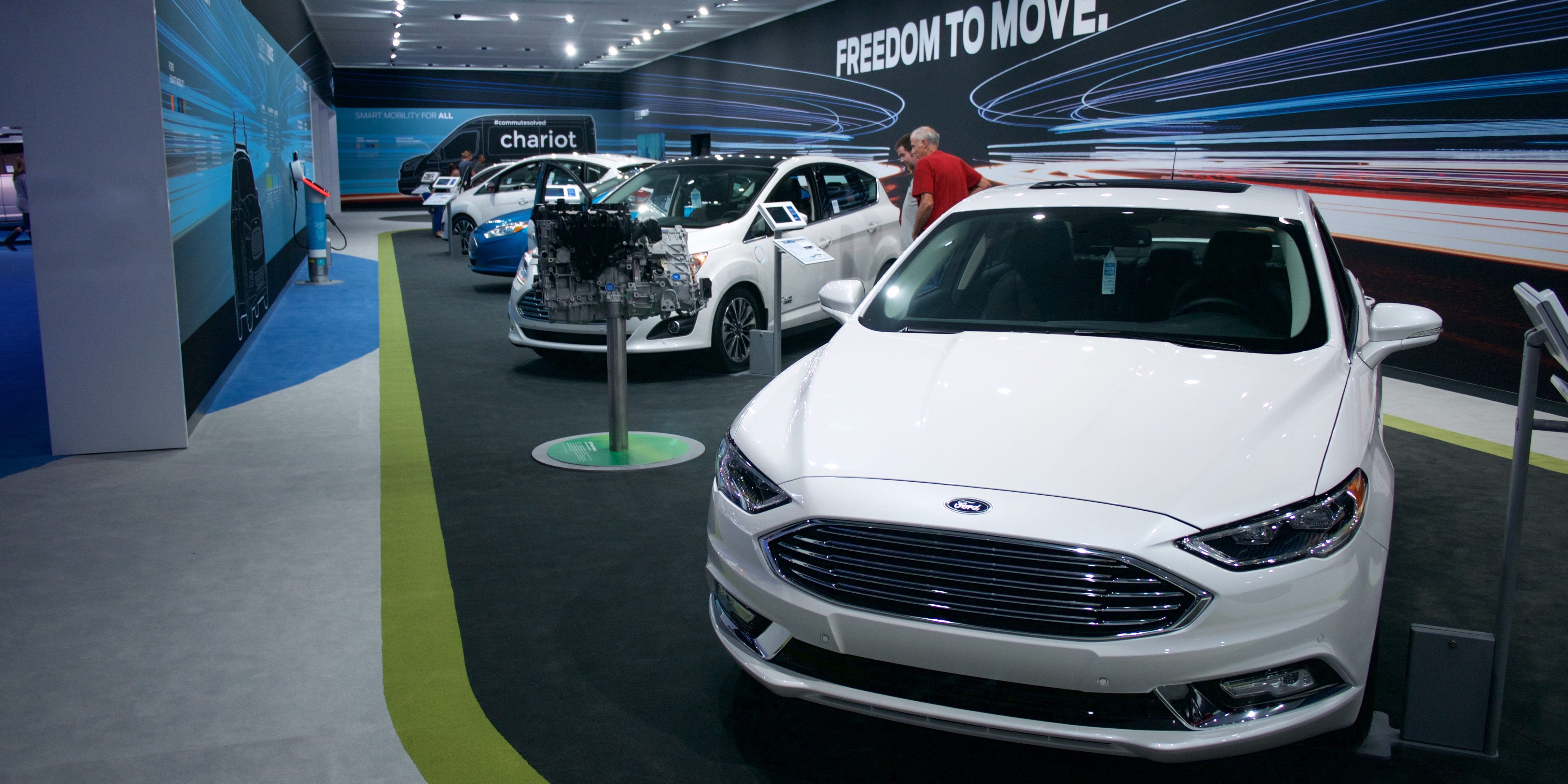
In January we reported on Ford’s big strategic expansion into electrified vehicles, announcing seven electrified cars with six more to come. Today Ford issued a press release about two EVs they will bring to the Chinese market: a plug-in version of the Mondeo (Fusion) sedan and an all-new fully-electric small SUV. The fully electric SUV has so far only been announced on paper, not given a model name or shown as a concept car. Ford’s only specifications are that it will have a range of more than 450km (280 miles) and will come to China “within five years.”
Ford called the two models “new” in their press release today, but they’re really “new-to-China” rather than new overall. The small SUV was already announced in the January strategic announcement linked above, and the Mondeo is just the “world” version of the car Ford calls the Fusion in the US. So it looks like these two “new” cars don’t actually represent two of the six unannounced cars Ford alluded to in their January announcement.
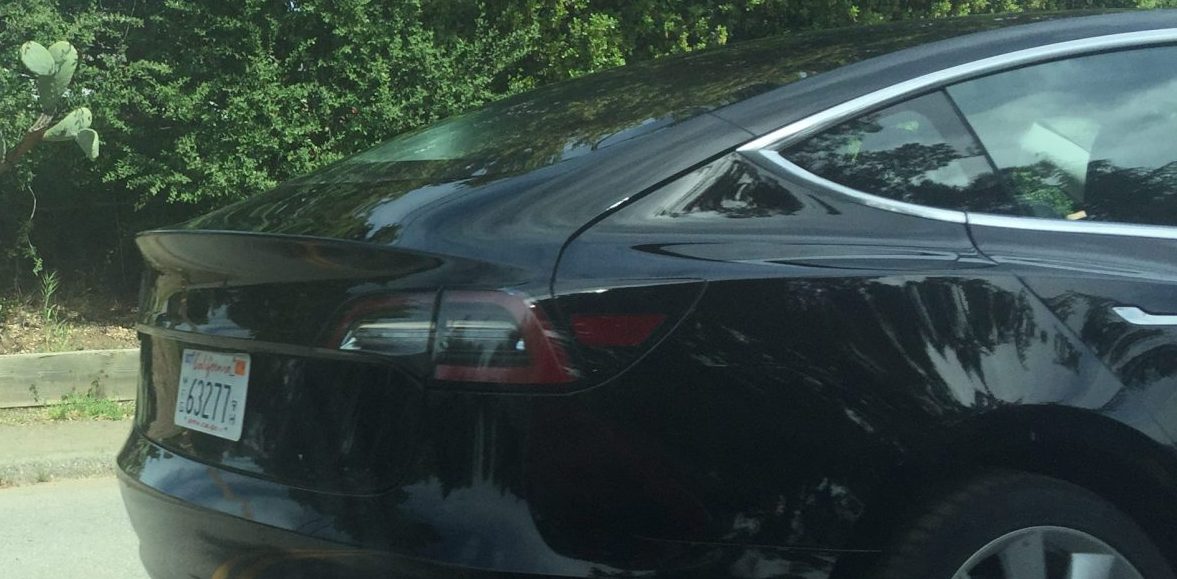
Last year during Tesla’s Model 3 unveiling, perhaps the most-criticized part of the car’s design was its seemingly small trunk opening. After a few months of speculation over whether the production trunk would remain as small as the prototype, CEO Elon Musk responded to a twitter query explaining that it was “already taken care of.”
So yesterday, with photos of a Model 3 release candidate in the wild, it originally looked to us like the trunk opening was quite similar to the prototype version of the car. But eagle-eyed reader Tor Bruserud noticed that the tail lights now have a split in them which wasn’t present in the original prototypes shown at the unveiling – so perhaps we’ve finally gotten a glimpse at what the final trunk opening will look like. We’ve highlighted the change in the photos and provided comparisons below the jump.
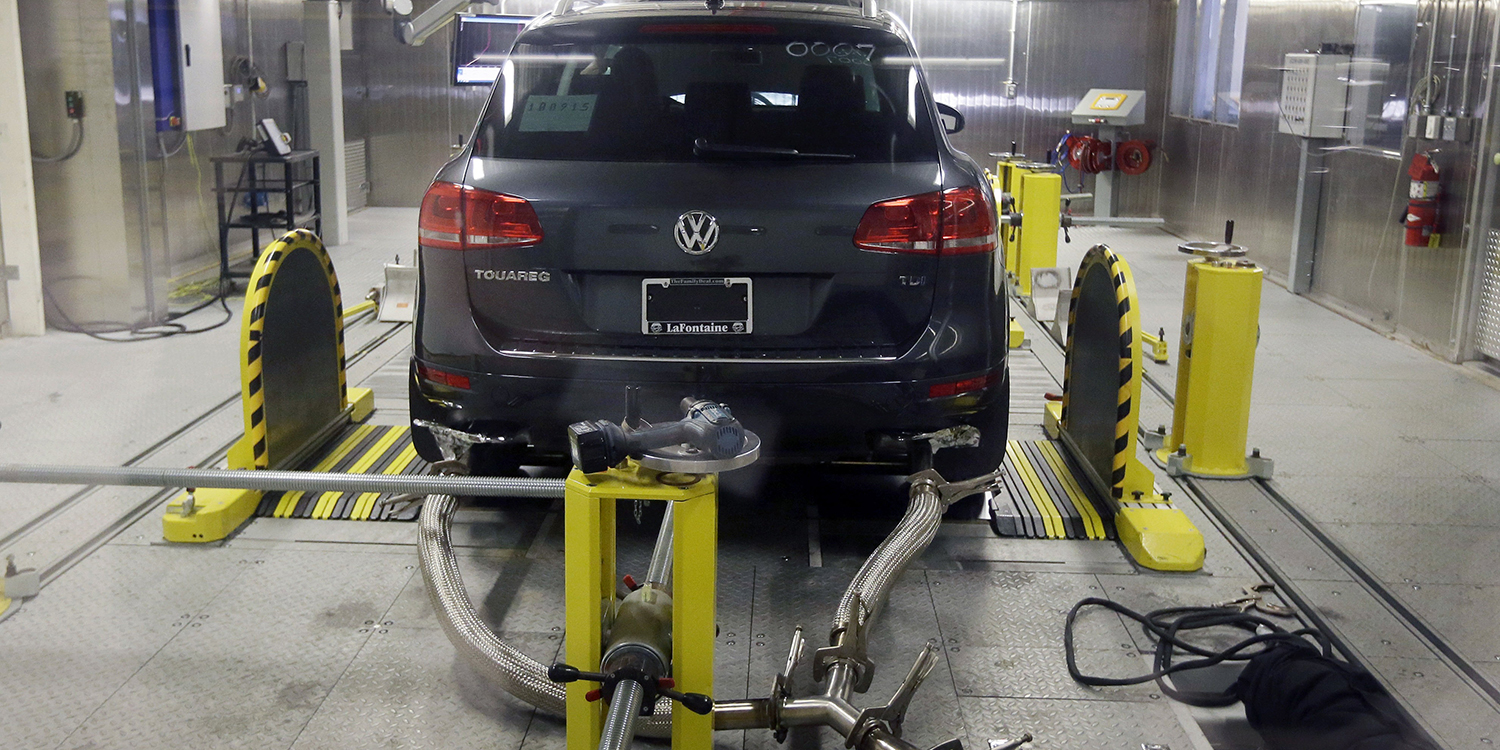
The White House’s proposed EPA budget cuts nearly all of the Agency’s funding for vehicle emissions testing, as reported by Reuters. The proposed cuts to the EPA’s budget would remove 99 percent of the agency’s $48 million in funding for vehicle testing, expecting automakers to pay increased fees to make up the difference. But according to Margo Oge, former head of the EPA’s Office of Transportation and Air Quality, the proposed budget would require “pretty much shutting down the testing lab.”
We have a recent example of why this is a very bad idea. In 2015, it was discovered that Volkswagen had been cheating on emissions tests in the US and Europe for years, installing cheat devices on their diesel cars to emit up to 40 times the allowable amount of some toxic pollutants. The scandal came to be known as “Dieselgate,” and a recent MIT study found that VW’s emissions cheating would likely result in 1,200 premature deaths in Europe alone. This deceit was uncovered by a small lab in West Virginia and the data was turned over to the EPA and CARB for enforcement. Fiat Chrysler and Mitsubishi have also been implicated in similar emissions cheating schemes, and Daimler is currently under scrutiny.
Tesla has ranked as the most “cool” auto manufacturer amongst teens (13-17) and millennials (18-24), according to a brand study released this week by Google. The survey also included appraisals of the “coolness” of Audi, BMW, Toyota, Chevy, Ford and Honda, and also Lyft and Uber. Amongst teens, Tesla barely edged out BMW as the coolest auto brand, but amongst millennials it was one of the coolest brands overall even outside of the automotive realm – with Google, Netflix and Youtube in the lead, and Amazon barely beating Tesla.
While Tesla ranked highest in “coolness,” they also ranked lowest among manufacturers in “awareness.” So while the teens and millennials who know about Tesla like the brand a lot, there is still plenty of room for them to reach more young people. This is important to note for any think that Tesla might be reaching market saturation – if only some 60% of millennials have heard of the company, that means there’s still room to grow.
Audi’s top labor representative Peter Mosch demanded today that Audi build an upcoming all-electric model in their main plant in Ingolstadt, Germany, reasoning that employees of the main factory should not be left out as the industry moves towards electric vehicles. The comments were made in a speech to 7,000 workers at Audi’s 43,000-employee Ingolstadt plant.
Audi has previously stated that they plan to locate production of their all-electric models in a smaller 16,000-employee plant in Neckarsulm, where the company currently makes its higher-end vehicles. Planned electric models include the quattro e-tron SUV, a sportscar and a compact car, the latter two of which are still yet to be unveiled.
Just last week we reported on the California Air Resources Board’s vote to protect the environment even if the federal government refuses to, and today the governors of California and New York released a joint statement condemning the federal government’s move to harm the health of Americans and kill jobs (given that solar, not coal, is responsible for energy job growth in the US these days) by reversing the Obama administration’s Clean Power Plan. The governors also stated that, regardless of the reversal of the Plan, their states will continue to strive not only to meet the targets of the Plan, but to exceed them. Eric Schneiderman, New York Attorney General, joined in the chorus on twitter, stating that he is “ready to lead a coalition of AGs defending [the Clean Power Plan] all the way up to the Supreme Court.”
California and New York together represent almost 20% of the population of the United States and more than 20% of the country’s GDP, with California’s economy alone being the 6th largest in the world, just ahead of France and behind the United Kingdom. Despite this, they also represent less than 10% of the nation’s carbon emissions – a disproportionately low amount considering their economic output. As the two cleanest states in terms of emissions per capita, their environmental regulations have not stopped them from also being economic powerhouses, as both states have significantly higher GDP per capita than the nation as a whole.
Just a few days ago we reported on the significant economic benefits the world will gain from the completion of the Paris Climate Agreement. The Agreement, decided upon in 2015 and gradually signed and put into effect over the course of the last year, is a really big deal. It could have been better, with more firm goals and specific milestones, but it’s a first in that it has been signed by 192 countries representing 99.21% of global CO2 emissions, pledging to keep global warming “well below 2ºC.” The signatories to the Agreement include, most importantly, the world’s three largest emitters: the US, China, and India.
But yesterday on “This Week” with George Stephanopoulos, EPA-chief-and-oil-industry-talking-point-spouting-robot Scott Pruitt claimed that the Paris Agreement is a “bad deal” and that “China and India, the largest producers of [carbon dioxide] internationally, got away scot-free.”
The problem with that last statement is that, like much of what Pruitt says, it is demonstrably false. And the person whose job it is to administer and implement these agreements ought to know it.
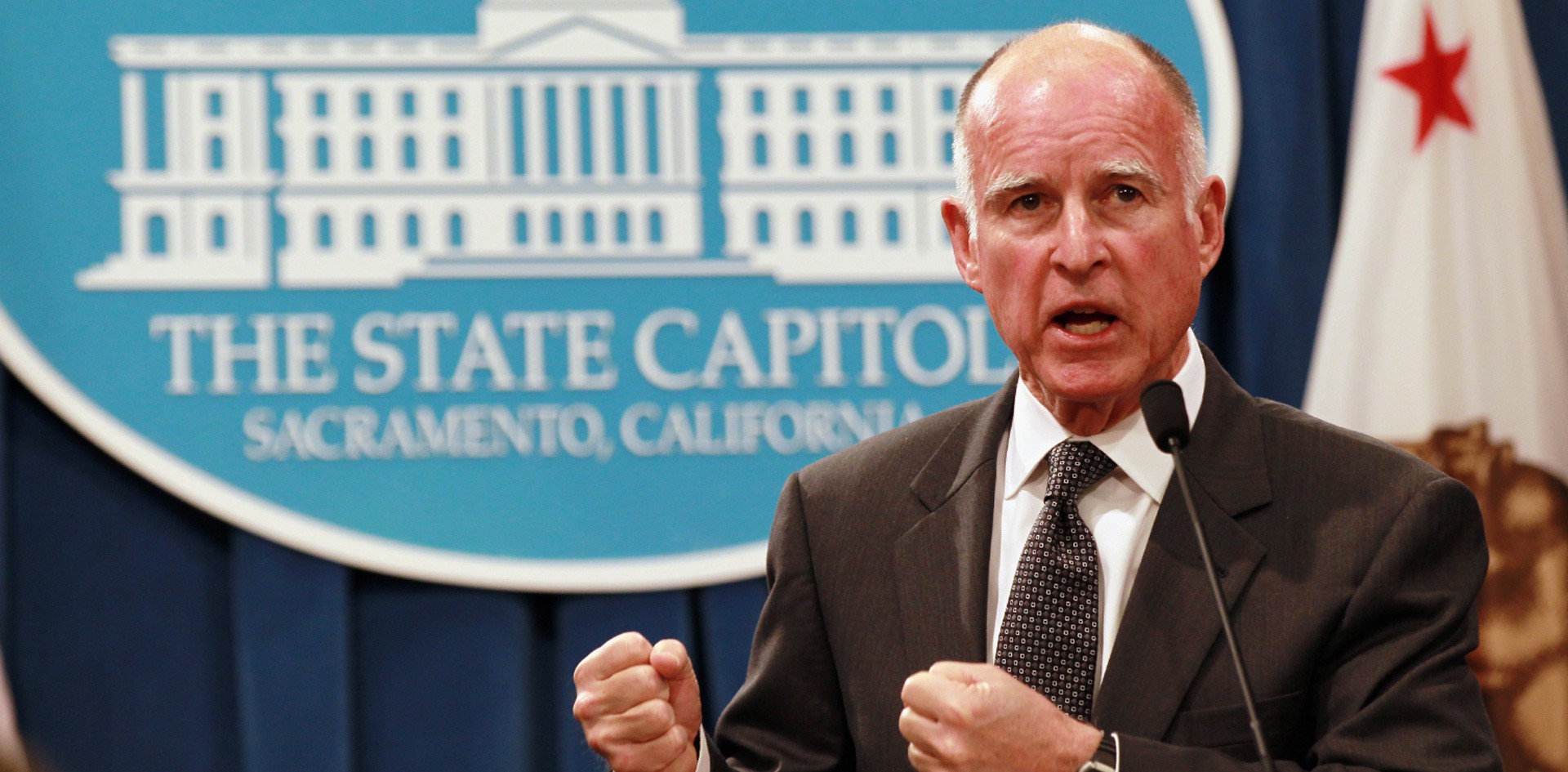
The California Air Resources Board (CARB) voted unanimously to continue implementing higher emissions standards in their meeting on Friday. This sets California’s clean-air agency up for a fight against the federal Environmental Protection Agency, which recently signaled that they aren’t too interested in doing their job of actually protecting the environment.
The emissions rules require automakers to average 54.5mpg (by the less stringent CAFE standard) over all new vehicles by 2025.
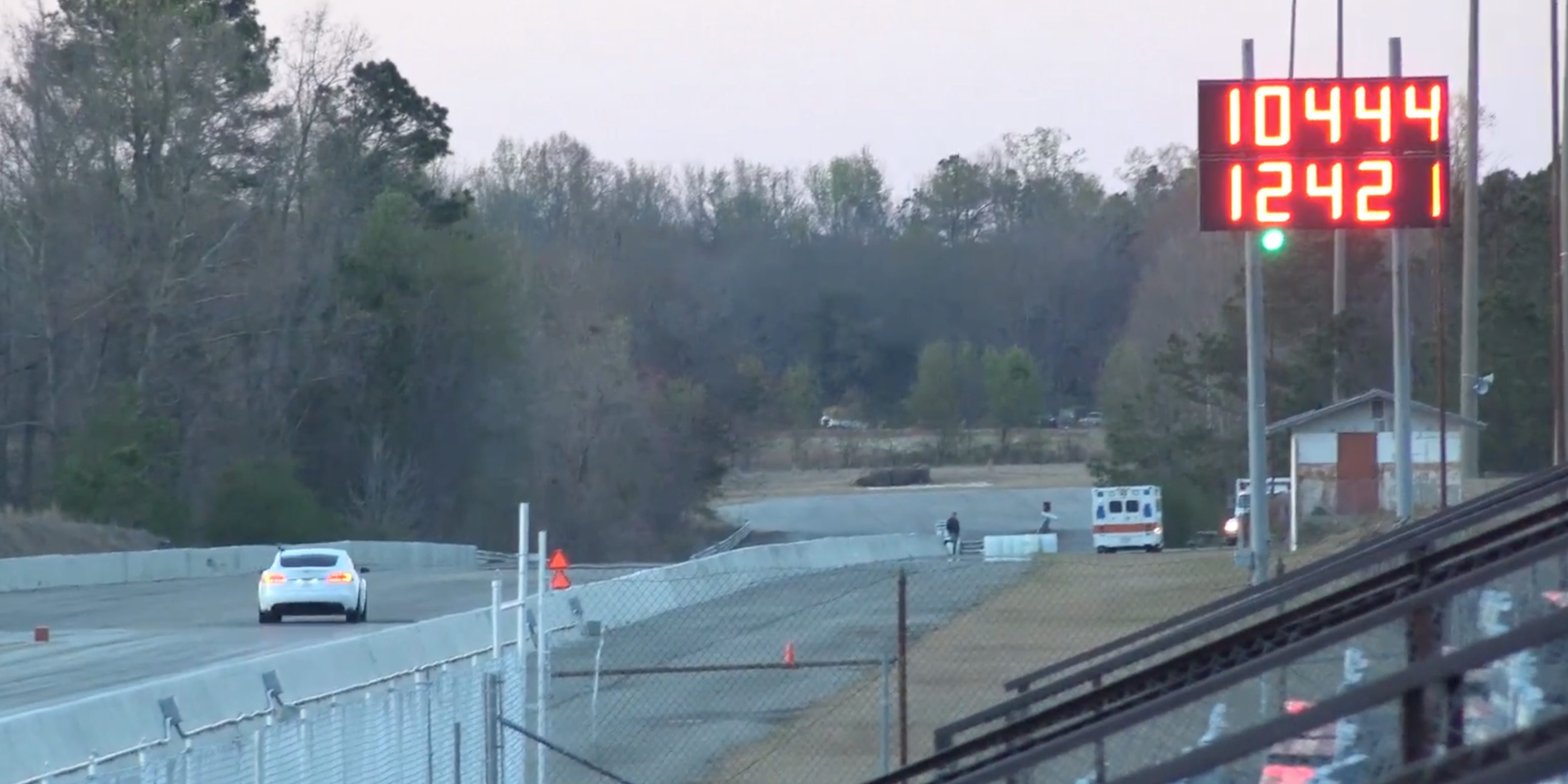
This past weekend we saw not one, but two new quarter-mile records set by Tesla Model S P100Ds on the drag strip. And today we learn of another new record, this time by the folks over at the Tesla Racing Channel. They’ve managed to bring the record down by another two-tenths of a second, with a whopping 10.44 @ 124.21 mph.
This run is slightly different from the previous “stock” runs though, as the car received a few modifications to achieve such a quick time.
A new report is out this week examining the feasibility of the Paris Climate Agreement, with recommendations to policymakers as to how it might be accomplished and what effects its adoption would have on the world economy. The study concludes that, in a conservative case, the world could gain .8% GDP in 2050, or $19 trillion cumulatively between now and then. In a more optimistic scenario, the agreement could actually add 2% to global GDP by 2030. In fact, according to the report, “reducing the impact on human health and mitigating climate change would save between two- and six- times more than the costs of decarbonisation.”
The report was commissioned by the German government and released by the International Energy Agency (IEA) and International Renewable Energy Agency (IRENA).
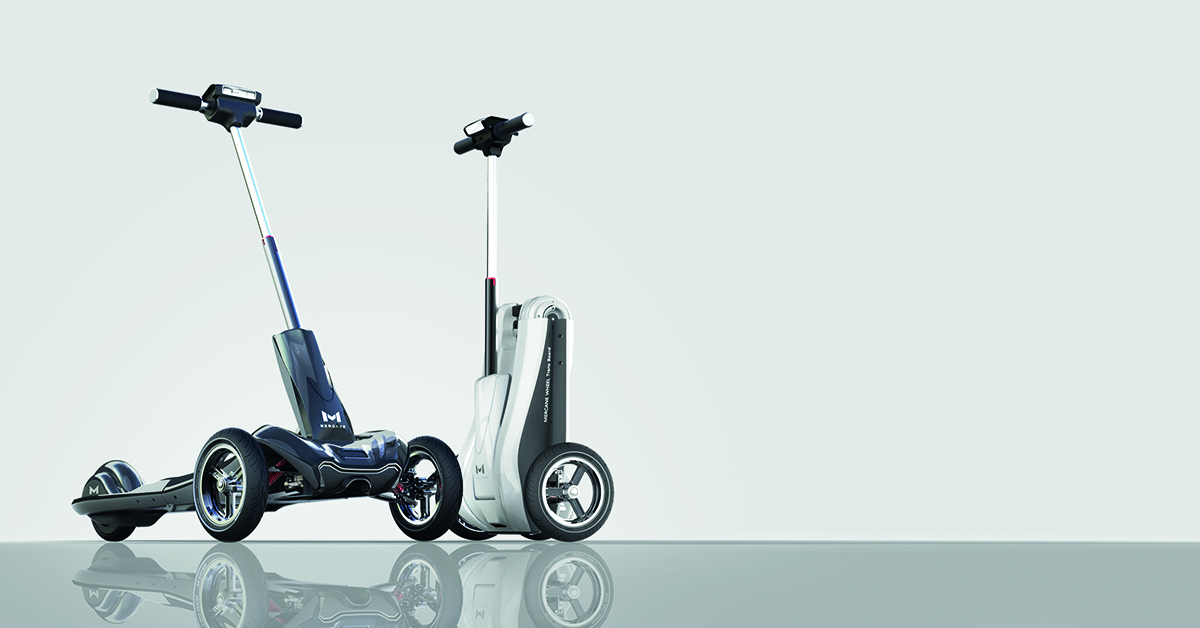
Mercane Wheels has launched an Indiegogo campaign for a pretty interesting 3-wheeled foldable scooter, dubbed “Transboard.” Mercane’s goal with their concept is to provide the urban flexibility of a 2-wheel scooter, but with greater safety and controllability, considering both the driver and other pedestrians.
The Transboard will have about 25 miles of range from the detachable 48V 8.6Ah battery and the 500W motor makes it capable of speeds up to 22mph. Capable of carrying a 220lb rider, it weighs a somewhat hefty 53 pounds – but when folded it can be rolled like a rolling suitcase since it already has a built-in handle and wheels, so wheeling it around shouldn’t be too difficult.




 This past weekend we saw not