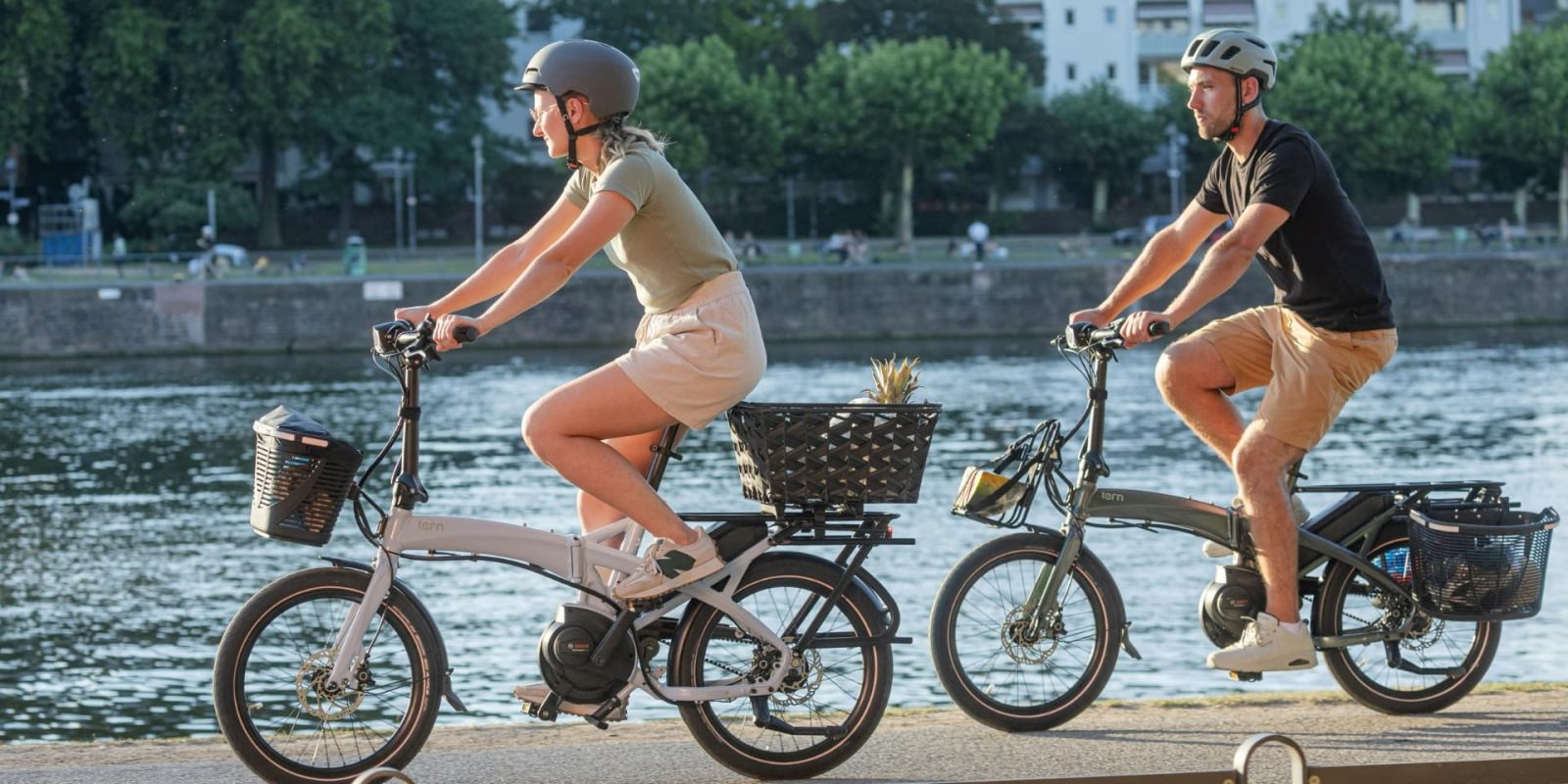
Florida’s proposed 10 mph e-bike speed limit law is moving forward, and unlike many recent attempts at regulating electric bikes, this one may actually thread the needle.
Florida is the latest US state to wade into the increasingly crowded waters of e-bike regulation, with lawmakers advancing a bill that would impose a situational 10 mph (16 km/h) speed limit for e-bikes on shared-use paths. It’s a move that fits squarely into a broader national trend, as states and cities across the country reconsider how electric bikes fit into public spaces that were never designed with fast, motor-assisted travel in mind.
[Update February 27, 2026: The Florida Senate has unanimously passed this bill, and now it moves on to the House, where if it also passes, it will be sent to the Governor to be signed into law.]
Blink Charging now takes crypto at select DC fast chargers in the US, letting EV drivers pay for a charging session with a dollar‑pegged stablecoin instead of a card or app.
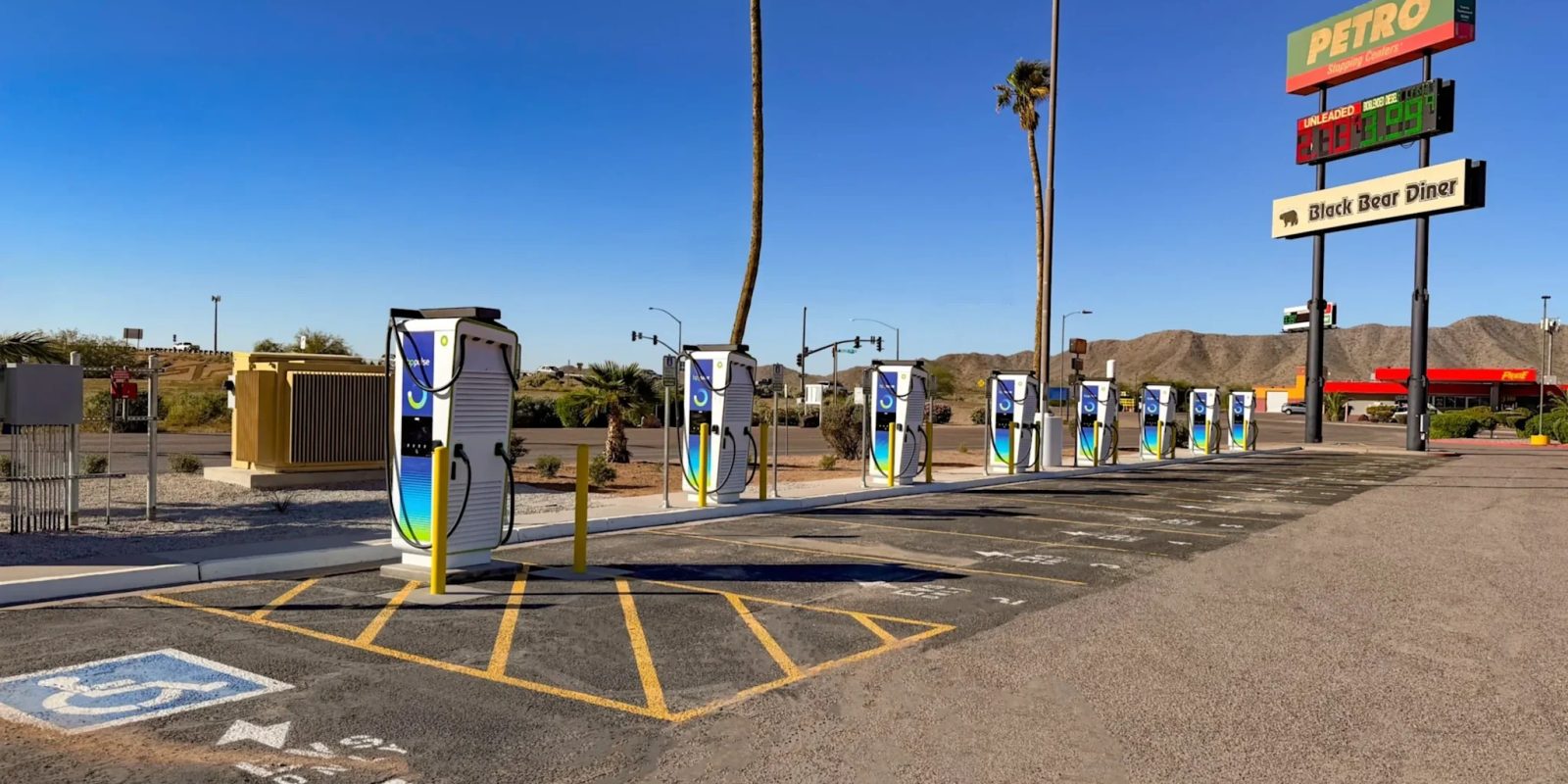
bp pulse is continuing to roll out public DC fast charging across the US, and the company has opened its first-ever site in Arizona, along with new fast-charging locations in Texas, Florida, and Ohio.
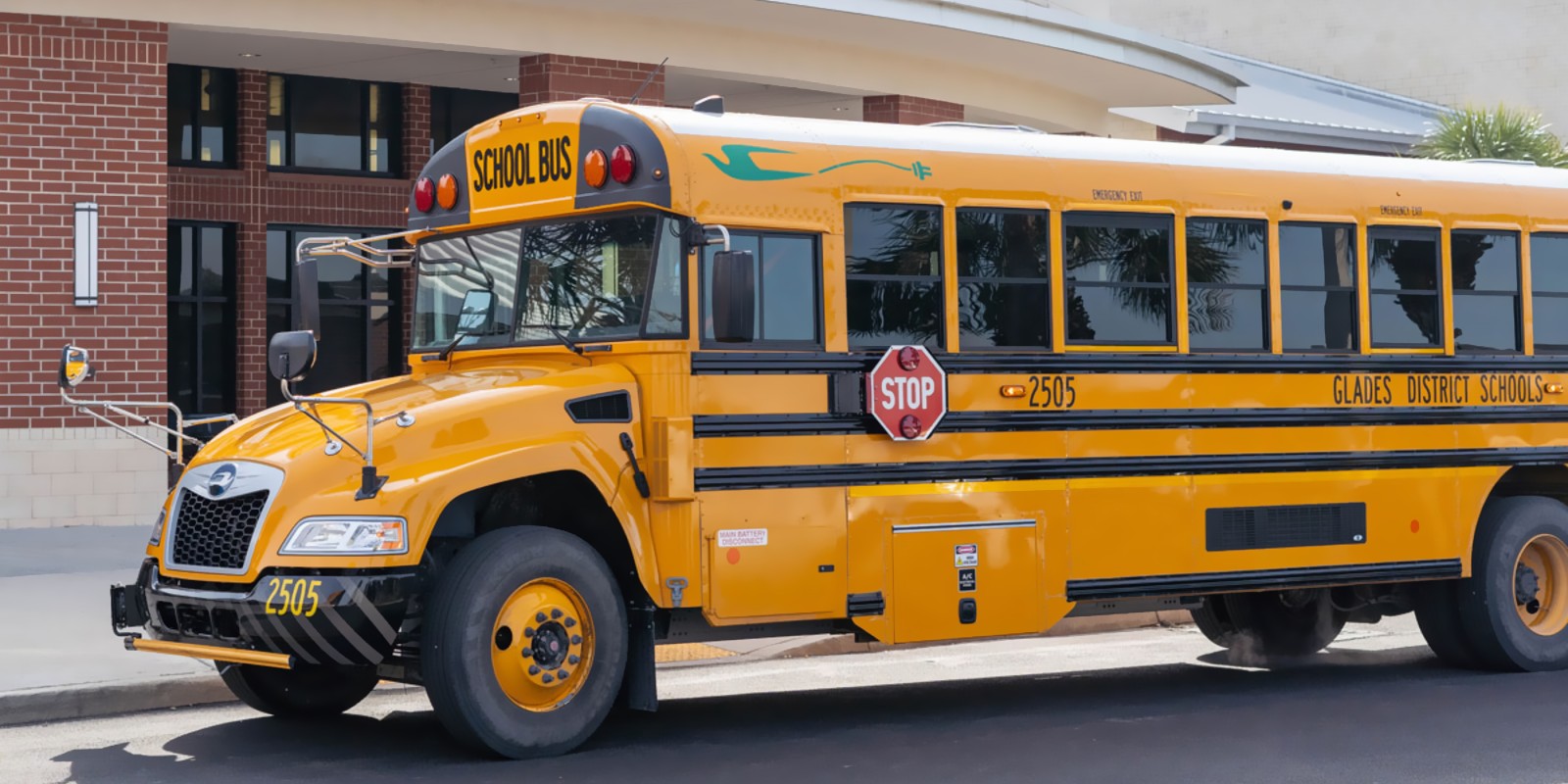
Florida students will be breathing a bit easier this year thanks to the deployment of 13 new Blue Bird electric school buses — some of which will be replacing diesel buses that have been service for over twenty years!
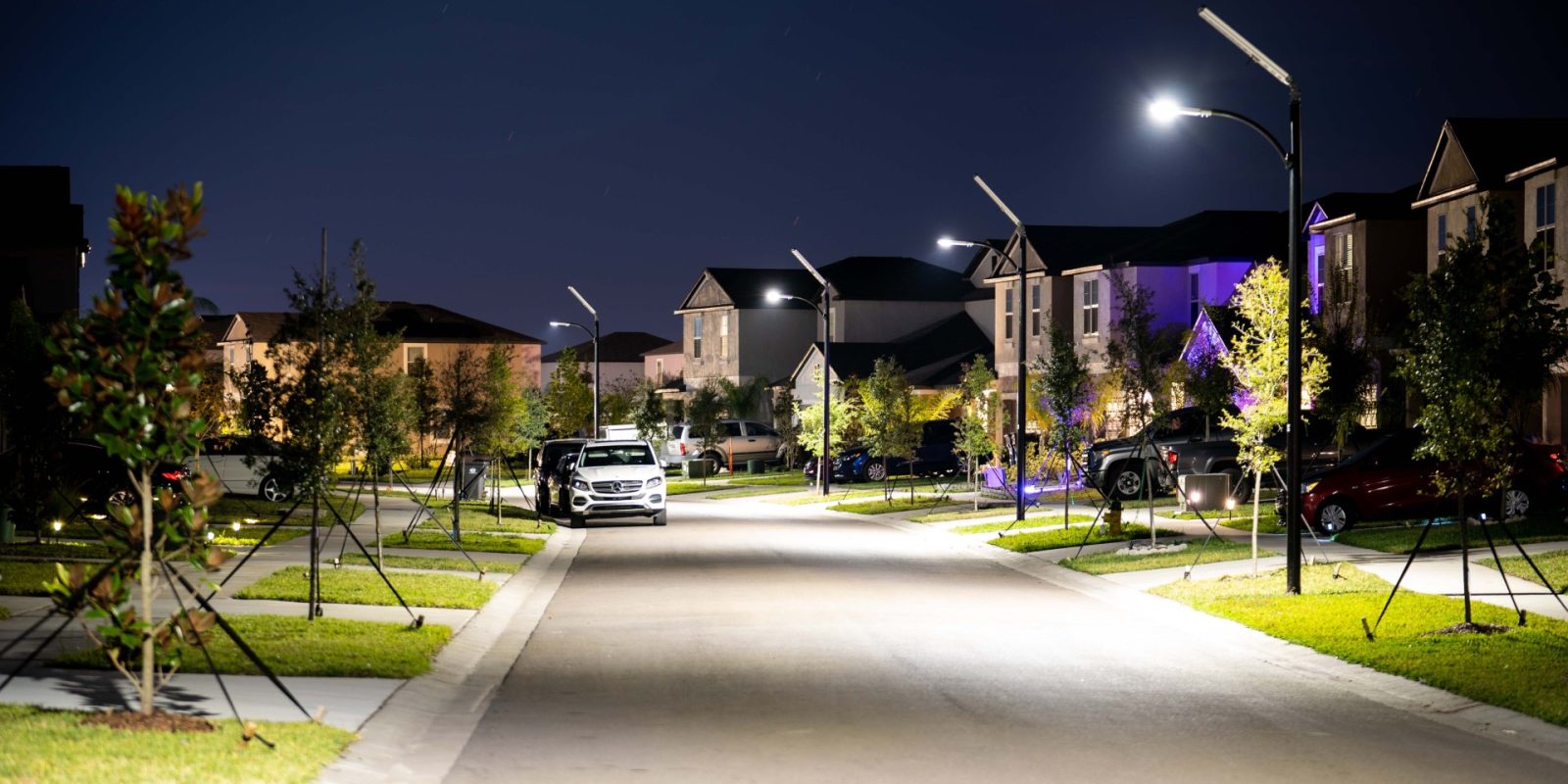
Streetleaf’s solar-powered streetlights can withstand Category 5 hurricanes, and the company aims to deploy them across Florida to boost storm resilience.
Executives from TravelCenters America (TA) and BP were joined by local elected officials at a ribbon cutting for the two companies’ first DC fast charging hub on I-95 in Jacksonville, Florida – the first of several such EV charging stations to come online.
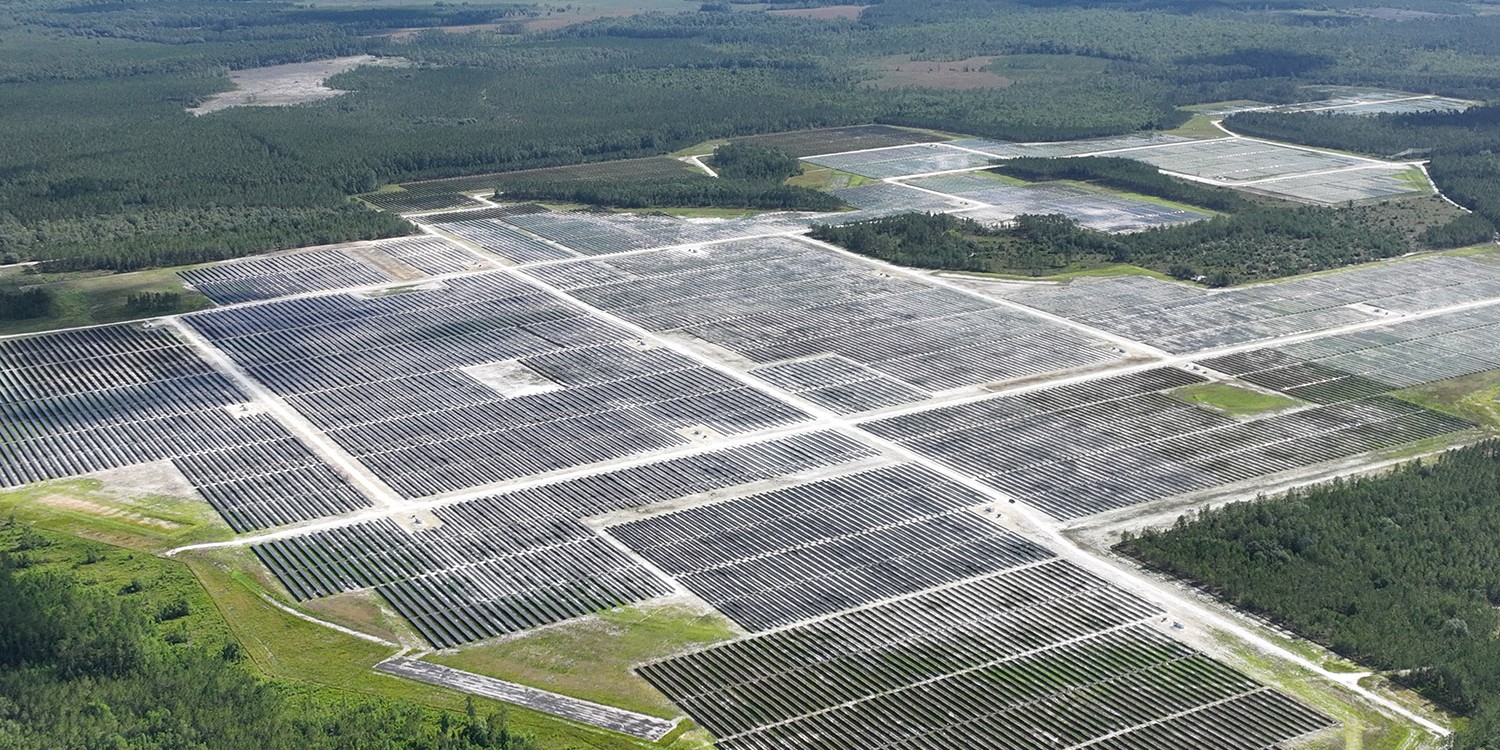
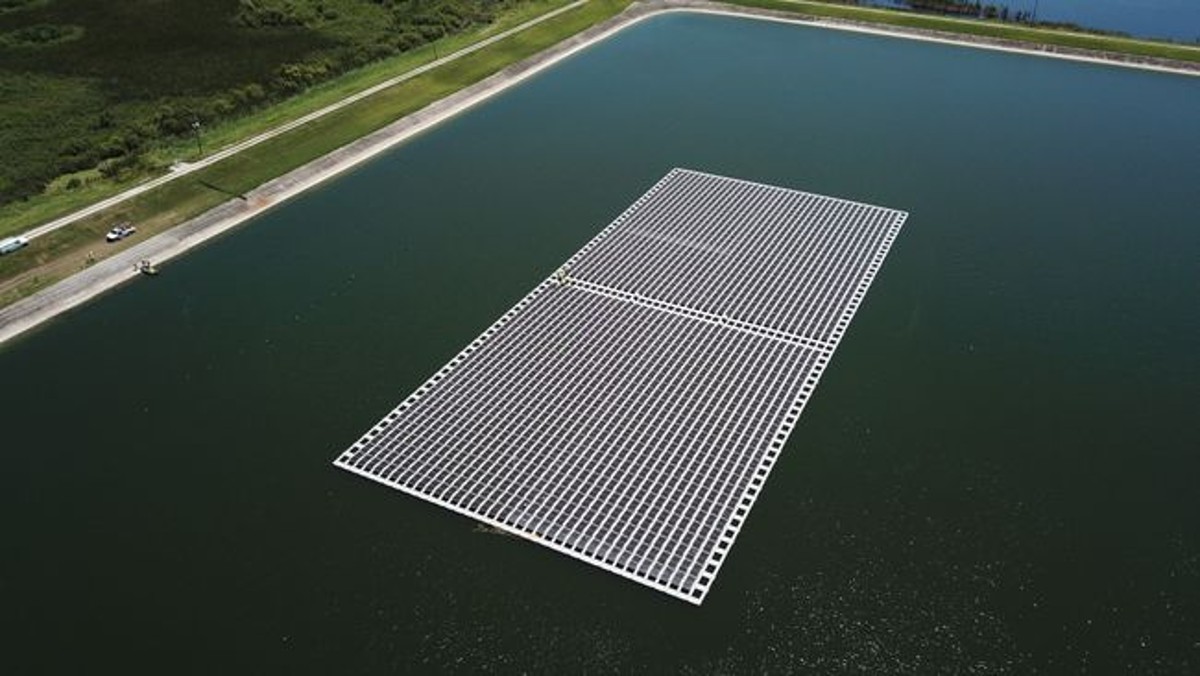
Florida’s Rice Creek Solar Energy Center is now online, delivering nearly 75 megawatts (MW) of clean electricity to 12 cities across the state. The solar farm is part of the Florida Municipal Solar Project, one of the largest municipal solar initiatives in the US.
Advanced air mobility (AAM) operator UrbanLink has just signed a new purchase agreement to bring even more electric aircraft to the Southeastern United States. Its latest purchase includes 27 all-electric Seagliders from REGENT Craft – a sustainable air mobility developer.
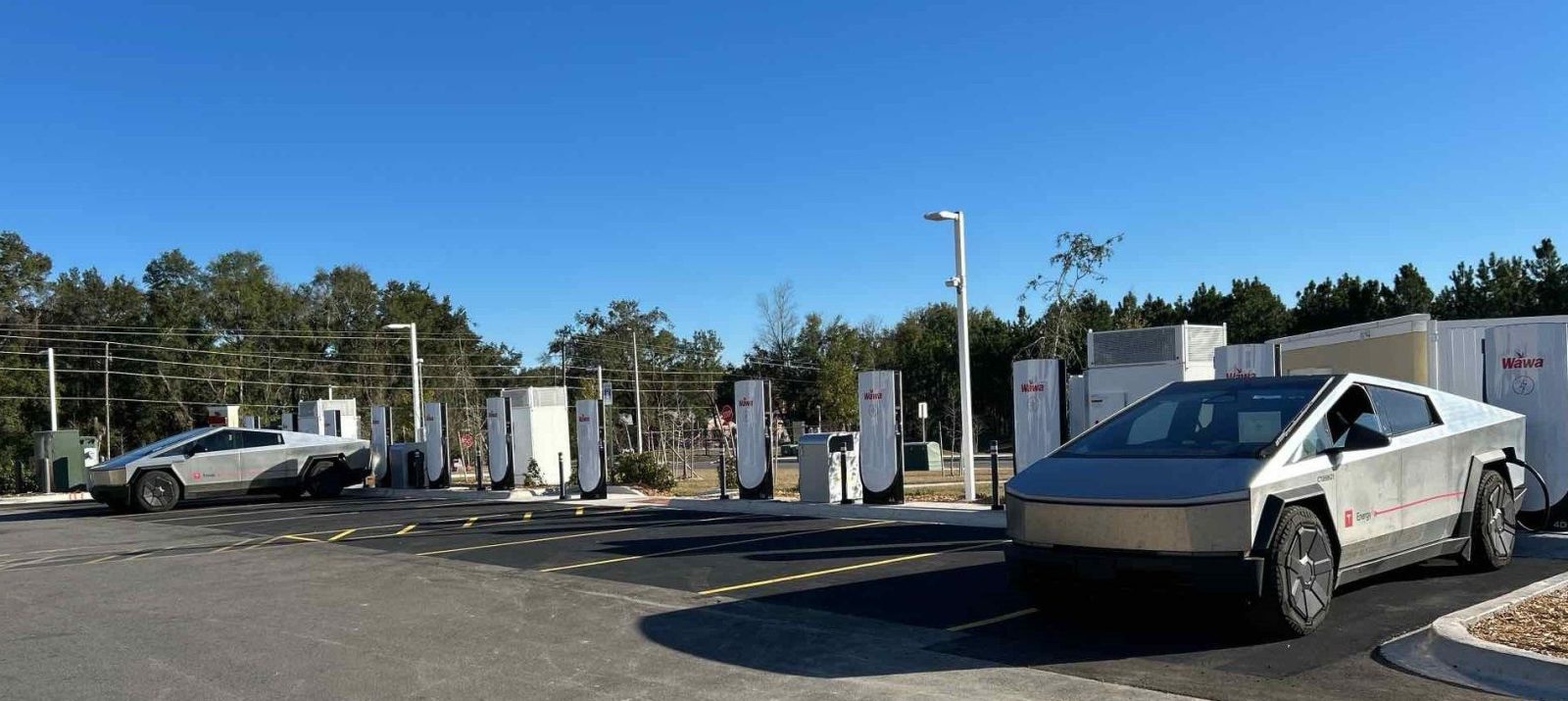
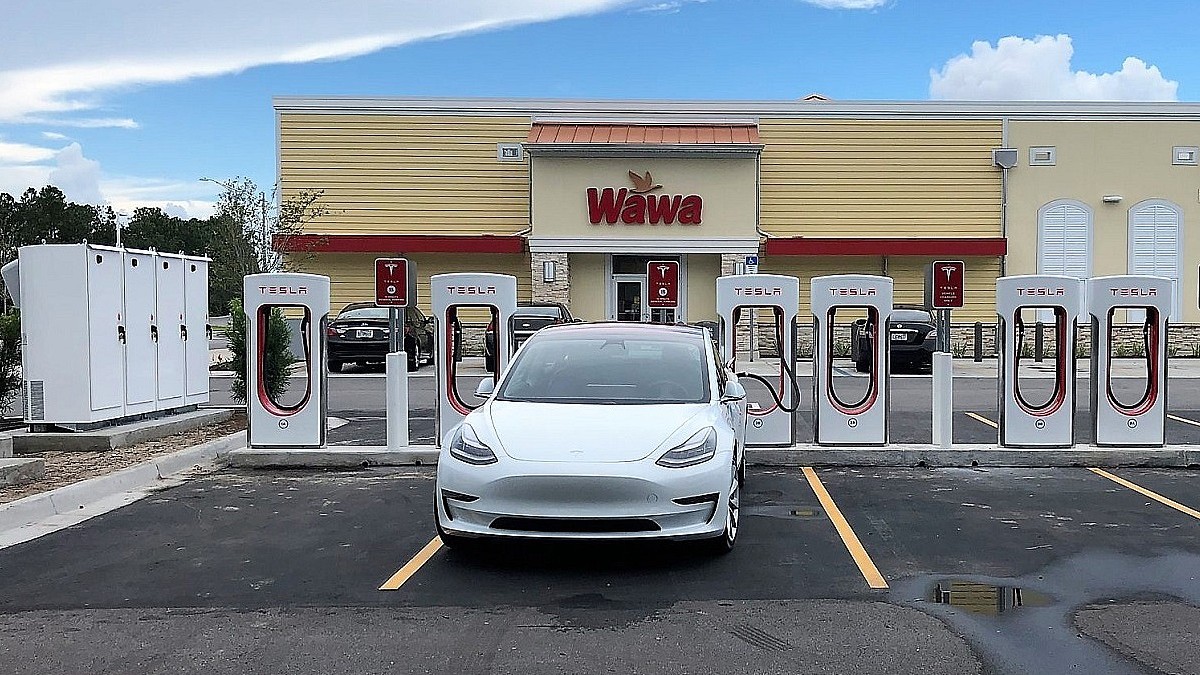
Florida will get $198 million of federal EV charger funding over five years, but Wawa, Buc-ee’s, Busy Bee, and others can’t access it because the state is slacking.
Electric vertical takeoff and landing (eVTOL) developer Lilium has announced a new partnership with advanced air mobility (AAM) operator UrbanLink that includes the purchase of at least 20 all-electric eVTOL jets. The aircraft will be operated around Florida as UrbanLink looks to become the first US airline fully committed to the nascent technology.
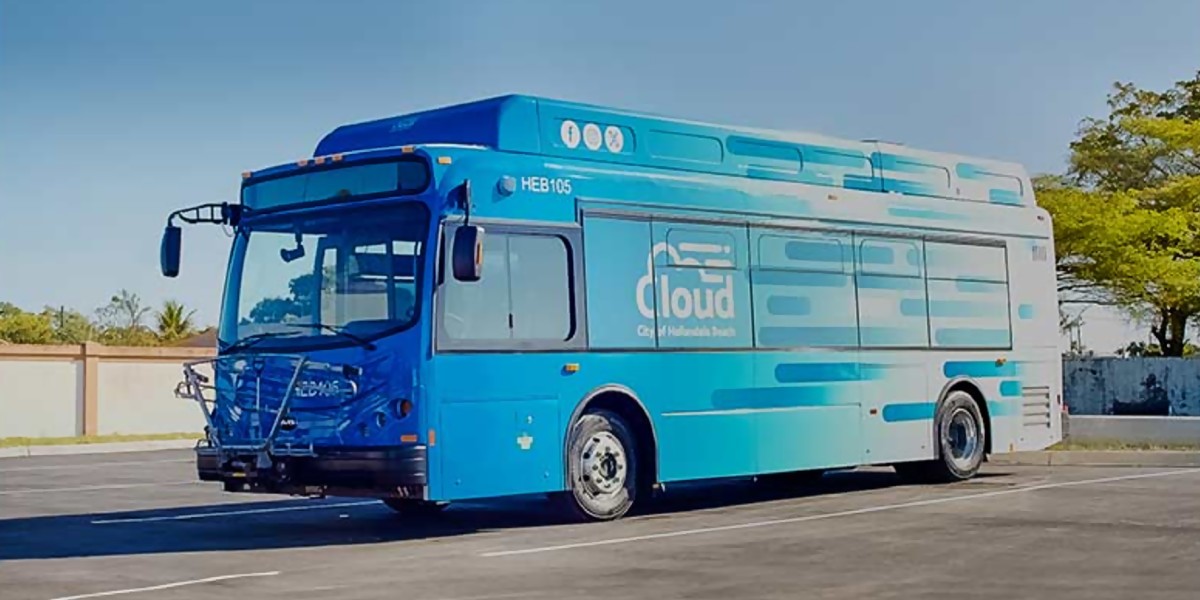
The city of Hallandale Beach, Florida is in the news this week after becoming the only municipality in the state with a fully electric transit bus fleet.
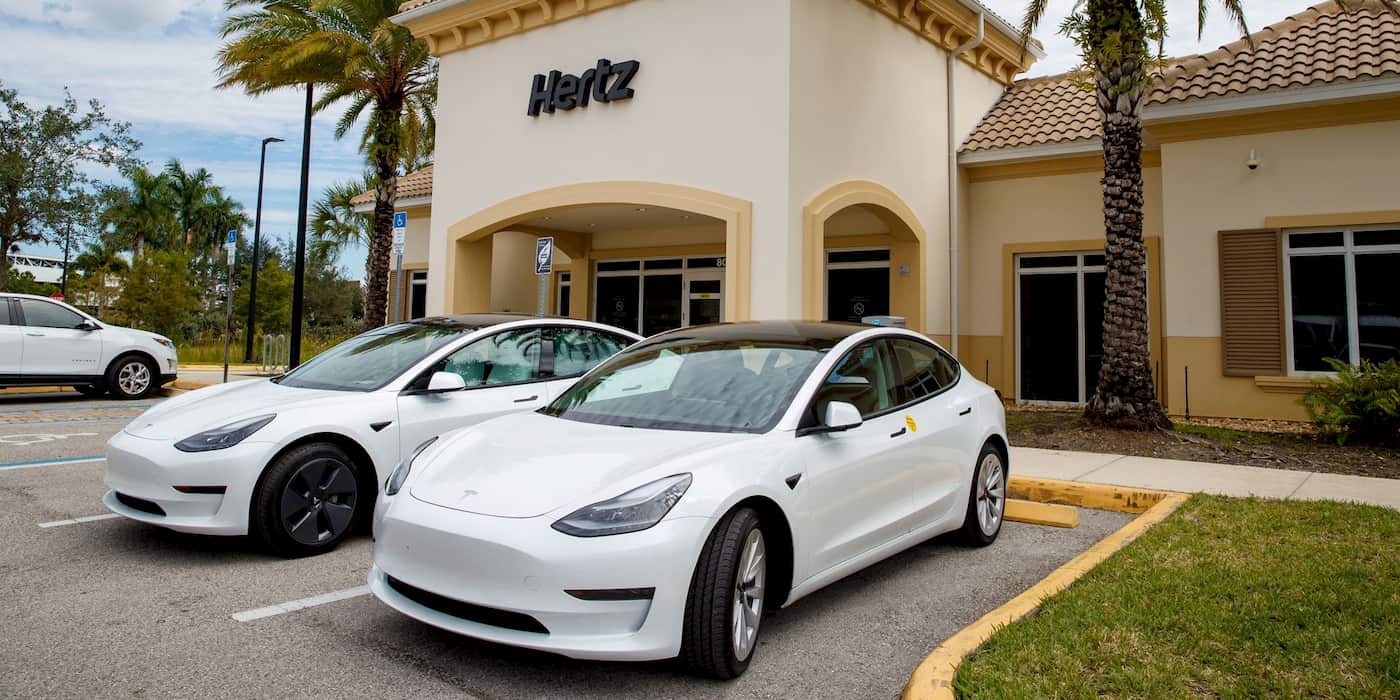
Hertz announced today that it plans to add up to 6,000 rental EVs to its existing fleet in Orlando for leisure and business customers, as well as rideshare drivers.
A Florida state senator told the state’s Department of Transportation that he thinks EVs could run out of charge and block traffic during hurricane evacuations.
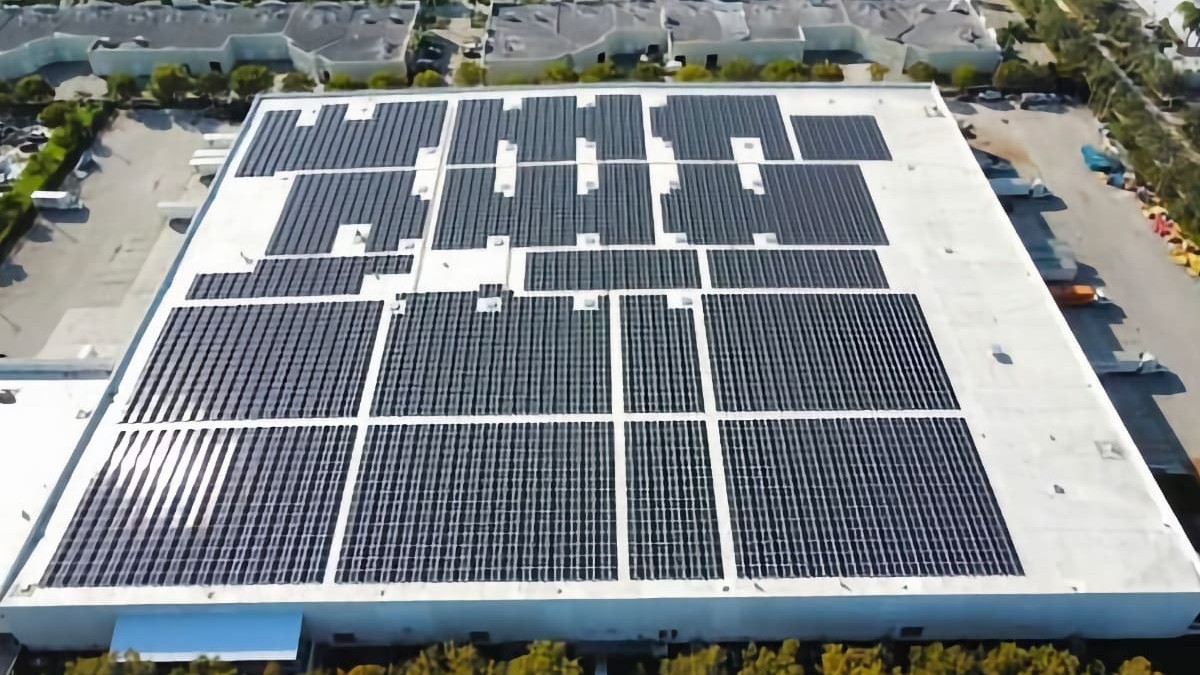
Solar contractor SALT Energy has installed a rooftop solar system in Florida that’s now the state’s largest rooftop solar system, as well as its largest privately owned solar project.
Auckland, New Zealand-based Invisible Urban Charging (IUC), which offers “end-to-end charging as a service,” is going to roll out more than 6,000 EV chargers in Florida, mostly at commercial sites and parking lots.
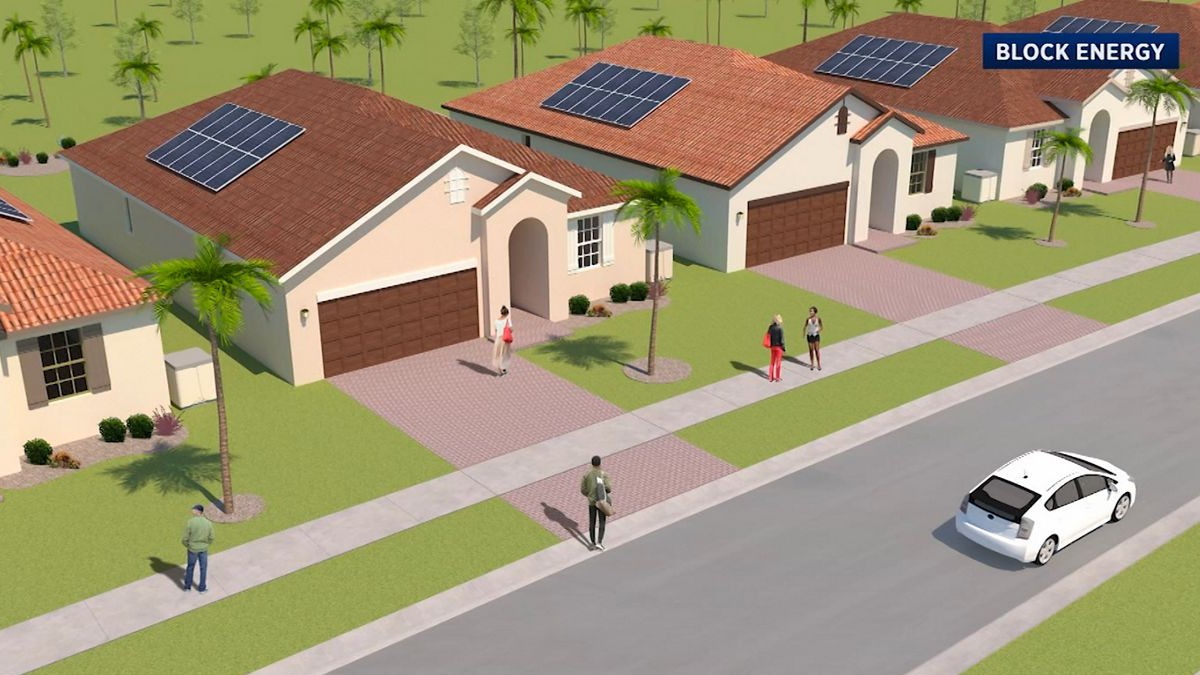
Florida governor Ron DeSantis (R) vetoed a bill, which the state’s Republican-majority House and Senate passed, that would have slashed rooftop solar credits in the state. It would have denied many homeowners net metering in the Sunshine State, and harmed its solar industry.
State legislators in Florida have approved Florida SB 1024 and HB 741, which would require future rooftop solar panel owners to pay higher rates and curb net metering. Yesterday, solar workers traveled to Tallahassee and let legislators know what a terrible idea they think these bills are.