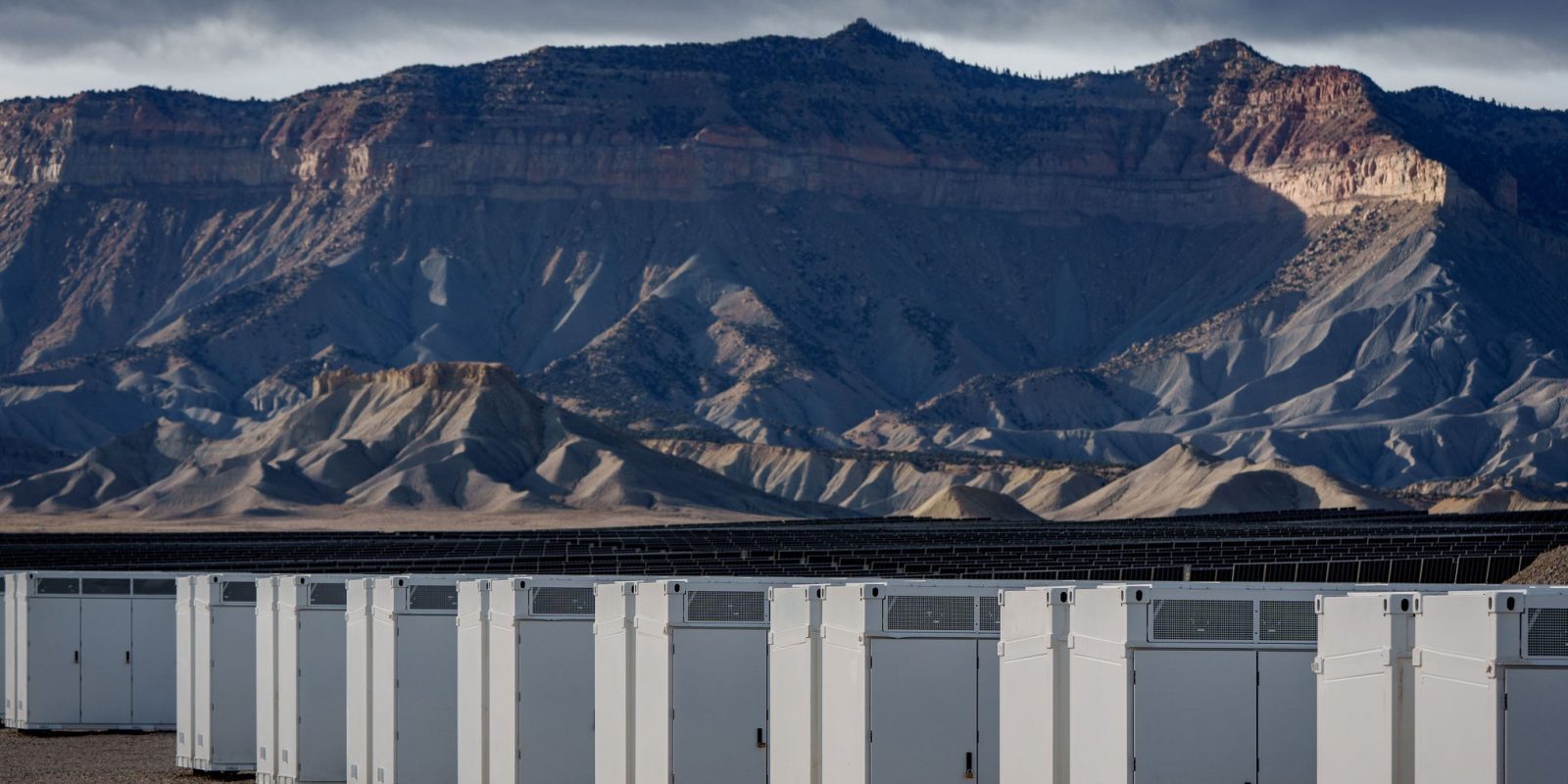
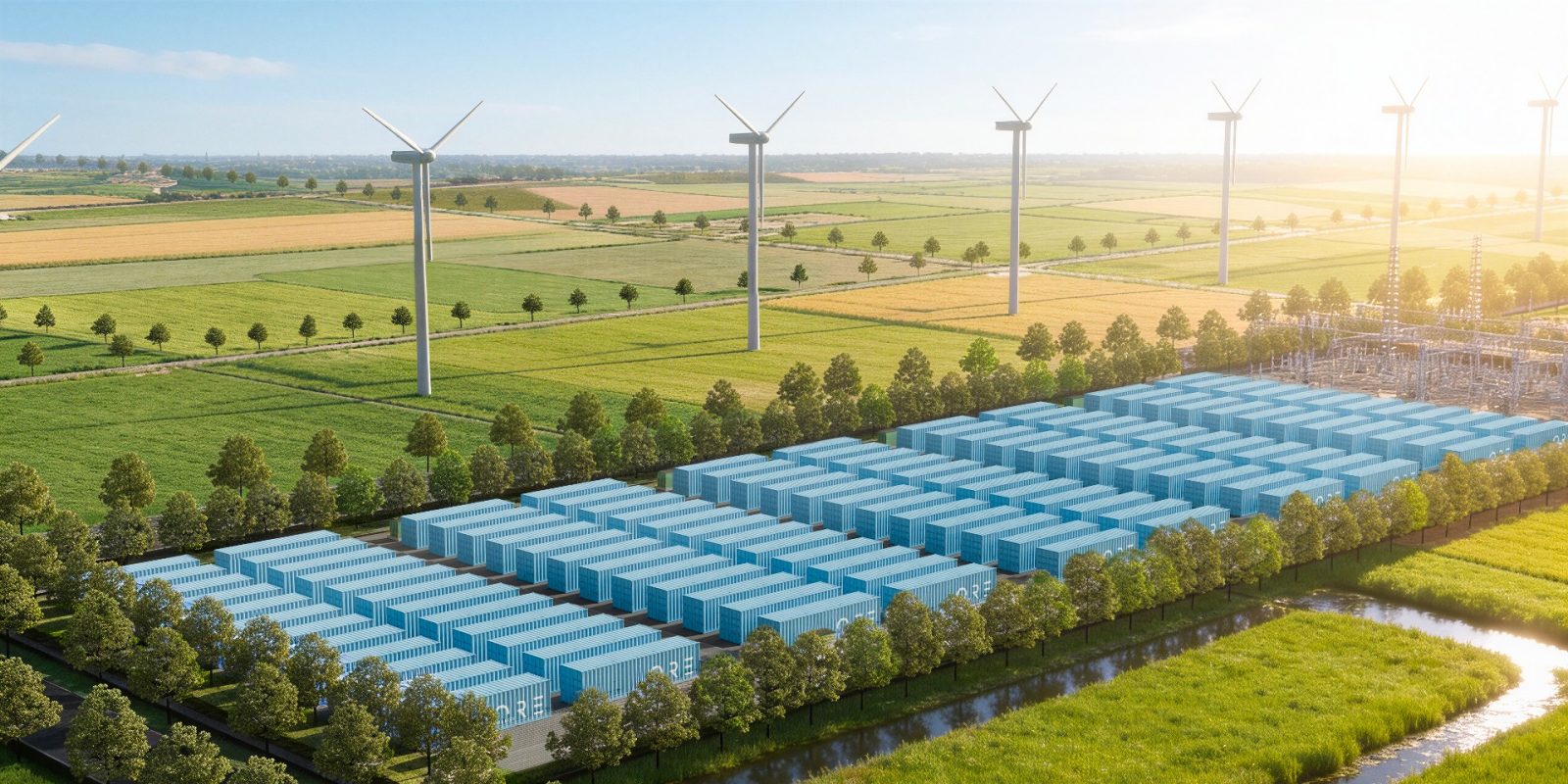
ESS adds 8.5 GWh of sodium-ion to its battery storage portfolio
ESS is moving beyond its long-duration energy storage roots into the crowded short- and medium-duration battery storage market – but not with lithium.
Expand Expanding Close
ESS is moving beyond its long-duration energy storage roots into the crowded short- and medium-duration battery storage market – but not with lithium.
Expand Expanding Close
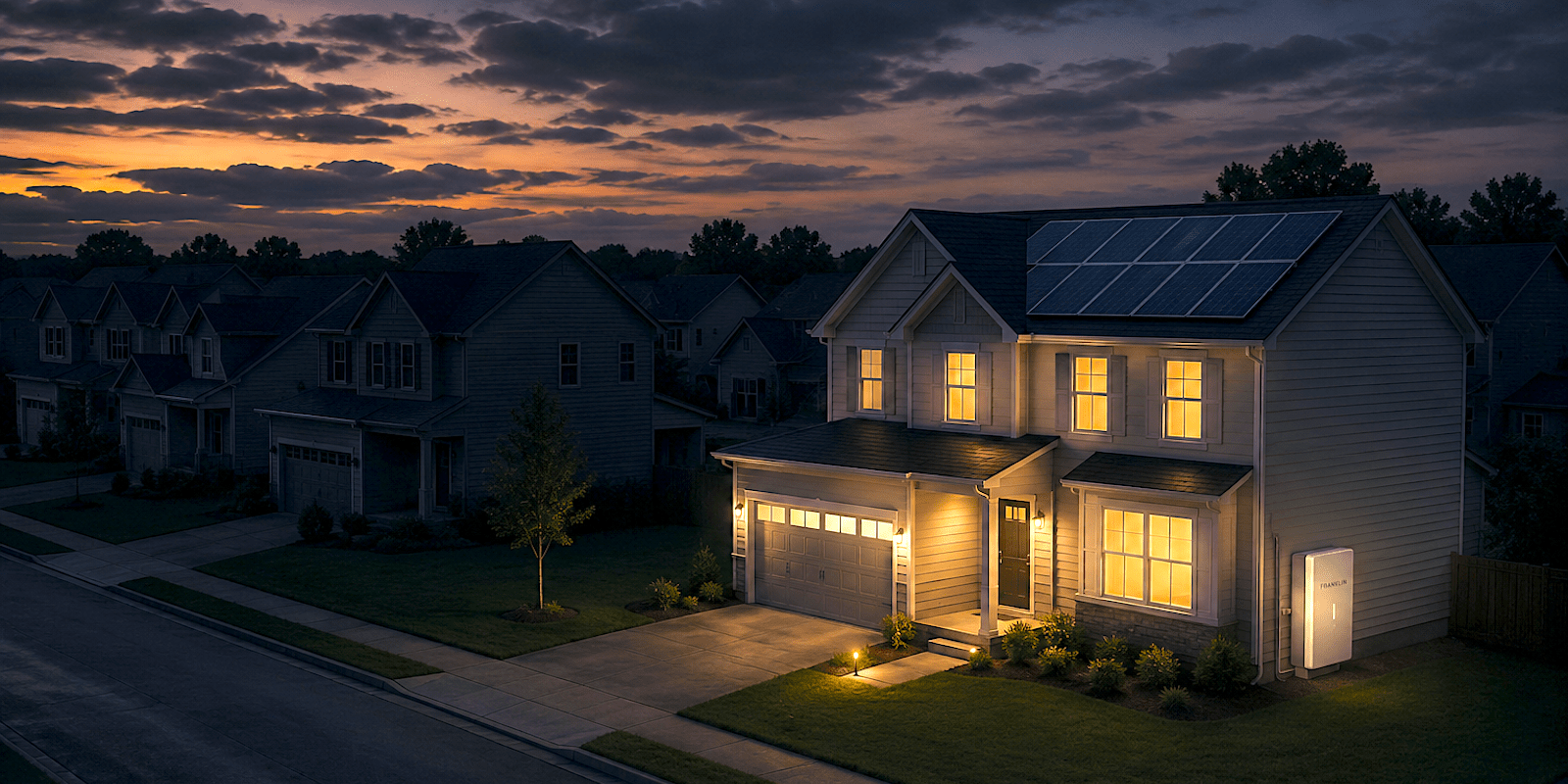
Ann Arbor is about to test a new way to power homes — and it could become a model for other cities.
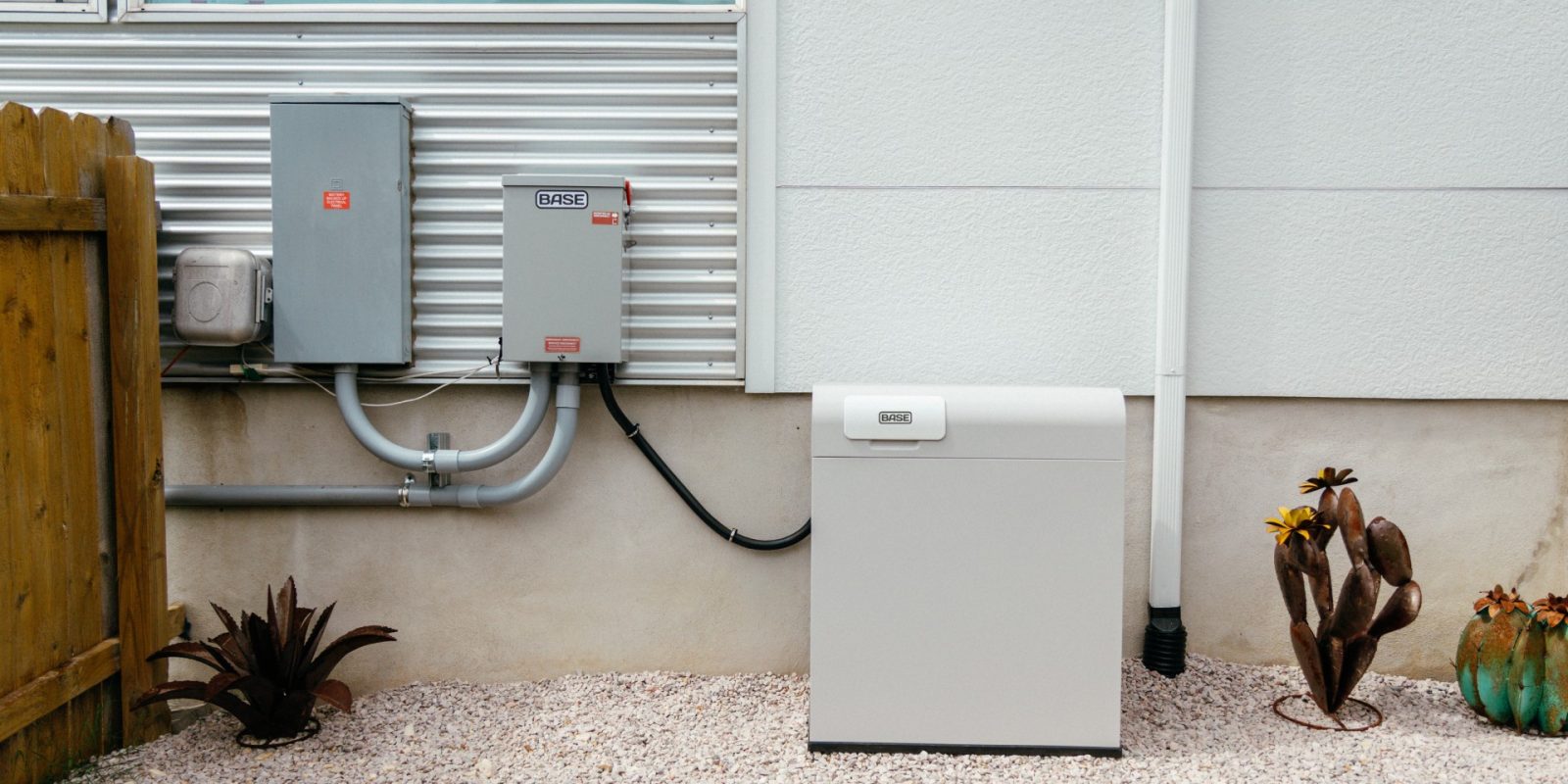
Starting this week, energy management company FranklinWH will begin installing solar + battery storage in homes across Ann Arbor, Michigan, as part of a pilot run by the city’s Ann Arbor Sustainable Energy Utility (A2SEU).
Expand Expanding Close
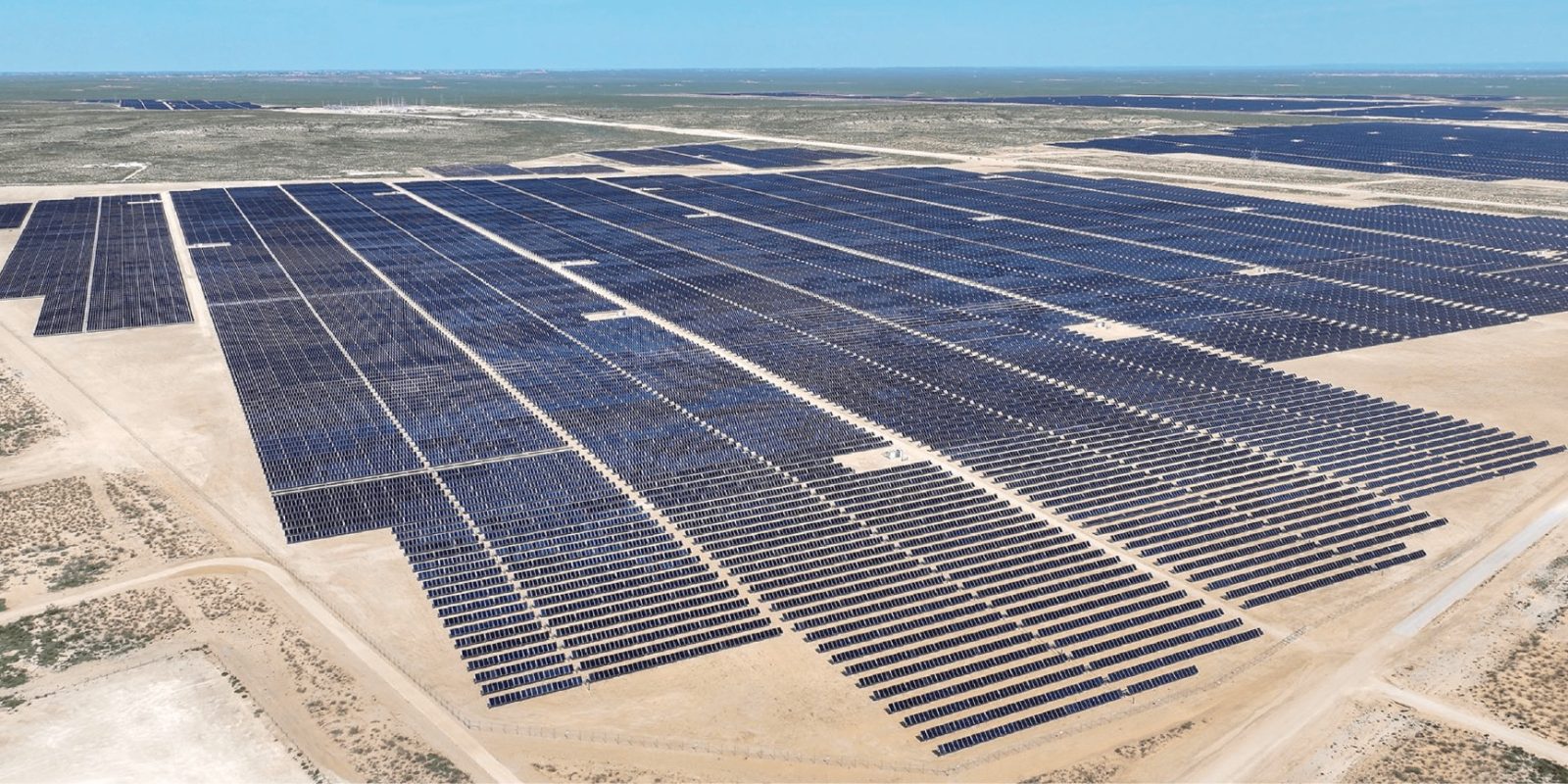
Utility-scale solar, wind, and battery storage will add more than 80 gigawatts (GW) of new generating capacity in the US by February 28, 2027, while total fossil fuel and nuclear power capacity will fall by almost 5 GW, according to data just released by the US Energy Information Administration (EIA), which was reviewed by the SUN DAY Campaign.
Expand Expanding Close
China’s solar exports surged to unprecedented levels in March as a global energy shock is pushing countries to rapidly pivot away from fossil fuels.
Expand Expanding Close
Global energy demand growth slowed in 2025 – but electricity use is still surging, and solar just hit a major milestone, according to the International Energy Agency (IEA).
Expand Expanding Close
Solar giant Qcells is making a play to get solar and battery storage built into new homes in the US from day one.
Expand Expanding Close
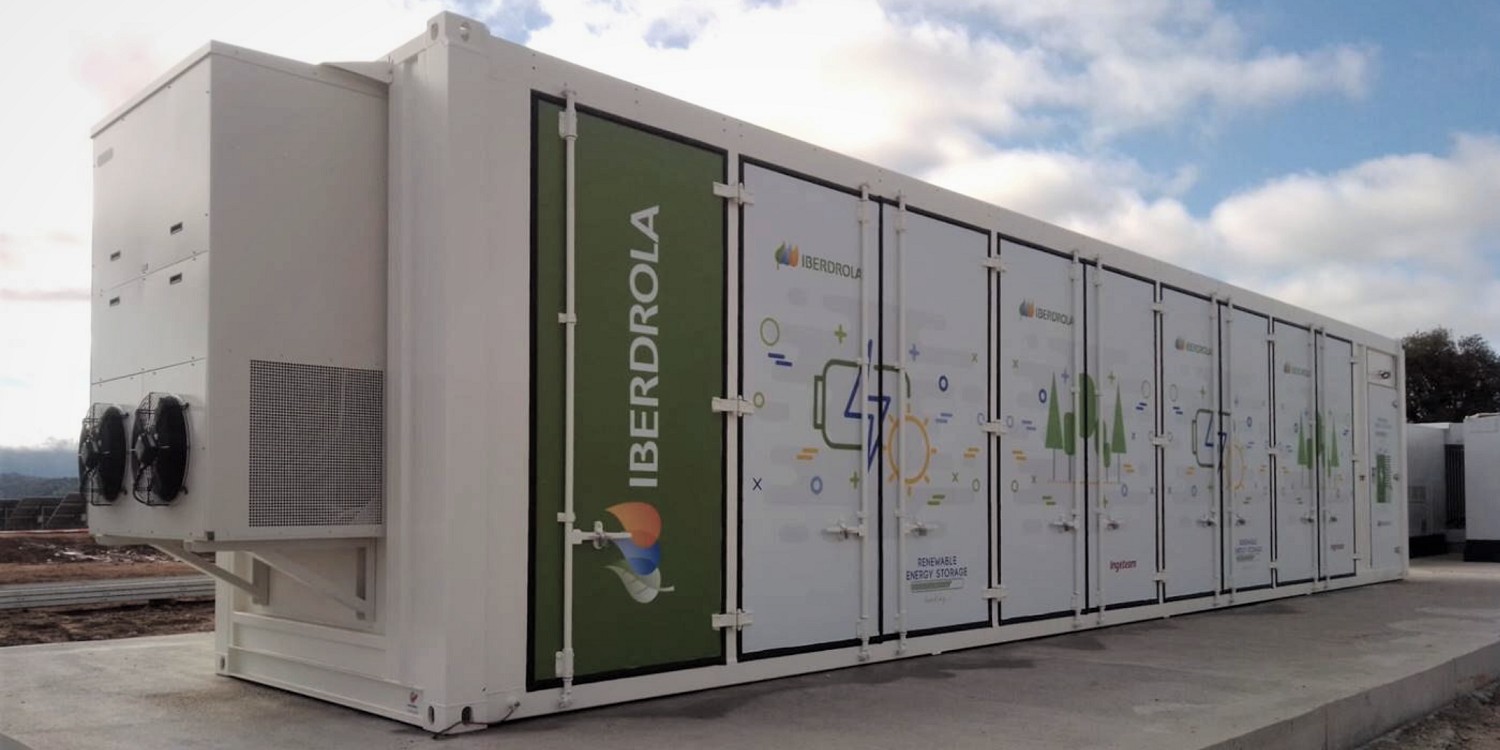
Arevon is building a big new battery project just south of San Francisco, designed to keep the lights on when demand spikes.
Expand Expanding Close
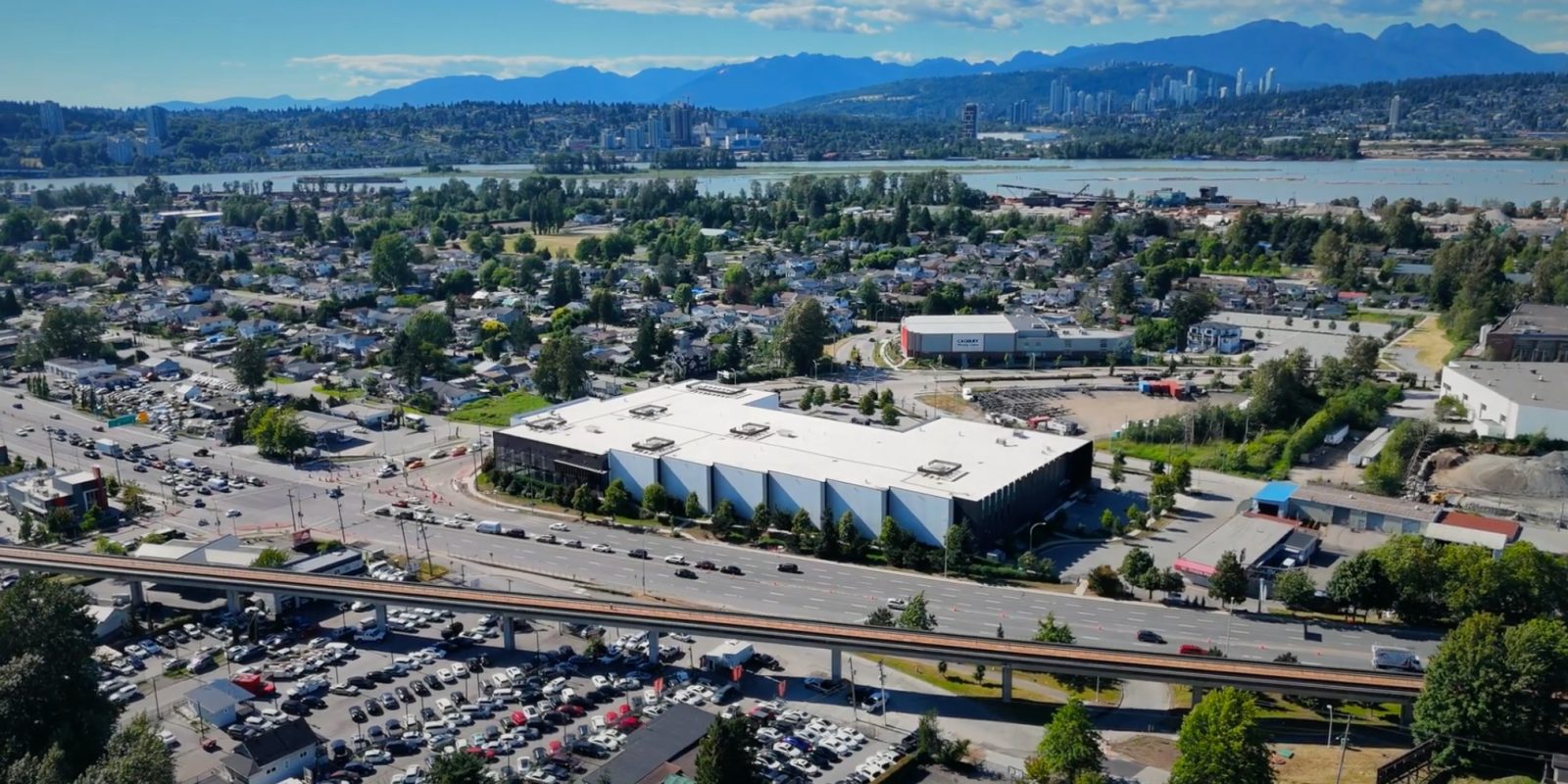
For the first time, a home battery is live on a New York City rooftop, opening the door for residential energy storage across the five boroughs.
Expand Expanding Close

Renewable energy provided over a quarter of US electrical generation in January 2026 – 11% more year-over-year – and accounted for over 36% of installed generating capacity, according to data just released by the U.S. Energy Information Administration (EIA).
In 2026, the EIA reports that solar, wind, and batteries added over 55 gigawatts (GW) of new capacity while the net total from fossil fuels and nuclear was less than 1 GW. Projections for 2026 are even more dramatic, according to the SUN DAY Campaign, which reviewed the data.
Expand Expanding Close
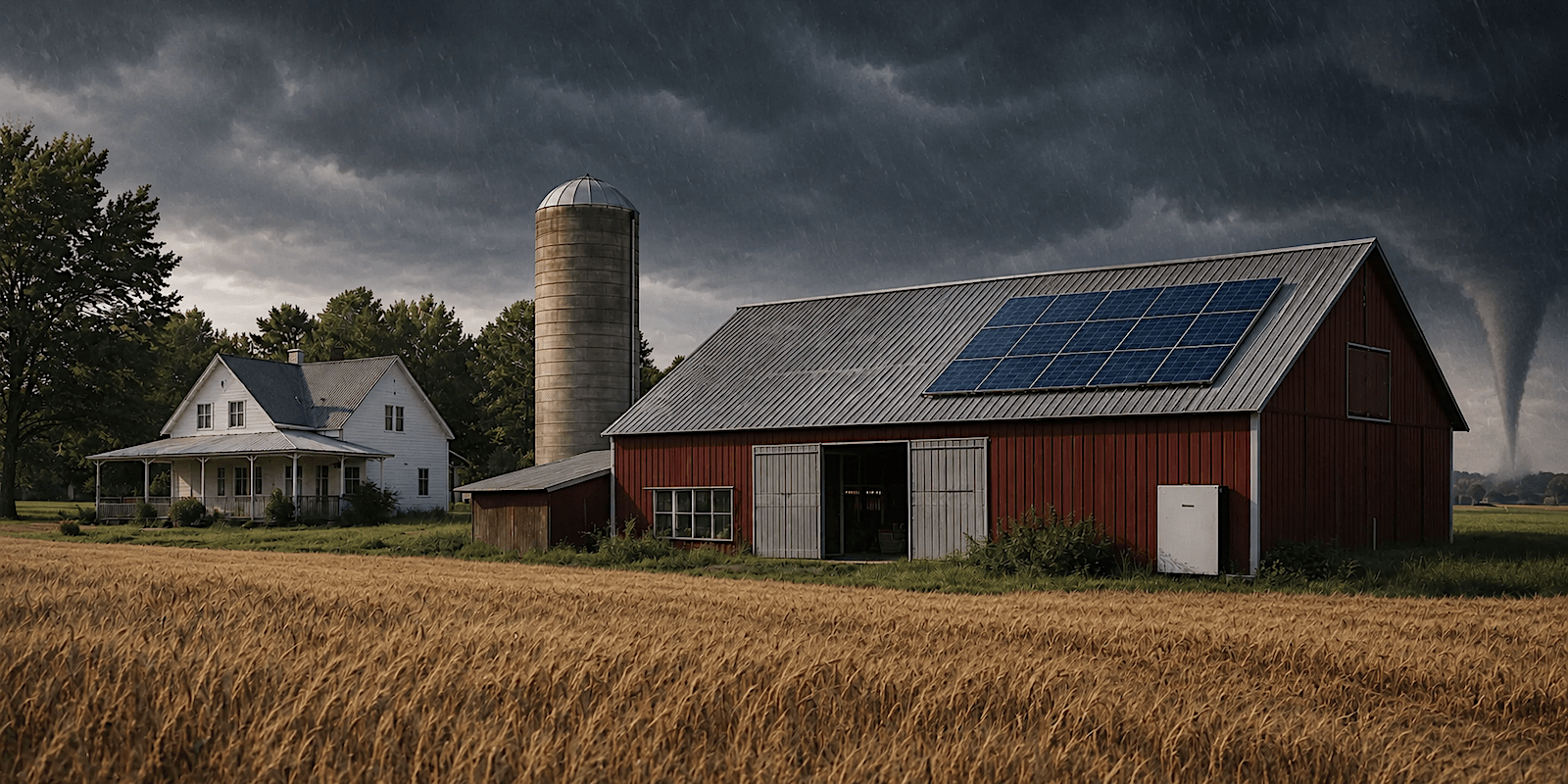
Ultium Cells, the joint venture between General Motors and LG Energy Solution, is shifting part of its US battery production from EVs to energy storage systems (ESS).
Expand Expanding Close
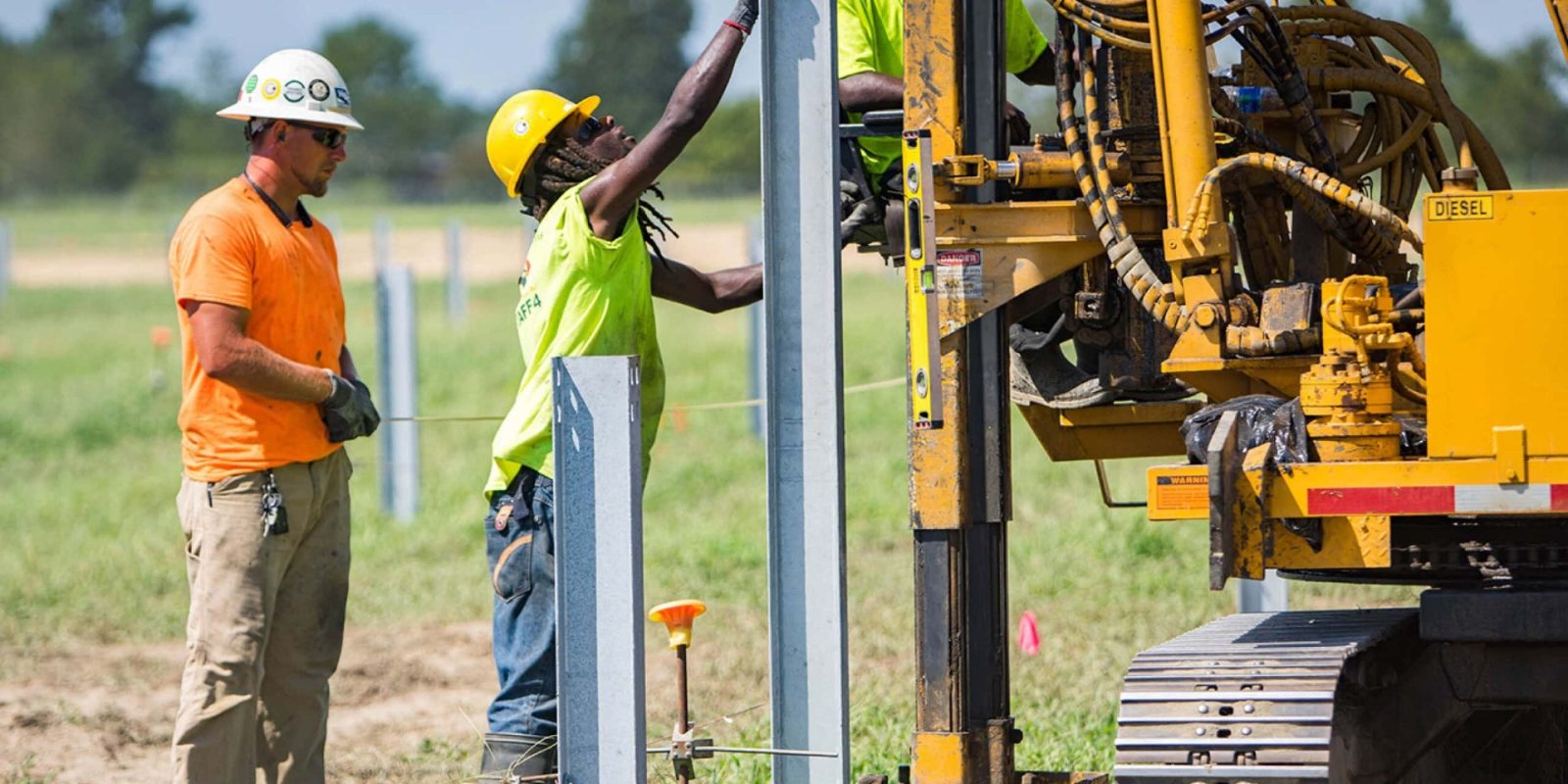
Can an EV really help power your home when the power goes out? It’s one of the biggest FAQs people have about electric cars — but the answer can be a bit confusing. It’s either a yes, with a but – or a no, with an unless. To find out which EVs can offer vehicle-to-home (V2H) tech to keep the lights on or even lower your energy bills, keep on reading.
UPDATE 13MAR2026: the all-new Acura RSX EV isn’t happening.
Expand Expanding Close
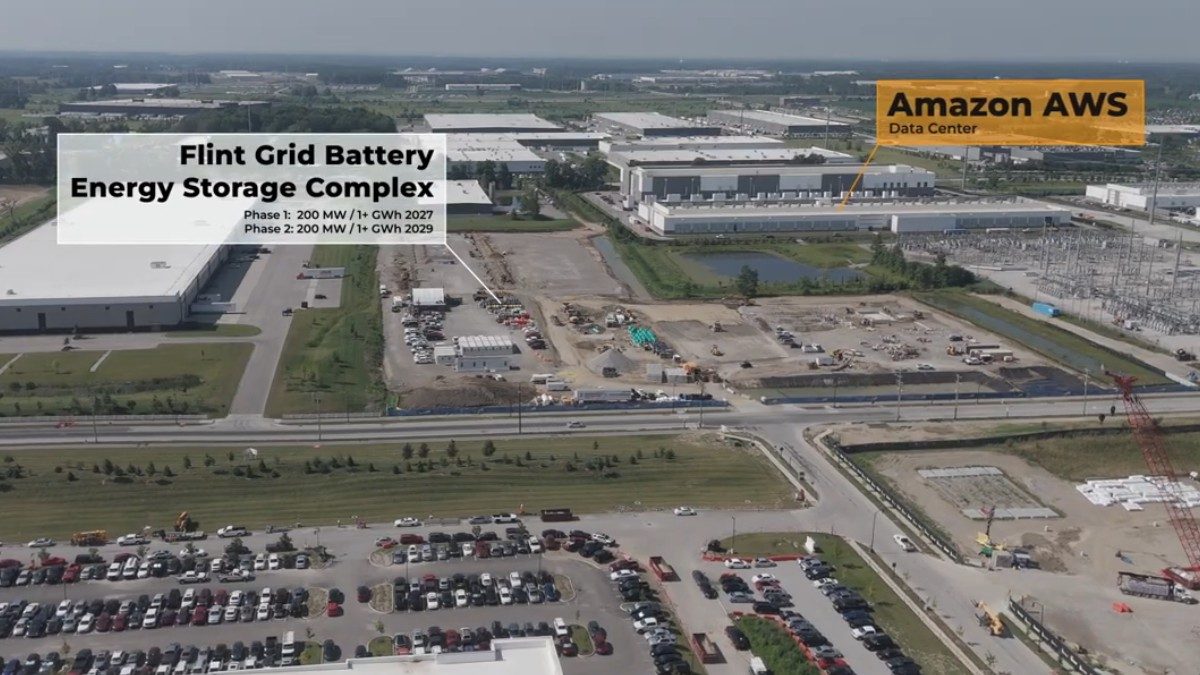
A new type of battery storage is about to be deployed on the Midwestern grid for the first time.
Expand Expanding Close
Aikido Technologies has unveiled a concept that combines floating offshore wind turbines, battery storage, and AI data centers on a single platform.
The offshore infrastructure company says its new platform, called AO60DC, is designed to co‑locate AI-grade computing directly with renewable energy generation at sea.
Expand Expanding Close
Global lithium demand could top 13 million tonnes by 2050 if the world moves fast on clean energy, according to Wood Mackenzie’s latest Energy Transition Outlook for Lithium. The warning is blunt: Without major new investment, lithium shortages could start as early as 2028.
Expand Expanding Close
The US residential clean energy market just went through one of its wildest six‑month stretches ever, according to EnergySage’s latest Home Electrification Marketplace Report.
Expand Expanding Close
Lyten, a lithium-sulfur battery maker based in San Jose, California, has officially completed its acquisition of Northvolt Ett and Ett Expansion in Skellefteå, Sweden, as well as Northvolt Labs in Västerås.
Expand Expanding Close
Xcel Energy says it will supply electricity to a new Google data center in Pine Island, Minnesota, and the deal includes nearly 2 gigawatts (GW) of clean energy and a 100-hour iron-air battery.
Expand Expanding Close
A new report finds Texas is set to overtake California in battery storage as US installs hit a record 57.6 GWh in 2025, up 30% year-over-year.
Expand Expanding Close
Calibrant Energy has signed a definitive agreement with Iron Mountain to build, own, and operate a 23-megawatt-hour (MWh) battery at the latter’s New Jersey data center.
Expand Expanding Close
A wastewater pumping station in Erie County, New York, is now running backup power on a battery storage system instead of a diesel generator, and local officials say it could cut costs, emissions, and maintenance headaches.
Expand Expanding Close
Octopus Energy Generation is investing almost $1 billion in California clean tech projects, the latest move by the UK‑based renewable investor as it scales up its presence in the US market.
Expand Expanding Close
Utility-scale energy storage developer Energy Vault just signed a strategic agreement with Peak Energy, which manufactures sodium-ion energy battery storage systems, to build a battery platform specifically designed for “AI-first” data center operators.
Expand Expanding Close
Windrose is making big, fast moves in the heavy-duty EV space with its electric semi truck business already expanding into four continents — but CEO Wen Han doesn’t want to stop there. He’s got an idea for a mobile data center and BESS solution packed into one, and he really wants us to know about it.
Expand Expanding Close
Businesses walked away from $5.1 billion in large-scale factories and clean energy projects in December alone – a stark finish to a year in which cancellations finally overtook new investment in the US clean energy sector. By the end of 2025, nearly $35 billion in clean energy investments had been canceled or downsized nationwide, taking more than 38,000 current and future jobs with them, according to new tracking from E2.
Expand Expanding Close