Jameson is based in Southern California and has been driving electric vehicles since 2009 and writing about EVs, sustainability and policy for Electrek since 2016.
You can contact him at jamie@electrek.co, or on his bluesky account that he just set up and maybe will never use at https://blskyl.ink/jamesondow
California has become the latest state to fall victim to the fossil fuel industry’s push for EV fees. Two bills, SB1 and AB1, both transportation funding bills, include new annual fees for EVs in the amount of $100 and $165 respectively.
EV advocacy group Plug In America has sent out an email opposing the move, with a link to contact your representatives and tell them what you think about it. You can view that email, and contact your representatives if you live in California, here.
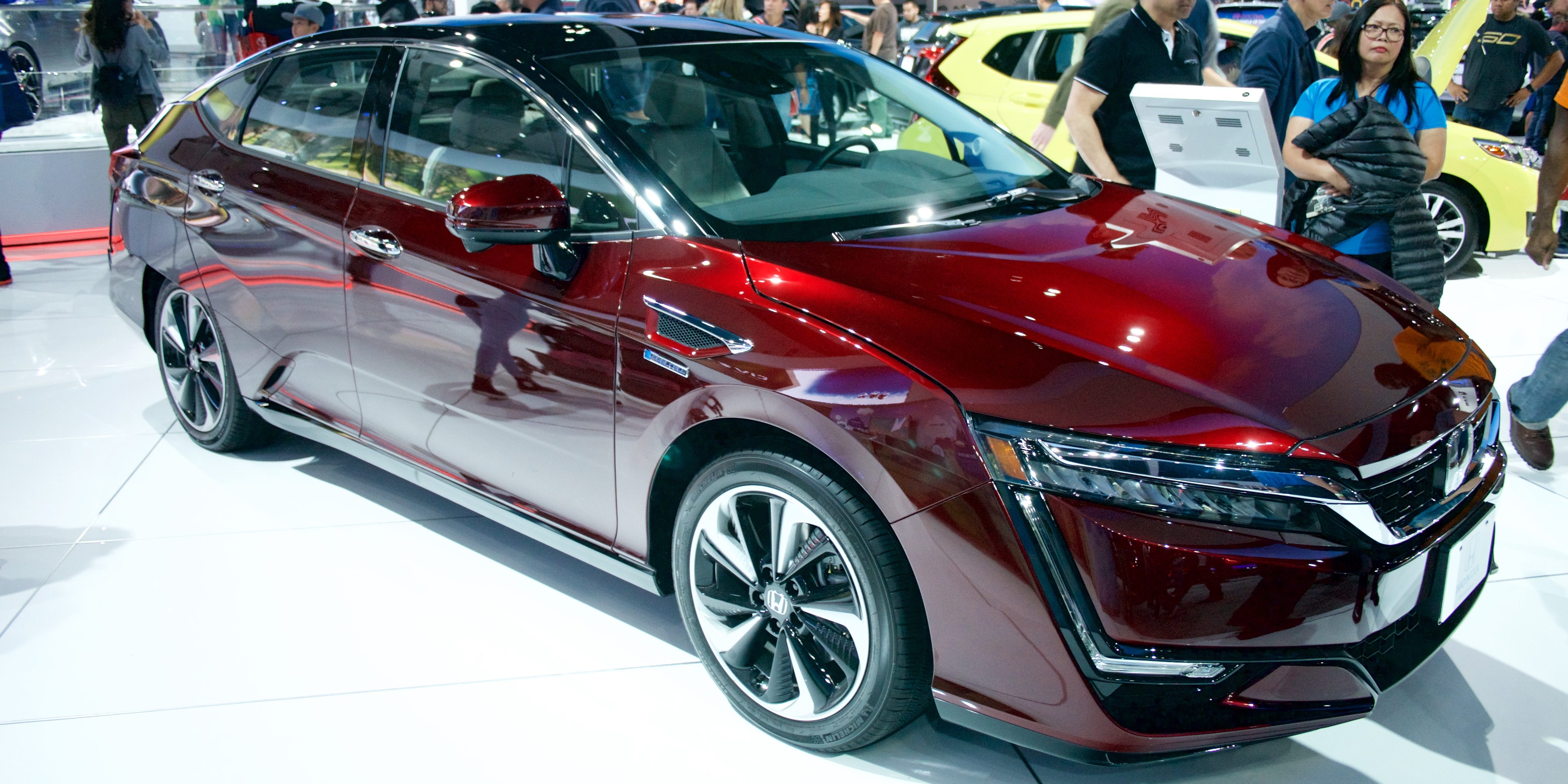
In a new article based on comments made by Steve Center, vice president of environmental business development at American Honda Motor, Automotive News reports that Honda’s EV version of their Clarity vehicle platform will focus more on size and price than long range. They expect that Honda will release the car with about an ~80 mile range and an expected pricetag in the area of $35,000.
While Honda would like to have released with a larger battery, the size constraints of the Clarity platform and price constraints of Honda’s brand identity led them to decide on a smaller battery than many other future EVs which have recently been announced by other automakers.
Honda’s previous EV efforts have been the “EV Plus” of the late ’90s and the Fit EV. Both were very limited production, and the Fit EV is only available in some states and only via lease. The Clarity EV will be their first serious, larger production BEV effort which can be purchased by consumers instead of only leased.
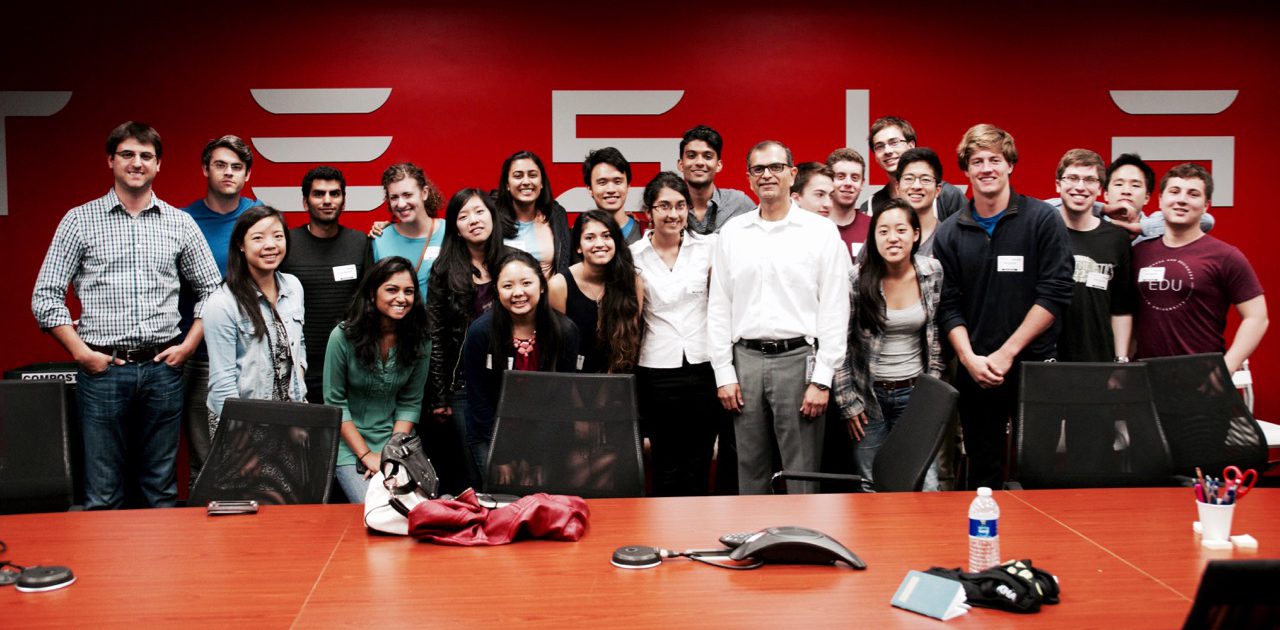
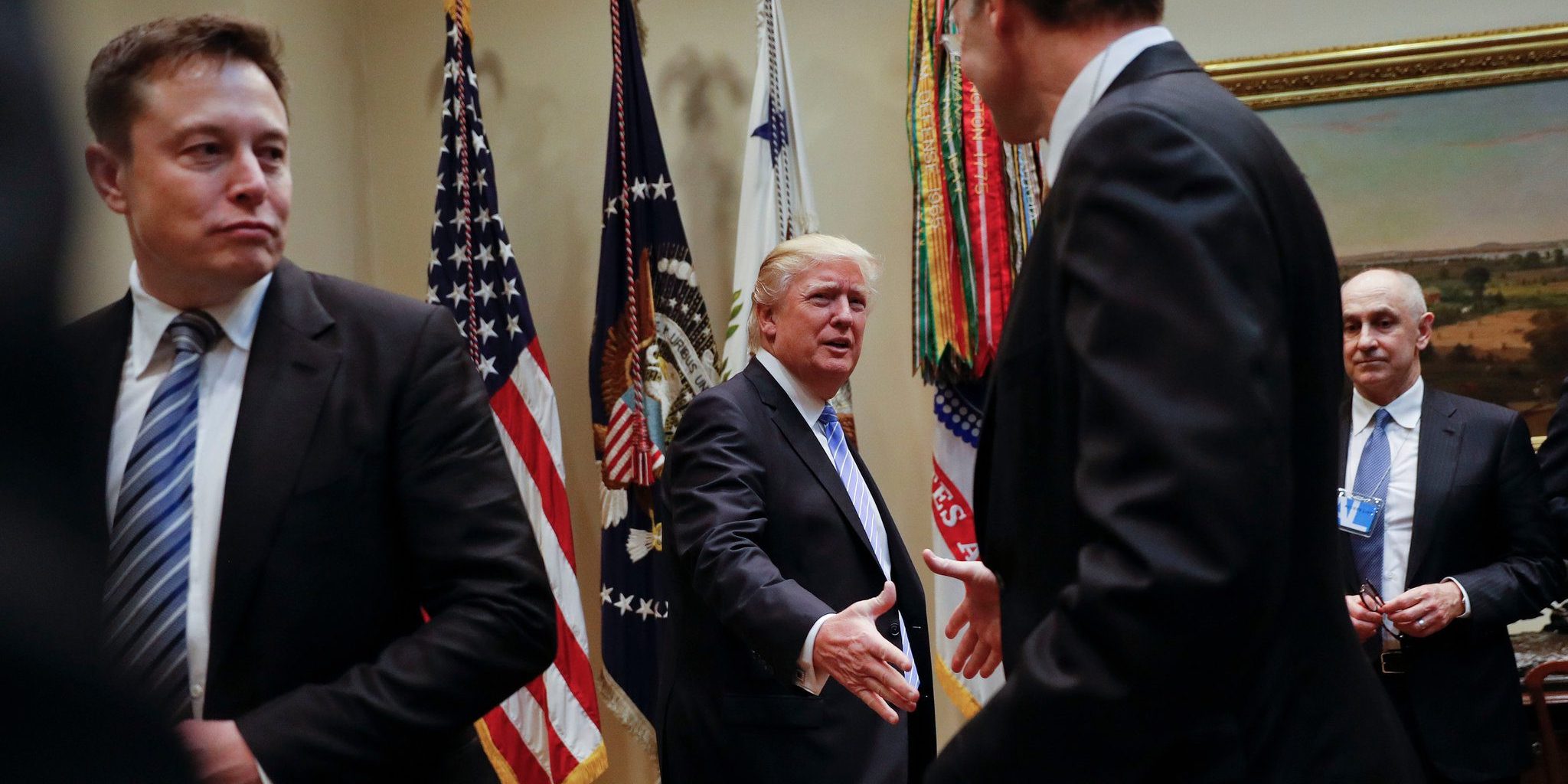
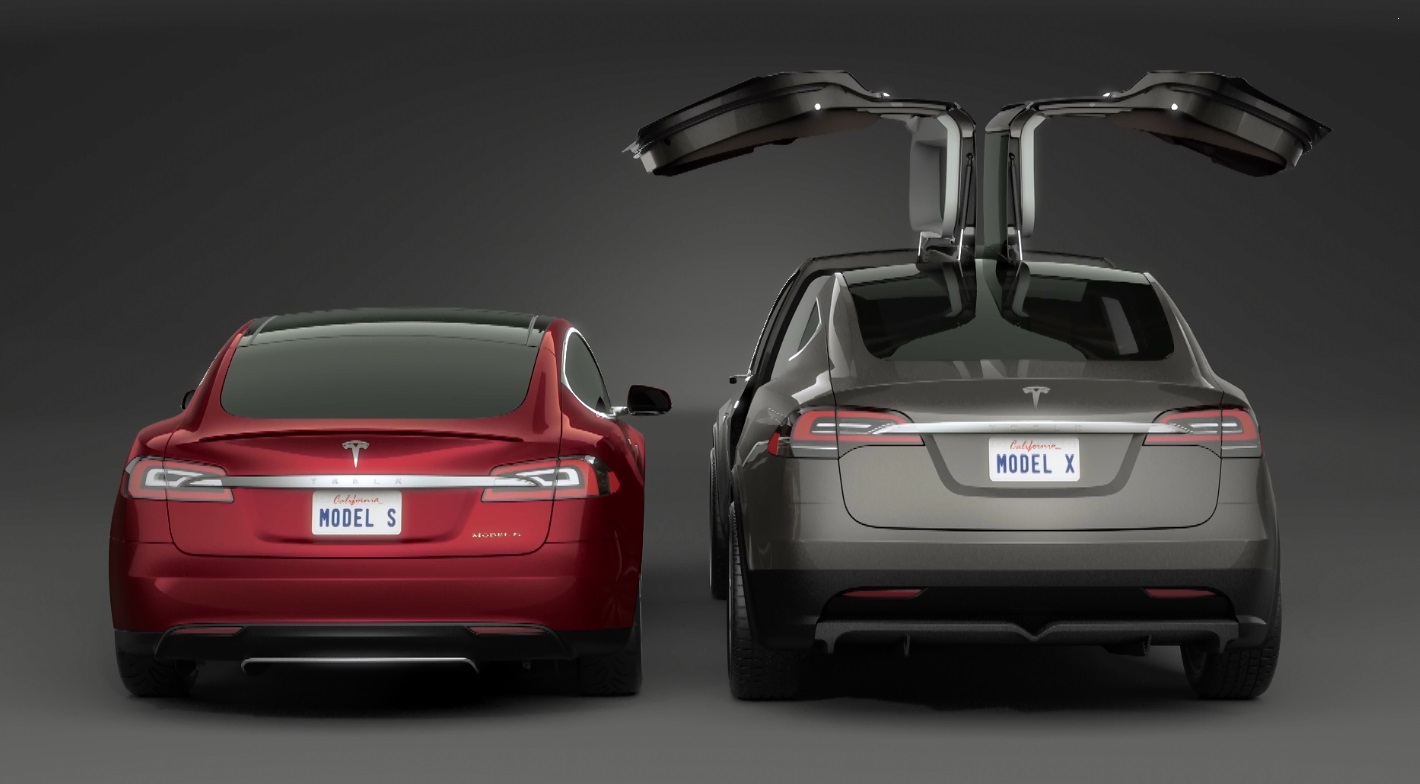
Tesla has announced that CFO Jason Wheeler will be leaving his position in April, to be replaced by former CFO Deepak Ahuja (center of picture above), who Wheeler had originally replaced last year. Deepak will return in a “long-term” role, not in an interim capacity, according to CEO Elon Musk.
Prior to working at Tesla, Wheeler was Google’s VP of Finance, and now he’s planning to leave Tesla to work in the public sector on public policy. Wheeler said on today’s earnings call that this was a “longtime itch” of his, and that he wouldn’t leave to scratch it unless he knew Tesla was in good hands. He also mentioned that Ahuja is clearly a competent executive, as he was involved in helping bring Tesla back from bankruptcy (which Musk quickly reminded us happened a “long time ago”).
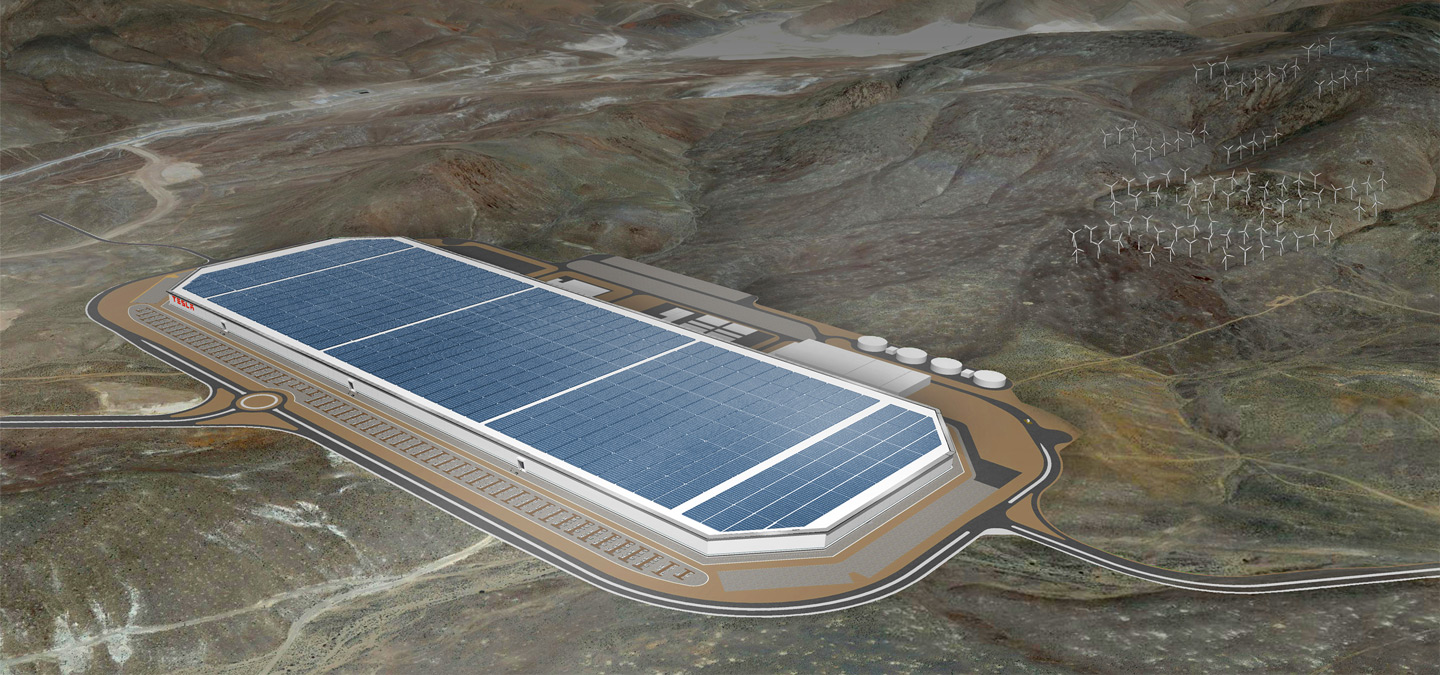
Tesla’s earnings report for 2016 was released moments ago, with information regarding two, possibly three future gigafactory plants. Tesla’s current “Gigafactory 1“, which will be the largest factory building in the world by footprint, isn’t even finished yet and Tesla is already looking to finalize the locations of future plants by the end of this year.
This is the first solid announcement of additional gigafactories which Tesla has made. They’ve referenced the future need for “several” gigafactories before, and talked about choosing a location for Gigafactory 2, but this is the first time, in writing, that they have solidified an actual count of multiple additional gigafactories and a timeframe for these future gigafactories.
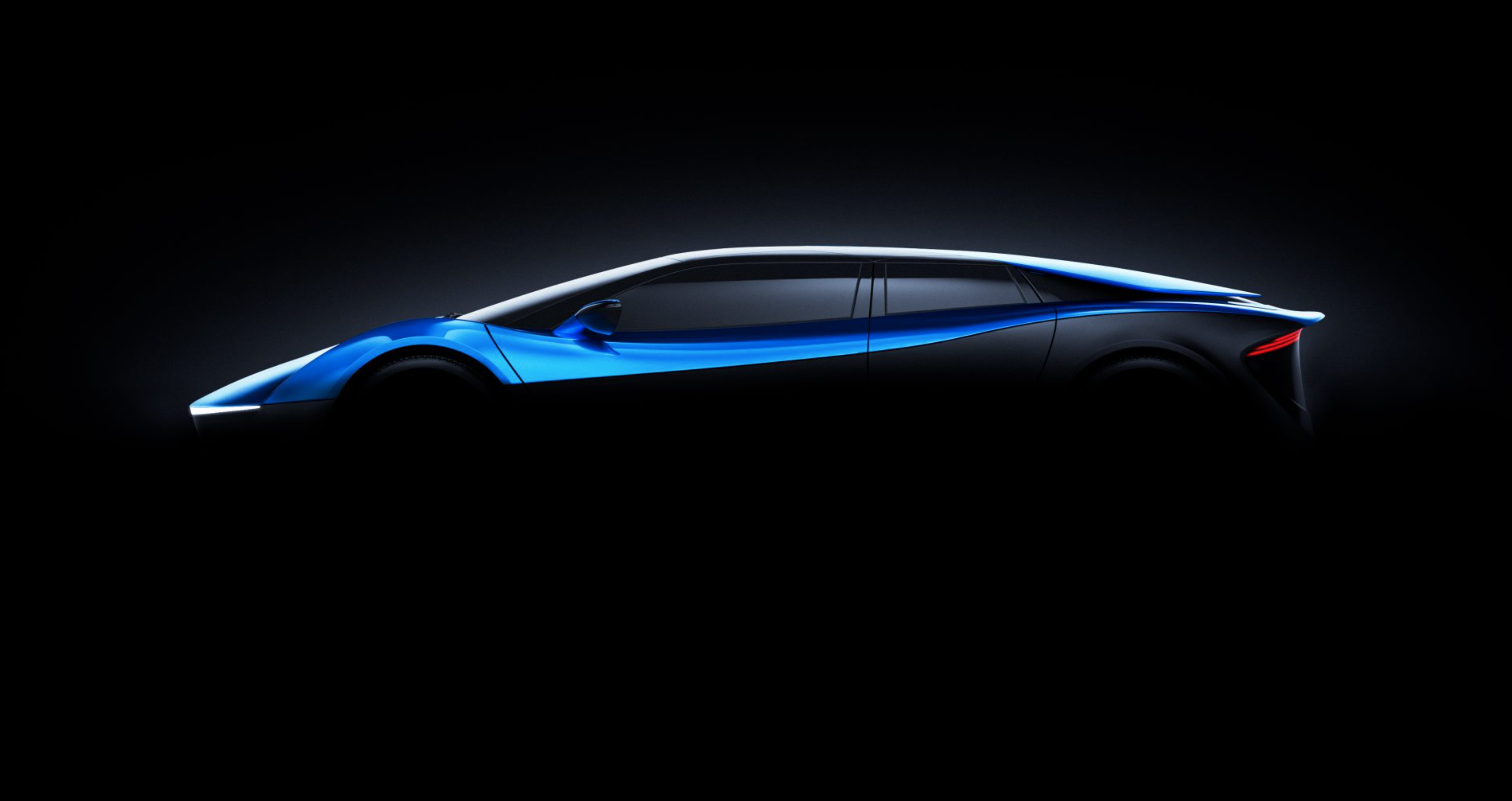
Another day, another electric supercar concept. This time the effort is being headed by a small Swiss design company, Classic Factory, founded in 2009 by designer Robert Palm.
So far, all we’ve seen is a teaser image and a few stats. The car will have “4 seats/4 doors/4-WD” and be capable of 0-100km/h (0-62mph) in under 2.3 seconds. The design company is Swiss, but has contracted a German company “specialized in low-volume manufacturing with the highest quality imaginable.”
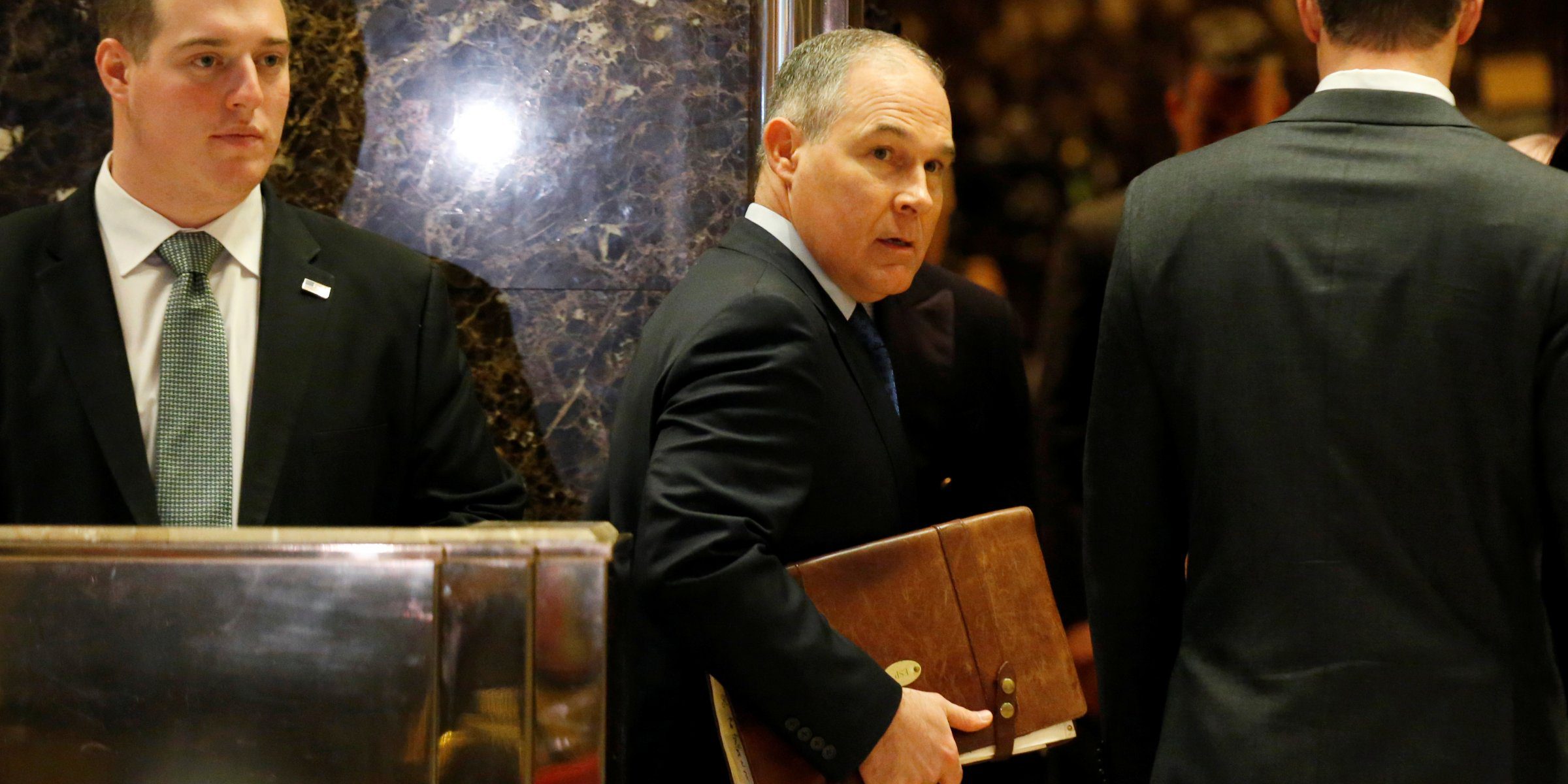
Automakers have officially submitted a letter asking the new head of the United States Environmental Protection Agency (EPA), Scott Pruitt, to abdicate his responsibility for protecting the environment by loosening the fuel efficiency standards they agreed upon with the Obama administration in 2011. Pruitt, who calls himself a “leading advocate against the EPA” and has spent much of his life fighting against the agency, has received over $270,000 in lifetime campaign contributions from the oil and gas industry. Incidentally, Pruitt also denies that burning oil and gas causes global warming. Surely there’s no connection between that opinion and the campaign contributions he’s received.
The automakers claim that the 54.5mpg CAFE standard would be too costly to implement by 2025, and that consumer demand isn’t there for more efficient vehicles, even as EV sales continue to experience massive growth. Expand Expanding Close
Roborace, an electric driverless car racing series which is currently still in development, had their first “real” “race” today, driving two DevBots on the same street circuit at the Formula E Buenos Aires ePrix.
The two cars made their way around the track at a cautious yet respectable pace, with the “winner” reaching a top speed of 115 mph. Unfortunately, the losing car didn’t fare so well, getting itself into an accident and taking itself out of the race.
After seeing the Lucid Air in person this last weekend in LA, we’ve posted a little extra information about the car’s interior, autonomous drive system and interface. But the biggest question remains: Is this car the real deal? Or just another of the endless list of EV prototypes, from major and new manufacturers alike, which never see the light of day?
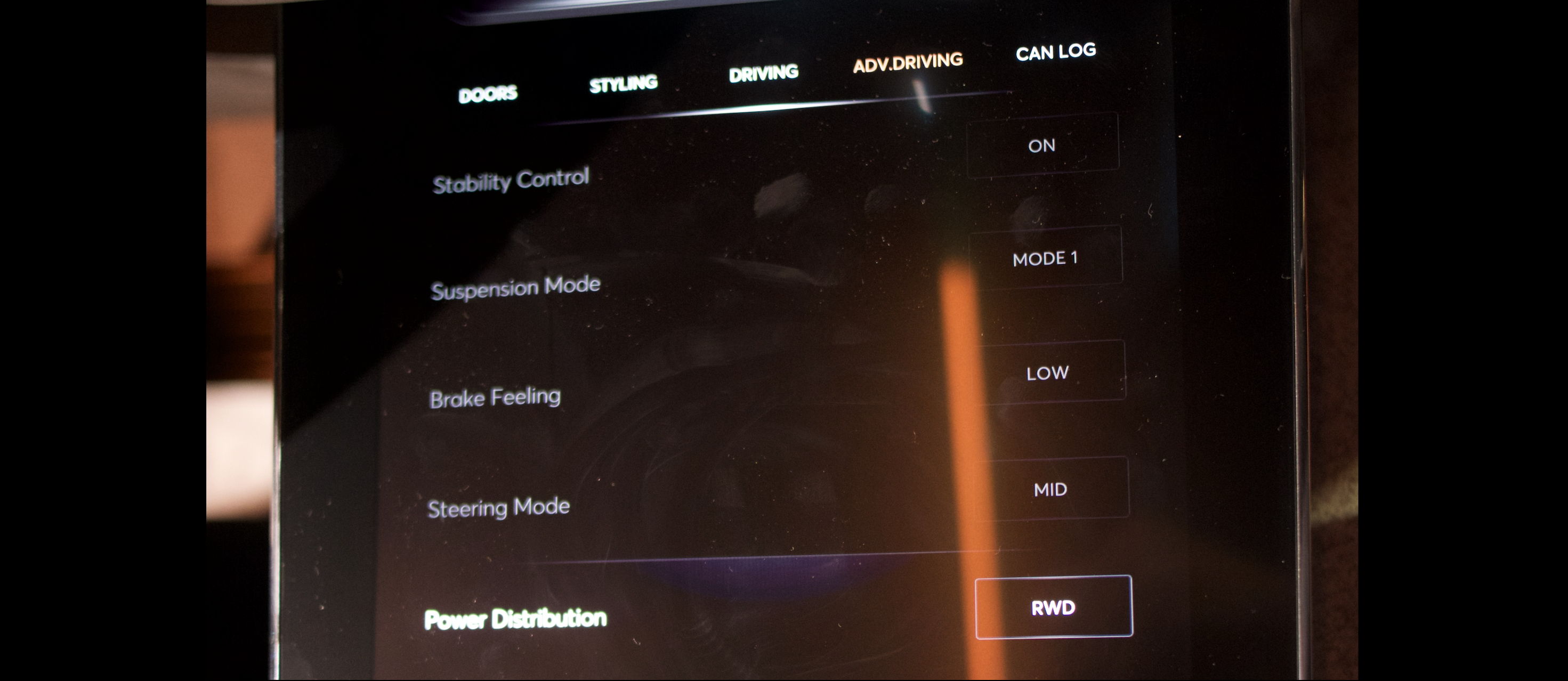
We’ve been looking at some details of the Lucid Air this week, after seeing the car up-close-and-personal at a private event in LA this last weekend. Now to delve into some details of the car’s interface with a little wild speculation. Hop below the jump for some pictures and analysis.
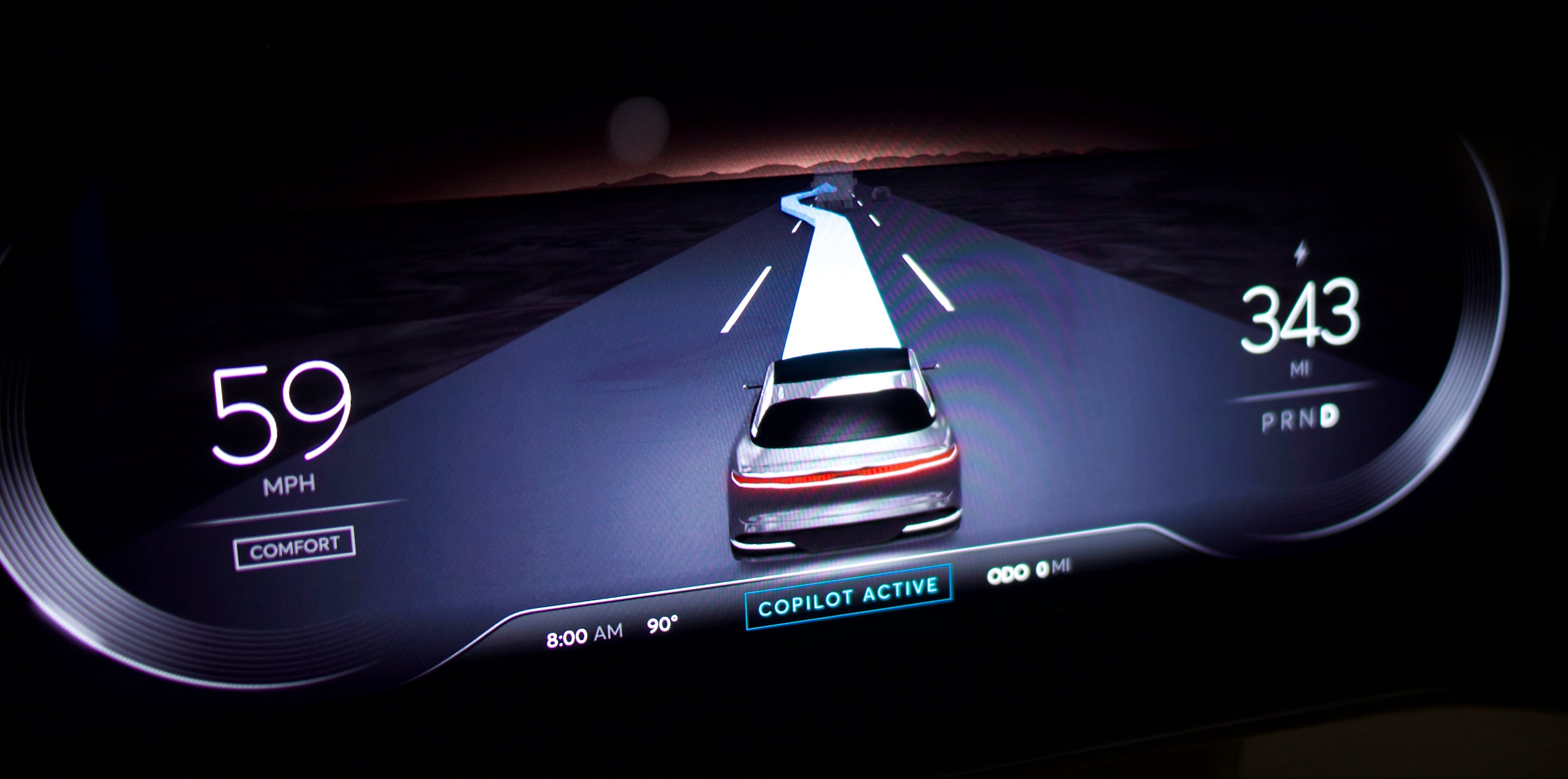
We learned a few more details of Lucid’s autonomous system at their event this weekend in LA, one of which is its apparent name: “Copilot.” This may well just be a placeholder name for development purposes and could change before production, but the instrument cluster demo showed the name clearly as you can see in the picture above. Given Tesla’s similar “autopilot” name – which has gotten them in some trouble with the authorities in Germany and California – “copilot” is definitely an interesting choice, and perhaps one less likely to result in legal questions.
As for some other details of the system, it was already confirmed that Lucid would use MobilEye for their front-facing camera and image processing system. But the car will also incorporate many other sensors, which you can see below the break.
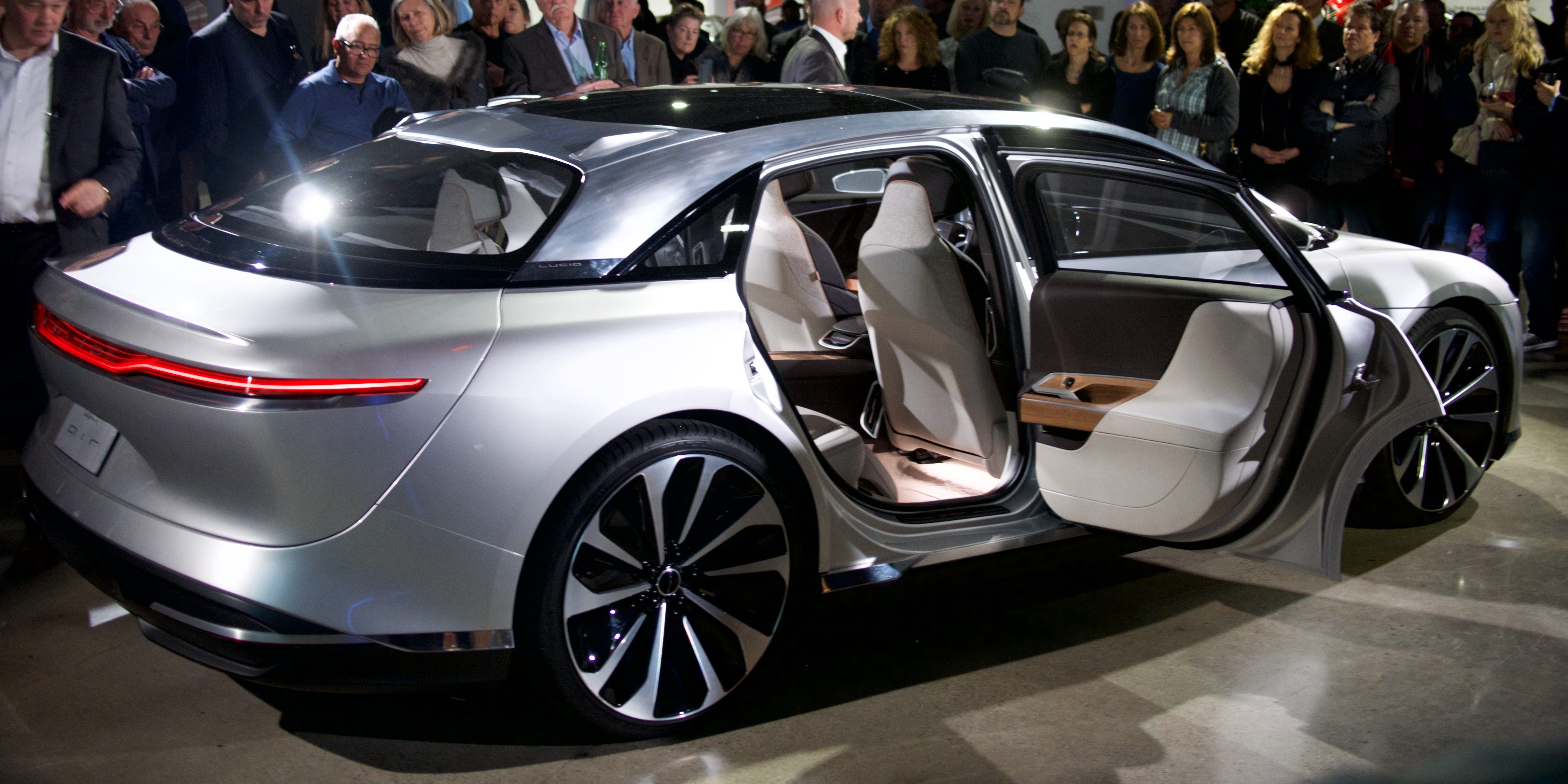
This weekend Lucid Motors held some private events in the Los Angeles area to show off their car to VIP guests and media, and Electrek was on hand to get a first-hand look at the vehicle.
The show car definitely provided some clues as to where Lucid thought of their model name – the “Air.” The interior has a very airy feel, with windows running across nearly the entire top of the car…
Yesterday, 97 companies, largely tech industry leaders such as Apple, Google and Intel, filed an amicus brief in the federal court case led by Minnesota and Washington states against the recent executive order banning certain refugees and immigrants from entry into the United States. Tesla was a notable absence from the list of companies, but today news came that another ~30 companies are joining the amicus brief, including both of Elon Musk’s companies Tesla and SpaceX.
Tesla’s absence from the original list was notable due to Elon Musk’s position on the Presidential Advisory Forum and his recent comments on twitter regarding the immigration order, the Advisory Forum, and the US justice system.
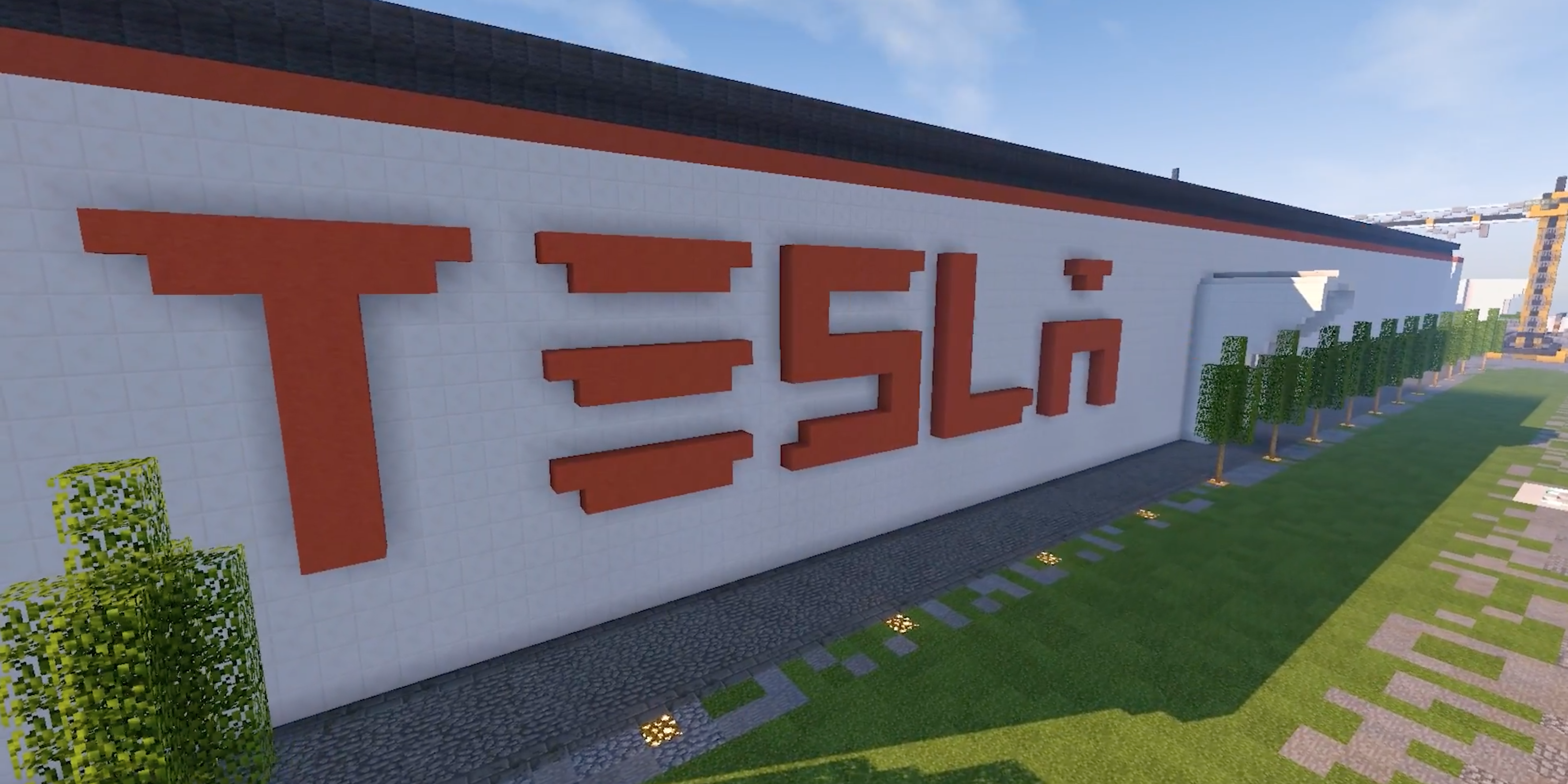
Elon Musk may be a workaholic, but in his spare time he’s quite fond of video games. His first programming project was a Space Invaders-style game and he’s recently tweeted about his enjoyment of Blizzard’s Overwatch. So how better to appeal to him than by building a video game recreation of Tesla’s Gigafactory?
That’s what a team of Lithuanians thought, anyway. 41 gamers spent two days building and livestreaming a mockup of Tesla’s Gigafactory inside Minecraft, a “sandbox” videogame which lets players build an almost infinite variety of structures inside a virtual world.
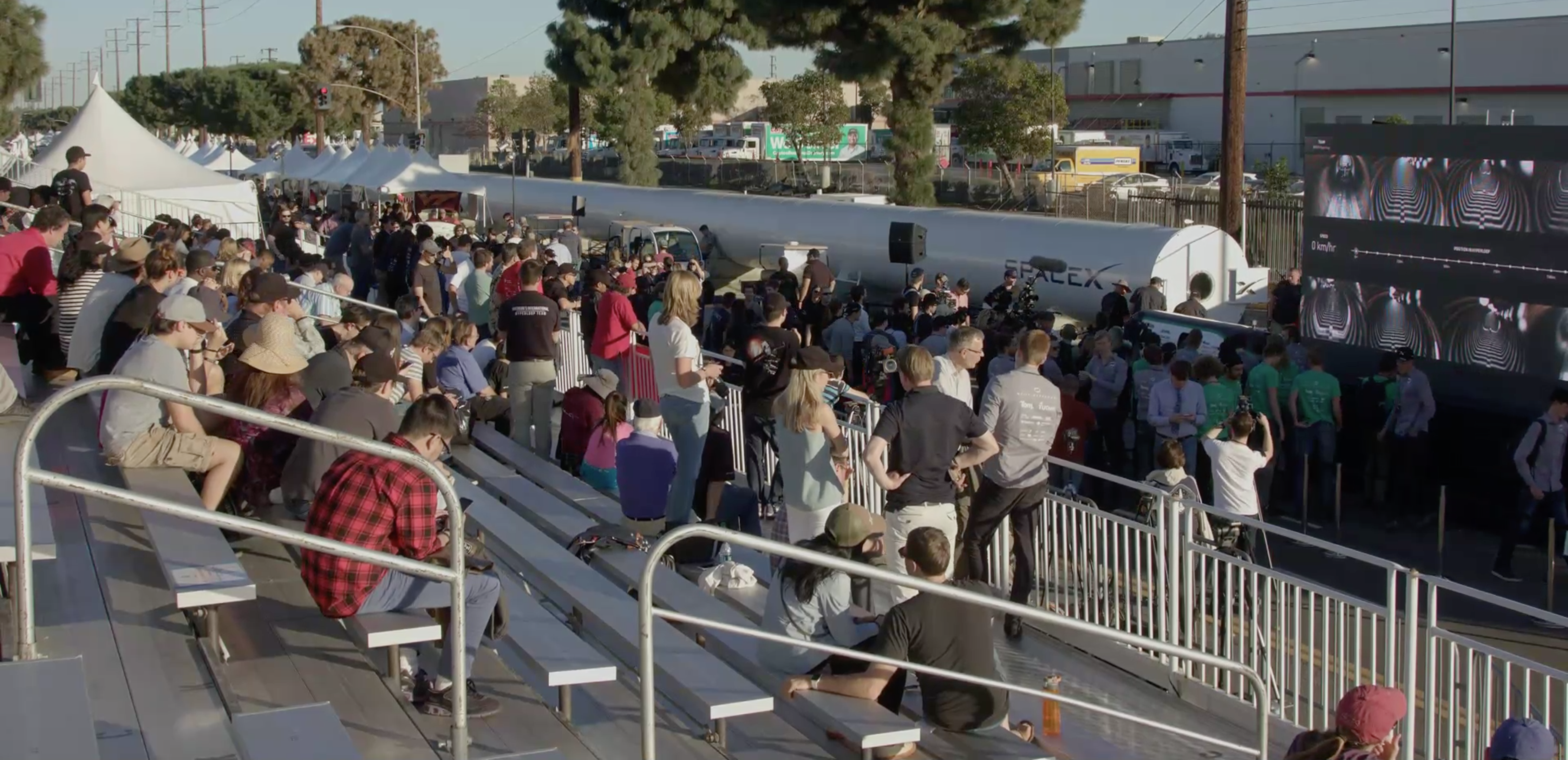
SpaceX held a Hyperloop Pod Competition this weekend at their facility in Hawthorne, CA, and earlier today Elon gave the crowd a short speech talking about transportation innovation, efficiency, and his new “boring” company focused on building tunnels to alleviate traffic, showing that his recent focus on tunnels is probably related to how he sees hyperloop developing as underground, rather than overground, transport.
Pew Research Center has released the most recent results of their yearly survey asking Americans their opinions on energy development. In it, a large majority of Americans – 65% – give priority to developing alternative energy over fossil fuels. Less than half as many – 27% – think that we should be expanding production of oil, coal and natural gas. The number of Americans supporting alternative energy in the survey has been consistently high since Pew started asking this question, and has been increasing since 2013. Expand Expanding Close
At first glance, it seems almost reasonable – revenue from gas taxes is falling because cars across the board are using less (or no) gas; infrastructure spending is sorely needed but is only getting more costly thus squeezing budgets even more; more efficient cars, particularly electric cars, are getting by without paying their “fair share” because even though they use the same roads they don’t pay as much (or at all) to maintain them.
So why shouldn’t those “freeloading” EVs also be forced to pay a road use tax? Well, there are several reasons… Expand Expanding Close
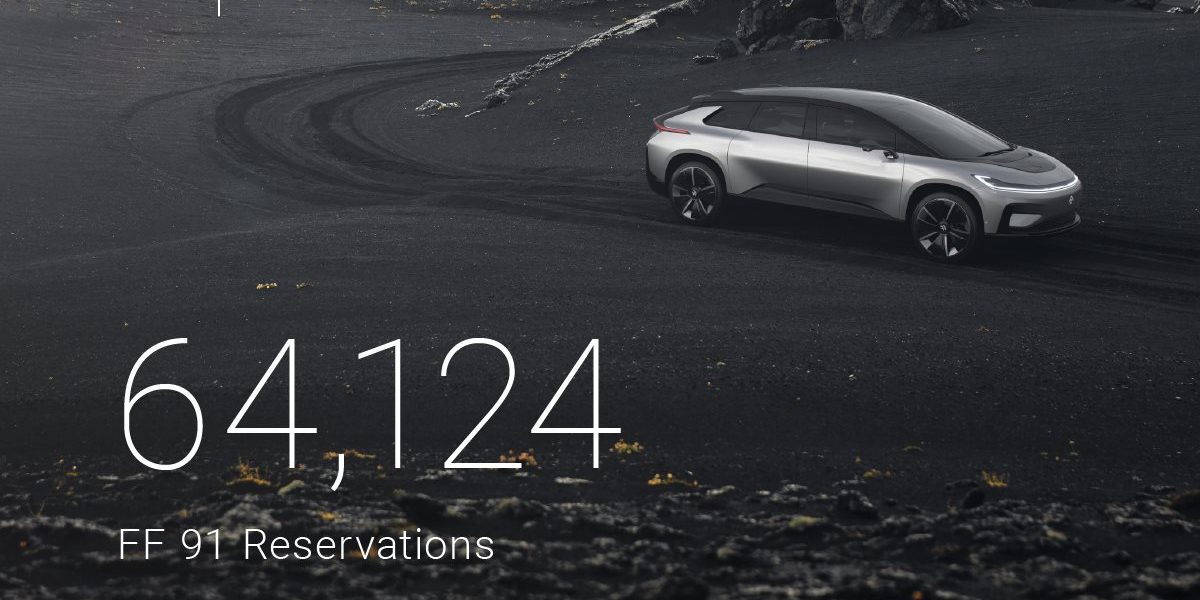
Faraday Future announced their impressive-but-expensive-seeming 2018 production-intent FF 91 concept car two nights ago at CES. You can see our writeup of the reveal here. See how Faraday’s reservation numbers compare against some other EVs below the jump.
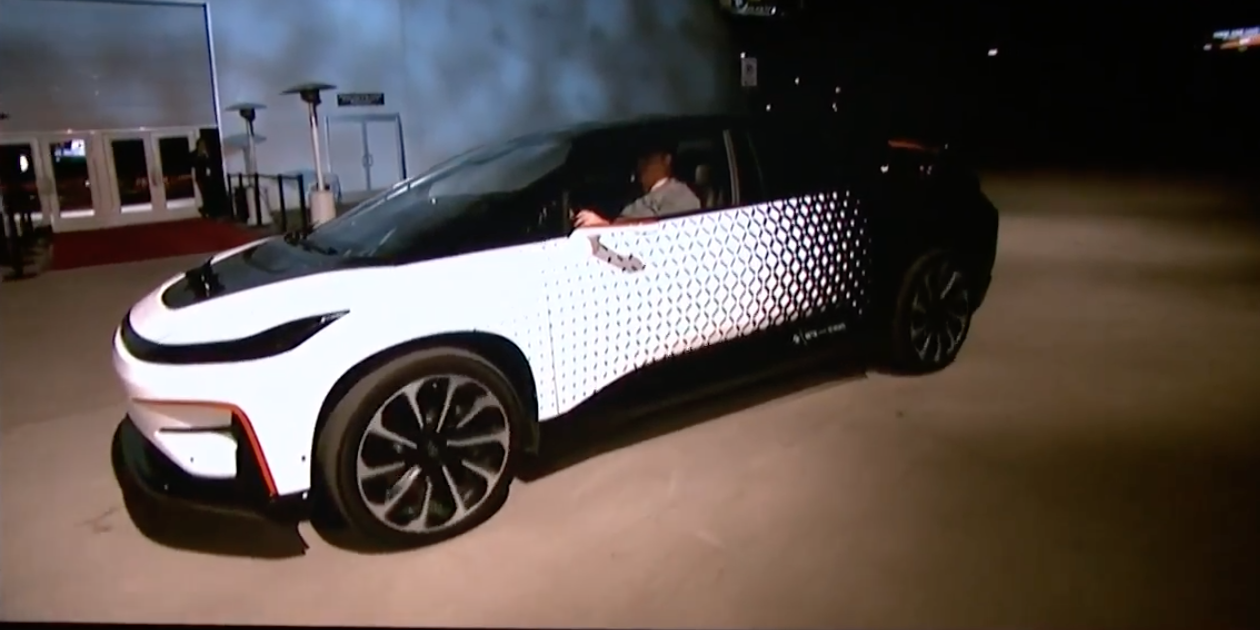
Faraday Future has just finished revealing their first car, the “FF 91”, in a livestreamed demonstration from CES 2017, and boy was the demonstration a doozy.
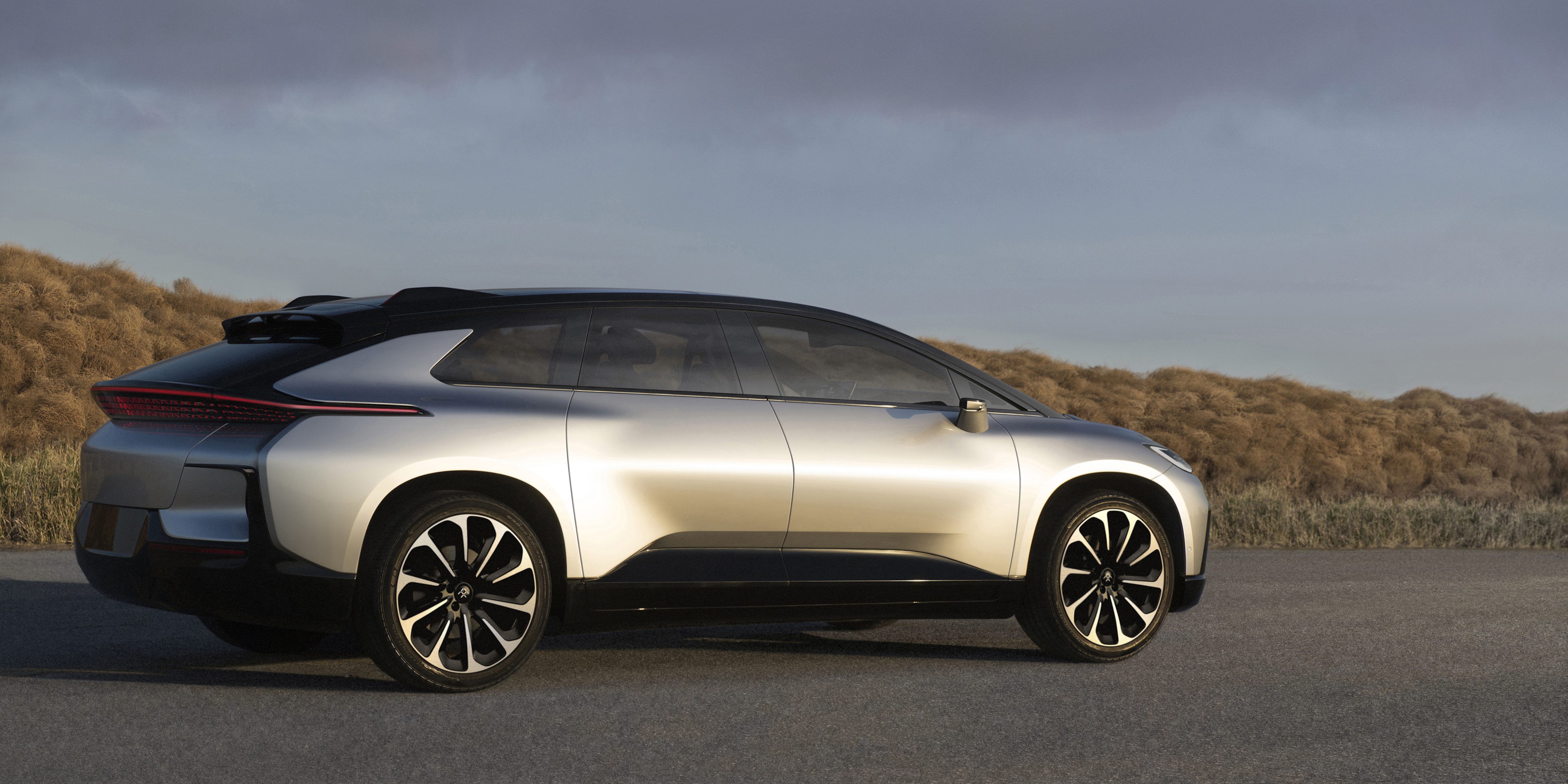
The FF 91’s specs are incredibly impressive. With a 130kWh battery, it will have 1050 horsepower, which Faraday Future claims is the most of any electric car (but actually falls short of the Rimac Concept_One by 38hp) and 378 miles of EPA range. The 200kW DC charging system purportedly charges the car at a rate of 500 miles of range per hour (and a 15kW AC home charging system for 50% charge in 4.5 hours), and the car will include self-driving capability courtesy of a 3D LIDAR system embedded in the center of the hood.
See more about the specs and presentation, and some photos, below the jump. Expand Expanding Close
Faraday Future’s unveiling livestream hasn’t even started yet, and already the link to reserve a car has gone live on their website (edit: post updated with the first image available of the car, from the livestream). The website mentions “priority reservations” which require a fully refundable deposit of $5,000, which then makes you eligible to upgrade your reservation to an “Alliance Edition” spot when that is announced in the spring. Expand Expanding Close
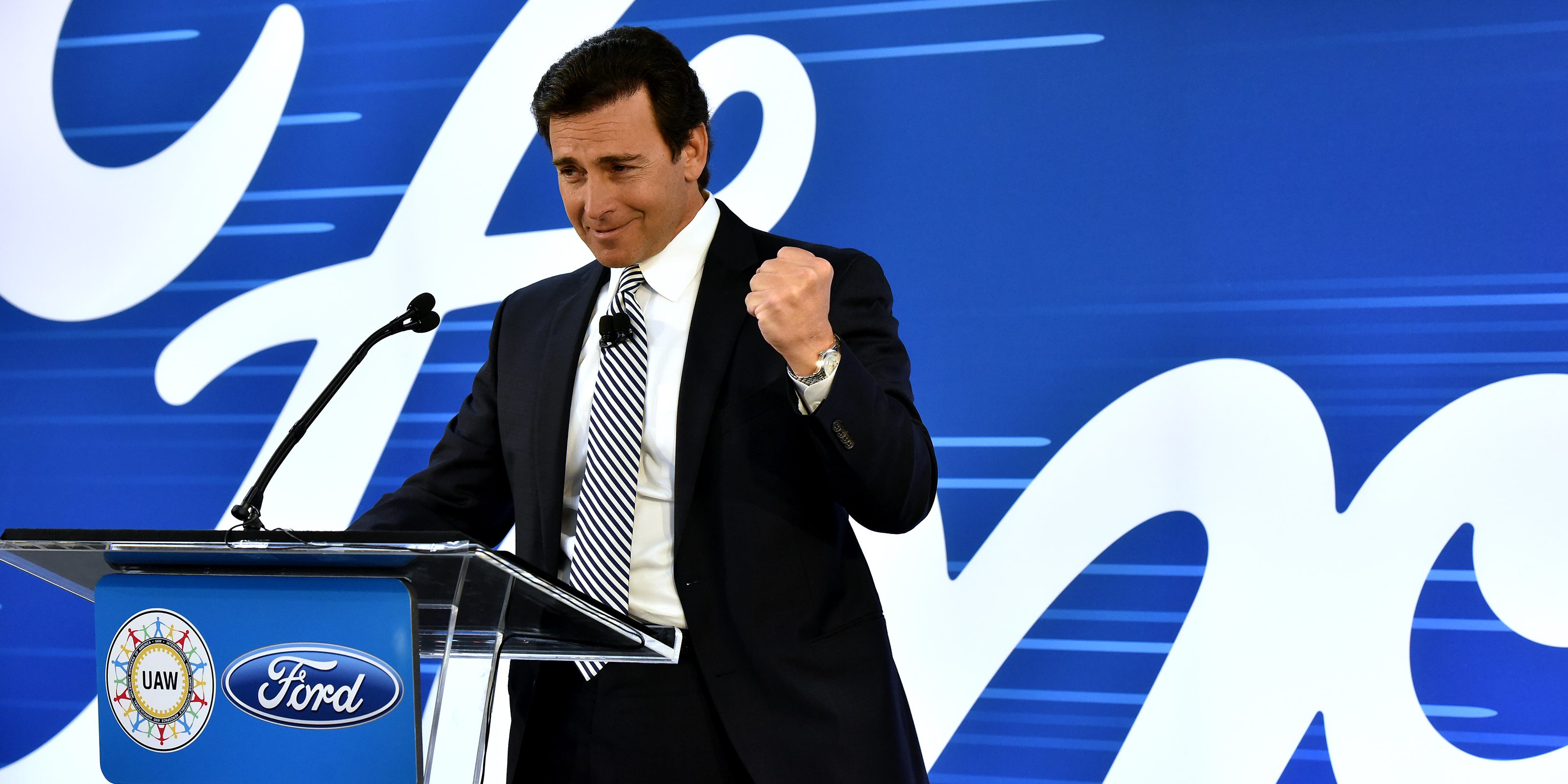
Today Ford announced a big strategic expansion into electric and electrified vehicles, announcing 7 coming “electrified” vehicle models with 6 more to be announced in the near future. Among the announced vehicles are a hybrid Mustang and F-150, a hybrid autonomous rideshare vehicle, a plug-in hybrid Transit, and a fully electric SUV.
These are welcome steps from Ford and signal a pretty significant strategic shift towards “electrified vehicles,” which they see overtaking gas vehicles within 15 years, but I, as usual, think they fall short in terms of aggressiveness. Check beneath the jump for some analysis of today’s announcements.
Tesla has announced their delivery numbers for Q4 and all of 2016. They delivered 22,200 vehicles last quarter, with 12,700 Model S and 9,500 Model X. This leads to a full-year total of 76,230 vehicles, slightly below Tesla’s 80,000 target, but representing a 50.7% increase over last year’s total of 50,580 cars delivered.
Tesla blames short-term production challenges related to the new autopilot hardware for the miss. While they were able to meet their production goal and produced 24,882 cars in Q4, production challenges meant that production was shifted more towards the end of the quarter, which means some produced cars – about 2,750 – could not be delivered before the end of the year. For the last few weeks Tesla was pushing hard to deliver as many cars as possible, but ended the quarter with about 6,450 vehicles in transit to customers.
Tesla states that vehicle demand was particularly strong in Q4, with net orders being 52% higher than last year and 24% higher than in Q3, which was their previous record for orders.
Consumer Reports’ recently released 2016 Owner Satisfaction survey was, as usual, a big win for Tesla. The electric automaker came in as the top brand once again, as they have every year they have been included in the survey.
The Model S also earned the top spot in the car-by-car ratings, with 94% satisfaction. This is down from the 99% and 98% the car earned in its early years, which is understandable as the car reaches a wider audience beyond the most faithful early adopters. The Model X wasn’t too far behind, with 88% satisfaction. See a partial table below the jump.
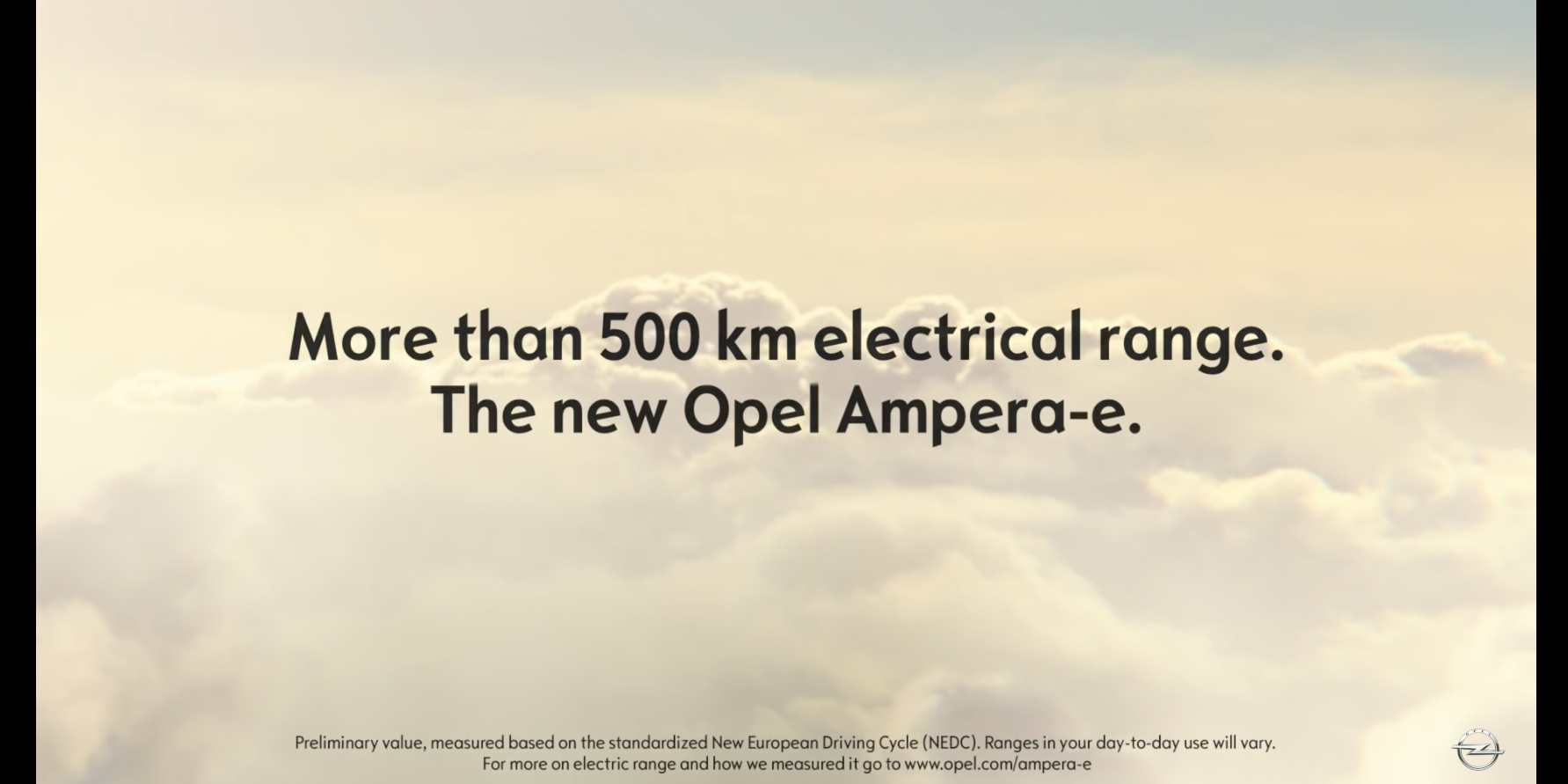
The Chevy Bolt EV is finally about to hit the road, and it seems to be a great car. It’s already winning lots of awards, including Motor Trend’s Car of the Year and the Green Car of the Year award. But GM, via their European subsidiary Opel, is already showing signs of the same tone-deaf sales strategy that has relegated their Volt to second-or-third place in sales behind much more expensive (Model S) or range-limited (Leaf) models.
http://www.youtube.com/watch?v=KY_juEthb-8
Their new ad for the Ampera-e, the European version of the Bolt EV, depicts some cockroaches trying to cross a road in the countryside, thinking that they will be safe because they’ll hear any cars coming and that they’re far enough from the city that they won’t have to worry about a quiet EV sneaking up on them, as no EV has the range to get that far. Then one of the cockroaches is squished by a fast-moving Bolt EV’s tire.
So the idea was to highlight the Bolt’s class-leading range and smooth, quiet operation. But the problem is that, in doing so, they put a negative light on both aspects of the car, rather than a positive one.
Some car enthusiasts worry that EVs represent the death of something in the automotive spirit. Let me try to convince you why that won’t happen.
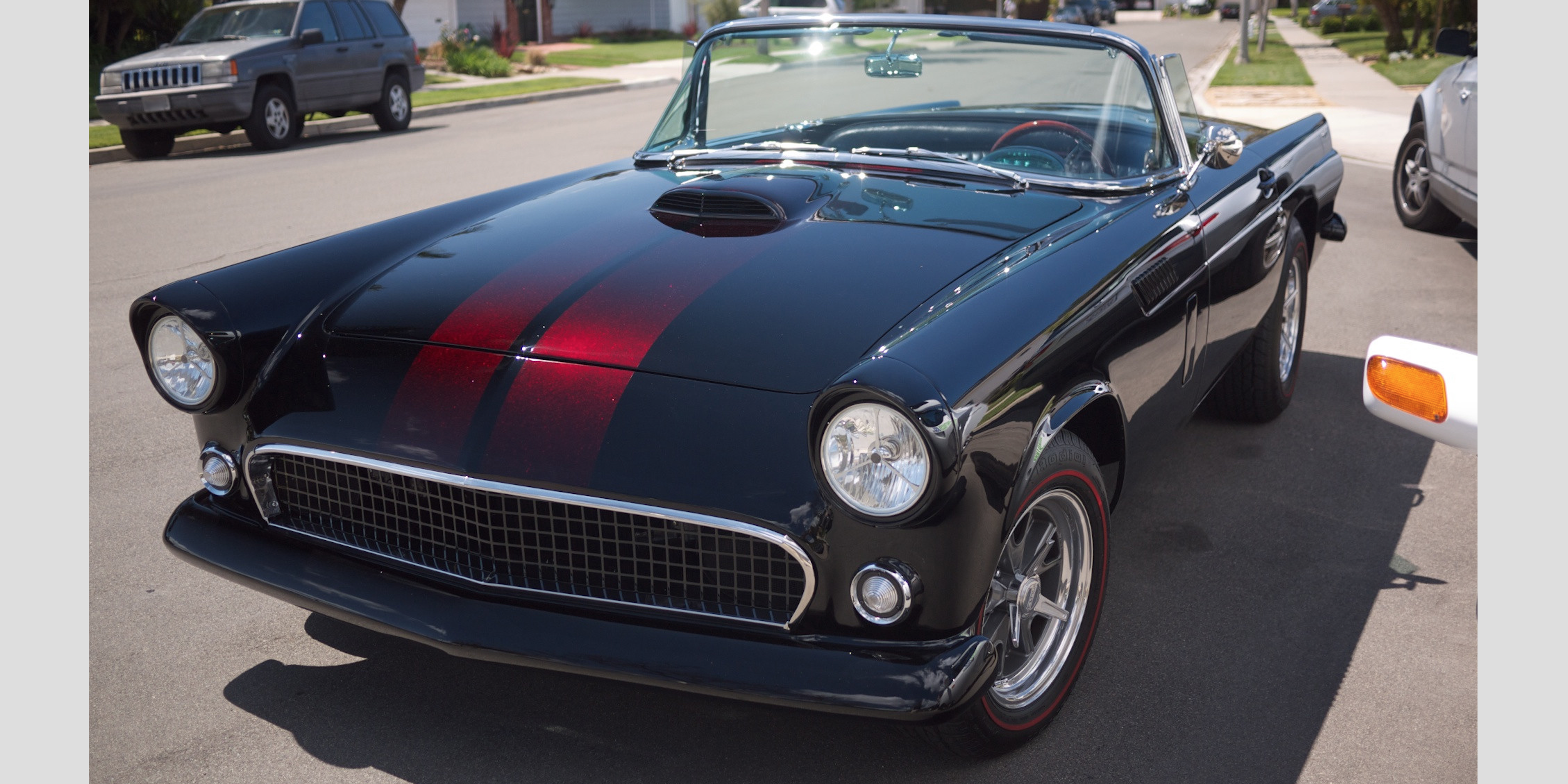
My father is a “car guy.” He has a ’56 Ford Thunderbird which he personally restored and modified himself. It has the original 292 engine – not the 312 from the ’57s – but he bored out the cylinders to make it a 327 and slapped three 2-barrel Stromberg 97 carburetors on it. All the chrome is blacked out, the continental kit is missing (because the rear end was donated from a ’55 after the original ’56 has a rear collision), and it has a bitchin’ paint job with dark maroon ghost racing stripes, which never fail to surprise people and attract comments at the many car shows he attends.
He also had a MINI E – one of about 500 made, the predecessor to the BMW ActiveE that was then the predecessor to the BMW i3. The car was a prototype for a prototype, not ready for primetime, but still a great little car – his favorite car of any he’s ever had. If he could have kept it he would have, but unfortunately the program was lease-only and BMW only wanted to use the car as a pilot program for their “i” division.
Back in 2009-2011, he would take the MINI E to car shows, and encountered a fair amount of skepticism from assorted gearheads, even here in Southern California, the land of EVs. Now in 2016, among his group of six Ferrari, Mercedes and Porsche-owning friends who meet every weekend at the local Cars & Coffee, three of them have Fiat 500Es which they love, and my father has two Model 3 reservations.
What am I getting at with all this? It’s possible to be an old-timey, fume-sniffing, roaring exhaust “car guy” and still appreciate the performance, comfort, convenience, and environmental aspects of electric vehicles.