The Chevrolet Bolt EV

See All Stories
cheapest electric vehicles

Chevy Bolt Range

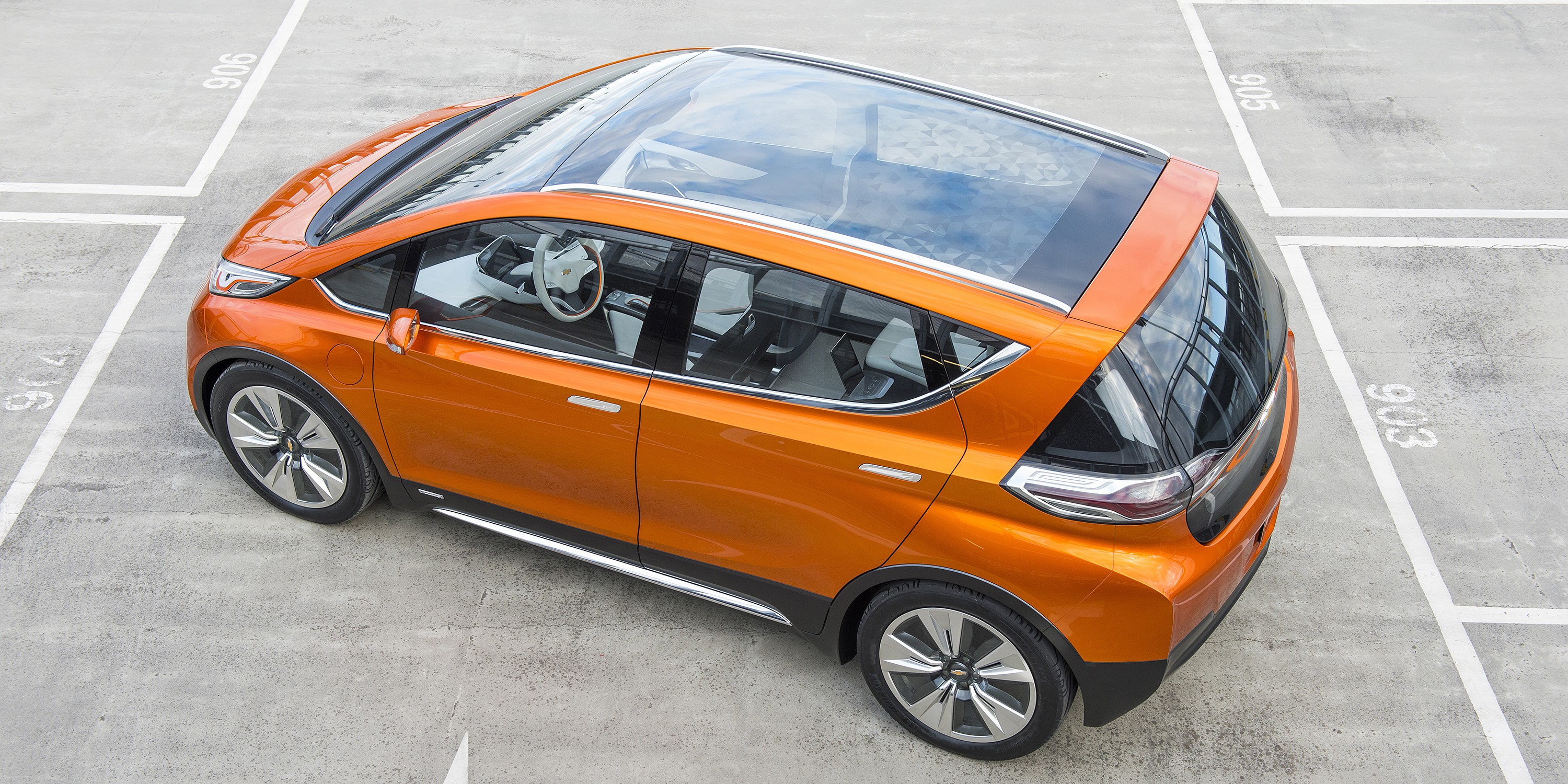
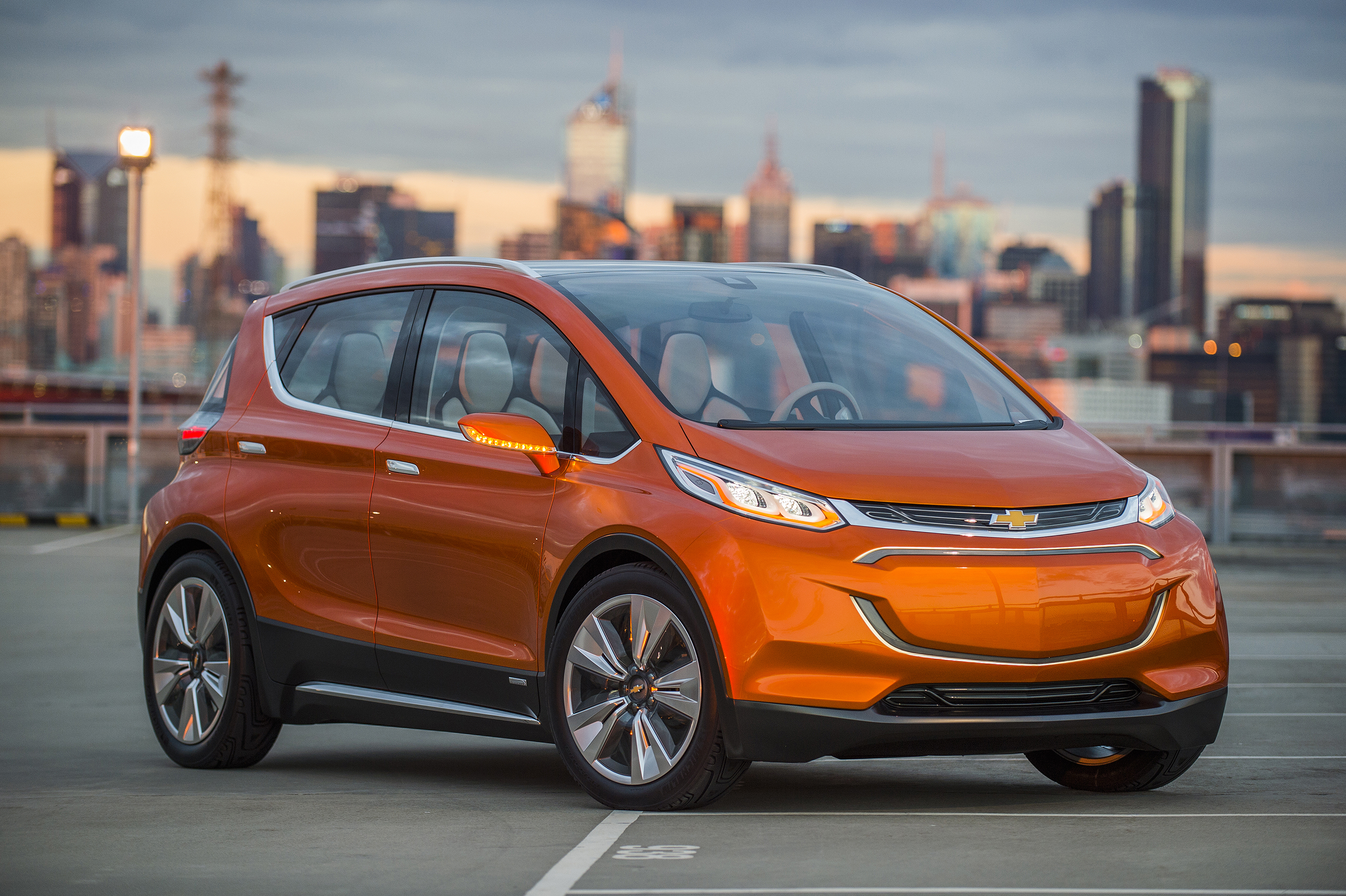
The Chevy Bolt EV is GM’s first long-range all-electric vehicle. It’s a “compact crossover” utility vehicle with 238 miles of range and a starting price of $37,500 before incentives.

GM started producing the Bolt in October 2016, and the vehicle made it to dealerships not long after in markets with ZEV mandates first, like California. The full US rollout was finished by the middle of 2017.

As of 2020, the Bolt has a range of 259 miles. This range is up from up from 238 miles for the 2017–2019 years. This equates to an EPA fuel economy rating of 119 miles per gallon gasoline-equivalent.

Chevy Bolt Price

Currently, Chevy is offering some great purchase incentives.

A recent Chevy bulletin sent to its dealers makes the all-electric Bolt model eligible for about $10,000 in lease incentives. Bolt buyers in San Francisco could get another $1,400 bonus, resulting in a three-year lease for the 2020 Chevy Bolt LT for $169 a month, with $2,219 due at signing.

Find the lowest purchase and lease price here on Electrek.

Chevy Bolt review

Despite its low purchase price, the Chevy Bolt has been struggling with sales. Recent reports show a 29.5% decrease from two years ago. Despite generally positive reviews, it’s clear that EV purchasers are looking for overall value versus just rock-bottom price.

Read our Chevy Bolt EV review here.

Chevy Bolt 2021 release date

In March 2020, GM announced a new Chevy Bolt that is set to be released in 2021. Seth Weintraub was on hand at a recent GM event where it was announced. It’s set to begin rolling out of the factory in late 2020, with most people taking delivery in 2021.

So at first glance, the 2021 Chevy Bolt looks a lot like the current Bolt. Bolt owners will notice significantly updated front fascia and rear lights. There’s also a bigger suite of cameras on the front windshield that will allow for adaptive cruise control (but not Supercruise, which the EUV will offer). Overall, I’m neutral on the new look. It’s certainly sportier, but it still looks like a Bolt. It reminds me of this Cruise Bolt we saw in this PowerPoint a while ago, but not exactly.
As Seth noted, the biggest change with the Bolt will be in the interior.

The seats are so much better. They feature much softer materials, lumbar support, more premium stitching, and electronic controls, at least for the driver. The dashboard is also more high-end, with nicer faux leather-type materials. There’s less neon blue lighting.

The steering wheel is now sportier, with a leveled-off bottom. It feels great. The HVAC buttons are all a lot more premium, and as far as I can tell, less redundant. The screens all got a UI refreshment, but they will be familiar to current Bolt owners.

Chevy now has USB-C ports that I’m told are more powerful than the 5W USB-A ports that it also still features. I was told they can also power laptops and tablets.

The shifter is gone, and there are now RND buttons where the shifter was. In addition, there is a one-pedal driving switch that you can leave on, which I suspect most Bolt owners will do. Currently you have to double tap to put it into “L” mode which is one-pedal driving. The regen paddle is staying as well, behind the steering wheel.

Infotainment gets a big upgrade, with more OTA update functionality.

Read his entire first look for more news. As we learn more information about the car, we will update this guide.

The Bolt is impressive, but now GM needs to prove it’s not a compliance car

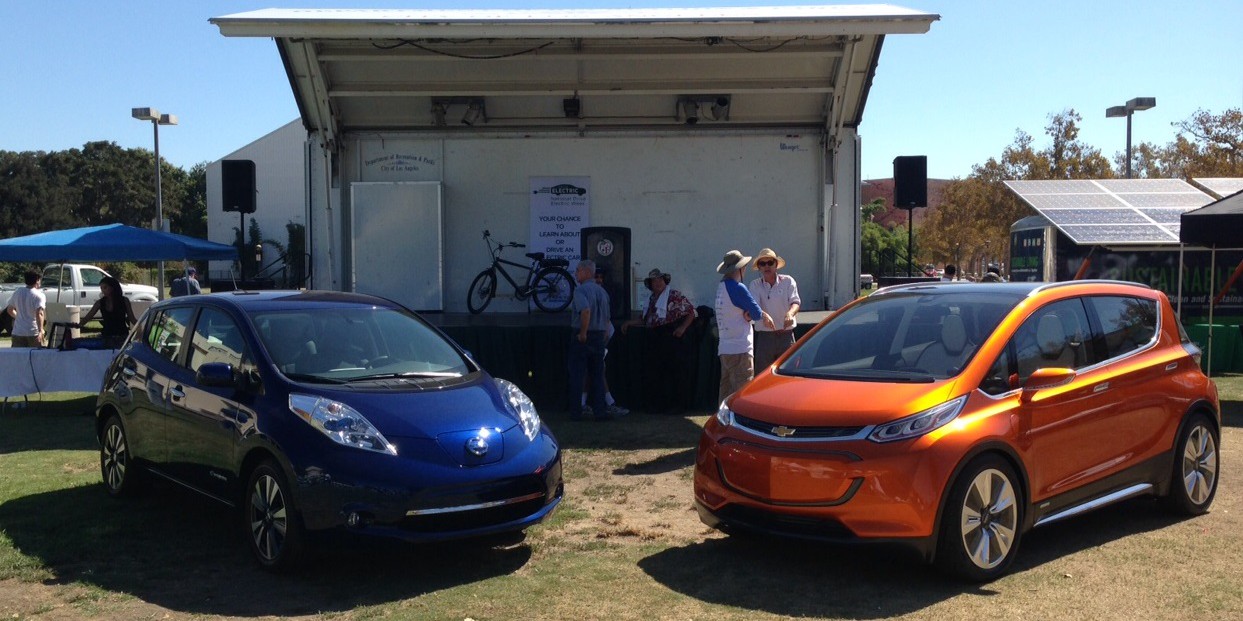
Seth test drove the Bolt at CES last week and left the event quite impressed with GM’s new all-electric car. I don’t think it’s too farfetched to think the Bolt will be a popular car, especially when you consider that it has a MSRP ($37,500) equivalent to a Nissan LEAF, while the Bolt has twice the battery capacity (60 kWh vs 30 kWh) and likely around twice the range (~200 miles vs 107 miles). 
Expand
Expanding
Close

Guide to the electric vehicle events at CES 2016

We are kicking off the new year at Electrek with extensive coverage of everything electric vehicle related at CES in Las Vegas this week.

There might be a few surprises, but we made a quick list of the main events, especially the new electric cars debuting at the show, so you can have a good idea of what’s coming in the EV industry in the next few days:
Expand
Expanding
Close

Right a wrong: GM could release the Bolt on the 20th anniversary of the first EV1 deliveries

This weekend was the 19th anniversary of the first deliveries of GM’s all-electric EV1. With GM planning to release the Chevy Bolt in “late-2016”, it would coincide with the 20th anniversary of the EV1 launch. Although it’s doubtful the company will try to associate both releases considering GM is trying distance the Bolt from the image of a compliance car, it is nonetheless an interesting coincidence. 
Expand
Expanding
Close

First pictures of the production version 2017 Chevy Bolt

The first spy shots of the production version of the 2017 all-electric Chevy Bolt were released today via SpiedBilde and Autoblog. First impression is that the production version is quite significantly different from the concept car (as usual) unveiled at the Detroit Auto Show earlier this year. It seems to take more design queues from the Volt.
Expand
Expanding
Close

GM commits to 50 states availability of the Chevy Bolt at launch

Since the unveiling of the Chevy Bolt at the 2015 Detroit Auto Show, there’s been some scepticism about the planned nationwide availability of the all-electric vehicle, presumably due to GM’s track record of producing compliance cars when it comes to electric vehicles. The Chevrolet Spark EV is primarily available in CARB states in order to comply to regulations and the company recently confirmed that the 2016 version of the Volt will also only be offered in CARB states.

But GM says it will not be the case for the Bolt and the company recently reaffirmed its intention to launch the all-electric vehicle in all 50 states.
Expand
Expanding
Close

LG says it is accelerating battery production at the Holland plant, takes a swipe at Tesla

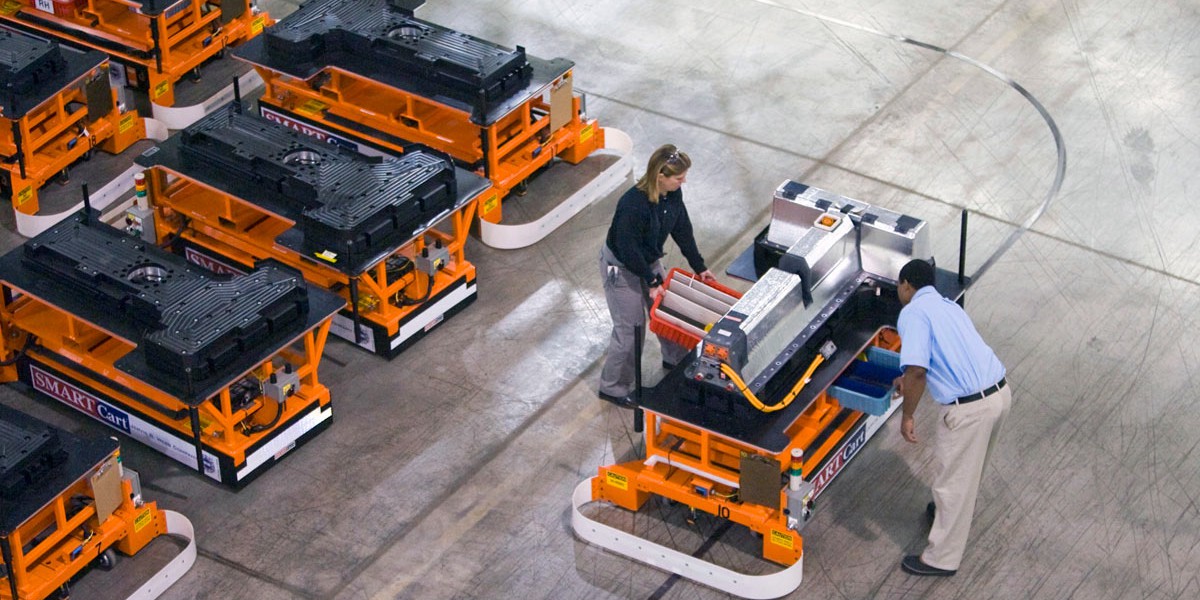
Following yesterday’s announcement that GM is expanding its partnership with LG and will source a significant percentage of the parts for the Chevy Bolt from the electronic giant, LG is now announcing that it is accelerating battery production at the Holland plant in Michigan.

In a press release for the announcement, LG Chem Michigan President Nick Kassanos takes a swipe at Tesla, or at least at the media attention the company has been receiving for its own battery factory project: the Gigafactory.
Expand
Expanding
Close

Forget the Chevy Bolt, it will be the LG Bolt – LG will make most of GM’s upcoming EV drivetrain

General Motors held a press conference today to update the media on its partnership with LG and their supply relationship for the upcoming Chevy Bolt. GM confirmed that the Korea-based electronic giant will make most of the components that make the Bolt an electric vehicle including the battery pack, the electric motor and the power electronics.
Expand
Expanding
Close

Opinion: The Chevy Bolt is not a “Tesla killer”

Site default logo image

I want to start by saying that I think the Bolt is a great initiative from GM and I am glad to see this major car manufacturer committing more seriously to pure electric vehicles. This article is not a hit piece on the Bolt, but rather a critic of the reporting around the vehicle. Recently some media have been implying that the Bolt might be a “Tesla killer” or more precisely that it is going after Tesla’s third generation vehicle currently in development, the Model 3. These claims are unfounded and derive from this bad habit of seeing all electric vehicles as one big car category.

No one in their right mind would see the Mercedes S-Class as a competitor to the Nissan Versa, for the same reasons, the Nissan Leaf is not meant to compete with the Tesla Model S. In both cases, one is a large luxury sedan and the other is a compact five-door hatchback. They don’t address the same markets regardless of both having drivetrains fueled by gasoline, in the cases of the Versa and the S-Class, and electricity for the Leaf and the Model S.
Expand
Expanding
Close