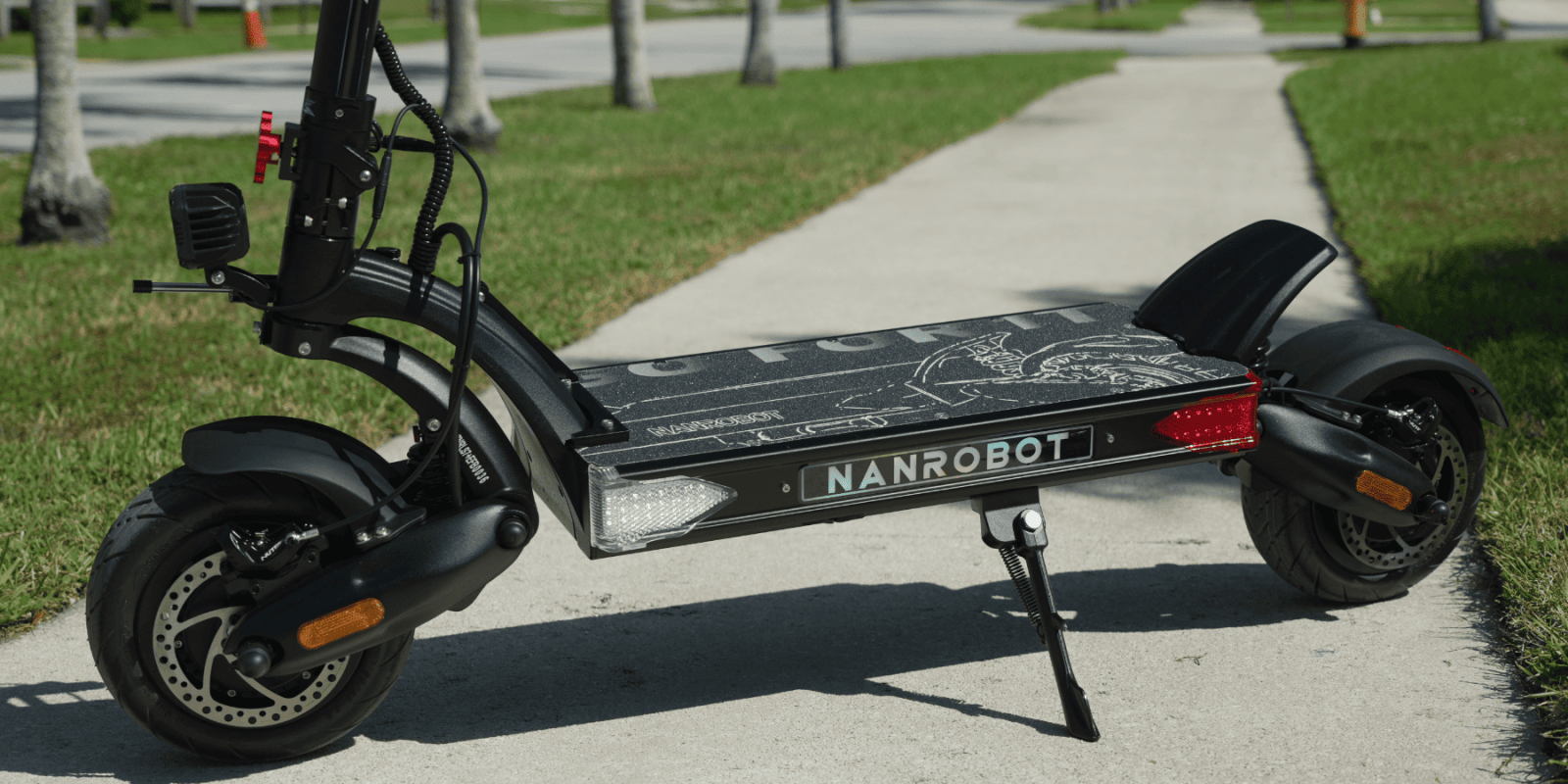
There are electric scooters, there are fast electric scooters, and then there are machines like the Nanrobot LS7+ that make you wonder whether we’ve stretched the definition of “scooter” about as far as it can possibly go.
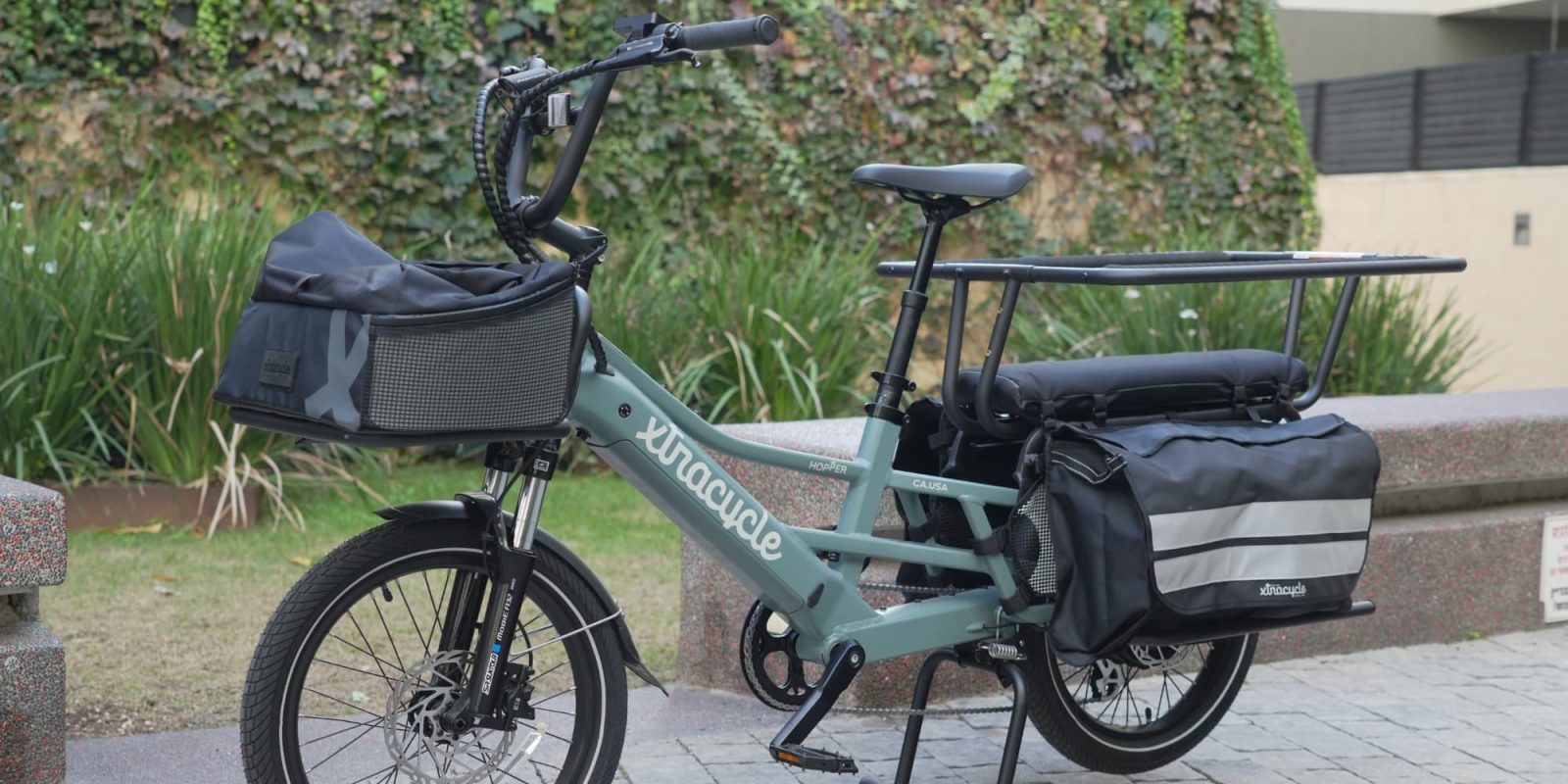
I’ve been working in the electric bike industry for nearly two decades, and publicly reviewing e-bikes for around half of that. I used to say I’ve touched hundreds of e-bikes, but now that I’ve lost count, I wouldn’t be surprised to find I need to add a digit to that. With so many saddles that I have to sit on, I get to ride a lot of e-bikes for a few weeks, but I rarely get to spend months on any one bike. So when I finished my one-month review of the Xtracycle Hopper electric cargo bike and had a unique opportunity for a longer-term project, I jumped on it.
My best friend and his wife have a couple of kids and are a bike-friendly family, so I made him an offer: take this bike and ride it as much as you guys can. Now, having just hit 1,000 km (620 miles) on the thing, he’s back to share his experiences with me. And by extension, with you all.
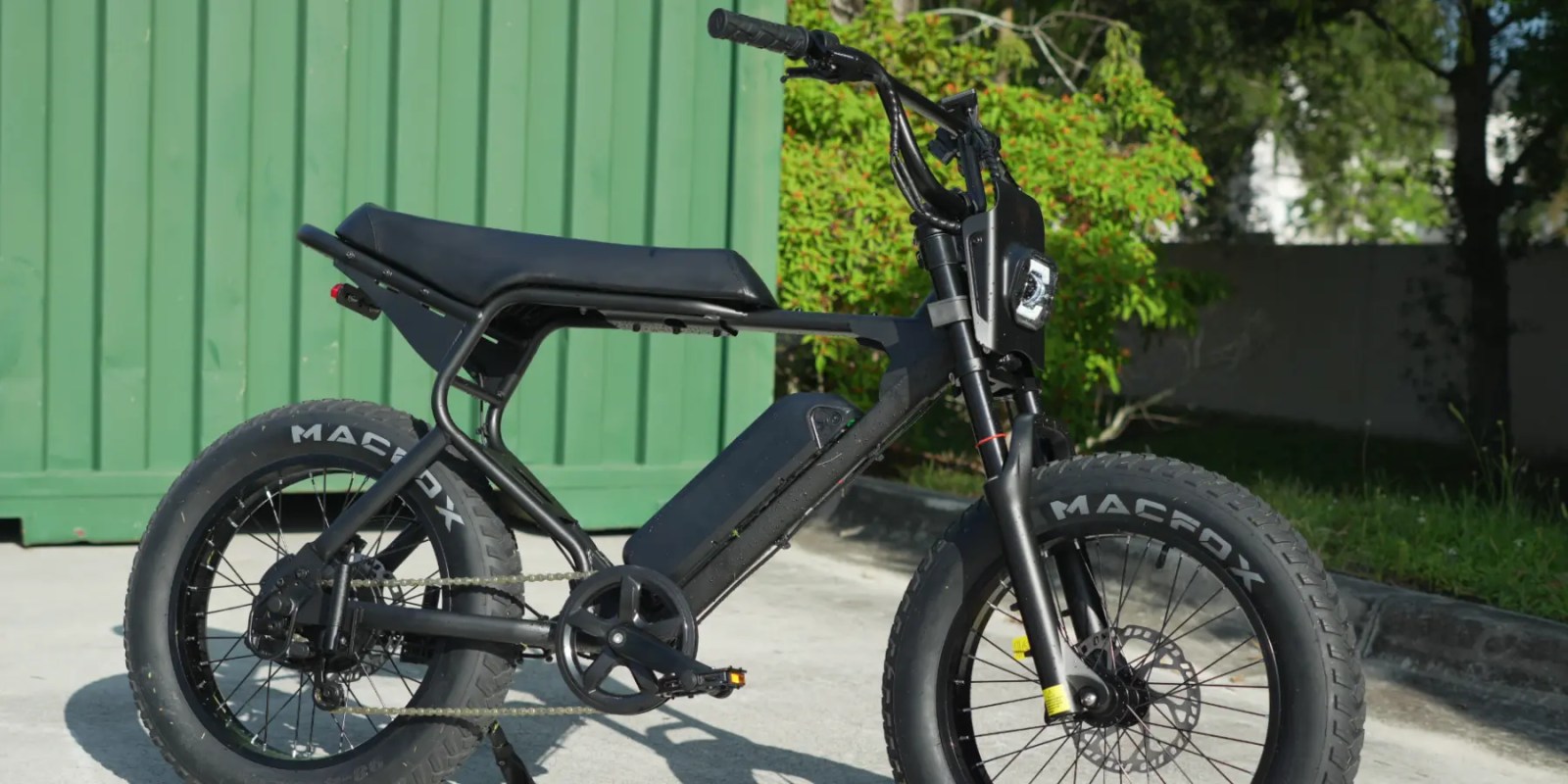
There’s a fairly wide spectrum of moped-style electric bikes these days. Some are essentially conventional e-bikes wearing motorcycle-inspired designs, while others lean so heavily into the mini-moto experience that the pedals start to feel like little more than a legal technicality.
The Macfox X1S definitely falls closer to that second group.
One of the most common questions I get from readers isn’t just about speed or range anymore. Increasingly, I’m hearing more questions about battery safety.
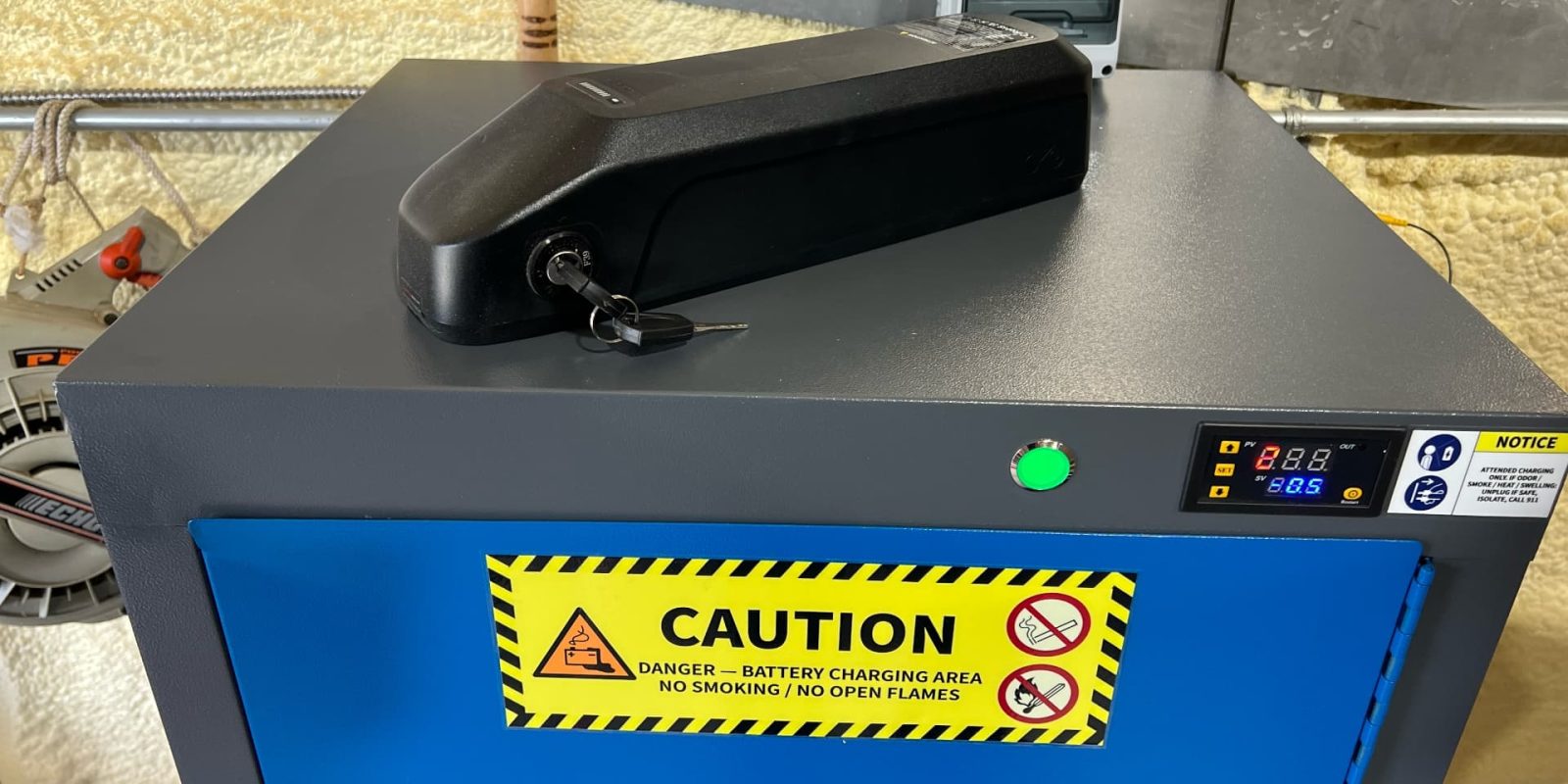
People see the occasional viral video of an e-bike battery fire and wonder if they should be worried about charging their battery in the garage, apartment, or workshop. The reality is that quality lithium-ion batteries from reputable manufacturers are remarkably safe, but when failures do occur, they can be dramatic enough that many riders want an extra layer of protection.
That’s where products like Yolin’s lithium-ion battery charging cabinet come in. I recently spent some time testing the cabinet, and while I admittedly wasn’t sure what to expect going in, I came away more impressed than I anticipated.
Electric scooters have long demonstrated an interesting dichotomy. On one end of the spectrum, you’ve got cheap commuter scooters that feel like they’re one pothole away from shaking themselves apart. On the other end are increasingly large, dual-motor monsters that weigh 80 or 100 pounds (45 kg) and blur the line between scooter and motorcycle.
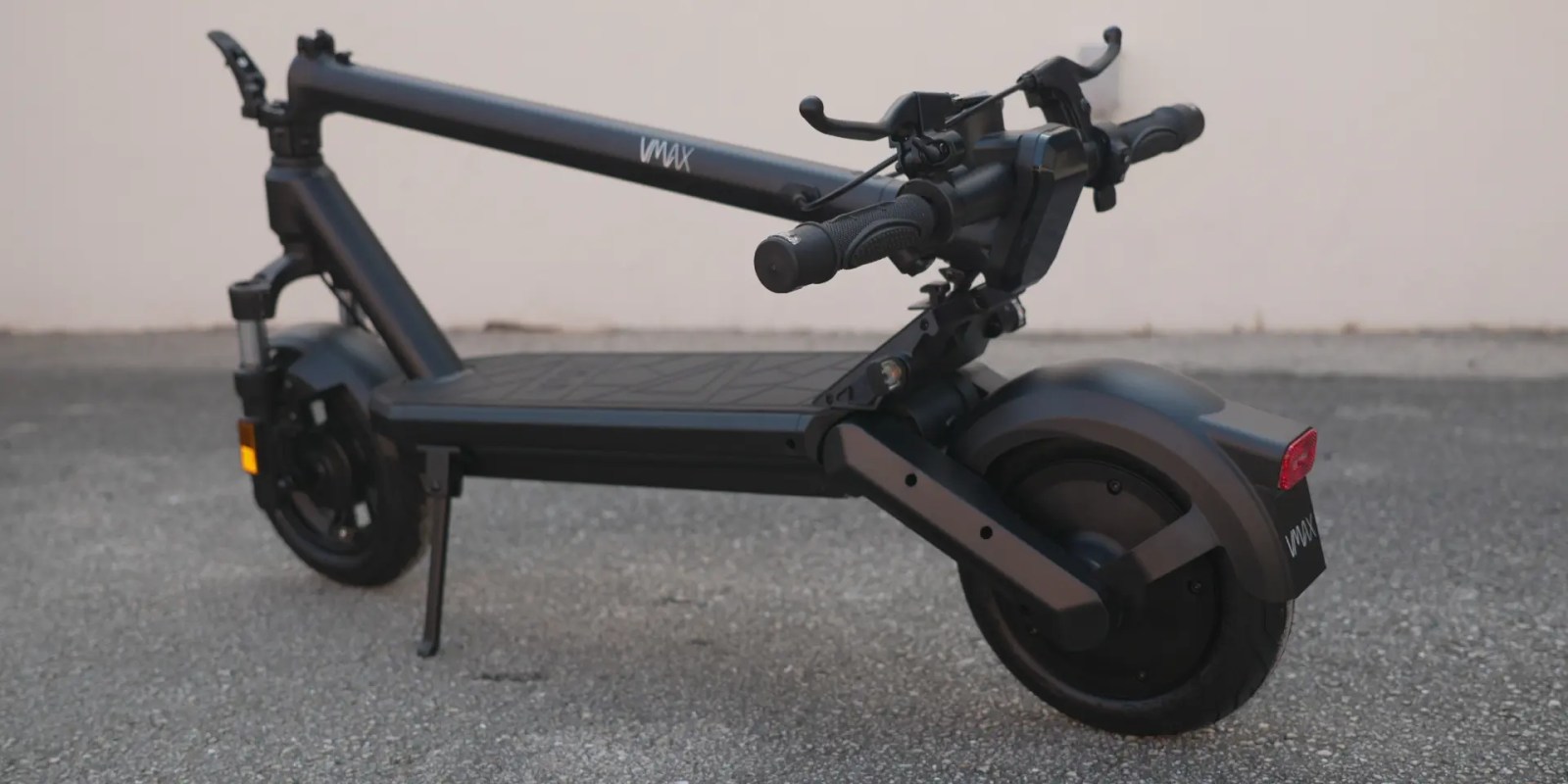
The VMAX VX2 Lite aims for the sweet spot in the middle. It promises a genuine full-suspension ride, respectable 25 mph (40 km/h) performance, and up to 56 miles (90 km) of claimed range without turning into something you dread carrying up a flight of stairs. After spending time riding the long-range version, I think VMAX got surprisingly close to that goal.
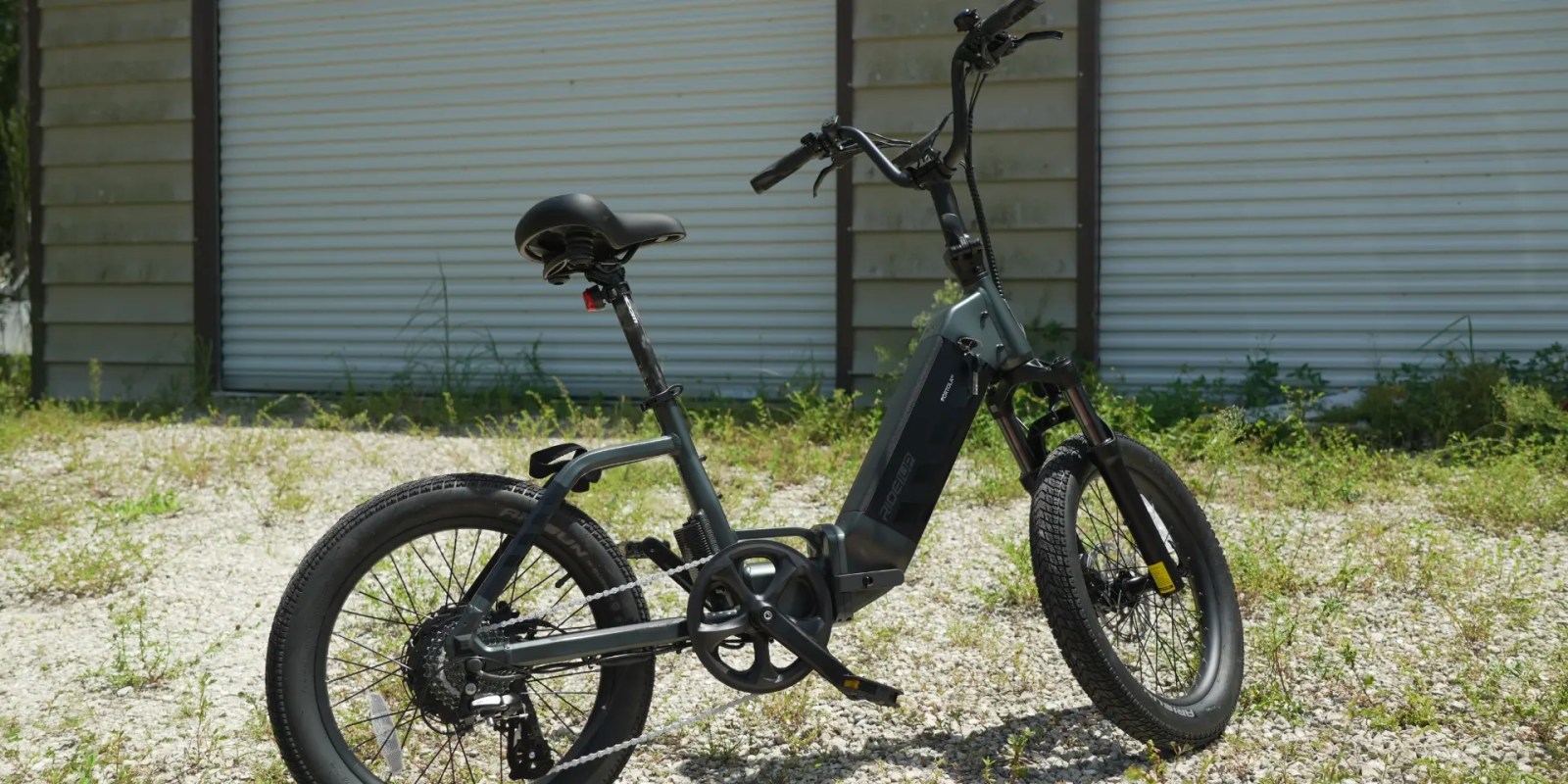
Ride1Up’s Portola has been one of those e-bikes that make a lot of sense on paper: a compact folding design, useful cargo capability, and the kind of pricing that helped Ride1Up build its reputation for high-value e-bikes in the first place.
Fat tire e-bikes have become synonymous with rugged adventure. Browse the category and you’d think every 20-inch fat tire bike is destined for sandy beaches, forest trails, or rocky singletrack. In reality, though, most of them spend their lives on city streets, bike paths, and neighborhood roads.
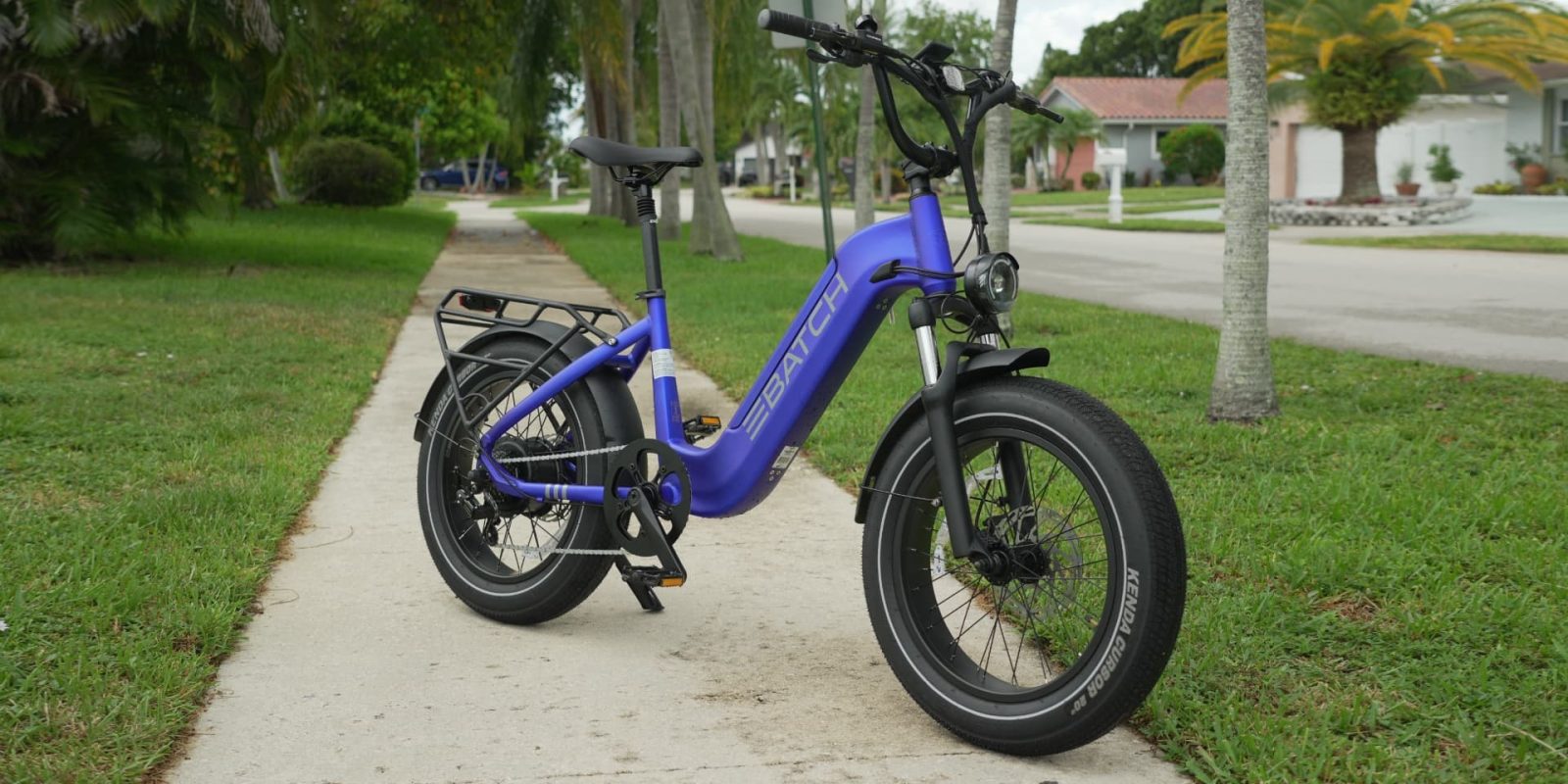
That’s what makes the Batch Bicycles eFT.3 refreshing. Instead of pretending to be an off-road machine, it embraces what many riders are actually looking for: a comfortable, practical commuter that happens to ride on fat tires.
One of the easiest ways to get my attention is to slap the word “premium” on an affordable e-bike. Sometimes it’s justified. Other times it’s… aspirational.
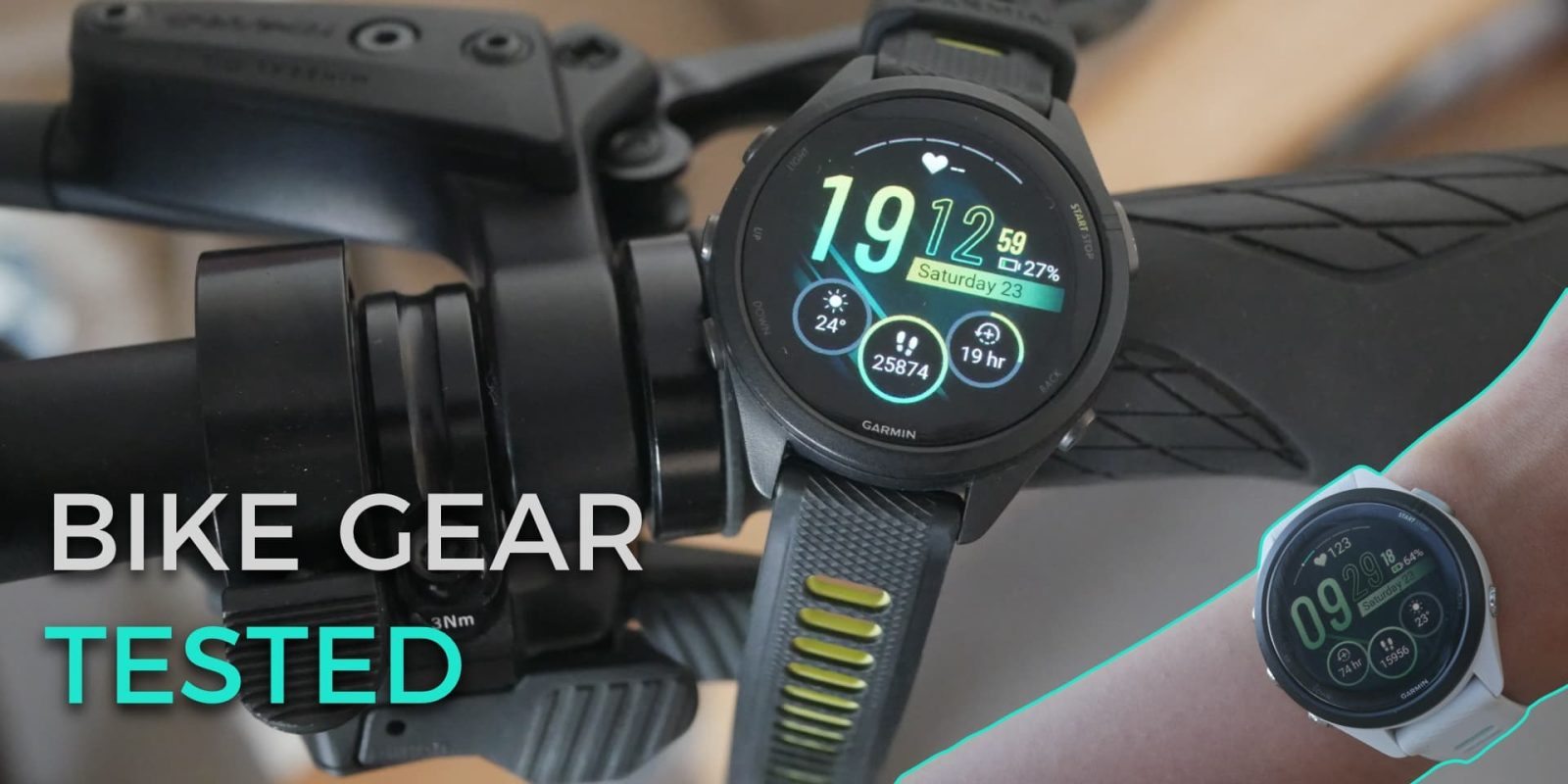
I’m not usually the kind of person who gets excited about wearing a watch. But I am apparently the kind of person who paces around my living room at a quarter to midnight because a tiny computer on my wrist informed me I was 200 steps short of today’s goal.
So here we are, with the story of how I got a Garmin watch to better analyze my bike riding (and my running), and ended up learning to love that cute little bully that now lives on my wrist.
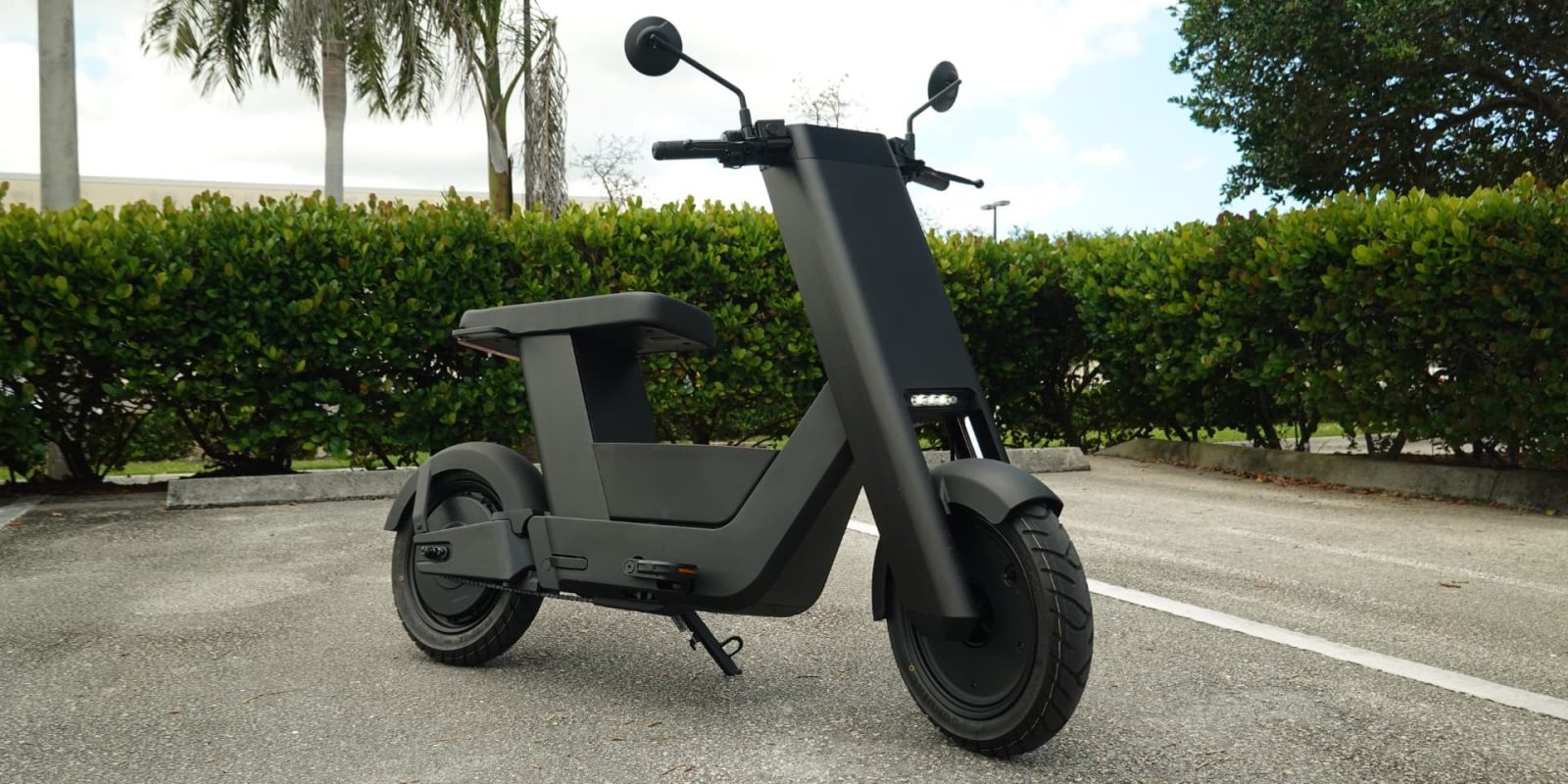
Every now and then, a company launches something that doesn’t fit neatly into any existing category. Not because it’s obscenely powerful or flaunts conventional safety, but just because it doesn’t fit the mold that we’ve grown accustomed to. That’s exactly what the Infinite Machine Olto is.
Call it an e-bike, call it an electric moped, call it a scooter with pedals – everyone is going to have a different opinion. But after spending several weeks riding the Olto around town, I can confidently say one thing: it’s unlike anything else currently on the market.
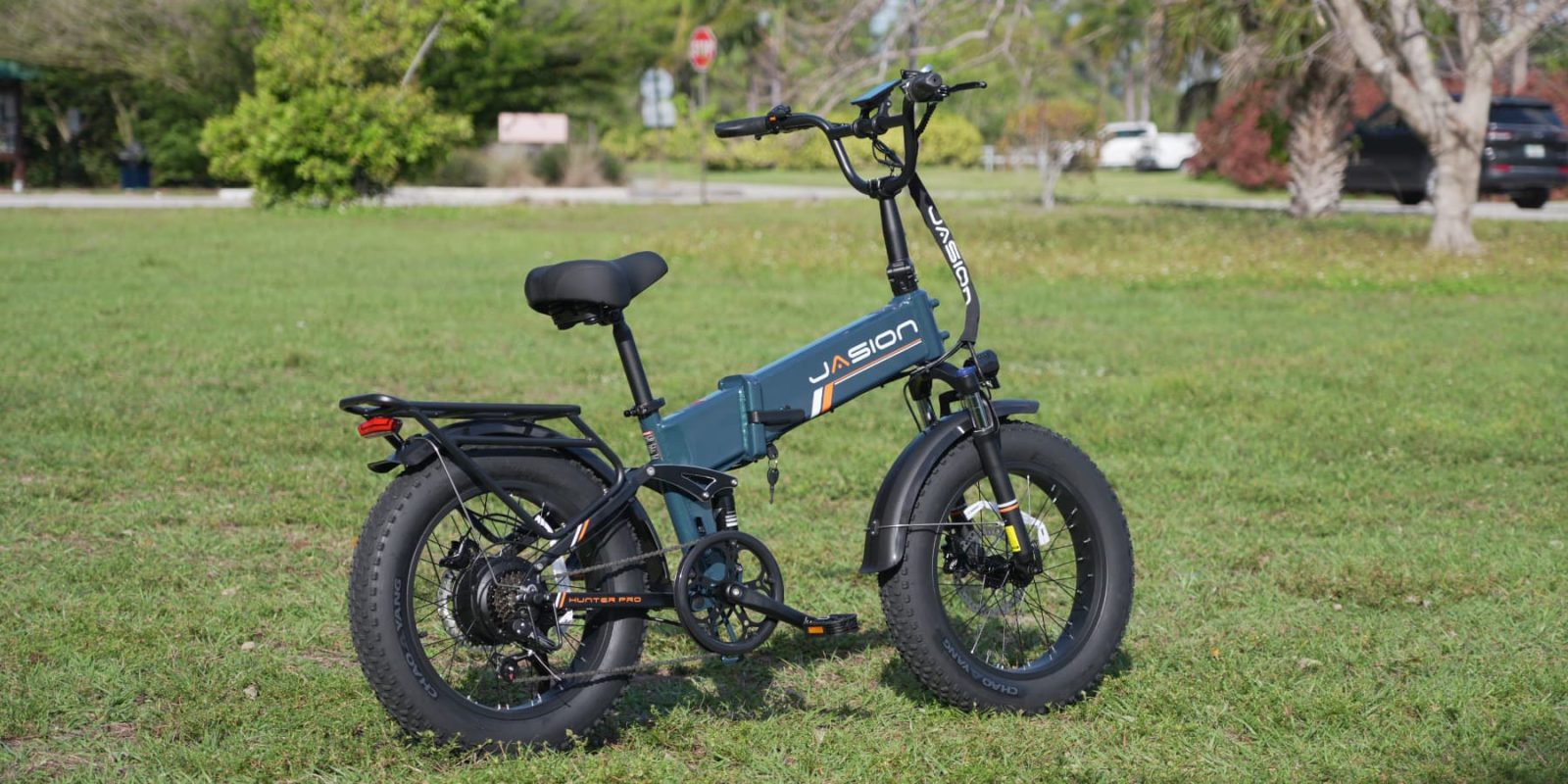
For some companies, the budget e-bike market has become a race to cram as many headline-worthy specs as possible into a bike without crossing the psychologically important $1,000 mark. Bigger motors, bigger batteries, higher speeds, full suspension – they’re all showing up on bikes that would have sounded impossible at this price just a few years ago.
The new Jasion Hunter Pro is the latest entrant into that category, promising an 1,800W peak motor, a 720 Wh battery, hydraulic brakes, full suspension, folding frame, and Class 3 speeds, all for just $999.
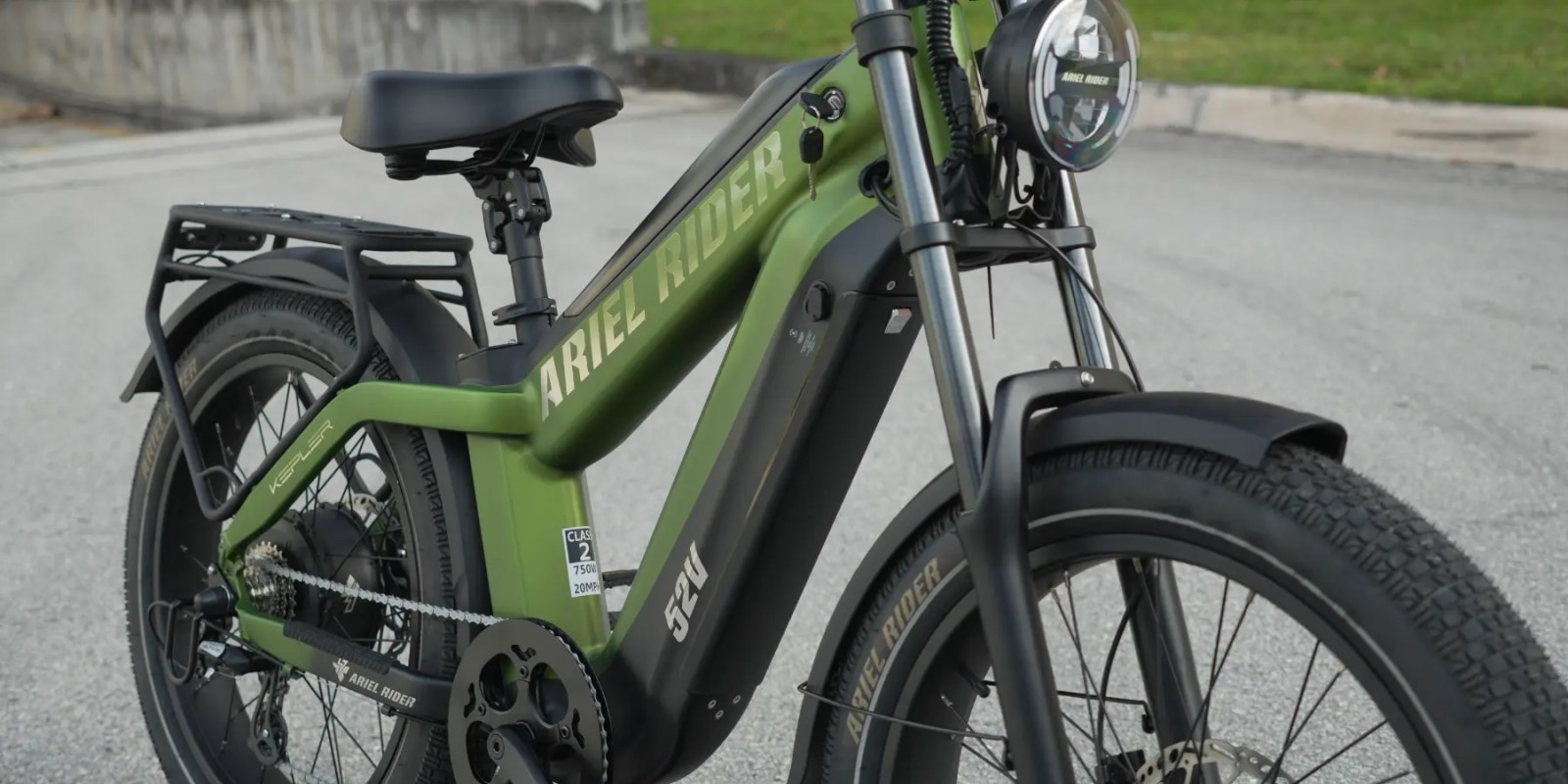
Ten years ago, if you had told me that I’d be riding what I would soon call an “excellent commuter e-bike” despite it weighing 118 pounds (53.5 kg) and rolling on 24×4.0-inch fat tires, I probably would have laughed. Today, though, I’m not so sure.
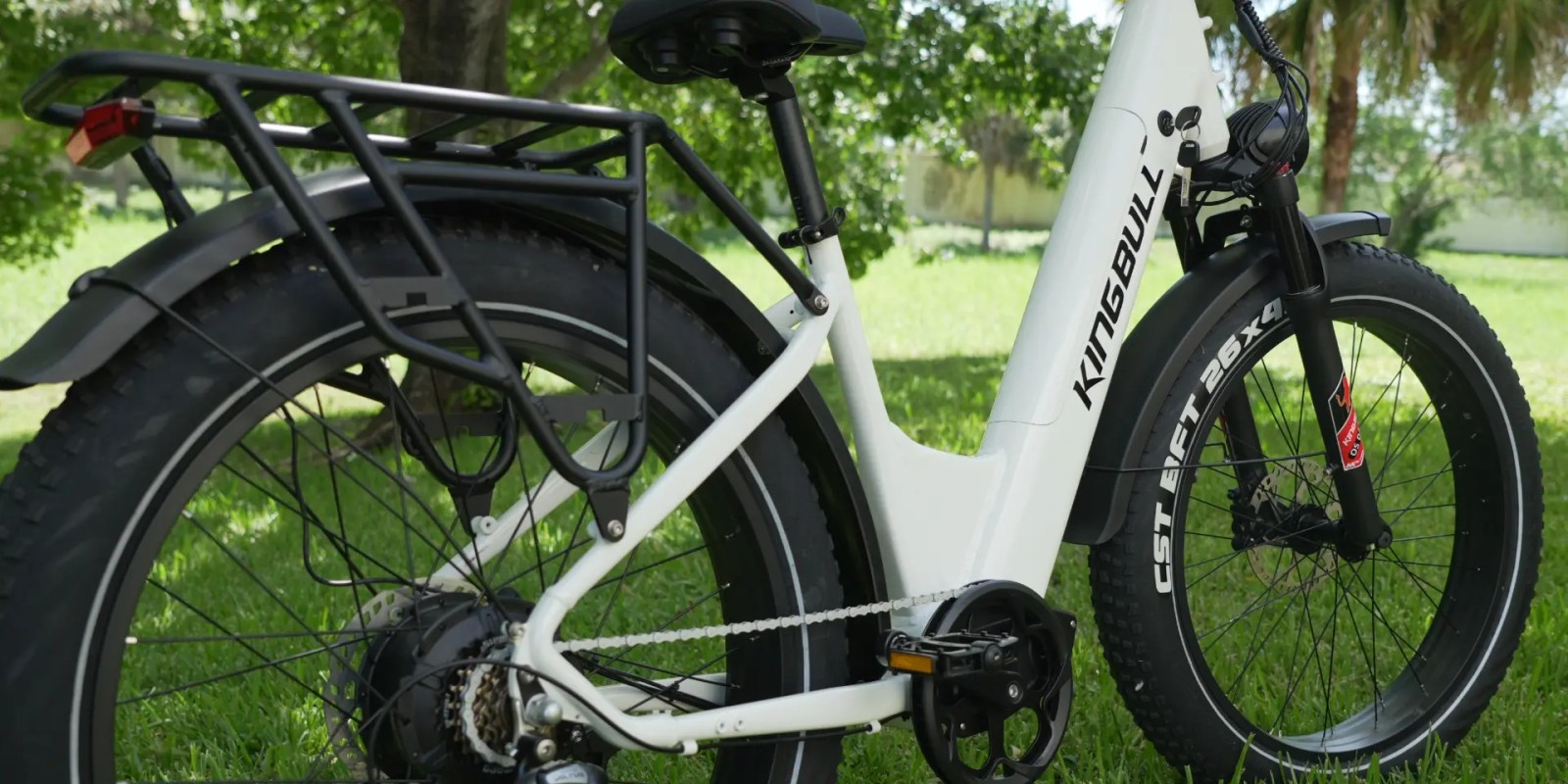
The Ariel Rider Kepler occupies a category that doesn’t really exist on paper but makes a lot of sense in the real world: the fat tire commuter. Plenty of riders buy adventure-style e-bikes and end up using them almost exclusively for city riding anyway, enjoying the comfortable fat tires, upright riding position, and confidence-inspiring handling. Ariel Rider seems to have looked at that trend and decided to lean into it instead of fighting it.
I love listening to music, podcasts, and audiobooks when I’m riding my e-bikes. Depending on the type of ride I’m doing, I’ve got an affinity for all of them. But I also love not getting hit by a car. And those two goals don’t always work well together.
Traditional earbuds and headphones can be great for audio quality, but they also have a nasty habit of disconnecting you from the world around you. On an e-bike, situational awareness is a key part of staying safe. Hearing a car approaching, a cyclist calling out a pass, or a pedestrian running into your path can make a real difference.
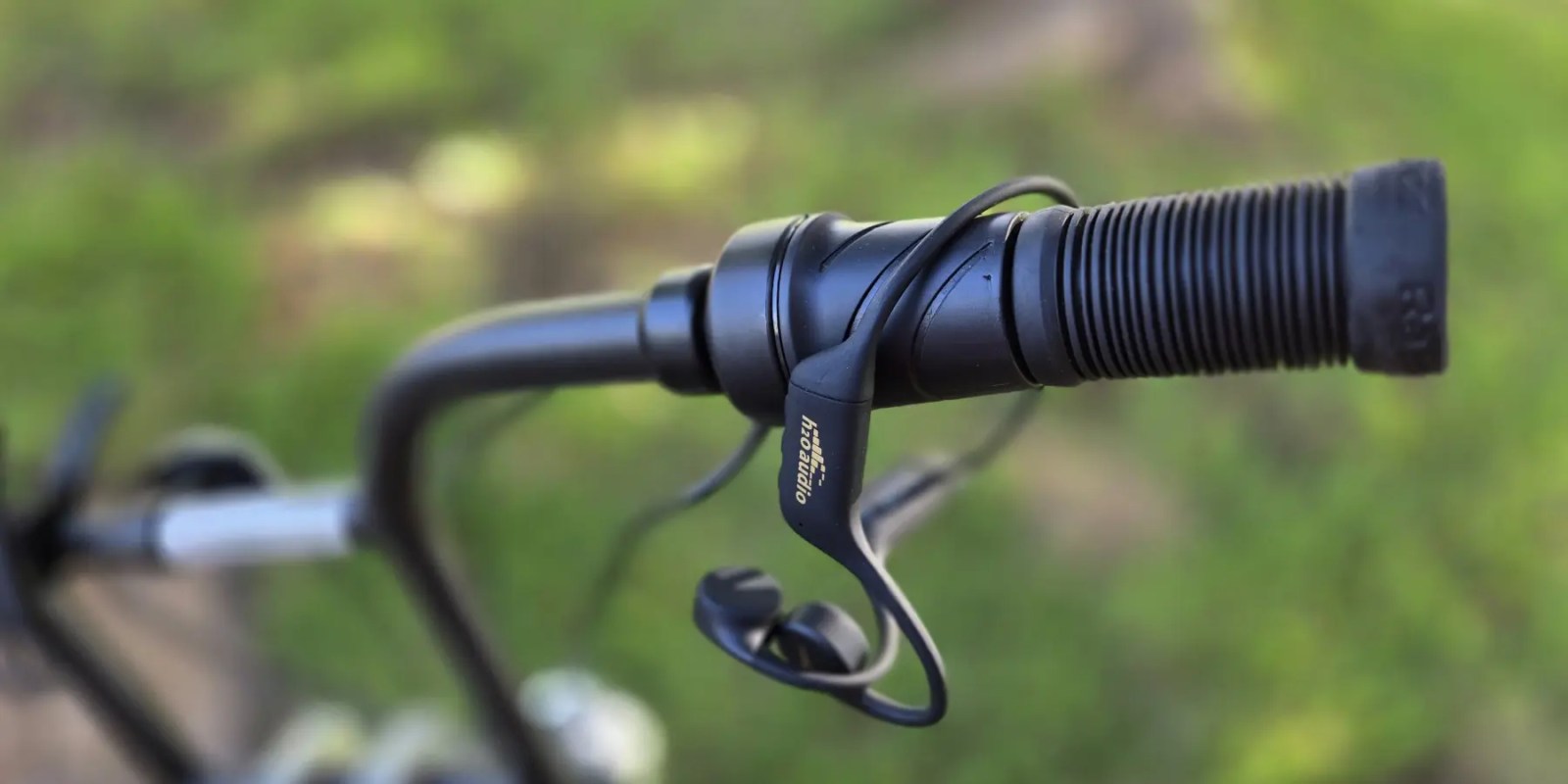
That’s why I’ve become such a fan of bone conduction headphones, and after spending time with the TRI 2 Pro Multi-Sport with Playlist+ headphones from H2O Audio, I think I’ve found my favorite pair yet.
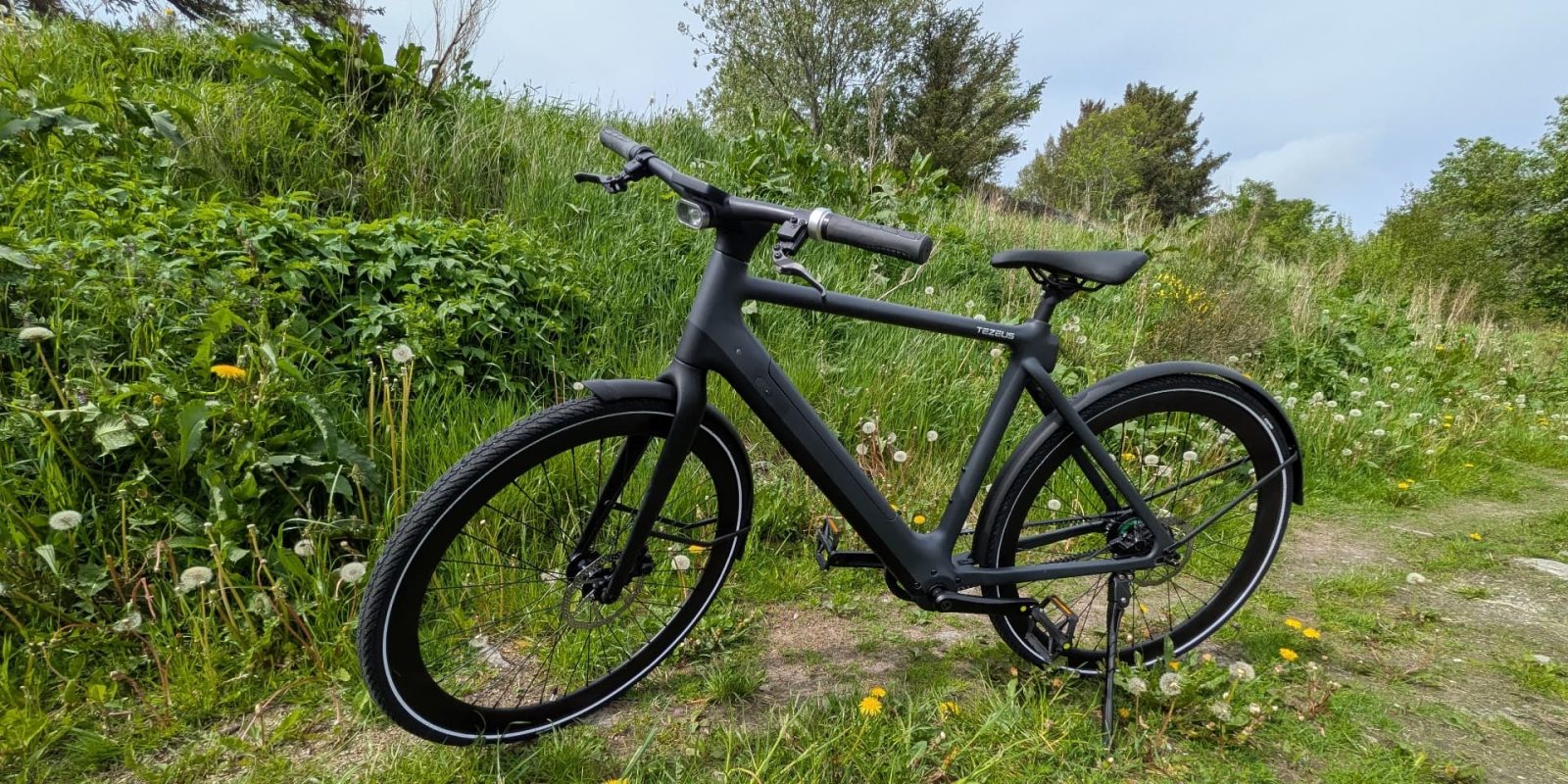
The Tezeus C8 is one of those e-bikes that hides several interesting, higher-end features/components behind an unassuming design, giving you more than you bargained for without attracting too much unwanted attention. And while it’s a pricier model than the usual budget suspects, the added features may be enough to warrant a deeper look.
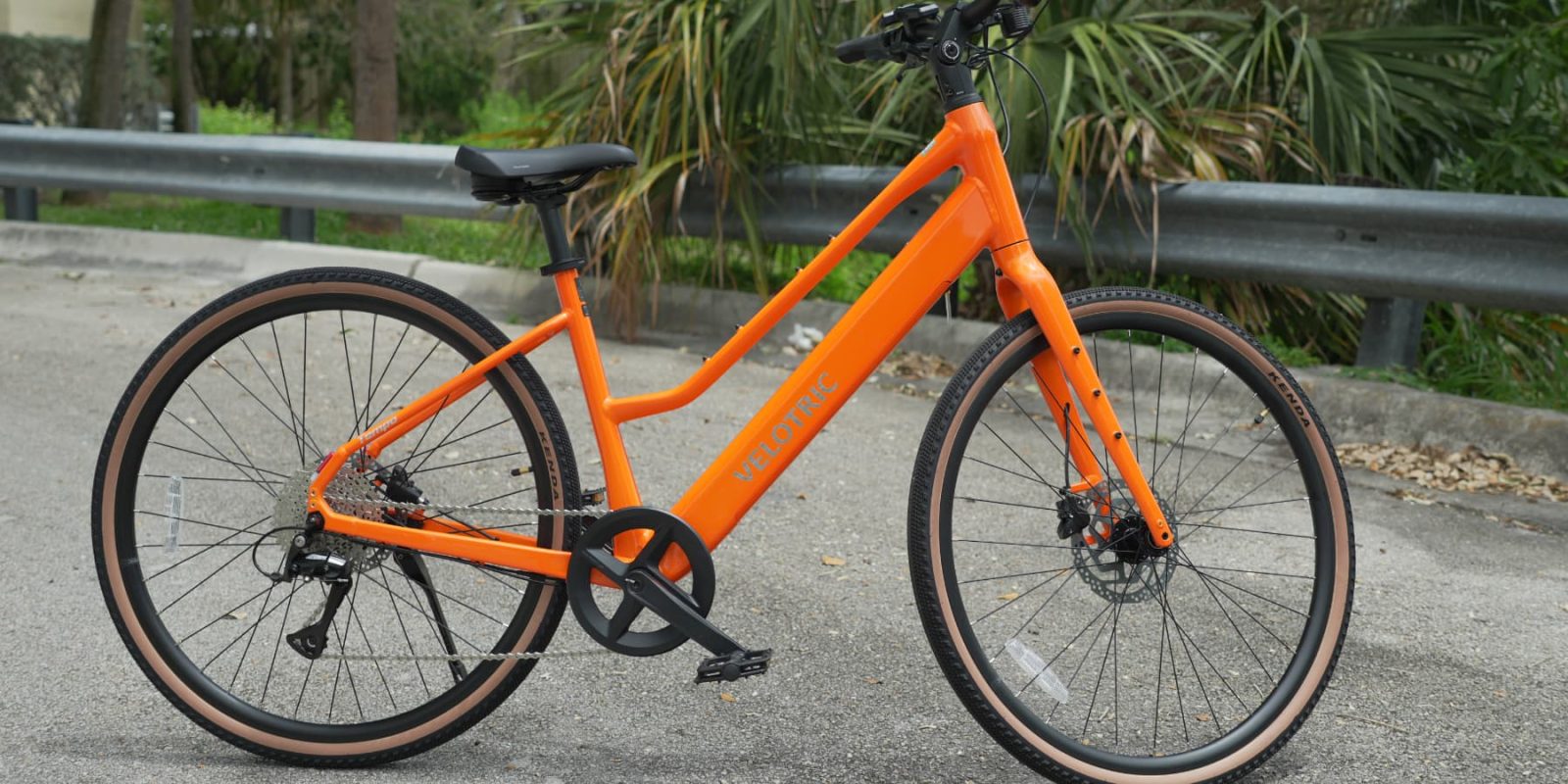
There’s a growing category of electric bikes that seem designed less around raw power and more around simply being pleasant to ride. They’re lighter, cleaner-looking, easier to pedal, and more focused on enhancing the cycling experience instead of replacing it.
After spending time testing the new Velotric Tempo, I think this bike fits squarely into that category.
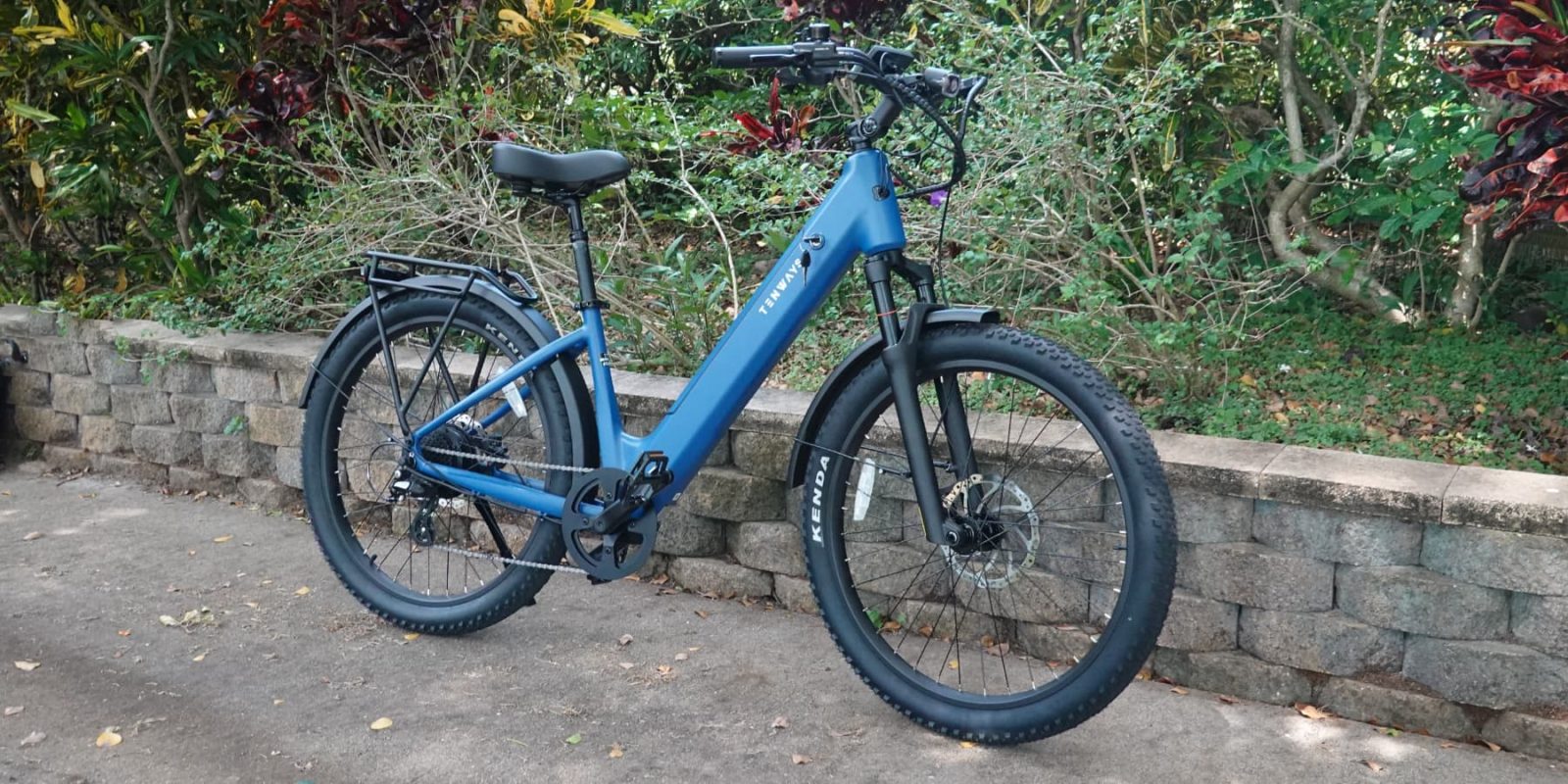
Tenways has been steadily growing its reputation in the commuter e-bike world, especially in Europe, where the company has become known for sleek urban bikes that feel a bit more refined than their price tags might suggest. But even humble Americans have been able to enjoy Tenway’s e-bikes for years, plus with the added bonus of accessing higher speeds and power levels that bump models up into Class 3 territory.
The new Tenways Wayfarer continues that trend, while adding something the company hasn’t leaned as heavily into before: more comfort, more utility, and a more approachable ride for everyday riders.
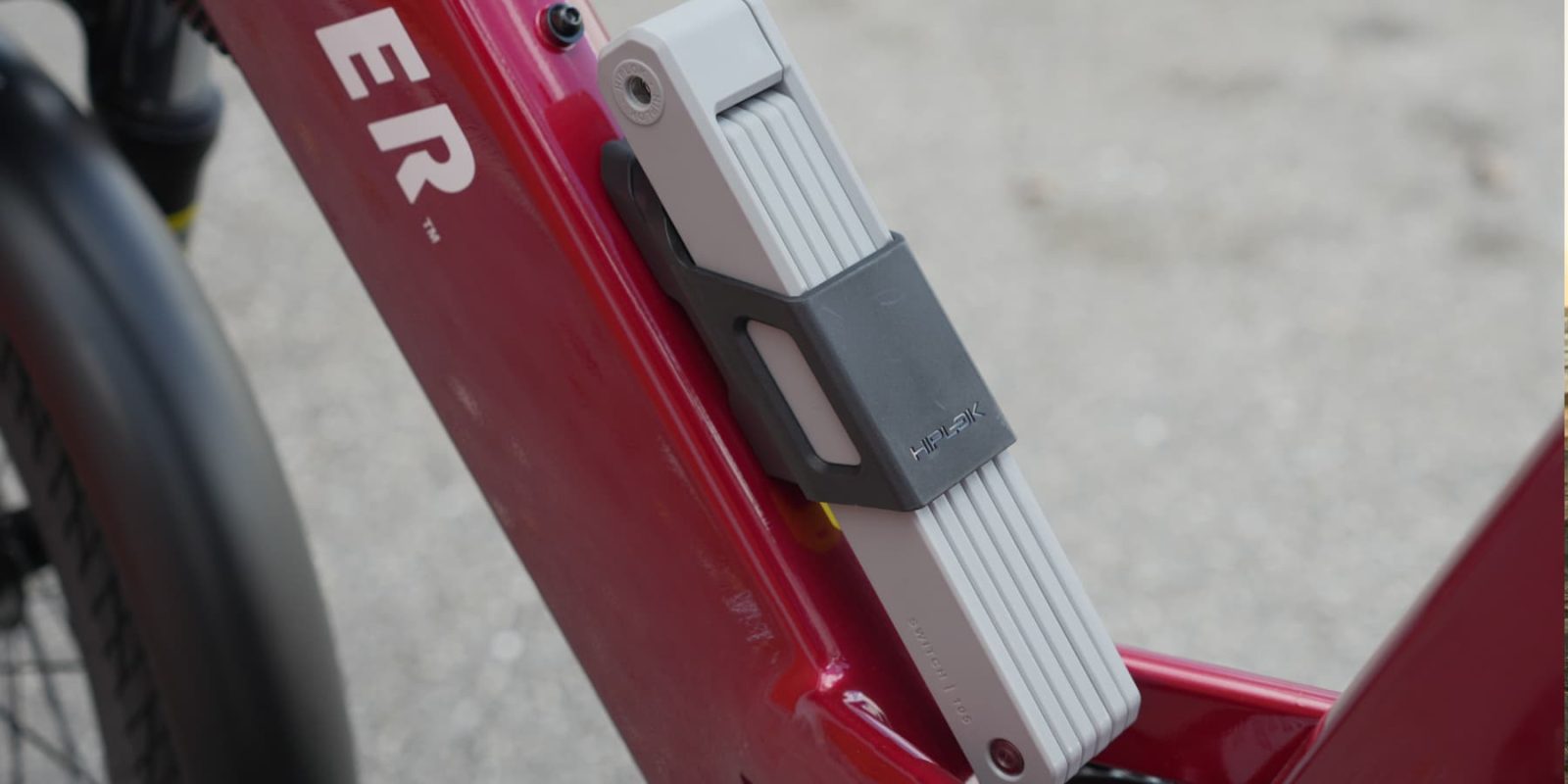
I recently had the chance to test out two very different styles of locks from Hiplok: Their Hiplok Urban D and their Switch 105. They come with unique use cases and security levels, so testing both gave me a unique view of when and where they fit best into my bike lock quiver.
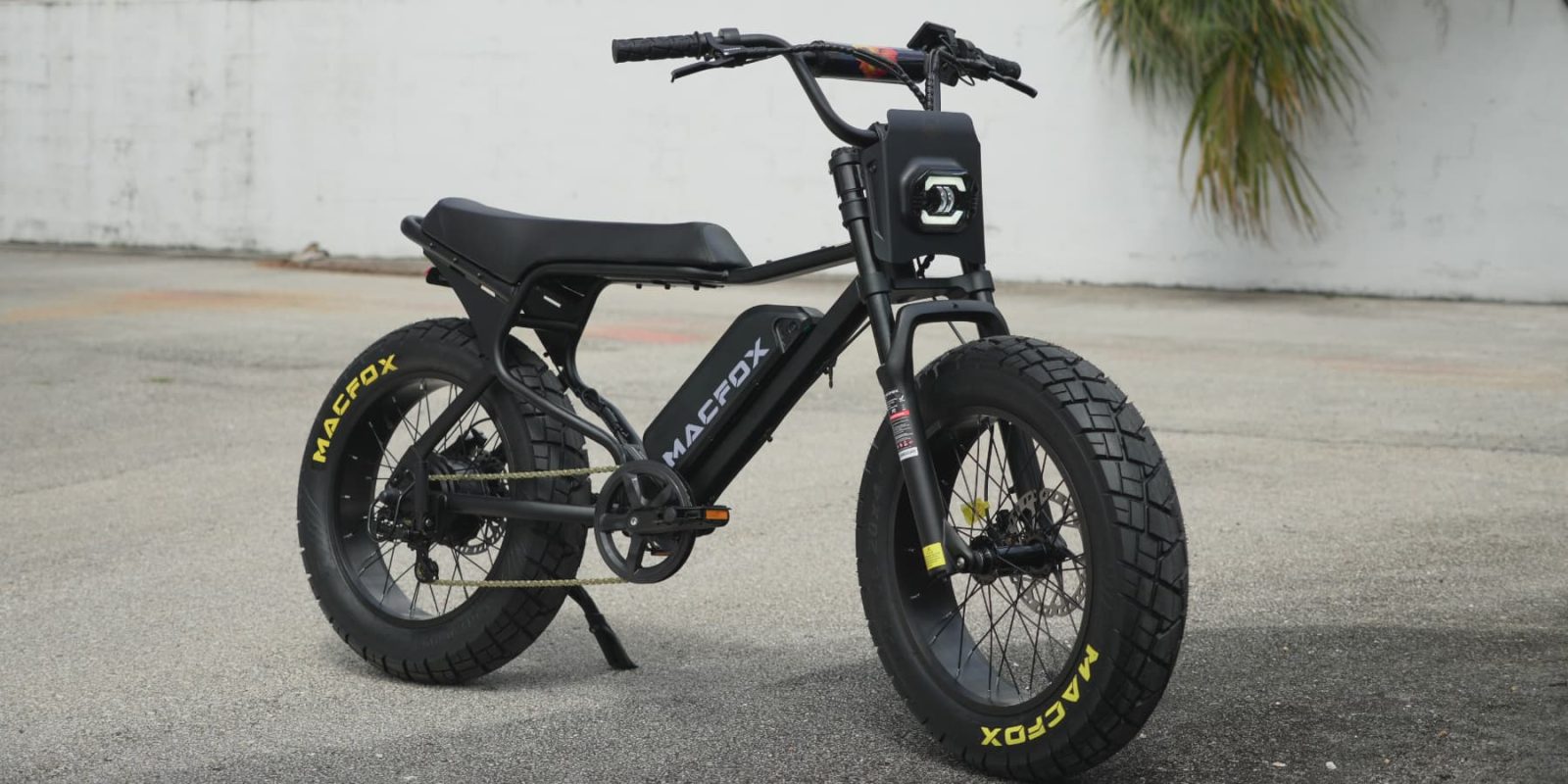
I recently got a chance to test out the Macfox X7 electric bike, and after spending some time riding it around, one thing became immediately clear: while this model isn’t trying to be a traditional e-bike, it still sticks the landing with a legal and fun moped-like ride.
And that’s exactly why a lot of riders are going to love it even more.
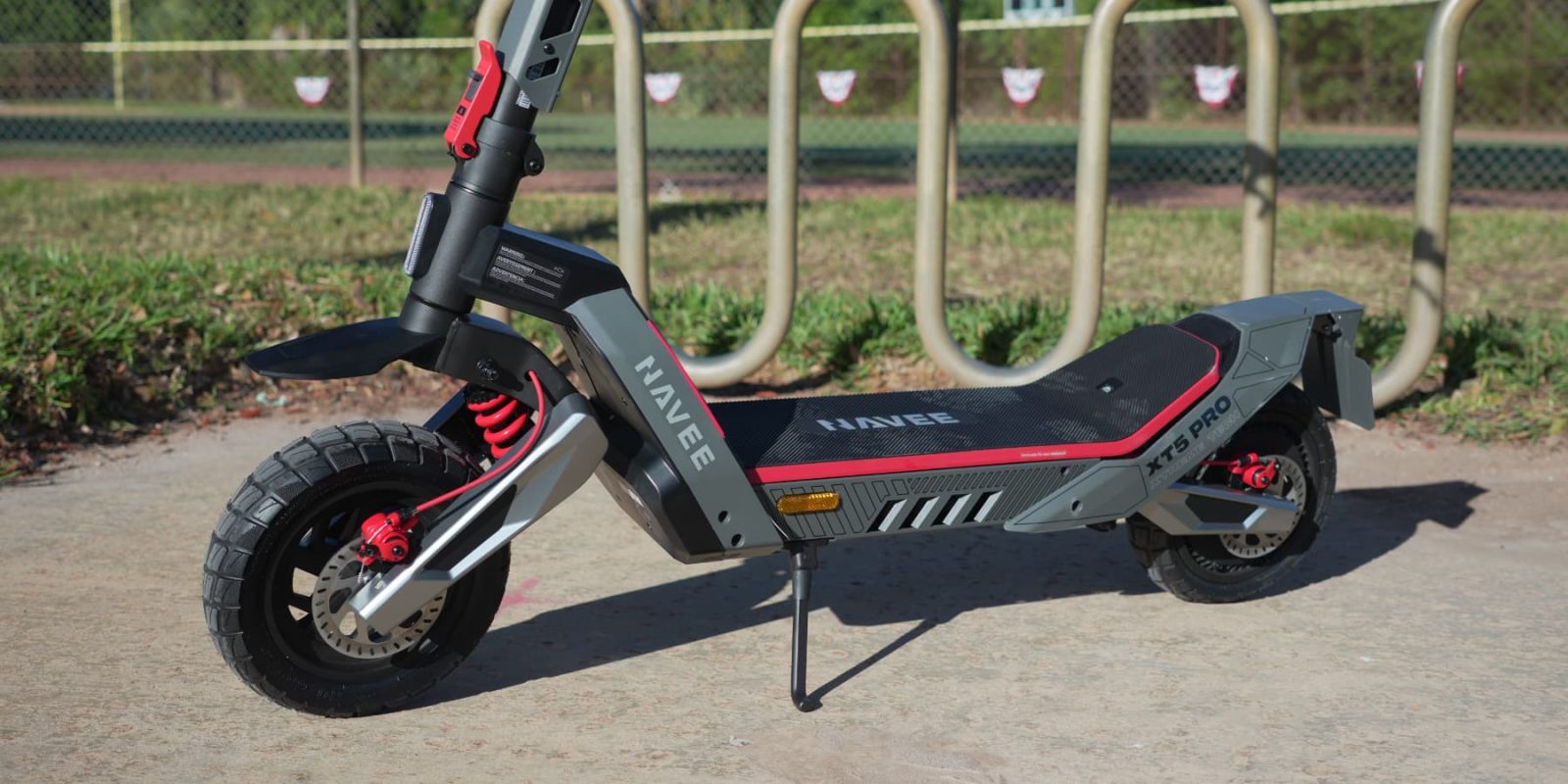
After spending some time riding and testing the Navee XT5 Pro electric scooter, I came away with a pretty clear impression: this thing is unapologetically built for speed, comfort, and stability, but not portability. And I’m okay with that – so long as you know what you’re signing up for.
I recently had the opportunity to test drive a loaner vehicle from GM to conduct an in-depth review of the 2026 Cadillac Escalade IQ. I drove it thousands of miles to Florida and back to determine not only whether it’s a fitting BEV for families, but also whether it’s worth considering as an extended-road-trip-capable EV.
I’ve ridden a lot of electric scooters over the years, and many of them blur together. Plenty are fast. Many are powerful. Some look aggressive. But only a handful manage to combine all of that with a ride that actually feels polished and confidence-inspiring. After spending real time riding the Apollo Phantom 2.0 (52V version), it’s clear this scooter sits firmly in that top tier.
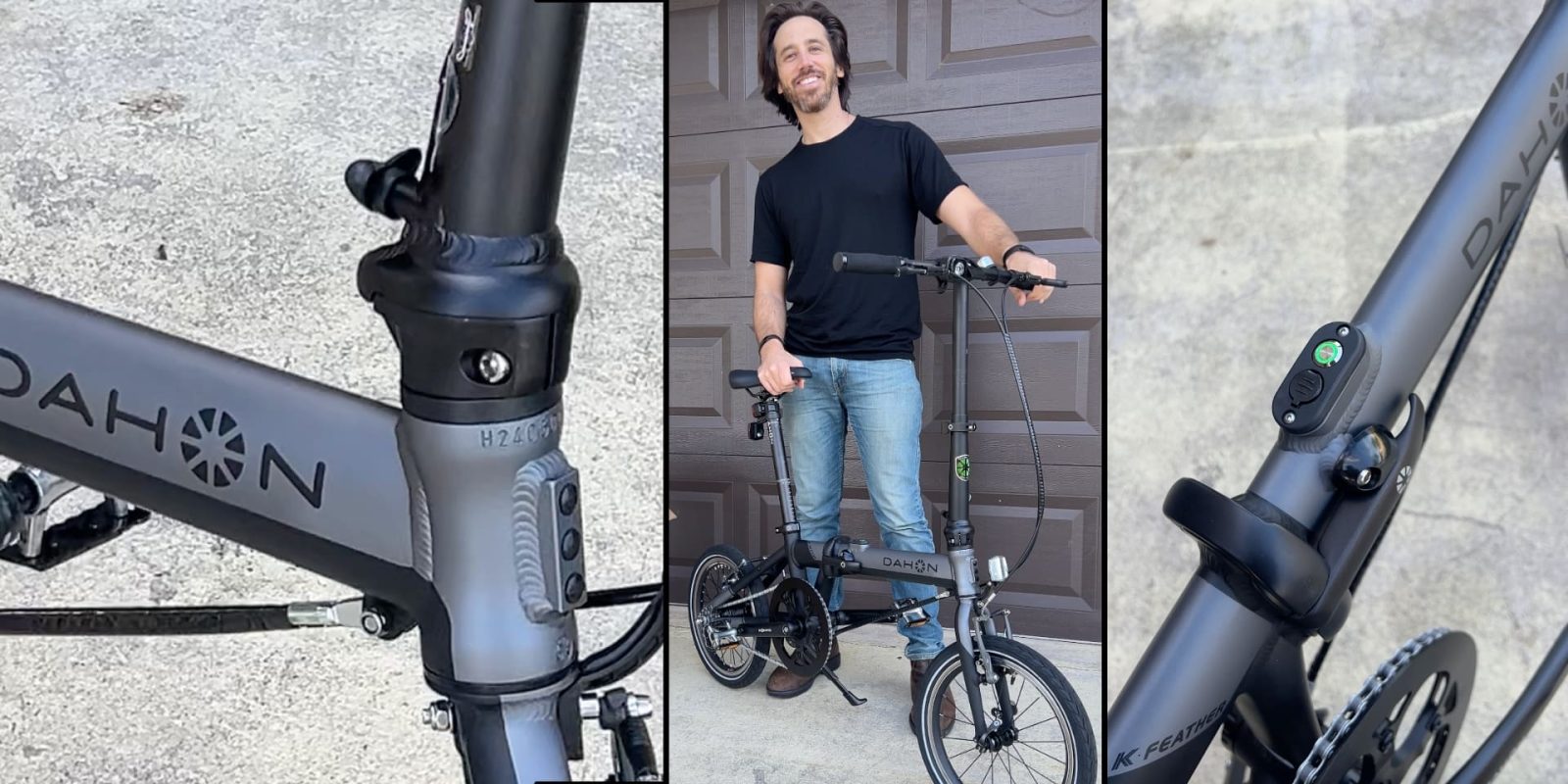
The Dahon K-Feather is one of those electric bikes that makes a lot more sense the longer you ride it. On paper, it looks rather low-power and low-capacity compared to the spec sheets for most e-bikes. In practice, especially when used exactly as intended, it turns out to be a remarkably well-executed urban commuter that still feels refreshingly different years after its release.
Portable power stations have gotten impressively capable over the last few years, but every now and then you run into one that genuinely changes your sense of scale. That’s the feeling I had while testing the VTOMAN FlashSpeed Pro 3600, a 3.1 kWh, 3.6 kW monster of a power box that – despite weighing as much as a medium-sized meteor – rolls around surprisingly easily thanks to its integrated handle and wheels. And at its current price of $1,399, it’s one of the better deals I’ve seen in the high-capacity power station space.
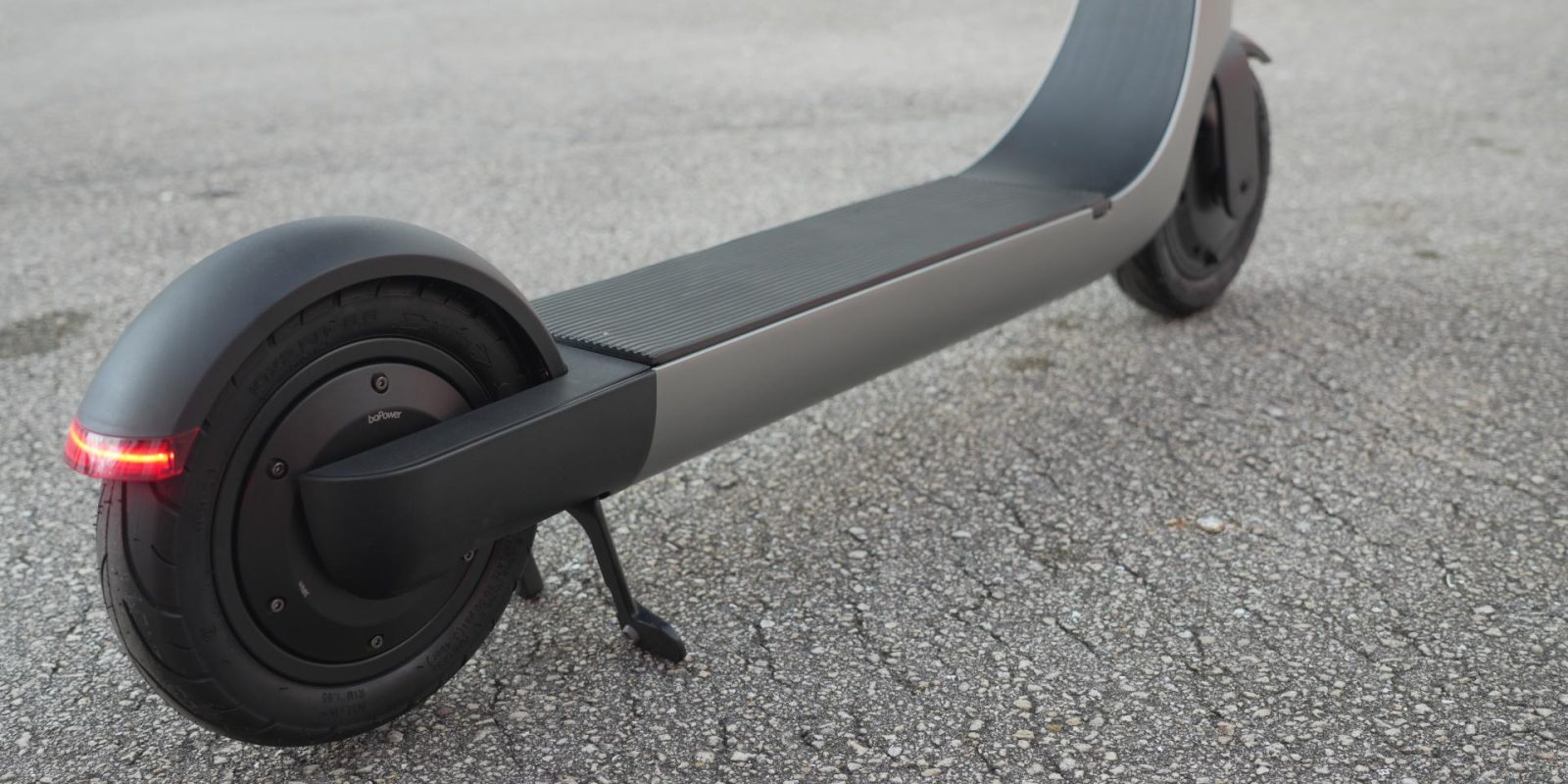
I’ve ridden a lot of electric scooters over the years. Most blur together – two wheels, a deck, a motor, and a series of compromises. But every now and then, one stands out. And after a couple of weeks riding the Bo M2 electric scooter, I can confidently say: this one’s different.
The Bo M2 is not your average e-scooter. It’s a purpose-built, premium commuter with some seriously refined features – and a price tag to match. At $2,490, it’s firmly in high-end territory. But for riders who want a serious transportation tool, not a toy, there’s a lot to like here.