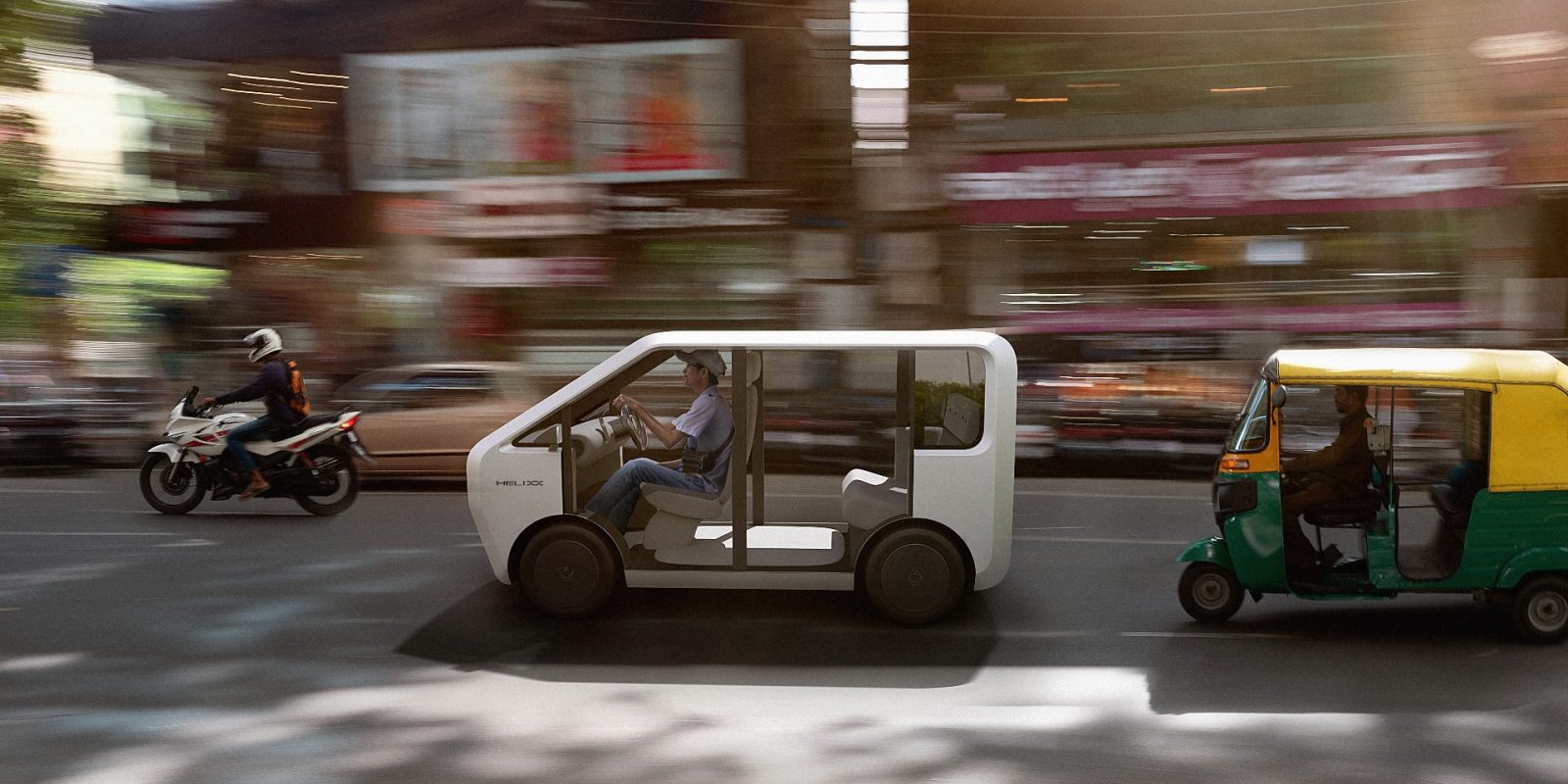
Own a business? Helixx will help you build your own EV fleet
UK-based startup Helixx is rolling out low-cost mini EV models for cities, and its franchise model has businesses building their own EVs.
Expand Expanding Close
UK-based startup Helixx is rolling out low-cost mini EV models for cities, and its franchise model has businesses building their own EVs.
Expand Expanding Close
Rebates and tax credits might need a tweak to incentivize consumers to fully switch to electric vehicles – here’s what a new study found.
Expand Expanding Close
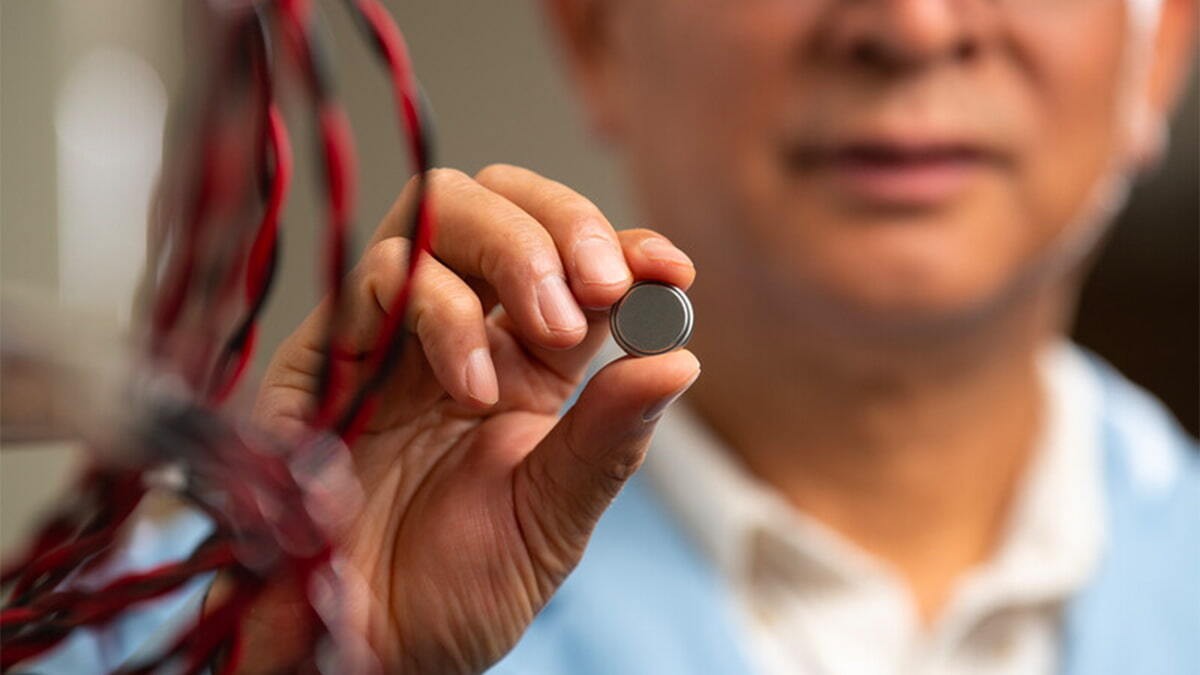
Ionblox, a next-gen EV battery startup that makes super-fast, powerful batteries for eVTOLs and electric cars, just announced a second close of its Series B round at an increased $32 million.
Expand Expanding Close
EV seed-stage company Tenet, which offers consumer loans for EVs, today announced it has secured $25 million in a first-of-its-kind warehouse facility from NY Green Bank for EV loan financing that originates in New York State.
Expand Expanding Close
Retail sales of EVs have yet to fully take off in the US heartland states, according to new analysis from S&P Global Mobility. How come?
Expand Expanding Close
In 2021, there were almost 647,000 US EV purchases – a nearly 13-fold increase from 2012, according to a new online dashboard launched today by Environment America Research & Policy Center and nonpartisan research center Frontier Group.
Expand Expanding Close
The state of Vermont has launched an incentive program that will help residents scrap and replace old gas cars with new or used eligible electric vehicles (EVs) or plug-in electric vehicles (PHEVs).
Expand Expanding Close
The EV race is heating up. Electric car sales in the US reached a new record in the first quarter, and the momentum does not look to be slowing anytime soon. Traditional automakers are spending billions to catch up to EV leader Tesla. Which legacy automakers are spending the most on EVs?
Expand Expanding Close
Sodium-ion batteries have great promise. They’re energy dense, nonflammable, and operate well in colder temperatures, and sodium is cheap and abundant. Plus, sodium-based batteries will be more environmentally friendly and even less expensive than lithium-ion batteries are becoming now. Sodium-ion battery performance has been limited because of poor durability, but this is about to change for the better.
Expand Expanding Close

Lithium is a vital component of EV batteries, and Winnipeg, Canada-headquartered Snow Lake Lithium says it’s committed to operating a fully renewable and sustainable lithium mine. What does that mean?
Expand Expanding Close
The UK government’s £1,500 EV grants were discontinued yesterday, nearly a year earlier than planned.
Expand Expanding Close

The number of consumers looking to buy electric vehicles has hit 52%, according to the latest EY Mobility Consumer Index (MCI). This is the first time the number has exceeded 50%, and it represents a rise of 22 percentage points in just two years.
Expand Expanding Close
To what extent are electric vehicles better than gas cars for the environment? Experts at the Argonne National Laboratory, a US Department of Energy science and engineering research center in Lemont, Illinois, are inviting the public to listen in as they discuss the best ways to measure greenhouse gas emissions.
Expand Expanding Close
The global spend on electric vehicle charging at home will exceed $16 billion in 2026, up from $3.4 billion in 2021, according to a new report by UK-based digital technology research firm Juniper Research.
Expand Expanding Close
In what it claims is a “world first,” British Lithium has produced lithium at pilot scale from the mica in granite in its new government-backed pilot plant near Roche in Cornwall, England.
Expand Expanding Close
It’s World EV Day today, which means what it sounds like: it celebrates and promotes the role of electric vehicles as the world attempts to move toward reaching net zero. US climate czar Gina McCarthy spoke with Ben Prochazka of the Electrification Coalition today about why that’s so important.
Expand Expanding Close
Scientists at the US Department of Energy’s Argonne National Laboratory published research on how the supply chains of rare earth minerals respond to disruptions. This could include natural disasters, labor or trade disputes, construction delays – and pandemics.
The team found that mineral supply chain disruptions have long-range impacts that affect the costs and availability of electric vehicles.
Expand Expanding Close
Two powerful corporate networks that represent more than 80 companies with a combined $1.3 trillion in annual revenue have today written to the Environmental Protection Agency and the National Highway Traffic Safety Administration. The pair of letters calls for interim strong fuel economy and emission standards and 100% zero-emission vehicle (ZEV) sales of light-duty vehicles by 2035 at the latest.
Expand Expanding Close
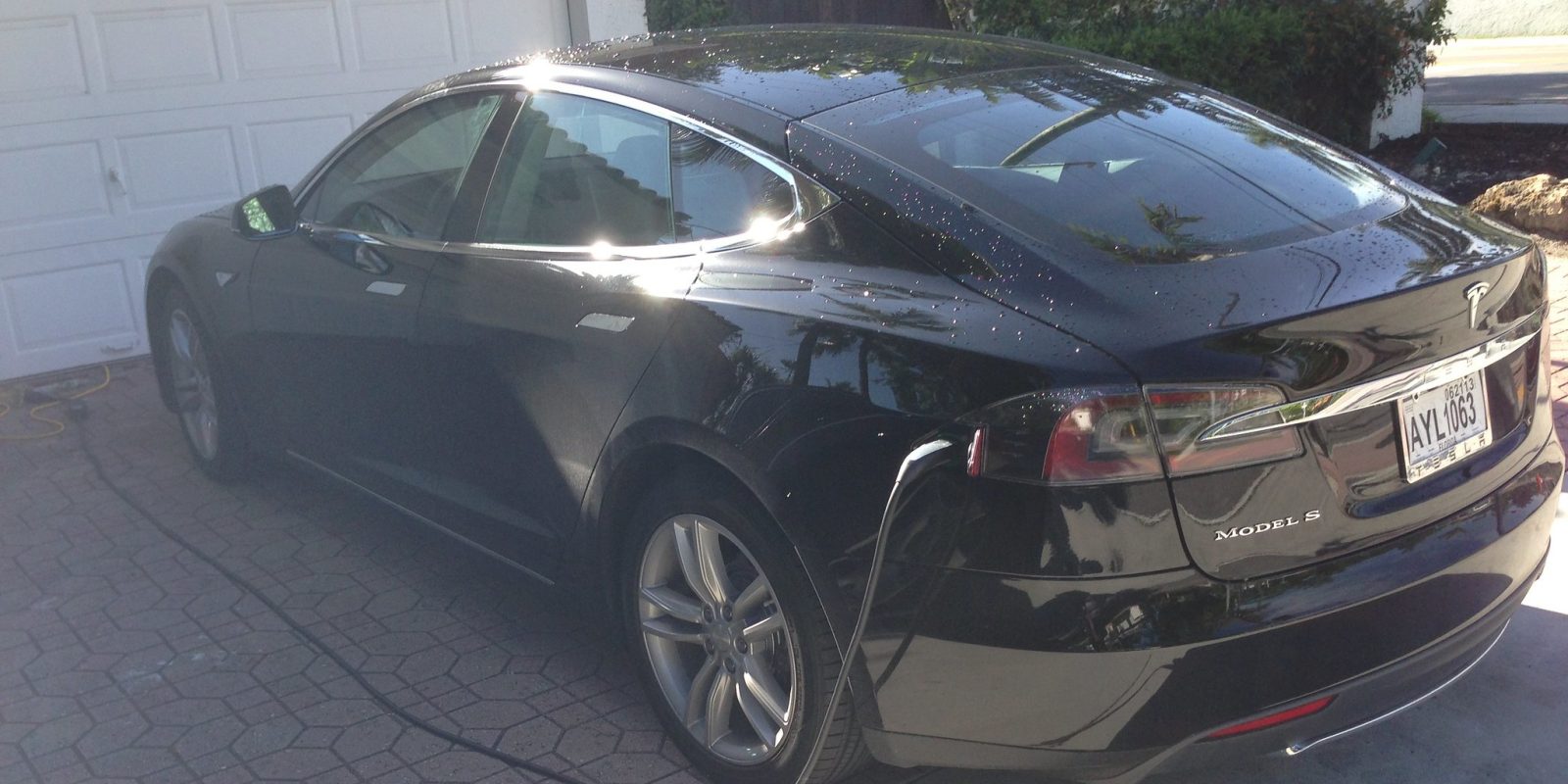
Tesla models S and X offer HEPA air filtration, and some Model Ys in China are featuring it, too. But as a whole, electric vehicles don’t come equipped with HEPA – high-efficiency particulate air – filters. That’s where Scosche’s new FrescheAir Portable HEPA Air Purifier comes in, as it’s made especially for cars.
Expand Expanding Close
South Korean President Moon Jae-in announced virtually, at the first International Day of Clean Air for Blue Skies, that in a $17 billion investment, the country will boost the number of electric cars from the current 110,000 to 1.13 million by 2025, and increase the number of hydrogen vehicles from 8,000 to 200,000.
Expand Expanding Close
As Electrek previously reported, the $5 million Los Angeles Cleantech Incubator (LACI) Impact Fund launched on January 15. LACI is working to eradicate monoculturalism in cleantech startups by bringing on its most diverse cohort yet in spring 2020. More than 50% of participating founders are of color, and nearly 40% are women. We hear from three of those founders in the LACI spring cohort below.
There will be more than 20 million electric vehicles driving on US roads by 2030. The Smart Electric Power Alliance (SEPA) has released a new report, “Planning for an Electric Vehicle Future: How Utilities Can Succeed,” which details how utilities across the US can — and must — prepare to meet the rapidly growing charging needs of all those EVs.
Transportation is the largest source of CO2 emissions, and the majority of that pollution comes from city and suburb driving. The New York Times created an interactive map that shows the amount of emissions from cars and trucks have risen since 1990. Florida’s auto-emissions rates in its metropolitan areas did not fare well, to put it mildly.
A new study published in Nature Sustainability finds that China’s fleet of electric vehicles could save lives. In other words, “Fleet electrification in China could have more health benefits than net climate benefits in the next decade, which should be realized by policymakers to develop cost-effective strategies for EV development.”