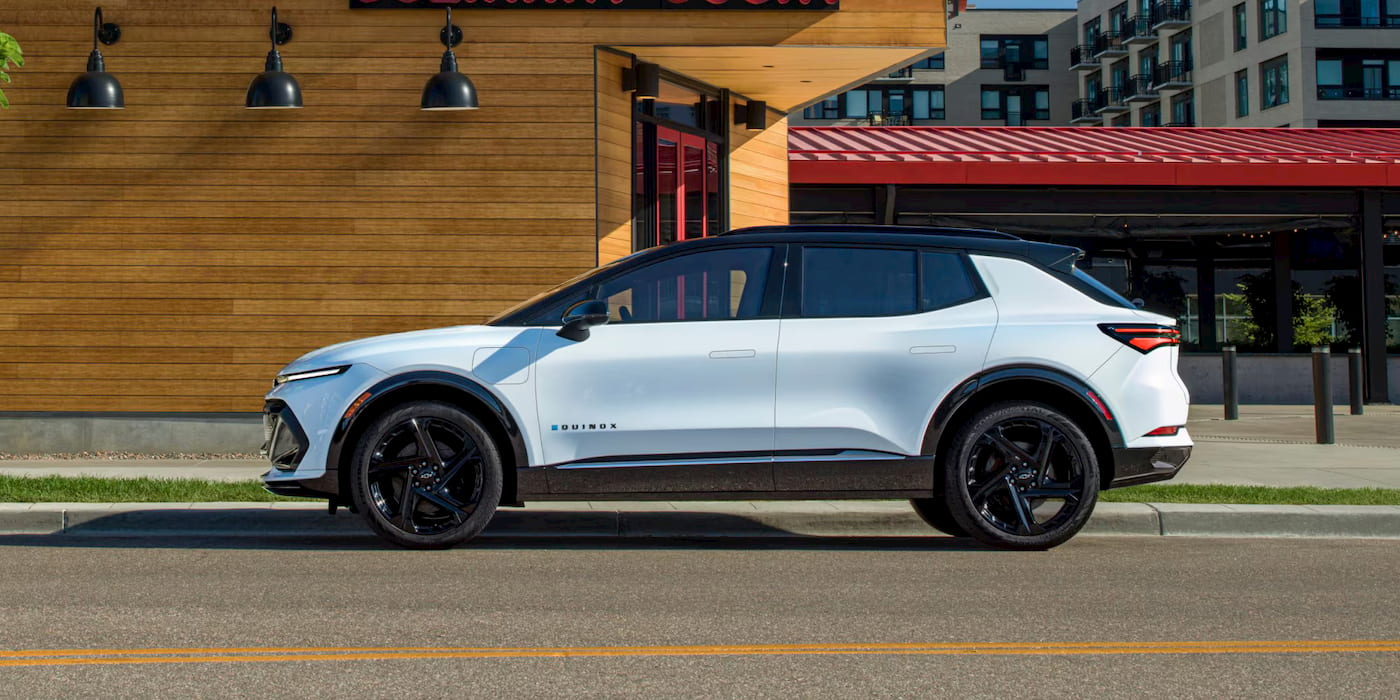
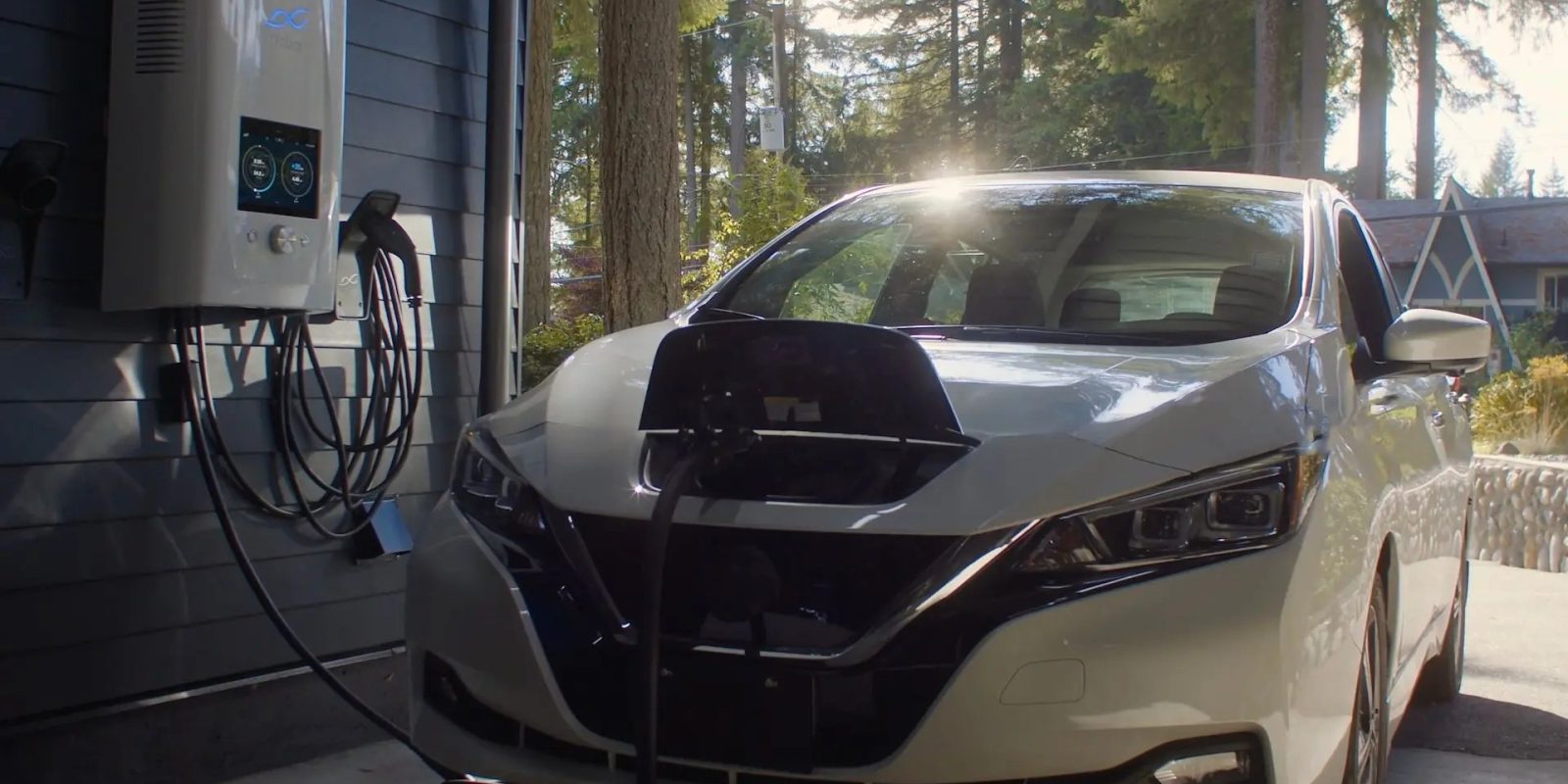
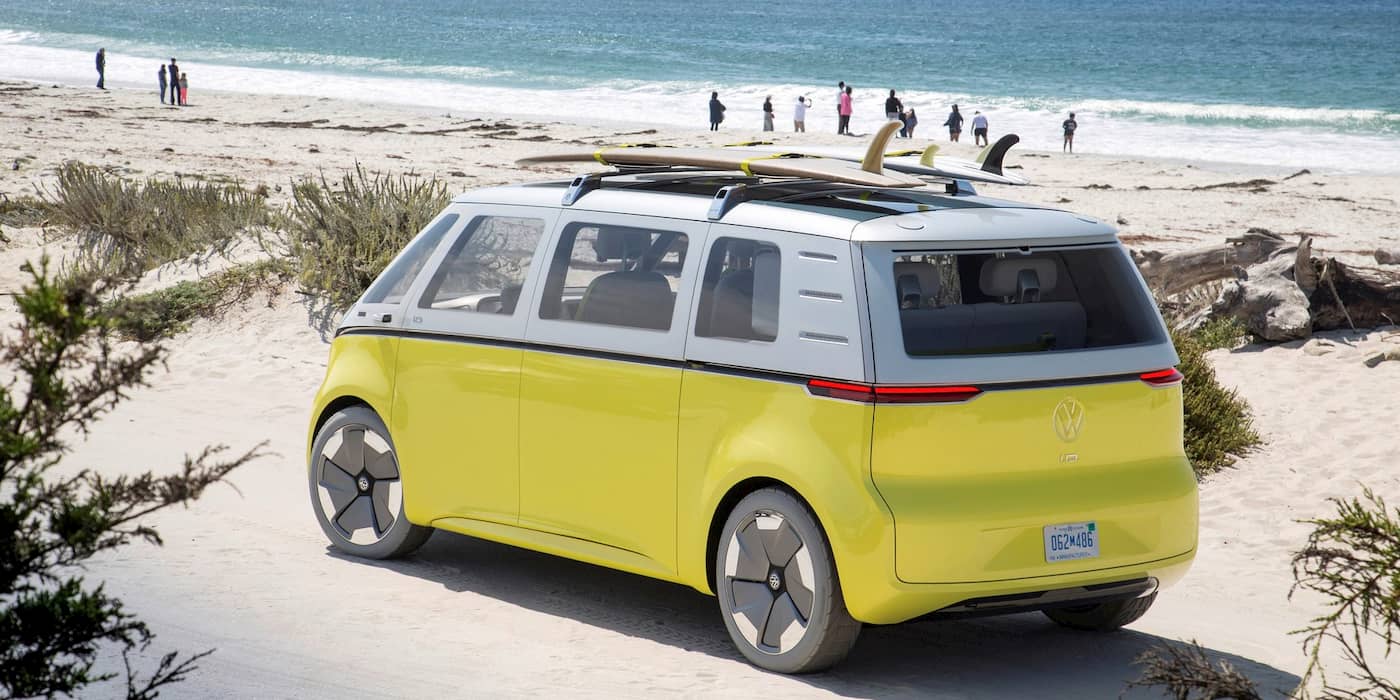
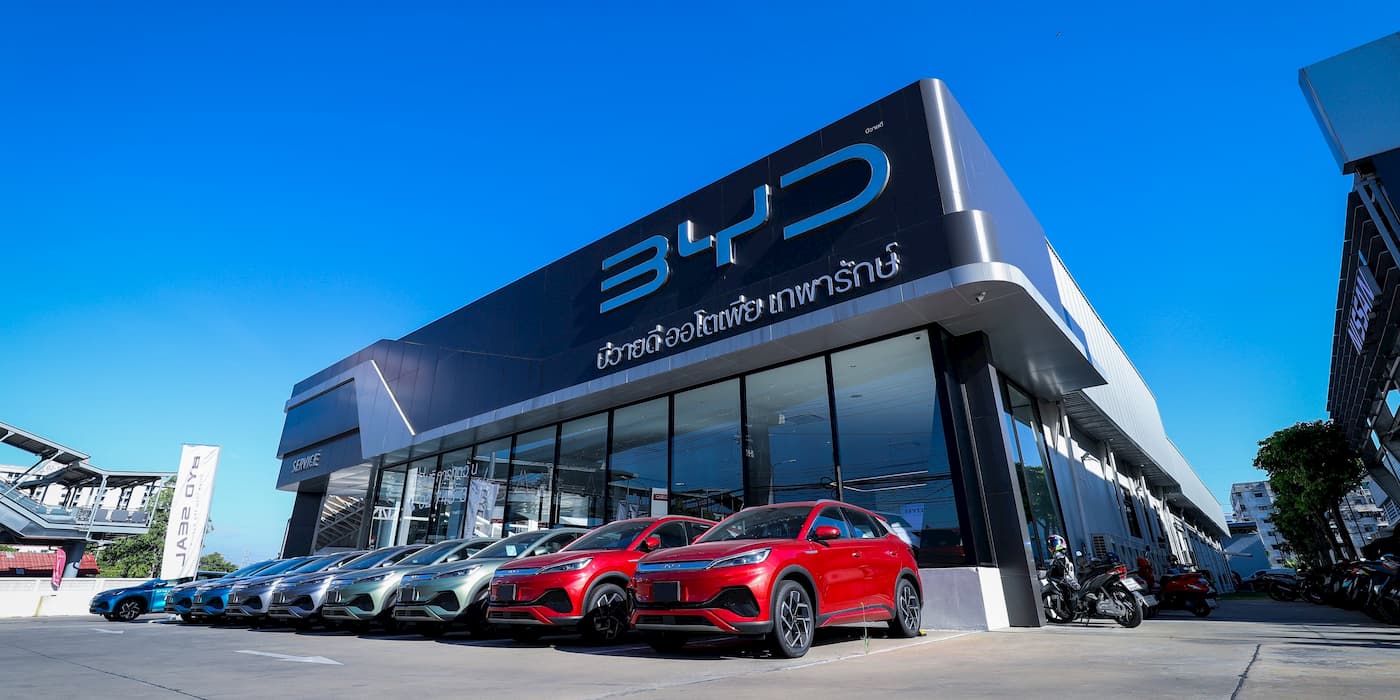
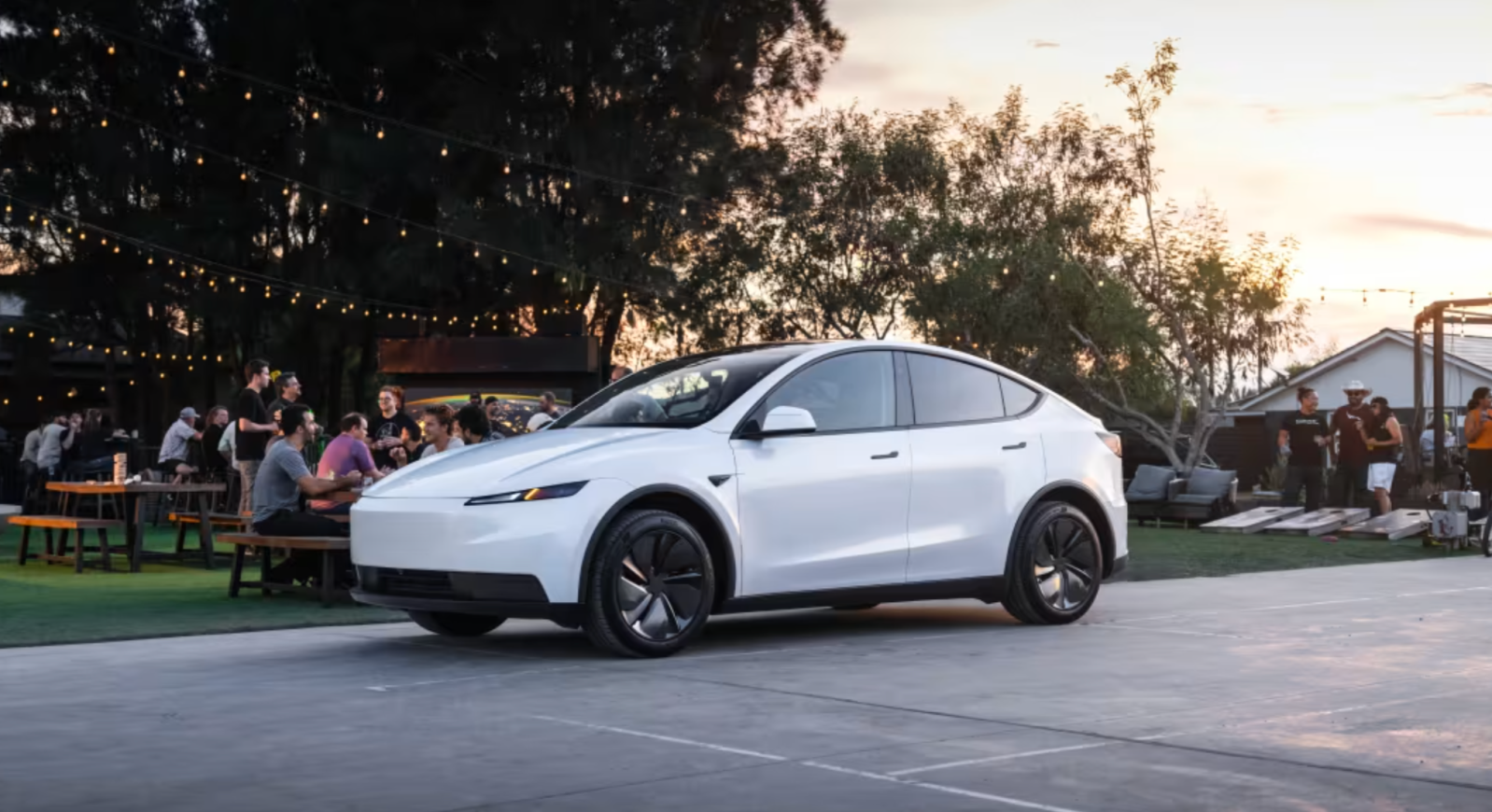
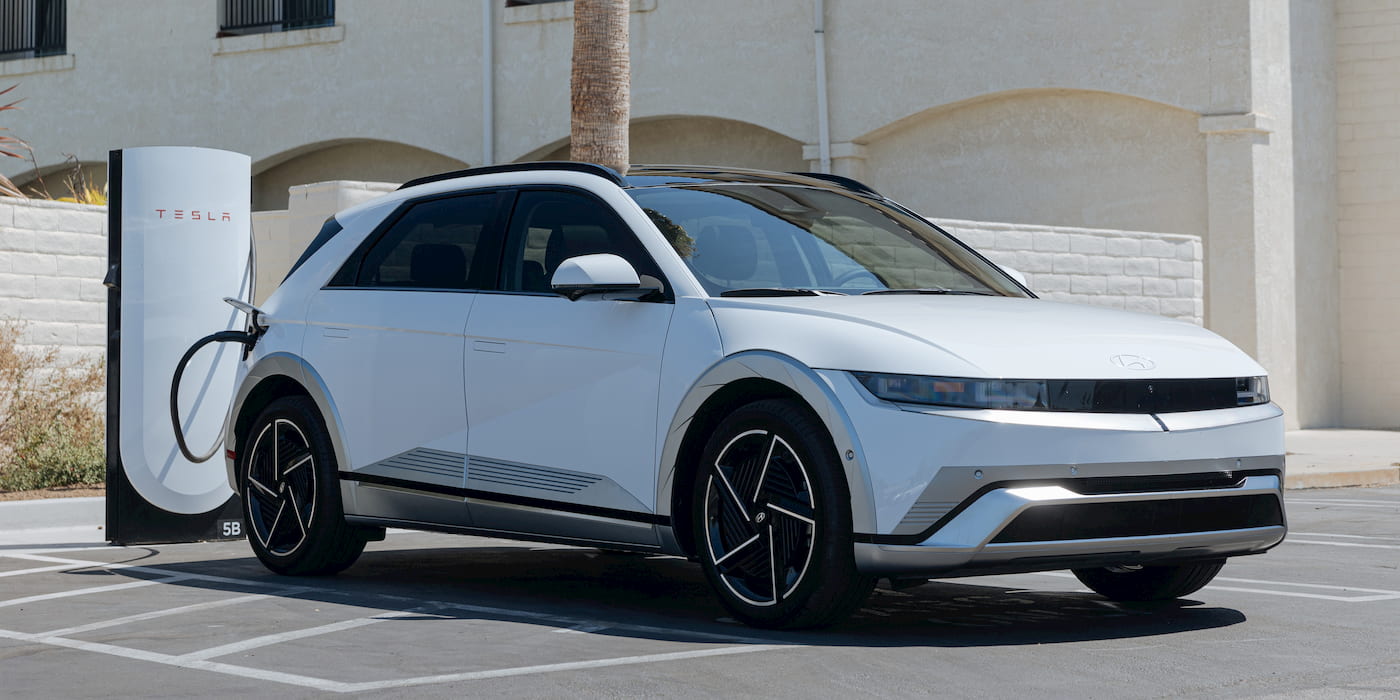
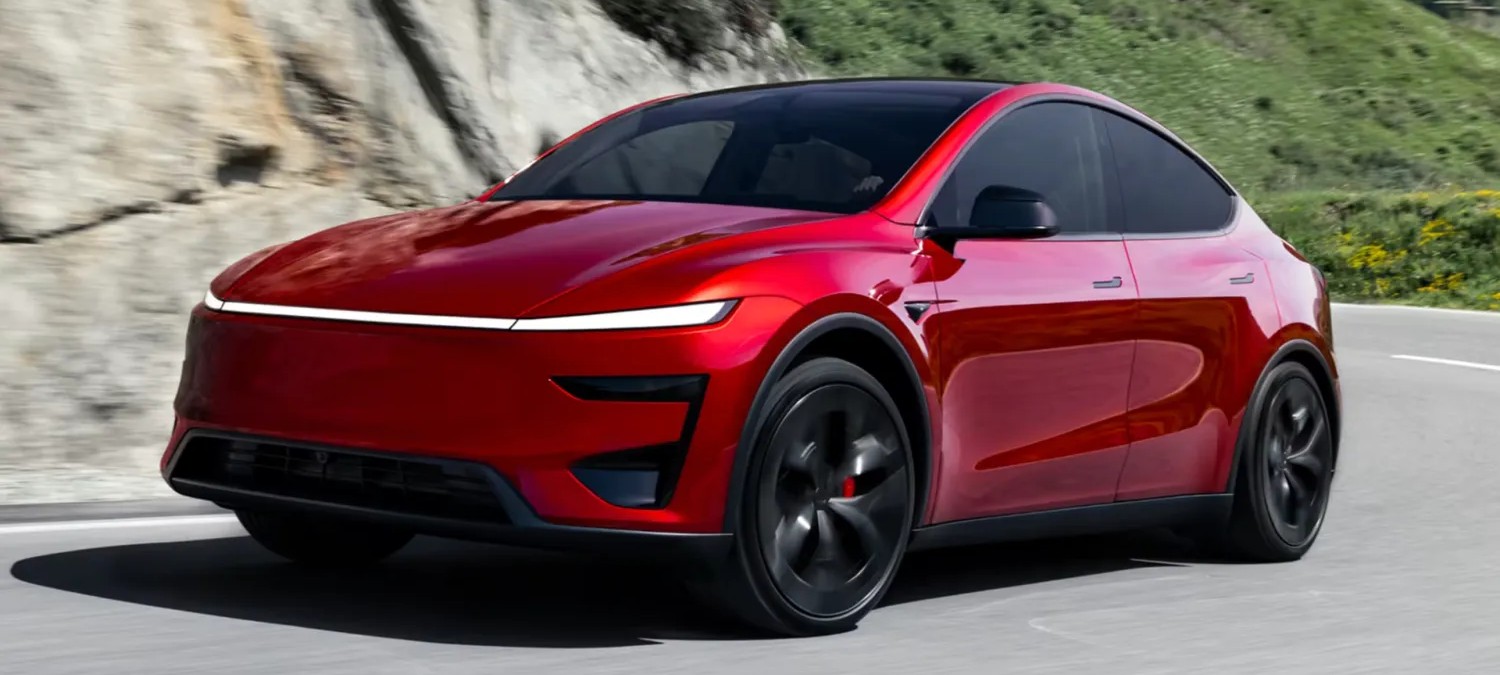
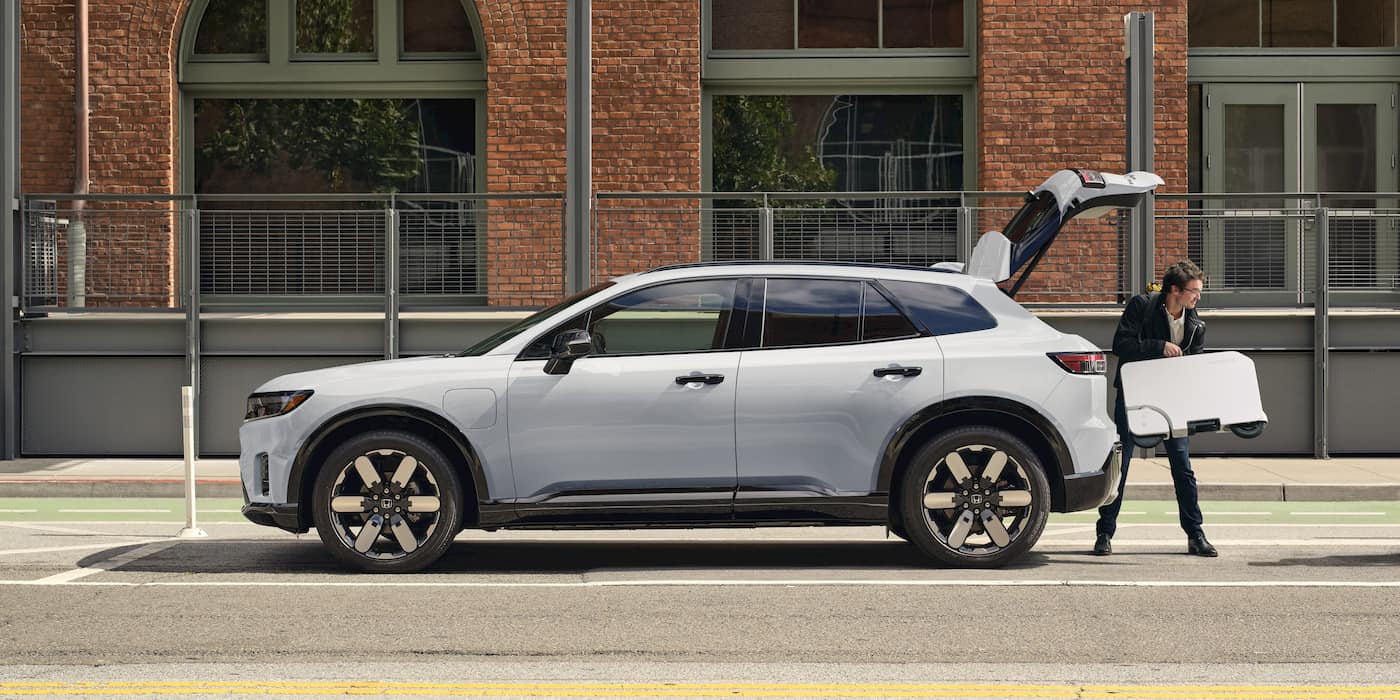
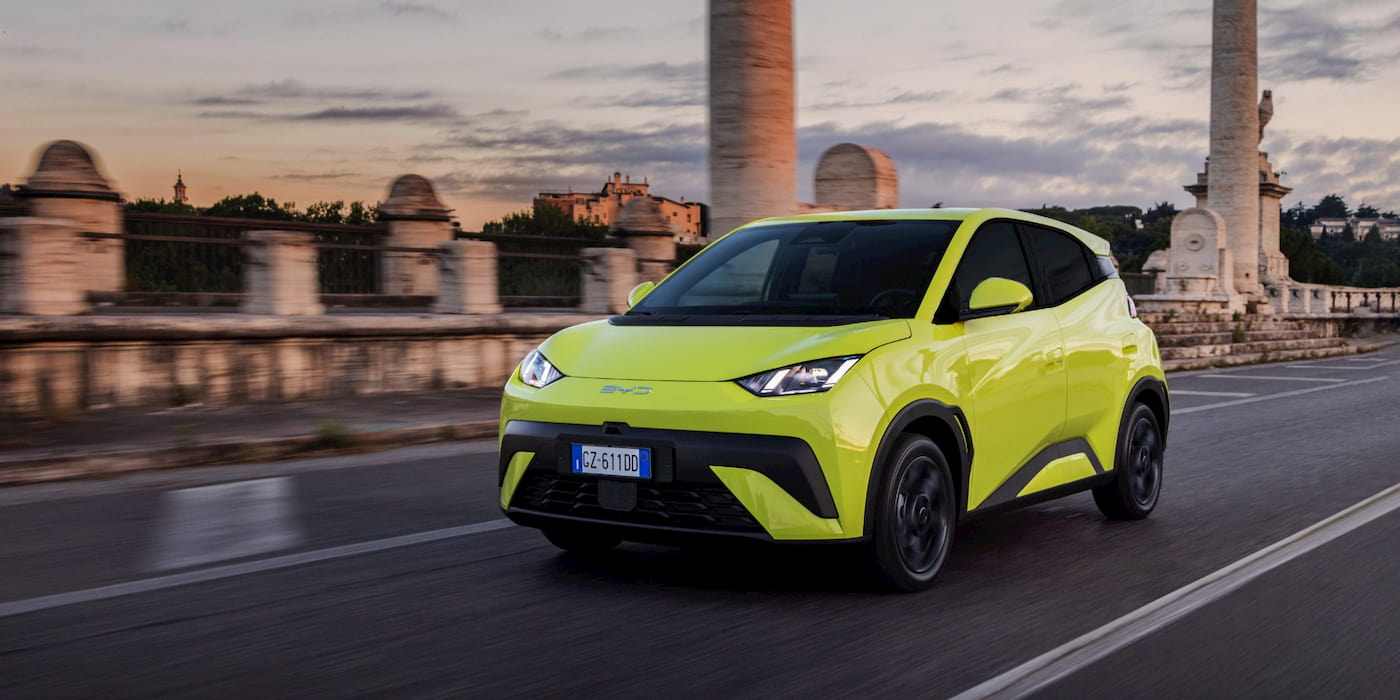
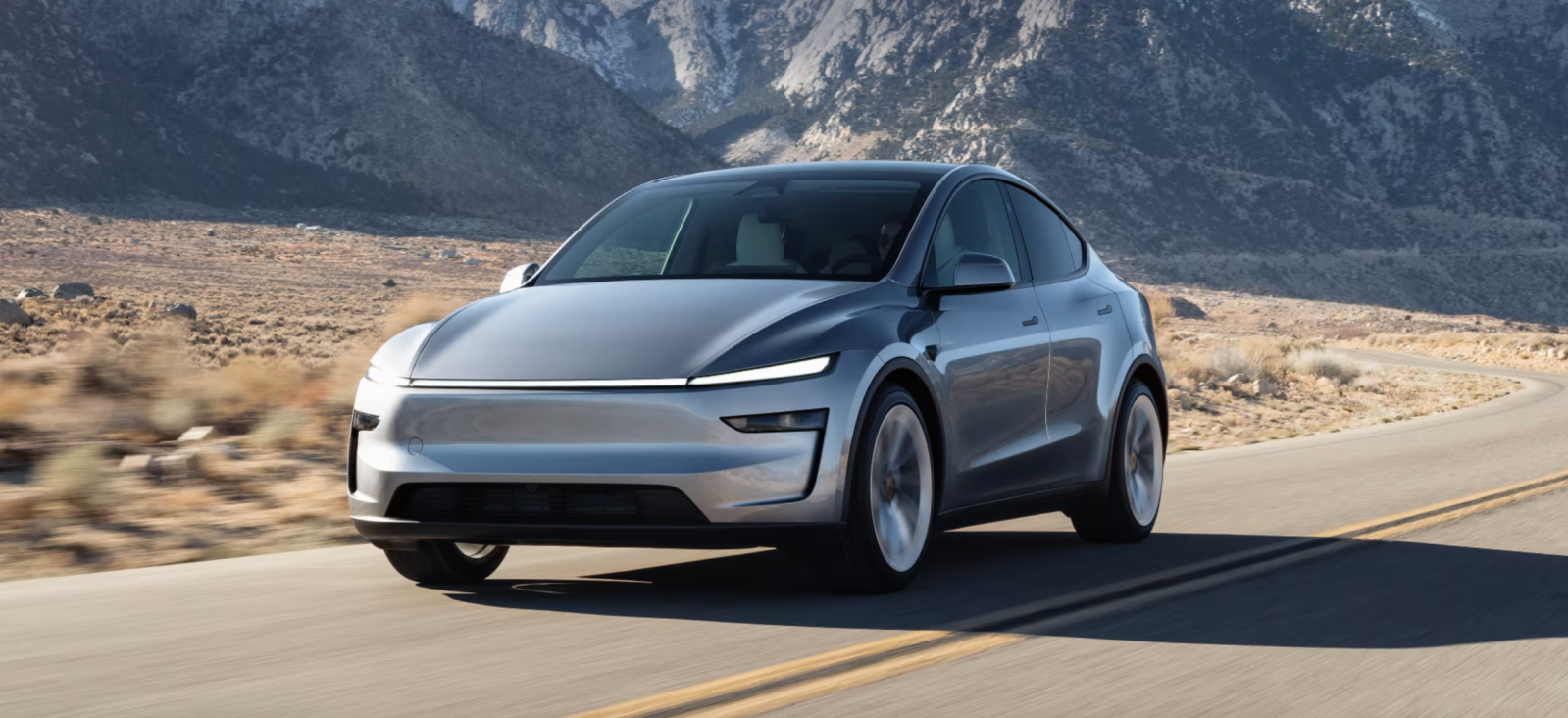
EV prices edged down in February, while gas-powered car prices crept up, narrowing the gap between the two, according to new estimates from Kelley Blue Book.
Global lithium demand could top 13 million tonnes by 2050 if the world moves fast on clean energy, according to Wood Mackenzie’s latest Energy Transition Outlook for Lithium. The warning is blunt: Without major new investment, lithium shortages could start as early as 2028.
Businesses walked away from $5.1 billion in large-scale factories and clean energy projects in December alone – a stark finish to a year in which cancellations finally overtook new investment in the US clean energy sector. By the end of 2025, nearly $35 billion in clean energy investments had been canceled or downsized nationwide, taking more than 38,000 current and future jobs with them, according to new tracking from E2.
EVs are supposed to clean up the air, but finding real-world proof has been surprisingly hard. A new study from the University of Southern California (USC) says the satellite evidence is finally strong enough to measure.
More than 25% of new cars sold globally in 2025 are now electric, according to new analysis from energy think tank Ember. This growth is increasingly driven by emerging markets that, only a few years ago, had minimal adoption of EVs.
Electric vehicle prices edged lower and incentives jumped in November, but the month still saw a sales slowdown as the US EV market continues to hunt for a new normal.
US EV sales declined in October following the expiration of the $7,500 federal tax credit on September 30, and the average transaction price (ATP) edged up, according to initial estimates from Kelley Blue Book, a Cox Automotive brand. However, there are still deals to be had.
The US clean energy sector took another gut punch in September as businesses scrapped or scaled back nearly $1.6 billion in major factory and clean energy projects, according to the latest monthly analysis from E2 and the Clean Economy Tracker. That brings the total cost of private-sector project cancellations this year to more than $24 billion.
Californians just set another record for zero-emission vehicle (ZEV) adoption. In Q3 2025, residents bought 124,755 ZEVs – that’s nearly 1 in 3 new cars sold statewide. The 29.1% market share marks California’s highest quarterly total of ZEVs yet.
The average US new car price crossed the $50,000 mark for the first time in September, according to new estimates from Kelley Blue Book (KBB). Prices have been climbing steadily for over a year, and the pace picked up this summer – but that hasn’t stopped Americans from buying.
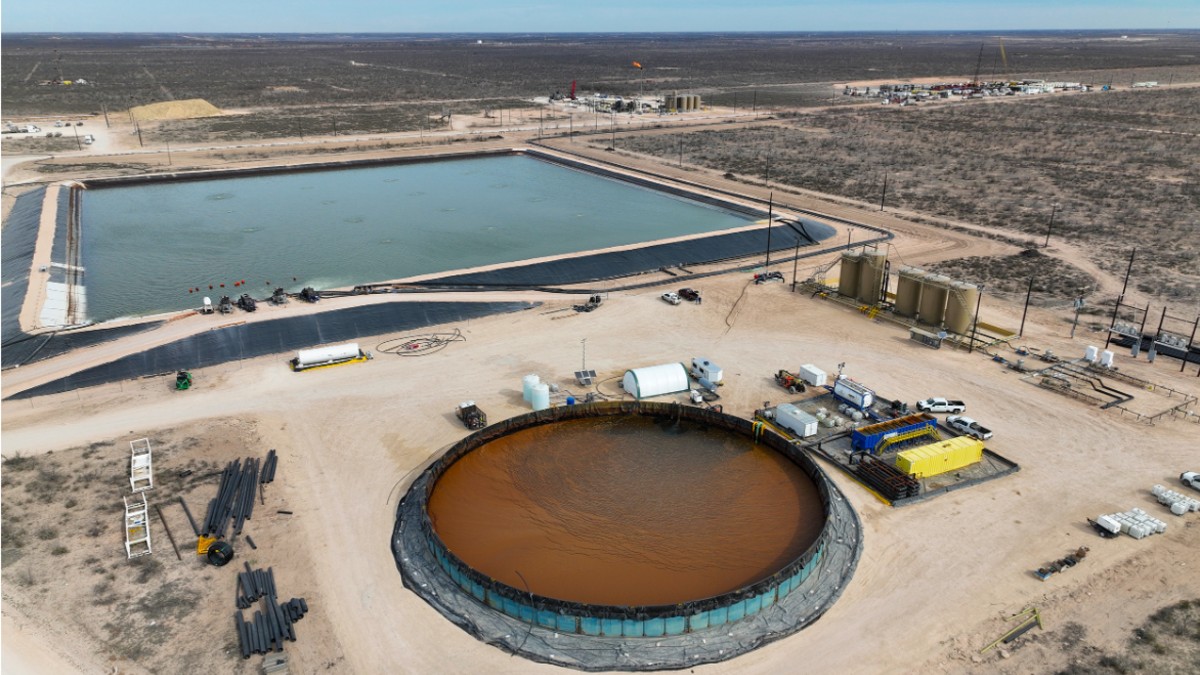
Element3 just raised a fresh round of funding to launch the first US commercial lithium extraction plants, and it’s sourcing the lithium from oil and gas wastewater in Texas. That’s a big deal because it means there will be a domestic lithium supply for EVs and battery storage within a few months.
The US virtual power plant (VPP) market is growing fast, with 37.5 gigawatts of behind-the-meter flexible capacity now online, according to a new Wood Mackenzie report. VPPs connect small energy systems and smart devices into a single network managed by an energy company or utility. That can include residential solar panels, battery storage, EVs, and smart thermostats. When the grid needs help during peak demand or emergencies, they can be tapped – and you get paid for participating.
US EV sales are surging as prices dip and automakers pile on record incentives to clear out inventory before the $7,500 EV tax credit vanishes, according to Kelley Blue Book’s latest numbers.
Mangrove Lithium is scaling up in a big way to produce more homegrown lithium in North America. The Vancouver, Canada-based company just announced it will build another new facility, and this one will crank out 20,000 tonnes of battery-grade lithium yearly – enough to power over 500,000 EVs, as much as North America’s current refining capacity.
US EV prices dropped again in June as automakers leaned harder on incentives, and Tesla’s sales slump played a big part, according to Kelley Blue Book’s latest numbers.
Battery electric cars sold today in Europe produce 73% less life-cycle greenhouse gas emissions than gas cars, even when factoring in production, according to new research from the International Council on Clean Transportation (ICCT). That’s a big improvement from 2021, when the gap was 59%.
EV and renewable investments in the US are stalling – and May was another tough month. Businesses canceled $1.4 billion worth of clean energy factories and projects last month, according to the latest numbers from E2 and the Clean Economy Tracker. That pushes total canceled investments to $15.5 billion this year, wiping out nearly 12,000 potential jobs.
Kempower’s MORE Power fast and flexible charging solution is set to deliver megawatt-level charging to both electric trucks and cars, and it’s shipping from Finland.
Global EV sales surged in May 2025, hitting 1.6 million units sold, according to the latest data from EV research house Rho Motion. That brings the total for the year so far to 7.2 million EVs, a 28% increase compared to the same period in 2024.
EVs got a little more affordable in May, and Tesla’s price drop had a lot to do with that. According to new data from Kelley Blue Book, the average transaction price (ATP) for a new EV in May was $57,734. That’s down from $59,123 in April. Year-over-year, that’s a 1.1% drop.