Electric Vehicles
Get the best local deal from Electrek
Powered By



Clean energy may mean less mining for coal, but it also means more mining for minerals such as cobalt for use in alloys and batteries, tellurium for solar cells and semiconductors, and germanium for transistors in electronic devices.
Expand Expanding Close

Electric vehicle infrastructure is getting $15 billion in US government funding in a new bipartisan proposal. It’s less than originally planned, but it’s still a decent amount.
Some EV detractors are already suggesting that the proposed $10,000 EV rebate is being left behind, but it is apparently still in play.
Expand Expanding Close
In today’s Electrek Green Energy Brief (EGEB):
In today’s Electrek Green Energy Brief (EGEB):
Duke Energy has filed a $56 million proposal of Phase II programs to continue the advancement of transportation electrification in North Carolina.
Expand Expanding Close
The first driverless electric shuttle buses hit the roads in the city of Cambridge in the UK yesterday as part of ground-breaking trials.
Expand Expanding Close
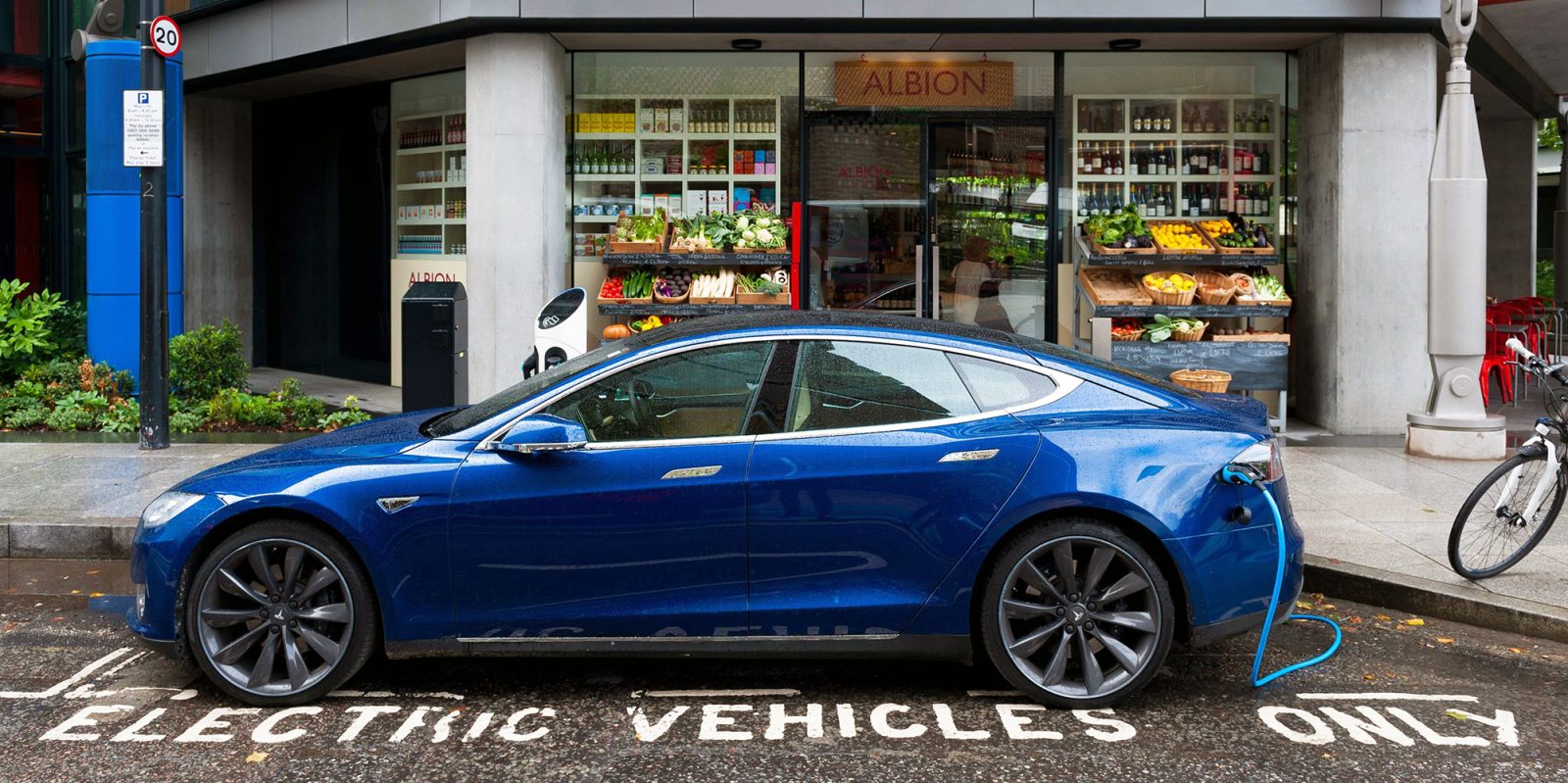
New data from the UK’s Driver and Vehicle Licensing Agency (DVLA) reflects which parts of the UK are adopting electric vehicles the quickest, and it’s not London or its southeastern suburbs. And while there’s been a big jump in just a year, the mountain Britain has to climb to reach its 2030 target is still high.
Expand Expanding Close
In today’s Electrek Green Energy Brief (EGEB):

I have absolutely no idea what I’m looking at, and yet I already know I’m in love with this hilarious little electric car from Alibaba.
Last week’s entry in the Awesomely Weird Alibaba Electric Vehicle of the Week may have frightened me, but this week’s little electric car thing tickles that “why don’t I have this in my life?” part of my brain that my wife hasn’t been able to train out of me yet.
Expand Expanding Close
Scientists at the US Department of Energy’s Argonne National Laboratory published research on how the supply chains of rare earth minerals respond to disruptions. This could include natural disasters, labor or trade disputes, construction delays – and pandemics.
The team found that mineral supply chain disruptions have long-range impacts that affect the costs and availability of electric vehicles.
Expand Expanding Close
US President Joe Biden is making the case for his electric vehicle plan today during a visit to a Ford Motor electric vehicle plant in Dearborn, Michigan, this afternoon. It’s ahead of Ford’s big reveal on Wednesday of the all-electric F-150 Lightning pickup truck. He is also likely to make note of the fact that United Auto Workers will build the F-150 Lightning.
Expand Expanding Close
In today’s Electrek Green Energy Brief (EGEB):
In today’s Electrek Green Energy Brief (EGEB):
In today’s Electrek Green Energy Brief (EGEB):
A study has looked into why about 18% of electric car owners go back to gas-powered vehicles.
The reasons are mostly exactly what we expected.
Expand Expanding Close
New York will join the list of states signaling an end to new gas vehicle sales, as a bill banning their sale after 2035 has advanced through the state legislature. It now heads to Governor Andrew Cuomo’s desk where it is expected to be signed.
This bill makes New York State the second US state to pass a gas car ban legislatively, behind Washington State, which set a 2030 target. California and Massachusetts have also set 2035 targets for the end of gas car sales, though those states made their commitments through executive action by their respective governors, Gavin Newsom (D) and Charlie Baker (R).
Expand Expanding Close
Electrek spoke with Danielle J. Harris, director of mobility innovation at Elemental Excelerator, about innovative mobility industry solutions, how we can build robust electric infrastructure and encourage the mass adoption of EVs, and the importance of equity and access.
Elemental Excelerator is a Honolulu and East Palo Alto, California-based cleantech startup accelerator that finds and funds mobility startups to work with corporates, community-based organizations, and cities. It catalyzes partnerships to equitably and sustainably advance the transportation industry.
Elemental is currently accepting applications for Cohort 10. More information can be found here.
Expand Expanding Close
When it comes to every part of the automotive industry, it seems that the switch to electric vehicles is set to leave no corner untouched. Until Tesla permanently disrupted the status quo, the world has been building cars for more or less the same way for a century.
Expand Expanding Close
It’s the classic American road trip: loading up the family in an RV and hitting the open road. Driving from sunrise to sunset as the miles and the sights pass by your window, your travel partner smiling in the passenger seat.
But imagine if you could trade those gas fill-ups along the way for the satisfaction of power from clean and silent electrons. It’s no dream, my friend! You might actually be able to make it a reality with the electric RV I found for this week’s entry in the Awesomely Weird Alibaba Electric Vehicle of the Week series. However, there’s a catch: You’ll probably have to leave extra travel companions at home in order to fit in this two seater, three-wheeled electric RV.
Expand Expanding Close
In an effort to expedite the country’s transition toward electric vehicles, the South Korean government is lowering the prices of electric vehicles by 2025. This strategy includes implementing electric battery leases for Korean customers. This would cut their initial purchase costs by nearly half.
Expand Expanding Close
“Check engine,” “oil level low,” “service engine soon.” These are all dashboard symbols us drivers are familiar with and have previously dreaded when they’re blinking in our faces after we’re already running late. The inrush of electric and hybrid vehicle sales in recent years has made certain dashboard symbols obsolete (bye-bye, oil changes). However, that is not to say that these eco-friendly vehicles don’t have their own unique symbols that drivers, especially those new to EVs, should be aware of.
Expand Expanding Close
A new survey shows that once you go electric, you don’t go back as less than 1% of EV owners want to go back to gasoline-powered vehicles.
Expand Expanding Close
Community-owned Sacramento Municipal Utility District (SMUD) and nonprofit EV advocate Plug In America have partnered up to provide free electric vehicle advice, not only just in Sacramento, but nationwide.
Expand Expanding Close
UK Prime Minister Boris Johnson today released his 10-point plan for a “green industrial revolution” that will create and support up to 250,000 British jobs. One of the 10 points is moving to electric vehicles by 2030. Here’s the government’s plan for the UK electric vehicle transition.
Expand Expanding Close