Tesla often said that the Model 3’s $35,000 price tag was dependent on the company achieving its battery cost reduction goals at the Gigafactory. Recently, Tesla officials said that the Gigafactory should no longer be seen as a constraint in the Model 3 supply chain and that the company is confident in its capacity to start producing battery cells.
The factory was first presented as having a full annual output capacity of 35 GWh of battery cells and 50 GWh of battery packs – with the difference in cells being imported from other manufacturers, like Tesla’s Gigafactory partner Panasonic, but also other possible cells suppliers.
Now it looks like Tesla is looking to South Korea to diversify its battery cell supply chain for the Model 3. Expand Expanding Close
Nevada Governor’s Office of Economic Development (GOED) published its Q1 2016 Quarterly Activity Report for the Tesla Gigafactory and judged the company’s progress to be satisfactory. You can read the full report embedded bellow.
The most interesting bit of information coming out of the report is the fact that Panasonic invested more in the plant during the last quarter than it did since the beginning of the project. Expand Expanding Close
An interesting fact about lego bricks: the first hands to touch a Lego brick are the hands of a customer since the entire manufacturing process is automated.
Granted, plastic blocks are significantly less complicated than li-ion battery cells, but since Tesla hired a long-time Lego manufacturing executive to lead the Gigafactory effort, it is an interesting analogy for the potential level of automation at Tesla’s battery factory. Expand Expanding Close
Tesla and Panasonic have undoubtedly the biggest and most widely publicized li-ion battery production project in the Gigafactory in Nevada, but it’s far from the only project aiming to increase global supply of this important component for many industries, including the EV industry.
As we often discussed, Tesla is already producing battery packs at the Gigafactory, but that’s only the beginning. In October 2015, the company moved the Tesla Energy production line from its Fremont factory to the ‘Gigafactory 1‘ project in Nevada. Tesla has since been ramping up for volume production to start in early 2016. Expand Expanding Close
Nevada Governor’s Office of Economic Development published its Q4 2015 Quarterly Activity Report for the Tesla Gigafactory and judges the company’s progress to be satisfactory despite slower than projected job creation and investment. You can read the full report embedded bellow. Expand Expanding Close
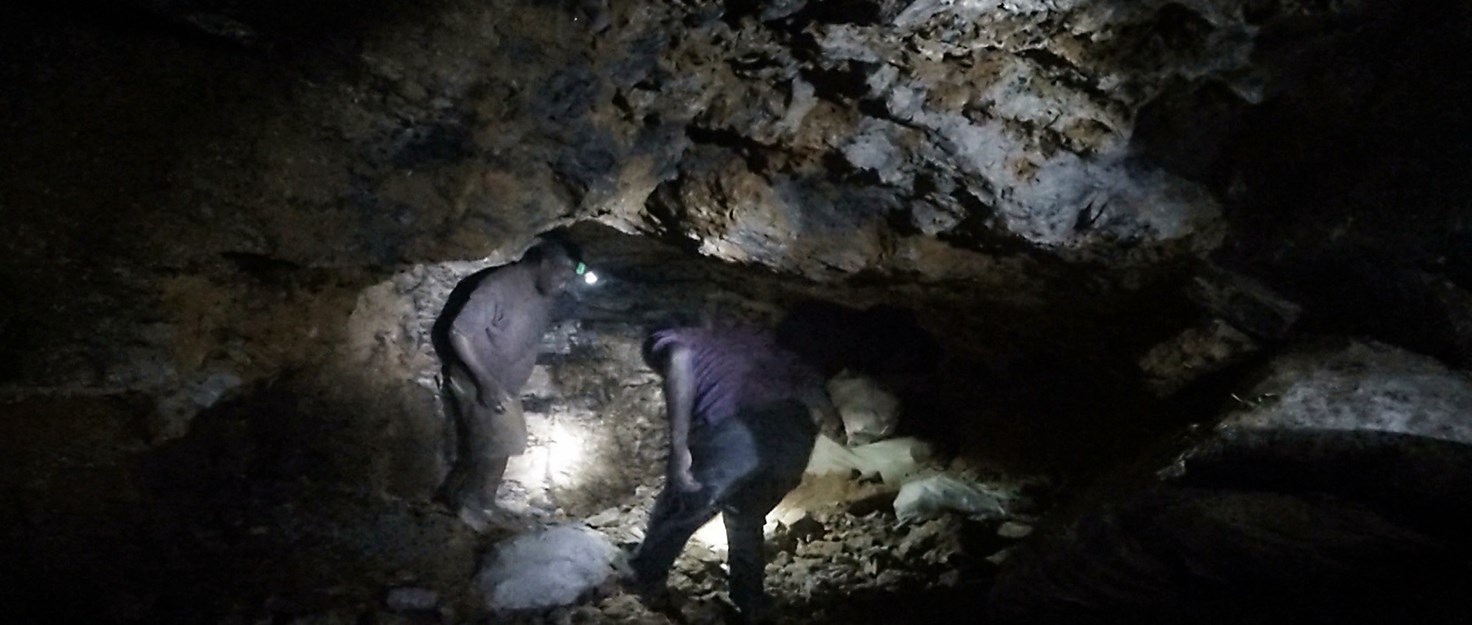
Amnesty International and Afrewatch published a new investigative report (embedded below) explaining in details the global supply chain of cobalt and the use of child labor to source the mineral in Congo.
The report highlights the failure of certain electronics and electric car companies to ensure that the cobalt used in their batteries is not sourced using child labor. It names several automakers like Mercedes, VW and BYD, as well as several battery manufacturers known to supply automakers, like LG Chem (GM and Nissan). The report also goes after electronic giants Apple, Samsung and others. Expand Expanding Close
Panasonic confirmed being a partner in Tesla’s battery factory early in the development of the project, but other than some estimates from Tesla, the electronic giant never committed to a dollar amount in investment until today.
Tesla made clear its plan to remain in control of the project and to contribute the majority of the estimated $4 billion to $5 billion investment required to build its massive battery factory. Panasonic confirmed today that it plans to invest between $1.5 billion and $1.6 billion in the Gigafactory. Expand Expanding Close
Panasonic is investing 50 billion yen ($412 million) in China to build a lithium-ion battery factory aimed at the electric vehicle market, according to a new report from Nikkei. The annual capacity is projected to be the equivalent of “around 200,000 electric vehicles”, but we don’t know the average capacity per vehicle. Expand Expanding Close
Earlier this week, the Reno Gazette-Journal published its latest progress report on Tesla’s Gigafactory. I suggest reading the entire lengthy piece to get a good idea of the impact of the Gigafactory on the region, but the paper can get obnoxiously whiny about the state and local government’s support of the project, so I compiled the bulletpoints and facts from RGJ’s document digging for a quick overview here: Expand Expanding Close
The discrepancy between first and third-world energy supplies is incredible. Nearly 20% of the world’s population lives without access to common amenities that many of us take for granted. Panasonic has set out with a new line of solar storage products, under its eneloop collection, that aims to provide lasting energy from the sun.
While it will fill an obvious need in electricity-poor countries, it also might not be a bad idea for your own shed or garage. Solar powered batteries have come a long way in recent years and Panasonic plans on leveraging that technology around the world.
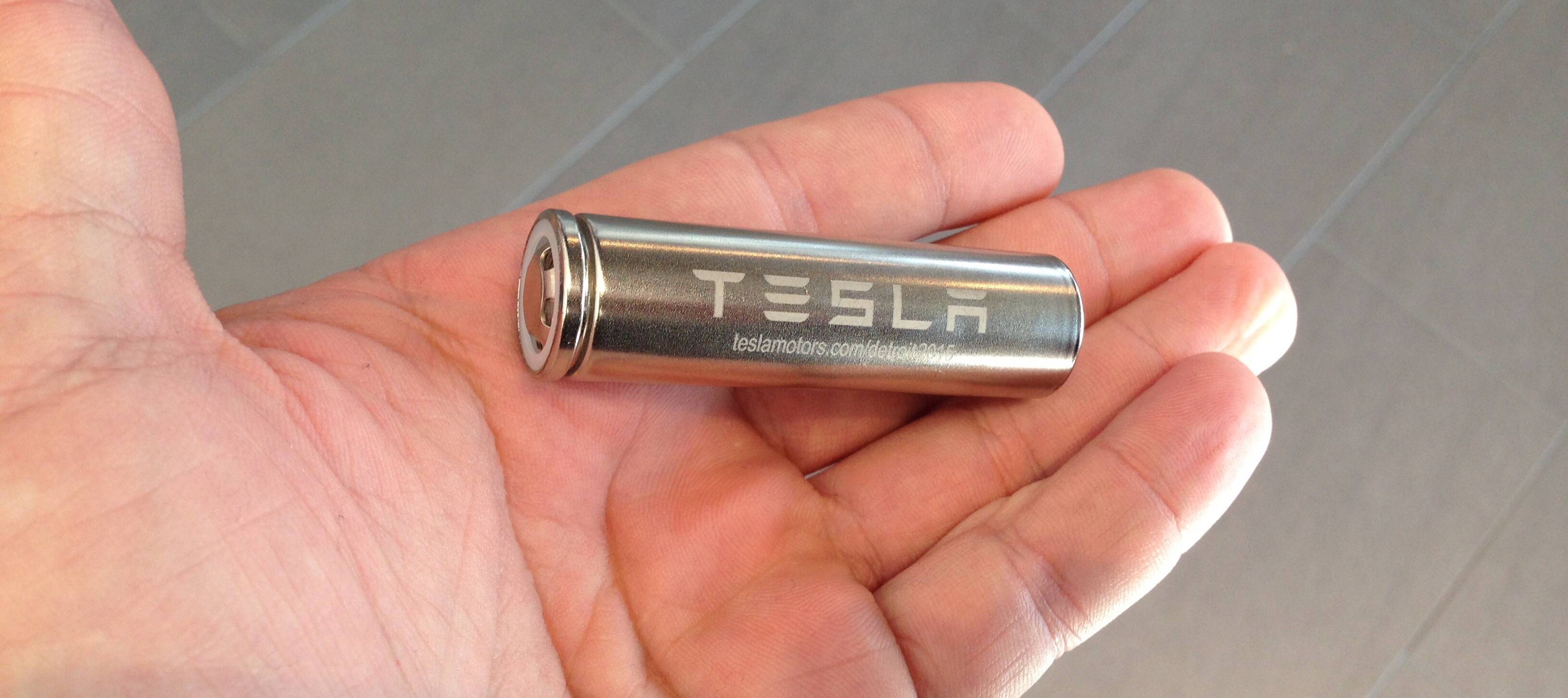
Tesla builds its own battery packs, but imports the several thousands battery cells needed per pack from suppliers, mainly Panasonic. The automaker is heavily investing to change that by building the Gigafactory, in partnership with Panasonic, to manufacture both the cells and battery packs in the Nevada desert east of Reno.
But the planned output of the factory is 35 GWh in battery cells and 50 GWh in battery packs, meaning the Gigafactory will need to import 15 GWh of battery cells. Tesla already confirmed its intention to source the cells from more than one suppliers “potentially including Panasonic”, and today we learn through a new report from Asia Nikkei that the company is reportedly in the final stages of negotiations with LG Chem. Expand Expanding Close
Earlier this month SolarCity announced details of a new high-efficiency solar panel it plans on producing at its 1 GW module factory under-construction in Buffalo, NY. The company claimed that the module’s 22.04% efficiency was enough to make it the “most efficient rooftop solar module” ever made. The claim apparently sparked a “war” of high-efficiency solar panels because in the week following the announcement two other solar panel makers claimed to have surpassed SolarCity’s record. Expand Expanding Close
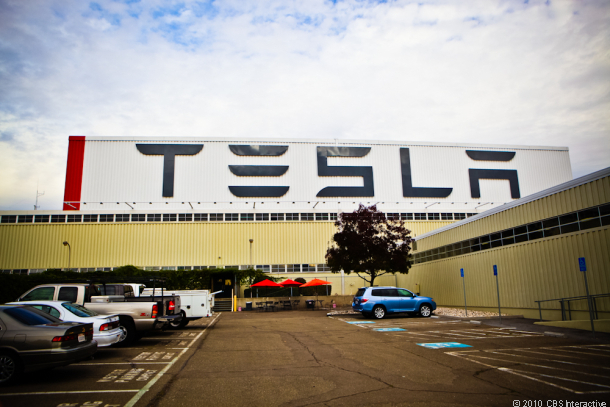
The state of Nevada gave an update on the developments of Tesla’s Gigafactory for the second quarter of the year. The company needs to keep up with the state’s requirements in order to get access to the $1.3 billion incentive package the state offered to secure the 6,500 jobs the factory is expected to create in Nevada and so far, so good for Tesla. Expand Expanding Close
During a presentation about the Tahoe Reno Industrial Center, Dean Haymore, from Story County Commission, said that Tesla purchased an additional 1,200 acres of land adjacent to their battery factory under-construction near Reno. According to Haymore, the new purchase made last week more than doubles Tesla’s land at the site and the company is looking to purchase another 350 acres. Expand Expanding Close
OSAKA — Panasonic has reached a basic agreement with Tesla Motors to participate in the Gigafactory, the huge battery plant that the American electric vehicle manufacturer plans to build in the U.S. Tesla aims to begin the first phase of construction this fiscal year. The plant would start making lithium-ion cells for Tesla cars in 2017. The automaker is shouldering the cost for the land and buildings. Panasonic likely will invest 20 billion to 30 billion yen ($194-291 million) initially, taking responsibility for equipping the factory with the machinery to make the battery cells. An official announcement on the partnership will come by the end of this month. Capacity at the Gigafactory will be added in stages to match demand, with the goal of producing enough battery cells in 2020 to equip 500,000 electric vehicles a year. The total investment is expected to reach up to $5 billion, and Panasonic’s share could reach $1 billion. The Japanese company owns a stake in Tesla and currently makes the batteries for Tesla cars. In a contract reworked in October 2013, the two agreed that Panasonic would supply Tesla with 2 billion battery cells between 2014 and 2017.
The partnership wasn’t ever a secret or really ever in doubt. Panasonic, I think, spent some extra time negotiating better terms. Both company’s stocks are spiking on the news.
Tesla just announced details of the Battery Gigafactory to be located in the Southwest US. The location hasn’t yet been selected but will provide 6500 US jobs and, in 2020, enough batteries for 500,000 electric vehicles.
Tesla also announced a $1.6B convertible notes offering to fund the Gigafactory and other ramping.
As we at Tesla reach for our goal of producing a mass market electric car in approximately three years, we have an opportunity to leverage our projected demand for lithium ion batteries to reduce their cost faster than previously thought possible. In cooperation with strategic battery manufacturing partners, we’re planning to build a large scale factory that will allow us to achieve economies of scale and minimize costs through innovative manufacturing, reduction of logistics waste, optimization of co-located processes and reduced overhead.
The Gigafactory is designed to reduce cell costs much faster than the status quo and, by 2020, produce more lithium ion batteries annually than were produced worldwide in 2013. By the end of the first year of volume production of our mass market vehicle, we expect the Gigafactory will have driven down the per kWh cost of our battery pack by more than 30 percent. Here are some details about what the Gigafactory will look like.
Panasonic Corp is inviting a number of Japanese materials suppliers to join it in investing in a U.S. car battery plant that it plans to build with Tesla Motors Inc, with investment expected to reach more than 100 billion yen ($979 million), the Nikkei reported.
The plant, expected to go on-stream in 2017, will bolster Panasonic’s supply of lithium-ion batteries to the U.S. electric-car maker.
Last week, Tesla shed some light on its plans for building a lithium-ion battery plant, or “giga factory,” that will cut battery costs and allow the company to launch a more affordable electric car in 2017. However, it said at the time that further details would be announced this week.
The U.S. plant, which will handle everything from processing raw materials to assembly, will produce small, lightweight batteries for Tesla and may also supply Toyota Motor Corp and other automakers, the Nikkei said.
Battery costs have been a major stumbling block to widespread electric car adoption in the United States, according to analysts. Tesla’s giga factory will lower costs by shifting material, cell, module and pack production to one spot.
In Tesla’s earnings conference call last week, Chief Executive Elon Musk said the electric car maker expects to build the factory with more than one partner, but a “default assumption” was that Panasonic, as a current battery cell partner, “would continue to partner with us in the giga factory.”
“The factory is really there to support the volume of the third generation car,” Musk said on the call. “We want to have the vehicle engineering and tooling come to fruition the same time as the giga factory. It is already part of one strategy, one combined effort.”
The pieces are starting to come together. The biggest question now is how Tesla funds the other $4B in costs. Will it issue more stock? Will it bring in some very rich partners like Apple? On that note we go to last week’s earnings call for more color on that: Expand Expanding Close
Musk said they were looking for a US state where the factory was going to be built and would announce plans at next month’s Q4 earnings call. He also said Tesla would be partnering with ‘other companies’ on the plant. Here’s why I think Tesla will partner with Solar City and Panasonic on the plant: