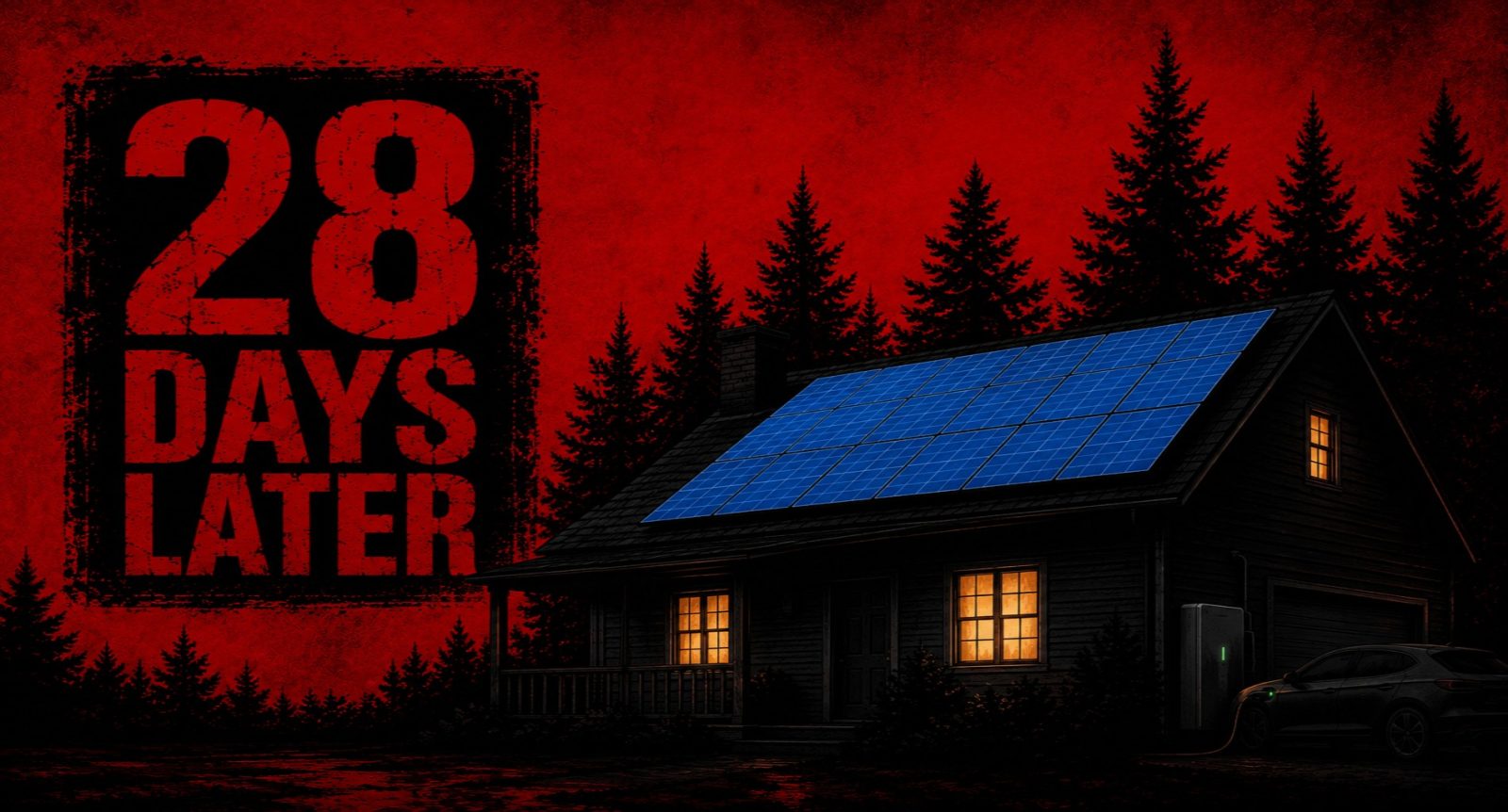
Are you wondering how much it would cost to charge up your EV if you added a home solar system to your roof? One EV owner did just that. After 14,000 miles of driving, he’s sharing his results online — and the real-world data might surprise you!
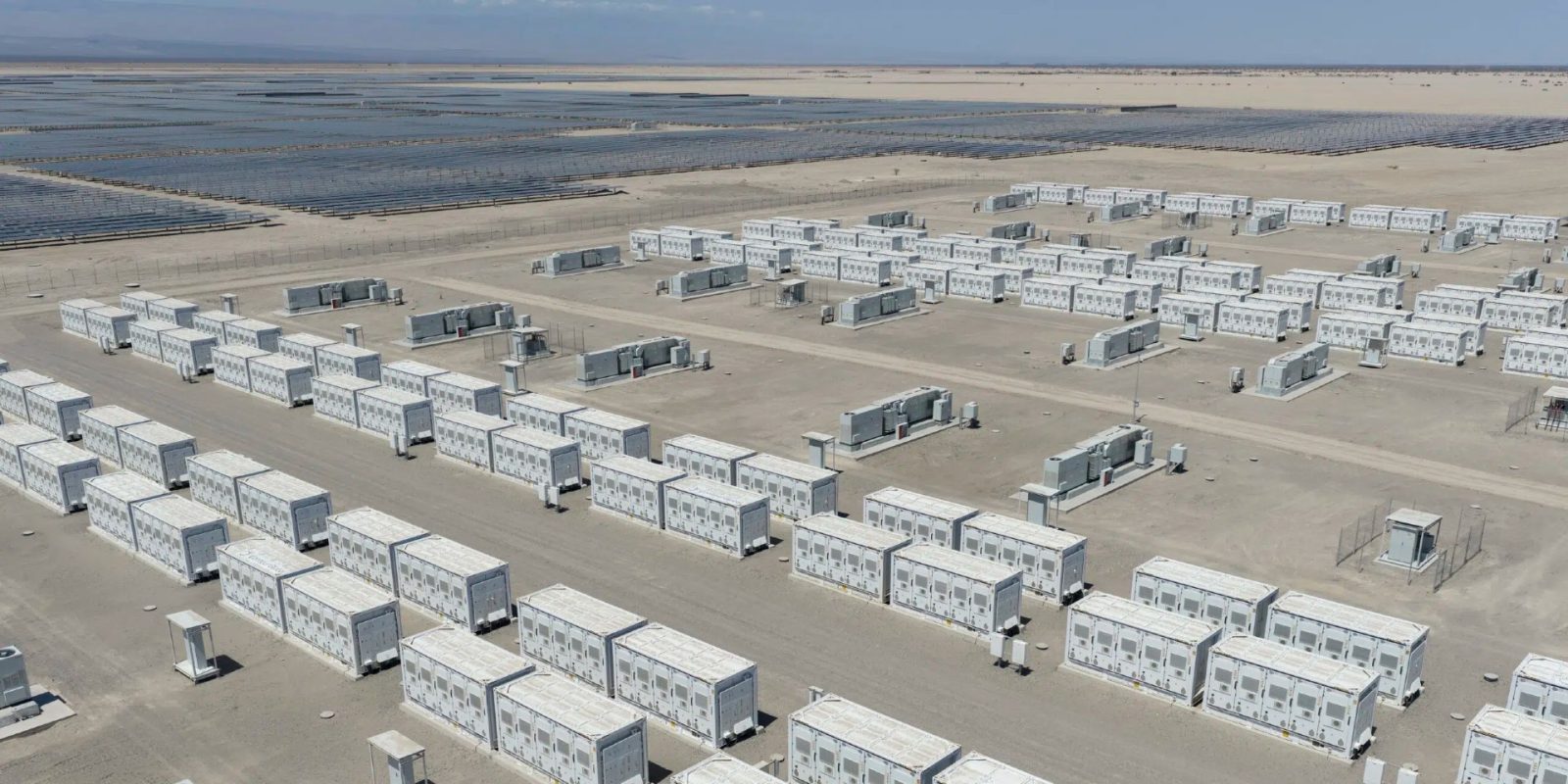
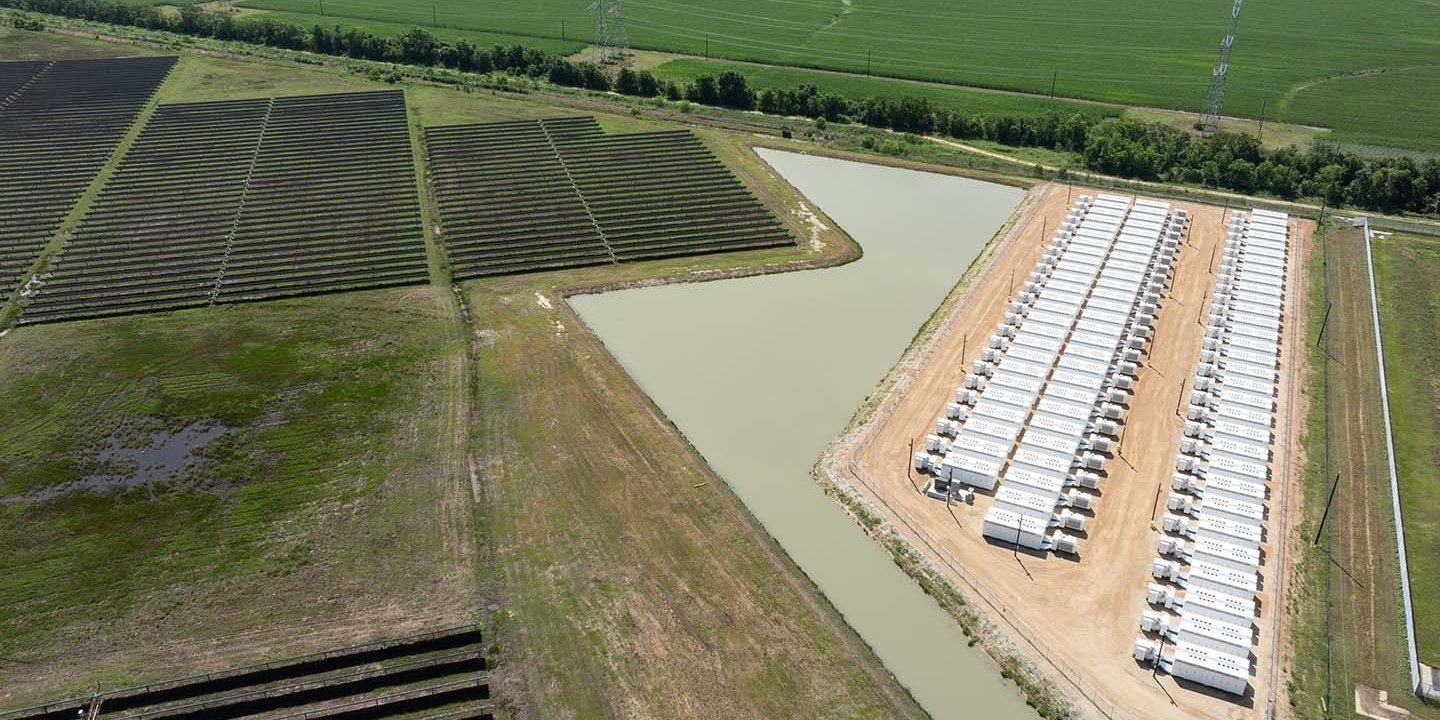
Calibrant Energy has signed a definitive agreement with Iron Mountain to build, own, and operate a 23-megawatt-hour (MWh) battery at the latter’s New Jersey data center.
European solar roofing company Roofit.Solar has completed its first US project, marking its official entry into the North American market with a residential installation in Michigan.
Octopus Energy Generation is investing almost $1 billion in California clean tech projects, the latest move by the UK‑based renewable investor as it scales up its presence in the US market.
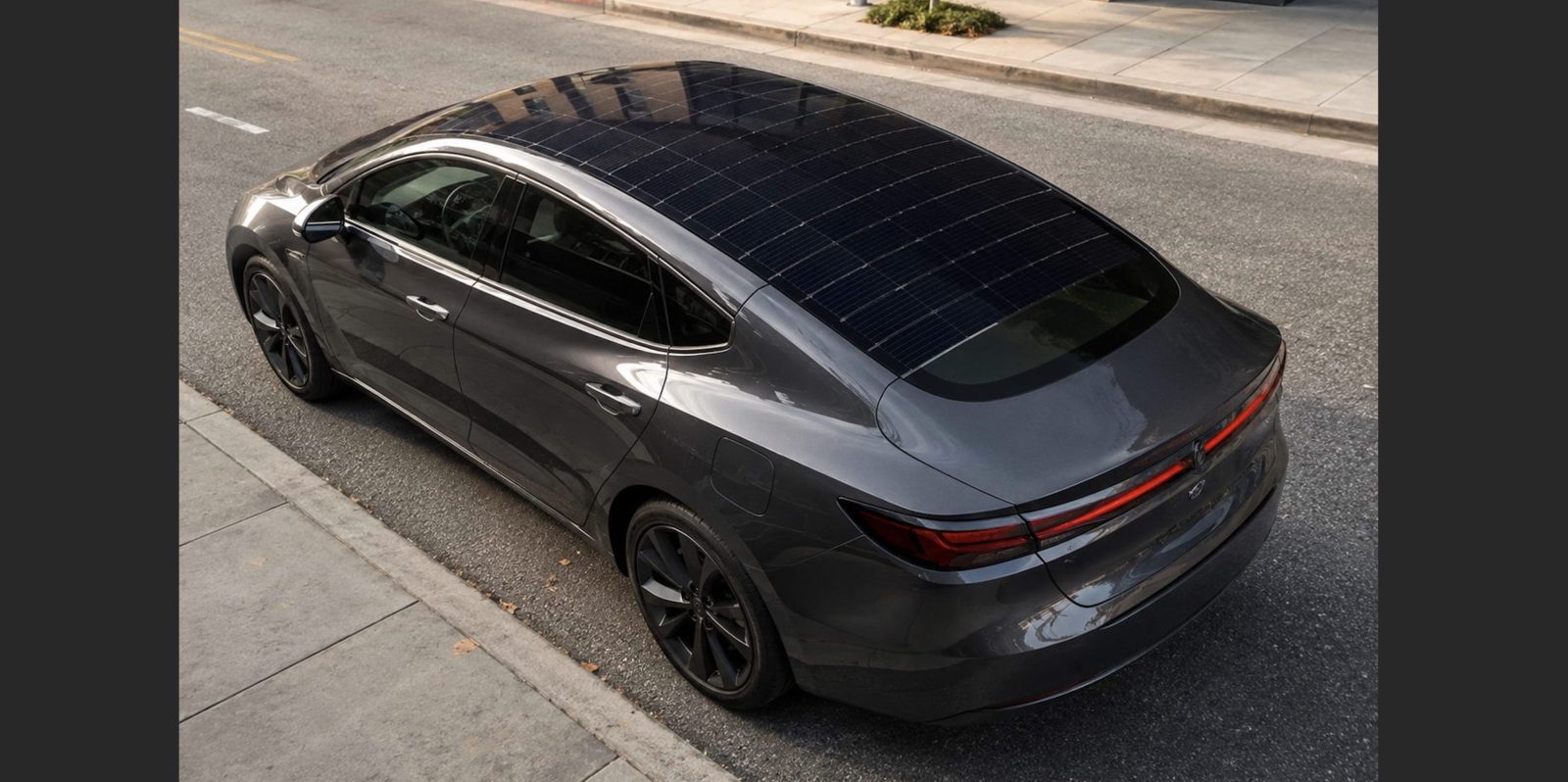
Refrigerated trailers are critical for hauling your fresh food and flowers from the farm to your local market – the problem is that they pollute like crazy, powered by red-dye diesel gensets that run around the clock, even when the truck pulling them is fully electric. To help solve that problem, one company come up with an idea so obvious you’ll hate yourself for not coming up with it on your own: rooftop solar.
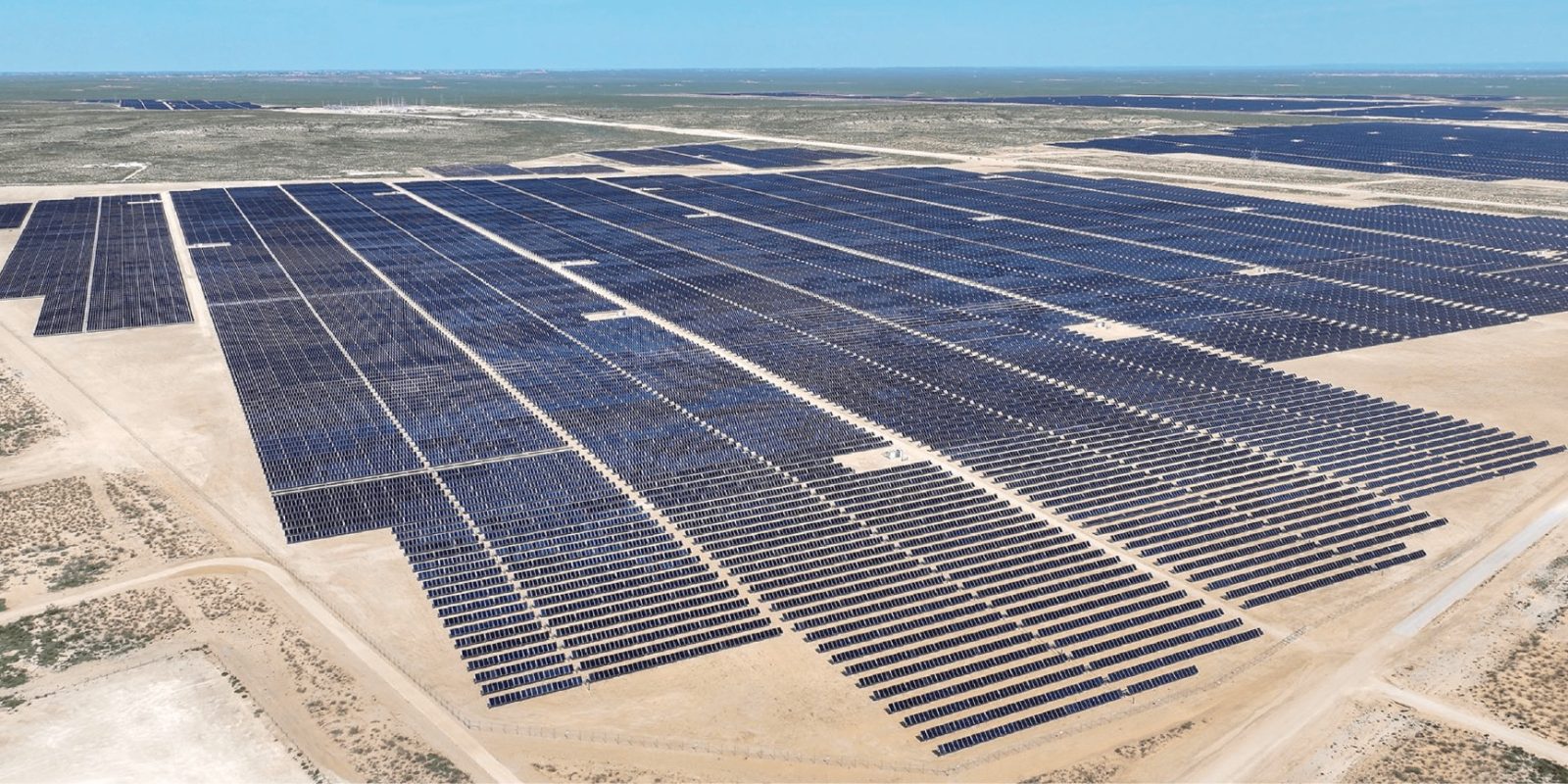
TotalEnergies just landed a massive solar deal to power Google’s expanding Texas data centers. The company signed two long‑term power purchase agreements (PPA) totaling 1 gigawatt (GW) of capacity, or about 28 terawatt‑hours of electricity over 15 years.
Businesses walked away from $5.1 billion in large-scale factories and clean energy projects in December alone – a stark finish to a year in which cancellations finally overtook new investment in the US clean energy sector. By the end of 2025, nearly $35 billion in clean energy investments had been canceled or downsized nationwide, taking more than 38,000 current and future jobs with them, according to new tracking from E2.
New solar and wind capacity additions in November were the second highest in 2025 and accounted for 93% of that month’s total. Solar continues to dominate new capacity additions and has held the lead among all energy sources for 27 consecutive months, according to data released by the Federal Energy Regulatory Commission (FERC) and reviewed by the SUN DAY Campaign.
Winter Storm Fern knocked out power for millions of people across the US and reignited a familiar political and media fight over what really causes large-scale outages during extreme weather. To separate the rhetoric from the operational reality, Electrek spoke with Leah Qusba, CEO of GoodPower, a research, strategic communications, and campaigning organization focused on advancing the global renewable energy transition.
In this Q&A, Qusba walks through what tends to fail first during major winter storms, what outage data shows about the role of wind, solar, and fossil generation during Fern, why fuel supply and winterization still matter more than the generation mix, and how coordinated disinformation campaigns exploit moments of uncertainty after grid emergencies and what works to counter them.
SOLARCYCLE has started recycling solar panels at a massive new facility in Cedartown, Georgia, signaling that solar recycling in the US is finally moving from pilot projects to industrial scale.
SolarEdge has started shipping US-made residential solar inverters to Europe – a milestone as US solar manufacturers look for export upside amid shifting trade rules, tariffs, and fading domestic manufacturing incentives.
Solar, wind, and batteries are set to supply virtually all net new US generating capacity in 2026, according to EIA data reviewed by the SUN DAY Campaign, continuing their strong 2025 growth.
Like EVs, solar panels are sold with warranties – but what happens when the warranty runs out? A Swiss university study of solar installations from the 1980s and ’90s found many still generating most of their original power.
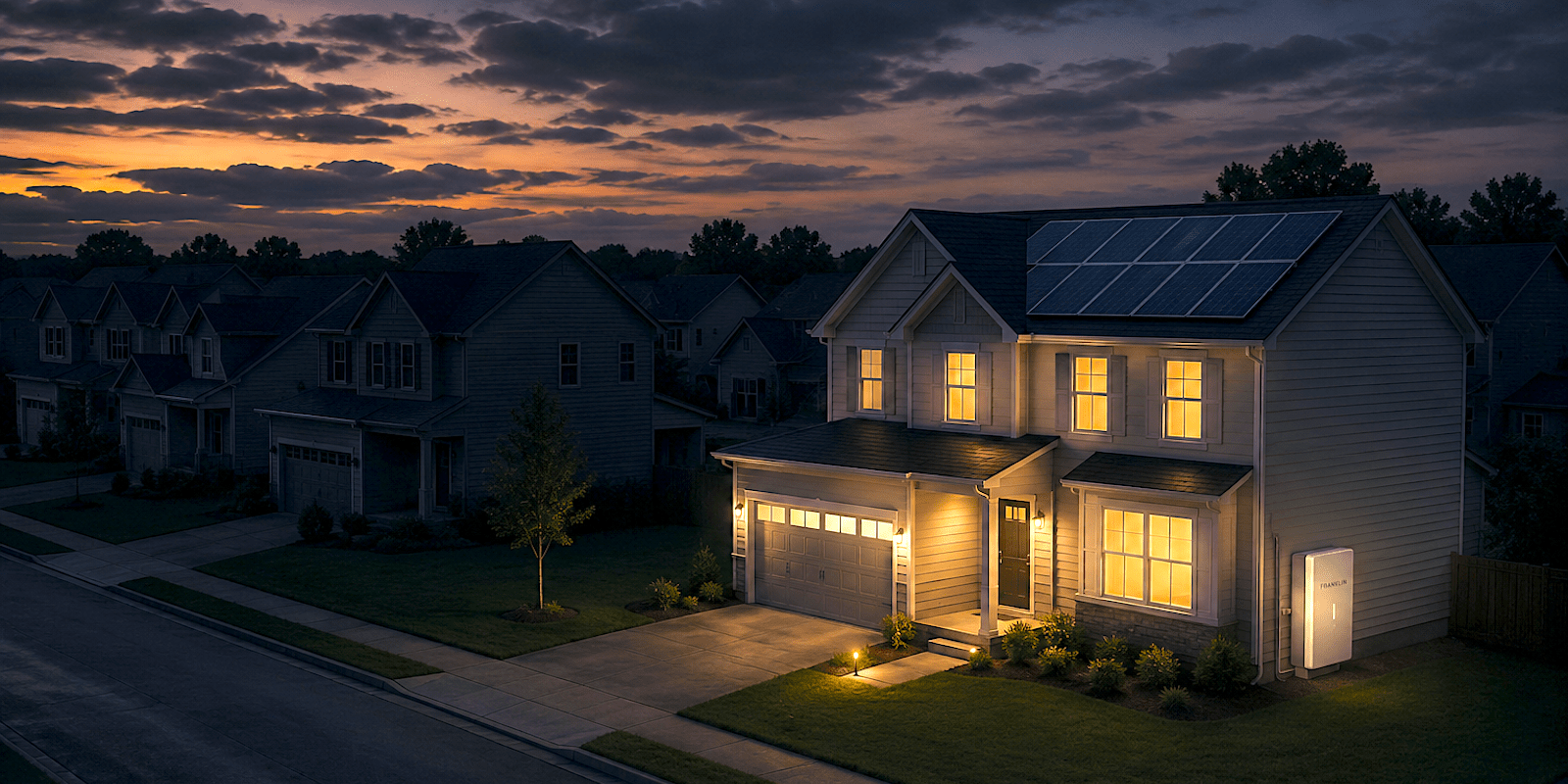
There’s no shortage of advice on how to size a home solar and battery system, but most of it assumes a suburban home with city services and outages measured in hours, not days. Rural homes play by different rules, especially during major winter storms. When ice and snow take down lines and your utility prioritizes restoring power to urban neighborhoods, having a home battery isn’t about convenience — it’s about damage control.
NOTE: since most of the US is currently getting hit with a huge winter storm, I’m republishing this list of home batteries as a reminder to be prepared for the next one – particularly for folks who are looking at hours or days without power.
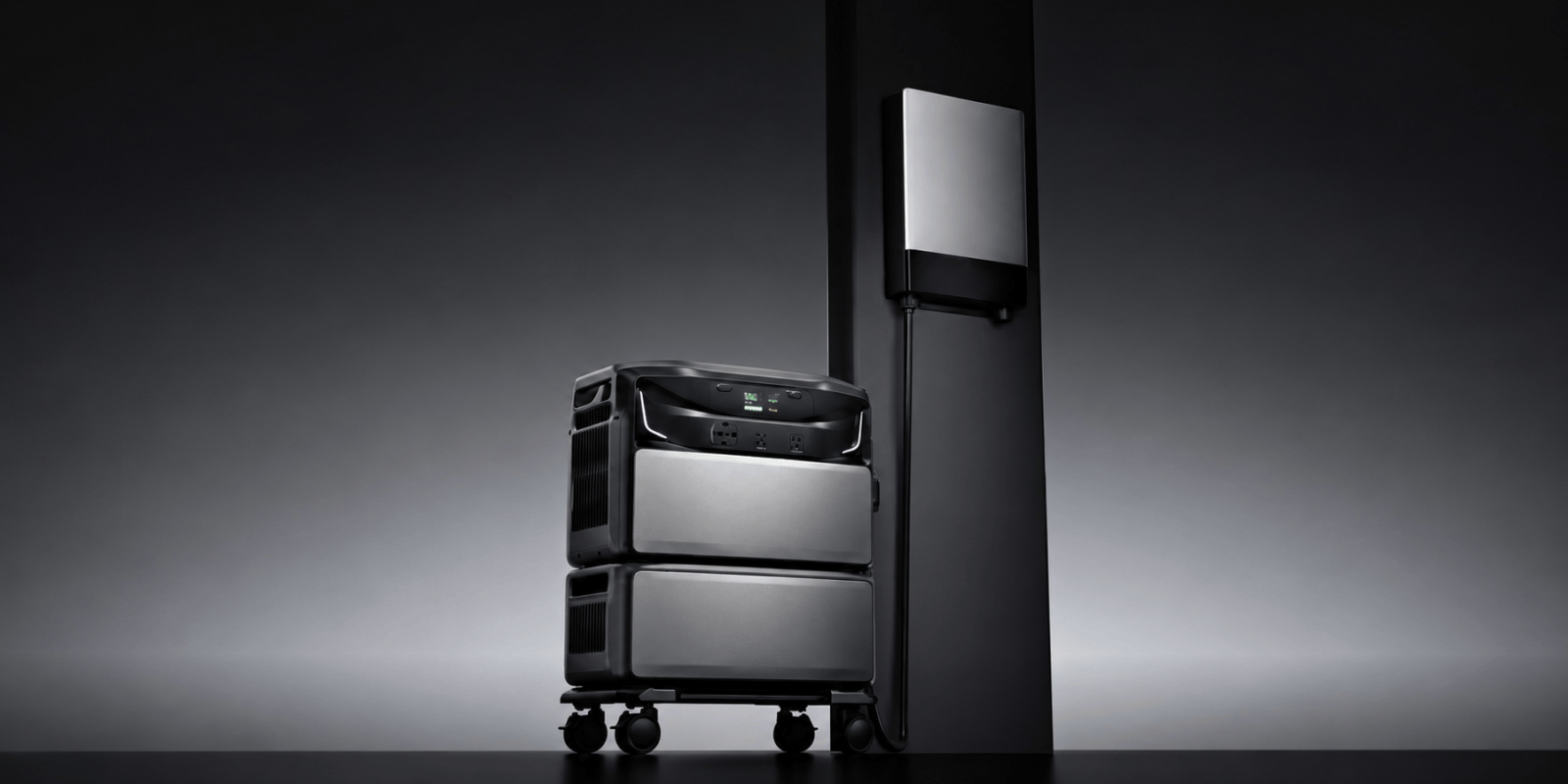
For years, Tesla Powerwall has been the go-to recommendation for homeowners looking for a painless, low-effort experience from their first home solar and battery backup solutions. But with a recent recall on more than 10,000 home batteries over fire safety concerns following a year (or more) of CEO Elon Musk’s political antics, more and more people are beginning to look for alternatives to the trailblazing Tesla tech. The good news: there are plenty of other great home solar battery solutions are there!
Europe’s power mix hit a tipping point in 2025. Wind and solar generated more electricity across the European Union than fossil fuels for the first time last year, according to Ember’s newly released European Electricity Review. Wind and solar supplied a record 30% of EU power, edging past fossil fuels at 29%.
Solar continues to dominate new capacity additions and has held the lead among all energy sources for 26 consecutive months. As a result, installed utility-scale solar capacity now exceeds wind capacity for the first time, according to data released by the Federal Energy Regulatory Commission (FERC) and reviewed by the SUN DAY Campaign.
There’s no shortage of advice on how to size a home solar system, but most of it assumes a suburban house with city water and a long list of optional loads. Rural homes play by different rules, and when your water comes from a well, keeping the lights on is optional — but keeping the well’s pump running isn’t.
Here’s what it really takes, in solar and battery terms, to keep your home’s water flowing even when its electrons aren’t.
Solar didn’t just show up in 2025 – it carried the grid. A new analysis from global energy think tank Ember shows that solar power accounted for 61% of the growth in US electricity demand last year, highlighting how central solar has become as power demand accelerates.
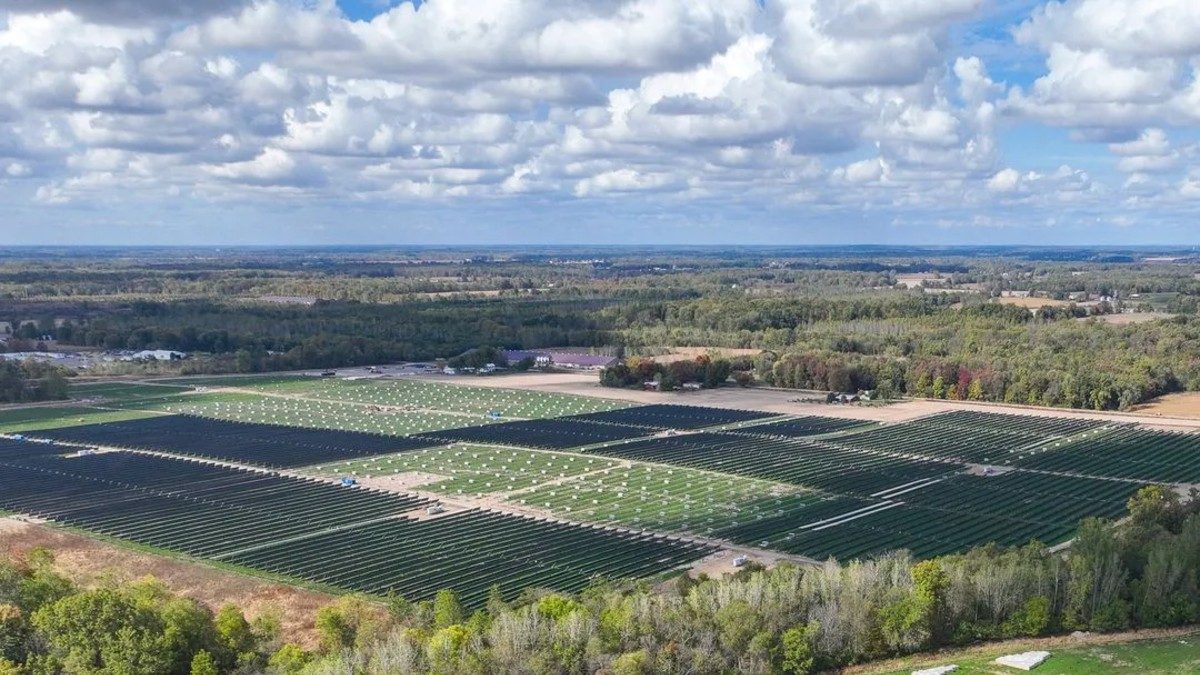
Independent power producer Treaty Oak Clean Energy has closed financing and kicked off construction on two solar farms that will add 385 megawatts of renewable energy capacity to Louisiana.
Germany produced 18% of its electricity through solar power in 2025, up from 14% in 2024, a significant leap that meant solar overtook both coal and methane gas in the country’s electrical supply – despite the high latitudes the whole country sits at.