Solar power

See All Stories

SolarCity customers produced 10 GWh of solar electricity Tuesday

Site default logo image

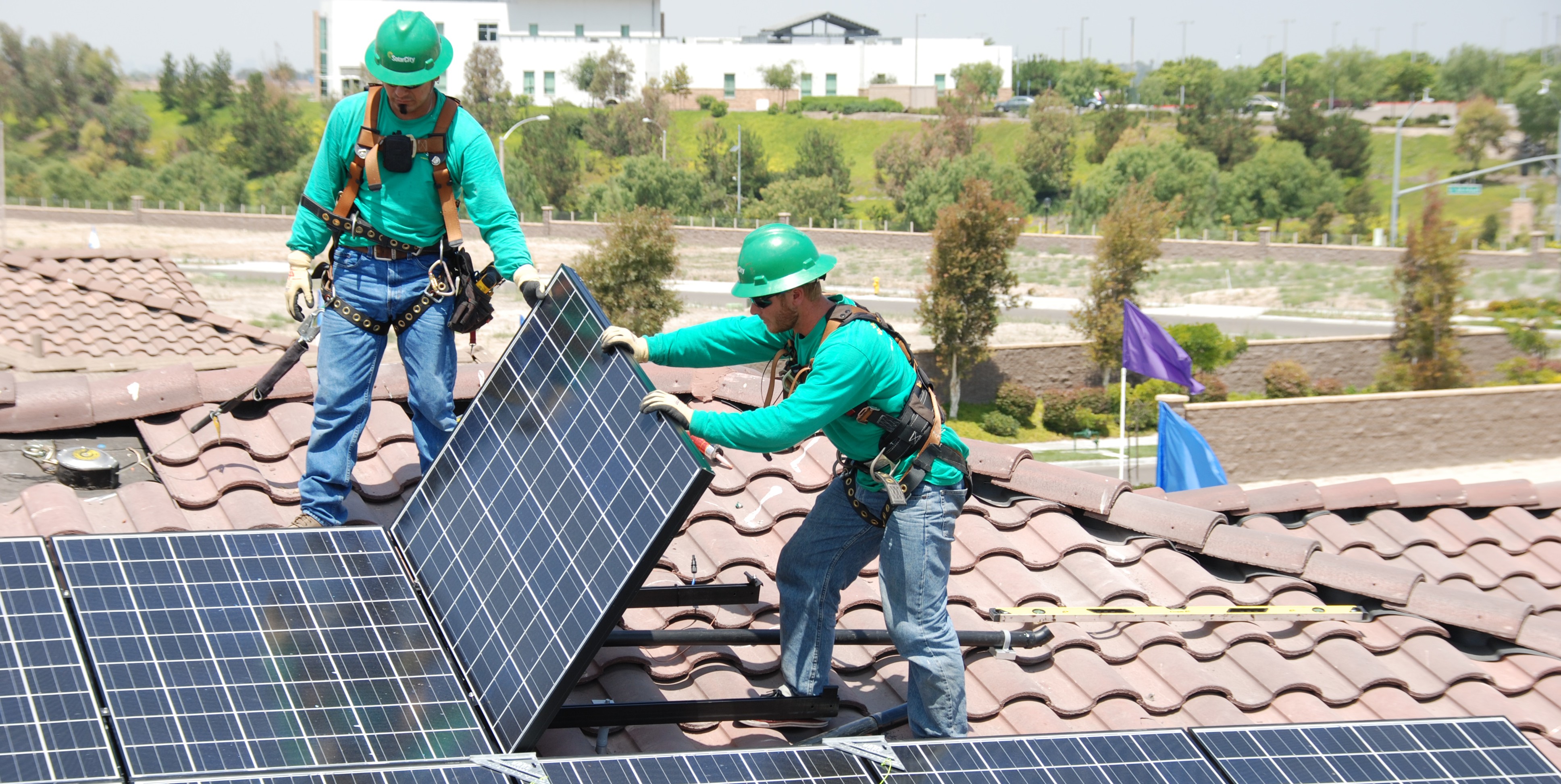
Tuesday, SolarCity produced greater than 10GWh of solar electricity via its customer base. This doubles the 5GWh peak in 2015 and more than triples the 3GWh in 2014. SolarCity has over 280,000 customers and greater than 2.16GW installed as of the end of the first quarter – that volume is expected to grow 218MW in the second quarter and to be greater than 3GW before the end of 2016. The summer day peaks around June 20 – meaning we’ll probably see more records broken.
Expand
Expanding
Close

US Department of Energy wants electricity grid to be able to handle 100% mid-day peak solar power

Site default logo image

The US Department of Energy (DOE) is readying the power grids for solar power to meet 100%, and greater, of local electricity demand as solar peaks mid-day. The DOE is funding a series of projects whose broad goal is to make the power grid more able to be monitored and managed while dealing with less predictable and controllable forms of electricity generation.


Expand
Expanding
Close

“Cat Microgrid Technology” – Solar Power Microgrids are coming to your neighborhood

Site default logo image

Caterpillar – the company known for building some of the biggest, baddest construction hardware on the planet has launched a new product line: CAT Microgrid Technology powered with Solar Power. Caterpillar’s product line is focused on mining, telecoms and remote communities, but a push by the likes of SolarCityThe State of New York and Community Solar, and you’ll soon see why Microgrids will reshape how your neighborhood gets it electricity.


Expand
Expanding
Close

The price of solar power just fell 50% in 16 months – Dubai at $.0299/kWh!

Site default logo image

Dubai received bid of $.0299/kWh for 800MW of solar power. This price represents the lowest yet recorded for solar power (and might not represent the end of the price drops…).

Dubai Electricity and Water Authority (DEWA) has received 5 bids from international organisations for the third phase of the Mohammed bin Rashid Al Maktoum Solar Park, said HE Saeed Mohammed AlTayer, MD & CEO of DEWA. The lowest recorded bid at the opening of the envelopes was US 2.99 cents per kilowatt hour. The next step in the bidding process will review the technical and commercial aspects of the bids to select the best one.

In the USA, in 2014 and with incentives, utility scale solar projects averaged $.05/kWh. On this bid alone, five companies bid below $.045/kW – without subsidies!
Expand
Expanding
Close

I Was Wrong About the Limits of Solar; PV Is Becoming Dirt Cheap.

The price of solar power is falling faster than many thought was possible. Harvard’s David Keith comes honest with us about solar power: “Facts have changed. I was wrong.”

The unsubsidized electricity cost from industrial-scale solar PV in the most favorable locations is now well below $40 per megawatt-hour and could very easily be below $20 per megawatt-hour by 2020. Compared to other new sources of supply, this would be the cheapest electricity on the planet.

The price of solar power has fallen for multiple reasons – the largest is that the volume of solar power being manufactured has skyrocketed. Of the almost 240GW of solar power installed globally, 85% of it has been installed in the past five years.


Expand
Expanding
Close

SunEdison (SUNE) officially files for bankruptcy – Wall Street couldn’t wait

SunEdison has officially filed for bankruptcy. This has been expected by some players as far back as the 3rd quarter of 2015. SUNE has been a big player in the solar industry for a long time as they’ve strived to become the biggest global developer. By aggressively going after growing markets around the world and innovating with Solar Power YieldCos it looked like SunEdison might make it as well. Now, both SunEdison and their YeildCo is being sued. Alas…this party has come to an end.
Expand
Expanding
Close

SolarEdge (SEDG) blows up earnings, stock up 30% while competitors capitulate

There’s a big reckoning happening in the solar inverter space right now. SolarEdge, an Israeli startup that we’ve profiled previously just announced bigger than expected earnings, sending their SEDG stock price up 5 points or a whopping 30% in today’s trading…
Expand
Expanding
Close

Tesla battery packs to power “hybrid-electric office buildings” in Irvine

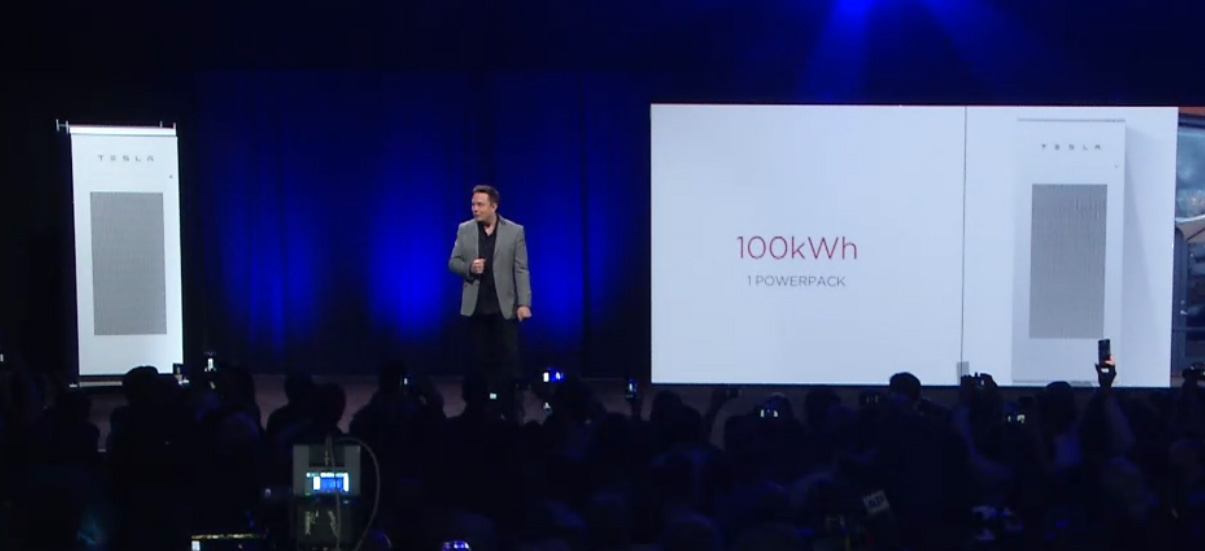
Earlier this year, Advanced Microgrid Solutions (AMS) and Tesla Motors, under its ‘Tesla Energy division’, inked a massive 500 MWh supply deal for battery packs to power AMS’ “hybrid-electric buildings” concept. Today AMS announced a new project under the agreement with Tesla to install a first phase of Powerpacks at up to 24 office buildings owned by The Irvine Company, a real estate company with properties throughout coastal California.
Expand
Expanding
Close

SunEdison to layoff 10% of its workforce as investors question its strategy

According to a new report from GTM on Sunday, SunEdison sent out an internal memo last Friday to announce an important restructuring process which will include laying-off about 10% of the company’s workforce. The restructuring comes amid investor concerns about the company’s strategy which has been “all over the place” lately. Most notably, the company’s acquisition of the residential solar installer Vivint for $2.2 billion earlier this summer.

The decision to buy a residential solar provider was out of SunEdison’s core business, which mostly consist of developing utility-scale solar projects. Now the company might have to sell some of these projects in order to get rid of mounting debts (~$10 billion).
Expand
Expanding
Close

SolarEdge’s new HD-Wave Inverter is a giant leap for Tesla’s Powerwall and the greater solar market

Site default logo image

SolarEdge announced a significant upgrade to their smart inverter line this today called “HD-Wave” which will have a profound impact on the solar industry. Further followup from SolarEdge yields a nice (HDWave PDF) Deck as well outlining some of the bigger upgrades.

In short, SolarEdge has done for the inverter (a critical piece of the solar ecosystem which turns DC powered Solar/Wind/hydro electricity into AC which is used by homes and long poweline distance travel) what flat panels did for the TV just a decade or so ago.  The new technology uses 16 times fewer magnets, smaller thin film capacitors and much less cooling to yield a 99% efficient power transformation. That not only makes solar installs less expensive, more productive and easier, it makes Tesla’s Powerwall a whole lot smaller…
Expand
Expanding
Close

SolarCity will offer home owners in Hawaii the option to go completely off-grid using Tesla’s new battery packs

Site default logo image

Following Tesla’s introduction of a new selection of battery packs for residential, commercial and industrial use, SolarCity announced the integration of these batteries to their solar system offering. This new offering will include the option to go completely off-grid for select customers starting by home owners in Hawaii.

Combining photovoltaic panels with Tesla’s battery packs will allow home owners to power their house on sunlight day and night.


Expand
Expanding
Close

IKEA begins selling Solar Panels: Why this is a big deal

Site default logo image

The AP reports today that IKEA will begin selling solar panels. Not just a back up iPad battery but like whole house to grid assemblies.

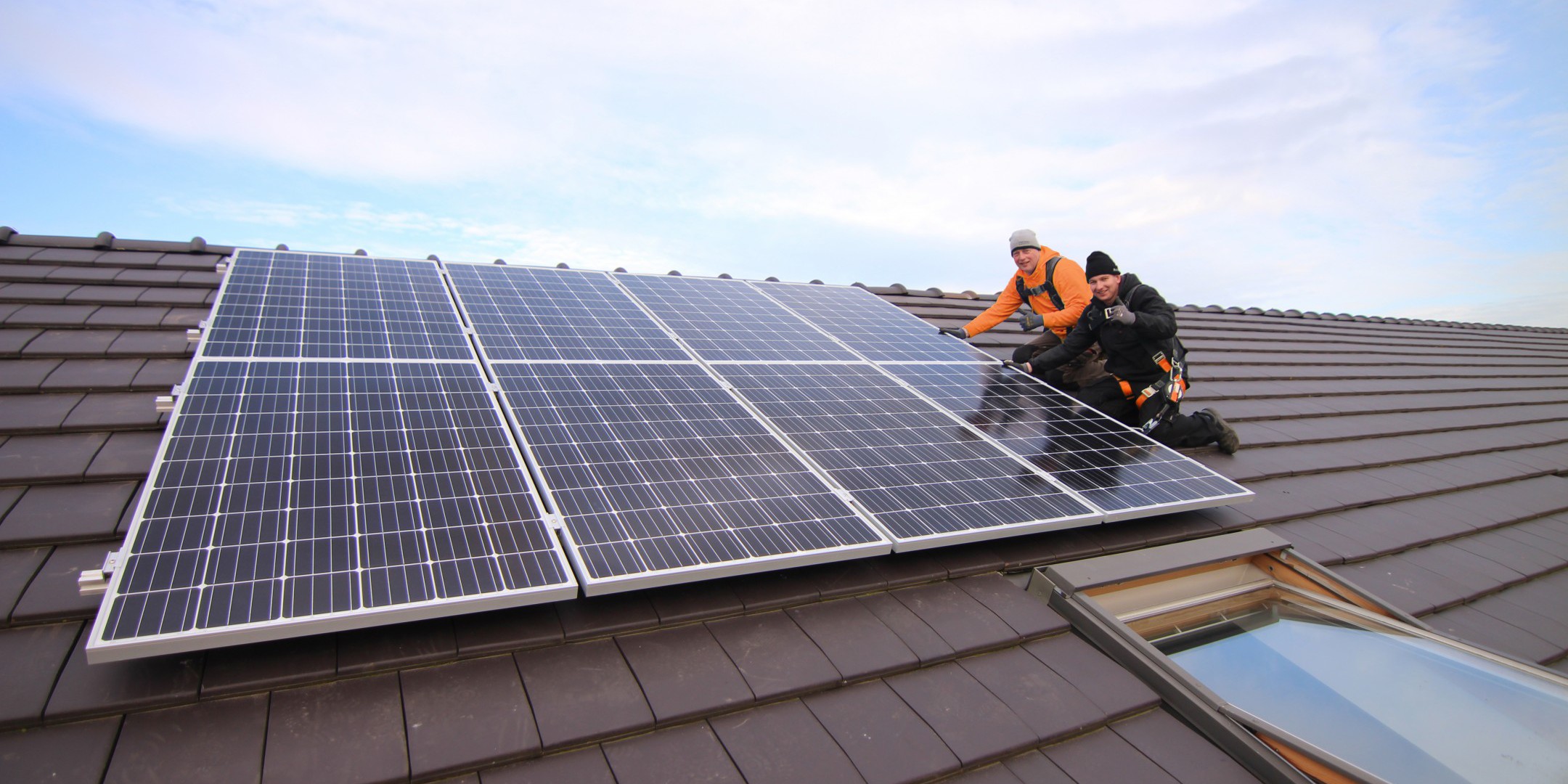
Swedish flat-pack furniture giant IKEA will start selling residential solar panels at its stores in Britain, the first step in its plan to bring renewable energy to the mainstream market worldwide. The company started selling solar panels made by China’s Hanergy in its store in Southampton on Monday. It will sell them in the rest of Britain in coming months, it said.

A standard, all-black 3.36 kilowatt system for a semi-detached home will cost 5,700 British pounds ($9,200) and will include an in-store consultation and design service as well as installation, maintenance and energy monitoring service.

Getting Solar in front of more eyes and making it easier for consumers to swallow is a big step in improving consumer adoption. If the UK test run is successful (and if you can sell solar in cloudy Britain, why not?) then I’m hoping to see a wider rollout globally.

Even in Britian, the break even point for solar is 7 years so I’d imagine sunnier places, like *everywhere*, will be more successful. The UK does have a solar friendly environment however:

The U.K. government offers private solar panel owners the opportunity to sell back electricity to the grid on days when they have surplus production and has a financing plan for solar power investments, which means residents can buy a system for no upfront cost and pay it off gradually.