Apparently, a 19-megawatt (MW) solar farm and a 167-MW AI data center are “substantially the same” – at least according to the Trump administration’s Bureau of Land Management (BLM).
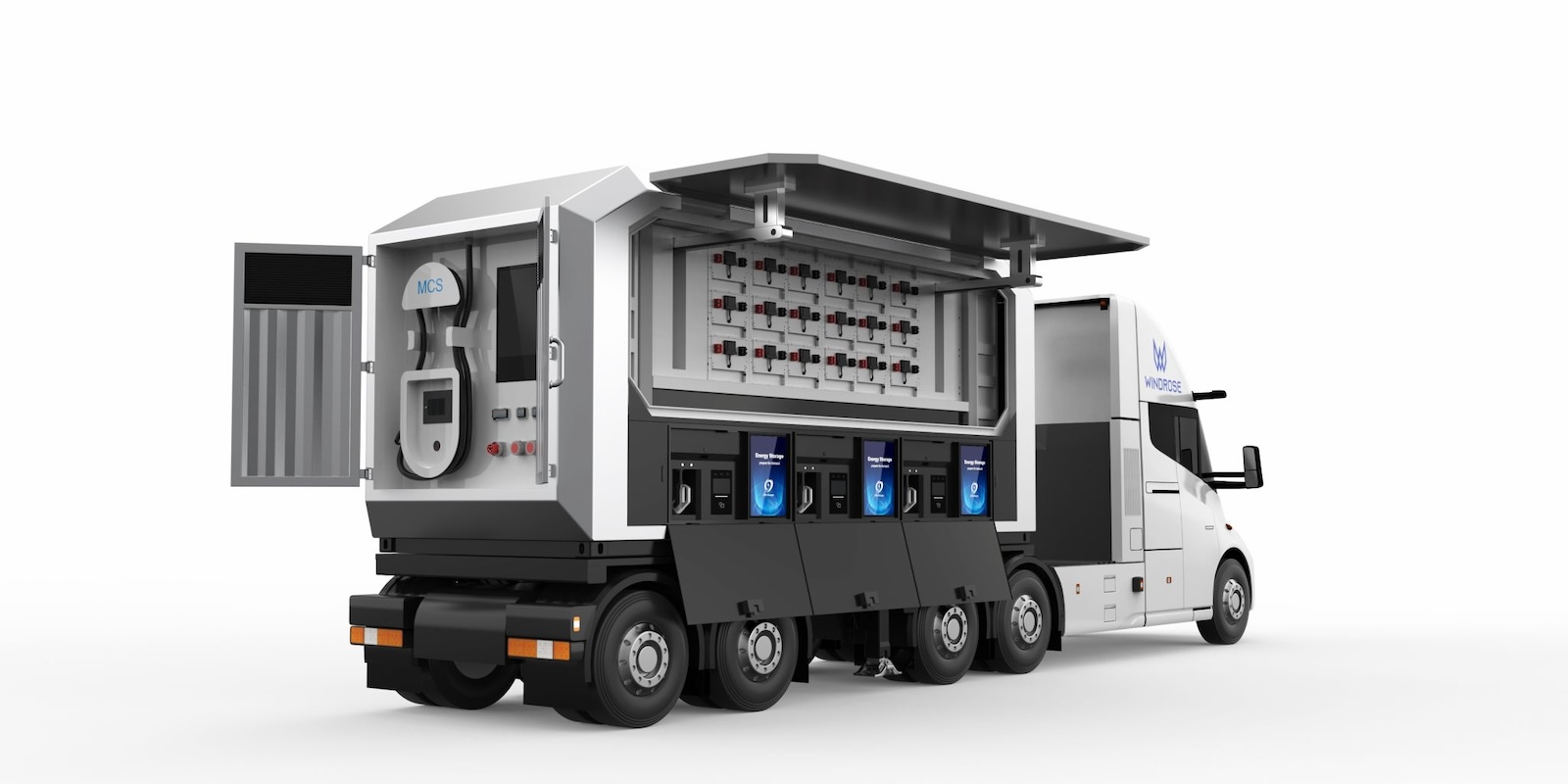
Windrose first published AI-generated drawings of its BESS-in-a-trailer and mobile AI data center concept back in February, but hand it to Windrose founder, Wen Han: he’s not leaving it at that – Han has signed a new strategic partnership with the mobile charging experts at LiFe-Younger to help turn his vision into reality.
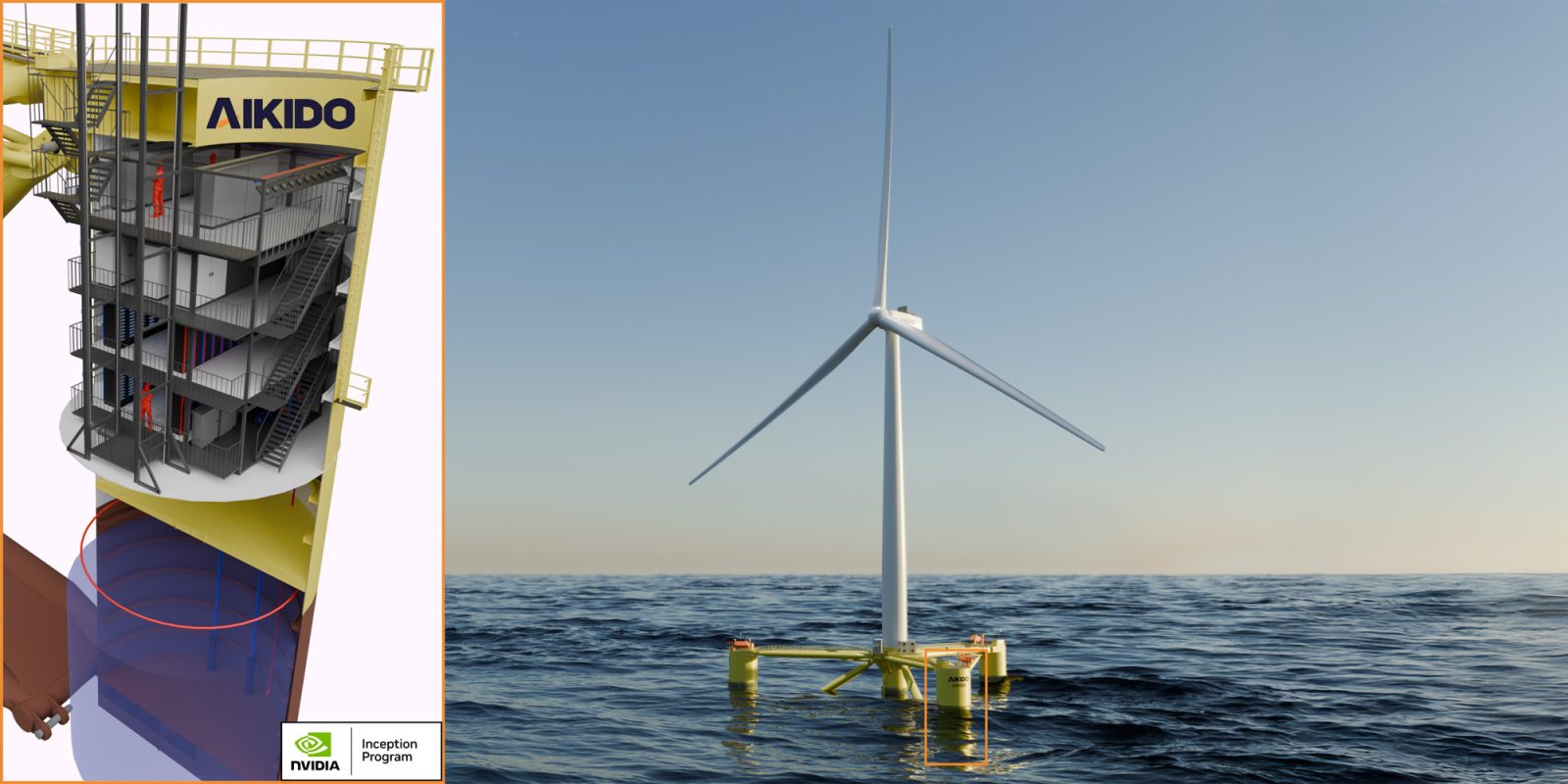
Aikido Technologies has unveiled a concept that combines floating offshore wind turbines, battery storage, and AI data centers on a single platform.
The offshore infrastructure company says its new platform, called AO60DC, is designed to co‑locate AI-grade computing directly with renewable energy generation at sea.
National Grid is rolling out new AI tools to get ahead of increasing wildfire risk across the Northeast. The utility is partnering with Washington DC-based Rhizome, a grid resilience planning company, to identify and prevent potential ignition threats across its transmission and distribution networks in Massachusetts, New York, and the UK.
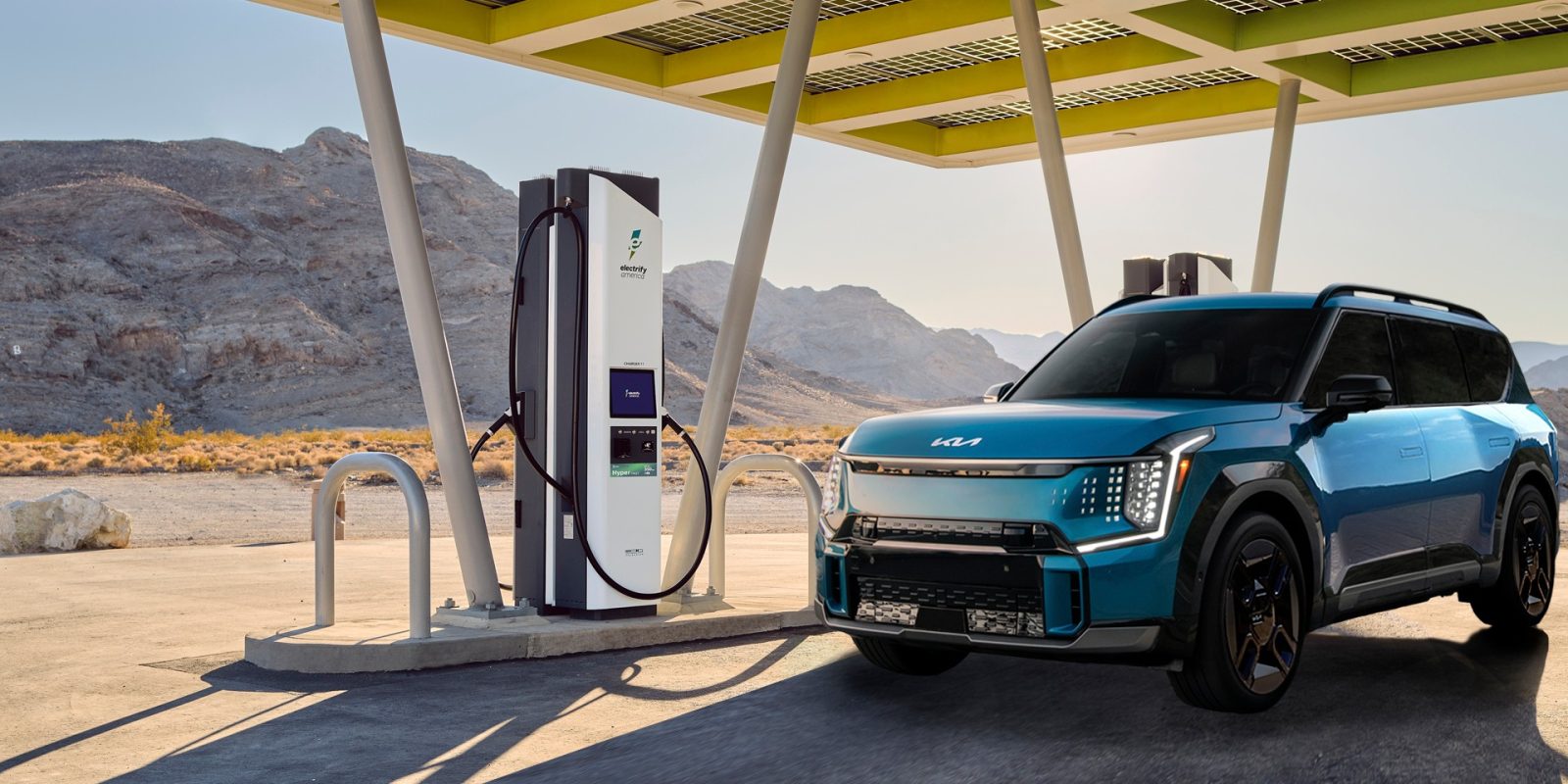
Your EV might show 40% charge left, but that doesn’t always mean you’ll make it over that mountain pass with the heater blasting at 65 mph. Engineers at the University of California, Riverside (UCR) have built a new tool designed to replace that uncertainty with real range confidence.
American EV automaker Rivian is expanding across the pond into the UK, hoping to tap into the region’s talent pool in artificial intelligence engineering.
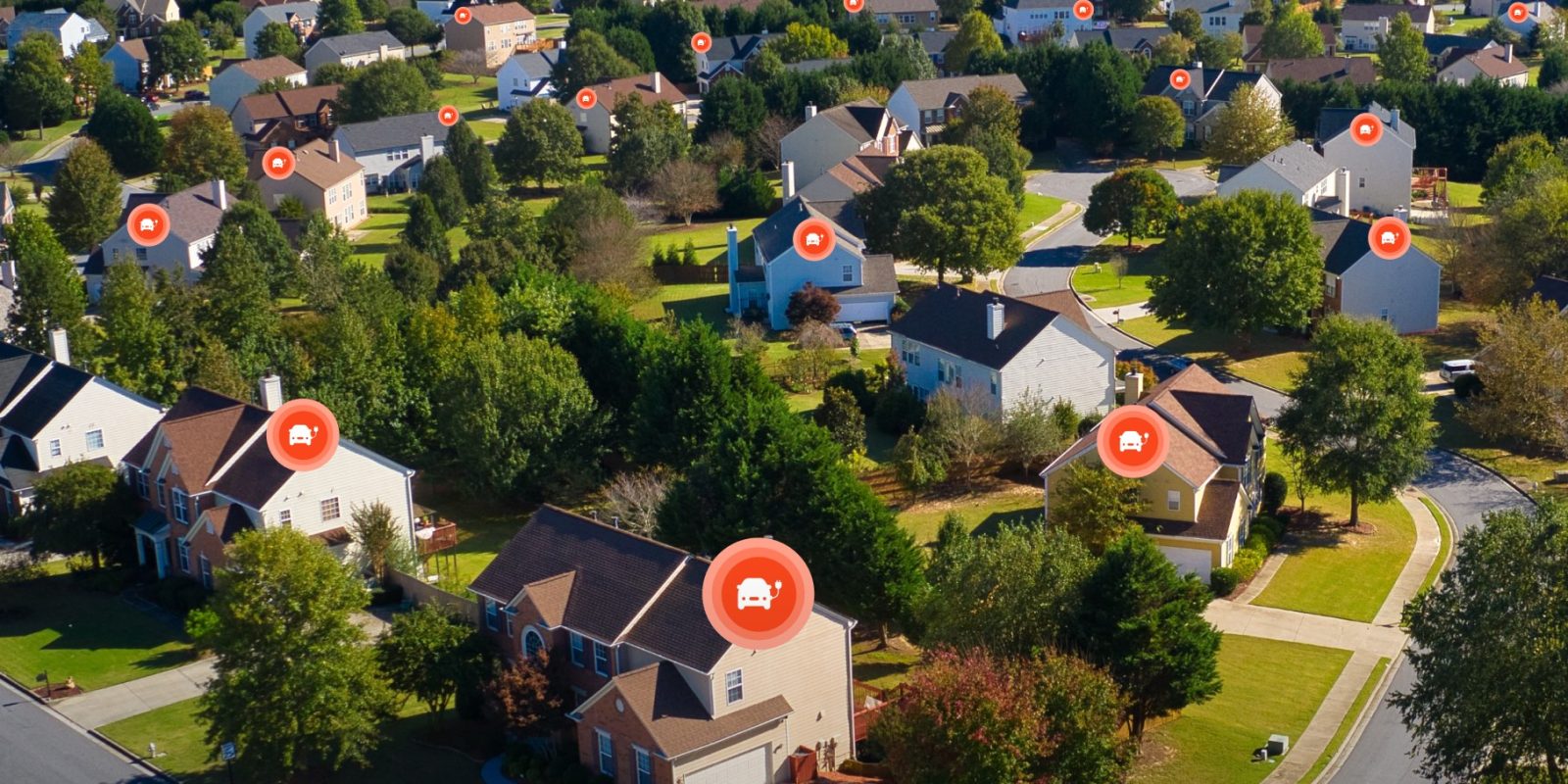
Smart meter maker Sense just launched a new tool that helps utilities get smarter about how EVs are charging on the grid, and it doesn’t need cloud computing or special hardware to work.
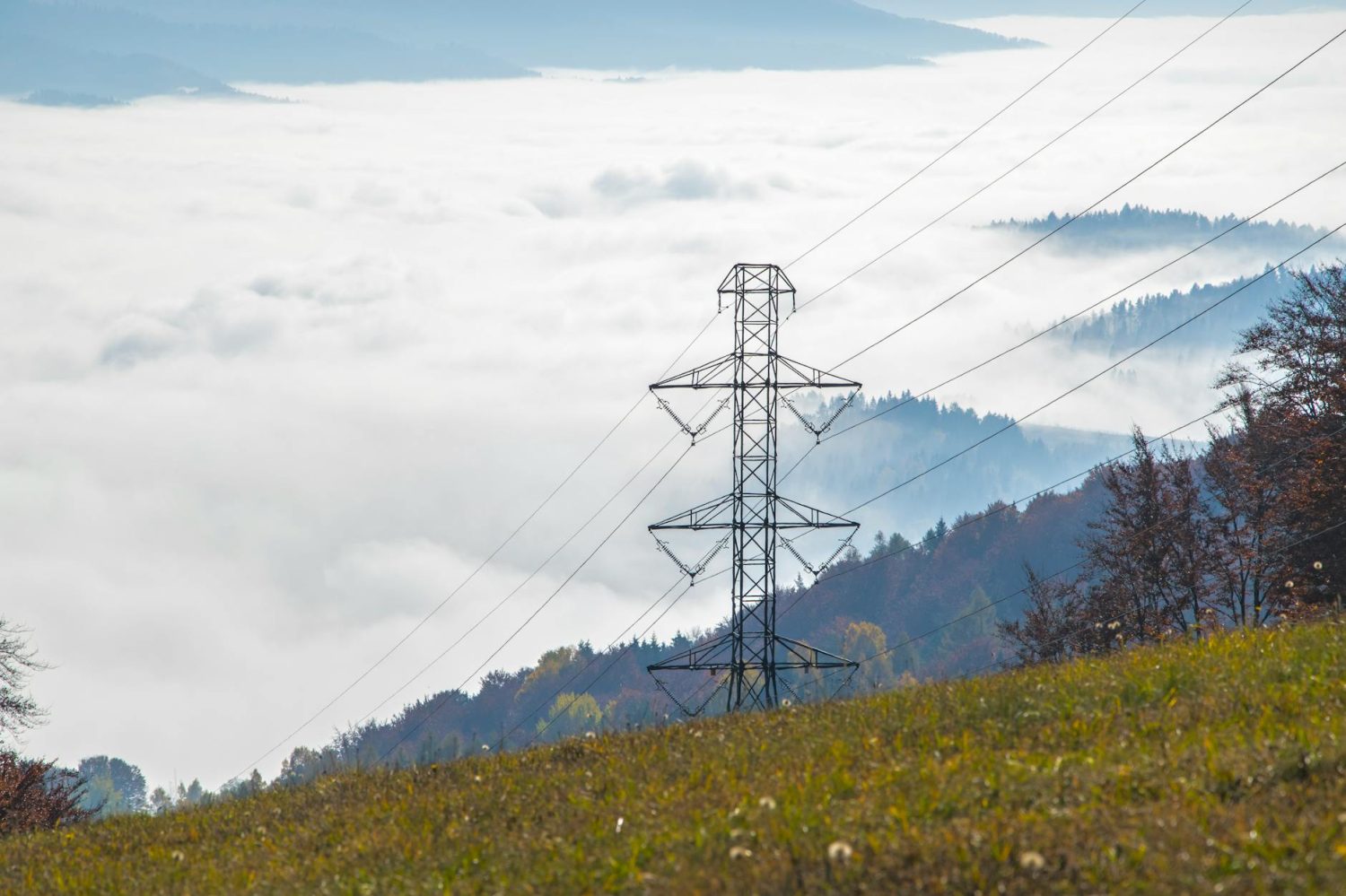
Not-for-profit power cooperative Great River Energy, which serves 1.7 million people across Minnesota and Wisconsin, has partnered with Prisma Photonics to roll out real-time monitoring technology across 90 miles of transmission lines in northern Minnesota. Prisma Photonics will provide its PrismaPower system to track threats like wildfires, ice, wind, and physical damage to the Minnesota grid.
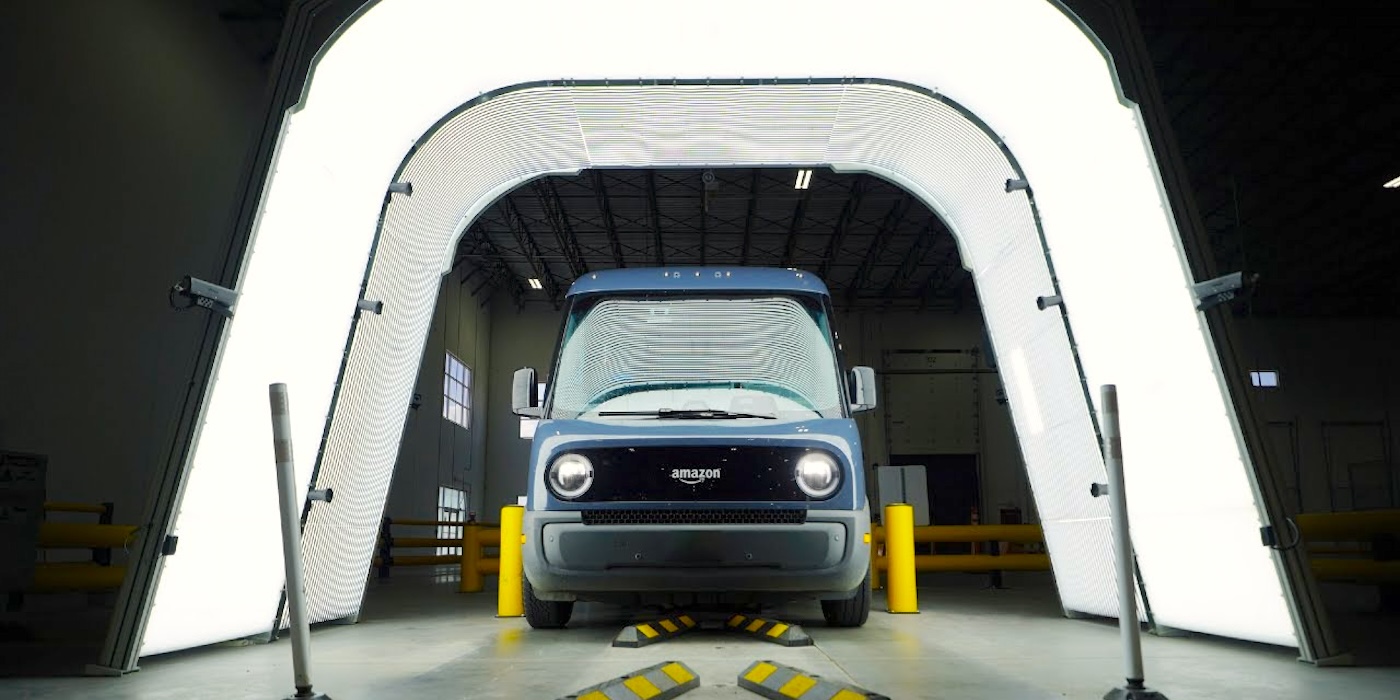
Amazon is using a new, proprietary AI solution called Vision-Assisted Package Retrieval (VAPR) to reduce the time and effort it takes for delivery drivers to locate packages in their vans. Is it a game-changer, or more AI VAPR-ware?
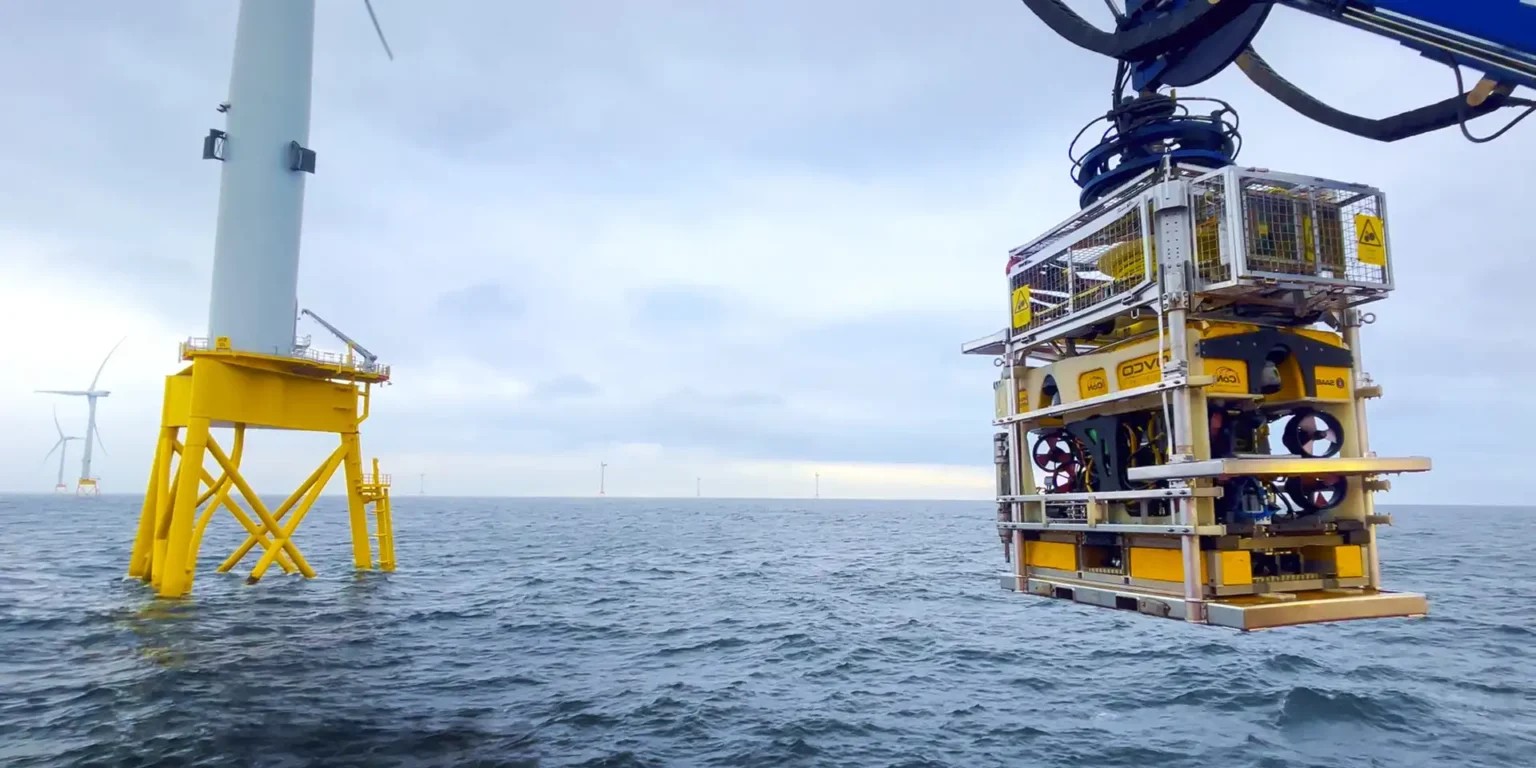
Offshore wind technology company Beam has deployed the world’s first AI-driven autonomous underwater vehicle (AUV) – a breakthrough in offshore wind inspections.
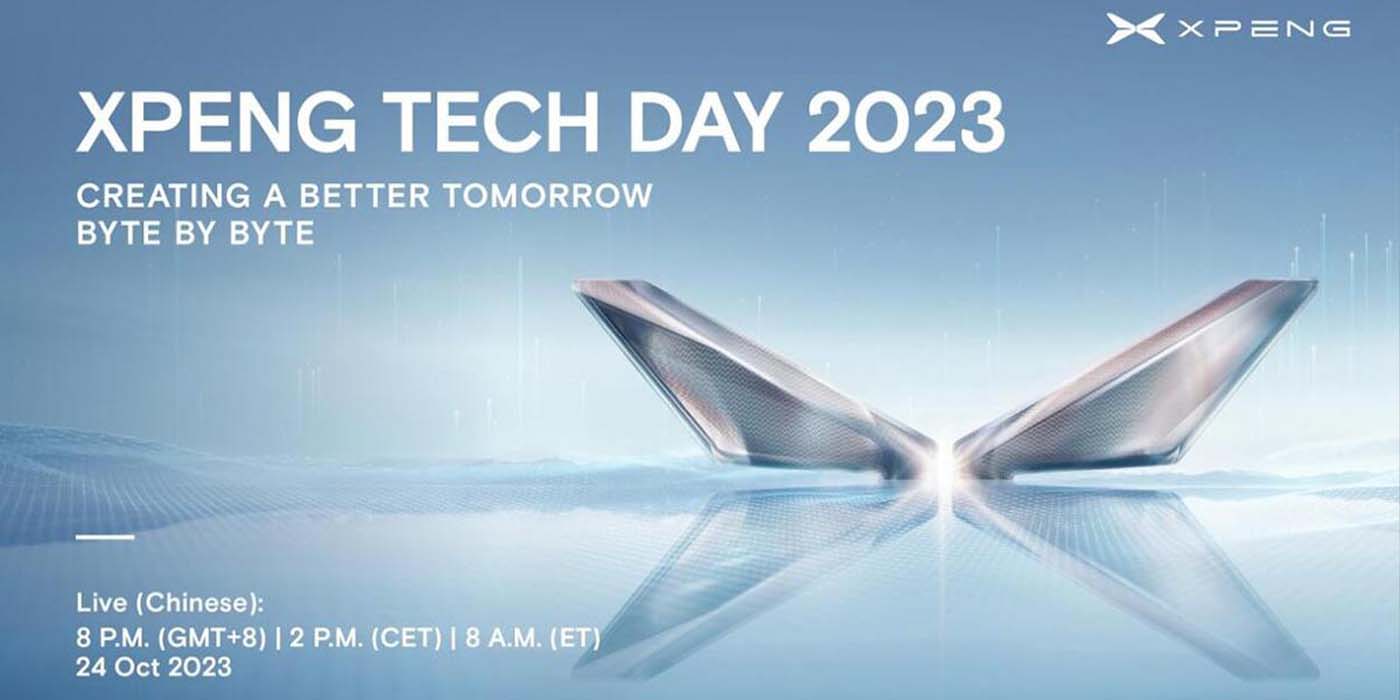
EV automaker XPeng Motors is set to hold its annual 1024 Tech Day in China next week and has begun teasing some exciting technology. In addition to a roadmap of its autonomous driving technology, XPeng is also teasing robotics and artificial intelligence (AI) as topics that will be showcased.
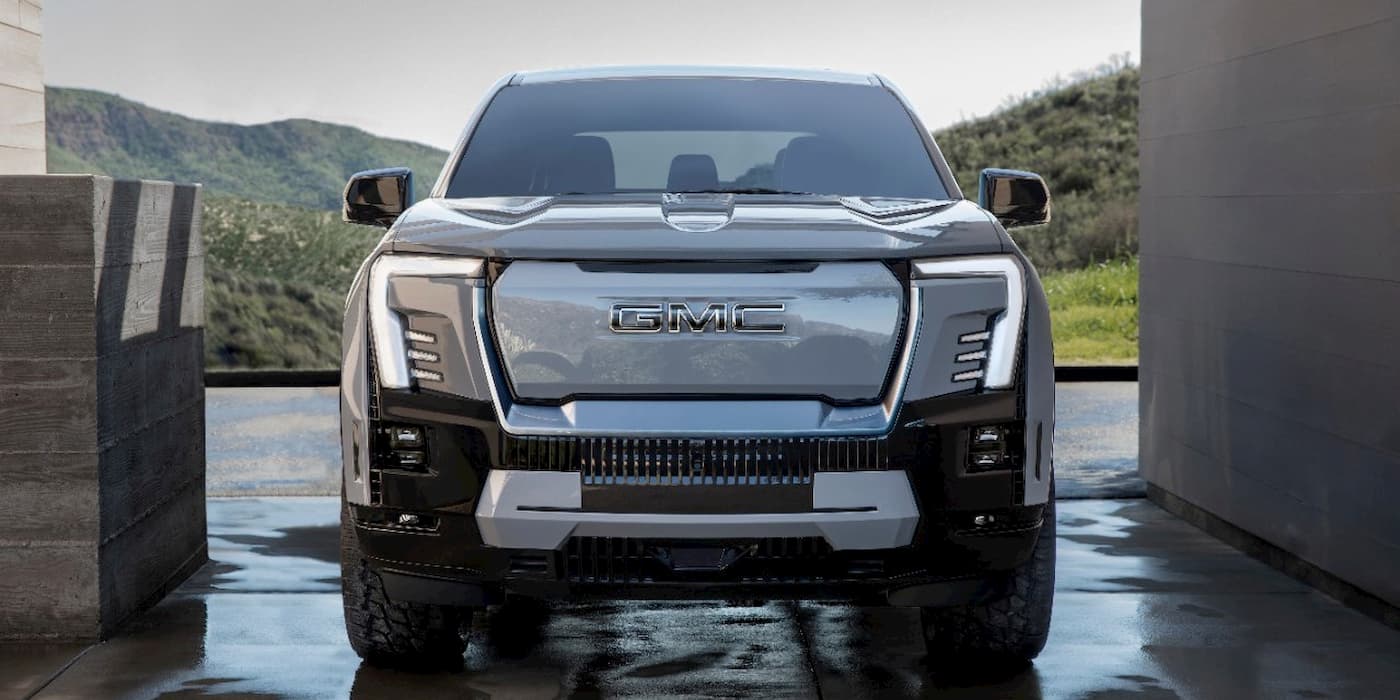
Imagine having a ChatGPT-powered virtual personal assistant in your electric vehicle that could act as the brains behind the car. Well, GM is looking to make it a reality in its future EVs as part of an expanding collaboration with Microsoft, which made a multi-billion dollar investment in the AI chatbot’s developer OpenAI earlier this year.
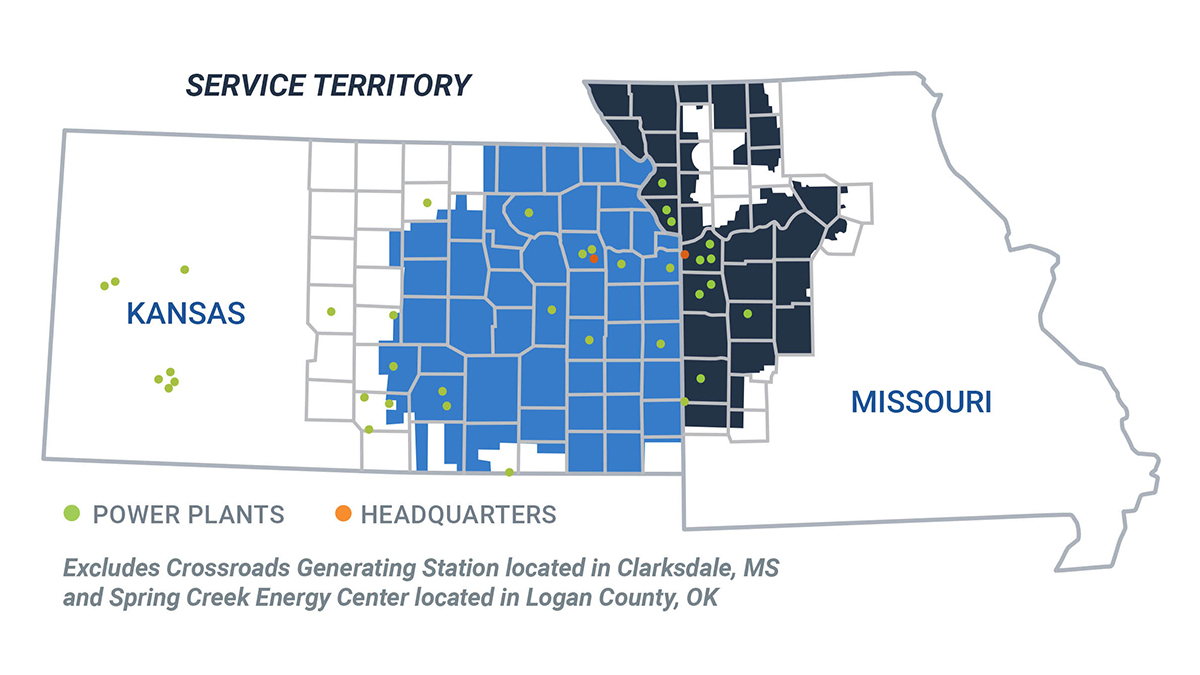
Norway-based eSmart Systems, which provides AI-powered solutions for the inspection and maintenance of critical infrastructure, will work with Topeka, Kansas-headquartered Evergy, an electric company that serves more than 1.6 million customers in Kansas and Missouri, to digitize Evergy’s power transmission system.
When most Americans think of the infrastructure projects the Biden administration is proposing in the American Jobs Plan, they think of concrete, steel, and labor. But what if the biggest predictor of the success of the infrastructure plan is not in the materials but in artificial intelligence (AI) and machine learning (ML)?
Electrek spoke with Monte Zweben, CEO of Splice Machine, a database company that helps utilities and industrial companies implement data, about how AI/ML technologies could determine whether the American Jobs Plan succeeds as the US transitions to clean energy.
Surely there had to be a better way? Personally, I’ve never wanted for much of this but I’ve also never had cars that had these features in the past either. Full ad pasted below: Expand Expanding Close