
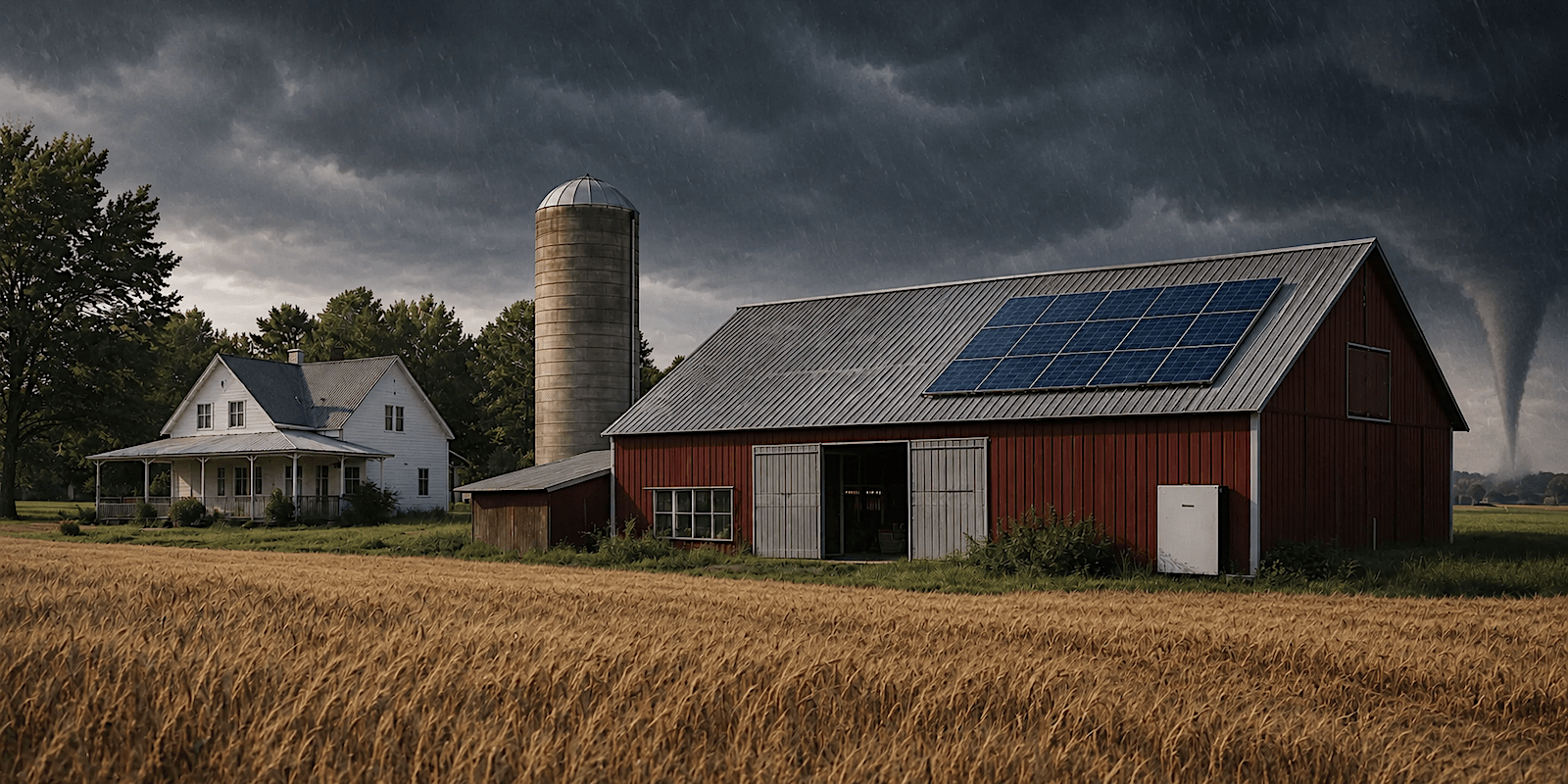
There’s no shortage of advice on how to size a home solar and battery system, but most of it assumes a suburban home with city services and outages measured in hours, not days. Rural homes play by different rules, especially during summer storms. When heavy winds take down power lines and your utility prioritizes restoring urban neighborhoods first, having a home battery isn’t about convenience — it’s about damage control.
Power outages caused by severe wind storms can often last for days, not just hours – and summer heat just compounds your troubles, making it harder to keep food and medicine safe when you need it. For older Americans, the risks are even greater, as the high humidity and temperatures that follow storms can quickly increase the risk of heat exhaustion and stroke.
If you have a home solar panel system and backup battery in place, however, you can help mitigate those risks. Here’s what that looks like, from a bare bones backup to all all-bases-covered solution that means someone will have to call you and tell you the power went out.
The bare bones
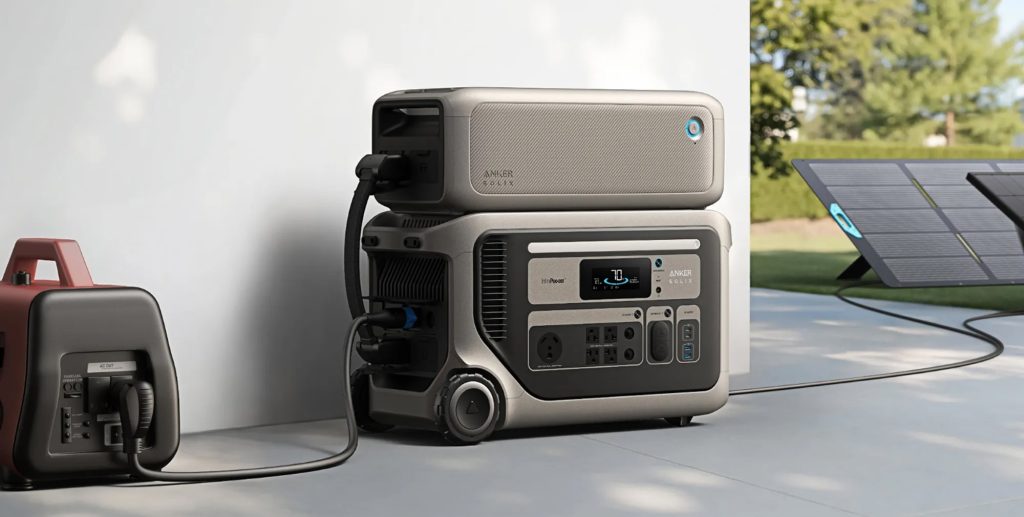
Portable power stations like Anker SOLIX F3000 (above) or the BLUETTI FridgePower (which launched in April as a Kickstarter project) promise to keep temperature-sensitive medicines like Enbrel, Insulin, or Prednisone in your fridge, and could save you big money in waste and spoilage if you lose power for extended periods and, in some cases, pack enough juice to reliable power a sunp or well pump in a pinch.
Other options for similar basic battery backup needs are available from brands like Anker SOLIX and Jackery, as well.
The basics
A larger backup battery like a Tesla Powerwall or FranklinWH (for “Whole Home”) aPower can do a lot more than keep your refrigerator running and your laptop charged up. In addition to being able to handle just about anything you use on a daily basis, they’ll power computers, TVs, fans, lights, and more for hours, or even days (if you can keep the HVAC off).
More capability means more choices, and a home solar + battery system like these can store enough power to turn your electricity buy into a Costco run, allowing you to stock up on electrons when the utility is practically giving them away, storing them in your garage freezer battery, and using them when the utility decides to price them higher. The end result isn’t just lower utility bills, it’s increased predictability in your monthly budget, and more control over an expense that most people consider out of their control.
In practice, someone with a 20 kWh home battery system in Illinois’ ComEd territory (where I live), electricity that typically costs about $0.10/kWh has spiked to more than $2/kWh during extreme weather events, with a theoretical ceiling of $3.70/kWh. That means the 20 kWh sitting in you battery that’s worth about $2 on a normal day can be worth as much as or as much as $40, $50, or even $70 when prices surge.
A few weeks ago, FranklinWH co-founder and CEO Gary Lam took some time to talk us through some of the benefits of a home battery system, and what it takes to make the most of one – with, or even without a home solar panel system. You can check that out, above.
The bases are ALL covered
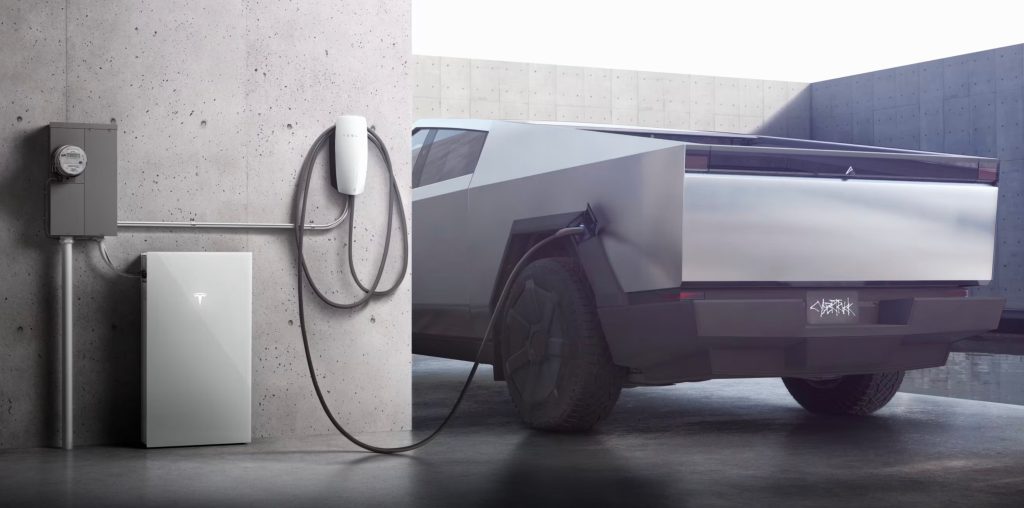
If you caught that FranklinWH interview, you already know the answer to more power and more energy security is often more batteries. But the biggest bang for your battery buck may not come from stacking wall units like so many Legos – it might be sitting in your garage.
That’s right kids, that electric car you’re thinking about buying can help keep your lights on after a big storm. And, if you choose right, it could help stop blackouts from happening in the first place.
To that end, Tesla recently launched its first-ever US vehicle-to-grid (V2G) program in Texas. Called “Powershare Grid Support,” the program lets Cybertruck owners to send energy from their truck’s 123 kWh battery pack (roughly equal to nine Powerwalls) back into the grid during peak demand events, reducing grid strain peak load and paying participating owners back in the form of utility bill credits on their energy bill.
If you want the full trifecta of home solar + battery + EV, but aren’t a Tesla fan (or just aren’t in Texas), remember that every current GM EV can be paired with a GM Energy home system, as well.
And, finally, remember that the tax laws and credits and incentives on these things are always changing – and that’s on every level, from Federal to state to single municipalities. As such, it’s always smart to get multiple independent quotes and talk to your trusted financial experts before moving forward with any major home improvement project.
YOU MIGHT ALSO LIKE:
- Survey Sunday: How much home battery backup do YOU need?
- Home solar in rural America: how much battery do you need to run a well pump?
Original content from Electrek.

If you’re considering going solar, it’s always a good idea to get quotes from a few installers. To make sure you find a trusted, reliable solar installer near you that offers competitive pricing, check out EnergySage, a free service that makes it easy for you to go solar. It has hundreds of pre-vetted solar installers competing for your business, ensuring you get high-quality solutions and save 20-30% compared to going it alone. Plus, it’s free to use, and you won’t get sales calls until you select an installer and share your phone number with them.
Your personalized solar quotes are easy to compare online and you’ll get access to unbiased Energy Advisors to help you every step of the way. Get started here


FTC: We use income earning auto affiliate links. More.




Comments