The City of San Francisco could soon make it much easier for residents without a driveway or garage to charge their EVs on the street.
Expand Expanding CloseSan Francisco moves to install curbside EV chargers on city streets


Michelle Lewis is a writer at Electrek. She has previously worked for Fast Company, The Guardian, News Deeply, Time, and others. She lives in Massachusetts.
*Ad: If you’ve ever considered going solar, make it easy by finding a trusted, reliable solar installer near you that offers competitive pricing by checking out EnergySage. It has hundreds of pre-vetted solar installers competing for your business, ensuring you get high-quality solutions and save 20-30% compared to going it alone. Plus, it’s free to use, and you won’t get sales calls until you select an installer and share your phone number with them.
Your personalized solar quotes are easy to compare online, and you’ll get access to unbiased Energy Advisors to help you every step of the way. Get started here.
The City of San Francisco could soon make it much easier for residents without a driveway or garage to charge their EVs on the street.
Expand Expanding Close
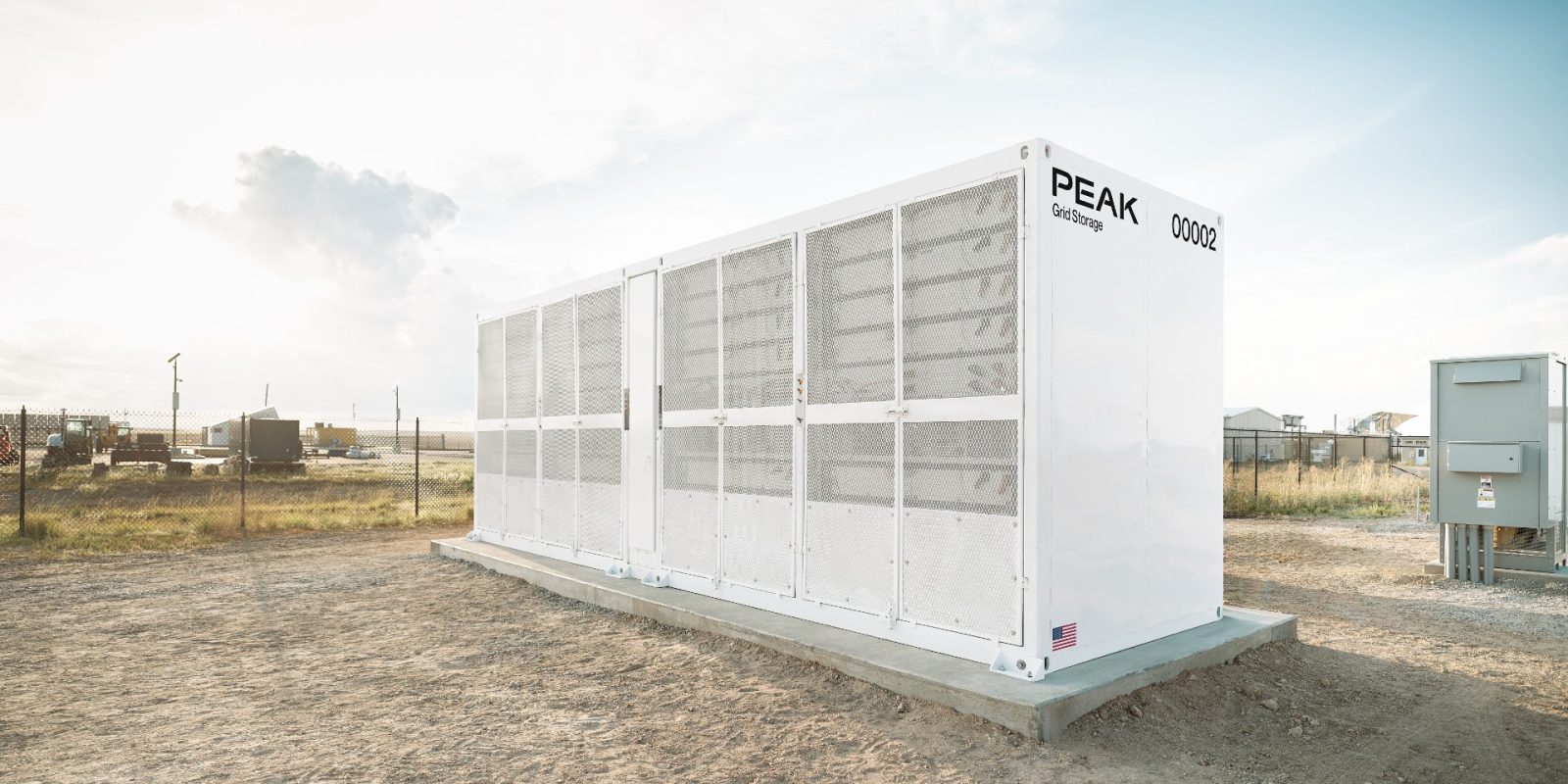
A new type of battery storage is about to be deployed on the Midwestern grid for the first time.
Expand Expanding Close
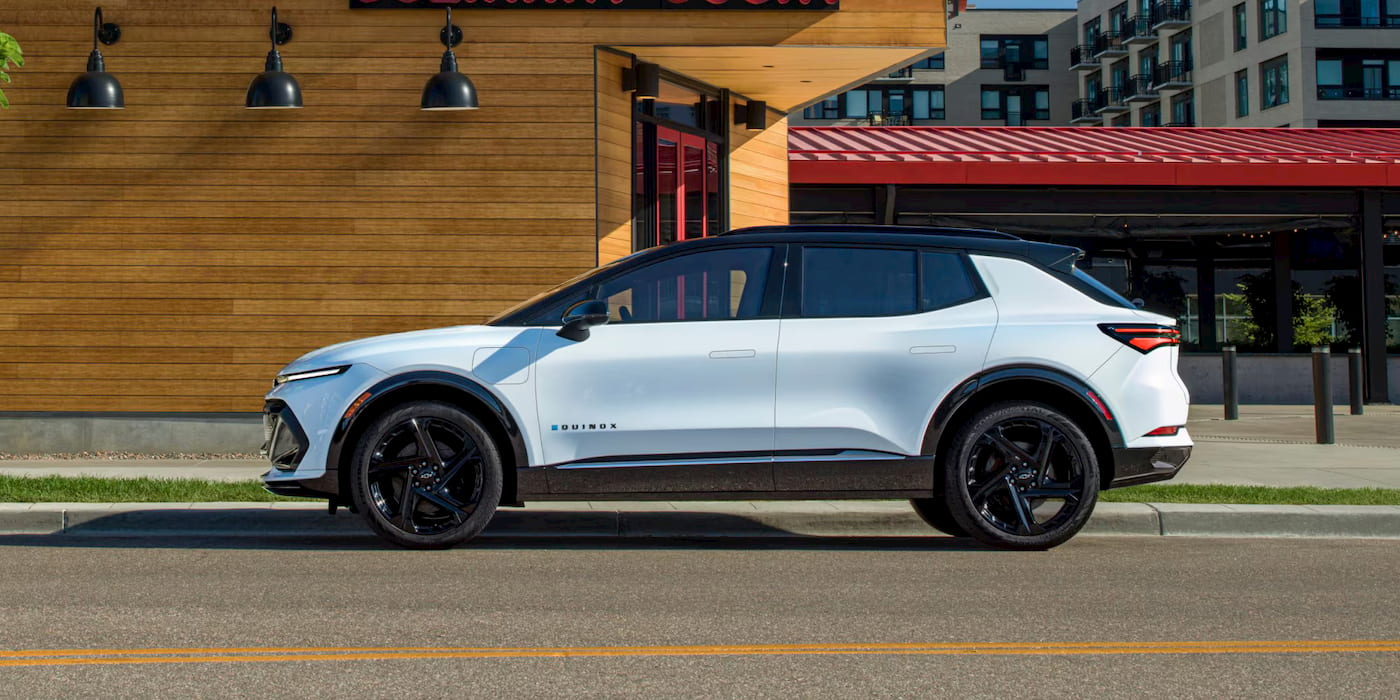
EV prices edged down in February, while gas-powered car prices crept up, narrowing the gap between the two, according to new estimates from Kelley Blue Book.
Expand Expanding Close
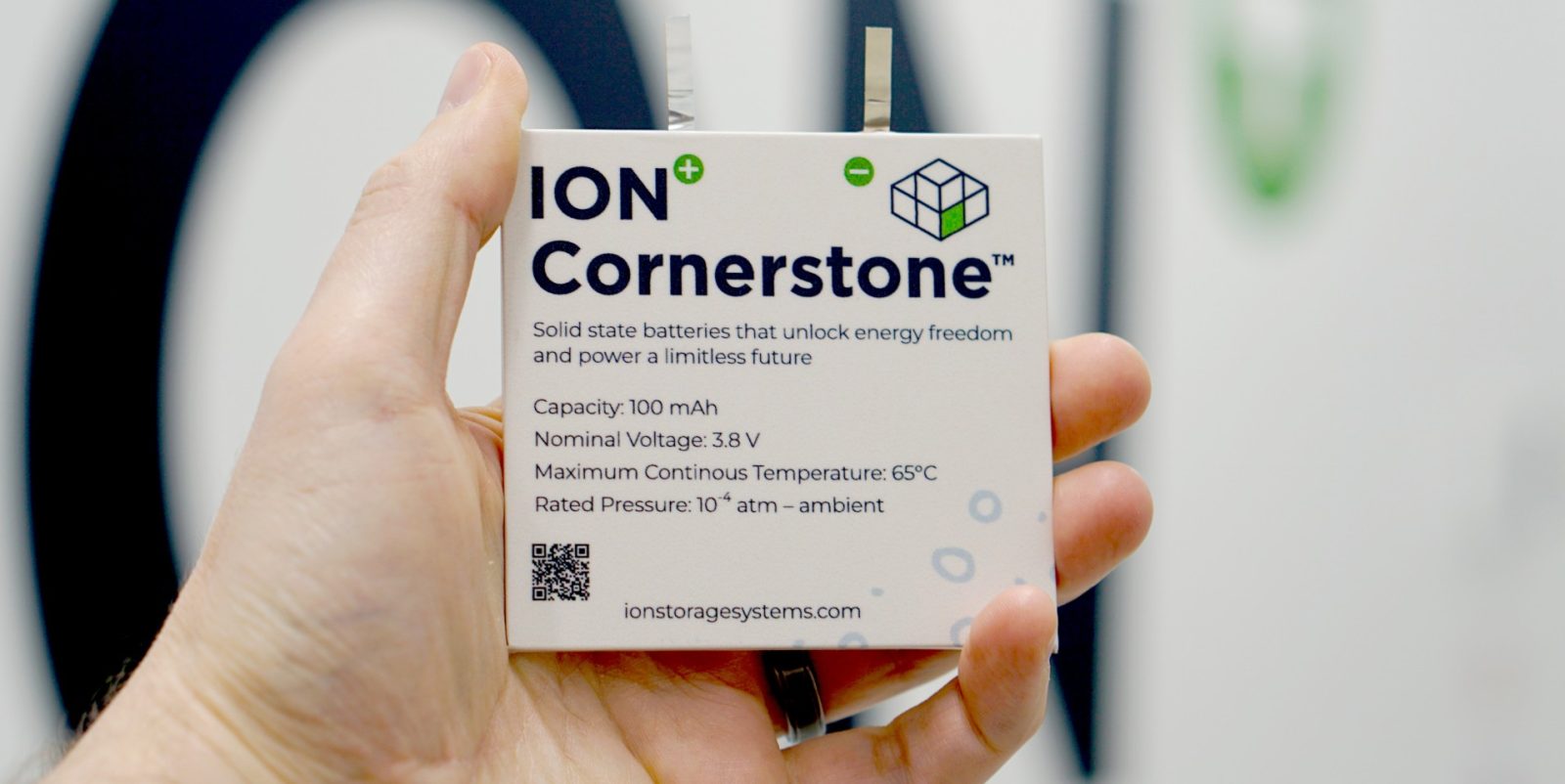
ION Storage Systems says it has hit a key milestone in bringing solid-state batteries out of the lab and into real-world use.
Expand Expanding Close
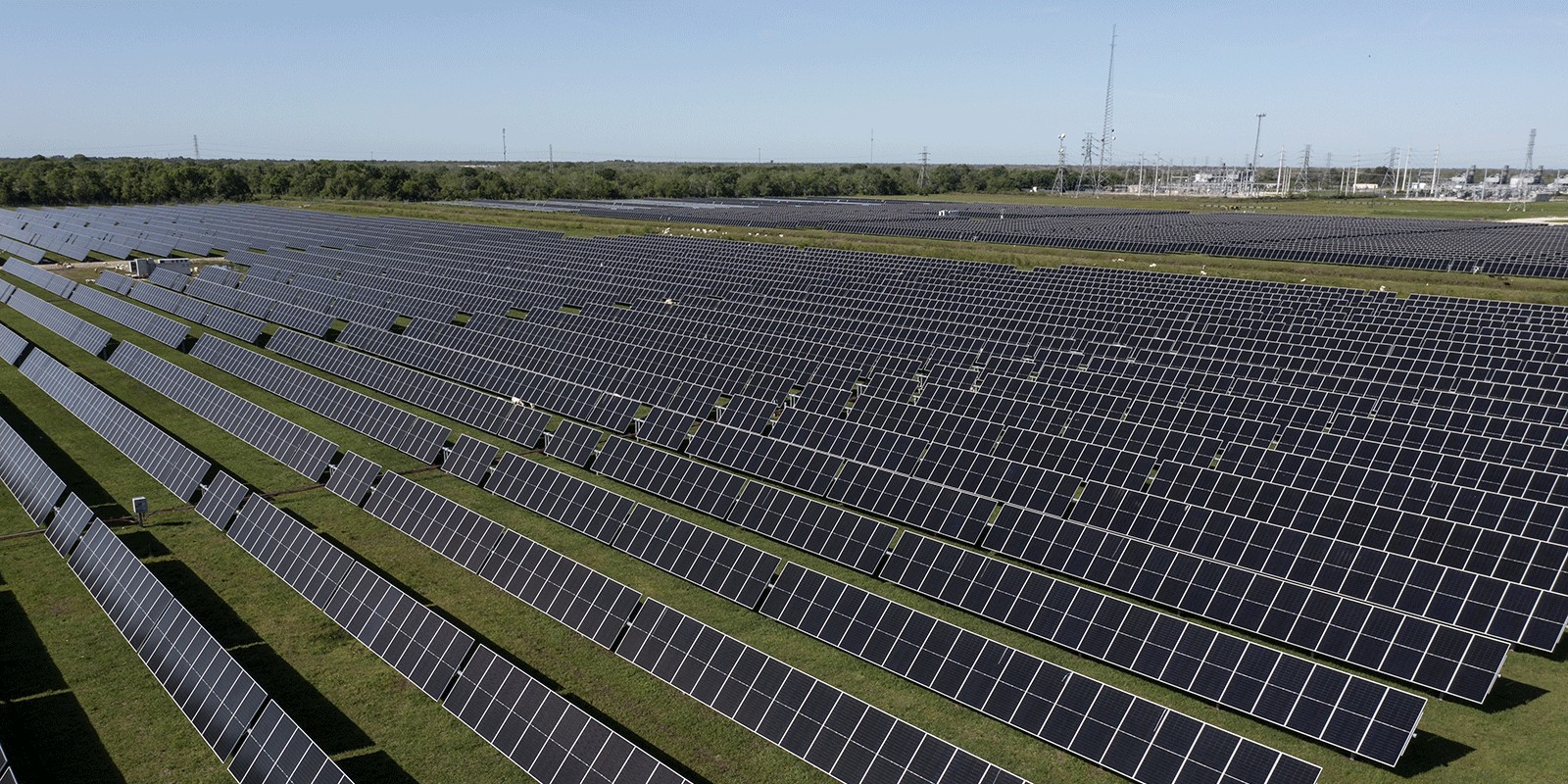
The US installed 43 gigawatts (GW) of new solar capacity in 2025, marking the fifth straight year that solar has been the largest source of new power added to the grid.
Expand Expanding Close
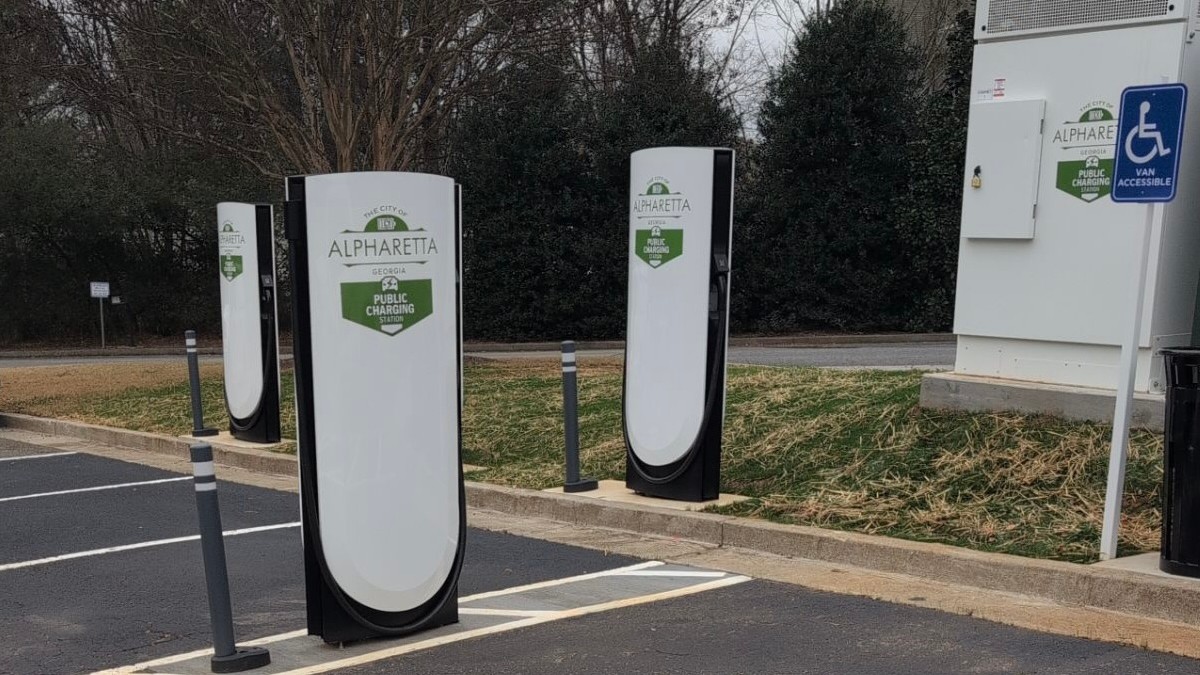
A city in Georgia may have just launched something the EV charging world hasn’t seen before: a city-branded Tesla Supercharger station.
Expand Expanding Close
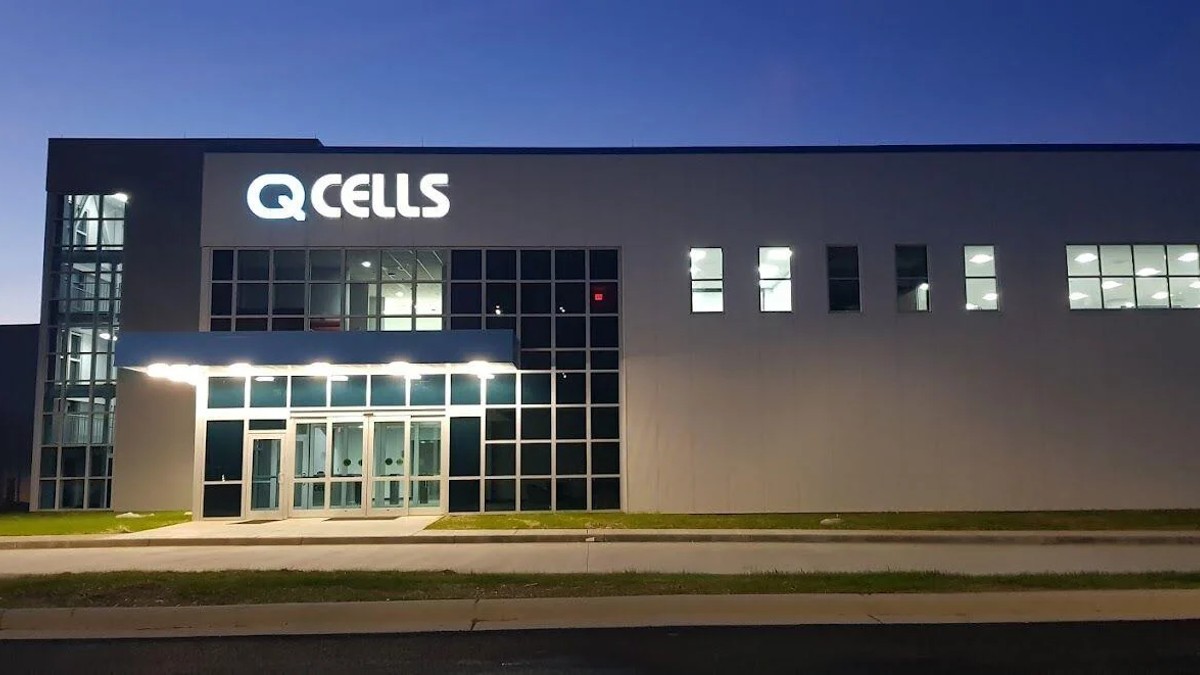
In early November 2025, solar panel giant Qcells announced that it was temporarily furloughing 1,000 US workers – 25% of its workforce – and reducing pay and shifts at its Georgia factories due to supply chain delays caused by US Customs. Today – four months later – Qcells announced that its solar panel output is finally back to normal production.
Expand Expanding Close
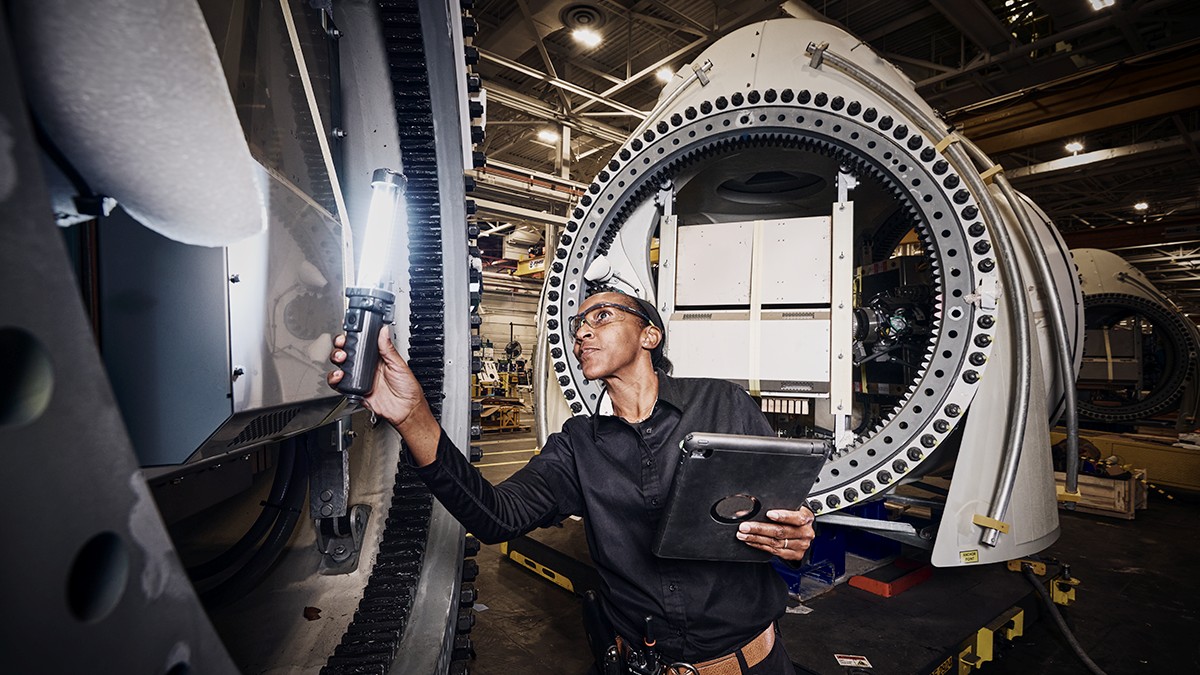
GE Vernova has landed orders to repower 1.1 gigawatts (GW) of onshore wind turbines across the US.
Expand Expanding Close
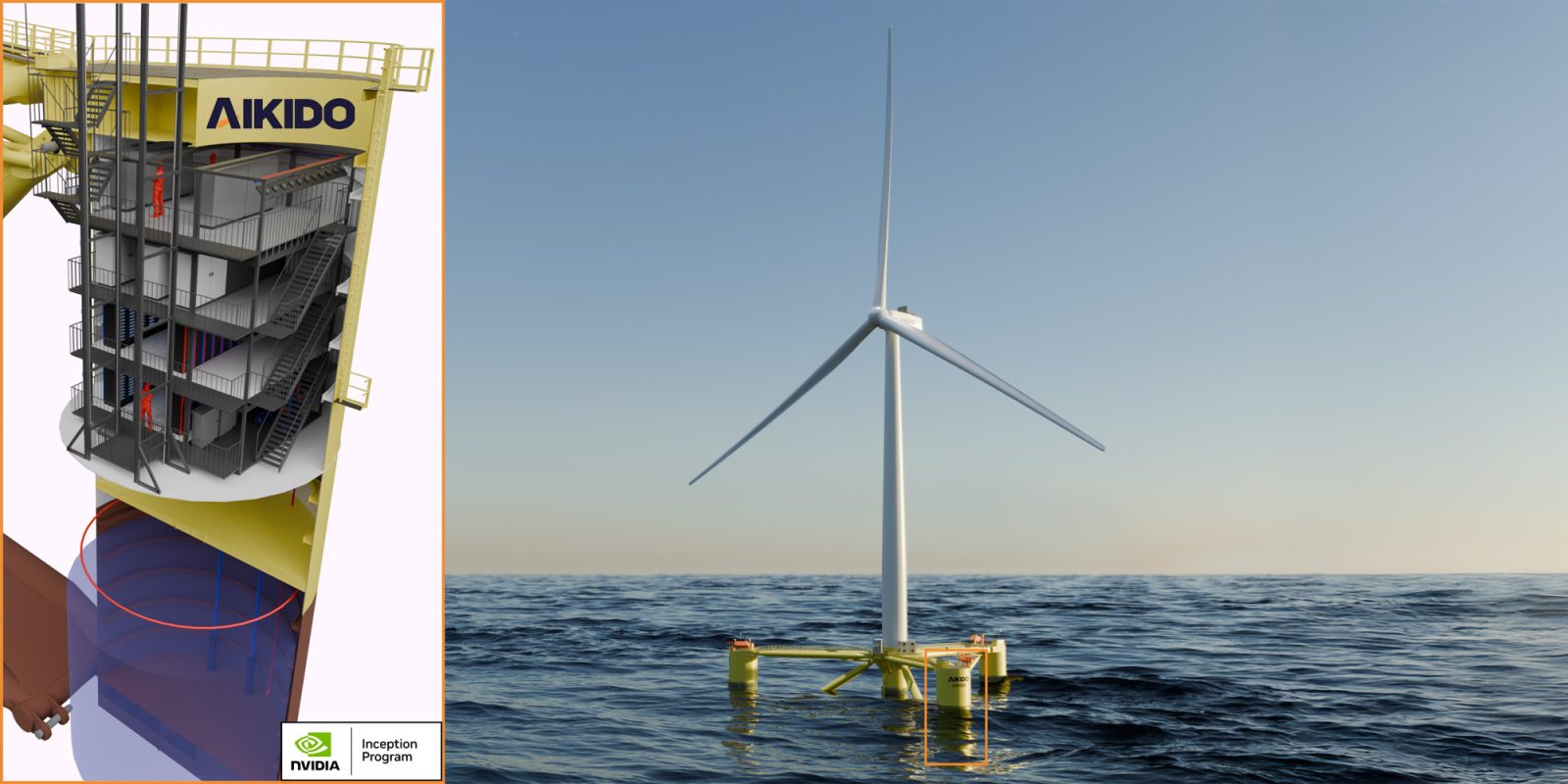
Aikido Technologies has unveiled a concept that combines floating offshore wind turbines, battery storage, and AI data centers on a single platform.
The offshore infrastructure company says its new platform, called AO60DC, is designed to co‑locate AI-grade computing directly with renewable energy generation at sea.
Expand Expanding Close

European energy giant Vattenfall has started construction on a new hybrid renewable energy project in southwest Germany that combines wind and solar power at a single site.
Expand Expanding Close

Global lithium demand could top 13 million tonnes by 2050 if the world moves fast on clean energy, according to Wood Mackenzie’s latest Energy Transition Outlook for Lithium. The warning is blunt: Without major new investment, lithium shortages could start as early as 2028.
Expand Expanding Close
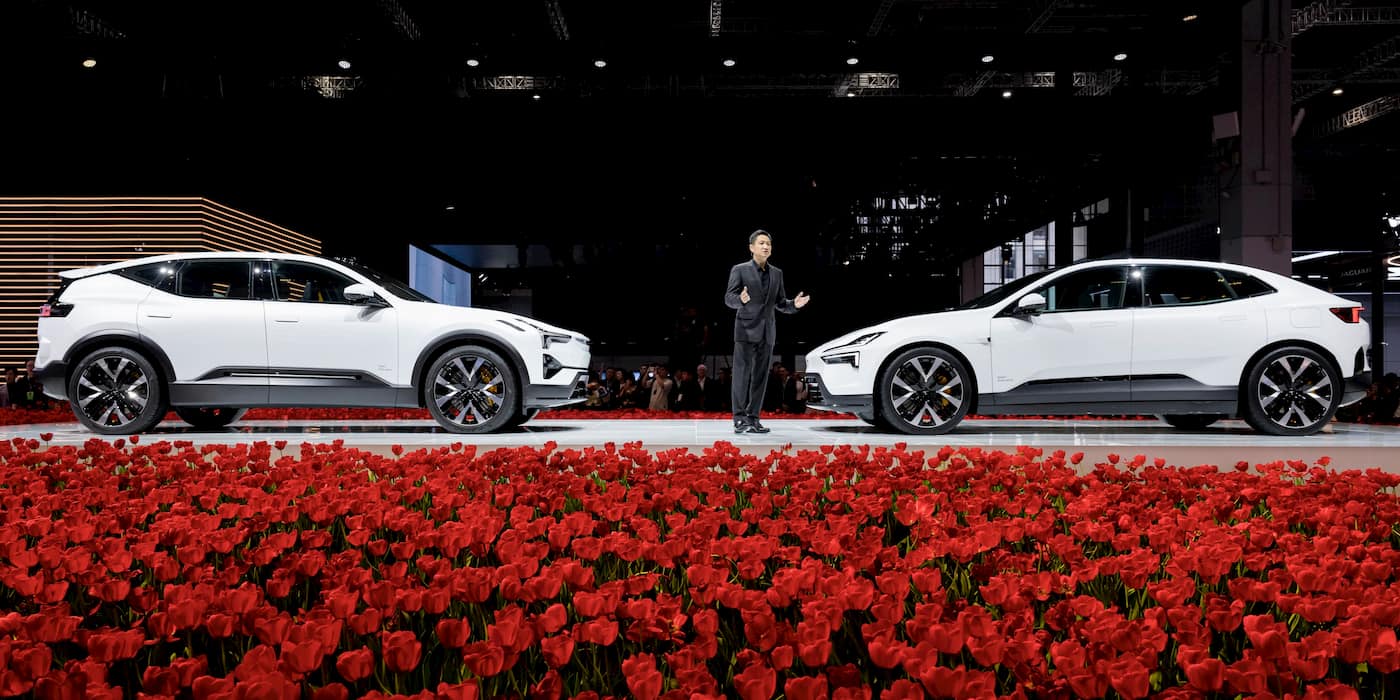
If you’ve been thinking about driving electric, Costco is back with another limited-time deal, and this time it’s on Polestar and Chevy EV models.
Expand Expanding Close
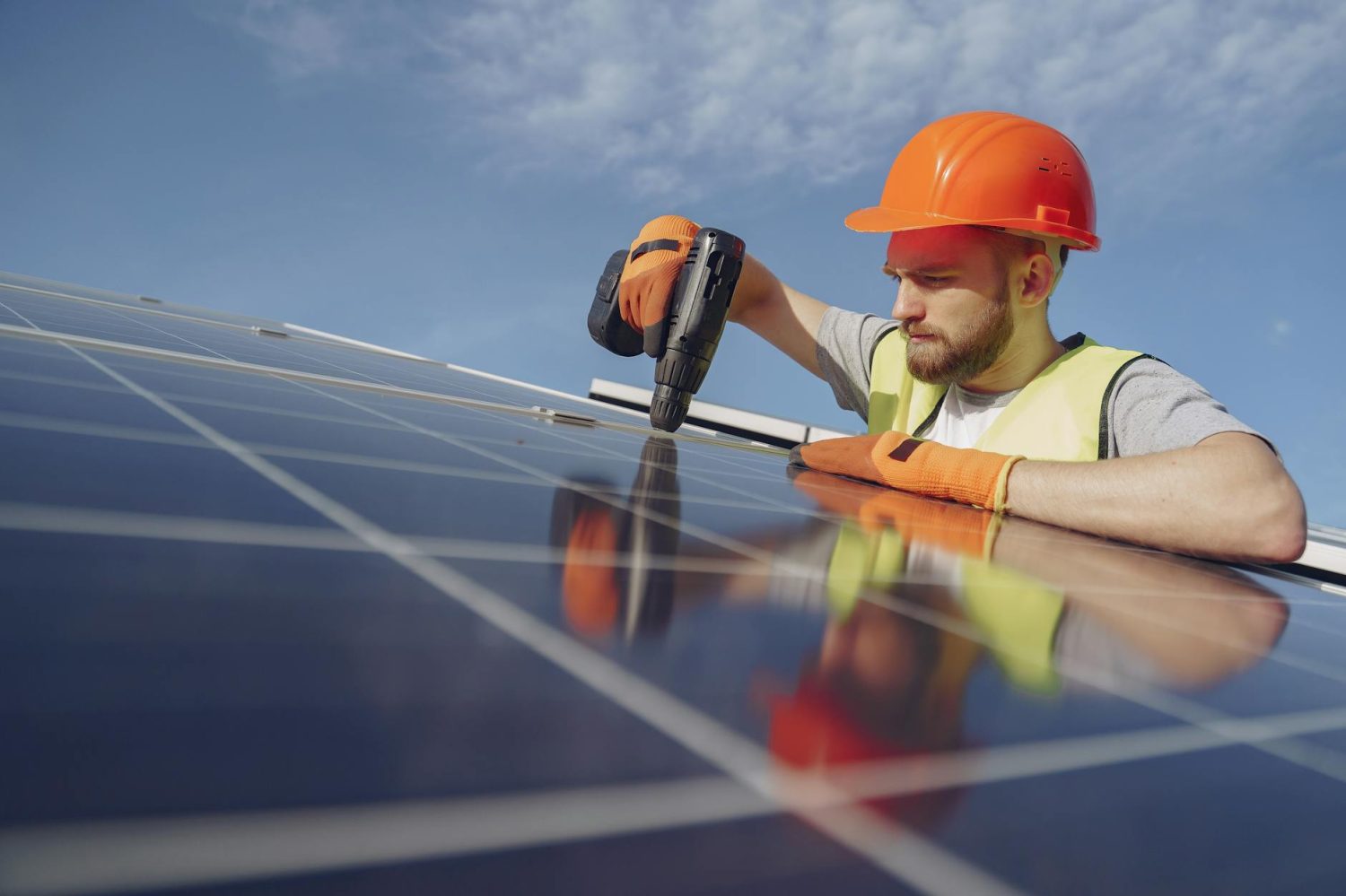
The US residential clean energy market just went through one of its wildest six‑month stretches ever, according to EnergySage’s latest Home Electrification Marketplace Report.
Expand Expanding Close
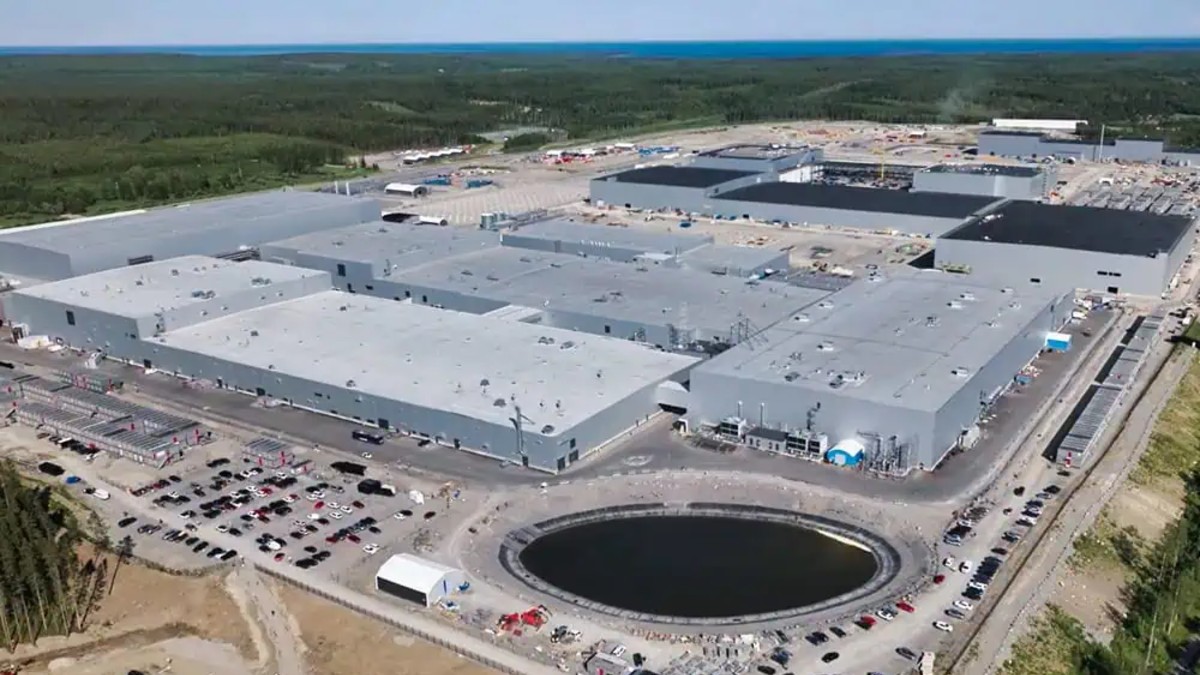
Lyten, a lithium-sulfur battery maker based in San Jose, California, has officially completed its acquisition of Northvolt Ett and Ett Expansion in Skellefteå, Sweden, as well as Northvolt Labs in Västerås.
Expand Expanding Close

Xcel Energy says it will supply electricity to a new Google data center in Pine Island, Minnesota, and the deal includes nearly 2 gigawatts (GW) of clean energy and a 100-hour iron-air battery.
Expand Expanding Close
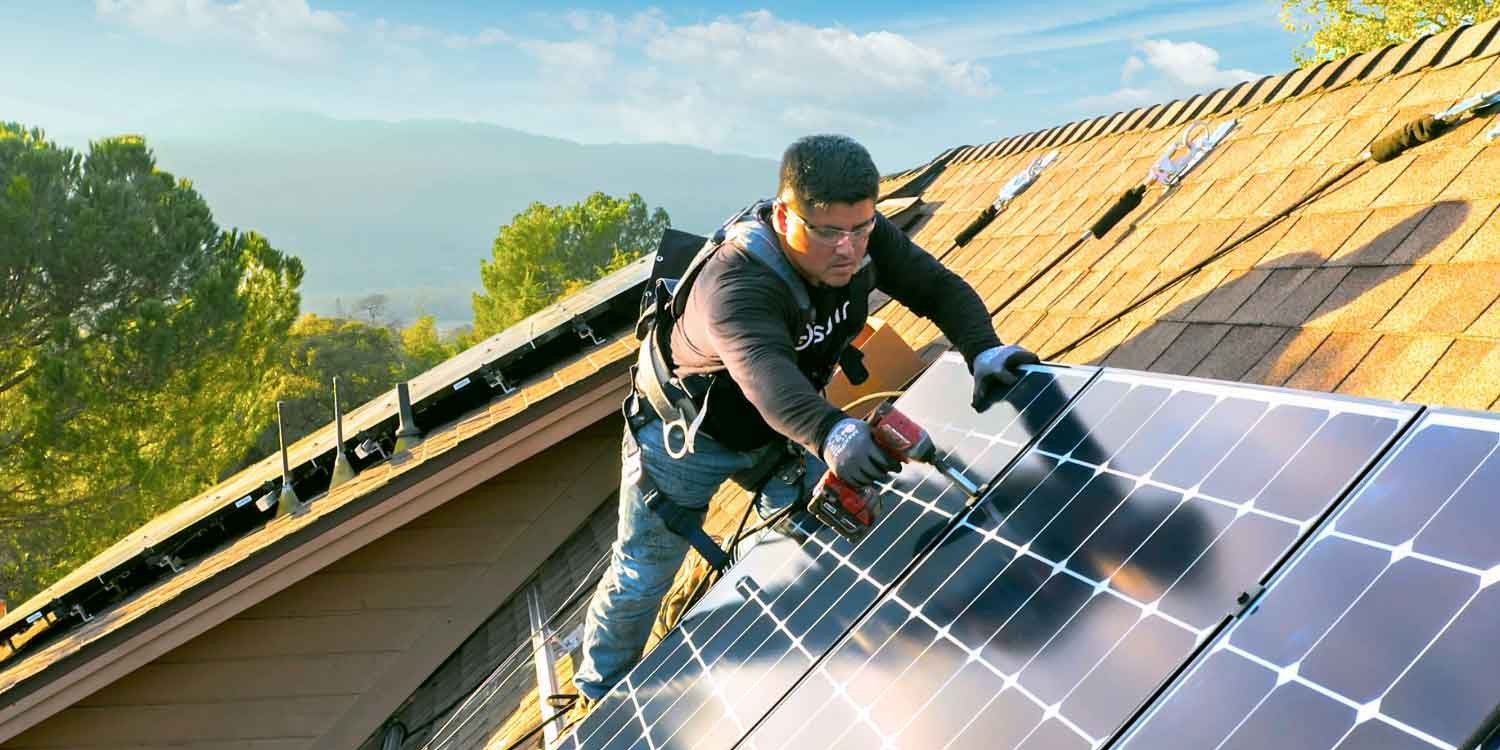
Solar, wind, and battery storage are projected to add 62% more generating capacity in 2026 than in 2025, assuring that those sources provide virtually all net new generating capacity this year, according to a review by the SUN DAY Campaign of data just released by the US Energy Information Administration (EIA).
Expand Expanding Close
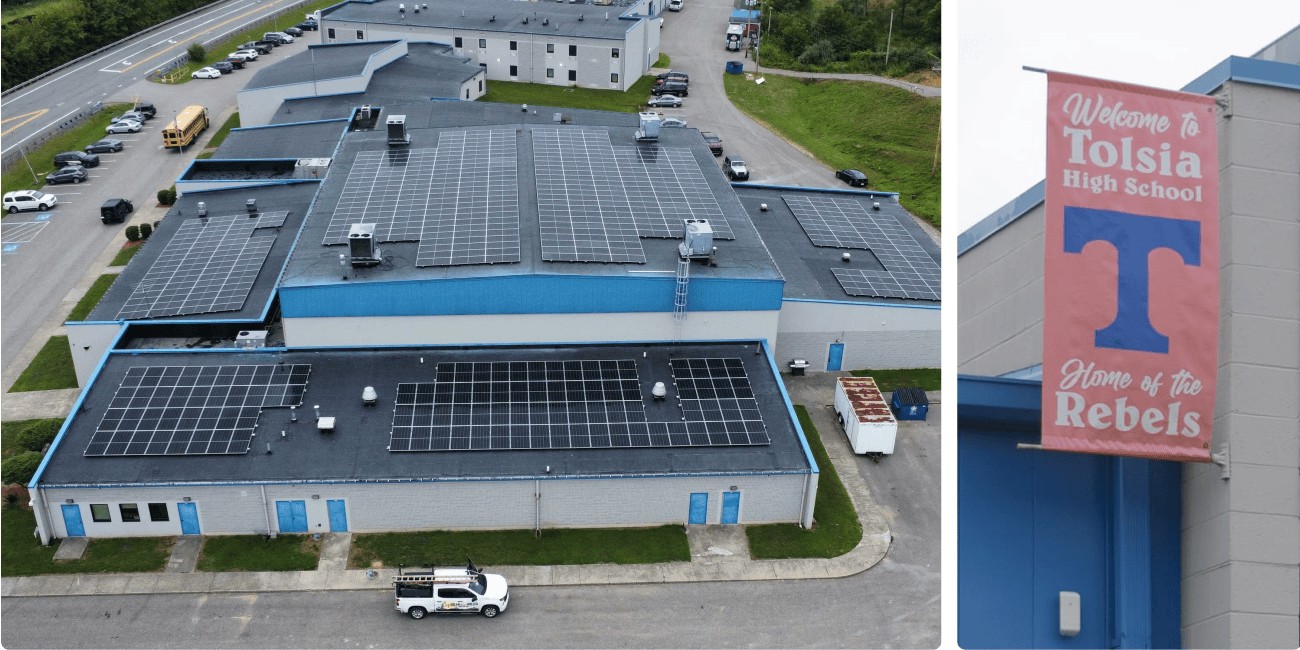
Fifteen schools in Wayne County, West Virginia, are getting solar power, and the district says the energy savings will fund teachers’ salaries.
Expand Expanding Close
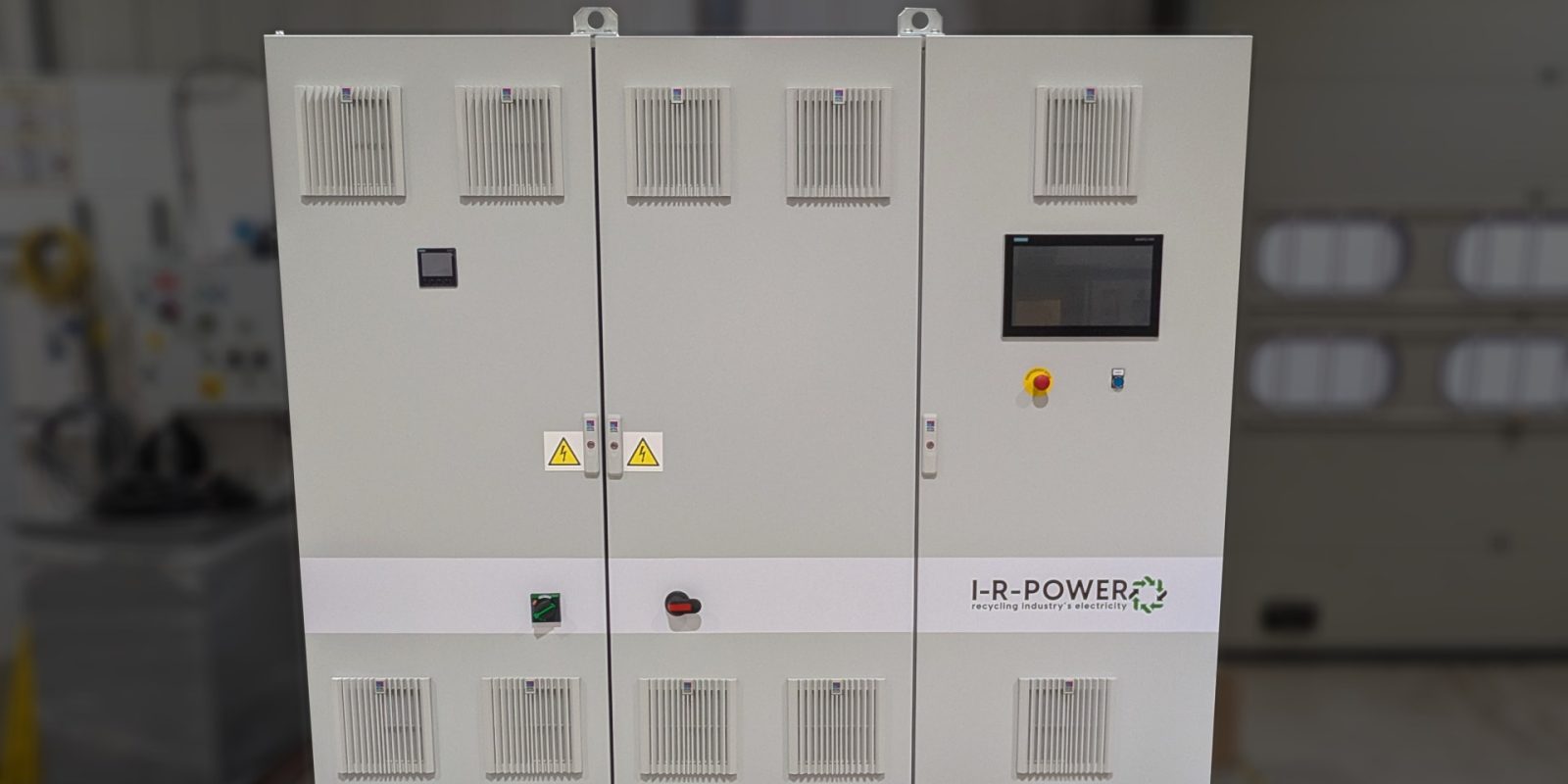
Factories waste vast amounts of electricity every time heavy machinery slows down. This Scottish company says it can capture that lost power and slash energy bills by up to 20%.
Expand Expanding Close
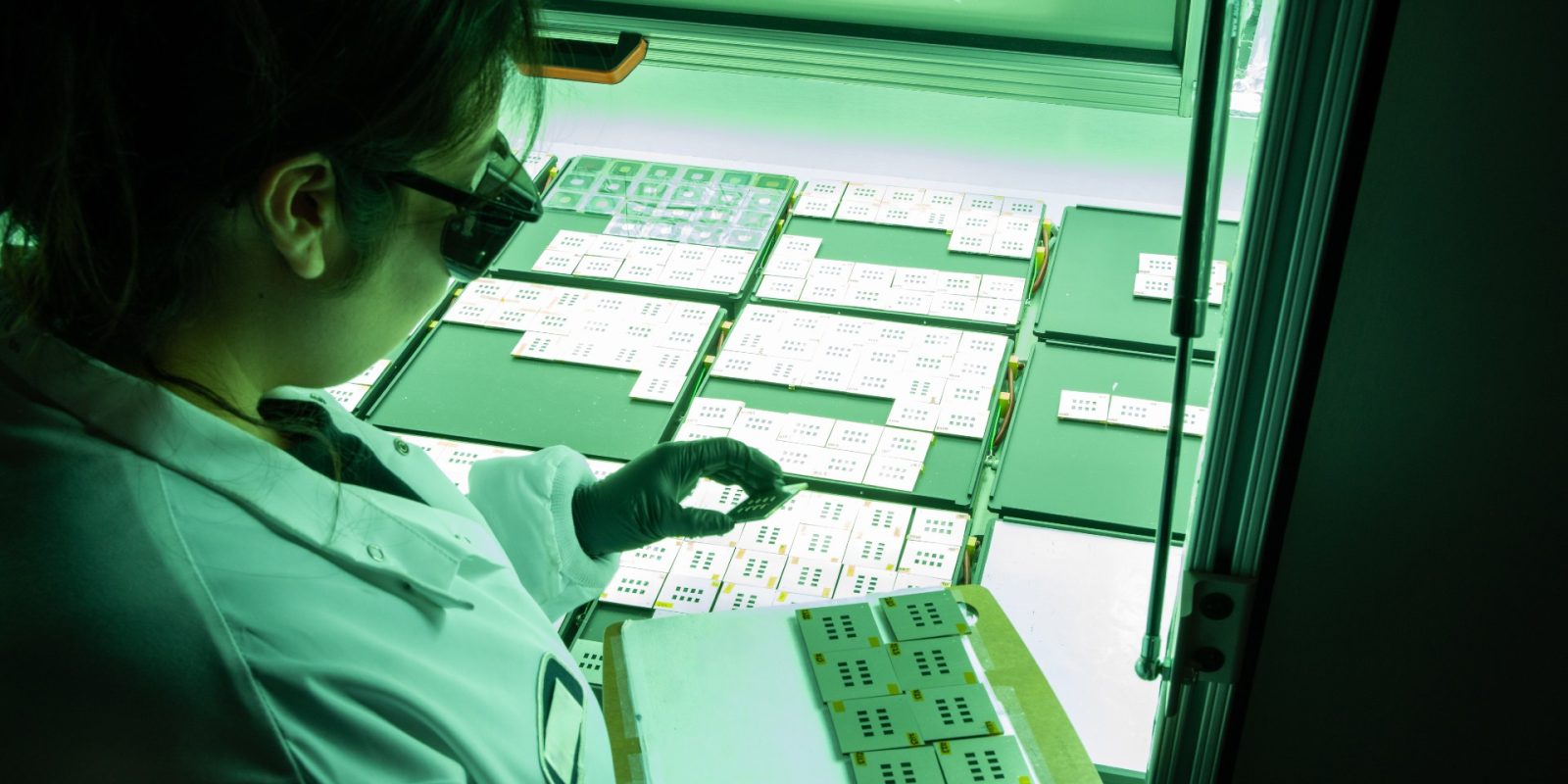
US solar giant First Solar signed a patent licensing agreement with the UK’s Oxford PV, a University of Oxford spin‑off, giving it access to issued and pending patents covering perovskite materials, one of the most important next‑gen solar technologies.
Expand Expanding Close
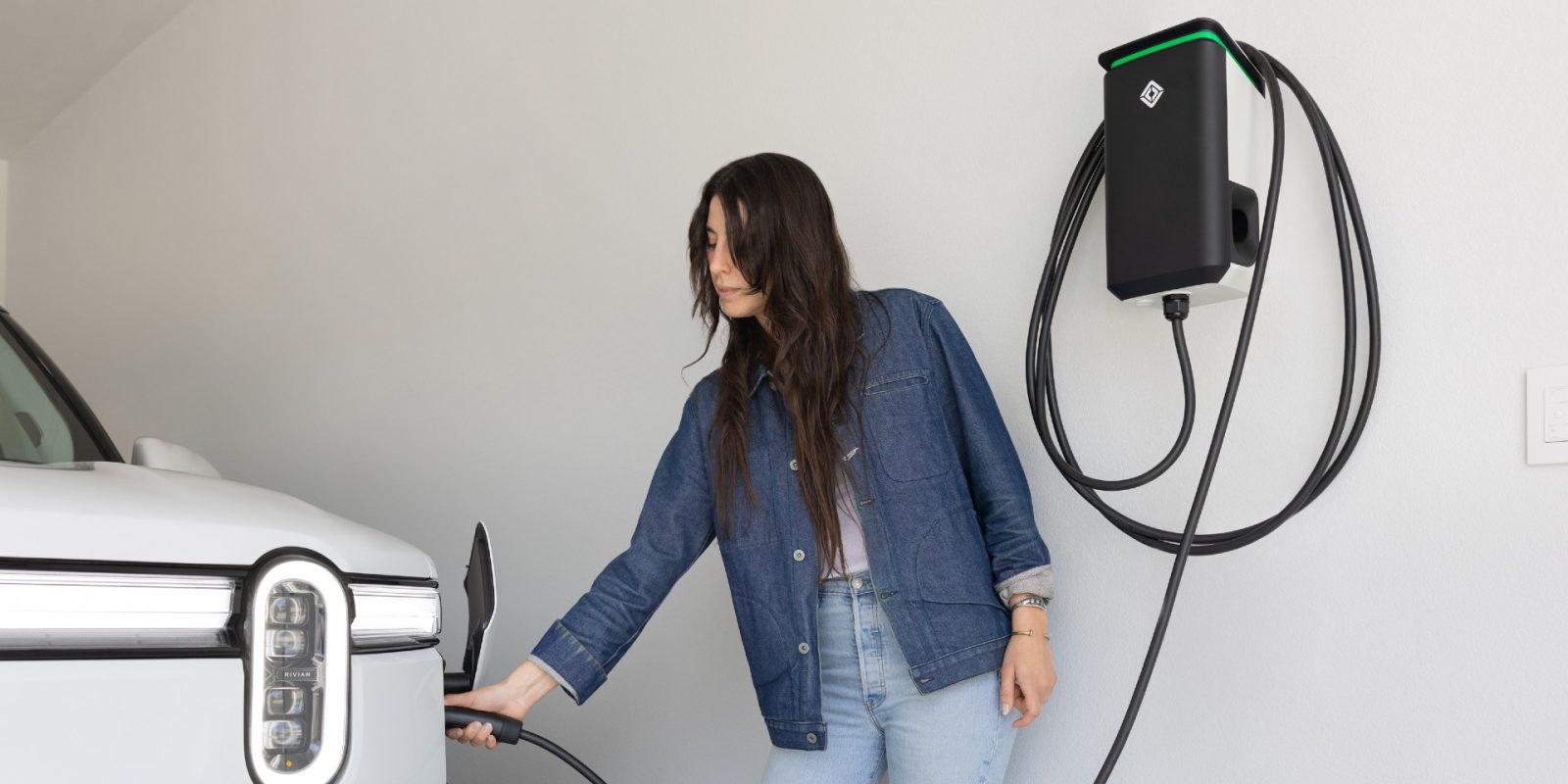
Rivian is partnering with EnergyHub to make it easier for its drivers across North America to join utility‑run EV charging programs that reward customers for charging at grid‑friendly times.
Expand Expanding Close
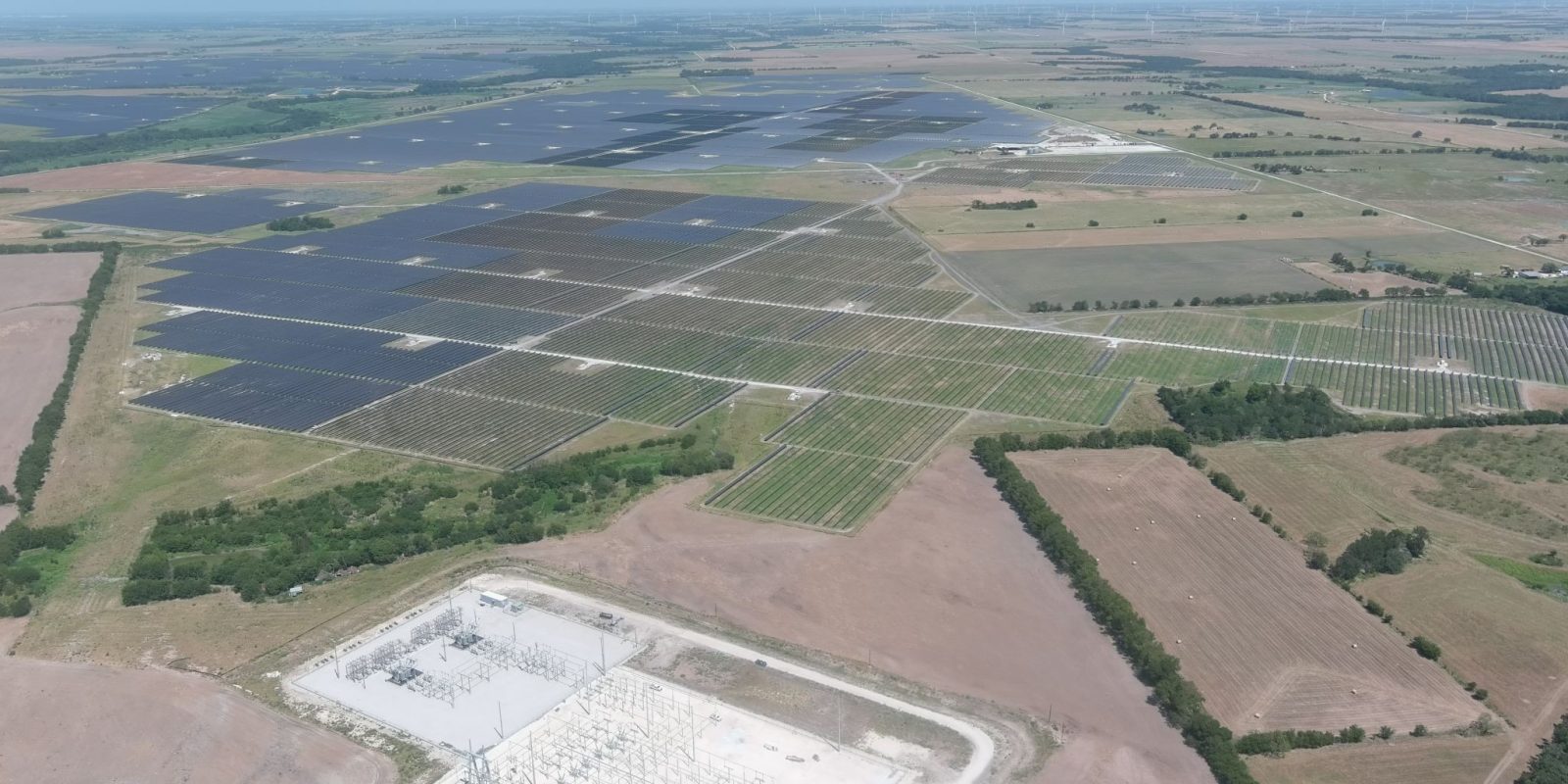
A new report finds Texas is set to overtake California in battery storage as US installs hit a record 57.6 GWh in 2025, up 30% year-over-year.
Expand Expanding Close
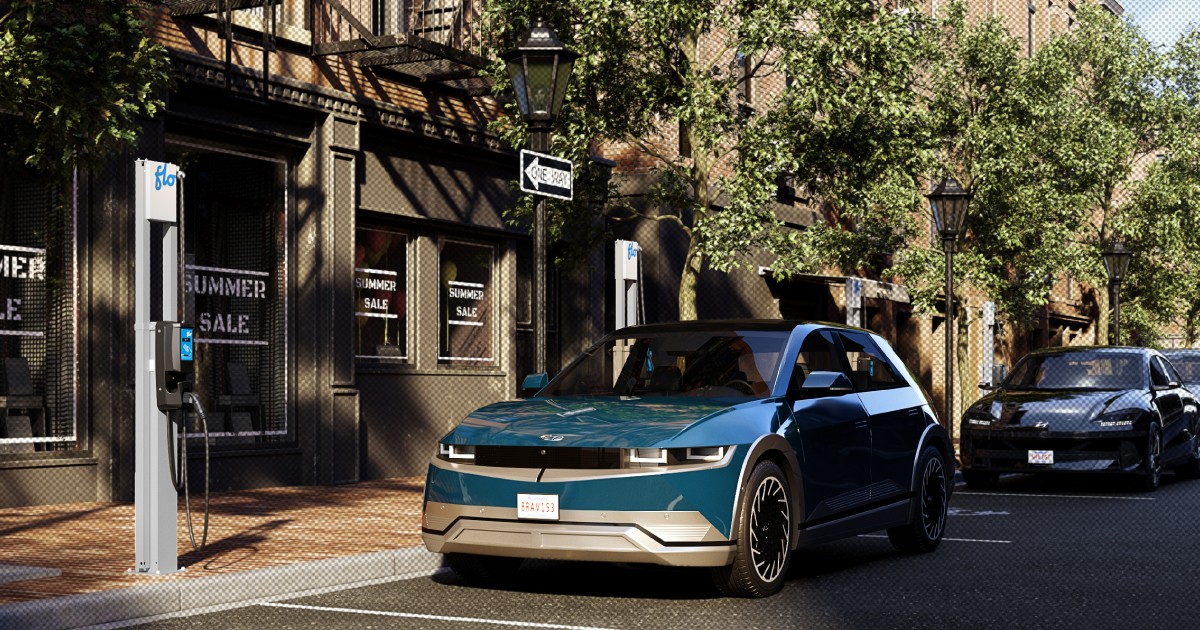
Pennsylvania is putting another $100 million in federal funding toward public EV chargers, this time targeting communities instead of highways.
Expand Expanding Close
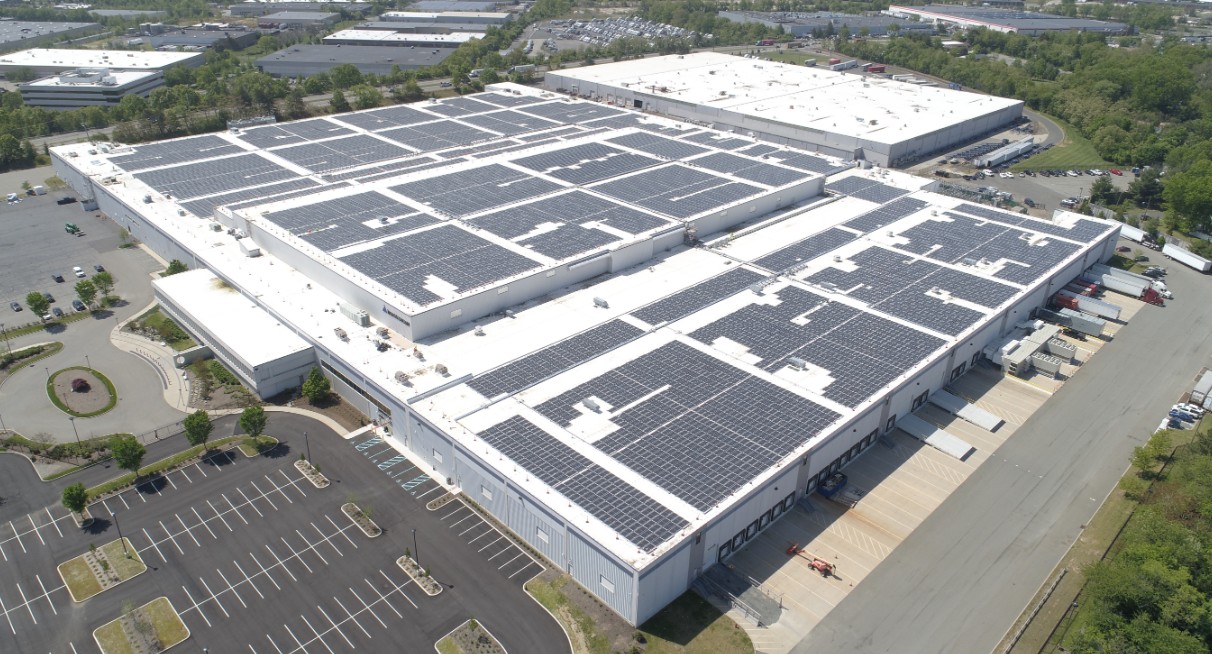
Calibrant Energy has signed a definitive agreement with Iron Mountain to build, own, and operate a 23-megawatt-hour (MWh) battery at the latter’s New Jersey data center.
Expand Expanding Close
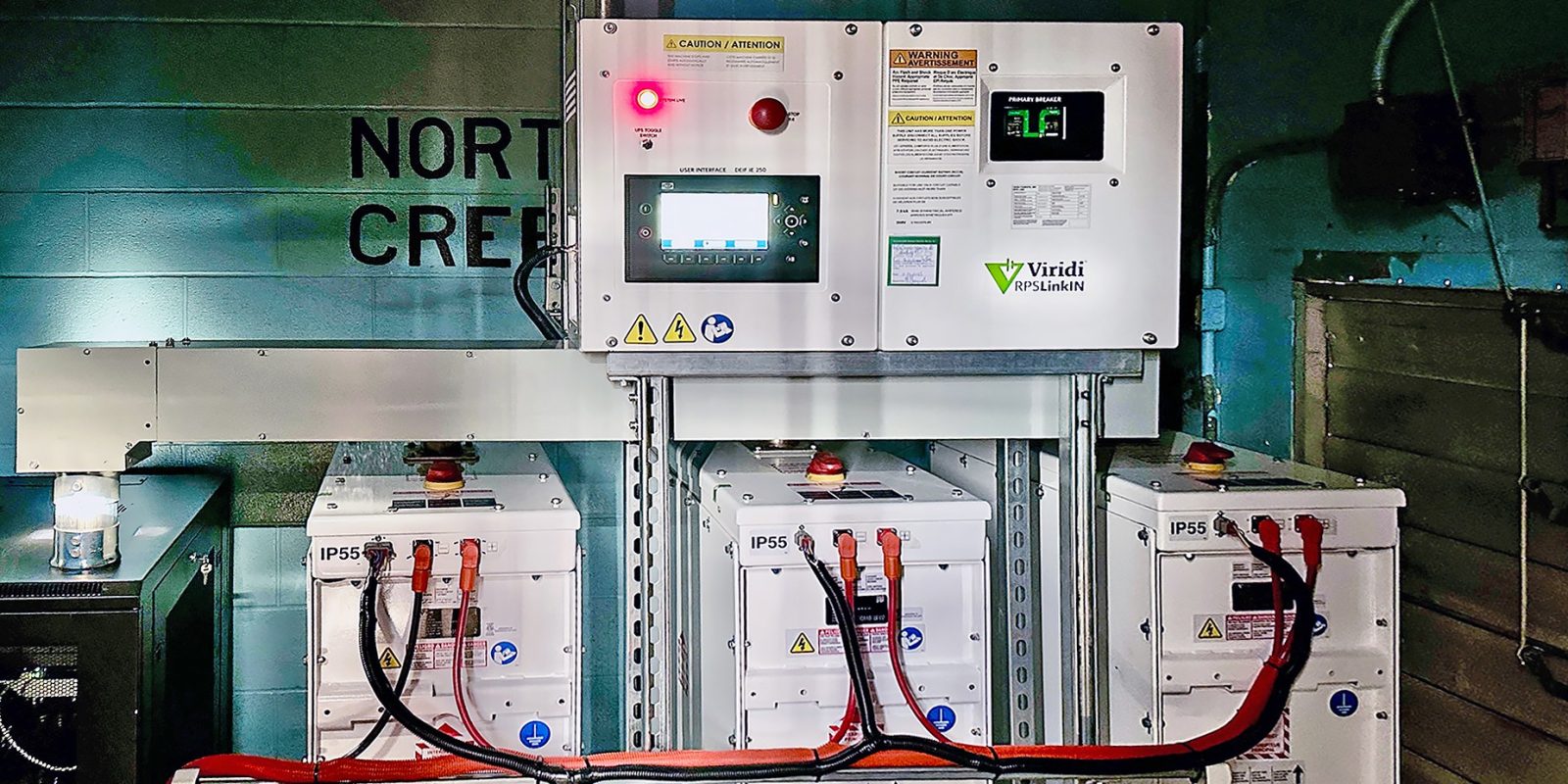
A wastewater pumping station in Erie County, New York, is now running backup power on a battery storage system instead of a diesel generator, and local officials say it could cut costs, emissions, and maintenance headaches.
Expand Expanding Close