Michelle Lewis is a writer at Electrek. She has previously worked for Fast Company, The Guardian, News Deeply, Time, and others. She lives in Massachusetts.
*Ad: If you’ve ever considered going solar, make it easy by finding a trusted, reliable solar installer near you that offers competitive pricing by checking out EnergySage. It has hundreds of pre-vetted solar installers competing for your business, ensuring you get high-quality solutions and save 20-30% compared to going it alone. Plus, it’s free to use, and you won’t get sales calls until you select an installer and share your phone number with them.
Your personalized solar quotes are easy to compare online, and you’ll get access to unbiased Energy Advisors to help you every step of the way. Get started here.
European solar roofing company Roofit.Solar has completed its first US project, marking its official entry into the North American market with a residential installation in Michigan.
South Dakota just approved what will become its biggest wind farm yet — a 333‑megawatt (MW) project planned across 68,300 acres in Haakon County, about 85 miles east of Rapid City.
Octopus Energy Generation is investing almost $1 billion in California clean tech projects, the latest move by the UK‑based renewable investor as it scales up its presence in the US market.
The London Borough of Harrow is installing 500 new curbside EV chargers across the borough, targeting residents who don’t have access to off-street parking. The chargers are being deployed in partnership with UK charging provider char.gy and will primarily be mounted on existing lamp posts along residential streets.
TotalEnergies just landed a massive solar deal to power Google’s expanding Texas data centers. The company signed two long‑term power purchase agreements (PPA) totaling 1 gigawatt (GW) of capacity, or about 28 terawatt‑hours of electricity over 15 years.
1.2 million EVs were sold globally in January – but the market shrank. Global EV sales fell 3% year-over-year and 44% in January 2026 from December to 1.2 million units, according to Benchmark Mineral Intelligence. The slowdown was largely driven by China, where sales dropped after new taxes and weaker incentives kicked in.
Washington, DC, just launched a curbside charging pilot to install public EV chargers on residential streets across all eight wards. The goal is to make charging easier for people who don’t have a driveway or garage and figure out how to scale curbside charging citywide.
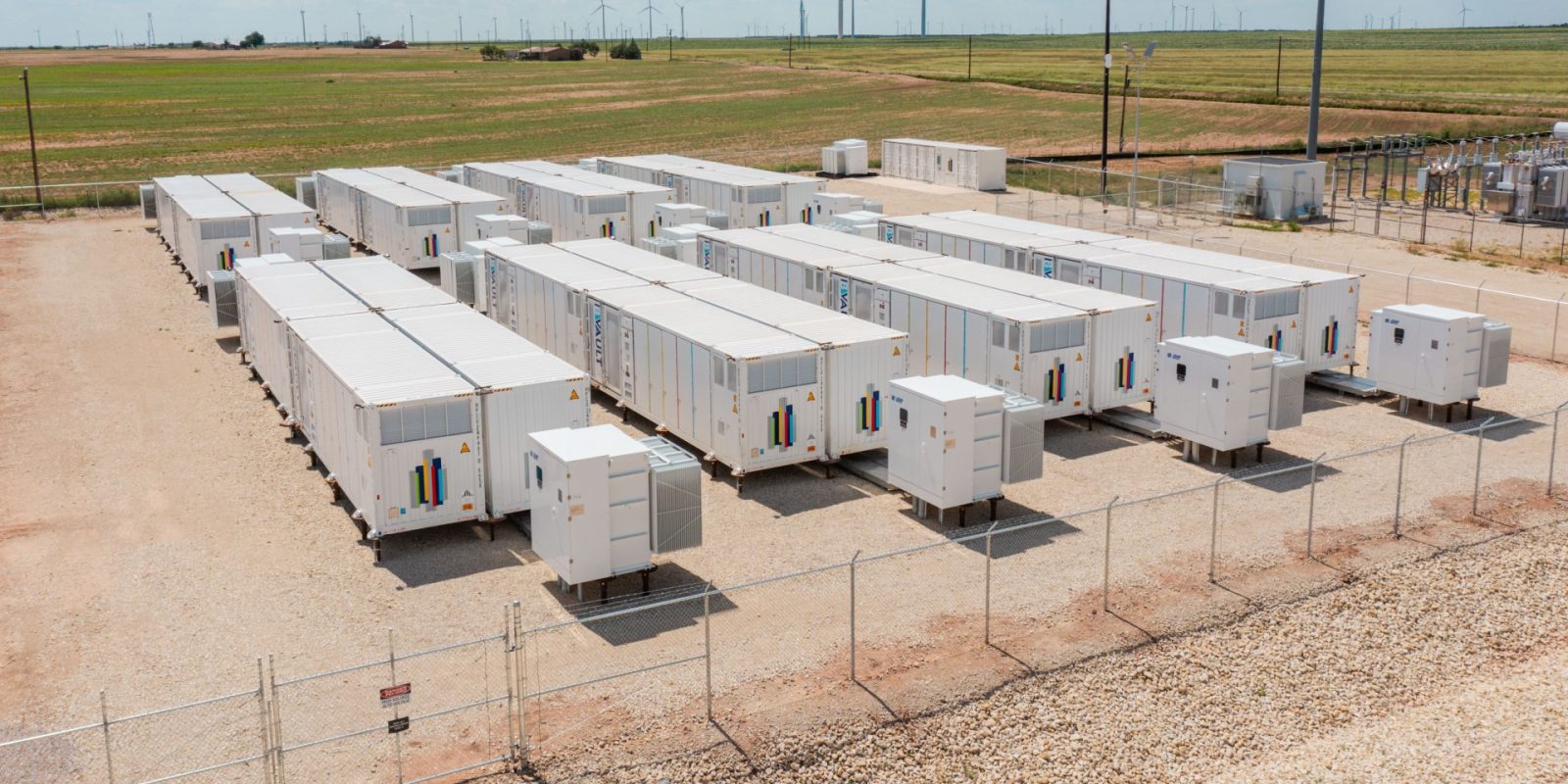
Utility-scale energy storage developer Energy Vault just signed a strategic agreement with Peak Energy, which manufactures sodium-ion energy battery storage systems, to build a battery platform specifically designed for “AI-first” data center operators.
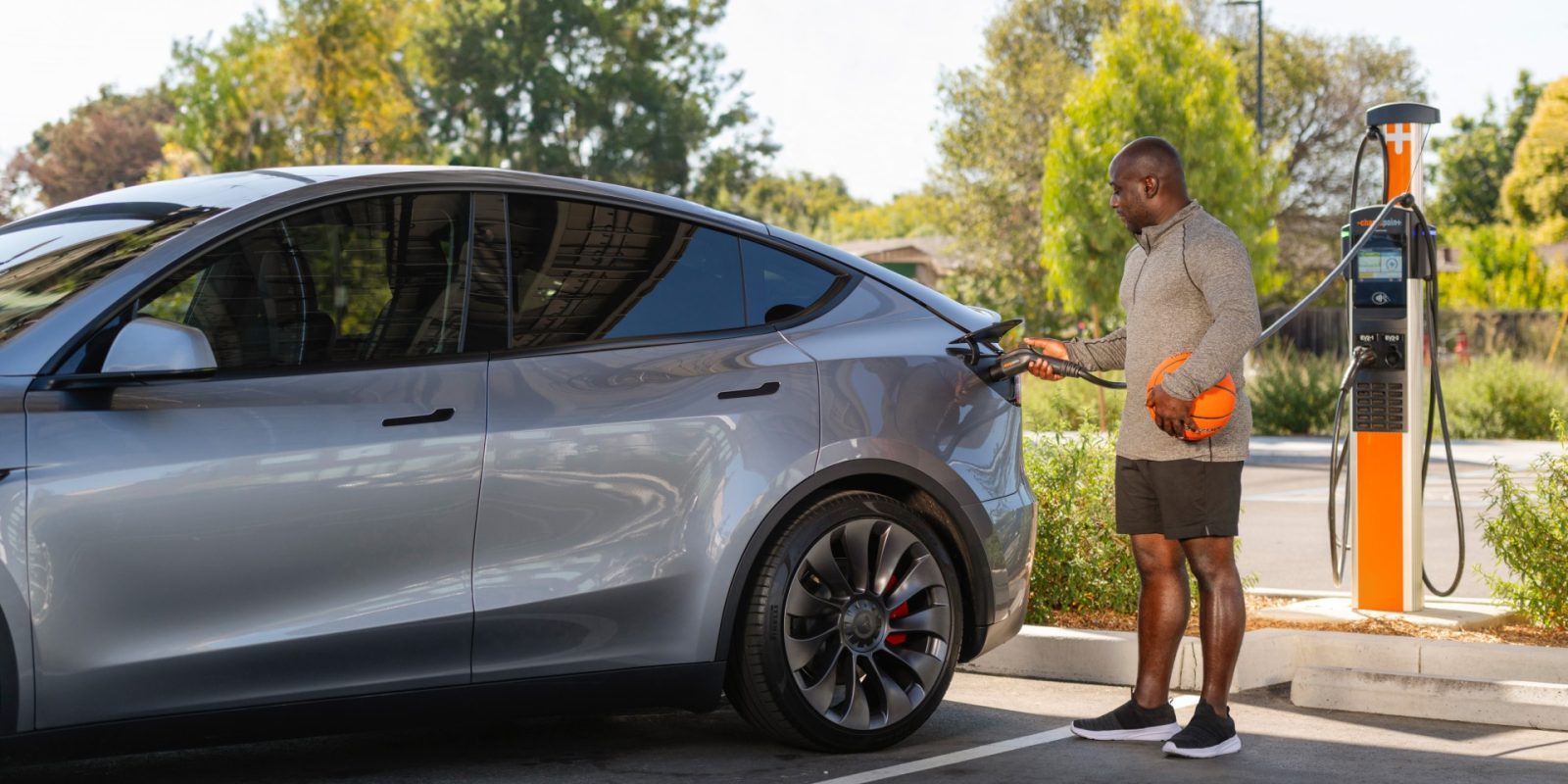
ChargePoint enabled more than 100 million EV charging sessions over the past year, and it says demand is now growing faster than new chargers are being installed. Using its network data and 2025 EV sales figures, the company argues infrastructure isn’t keeping pace with the expanding fleet of EVs already on the road.
The Federal Highway Administration (FHWA) just issued a new notice today that aims to make it harder for states to actually spend the money in one of Donald Trump’s favorite punching bags: the $5 billion National Electric Vehicle Infrastructure (NEVI) Formula Program.
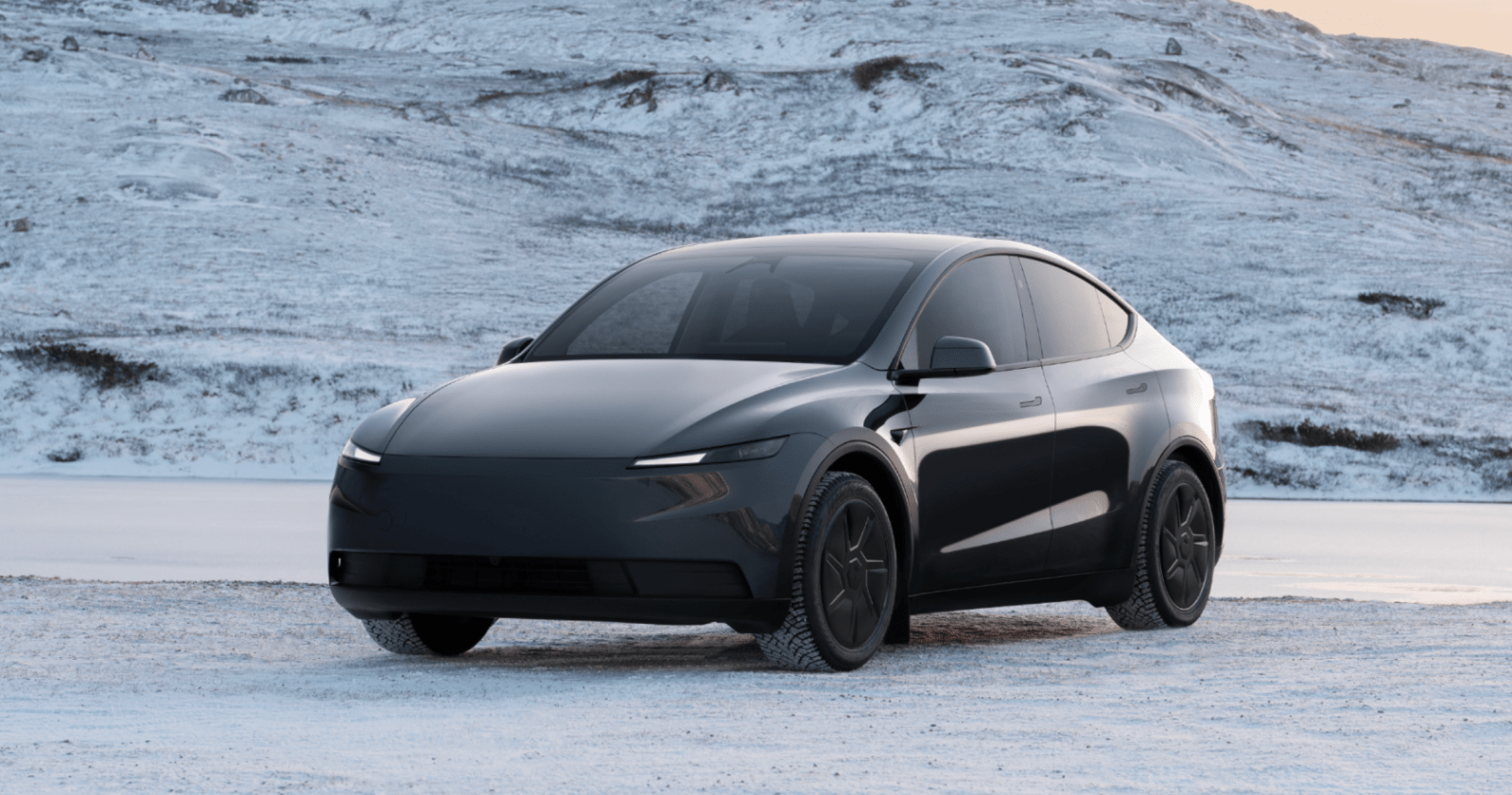
EV prices fell again in January, with Tesla doing most of the cutting. But cheaper EVs didn’t translate into stronger sales, according to new estimates from Kelley Blue Book.
Businesses walked away from $5.1 billion in large-scale factories and clean energy projects in December alone – a stark finish to a year in which cancellations finally overtook new investment in the US clean energy sector. By the end of 2025, nearly $35 billion in clean energy investments had been canceled or downsized nationwide, taking more than 38,000 current and future jobs with them, according to new tracking from E2.
Boston Public Schools is adding another major block of depot-scale DC fast chargers as it pushes toward a fully electric bus fleet – a reminder that some of the biggest EV charging builds are happening far from highway rest stops.
More than 90% of US power outages start on the distribution grid – the part closest to homes that utilities can’t always see in real time – but Sense says it’s trying to change that by pushing fault detection directly into smart meters.
New solar and wind capacity additions in November were the second highest in 2025 and accounted for 93% of that month’s total. Solar continues to dominate new capacity additions and has held the lead among all energy sources for 27 consecutive months, according to data released by the Federal Energy Regulatory Commission (FERC) and reviewed by the SUN DAY Campaign.
Winter Storm Fern knocked out power for millions of people across the US and reignited a familiar political and media fight over what really causes large-scale outages during extreme weather. To separate the rhetoric from the operational reality, Electrek spoke with Leah Qusba, CEO of GoodPower, a research, strategic communications, and campaigning organization focused on advancing the global renewable energy transition.
In this Q&A, Qusba walks through what tends to fail first during major winter storms, what outage data shows about the role of wind, solar, and fossil generation during Fern, why fuel supply and winterization still matter more than the generation mix, and how coordinated disinformation campaigns exploit moments of uncertainty after grid emergencies and what works to counter them.
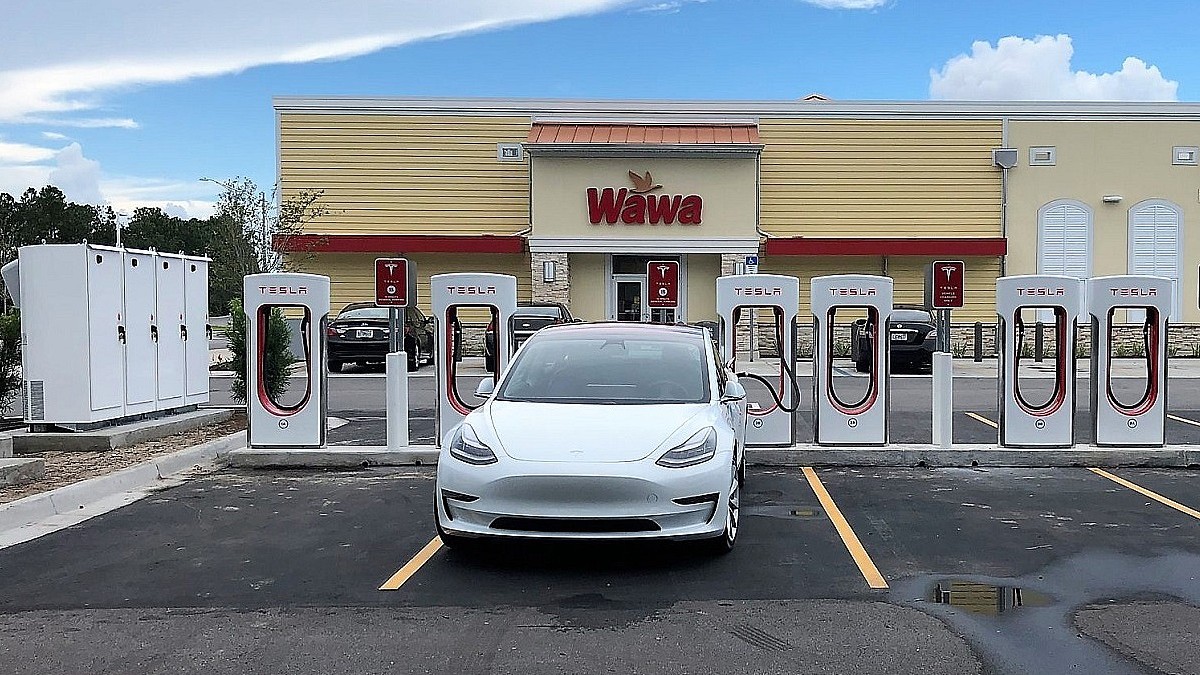
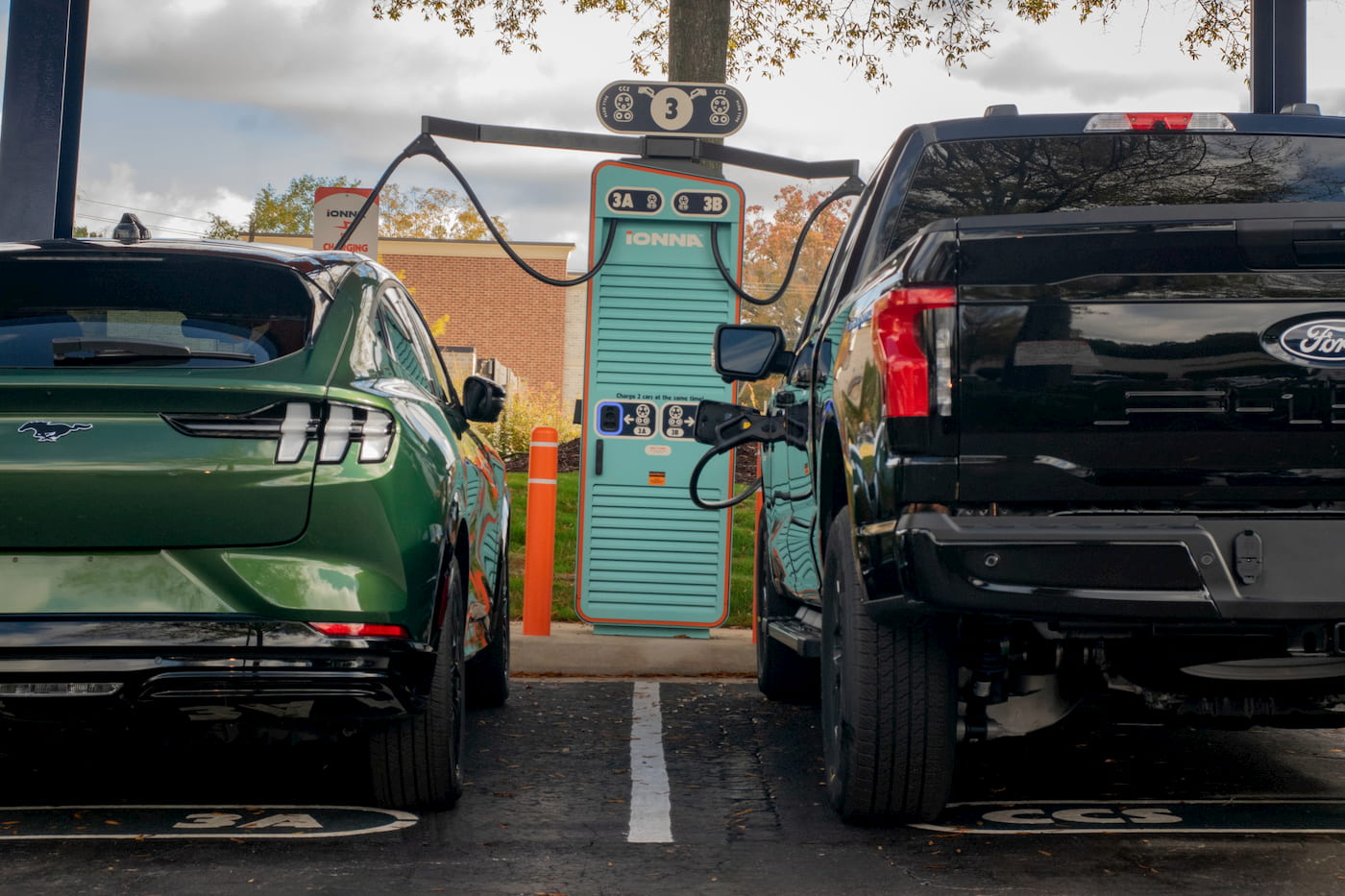
The US DC fast charging industry slowdown never showed up in 2025. In fact, according to Paren’s new “US EV Fast Charging” state of the industry report, fast charging networks set records last year, with infrastructure buildout and charging demand both jumping about 30% year-over-year.
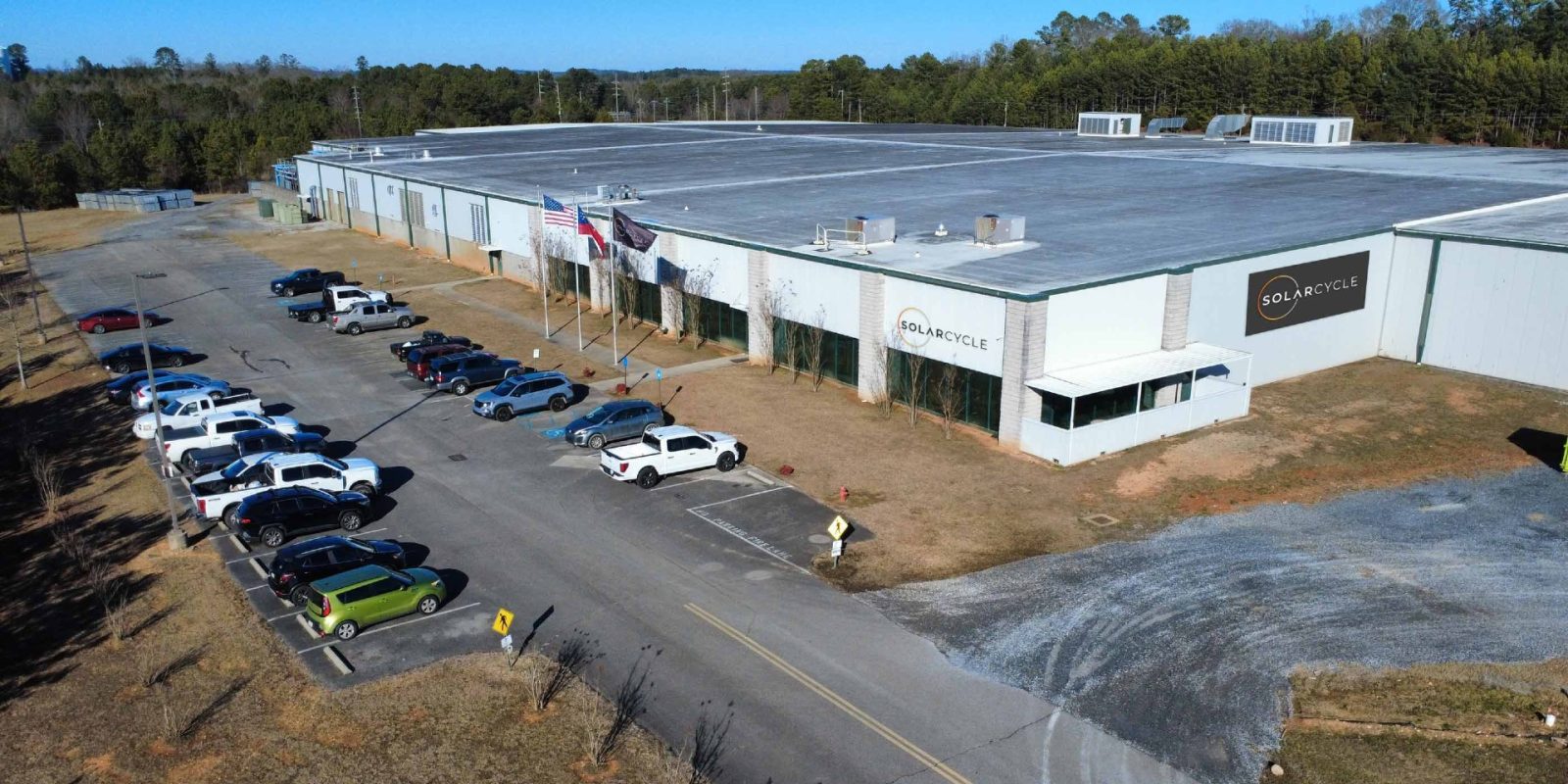
SOLARCYCLE has started recycling solar panels at a massive new facility in Cedartown, Georgia, signaling that solar recycling in the US is finally moving from pilot projects to industrial scale.
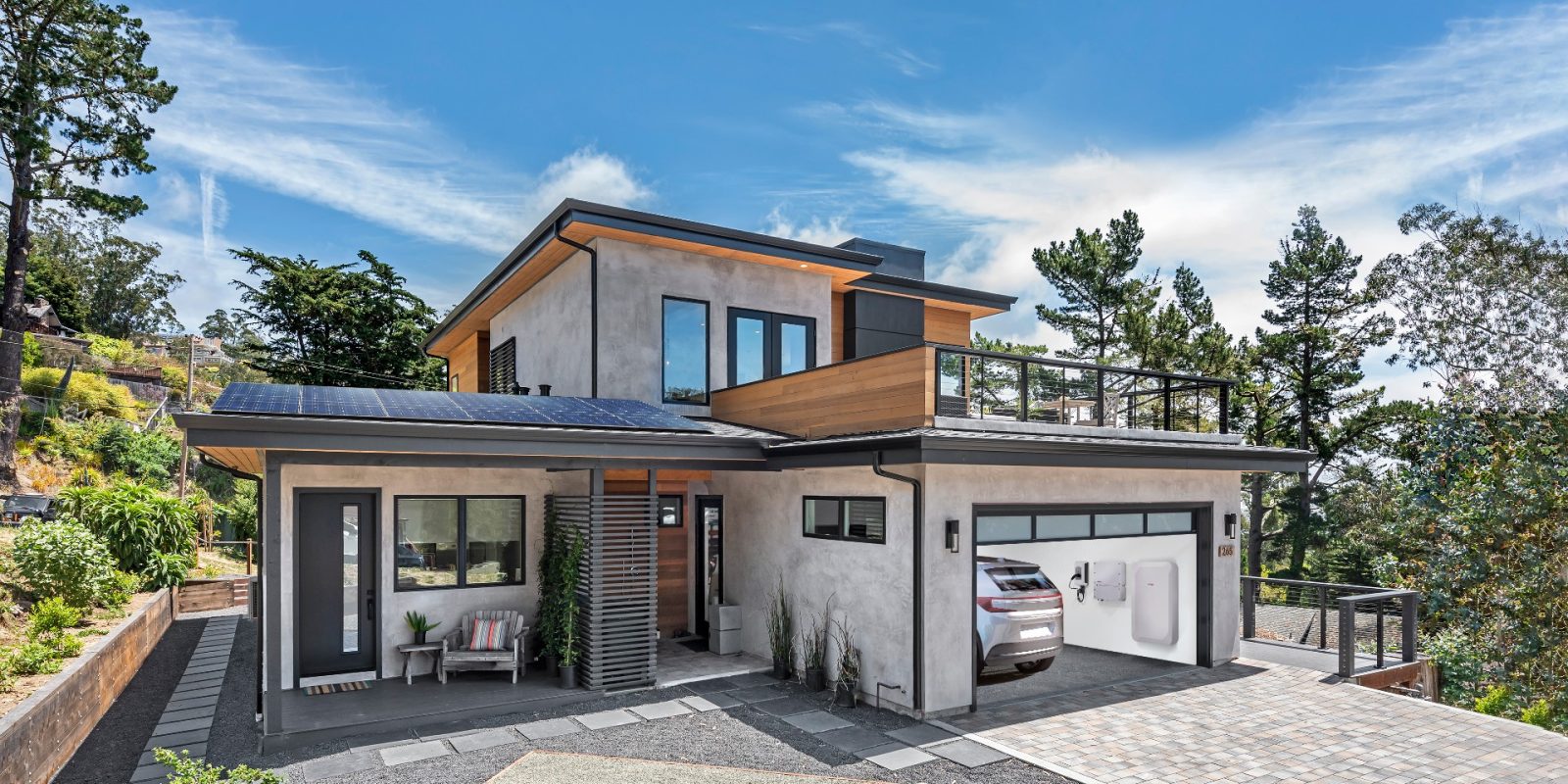
SolarEdge has started shipping US-made residential solar inverters to Europe – a milestone as US solar manufacturers look for export upside amid shifting trade rules, tariffs, and fading domestic manufacturing incentives.
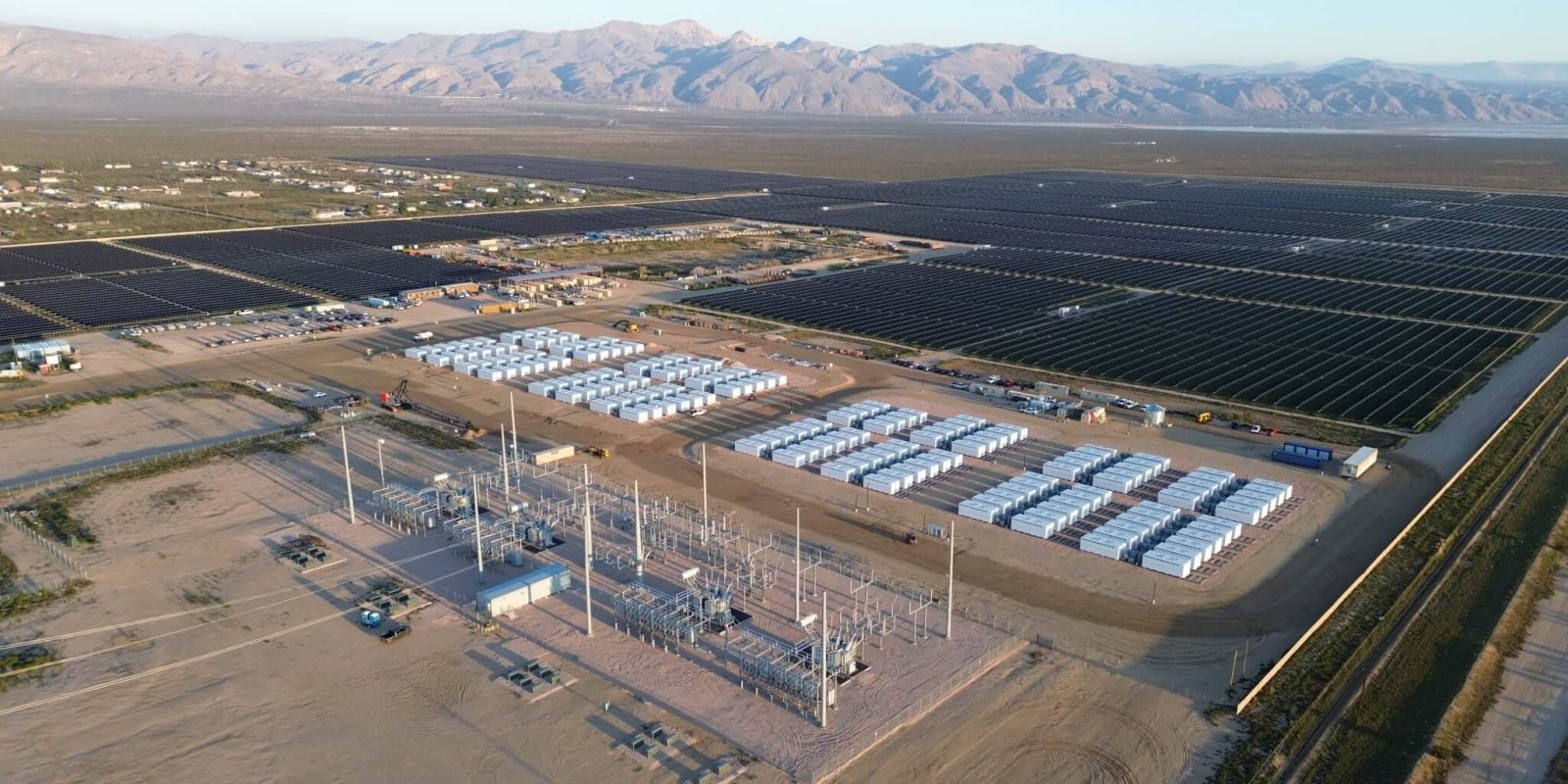
Solar, wind, and batteries are set to supply virtually all net new US generating capacity in 2026, according to EIA data reviewed by the SUN DAY Campaign, continuing their strong 2025 growth.