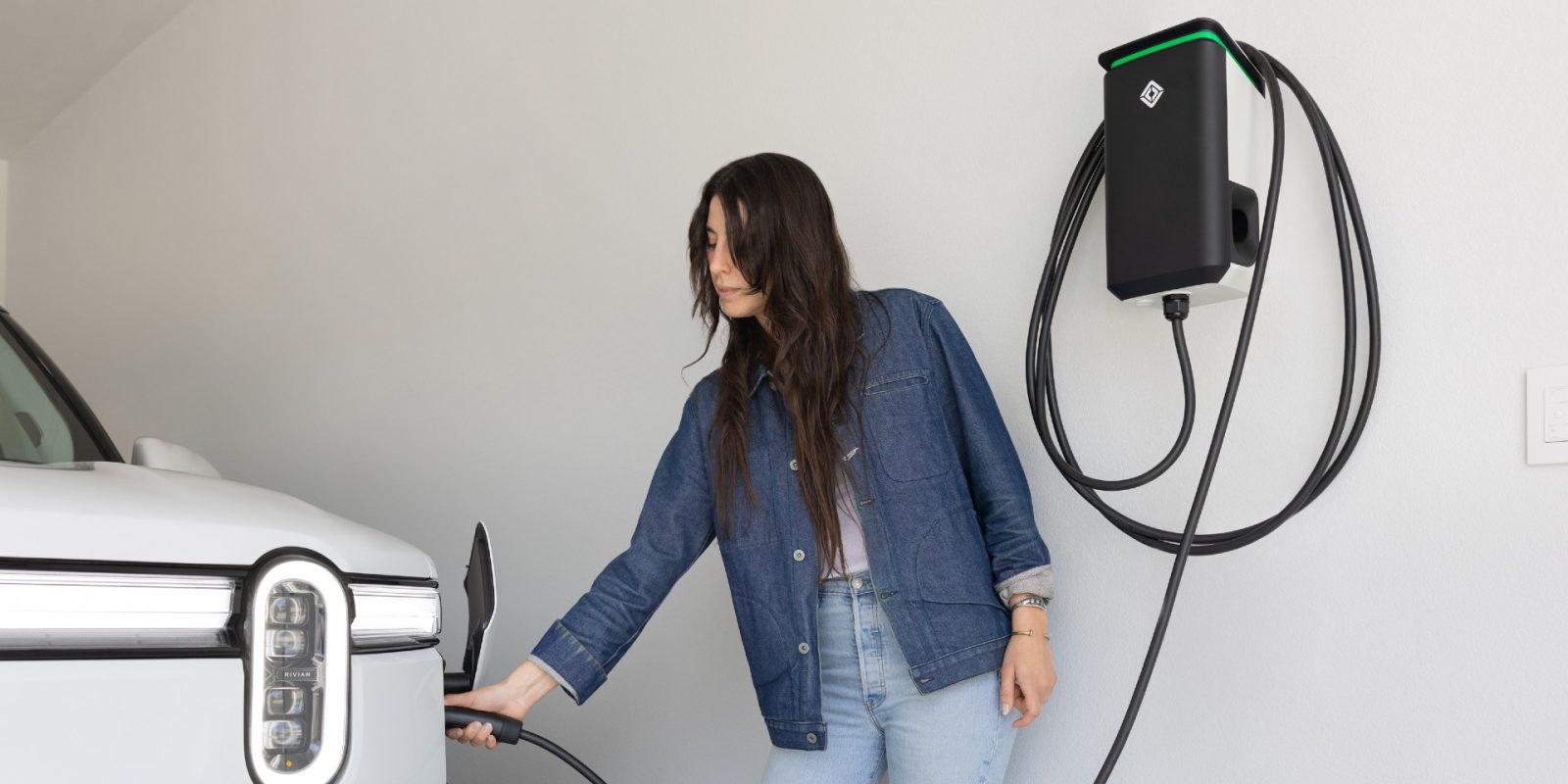
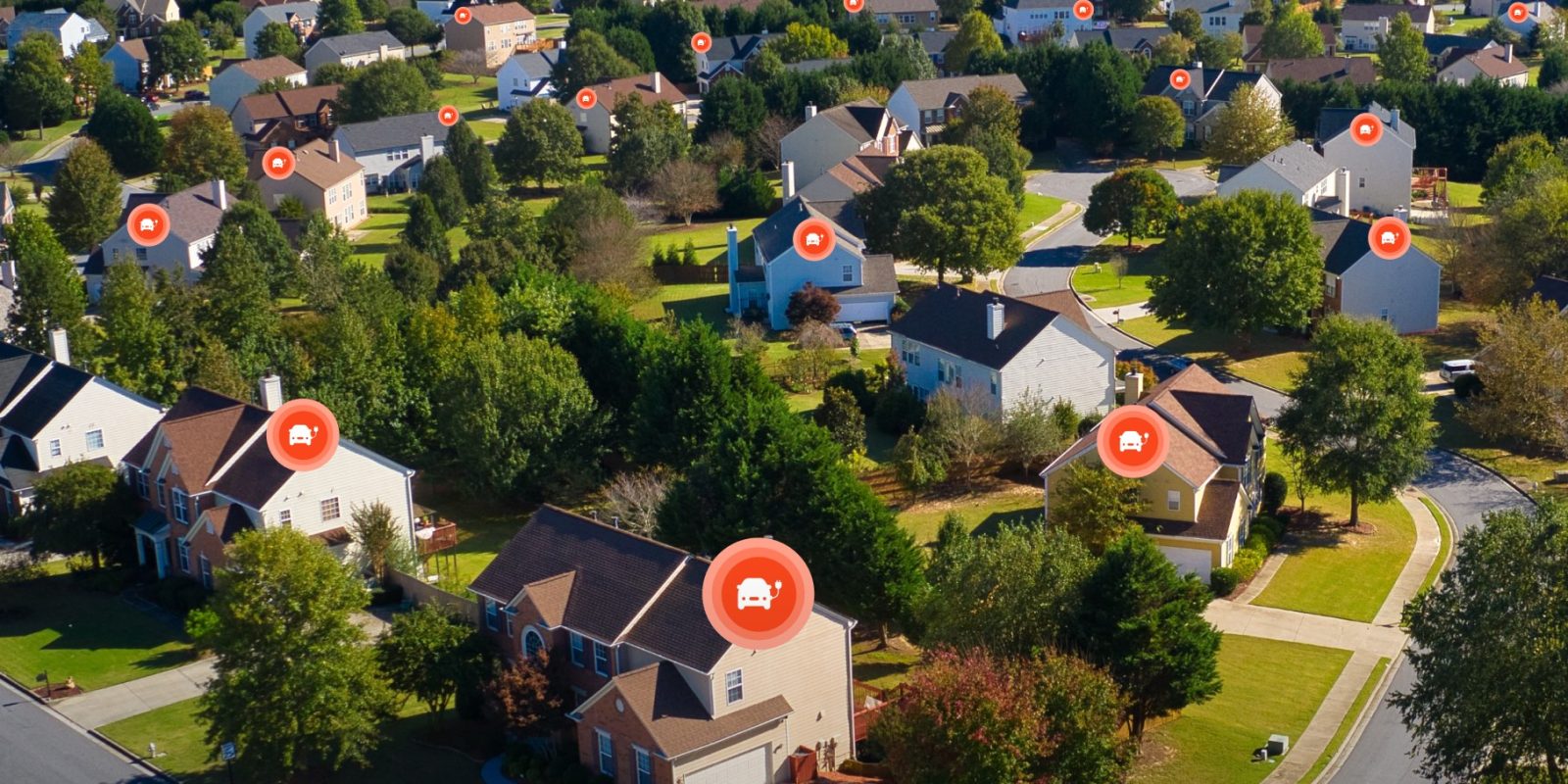
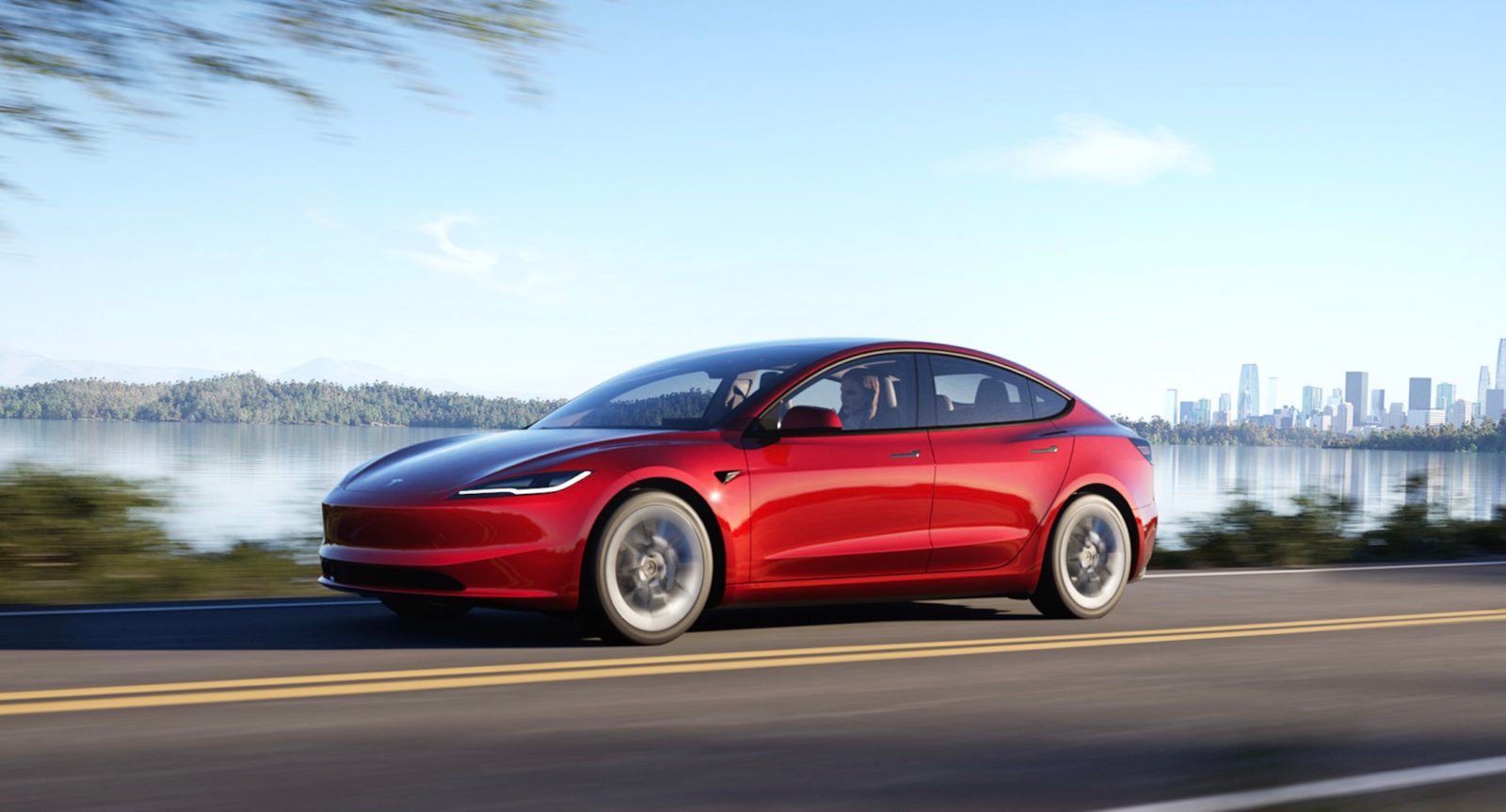
Rivian is partnering with EnergyHub to make it easier for its drivers across North America to join utility‑run EV charging programs that reward customers for charging at grid‑friendly times.
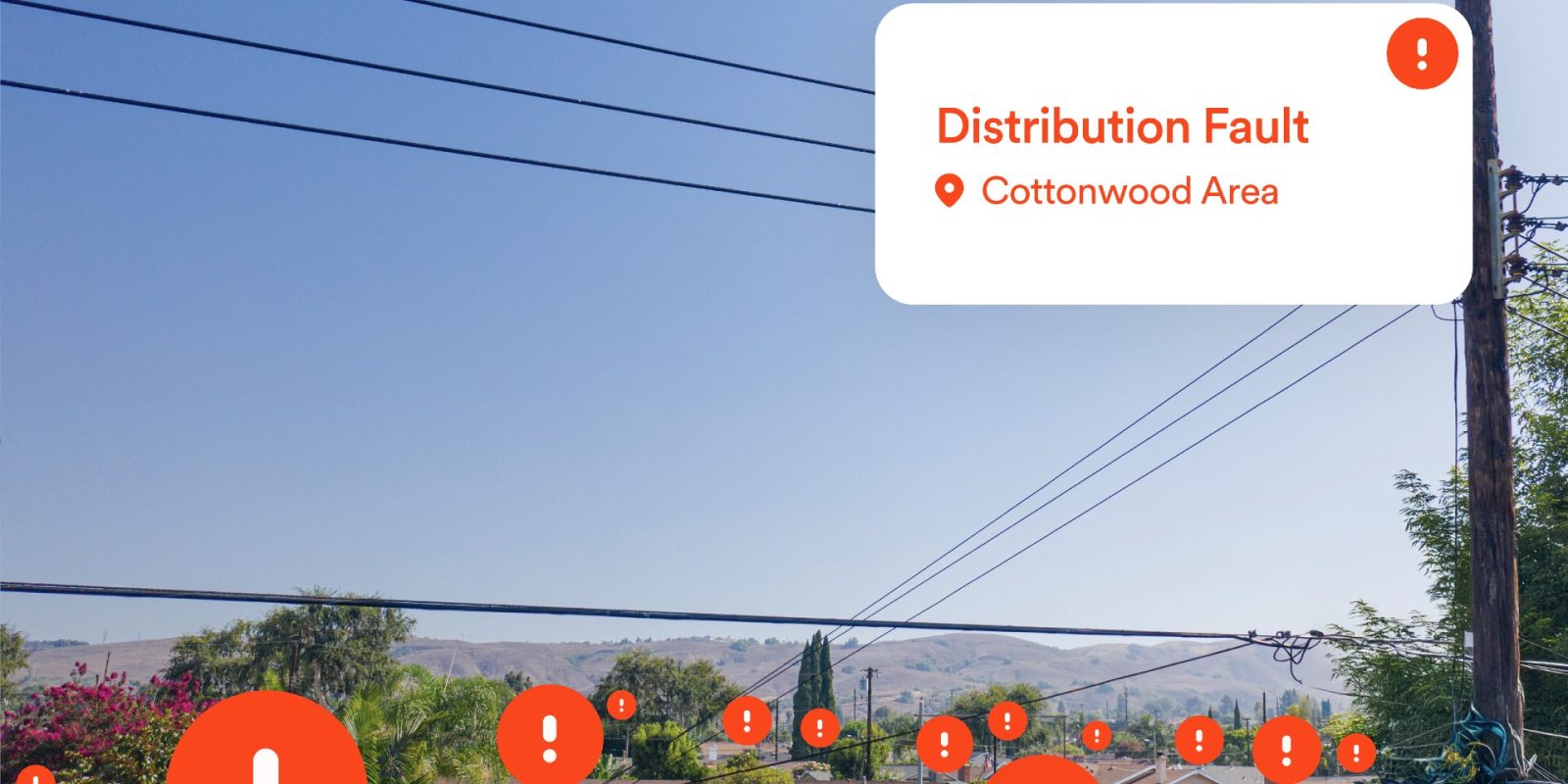
More than 90% of US power outages start on the distribution grid – the part closest to homes that utilities can’t always see in real time – but Sense says it’s trying to change that by pushing fault detection directly into smart meters.
Winter Storm Fern knocked out power for millions of people across the US and reignited a familiar political and media fight over what really causes large-scale outages during extreme weather. To separate the rhetoric from the operational reality, Electrek spoke with Leah Qusba, CEO of GoodPower, a research, strategic communications, and campaigning organization focused on advancing the global renewable energy transition.
In this Q&A, Qusba walks through what tends to fail first during major winter storms, what outage data shows about the role of wind, solar, and fossil generation during Fern, why fuel supply and winterization still matter more than the generation mix, and how coordinated disinformation campaigns exploit moments of uncertainty after grid emergencies and what works to counter them.
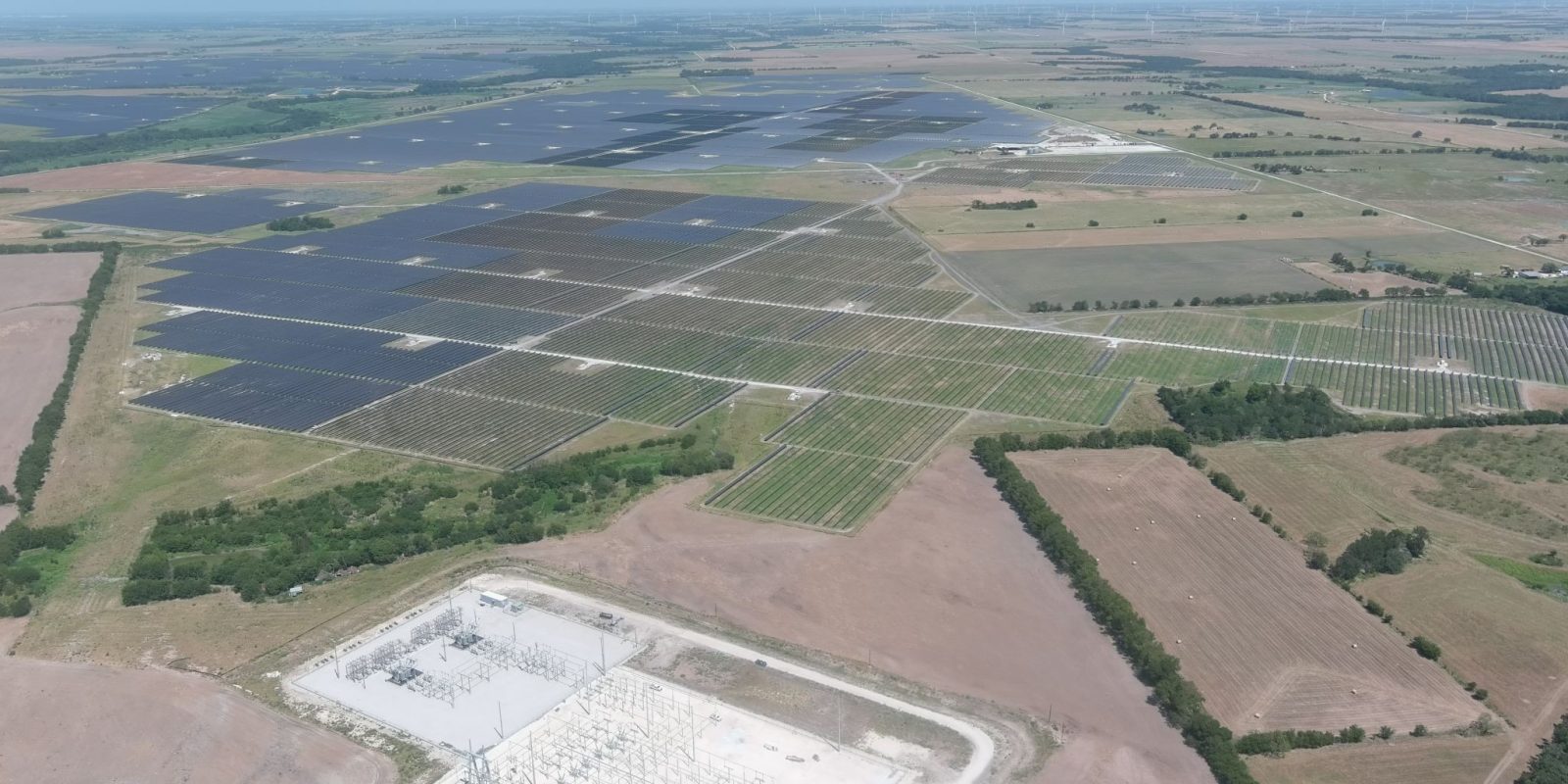
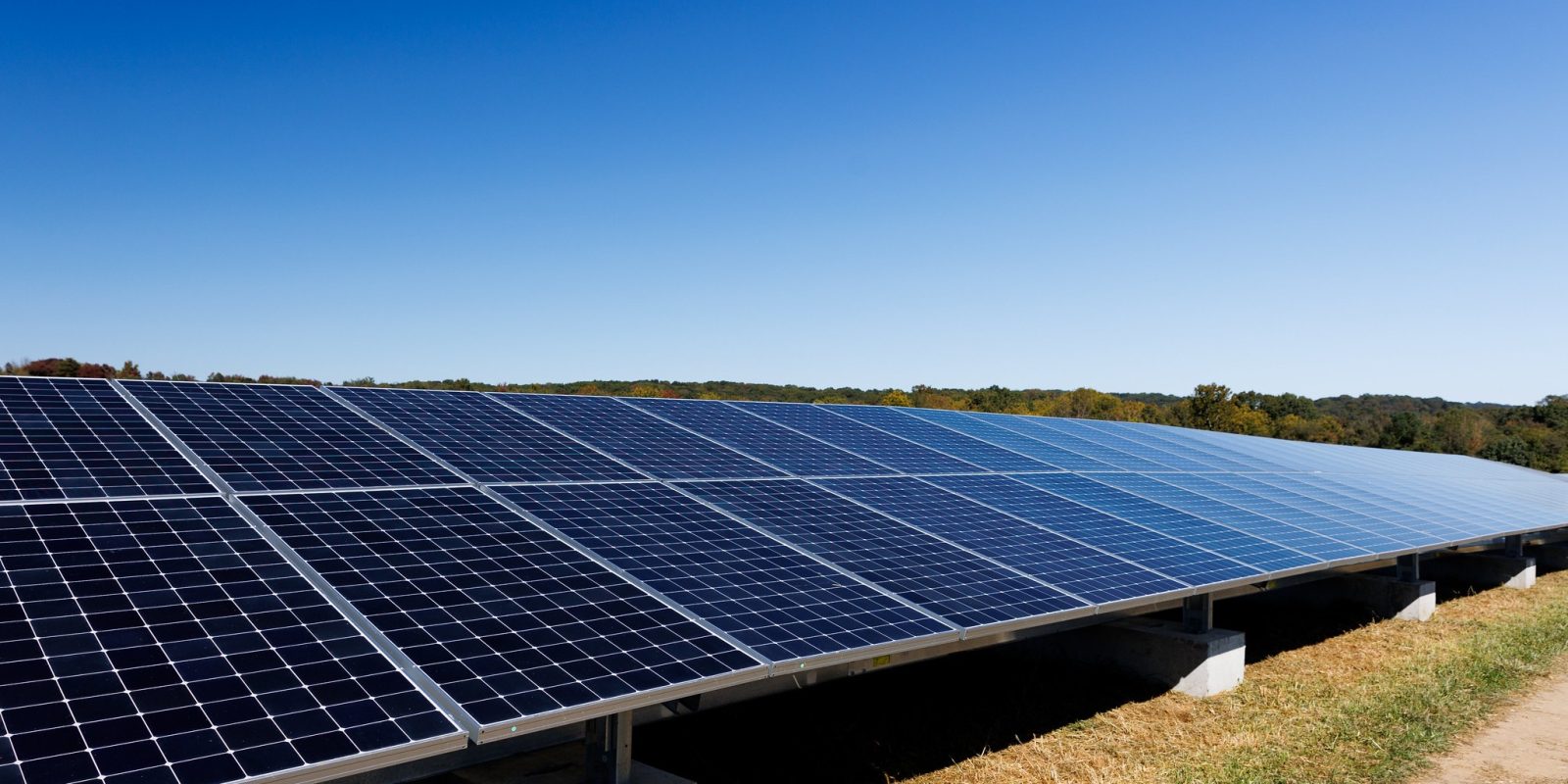
Solar didn’t just show up in 2025 – it carried the grid. A new analysis from global energy think tank Ember shows that solar power accounted for 61% of the growth in US electricity demand last year, highlighting how central solar has become as power demand accelerates.
National Grid is rolling out new AI tools to get ahead of increasing wildfire risk across the Northeast. The utility is partnering with Washington DC-based Rhizome, a grid resilience planning company, to identify and prevent potential ignition threats across its transmission and distribution networks in Massachusetts, New York, and the UK.
The energy demand for data centers is surging right along with record-setting heat domes and conversations about a new “Category 6” for hurricanes, bringing serious concerns about grid stability on summer’s hottest days. That’s the kind of problem that keeps the heating and cooling specialists at Carrier awake at night, but they’ve come up with a scalable solution that can deployed yesterday: pair air conditioners with home batteries.
Trump’s Interior Department halted construction on 704 megawatt (MW) Revolution Wind, the US’s first multi-state offshore wind project that’s already 80% complete. Grid operator ISO New England says the decision is a threat to the grid.
Time-of-use electricity plans are hardly a new concept, but what makes Octopus Energy’s new time-of-use plan, OctopusFlex, great is that it’s ridiculously simple.
Smart meter maker Sense just launched a new tool that helps utilities get smarter about how EVs are charging on the grid, and it doesn’t need cloud computing or special hardware to work.
The International Energy Agency’s (IEA) newly released “Electricity 2025” report predicts that global power consumption will jump nearly 4% annually through 2027. That’s like adding an entire Japan’s worth of electricity use every year for the next three years.
Georgia utility Southern Company is teaming up with Georgia Tech and Smart Wires to roll out a US Department of Energy (DOE)-backed project aimed at boosting Georgia and Alabama’s electric grid.
California Governor Gavin Newsom signed a new law directing the state to upgrade its electrical transmission system through use of new smart grid technologies and by replacing old wires with newer, high-tech ones in order to get the state ready for increased renewable electricity generation.
A new International Energy Agency (IEA) report roadmaps how it’s feasible to triple renewables and double energy efficiency globally by 2030 “with the right enabling conditions.”
Light-duty EVs in the US used more electricity than rail systems for the first time in 2023, according to the US Energy Information Administration (EIA).
US grid operators haven’t been practicing long-term transmission planning, but for the first time, the Federal Energy Regulatory Commission (FERC) just made it mandatory.