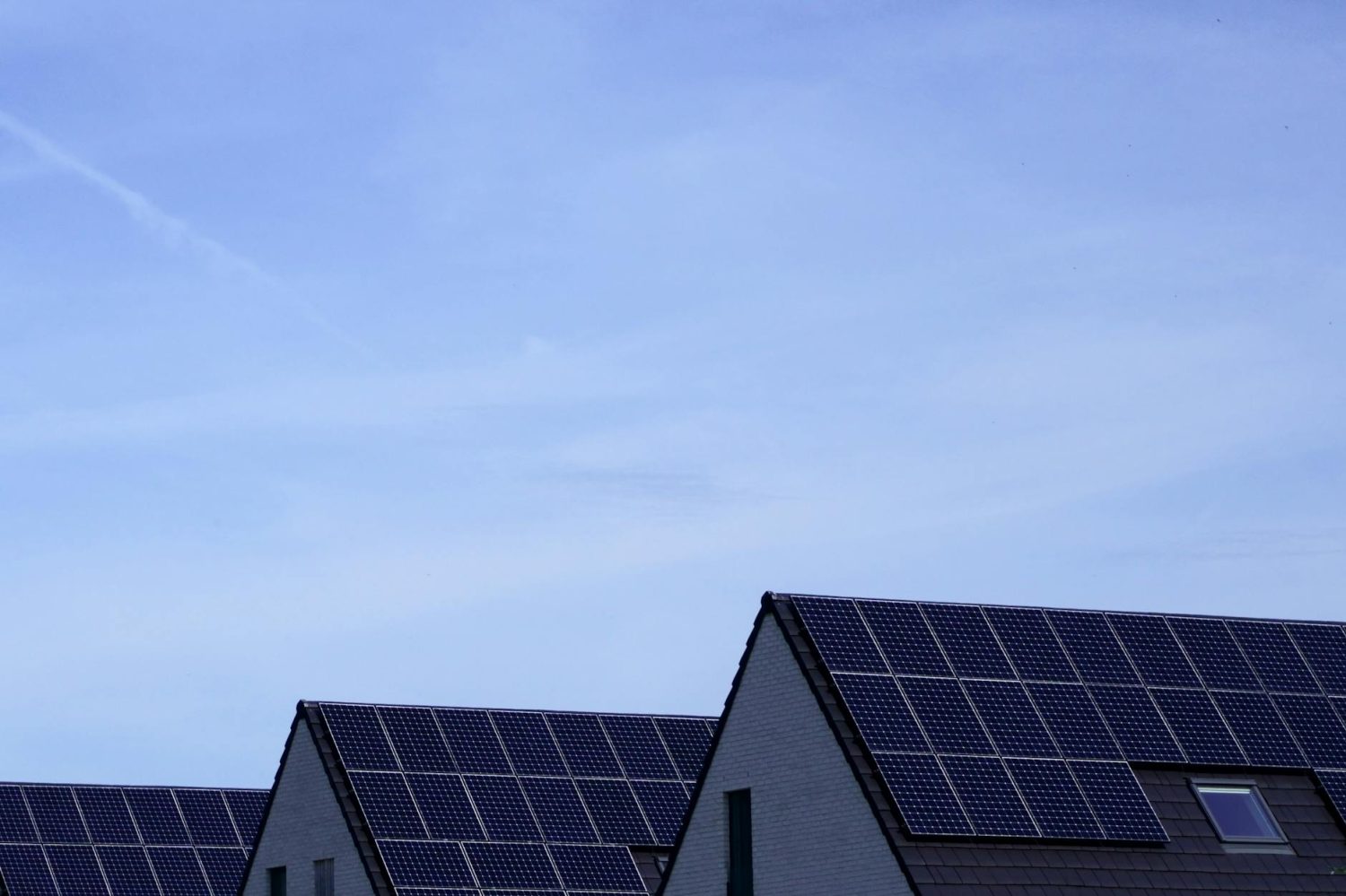
Solar giant Qcells is making a play to get solar and battery storage built into new homes in the US from day one.
Expand Expanding CloseQcells wants solar + storage built into every new home


Michelle Lewis is a writer at Electrek. She has previously worked for Fast Company, The Guardian, News Deeply, Time, and others. She lives in Massachusetts.
*Ad: If you’ve ever considered going solar, make it easy by finding a trusted, reliable solar installer near you that offers competitive pricing by checking out EnergySage. It has hundreds of pre-vetted solar installers competing for your business, ensuring you get high-quality solutions and save 20-30% compared to going it alone. Plus, it’s free to use, and you won’t get sales calls until you select an installer and share your phone number with them.
Your personalized solar quotes are easy to compare online, and you’ll get access to unbiased Energy Advisors to help you every step of the way. Get started here.
Solar giant Qcells is making a play to get solar and battery storage built into new homes in the US from day one.
Expand Expanding Close
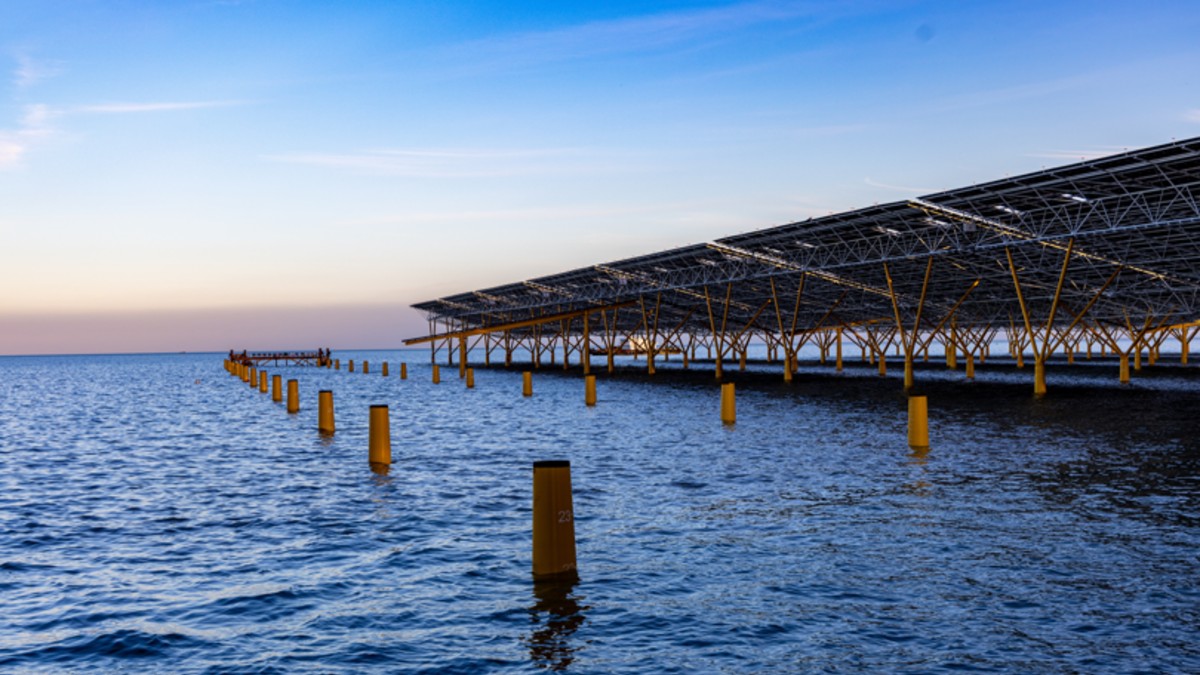
The world added a massive 692 gigawatts (GW) of renewable power in 2025, pushing total global capacity to 5,149 GW, according to a new report from the International Renewable Energy Agency (IRENA).
Expand Expanding Close
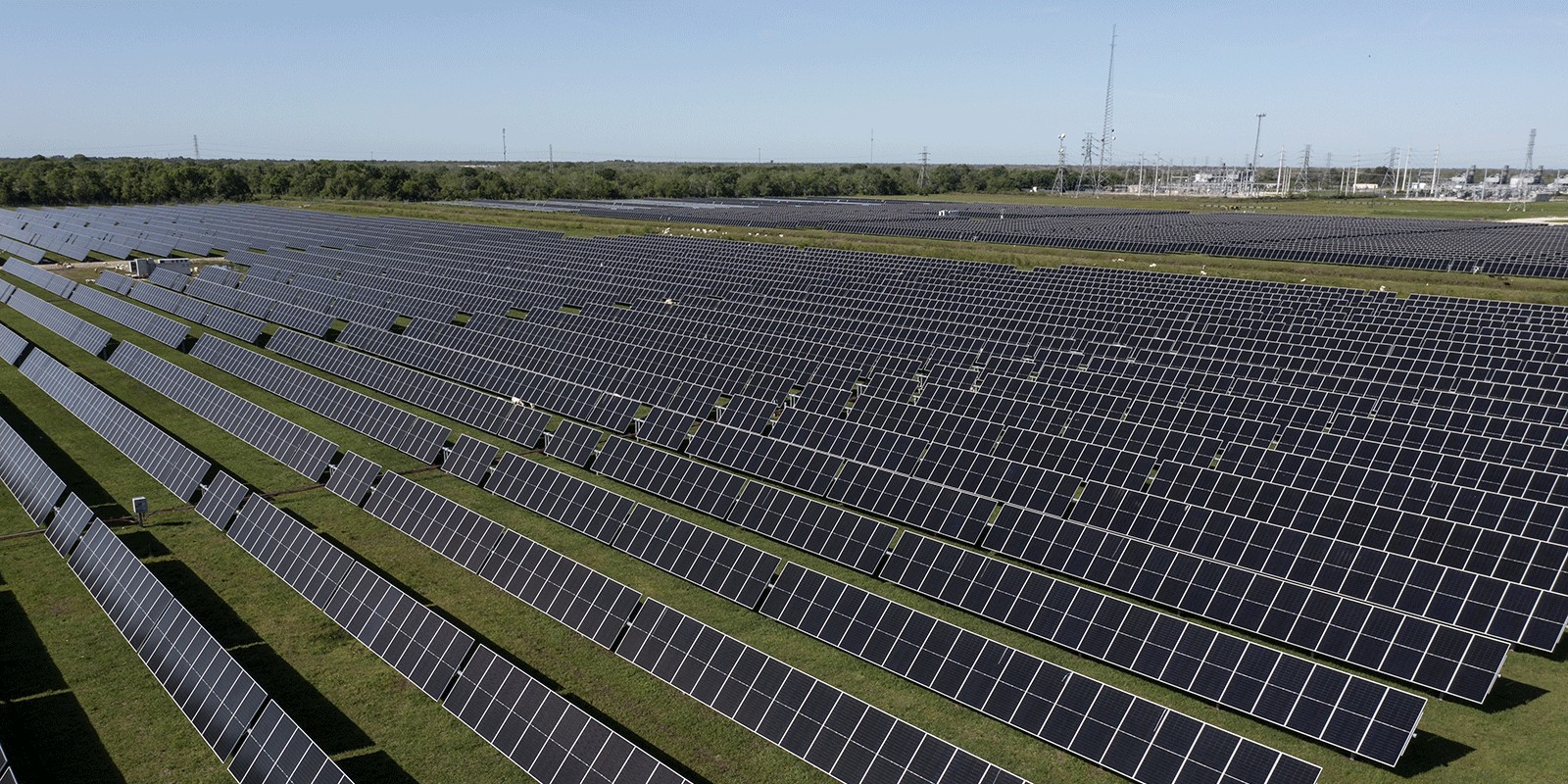
Solar accounted for more than 72% of US electrical generating capacity added in 2025, with another 16% from wind, according to belatedly released data from the Federal Energy Regulatory Commission (FERC) reviewed by the SUN DAY Campaign.
Expand Expanding Close
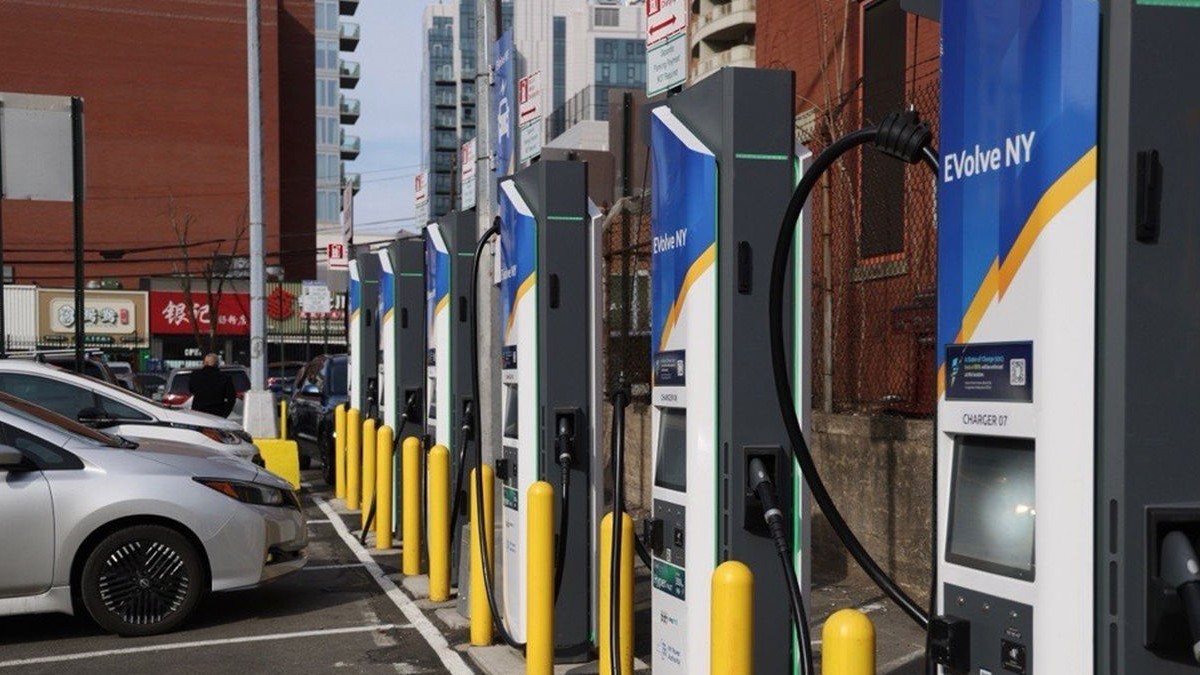
New York City just added another DC fast-charging hub, and this one is clearly aimed at the drivers who need it most.
Expand Expanding Close
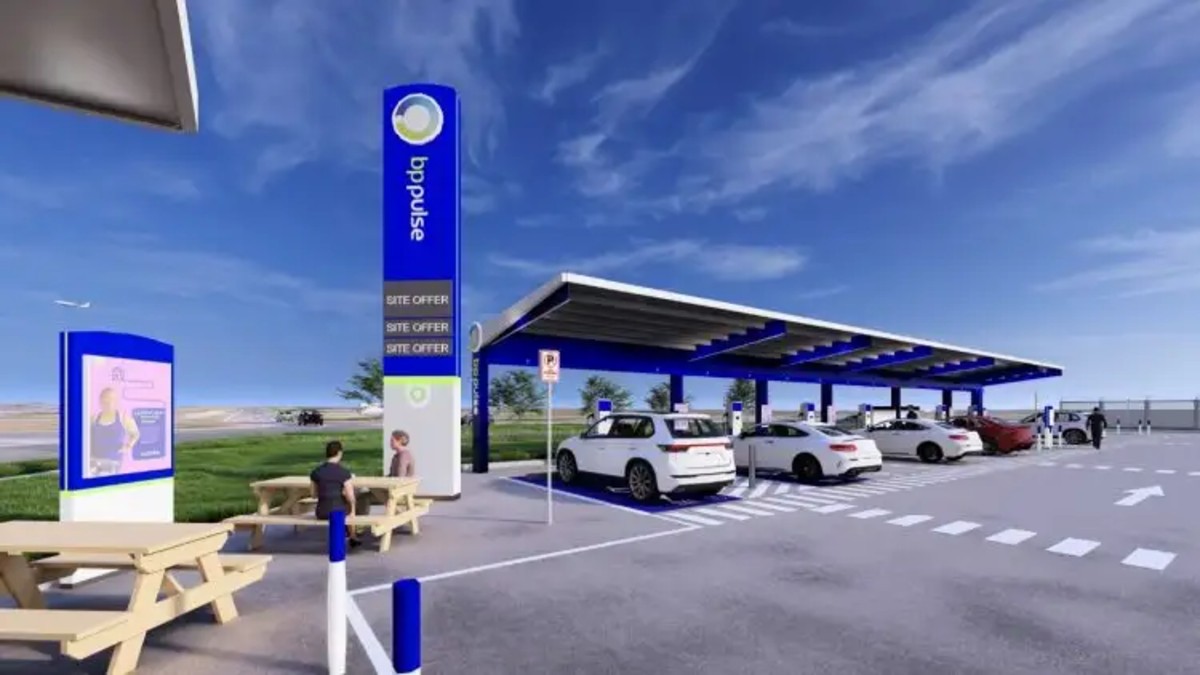
bp pulse has broken ground on its first large-scale EV charging hub in Australia – and it’s landing in a high-traffic spot: Melbourne Airport.
Expand Expanding Close
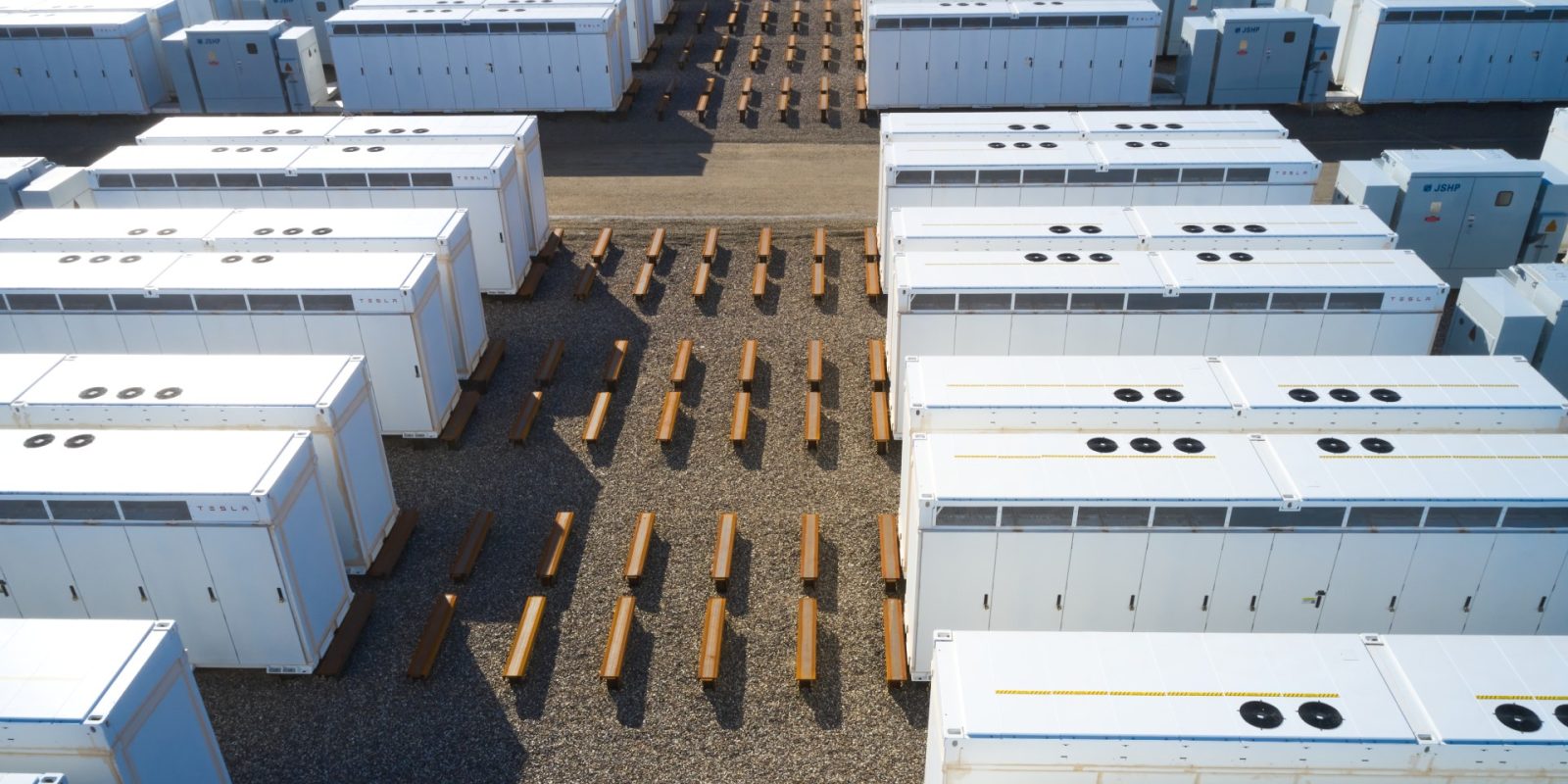
Arevon is building a big new battery project just south of San Francisco, designed to keep the lights on when demand spikes.
Expand Expanding Close
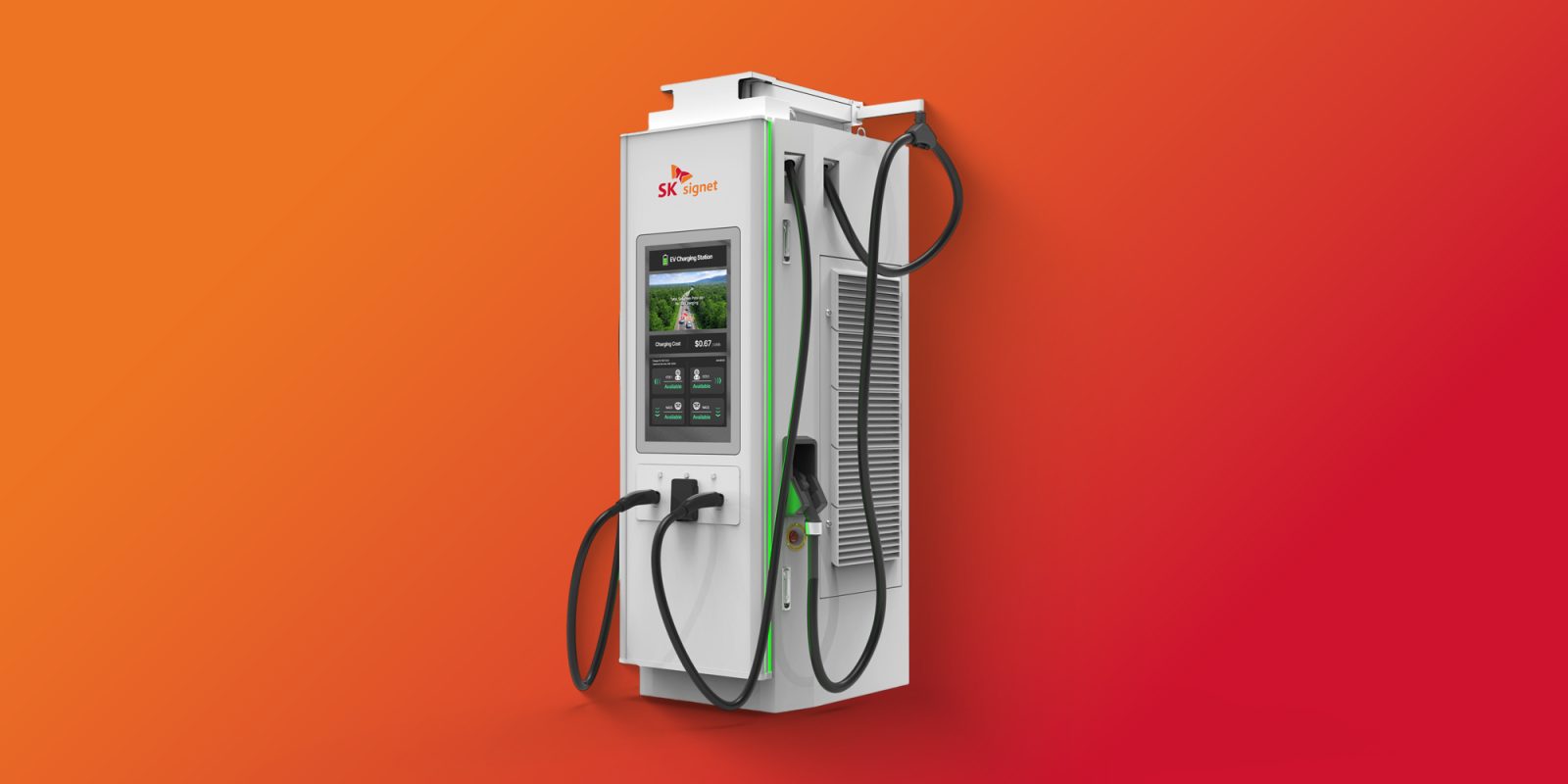
SK Signet just unveiled a new 400 kW ultra-fast EV charger aimed squarely at the next wave of high-voltage EVs – and it’s built to take up a lot less space.
Expand Expanding Close
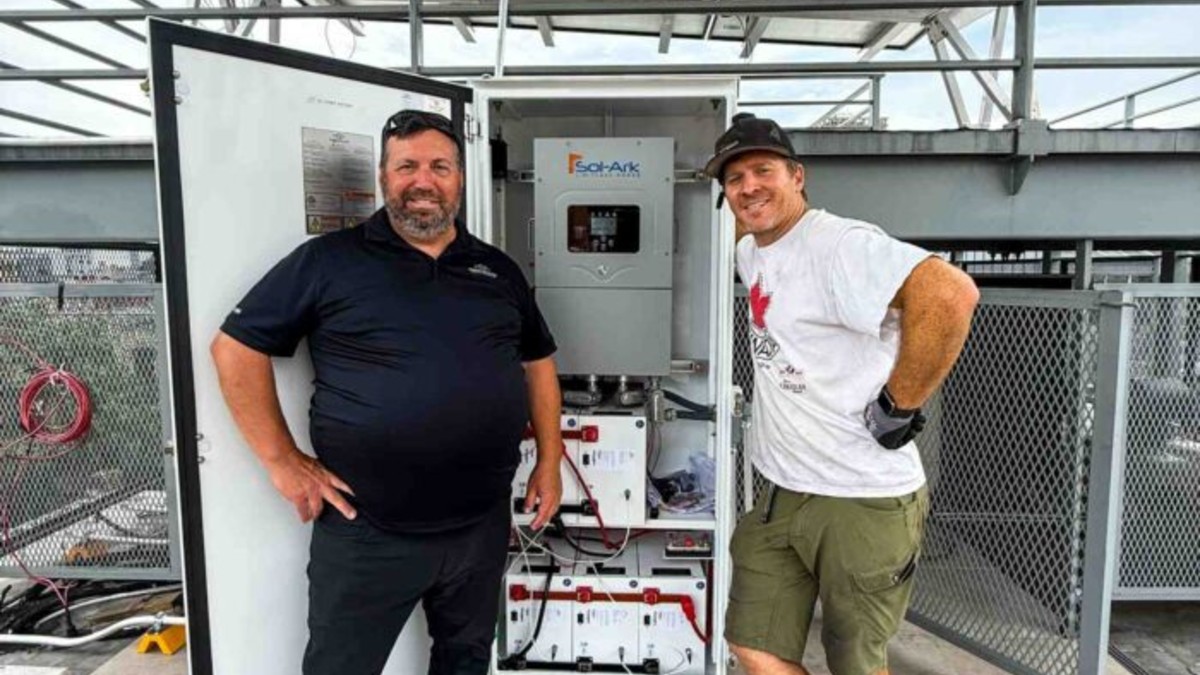
For the first time, a home battery is live on a New York City rooftop, opening the door for residential energy storage across the five boroughs.
Expand Expanding Close
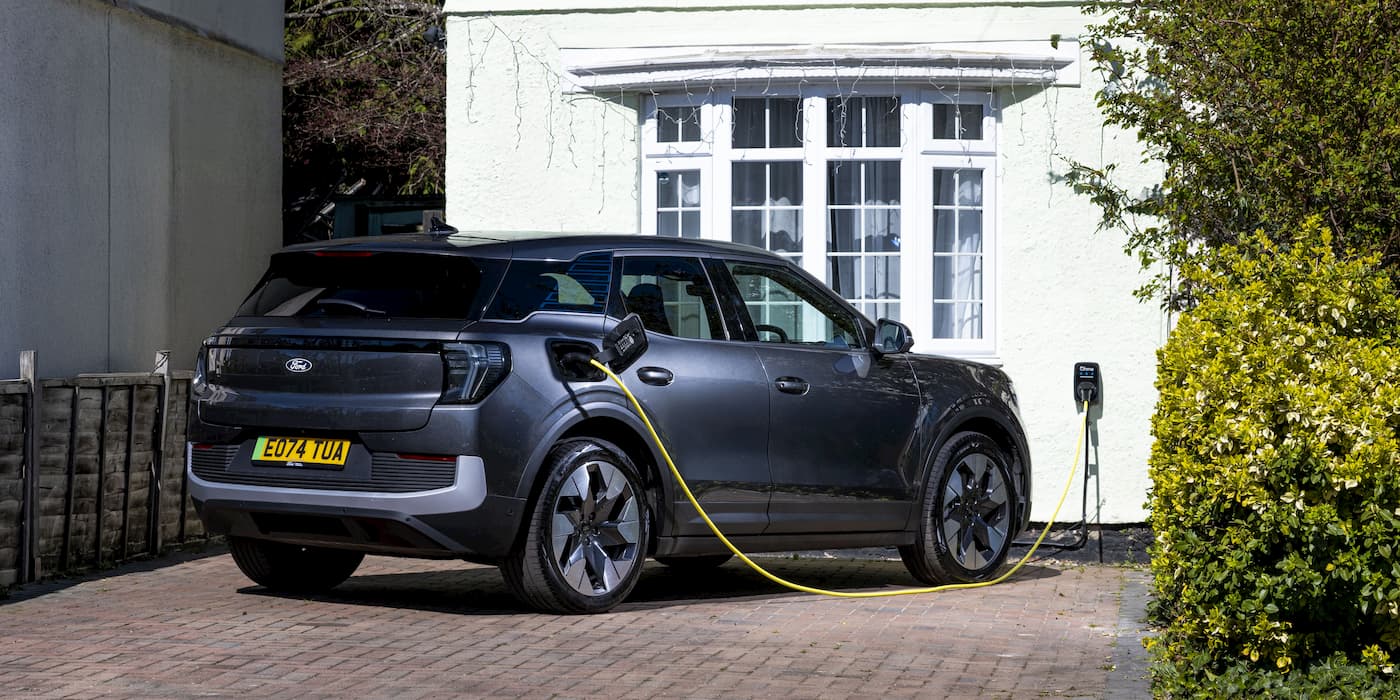
UK households are racing to ditch fossil fuels amid energy price spikes driven by the US and Israel’s war with Iran, with new data showing a sharp surge in demand for solar, heat pumps, and EV chargers.
Expand Expanding Close
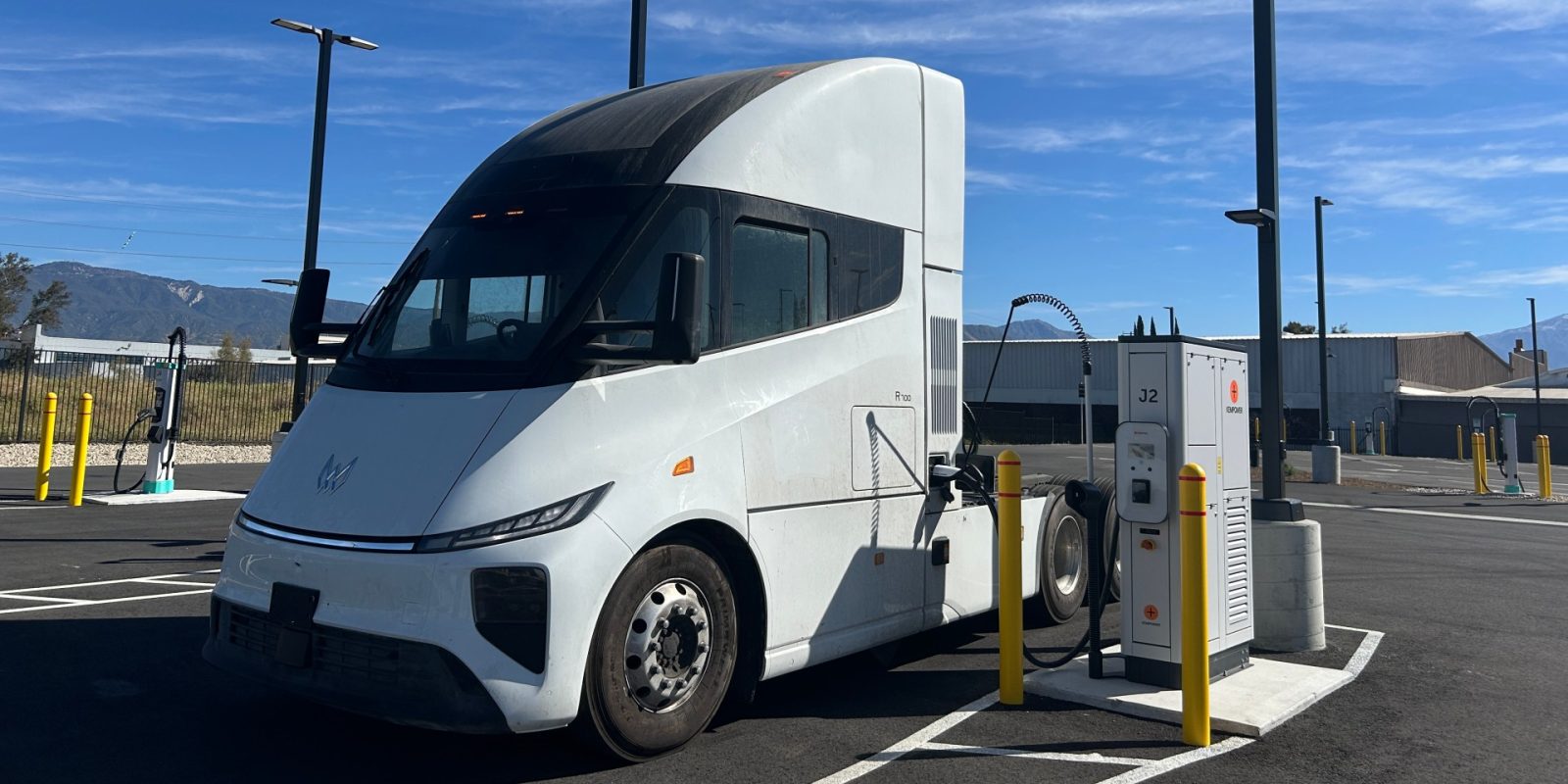
A new charging milestone for electric trucks was just achieved in California – and it’s a big one.
Expand Expanding Close
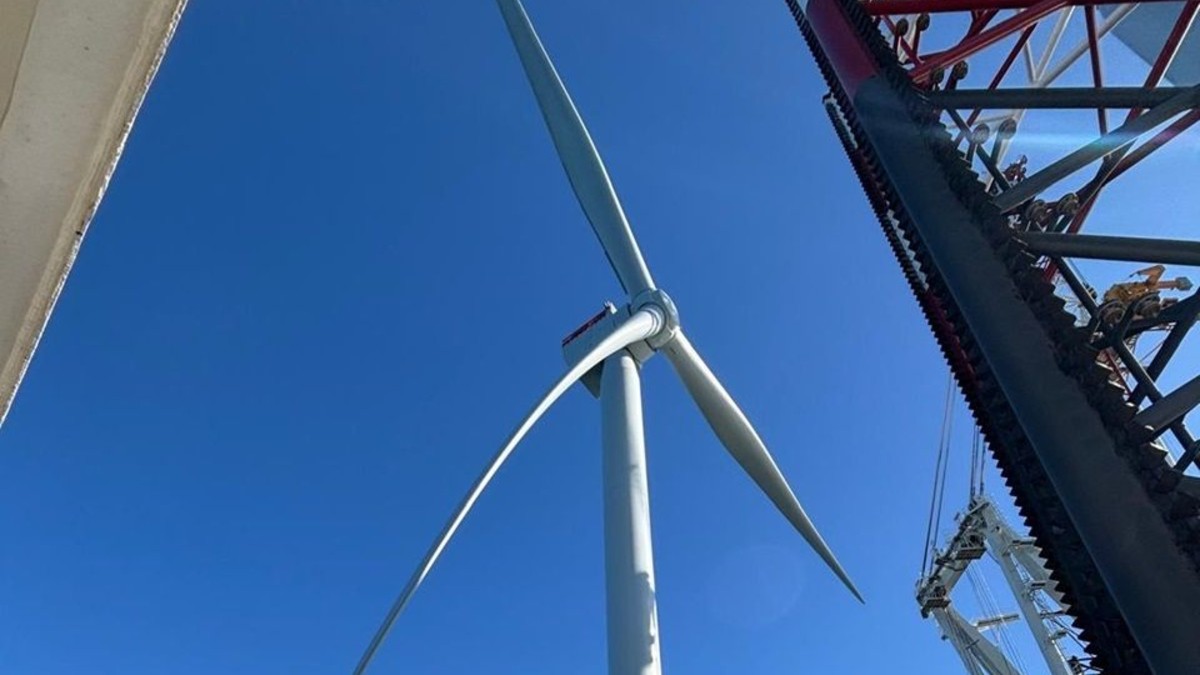
Dominion Energy’s Coastal Virginia Offshore Wind (CVOW) project, which will be the US’s largest wind farm when it’s complete, has sent its first power to the grid.
Expand Expanding Close
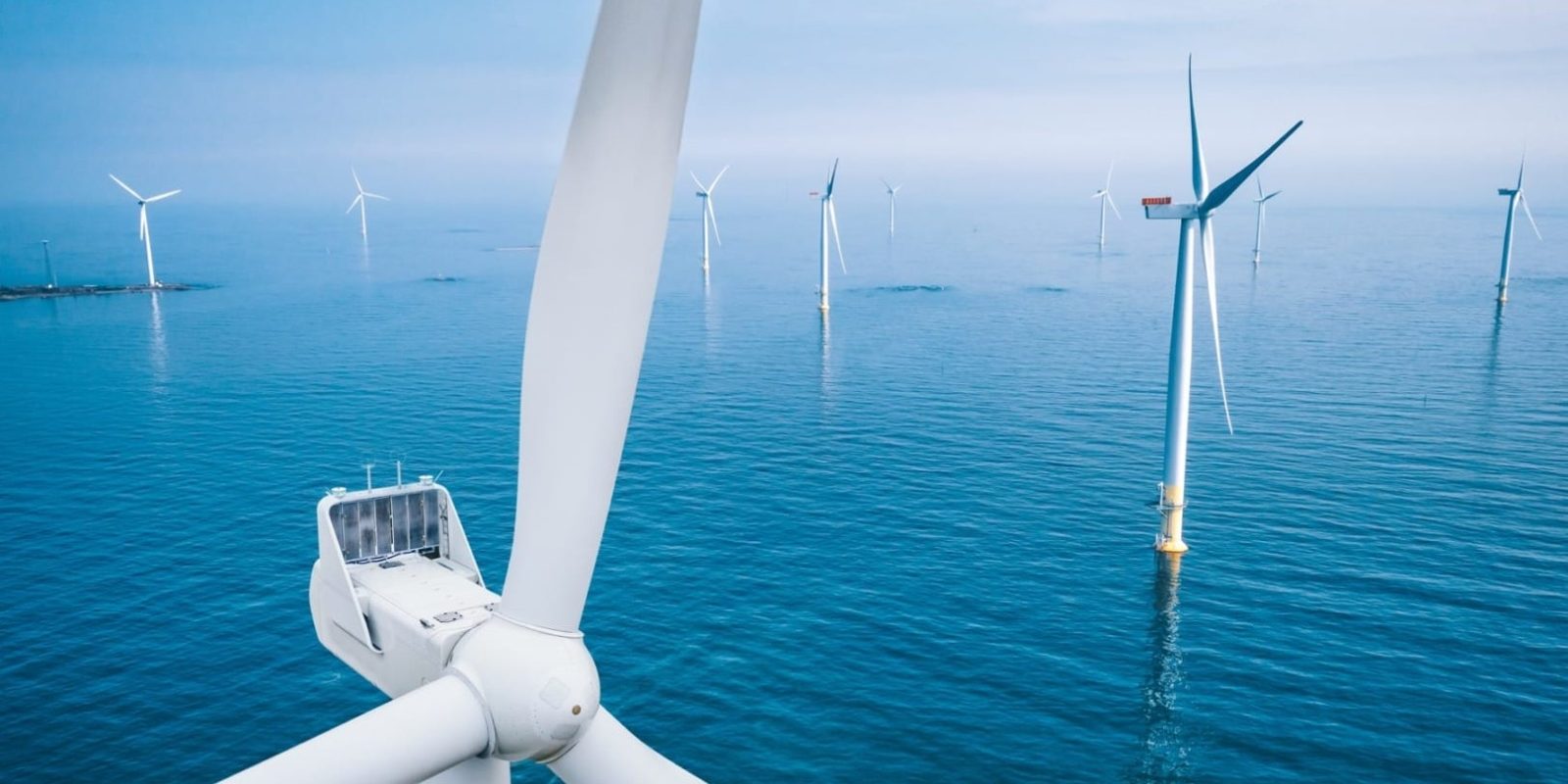
Renewable energy provided over a quarter of US electrical generation in January 2026 – 11% more year-over-year – and accounted for over 36% of installed generating capacity, according to data just released by the U.S. Energy Information Administration (EIA).
In 2026, the EIA reports that solar, wind, and batteries added over 55 gigawatts (GW) of new capacity while the net total from fossil fuels and nuclear was less than 1 GW. Projections for 2026 are even more dramatic, according to the SUN DAY Campaign, which reviewed the data.
Expand Expanding Close
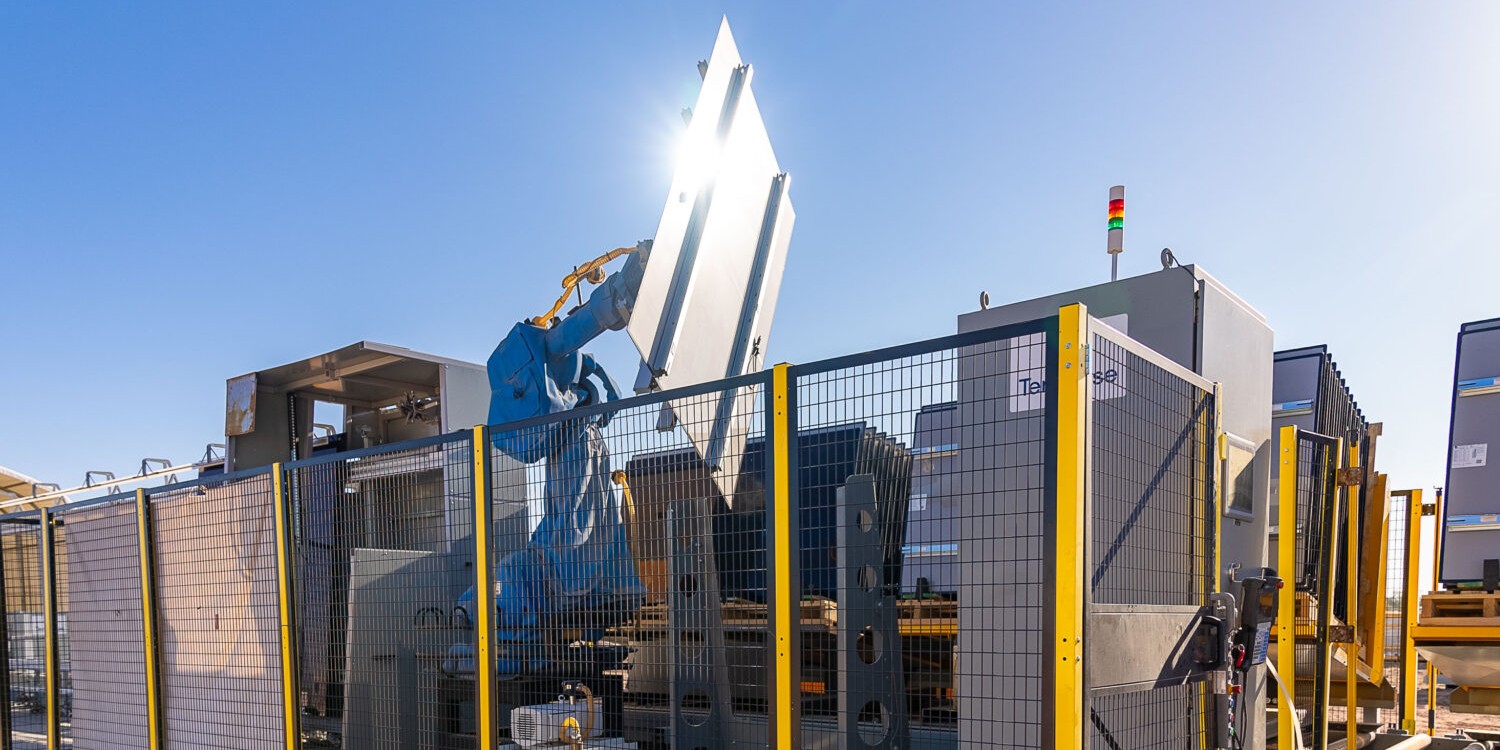
The US needs a lot more electricity fast, and one company thinks robots can help build it quicker.
Berkeley, California-based Terabase Energy says its next-gen Terafab automated solar construction system has finished field testing and is now ready to ship commercially. Terafab V2 brings autonomous robotics and AI into the way massive solar farms are built.
Expand Expanding Close
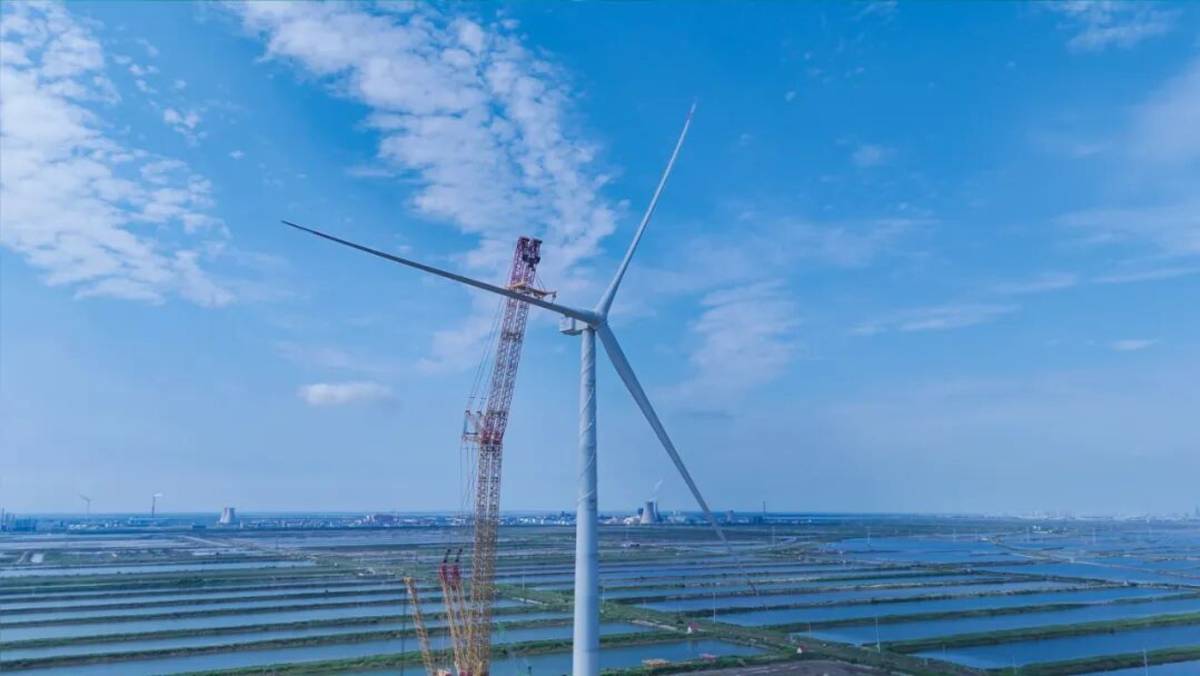
The world just added a record amount of wind and solar in 2025, and it’s not even close.
Expand Expanding Close
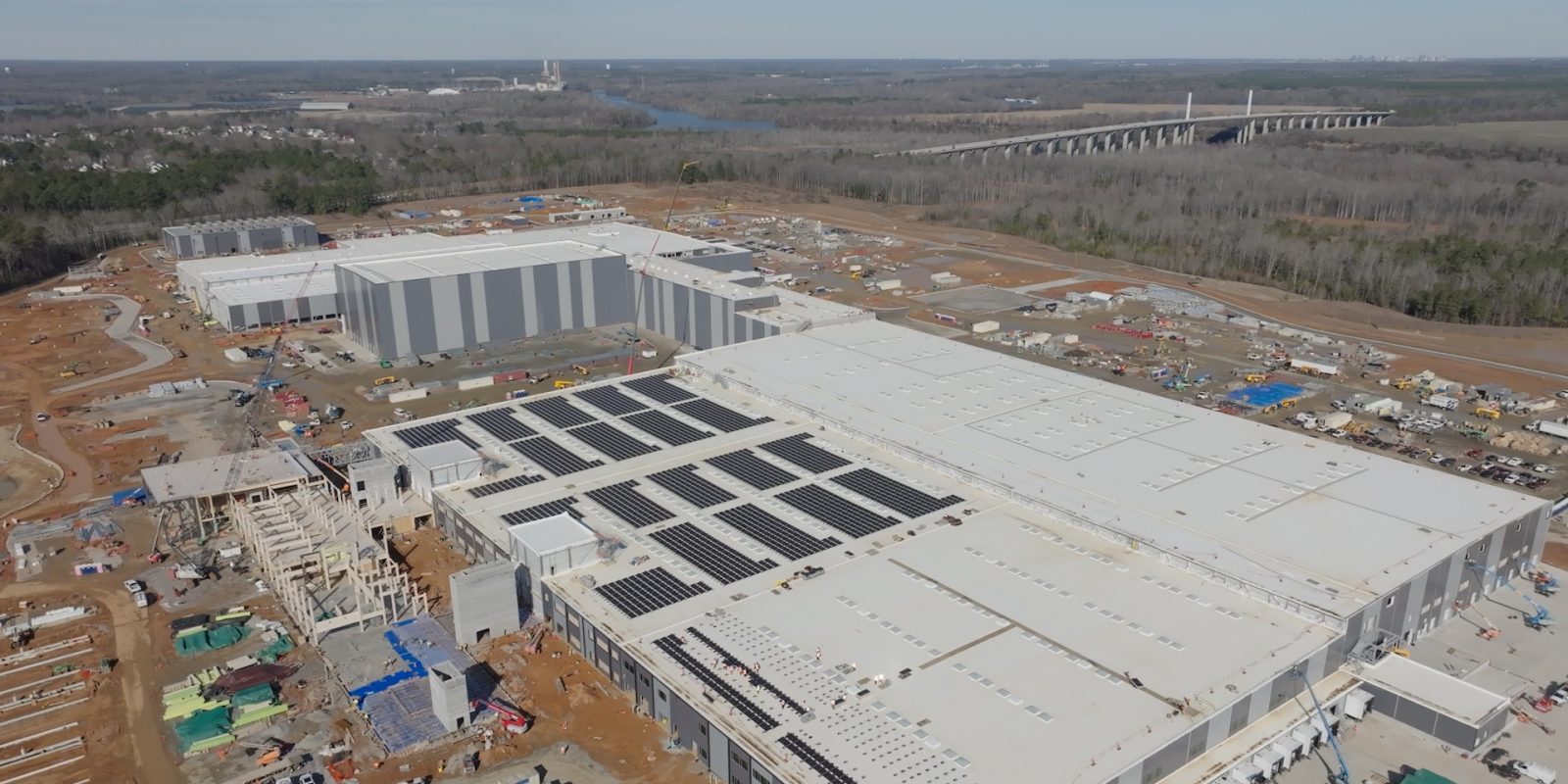
The LEGO Group is installing a large solar array at its new US factory in Chesterfield County, Virginia, as it moves toward powering the site with 100% renewable energy.
Expand Expanding Close
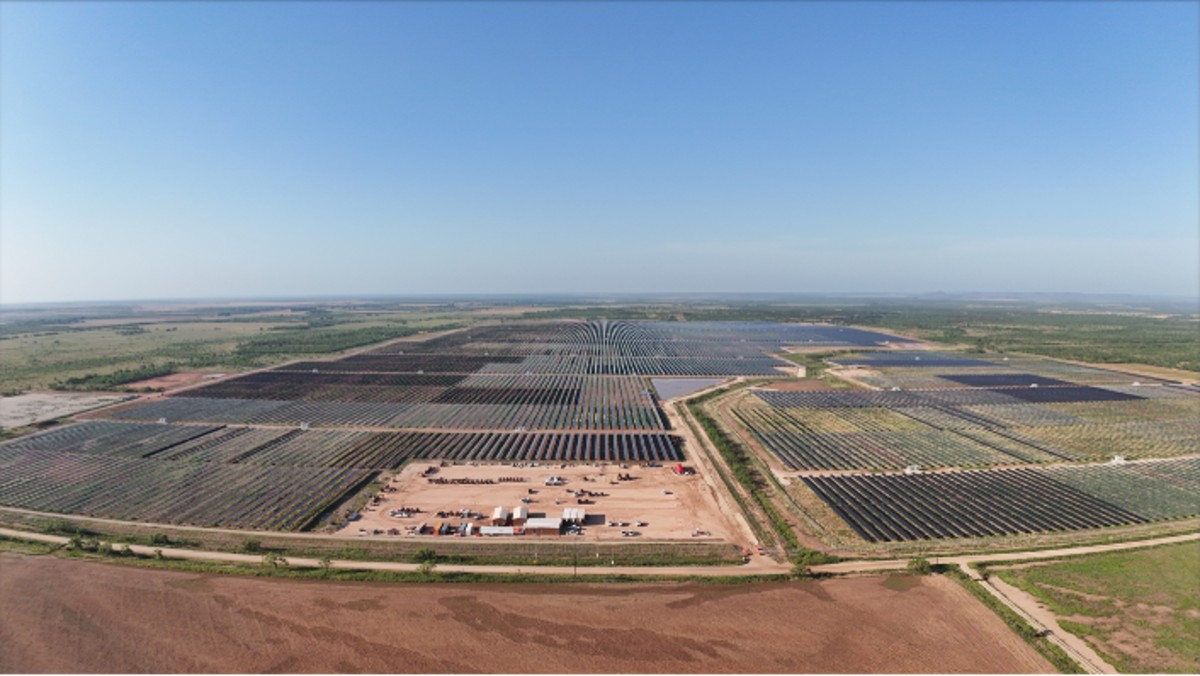
Avantus and Toyota Tsusho America have completed construction of a 159 MWdc solar project in Texas, adding another large-scale clean energy asset to the state’s fast-growing solar fleet.
Expand Expanding Close
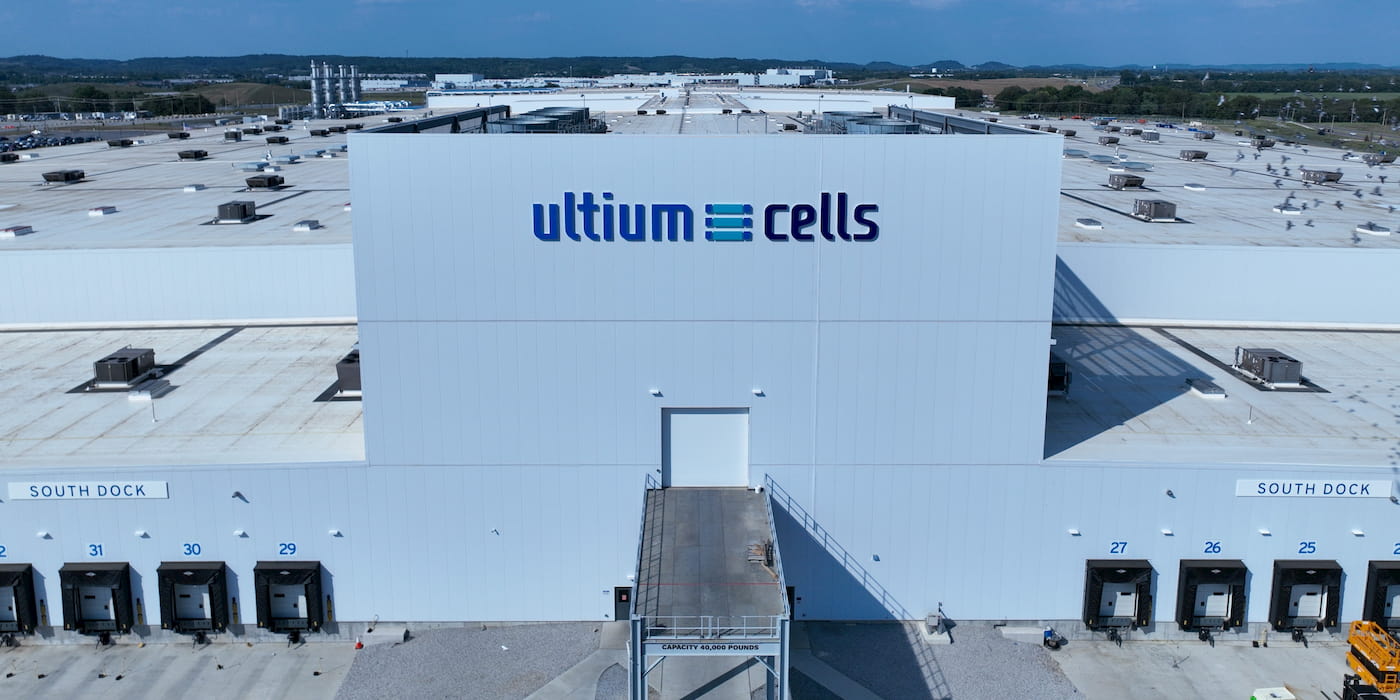
Ultium Cells, the joint venture between General Motors and LG Energy Solution, is shifting part of its US battery production from EVs to energy storage systems (ESS).
Expand Expanding Close

EVs are starting to chip away at one of the global economy’s biggest vulnerabilities: oil.
Expand Expanding Close
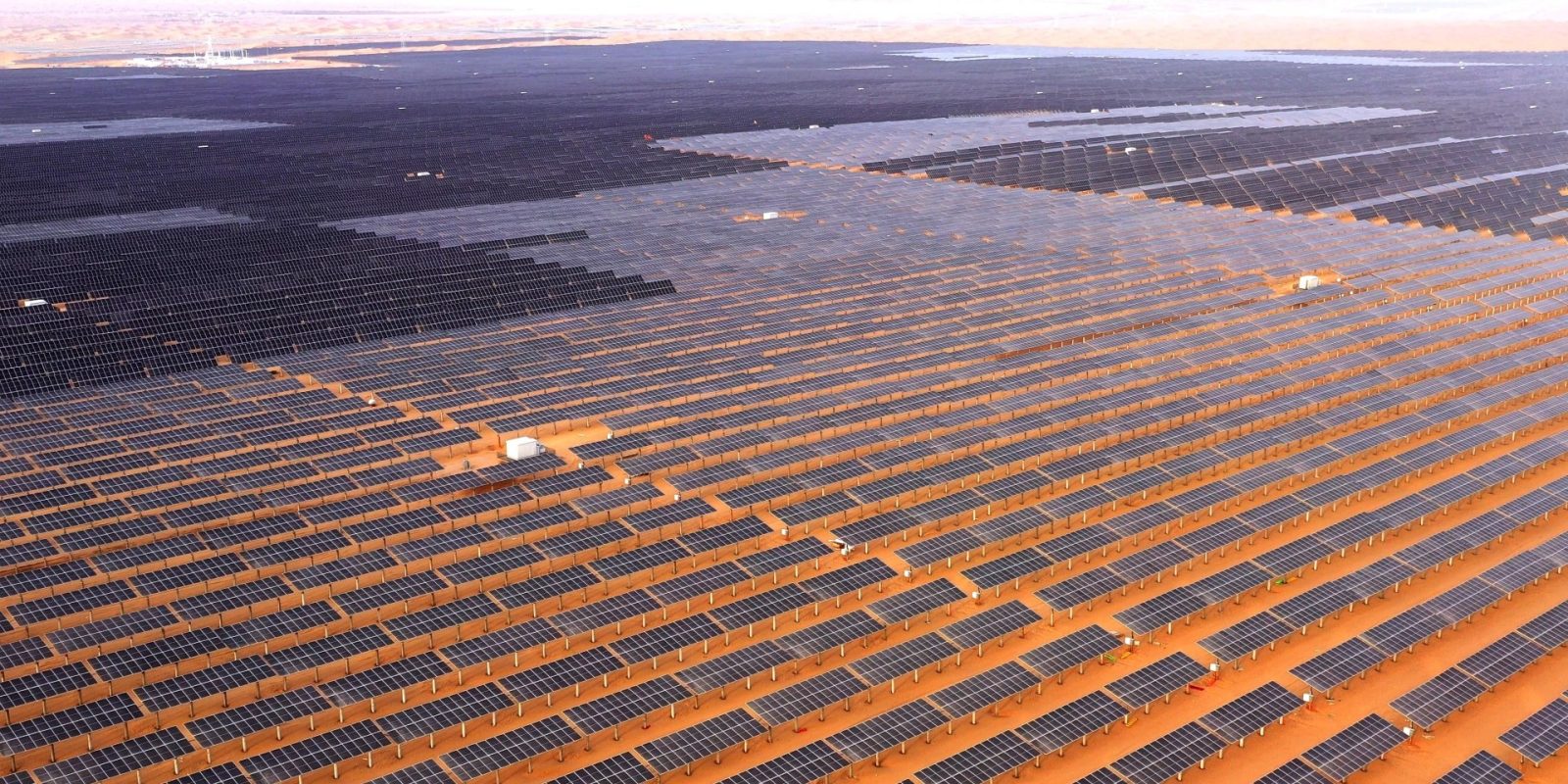
China’s clean energy boom is saddled with a major challenge: what to do with all its old wind and solar equipment.
Expand Expanding Close
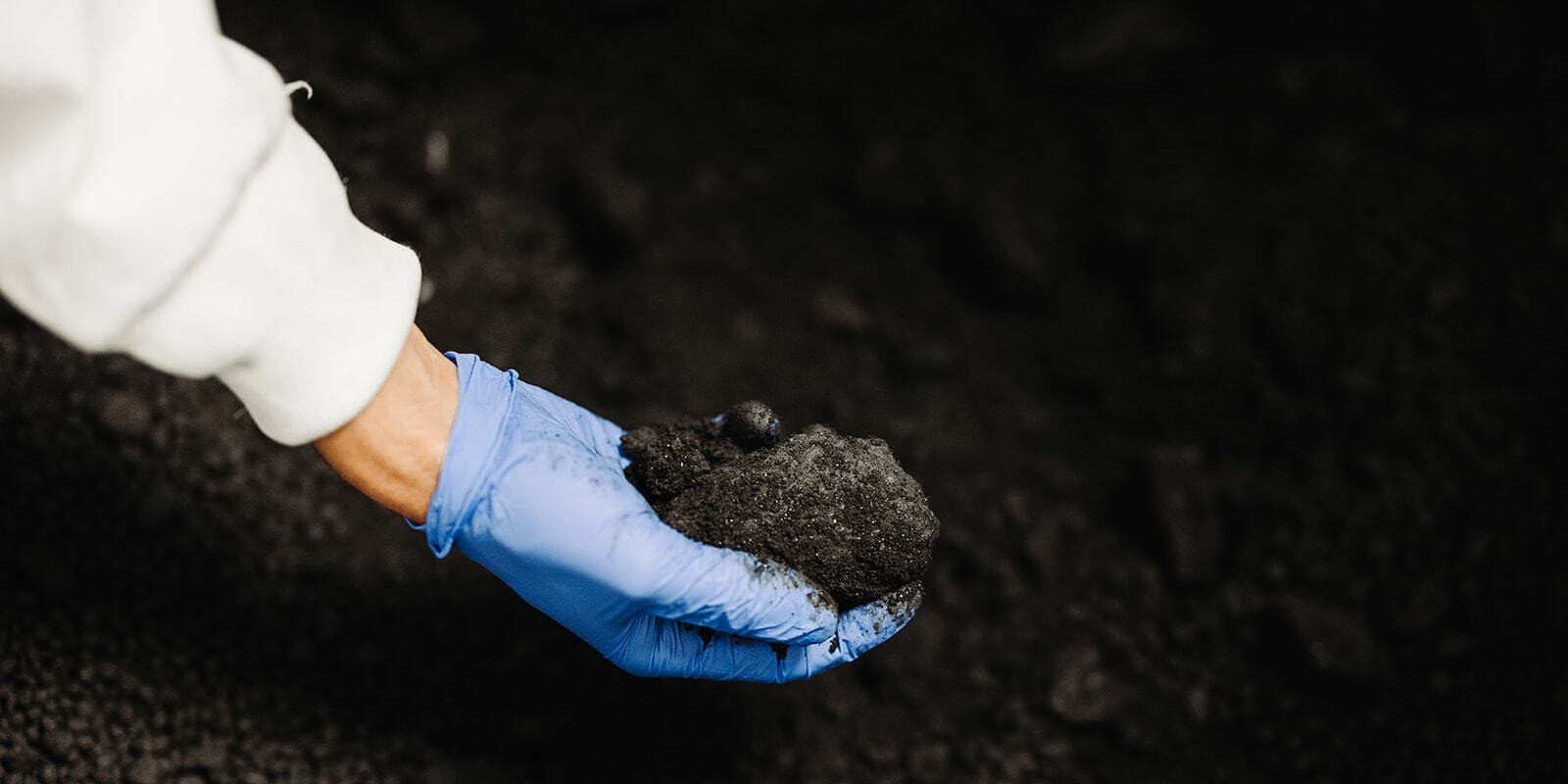
Massachusetts-based critical metals refining company Nth Cycle has signed a 10-year agreement valued at about $1.1 billion with global commodities trader Trafigura to supply refined battery metals.
Expand Expanding Close
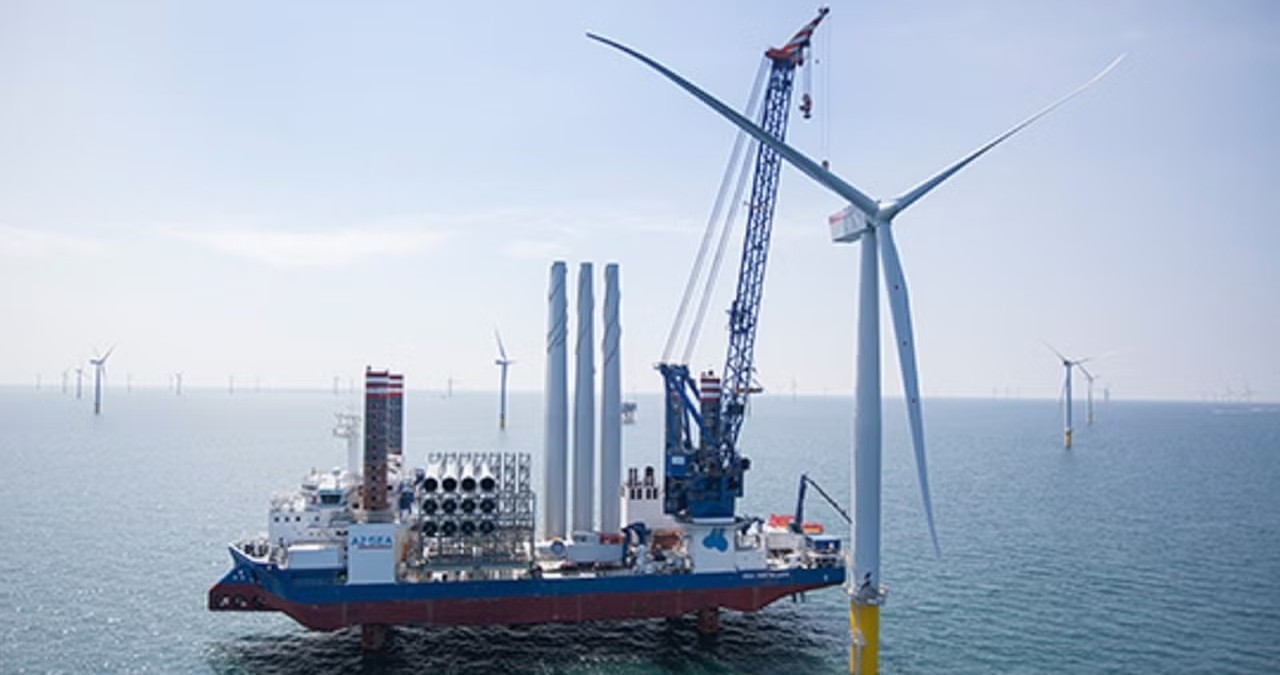
Vineyard Wind 1 has now completed construction of all 62 of its offshore wind turbines, a major milestone for the first utility-scale offshore wind farm in the US.
Expand Expanding Close
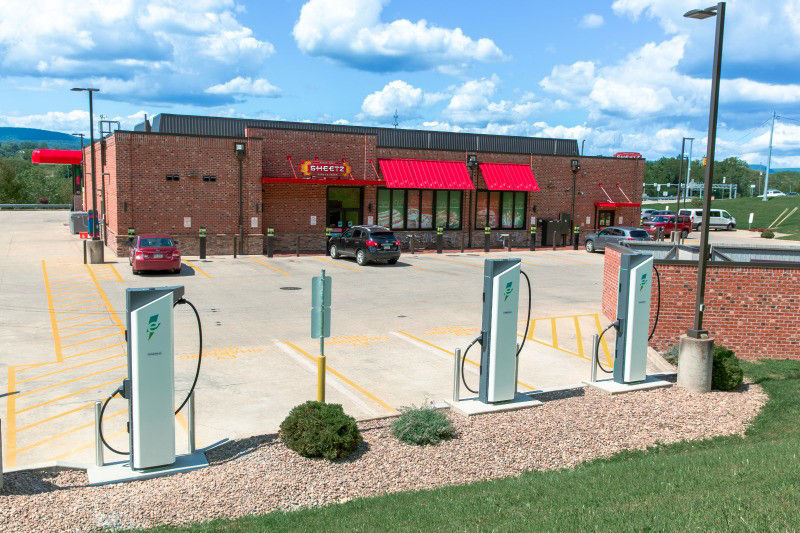
Pennsylvania is investing $9 million in federal funds to add more EV charging stations along major roadways.
Expand Expanding Close

Global EV sales hit 1.1 million units in February 2026, according to new data from Benchmark Mineral Intelligence. But the global market is now splitting sharply by region.
Expand Expanding Close
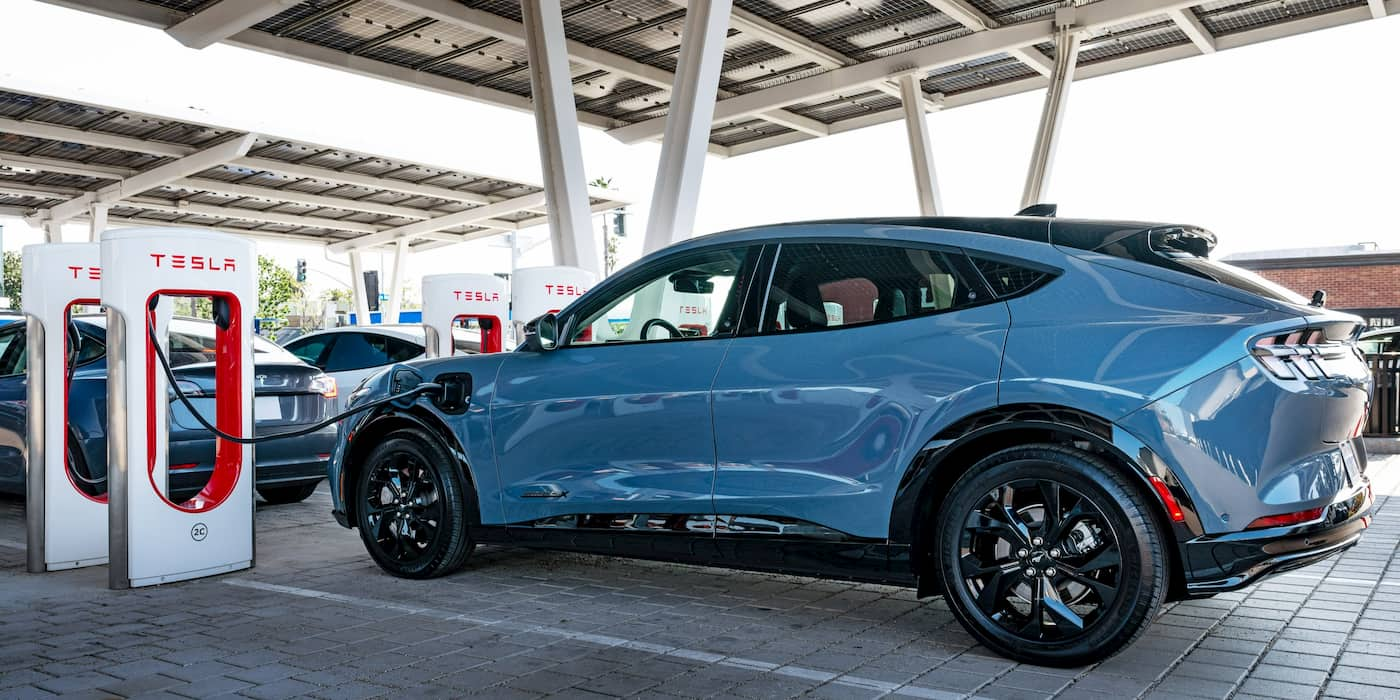
Tesla is building a Supercharger hub near Detroit Metro Airport, and once it’s online, it will be the largest EV charging station in Michigan.
Expand Expanding Close