EV charging in 10 minutes or less? It’s happening

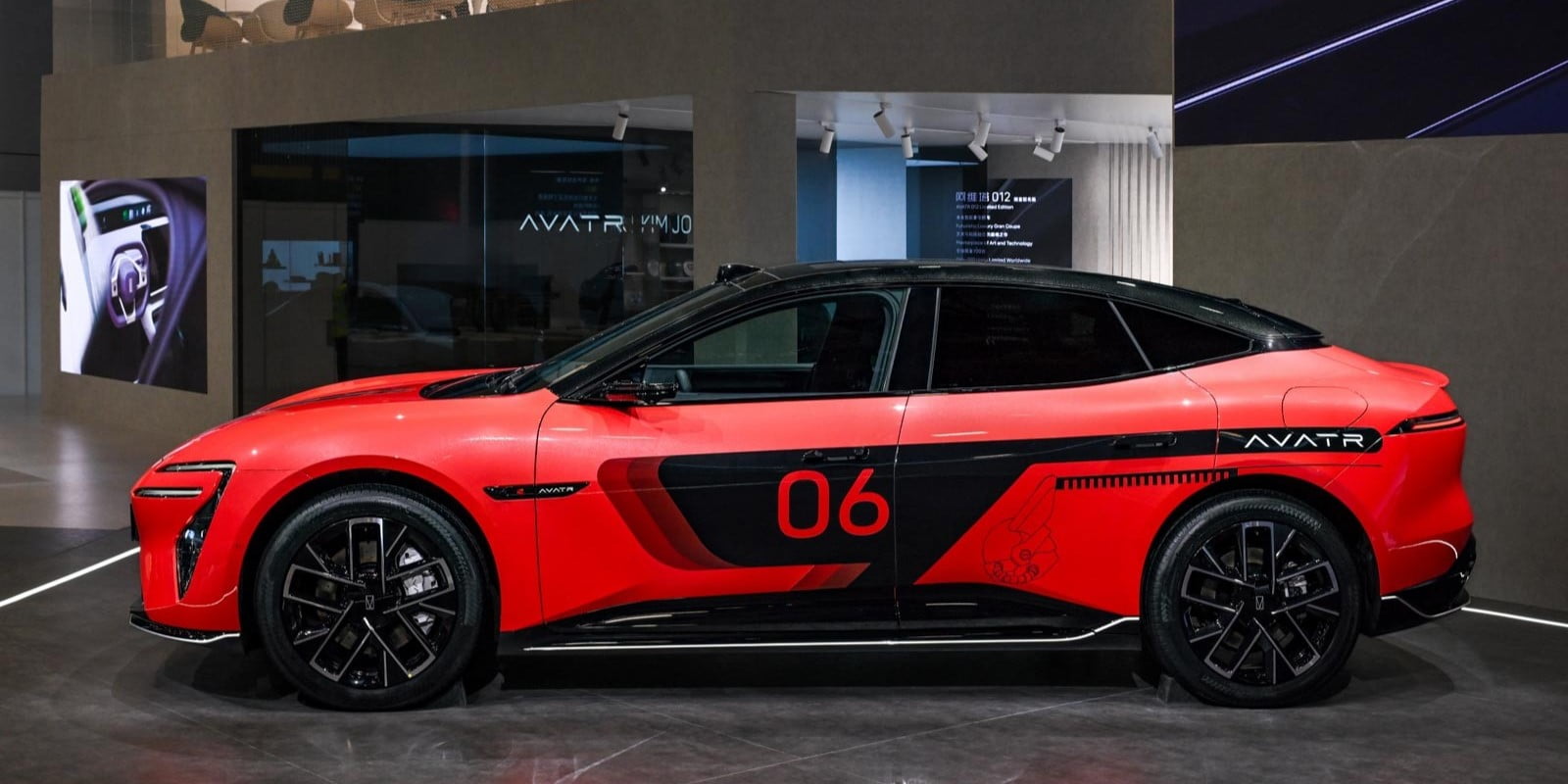
EV battery leader CATL will challenge BYD after securing a new partnership to develop fast-charging technology that will take less than 10 minutes.
Expand Expanding Close
EV battery leader CATL will challenge BYD after securing a new partnership to develop fast-charging technology that will take less than 10 minutes.
Expand Expanding Close
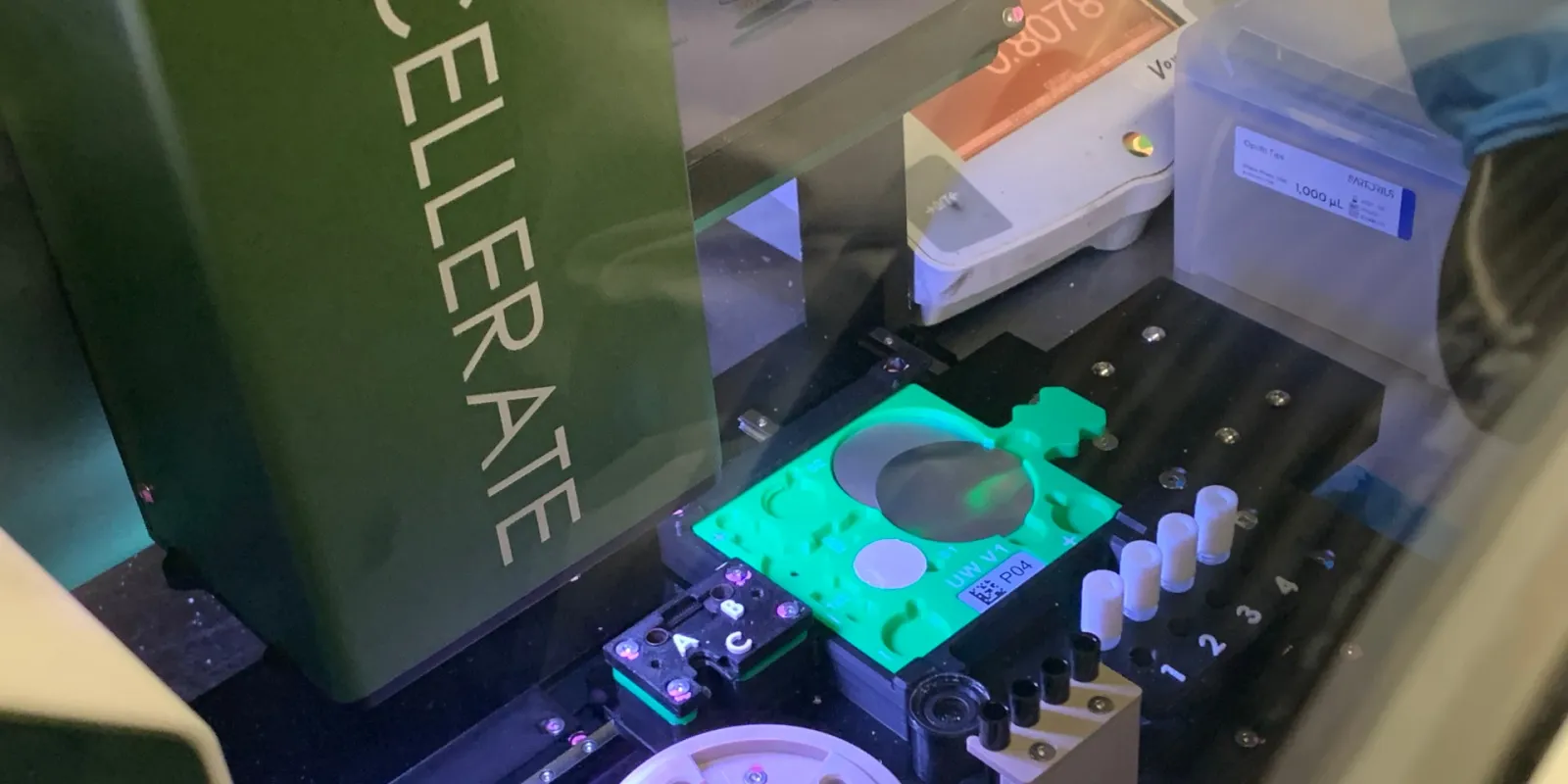
Researchers at Canada’s University of Waterloo have developed a new lithium-ion EV battery design that can charge from zero to 80% in just 15 minutes and has a longer lifespan.
Expand Expanding Close
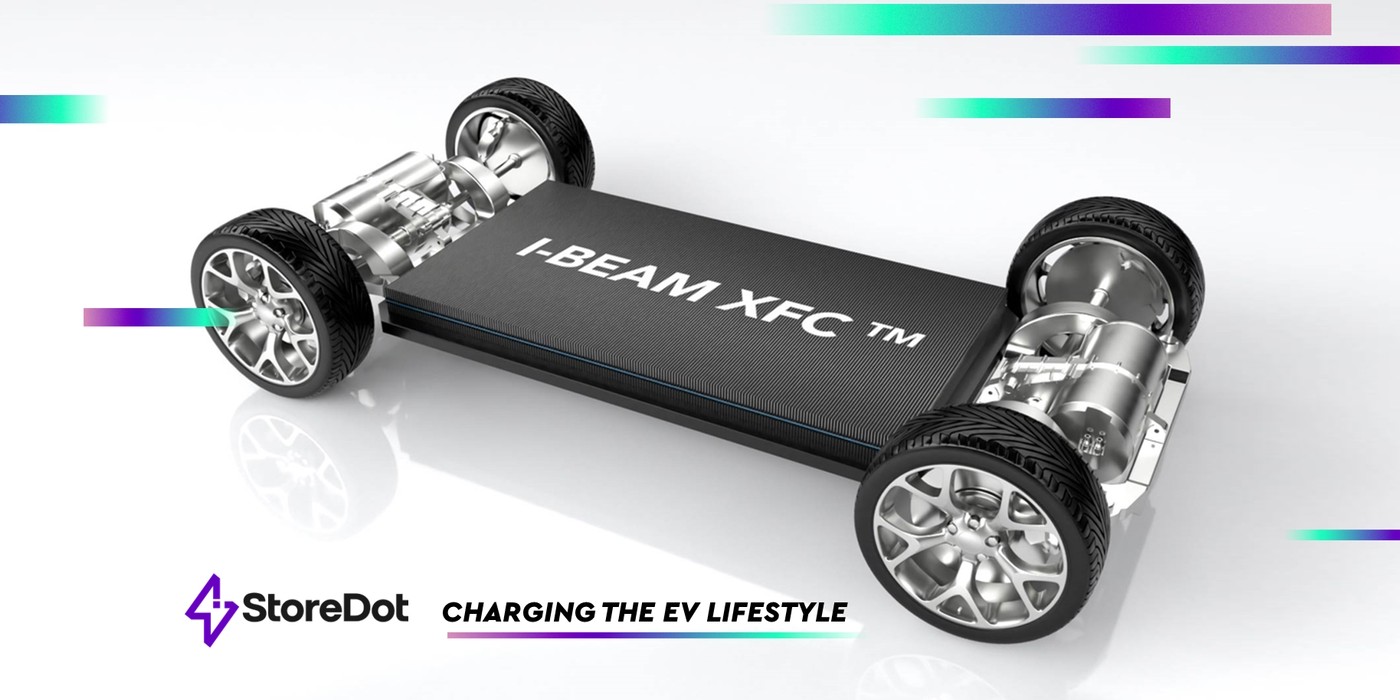
StoreDot unveils its I-BEAM XFC concept, a cell-to-pack design that takes extreme fast charging (XFC) from cell to vehicle level.
Expand Expanding Close
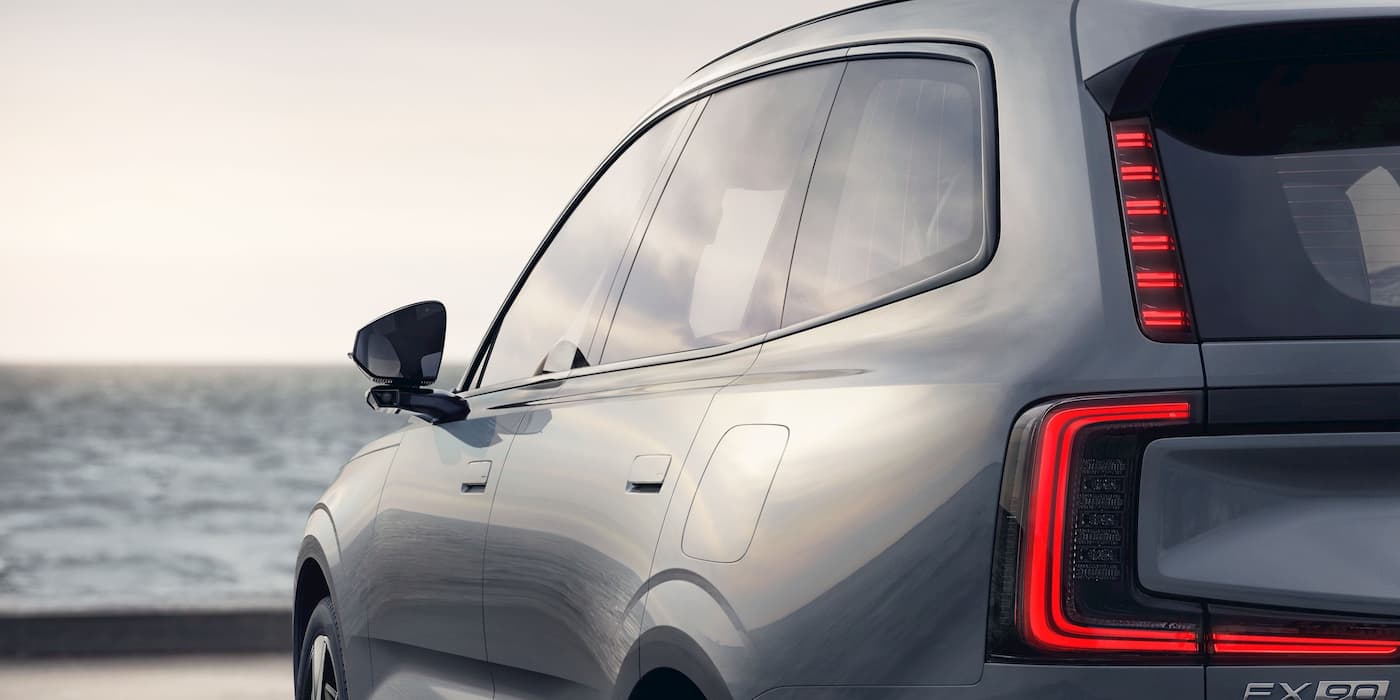
Volvo Cars has signed a multi-year strategic collaboration agreement with StoreDot, maker of extreme fast charging (XFC) EV batteries.
Expand Expanding Close

If you only have a few minutes to enjoy the Grand Canyon’s views, EV road trippers, you can plug in to the new Electrify America DC fast chargers at the visitor center.
Expand Expanding Close
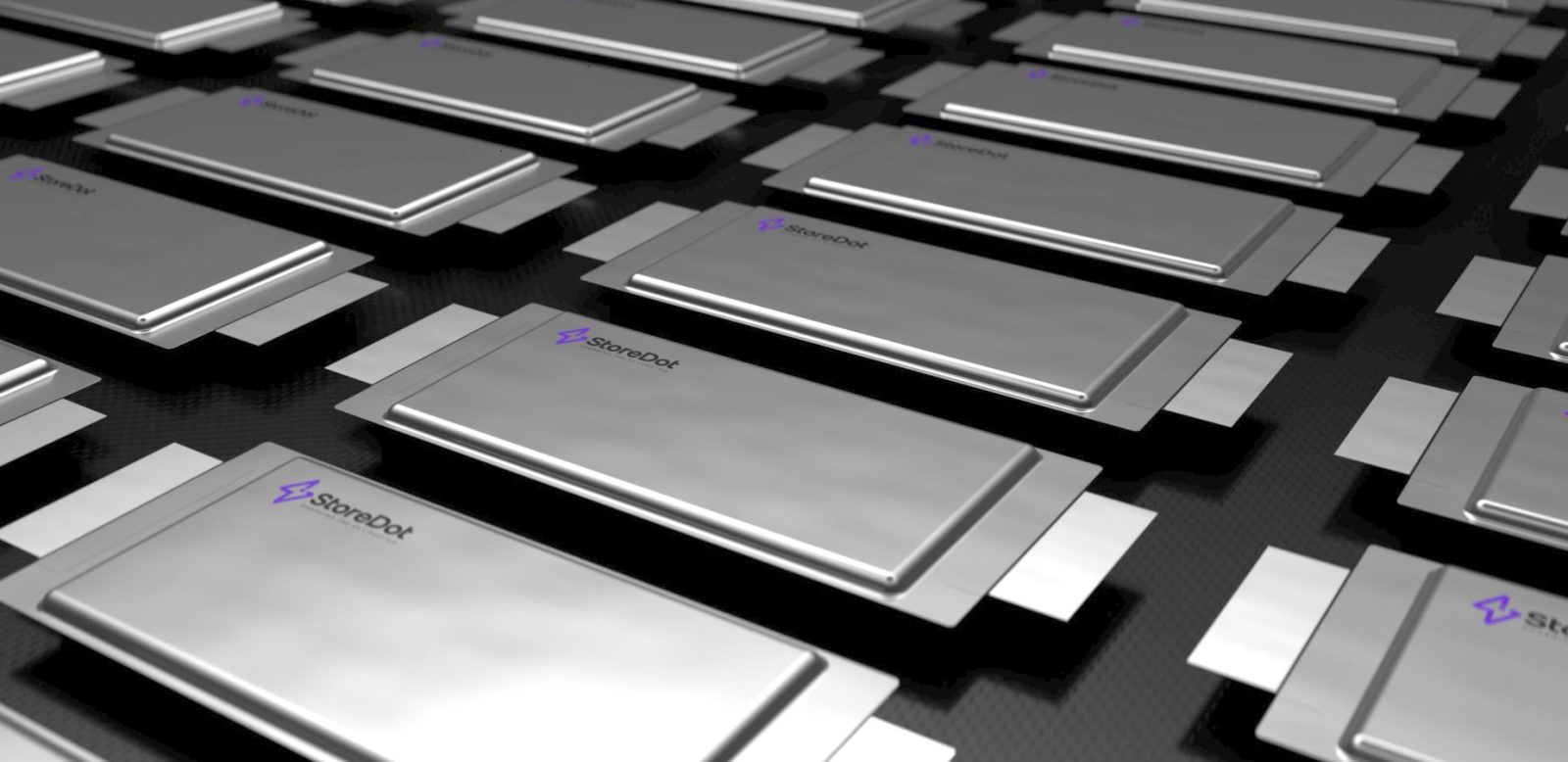
StoreDot, makers of ultrafast Tesla-like 4680 cells, today announced that it’s opening a research facility in Irvine, California – its first in the United States.
Expand Expanding Close
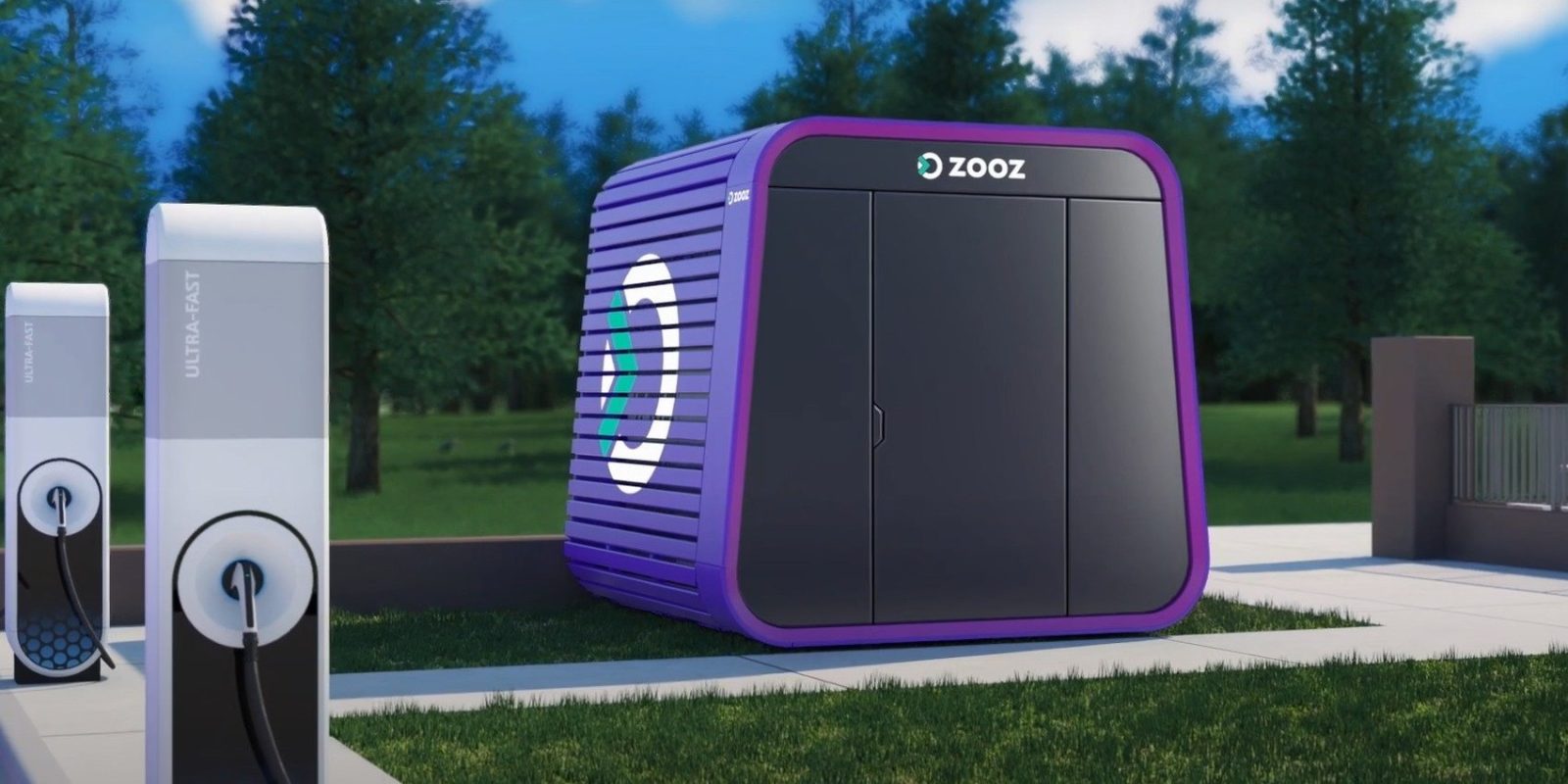
ZOOZ Power‘s flywheel-based power-boosting EV charging system will be piloted at New York City’s LaGuardia Airport by a large global car rental company.
Expand Expanding Close
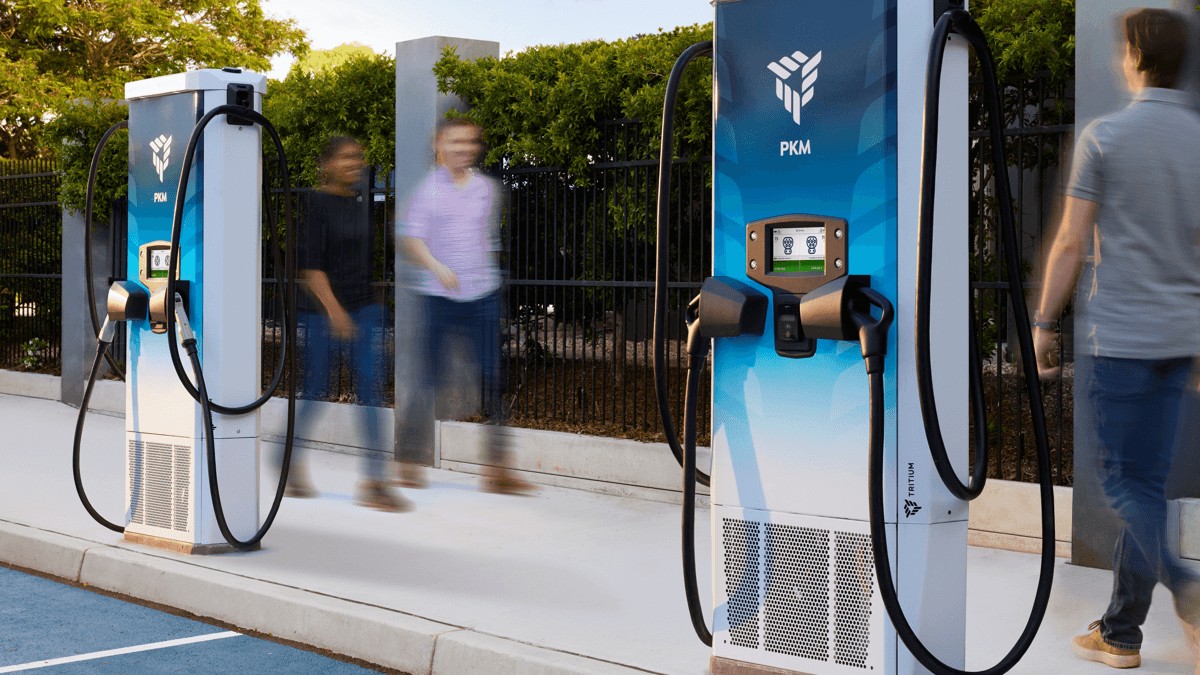
Tritium makes DC fast chargers for EVs. DC-America designs, makes, and installs EV charging stations. And now, the two companies are going to team up to create a US-wide, federally funded EV charging network.
Expand Expanding Close
Electric vehicle battery start-up StoreDot announced that its extreme fast charging (XFC) battery cell technology has exceeded 1,000 charging cycles in a production-ready EV form factor.
Expand Expanding Close

As part of its court settlement with the California Air Resources Board (CARB) and the U.S. Environmental Protection Agency (EPA) for the DieselGate scandal, Volkswagen agreed to invest $2 billion in electric vehicle infrastructure in the US.
They released highlights of their plan for how to spend that money last month, but now they released the first detailed version of the plan for California, where they need to spend $800 million of the total settlement. We embedded the full plan below, but we also highlight the main points, like the fact that they want to install high-power 320 kW charging stations for electric vehicles, which is probably the biggest news.
Expand
Expanding
Close
BMW, Daimler’s Mercedes, Ford, and Volkswagen’s Audi and Porsche announced today that they are creating a joint-venture with the goal of a “quick build-up of a sizable number of stations in order to enable long-range travel for battery electric vehicle drivers.”
The new venture is similar to the Ultra E project announced earlier this year to deploy 25 new charging station for electric vehicles along the trans-European transport network (TEN-T), but it’s apparently a separate and much more ambitious project to deploy 400 stations across Europe.
Expand
Expanding
Close
Ultra E, a project born out of an alliance between European carmakers, utilities and other companies, announced today the deployment of 25 new charging station for electric vehicles along the trans-European transport network (TEN-T).
The group is referring to the stations as “Ultra-Fast-Charging” and claims that they have a power output of “up to 350 kW” or more than twice the capacity of the currently most powerful DC fast-chargers available.
Expand
Expanding
Close