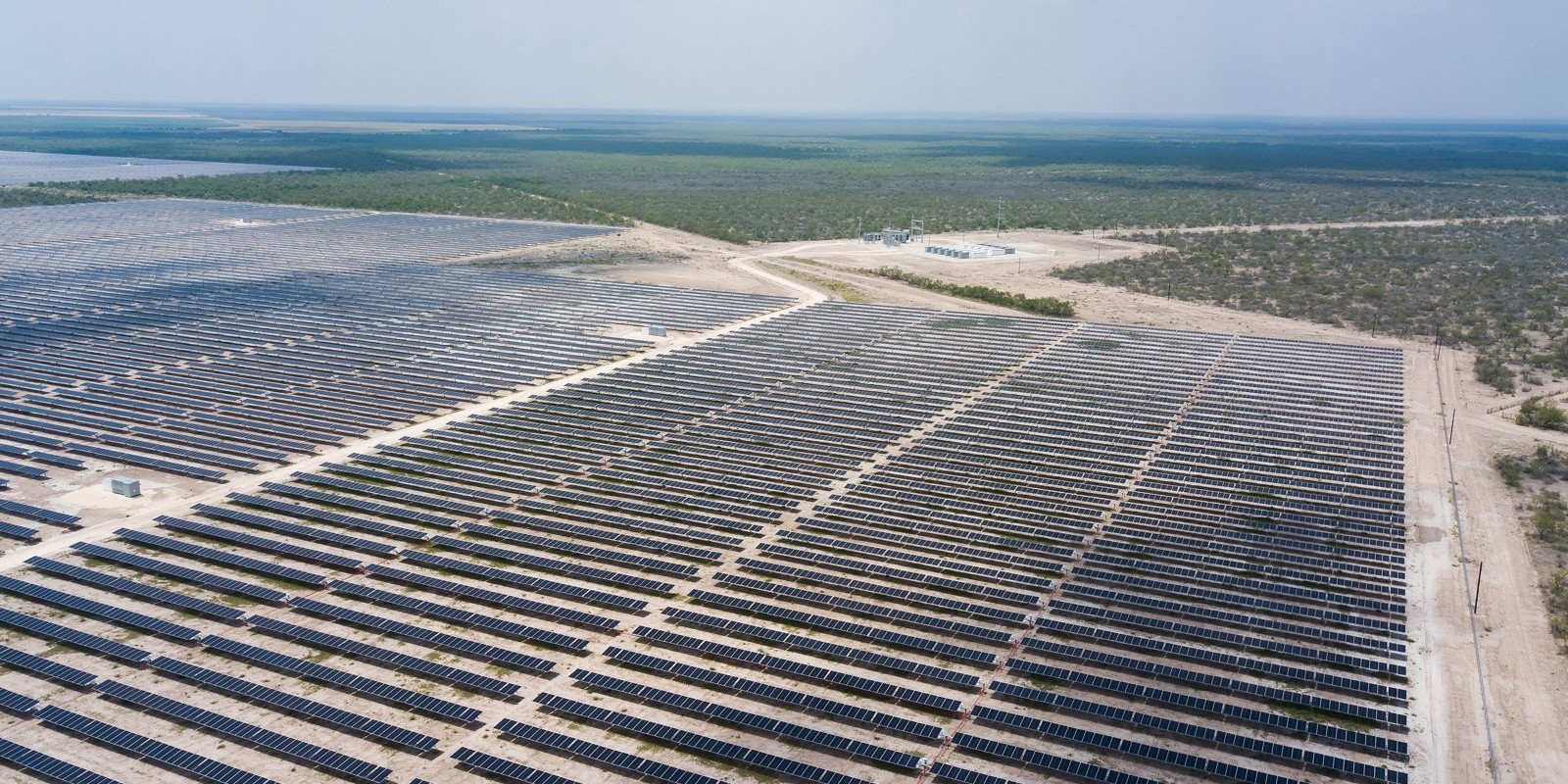
Solar topped coal’s output in Texas for the first time in any month, sending 3.26 million megawatt-hours (MWh) onto the grid vs. coal’s 2.96 million MWh in March.
Solar capacity additions hit the ground running in 2024, pushing renewables’ installed generating capacity past coal, according to new US Federal Energy Regulatory Commission (FERC) data.
After one of my most recent Alibaba import adventures, I was left with a shipping container in my yard. These engineering wonders are great for many uses outside of merely transferring goods around the world, with one of the most common secondary uses being watertight storage units. That seemed like a great idea to put to use for all of my electric “toys”. Between my electric bikes, e-motorcycles, e-ATVs, electric tractors, and a few other things I’m probably forgetting, having a weather-sealed, solar-powered off-grid charging shed would be a big benefit. And if I could add an air-conditioning unit to keep the machines from baking in the sun (and function as a dehumidifier at the same time), then all the better. As it turned out, the project was a lot easier than I expected. Here’s how I did it.
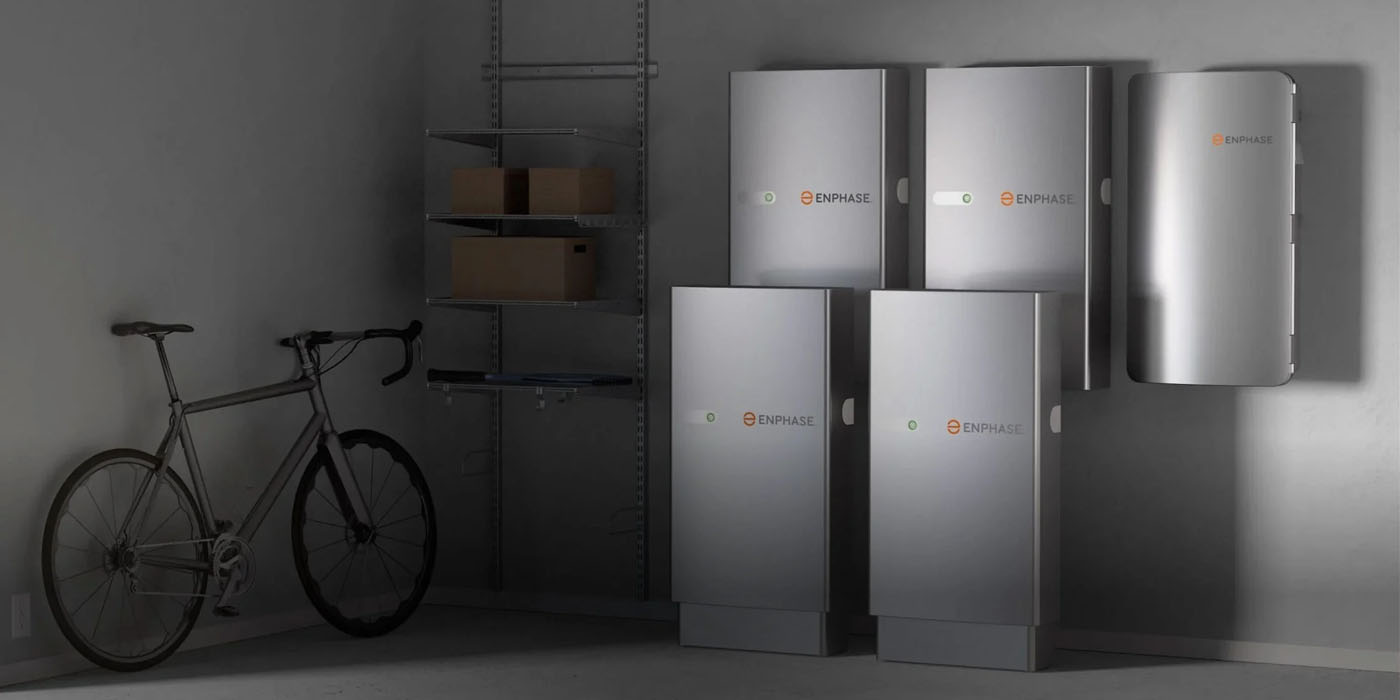
Power-hungry Texas needs solar and battery storage to help meet demand and balance the grid, so its largest utility-scale storage operator is delivering.
Arizona’s largest battery storage system is now online and, along with solar and wind, will help power a new Google data center – here’s why that matters.
Solar developer Primergy Solar has closed commitments for $588 million in debt financing for a 408-megawatt (MW) solar farm south of Dallas–Fort Worth, Texas.
Oh, and did I mention it can park itself? Bowlus revealed its most rugged travel trailer yet, the off-grid Rivet. The Bowlus Rivet features a “yacht-quality” battery and solar power system that allows “indefinite time off-grid in all conditions.”
The US added a record-setting 32.4 gigawatts (GW) of solar capacity in 2023, according to a new report, but 2024 will bring challenges to the industry.
Without EVs, solar, wind, and nuclear, the global rise in emissions in the last five years would have been three times larger, new International Energy Agency (IEA) analysis shows.
Renewables provided over 22.7% of US electrical generation in 2023, according to newly released end-of-year US Energy Information Administration (EIA) data.