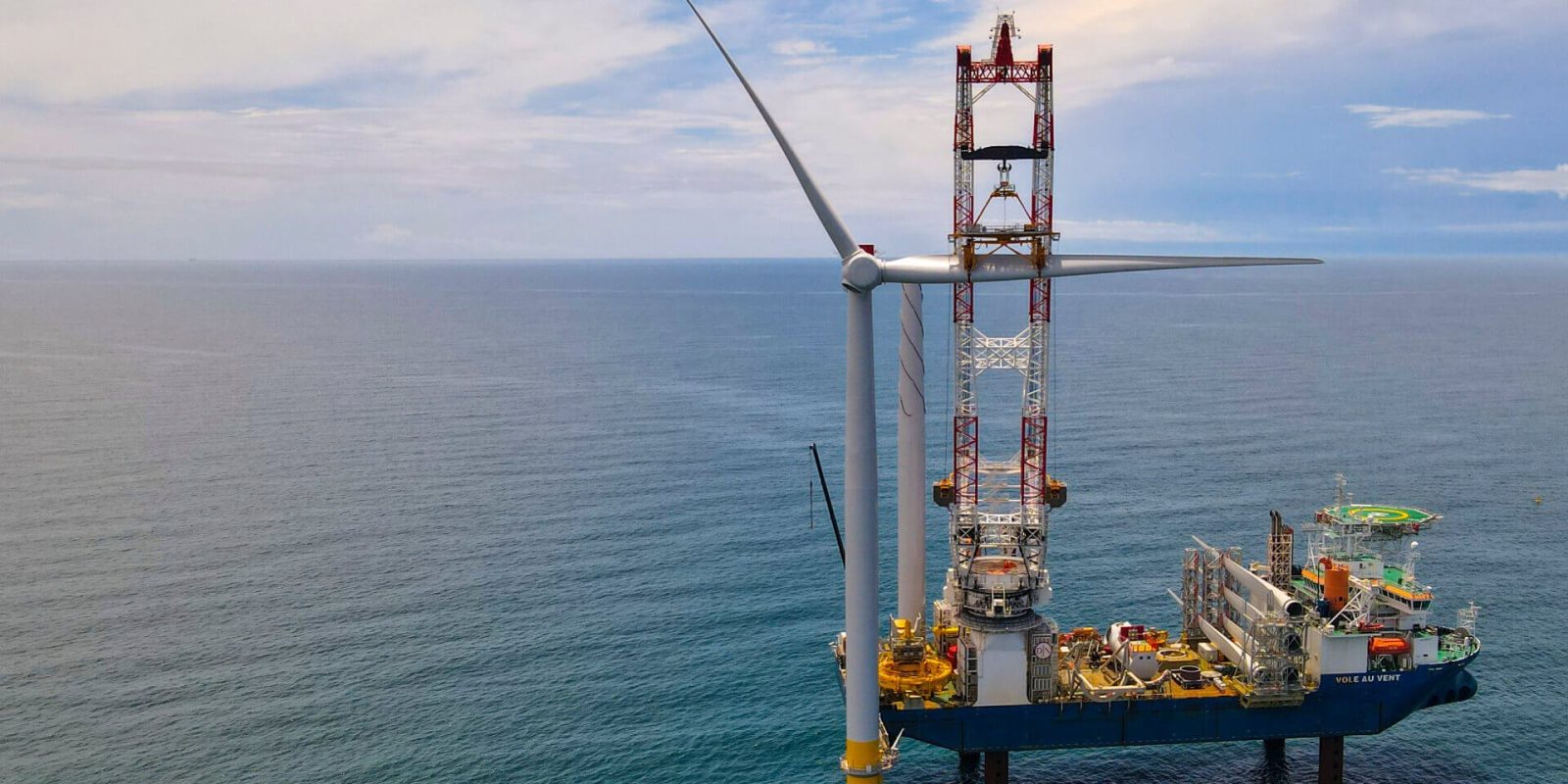
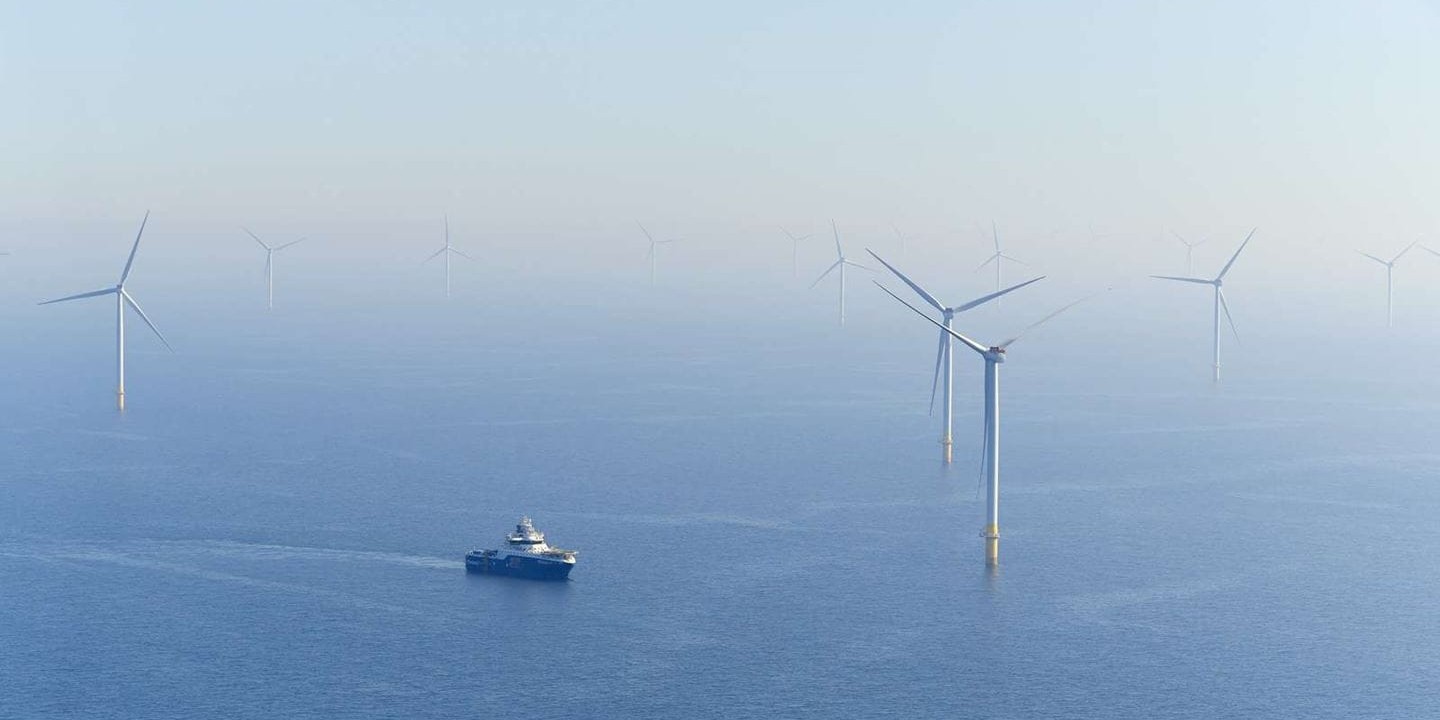
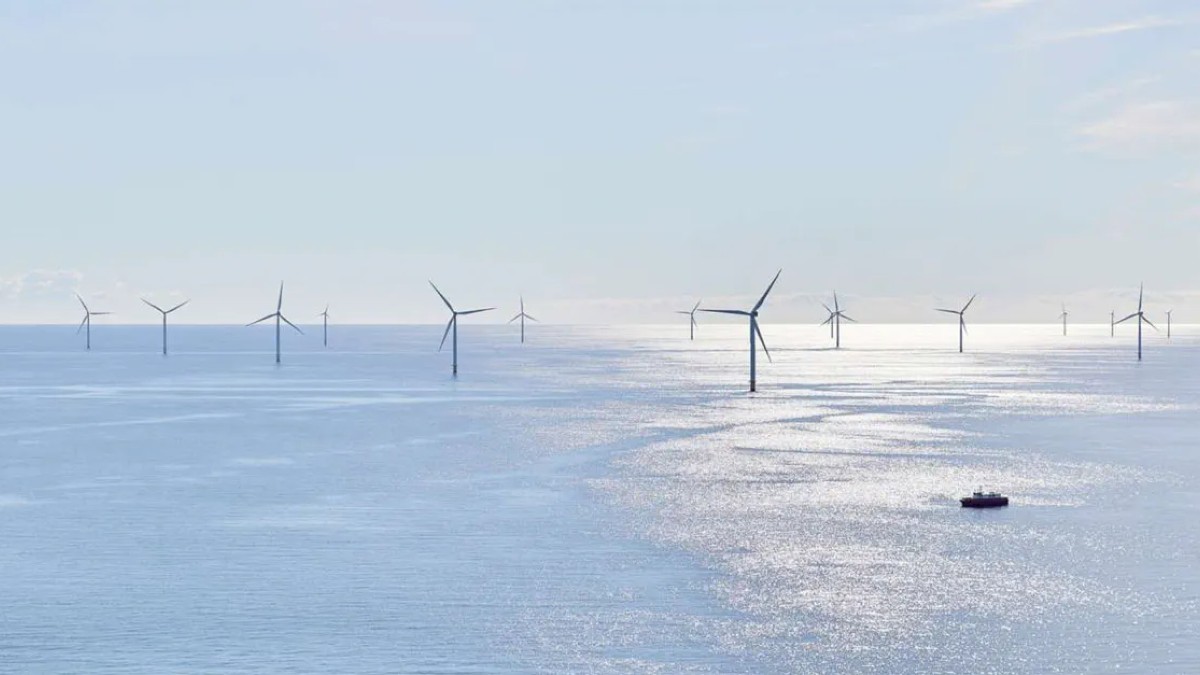
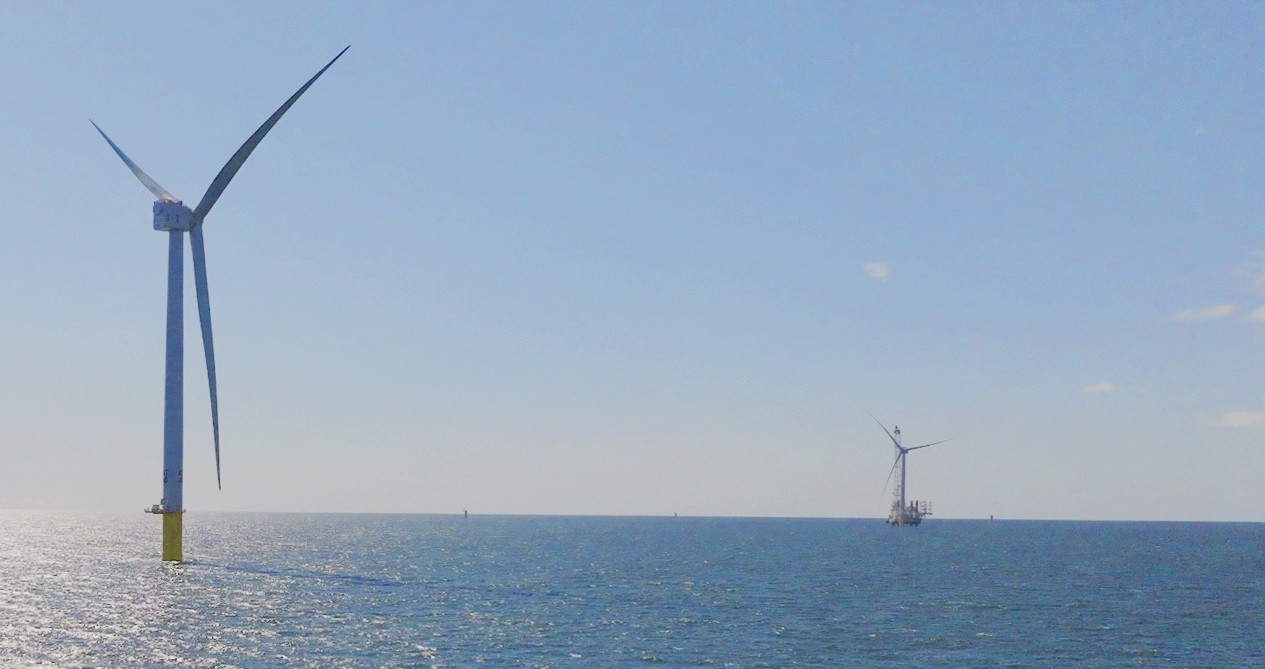
Two more offshore wind developers are suing the Trump administration after it abruptly ordered construction to stop on offshore wind projects that were already nearing completion.
Dominion Energy is suing the Trump administration after the US Department of the Interior ordered five offshore wind projects currently under construction to stop offshore work on December 22 – including Dominion’s 2.6 gigawatt (GW) Coastal Virginia Offshore Wind (CVOW), the largest offshore wind farm in the US.
In a story I could have titled “Even a broken clock is right twice a day,” US President Donald Trump made headlines this week by expressing his love of small, affordable vehicles – and encouraging automakers to start building more compacts domestically. That’s great stuff, but there are dozens of some great compact cars out there already.
Here’s my list of compact EVs that need to find their way to America ASAP.
Businesses canceled, closed, or scaled back more than $4.4 billion in major factory and clean energy projects from late September through October, according to new data from E2. That brings total private-sector renewable and EV project losses to over $28.7 billion in 2025 alone.
The US Department of Energy’s Loan Programs Office (LPO) closed a $1 billion loan to restart Three Mile Island Unit 1, a nuclear reactor at Three Mile Island in Londonderry Township, Pennsylvania.
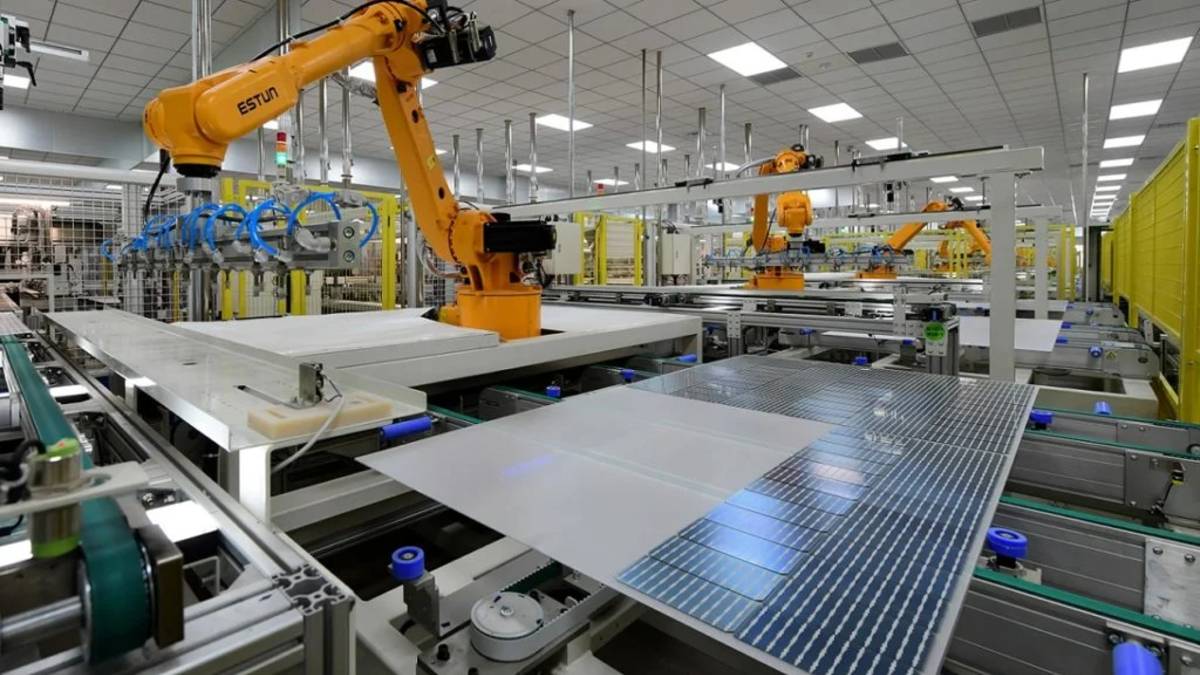
New data from the Solar Energy Industries Association (SEIA) shows that the US solar supply chain has been fully reshored, with manufacturing capacity growing across every part of the solar and storage sector.
The US clean energy sector took another gut punch in September as businesses scrapped or scaled back nearly $1.6 billion in major factory and clean energy projects, according to the latest monthly analysis from E2 and the Clean Economy Tracker. That brings the total cost of private-sector project cancellations this year to more than $24 billion.
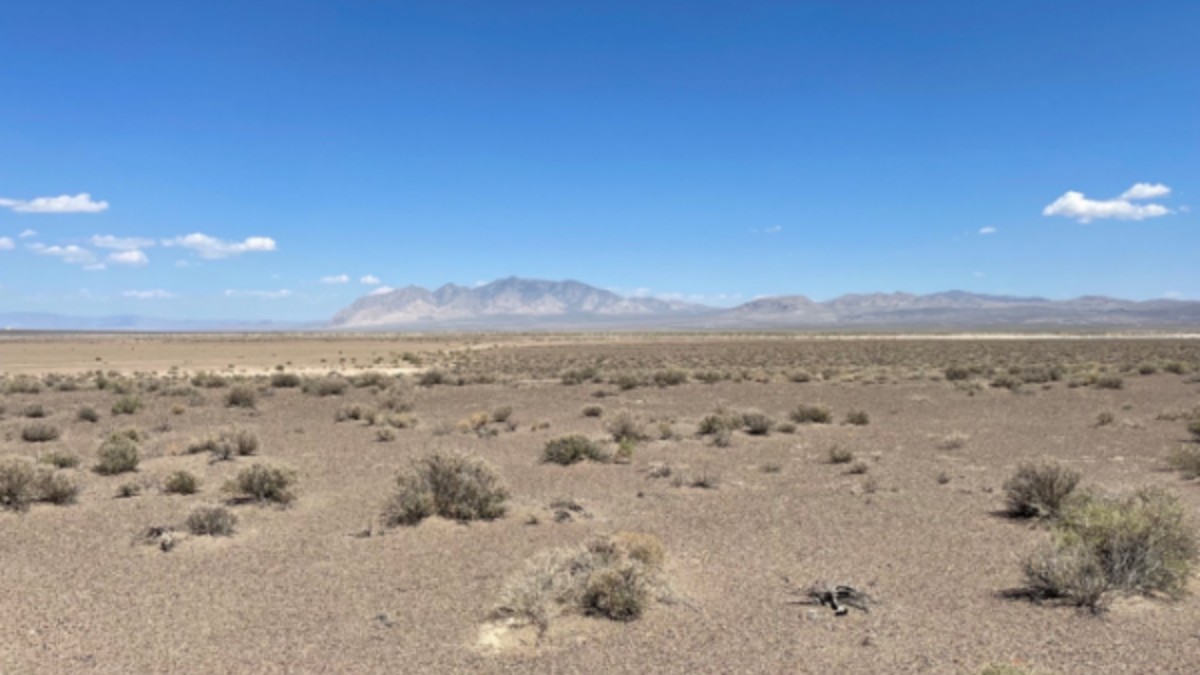
The Trump administration has canceled the Esmeralda 7 solar project in Nevada — a sweeping, multi-developer clean energy plan that would have been the largest solar installation in North America.
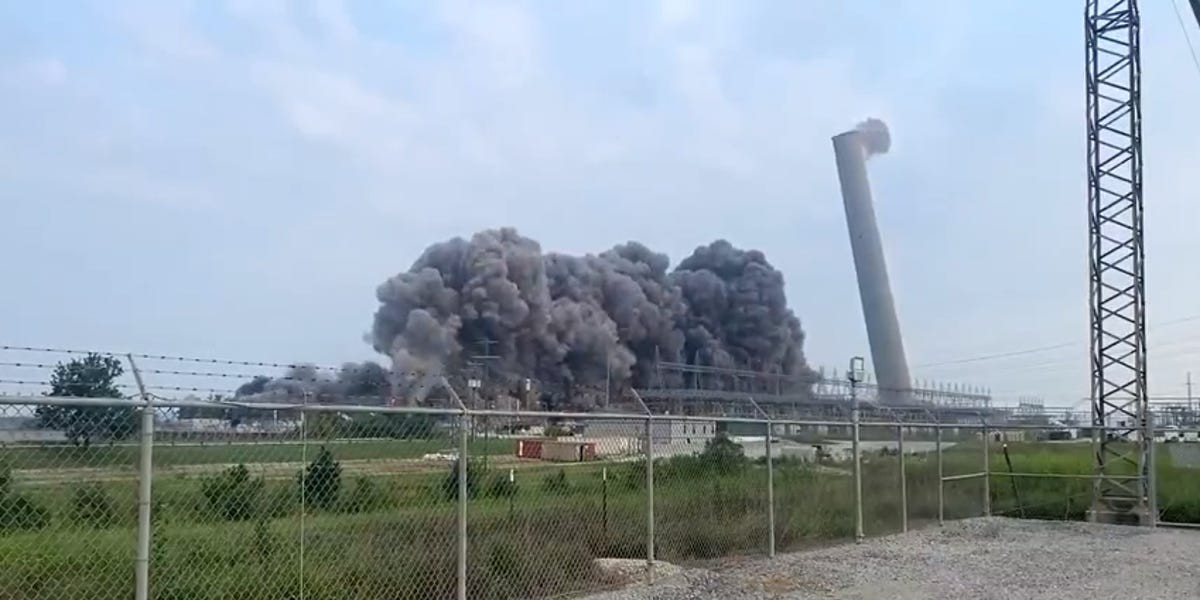
The US Department of Energy (DOE) announced it will spend $625 million to “expand and reinvigorate” the US coal industry, claiming it will boost energy production and help rural communities. Energy Secretary Chris Wright praised “beautiful, clean coal” as “essential to powering America’s reindustrialization and winning the AI race.”
The Trump administration argues this spending will keep aging coal plants running, lower electricity costs, and prevent blackouts. But this so-called coal revival plan wastes millions when clean energy is cheaper and growing at a breakneck pace.
A federal judge has cleared the way for Ørsted’s nearly complete 704-megawatt (MW) Revolution Wind offshore wind farm to restart construction, overturning a stop-work order imposed by the Trump administration.
The US solar industry put nearly 18 gigawatts (GW) of new capacity on the grid in the first half of 2025. Even as the Trump administration rolled out anti-clean energy policies, solar and storage still made up 82% of all new power added to the grid in the first six months of the year. But the growth picture isn’t as sunny as it looks, according to the SEIA.
Connecticut and Rhode Island are suing the Trump administration to overturn its “baseless” decision to halt Revolution Wind, a nearly completed offshore wind farm set to deliver clean power to New England.
Trump’s Interior Department halted construction on 704 megawatt (MW) Revolution Wind, the US’s first multi-state offshore wind project that’s already 80% complete. Grid operator ISO New England says the decision is a threat to the grid.
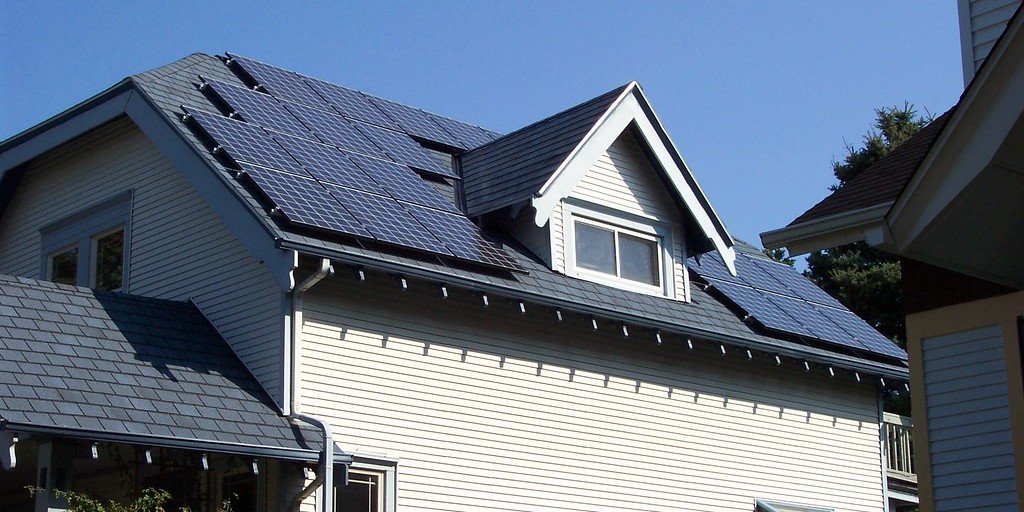
The Trump Administration’s “Big Beautiful Bill” (BBB) is doing a lot of damage to America’s health, economy, and global standing – but one thing it certainly has not done is make it “too late” for US homeowners to benefit from a rooftop solar system.
Georgia BRIGHT, a statewide initiative to deliver affordable solar, kicked off its “No-Cost Solar Plan” in Atlanta yesterday, giving qualified homeowners a shot at roughly 400 fully prepaid rooftop-solar systems with zero upfront or maintenance costs. However, Georgia Bright’s No-Cost Solar Plan may lose its $156 million in grant money if the EPA steals back the Solar for All program’s entire $7 billion, which funded it.
Trump’s Bureau of Ocean Energy Management (BOEM) is rescinding every single Wind Energy Area (WEA) in US federal waters, wiping out over 3.5 million acres of zones once earmarked for offshore wind development.
Renewables continued to dominate fossil fuels on price in 2024, according to a new report from the International Renewable Energy Agency (IRENA). The big takeaway: Clean energy is the cheapest power around – by a wide margin. So it’s pretty bad business that the biggest grid upgrade project in US history just got kneecapped by Trump’s Department of Energy to stop the “green scam.”
Materials science giant Corning is betting on US solar, buying Chinese-owned JA Solar’s 2 GW factory in Arizona as clean energy tax credit rules tighten.
The US solar industry is still booming, but looming policy threats could pull the plug on that momentum.
According to the new US Solar Market Insight report from SEIA and Wood Mackenzie, the industry installed 10.8 gigawatts (GW) of new electricity-generating solar in Q1 2025, with solar and storage making up a whopping 82% of all new capacity added to the grid.
Not even three months ago, convicted felon Donald Trump and his largest funder, ketamine-fueled Tesla CEO Elon Musk, appeared together on the White House lawn, improperly using government resources to do a low-budget ad to help Tesla get out of the sales ditch that Musk has dug for it.
Now, amidst an explosive feud between the two narcissists that came to a head yesterday, it’s being reported that Mr. Trump wants to sell the object of that ad: his red Tesla Model S.
Trump’s tariffs are about to drive up the cost of clean energy projects in the US, and energy storage is set to take the biggest hit, according to new analysis from Wood Mackenzie.
More than $14 billion in US renewable and EV investments and 10,000 new jobs have been scrapped or put on hold since January, according to a new analysis from E2 and the Clean Economy Tracker. The reason: growing fears that the Republican-majority Congress will pull the plug on federal clean energy tax credits.
The Trump administration wants to pull the plug on ENERGY STAR, the federal program behind those familiar blue labels on energy-efficient appliances, homes, and buildings. Launched in 1992, ENERGY STAR has saved Americans more than $500 billion in energy costs while slashing greenhouse gas emissions.
To dig into what this means for everyday Americans, we spoke with Rebecca Foster, CEO of clean energy nonprofit Vermont Energy Investment Corporation (VEIC), which has spent decades working to make homes, schools, and businesses more energy efficient.