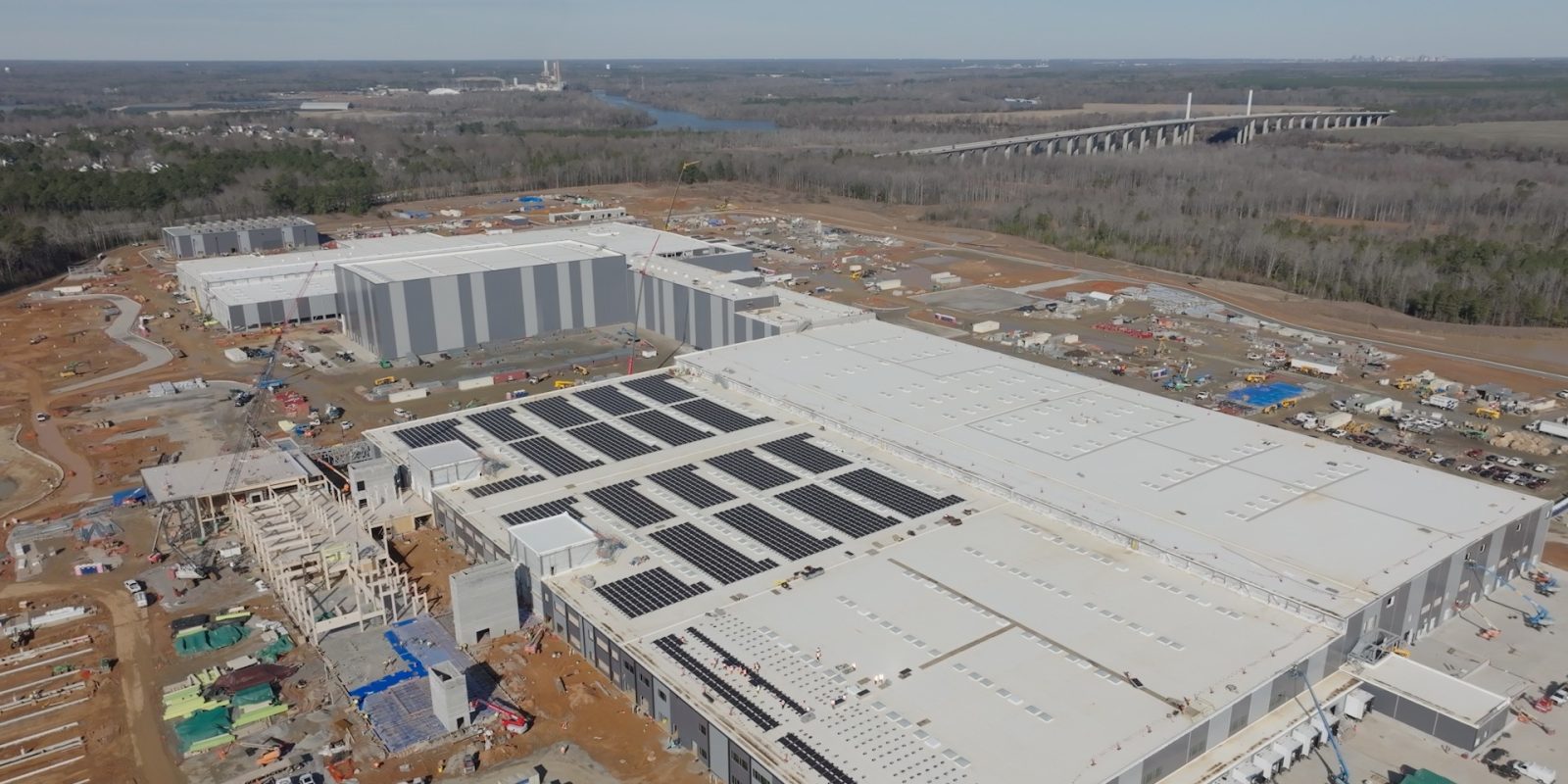
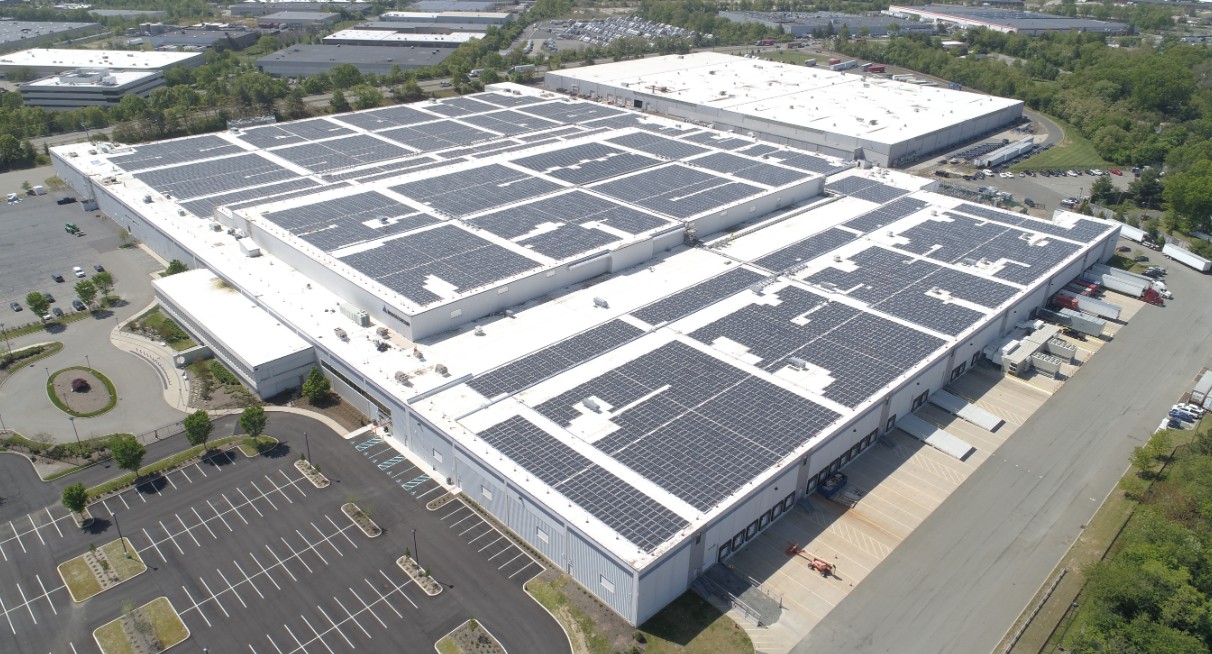
The LEGO Group is installing a large solar array at its new US factory in Chesterfield County, Virginia, as it moves toward powering the site with 100% renewable energy.
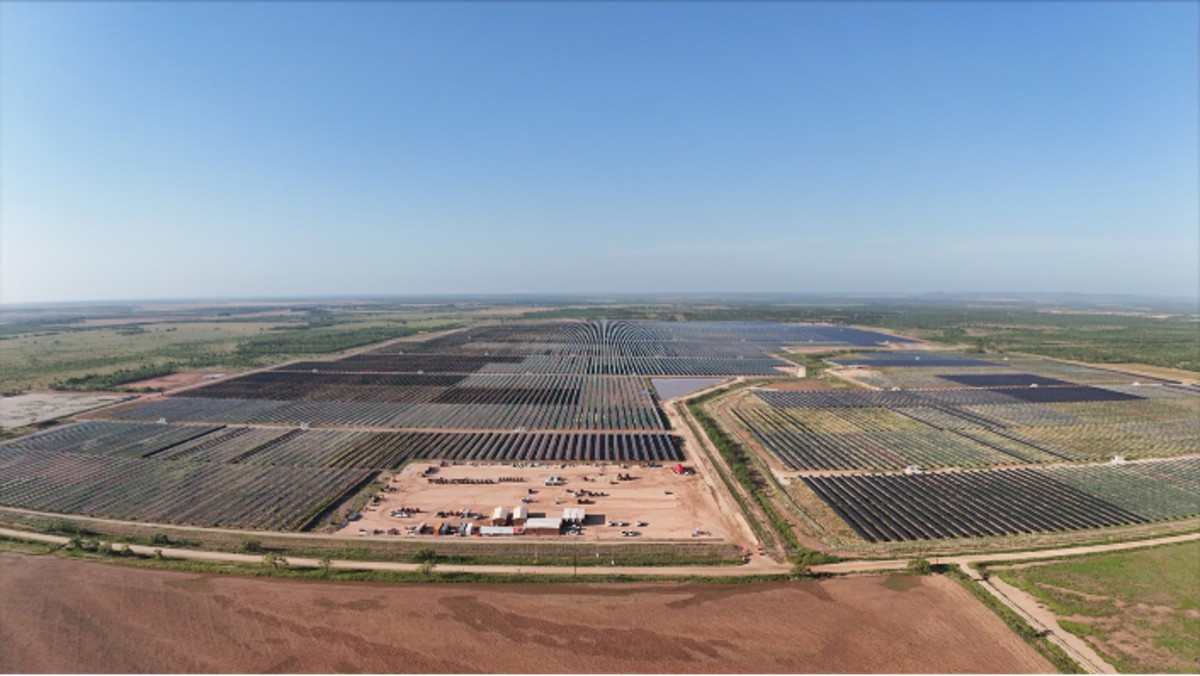
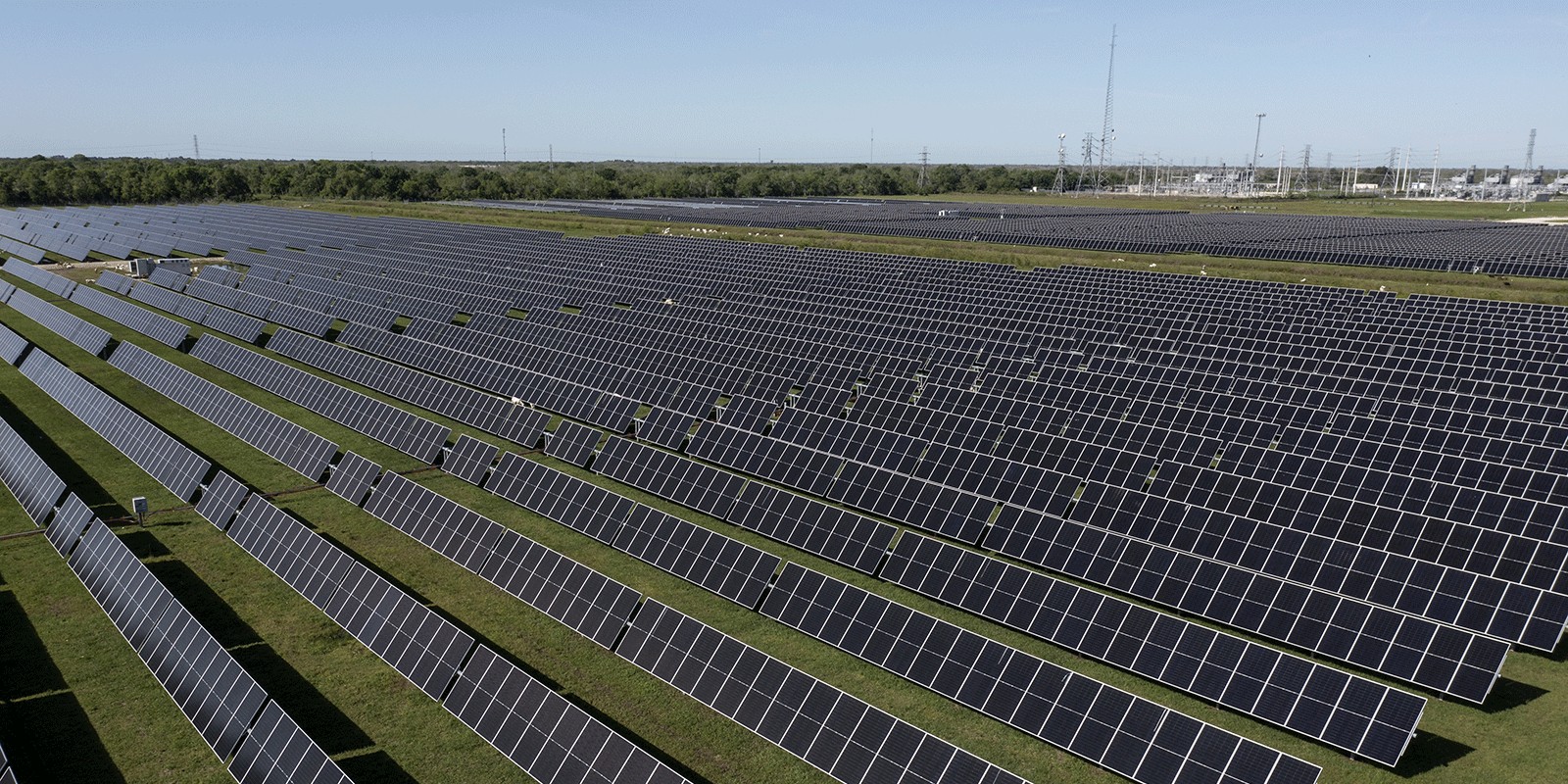
Avantus and Toyota Tsusho America have completed construction of a 159 MWdc solar project in Texas, adding another large-scale clean energy asset to the state’s fast-growing solar fleet.
As American energy costs spike, 120 House Democrats have introduced the Energy Bills Relief Act to bring back money-saving incentives that were repealed by republicans last year.
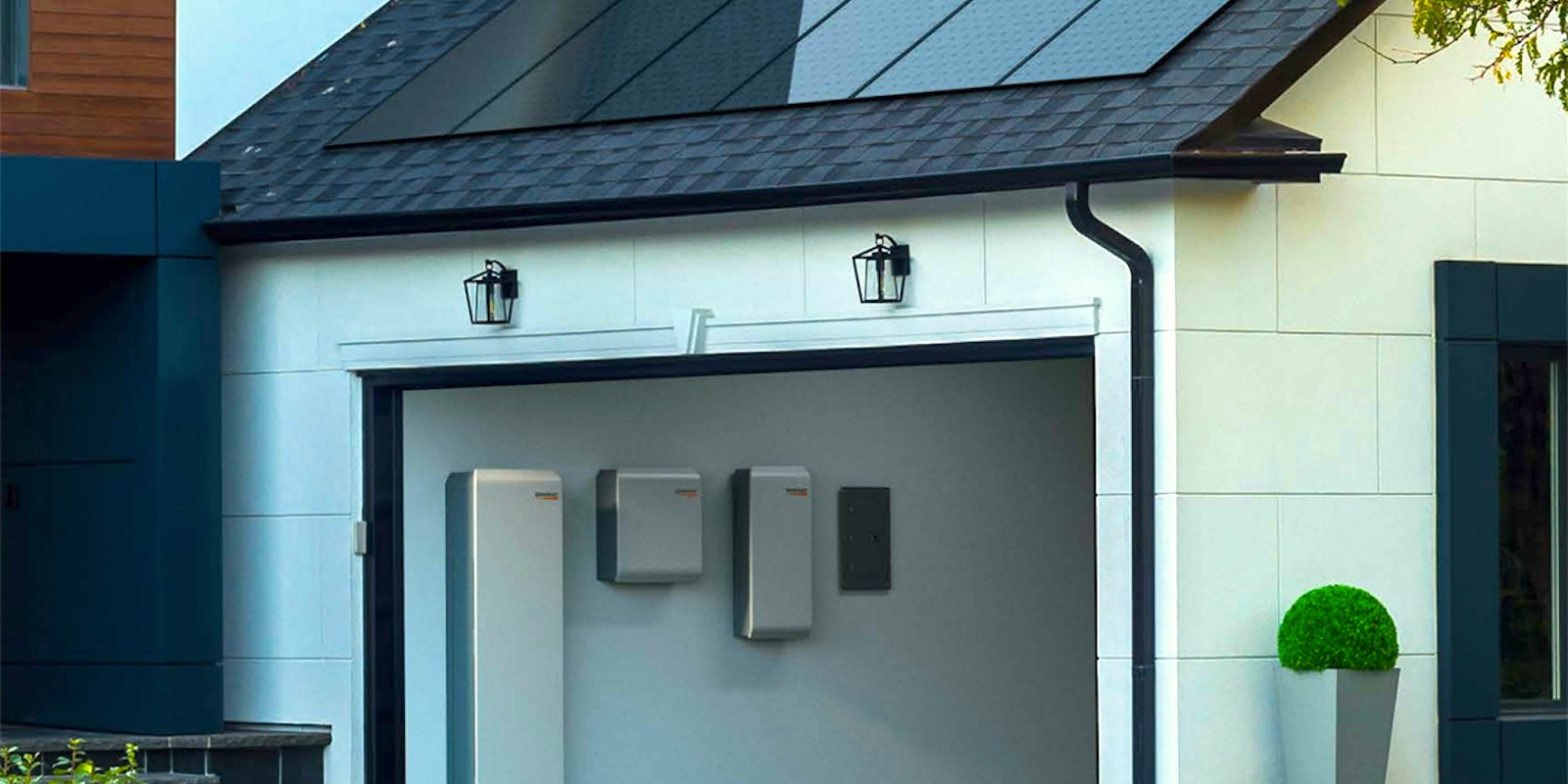
The new PWRcell 2 Energy Storage System from Generac has earned the prestigious 2025 GOOD DESIGN Award, recognizing the brand’s home battery products for their stand out design, functionality, and sustainability.
The US installed 43 gigawatts (GW) of new solar capacity in 2025, marking the fifth straight year that solar has been the largest source of new power added to the grid.
Net metering — the ability to sell excess electricity back to the grid for fun and profit — has helped make rooftop solar panels the centerpiece of the home energy transition for more than a decade. But, as net metering rules change and electricity prices keep climbing, the value proposition isn’t as clear as it once was. Instead of sending extra power back to the grid, homeowners are increasingly deciding that it makes more sense to hold on to that excess power for themselves.
In early November 2025, solar panel giant Qcells announced that it was temporarily furloughing 1,000 US workers – 25% of its workforce – and reducing pay and shifts at its Georgia factories due to supply chain delays caused by US Customs. Today – four months later – Qcells announced that its solar panel output is finally back to normal production.
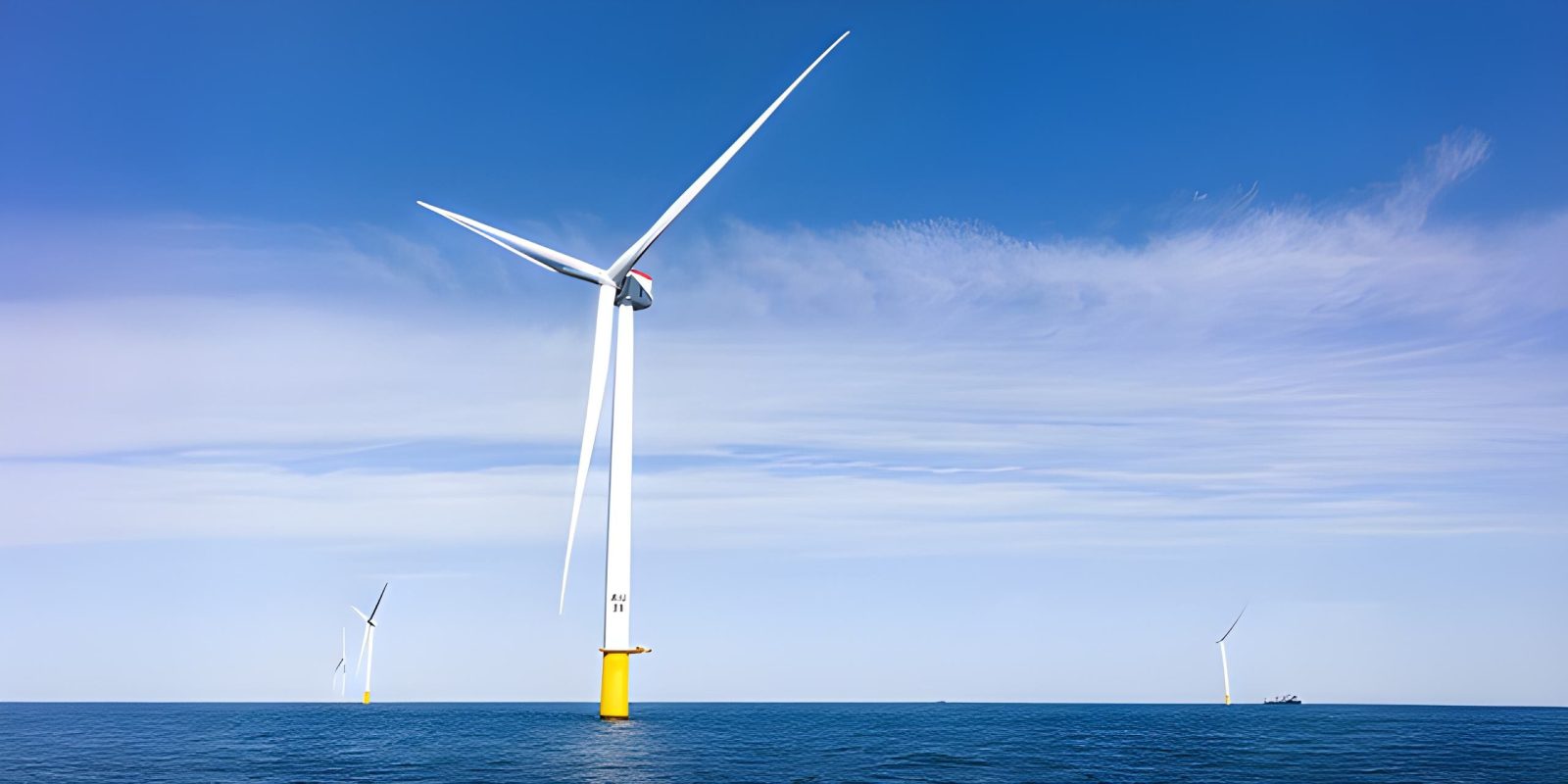
European energy giant Vattenfall has started construction on a new hybrid renewable energy project in southwest Germany that combines wind and solar power at a single site.
The US residential clean energy market just went through one of its wildest six‑month stretches ever, according to EnergySage’s latest Home Electrification Marketplace Report.
Xcel Energy says it will supply electricity to a new Google data center in Pine Island, Minnesota, and the deal includes nearly 2 gigawatts (GW) of clean energy and a 100-hour iron-air battery.
A new study of more than 5,000 home sales showed homes with solar panels installed sold for 5-10% more than comparable homes without solar. If you’re doing the math, “(that’s) an eye-popping $39,500 to $79,000 boost.”
US solar giant First Solar signed a patent licensing agreement with the UK’s Oxford PV, a University of Oxford spin‑off, giving it access to issued and pending patents covering perovskite materials, one of the most important next‑gen solar technologies.
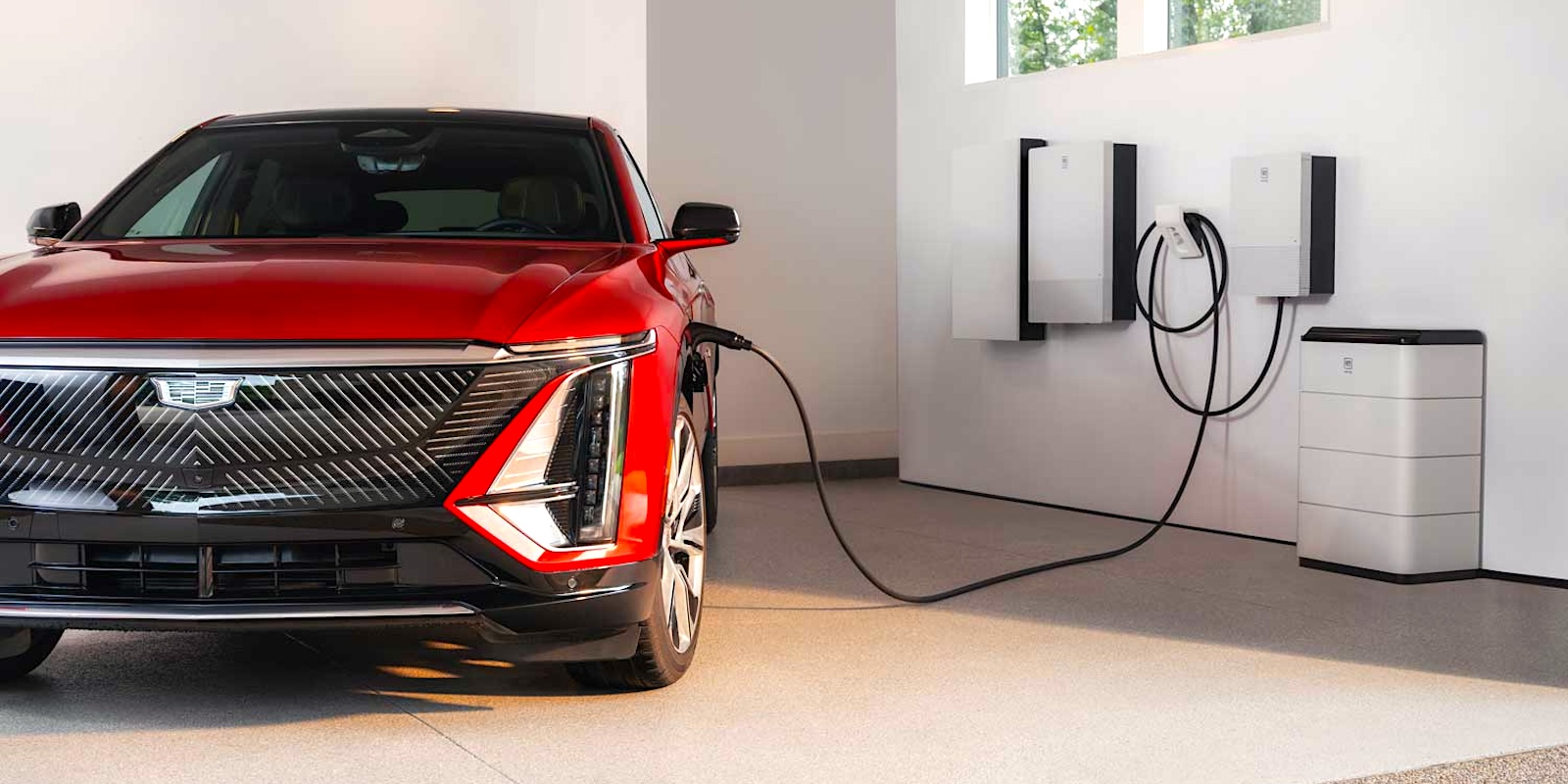
Are you wondering how much it would cost to charge up your EV if you added a home solar system to your roof? One EV owner did just that. After 14,000 miles of driving, he’s sharing his results online — and the real-world data might surprise you!
Calibrant Energy has signed a definitive agreement with Iron Mountain to build, own, and operate a 23-megawatt-hour (MWh) battery at the latter’s New Jersey data center.
European solar roofing company Roofit.Solar has completed its first US project, marking its official entry into the North American market with a residential installation in Michigan.
Octopus Energy Generation is investing almost $1 billion in California clean tech projects, the latest move by the UK‑based renewable investor as it scales up its presence in the US market.
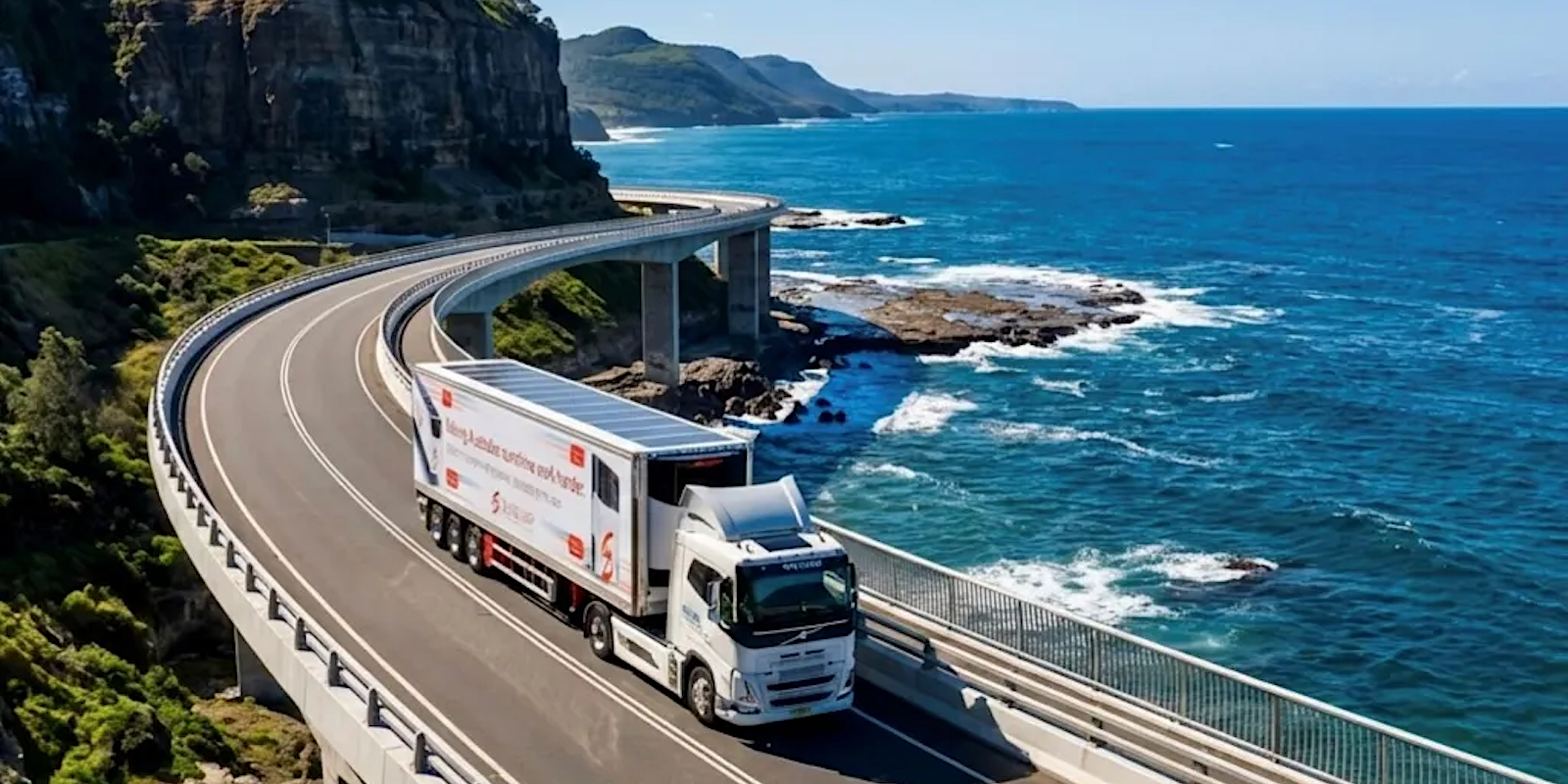
Refrigerated trailers are critical for hauling your fresh food and flowers from the farm to your local market – the problem is that they pollute like crazy, powered by red-dye diesel gensets that run around the clock, even when the truck pulling them is fully electric. To help solve that problem, one company come up with an idea so obvious you’ll hate yourself for not coming up with it on your own: rooftop solar.
TotalEnergies just landed a massive solar deal to power Google’s expanding Texas data centers. The company signed two long‑term power purchase agreements (PPA) totaling 1 gigawatt (GW) of capacity, or about 28 terawatt‑hours of electricity over 15 years.
Businesses walked away from $5.1 billion in large-scale factories and clean energy projects in December alone – a stark finish to a year in which cancellations finally overtook new investment in the US clean energy sector. By the end of 2025, nearly $35 billion in clean energy investments had been canceled or downsized nationwide, taking more than 38,000 current and future jobs with them, according to new tracking from E2.
New solar and wind capacity additions in November were the second highest in 2025 and accounted for 93% of that month’s total. Solar continues to dominate new capacity additions and has held the lead among all energy sources for 27 consecutive months, according to data released by the Federal Energy Regulatory Commission (FERC) and reviewed by the SUN DAY Campaign.
Winter Storm Fern knocked out power for millions of people across the US and reignited a familiar political and media fight over what really causes large-scale outages during extreme weather. To separate the rhetoric from the operational reality, Electrek spoke with Leah Qusba, CEO of GoodPower, a research, strategic communications, and campaigning organization focused on advancing the global renewable energy transition.
In this Q&A, Qusba walks through what tends to fail first during major winter storms, what outage data shows about the role of wind, solar, and fossil generation during Fern, why fuel supply and winterization still matter more than the generation mix, and how coordinated disinformation campaigns exploit moments of uncertainty after grid emergencies and what works to counter them.
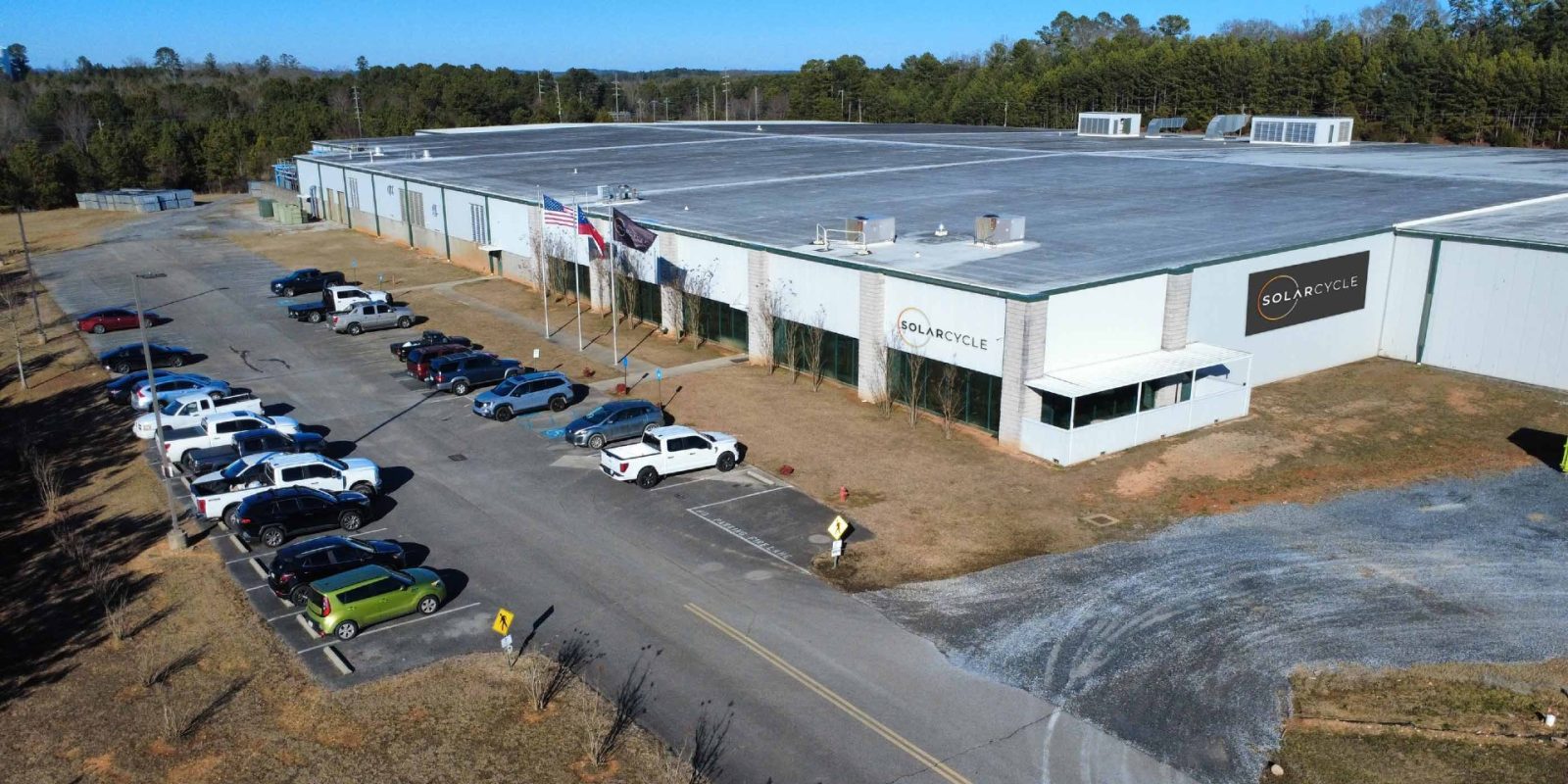
SOLARCYCLE has started recycling solar panels at a massive new facility in Cedartown, Georgia, signaling that solar recycling in the US is finally moving from pilot projects to industrial scale.