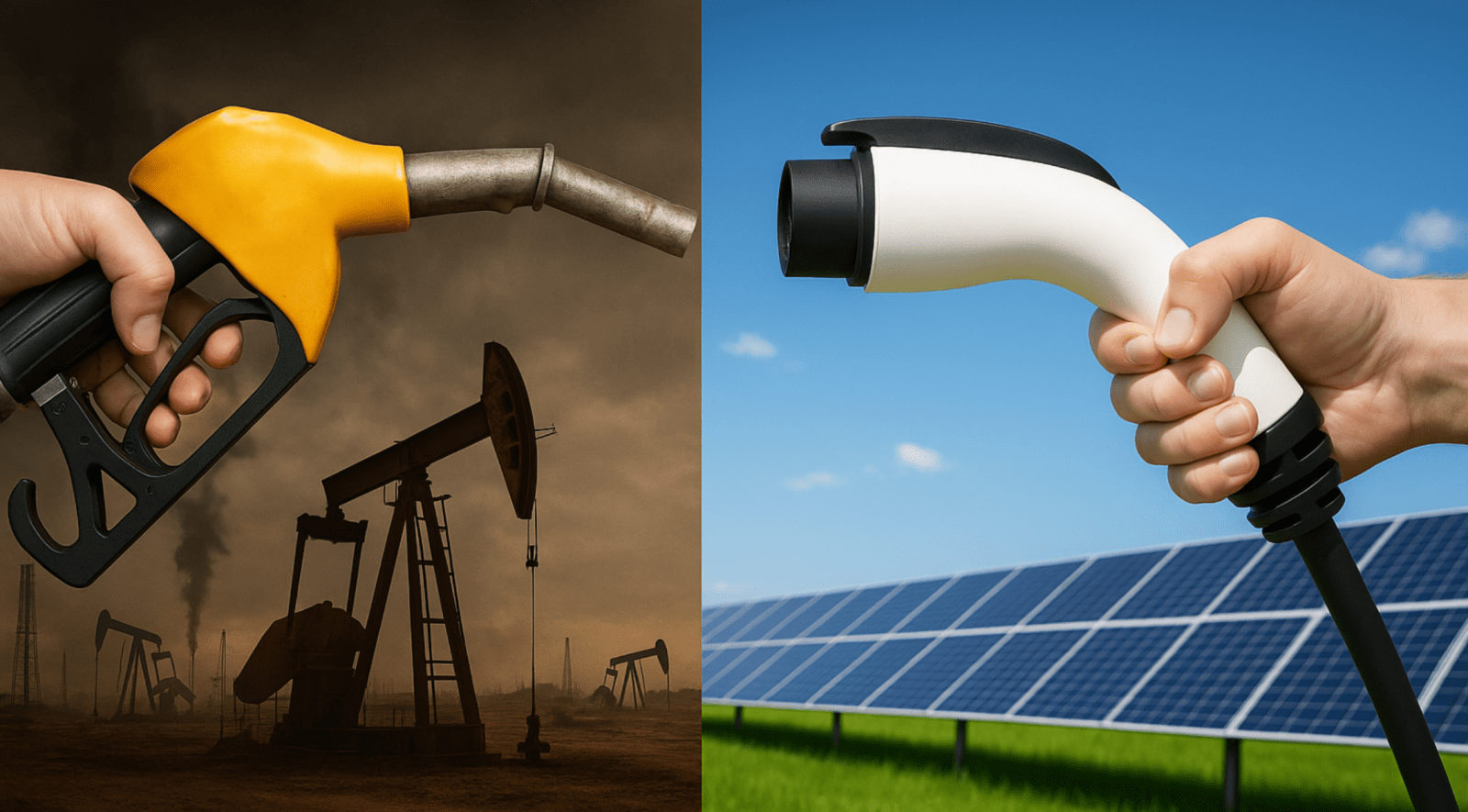
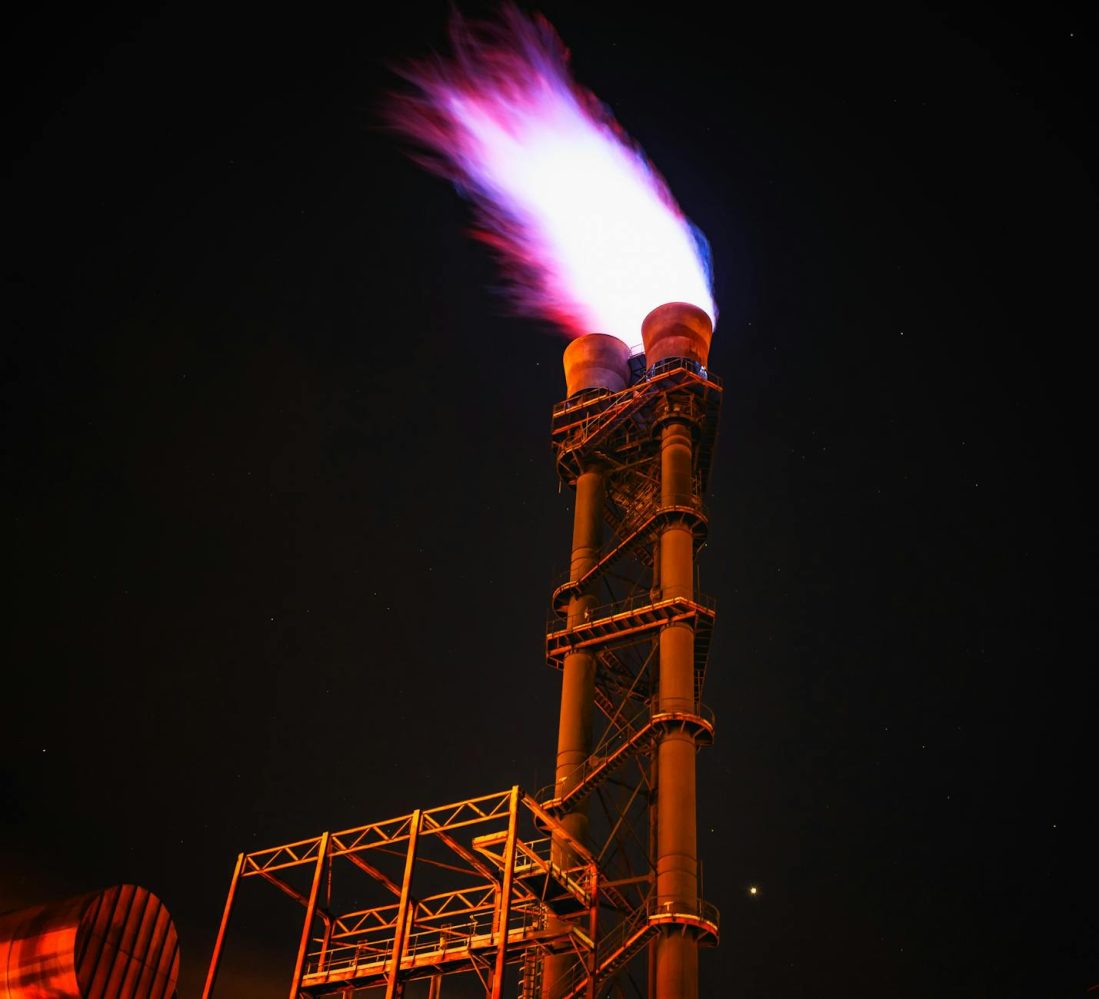
With the news of the US’ actions in Venezuela this morning, we are reminded again of how reducing oil demand can lead to less conflict – and electric vehicles are our best bet for doing so.
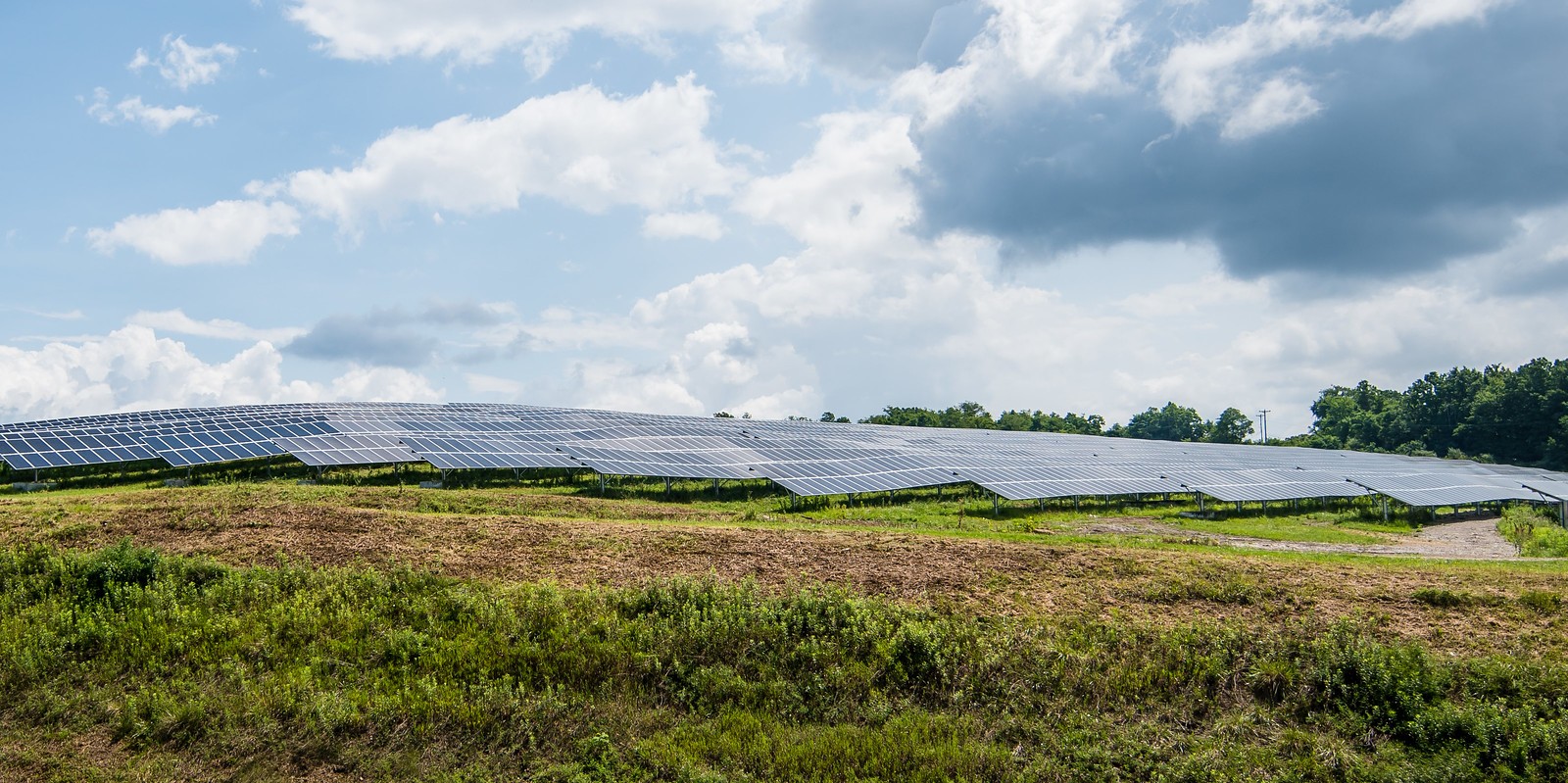
Solar and wind accounted for almost 96% of new US electrical generating capacity added in the first third of 2025. In April, solar provided 87% of new capacity, making it the 20th consecutive month solar has taken the lead, according to data belatedly posted on July 1 by the Federal Energy Regulatory Commission (FERC) and reviewed by the SUN DAY Campaign.
Solar provided over 10% of total US electrical generation in April, wind and solar produced almost one-quarter, and the mix of all renewable energy generated nearly a third, according to data just released by the US Energy Information Administration (EIA).
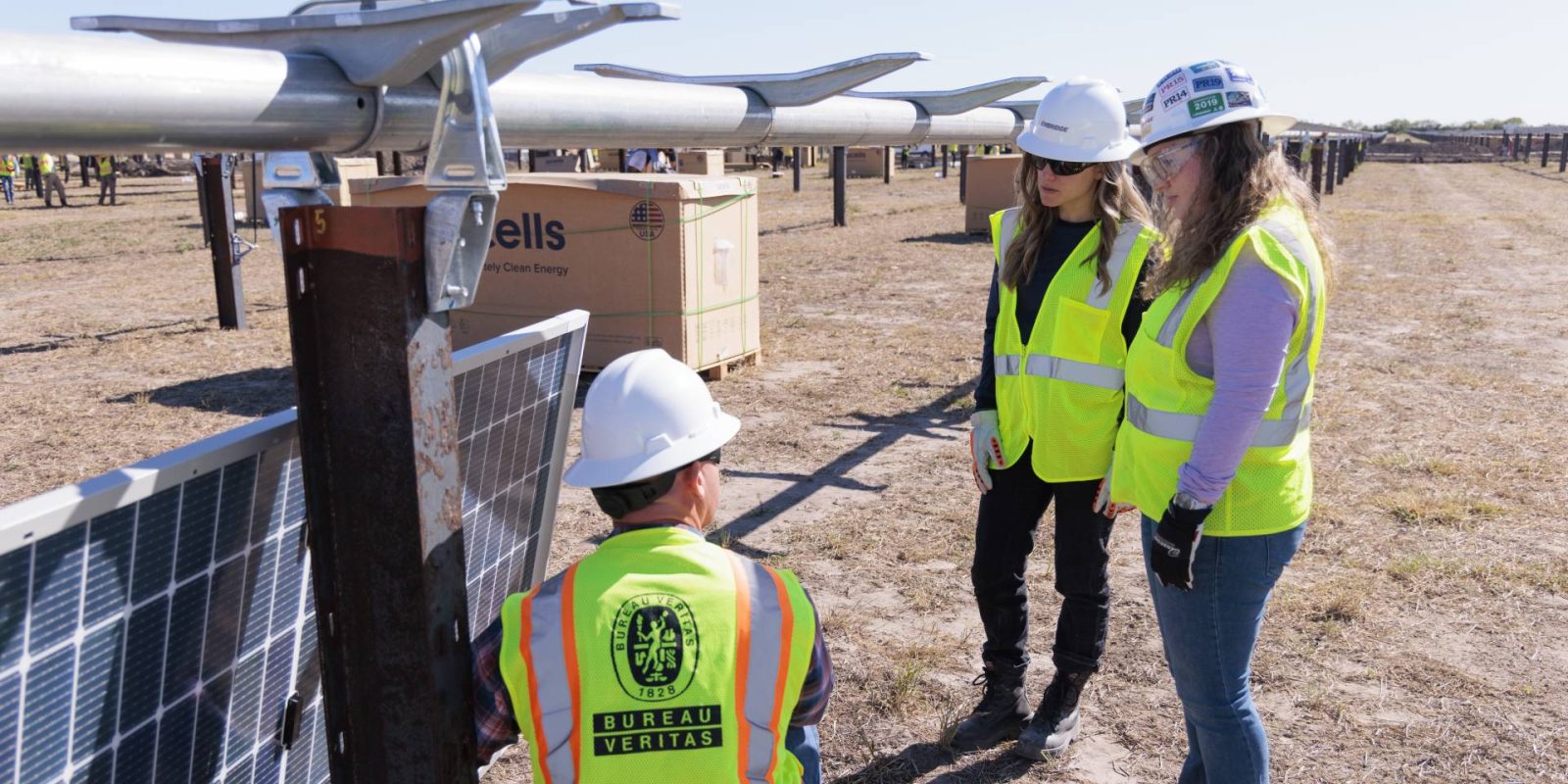
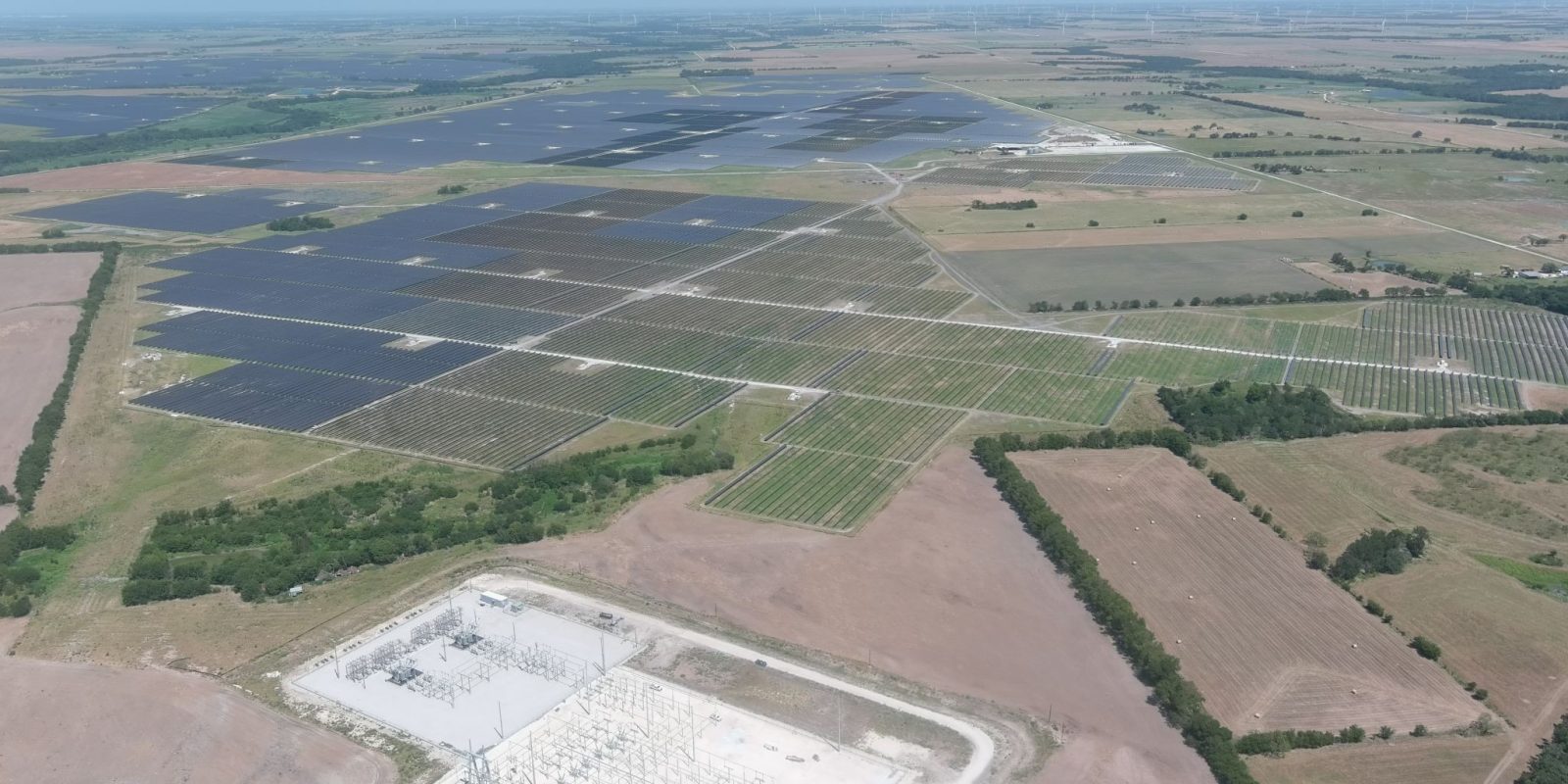
Canadian oil and gas pipeline giant Enbridge just launched its first solar farm in Texas, adding more clean energy to its “all-of-the-above” energy mix, mainly fossil fuels.
Solar and wind accounted for almost 98% of new US electrical generating capacity added in the first two months of 2025, according to new Federal Energy Regulatory Commission (FERC) data reviewed by the SUN DAY Campaign.
Global energy demand spiked in 2024, driven largely by surging electricity use, according to a new report released today by the International Energy Agency (IEA). Electricity consumption jumped by nearly 1,100 terawatt-hours – a hefty 4.3% increase – nearly twice the annual average growth of the past decade.
This dramatic rise was largely fueled by the electrification of transportation, record-breaking global temperatures that ramped up cooling needs, coupled with increased industrial activity, and growing energy demand from data centers and AI applications.
The oil industry is asking for carveouts from tariffs which will raise its cost of doing business – and your cost of energy – after spending tens of millions in bribes on a candidate that promised to raise everyone’s costs.
Renewable capacity additions, especially solar, will continue to drive the growth of US power generation over the next two years, according to the US Energy Information Administration (EIA).
Stardust Power (Nasdaq: SDST), a US battery-grade lithium product developer, has officially broken ground on its $1.2 billion lithium refinery in Oklahoma, which will be one of the largest in the US.
The facility will eventually be able to produce up to 50,000 metric tons per year of battery-grade lithium.
Solar generated 11% of EU electricity in 2024, overtaking coal which fell below 10% for the first time, according to the European Electricity Review published today by think tank Ember.
EU gas generation declined for the fifth year in a row, and total fossil generation fell to a historic low.
For the first time ever, global investments in cleantech are projected to outpace upstream oil and gas spending in 2025, according to a new S&P Global Commodity Insights report.
The White House announced today that President Joe Biden is banning new offshore oil and gas drilling along 625 million acres of US coastline, taking the total area of ocean he’s protected to 670 million acres.
Renewables – solar, wind, biomass, geothermal, hydropower – are now 30% of total US electrical generating capacity, according to analysis of FERC’s mid-year data.
In a historic move, Vermont has become the first US state to pass a law that makes major fossil fuel companies financially responsible for climate change damages.
Renewables are now the second-largest source of US electrical generation behind natural gas, which averaged a 40.5% share during Q1 2024 but fell to 39.4% in March.
The Environmental Protection Agency (EPA) will require existing coal-fired and new natural gas-fired power plants to control 90% of their carbon emissions or shut down.
Solar is forecast to displace natural gas in the middle of the day and in the summer on the Texas grid, according to the US Energy Information Administration (EIA).
In a significant move, the White House will delay a decision on whether to approve what would be the US’s largest liquefied natural gas (LNG) export terminal, according to the New York Times.
The US Environmental Protection Agency (EPA) will fine oil and gas companies for emitting excess methane – the first federal government tax ever on greenhouse gas emissions.
In a historic agreement, the world has agreed to “transition away” from fossil fuels at the COP28 climate summit. Is this a success? Depends on who you talk to.