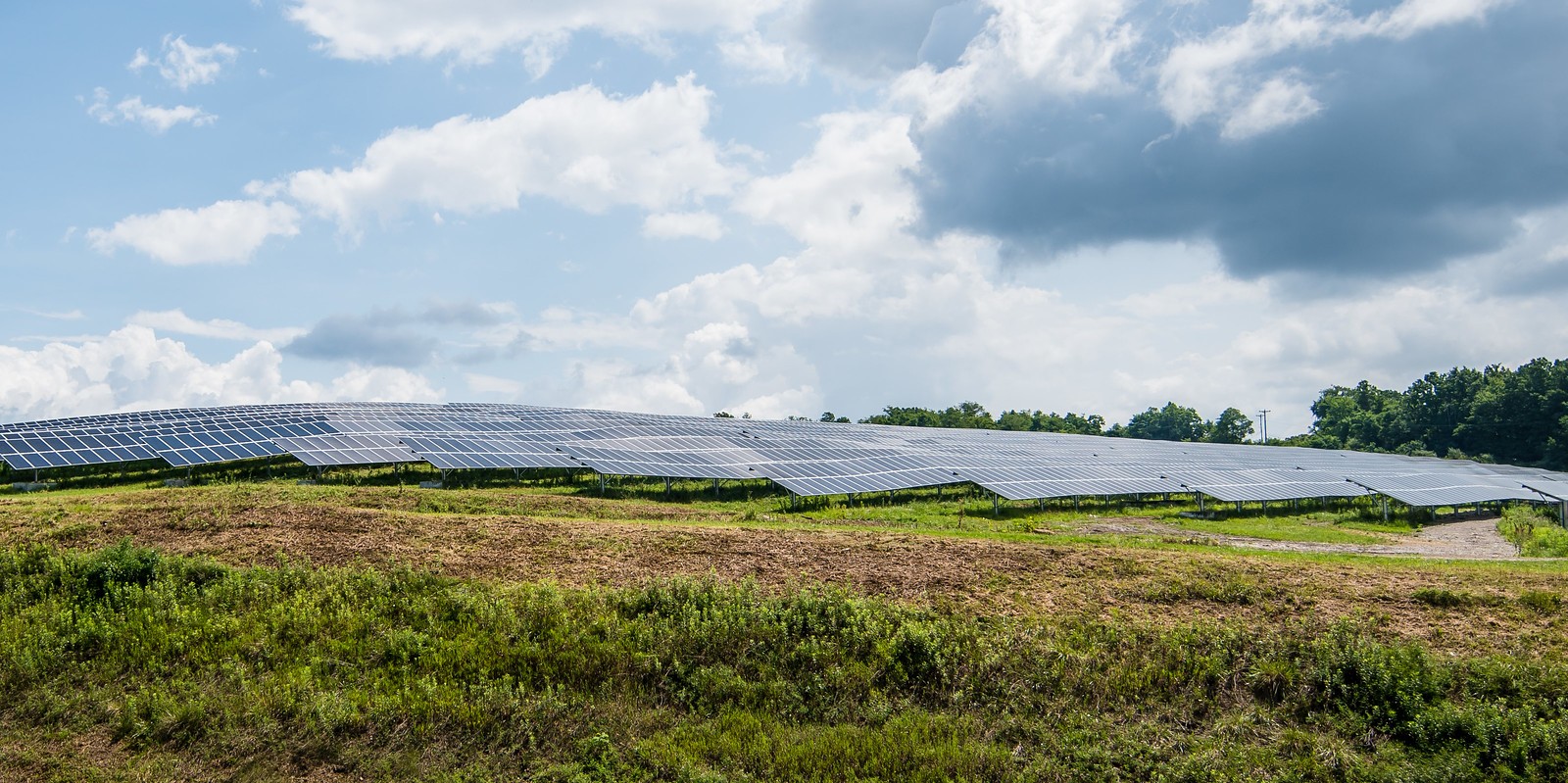
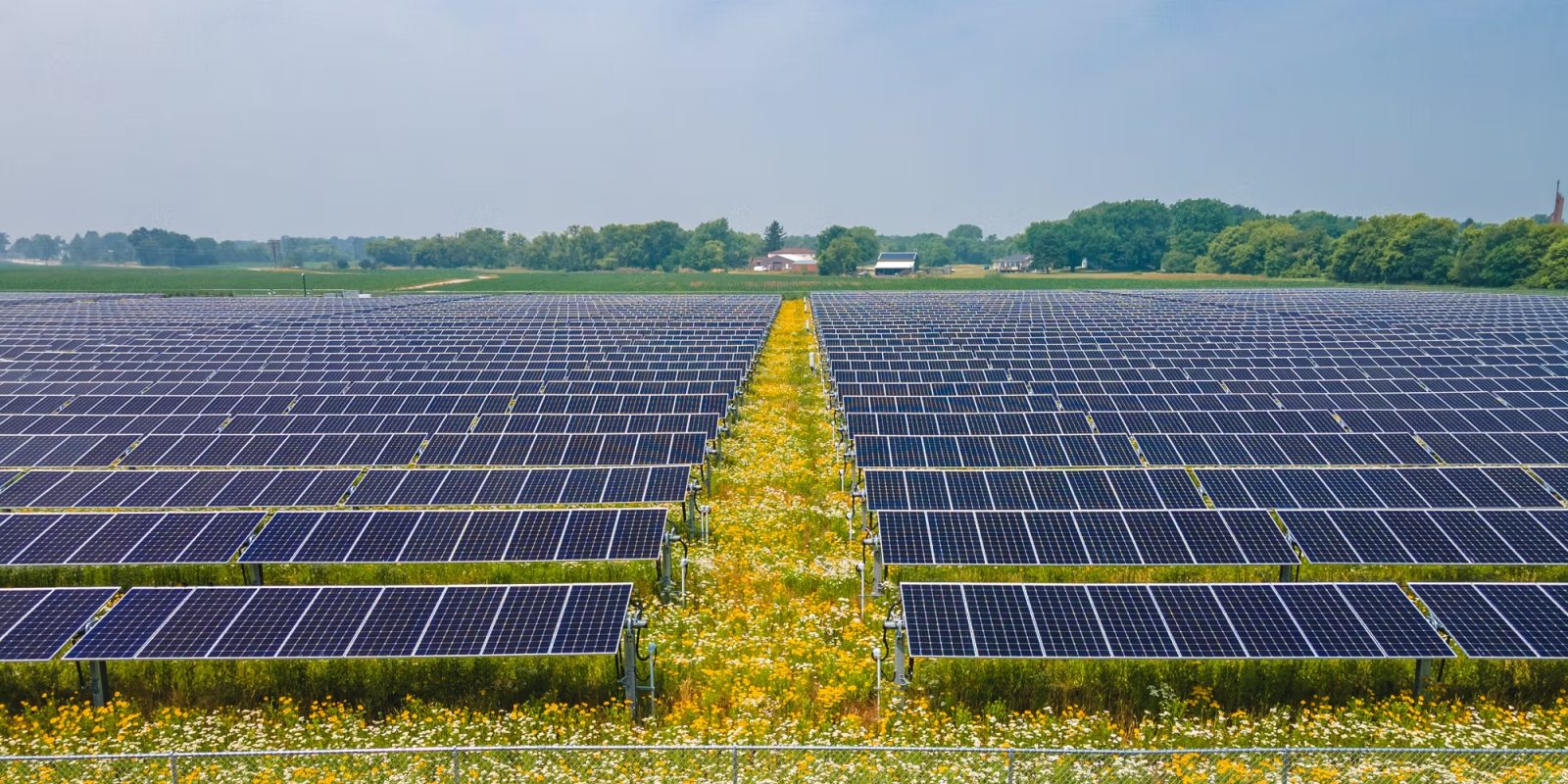
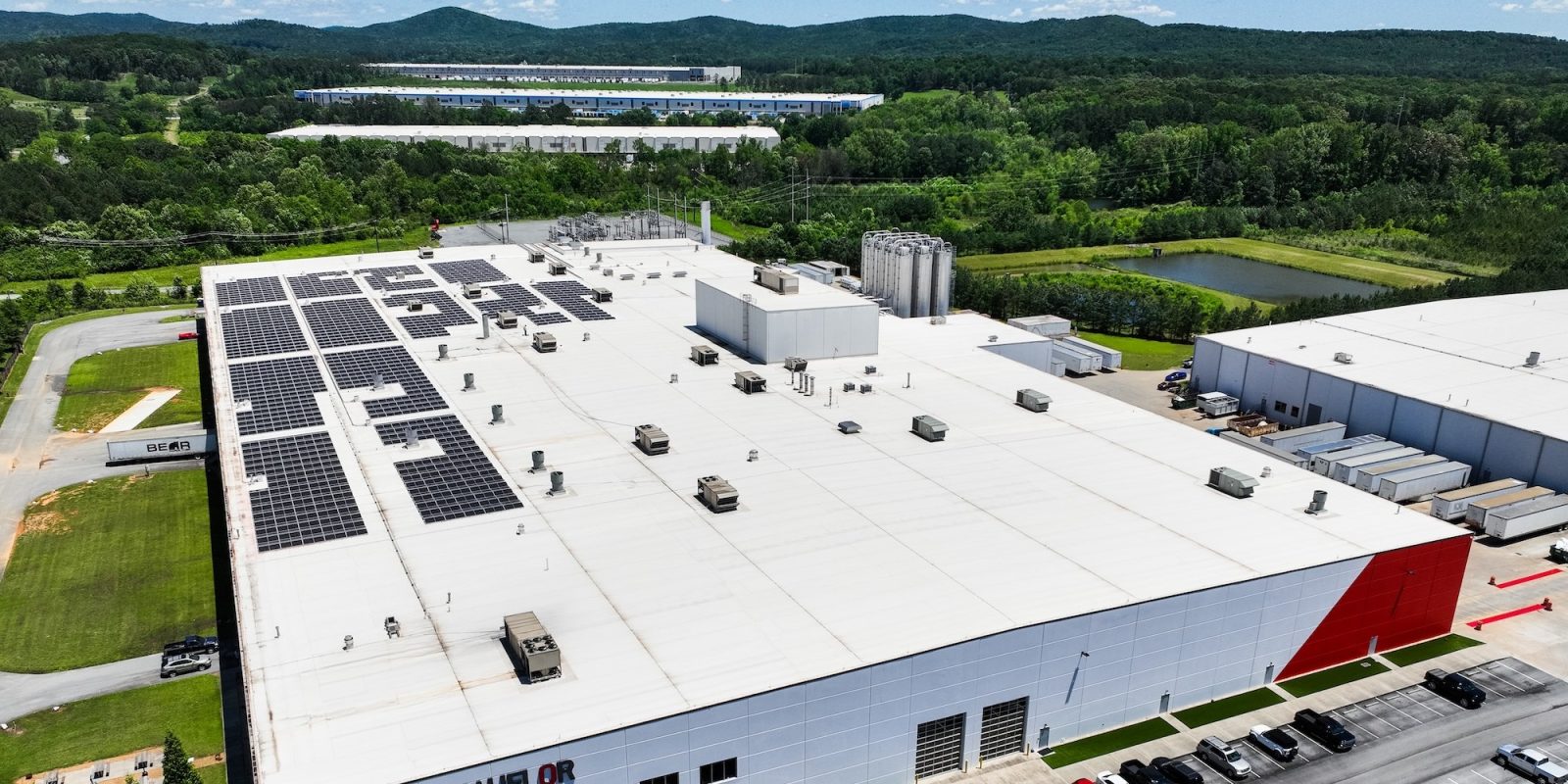
Mammoth Solar, a 1.3 gigawatt (GW) solar farm in northern Indiana, is now powering into its biggest construction phase yet, cementing its place as one of the largest solar projects in the US.
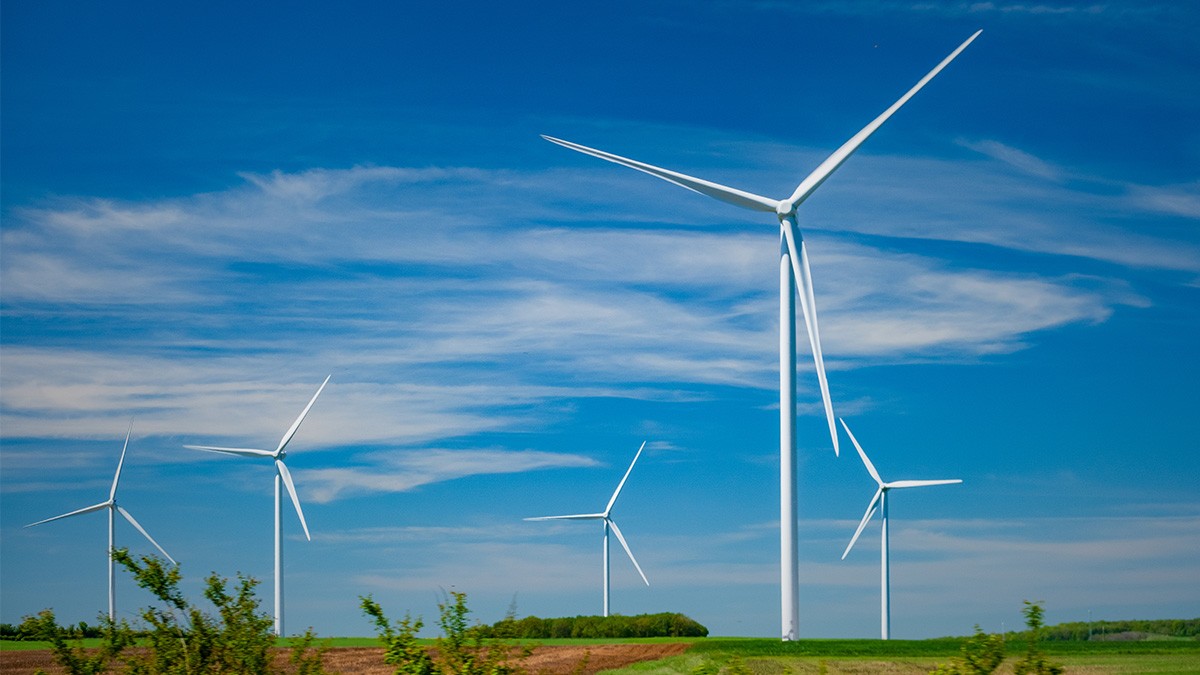
Solar and wind accounted for almost 98% of new US electrical generating capacity added in Q1 2025, according to new Federal Energy Regulatory Commission (FERC) data reviewed by the SUN DAY Campaign.
Solar and wind also made up an impressive 100% of new capacity in March, and March was the 19th consecutive month in which solar was the largest source of new capacity.
The House’s “One, Big, Beautiful Bill” (yes, it’s really called that) has set an accelerated expiration date of December 31, 2025, for the 30% residential solar tax credit – nearly a decade ahead of its originally planned end date.
In 2024, the US produced more than three times as much solar, wind, and geothermal power as it did in 2015. That’s according to a new interactive dashboard just released by Environment America Research & Policy Center and Frontier Group. The tool, called The State of Renewable Energy 2025, tracks the growth of clean energy and EVs in all 50 states — and it shows that progress has happened everywhere.
SolarEdge just dropped a new 22kW charger at Intersolar Europe 2025, and it’s aiming to make electric fleet charging a whole lot cleaner and cheaper. The smart energy tech company’s solar-powered EV charger plugs into its commercial solar and battery storage system.
Abundance Energy, sonnen, and Energywell are teaming up to bring smarter, more resilient energy to Texas homes through a huge new virtual power plant (VPP) initiative.
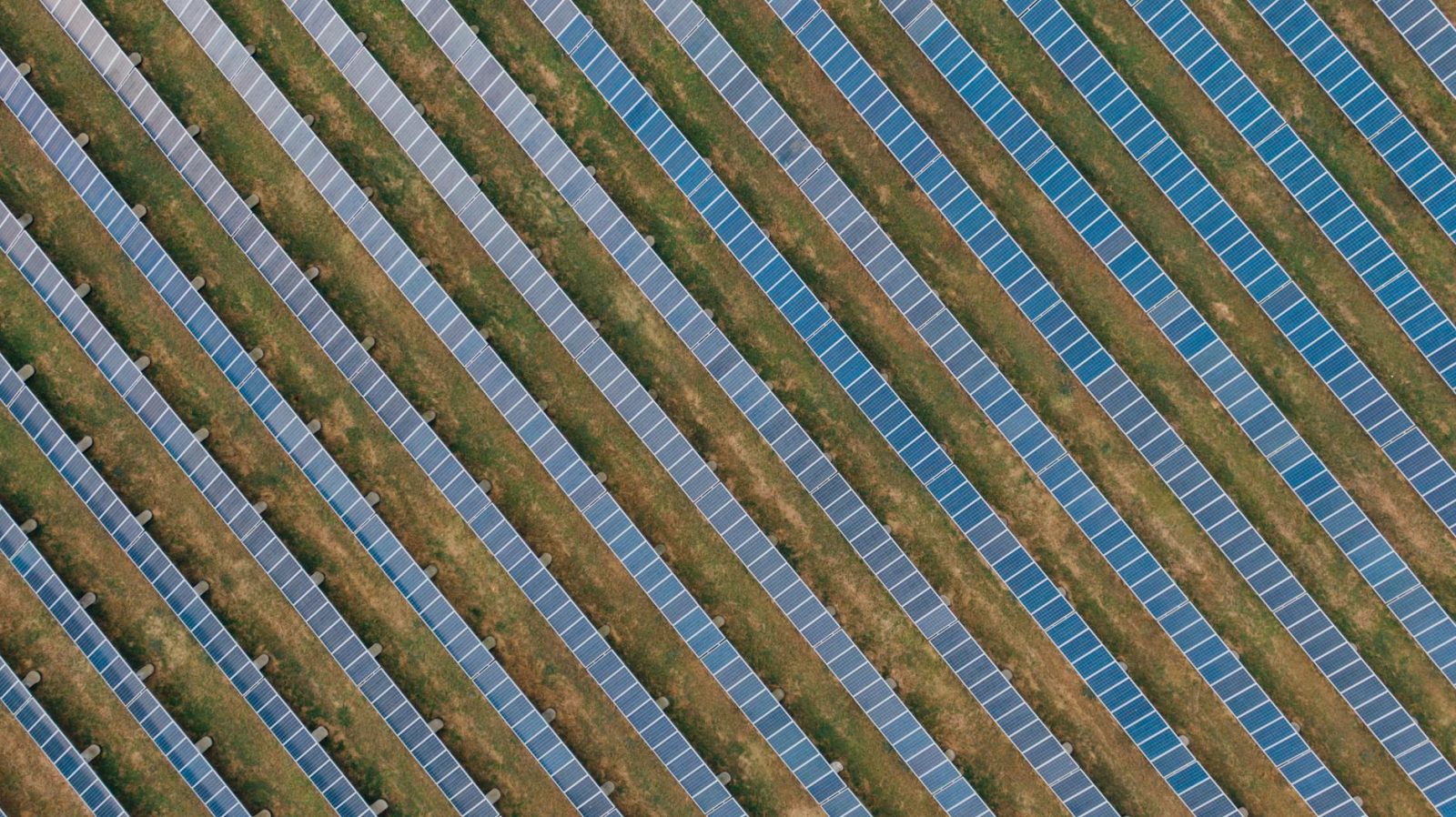
Swift Current Energy’s 800-megawatt (MW) Double Black Diamond Solar is up and running about 30 miles west of Springfield. It’s now the largest operating solar farm east of the Mississippi, and it’s set to make a serious dent in emissions while delivering clean energy to major customers, including the City of Chicago.
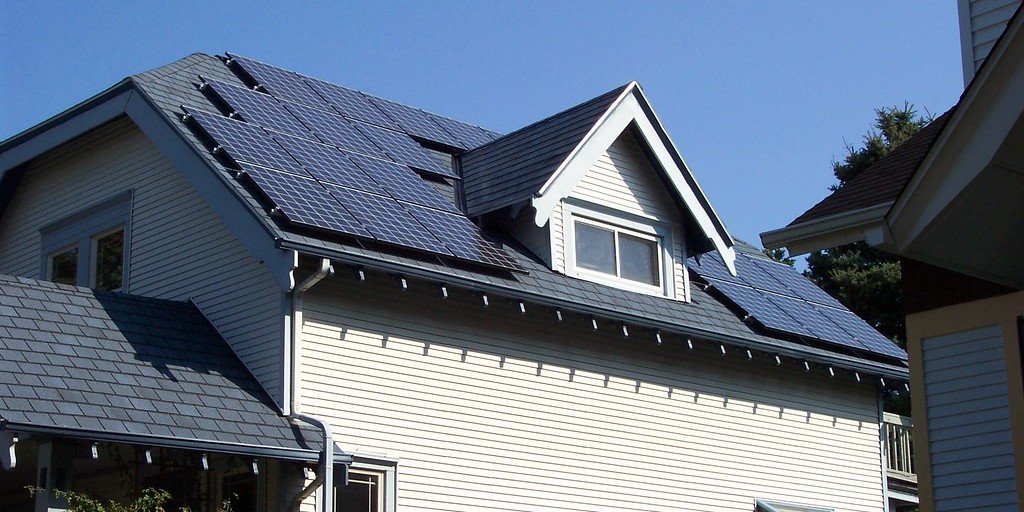
If you’ve been holding off on going solar, now might be the time to revisit that quote. According to EnergySage’s new Solar & Storage Marketplace Report, prices for both home solar and solar + storage reached record lows in the second half of 2024.
Pittsburgh International Airport (PIT), already the first airport in the US to be fully powered by a microgrid, is expanding its solar field with utility Duquesne Light Company (DLC) and solar owner and operator IMG Energy Solutions.
Solar and wind accounted for almost 98% of new US electrical generating capacity added in the first two months of 2025, according to new Federal Energy Regulatory Commission (FERC) data reviewed by the SUN DAY Campaign.
Thanks to Trump’s repeated executive order attacks on US clean energy policy, nearly $8 billion in investments and 16 new large-scale factories and other projects were cancelled, closed, or downsized in Q1 2025.
Utility Idaho Power has asked the Idaho Public Utilities Commission (PUC) to drastically slash the rates it pays rooftop solar customers for excess energy. This move could severely impact solar adoption in Idaho just as electricity rates are climbing.
Renewables and nuclear provided 40.9% of the world’s power generation in 2024, passing the 40% mark for the first time since the 1940s, according to a new global energy think tank Ember report.
Fossil fuels just hit a record low in the US electricity mix last month, while solar and wind soared to all-time highs, according to fresh data from global energy think tank Ember.
The US Environmental Protection Agency (EPA) has awarded ENERGY STAR certification to five additional Honda and Acura dealerships, recognizing them as among the most energy-efficient vehicle dealerships in the country and bringing Honda’s total number of 2025 awarded stores to seven – more than any other auto brand.
Lightsource bp’s 180 megawatt (MW) Prairie Ronde Solar in Louisiana is now online and generating enough power for the equivalent of around 31,000 homes.
Global energy demand spiked in 2024, driven largely by surging electricity use, according to a new report released today by the International Energy Agency (IEA). Electricity consumption jumped by nearly 1,100 terawatt-hours – a hefty 4.3% increase – nearly twice the annual average growth of the past decade.
This dramatic rise was largely fueled by the electrification of transportation, record-breaking global temperatures that ramped up cooling needs, coupled with increased industrial activity, and growing energy demand from data centers and AI applications.
By February 1, 2028, renewables would account for 37.4% of total available installed utility-scale generating capacity – just behind natural gas (40.2%) – with solar and wind making up more than 75% of the installed renewable energy capacity, according to data just released by the Federal Energy Regulatory Commission (FERC).
If the world covered every suitable roof with solar panels, it could supply 2/3 of humanity’s total electricity consumption – allowing the globe to transition completely off of fossil electricity generation, according to a new study out of the University of Sussex.