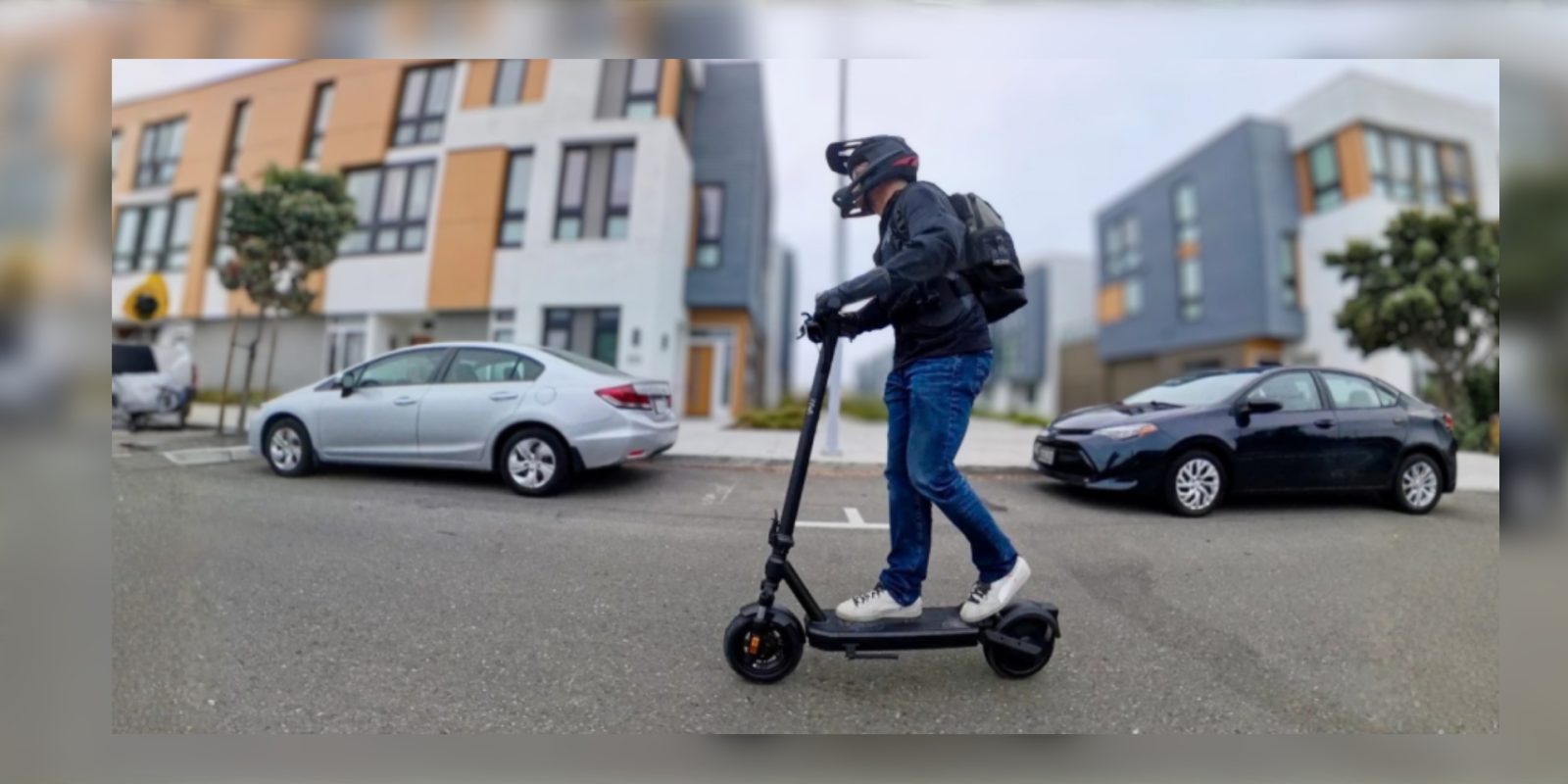
Paris is getting tougher on electric scooter safety, with new rules now requiring riders to wear both a helmet and a high-visibility vest while using their scooters on public roads.
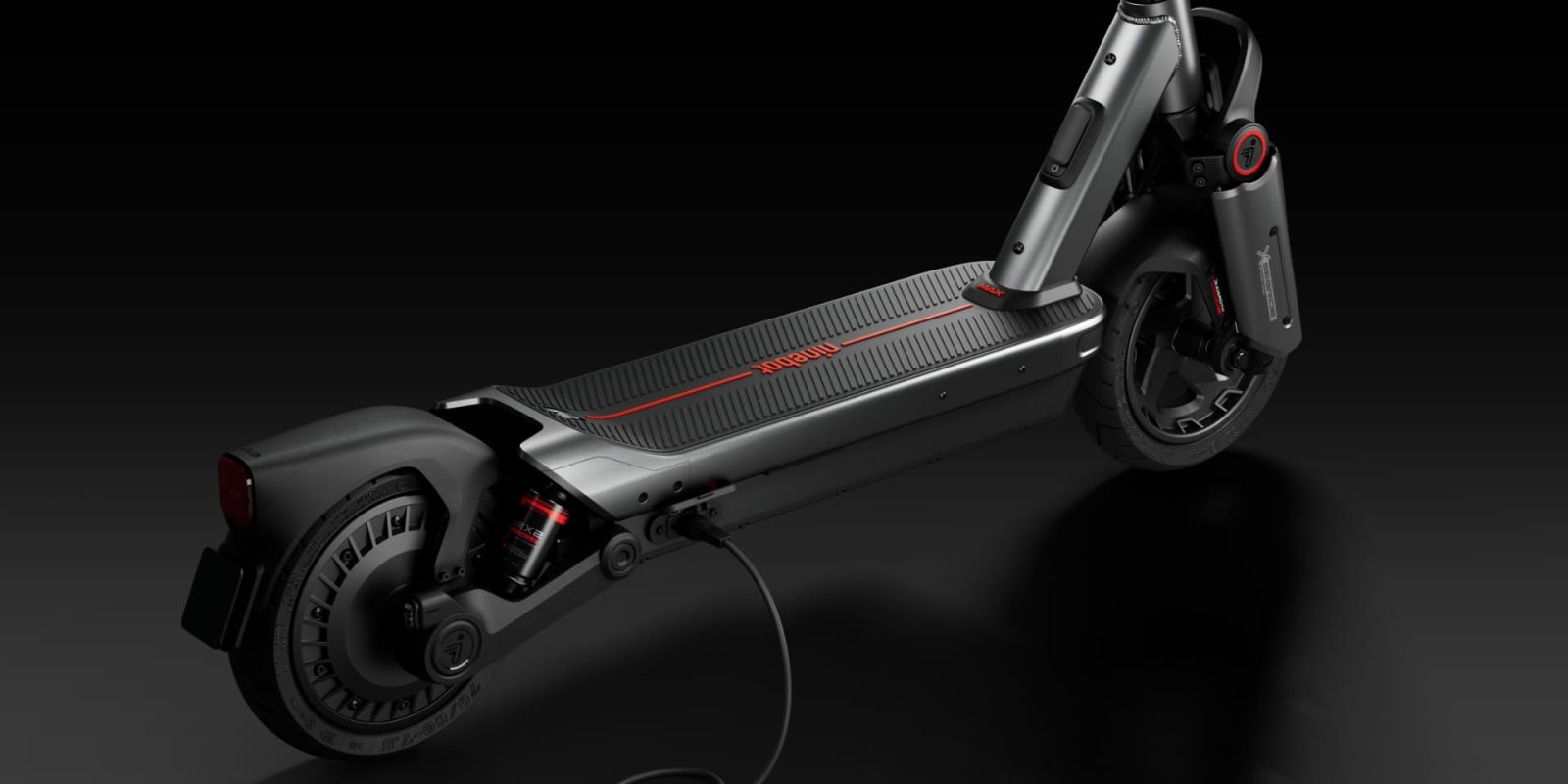
Segway is giving its flagship commuter scooter a big upgrade with the launch of the new MAX G3 Plus, adding a larger battery, improved safety features, and what the company says is a more honest way of measuring range.
The US electric two-wheeler market has no shortage of high-powered electric motorcycles and moped-style e-bikes. But if you’re looking for something in between – a practical, street-legal electric scooter built for everyday transportation rather than weekend thrills – your options are surprisingly limited.
That’s why the new HMP Lightning MK.II caught my attention.
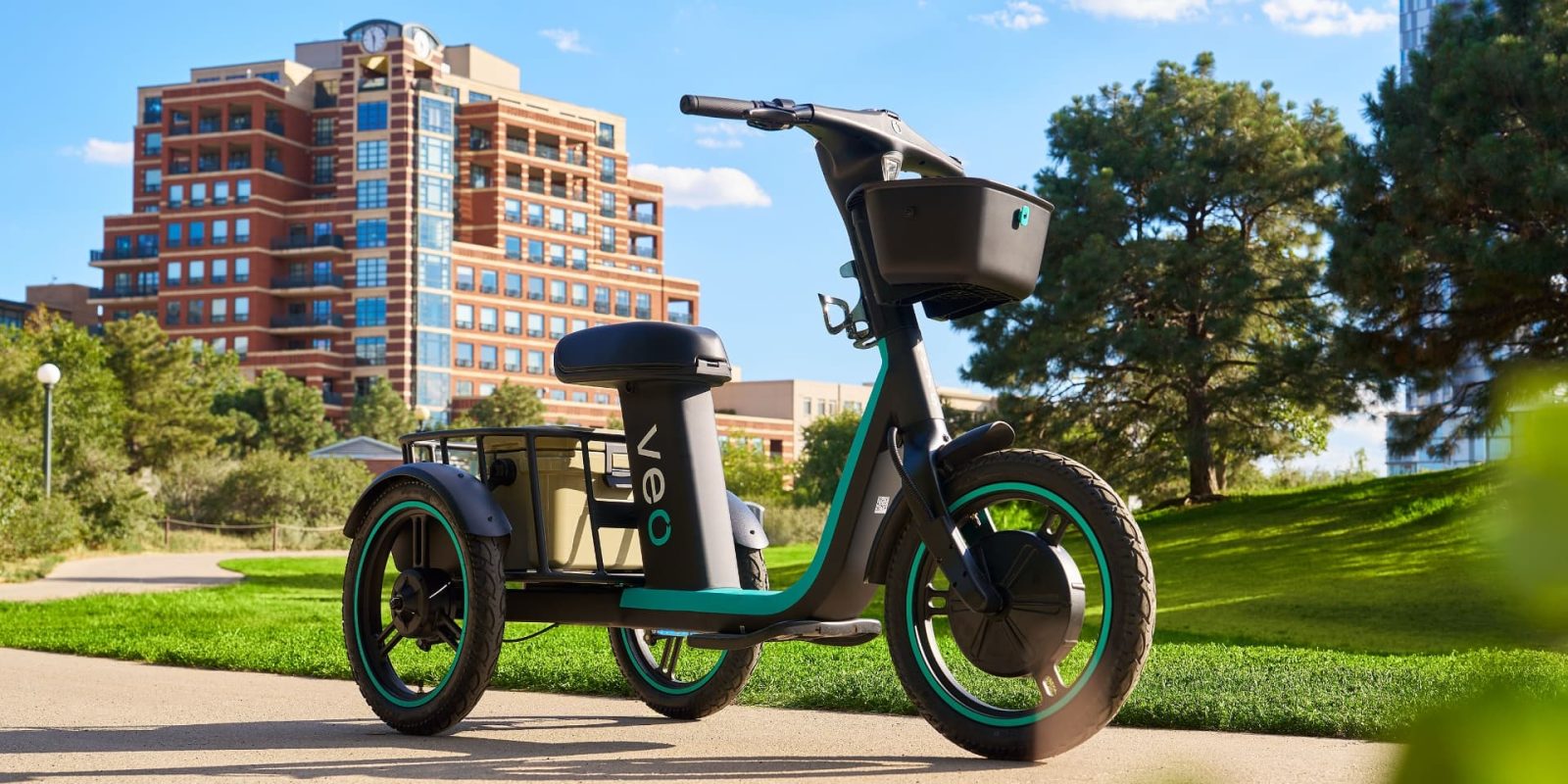
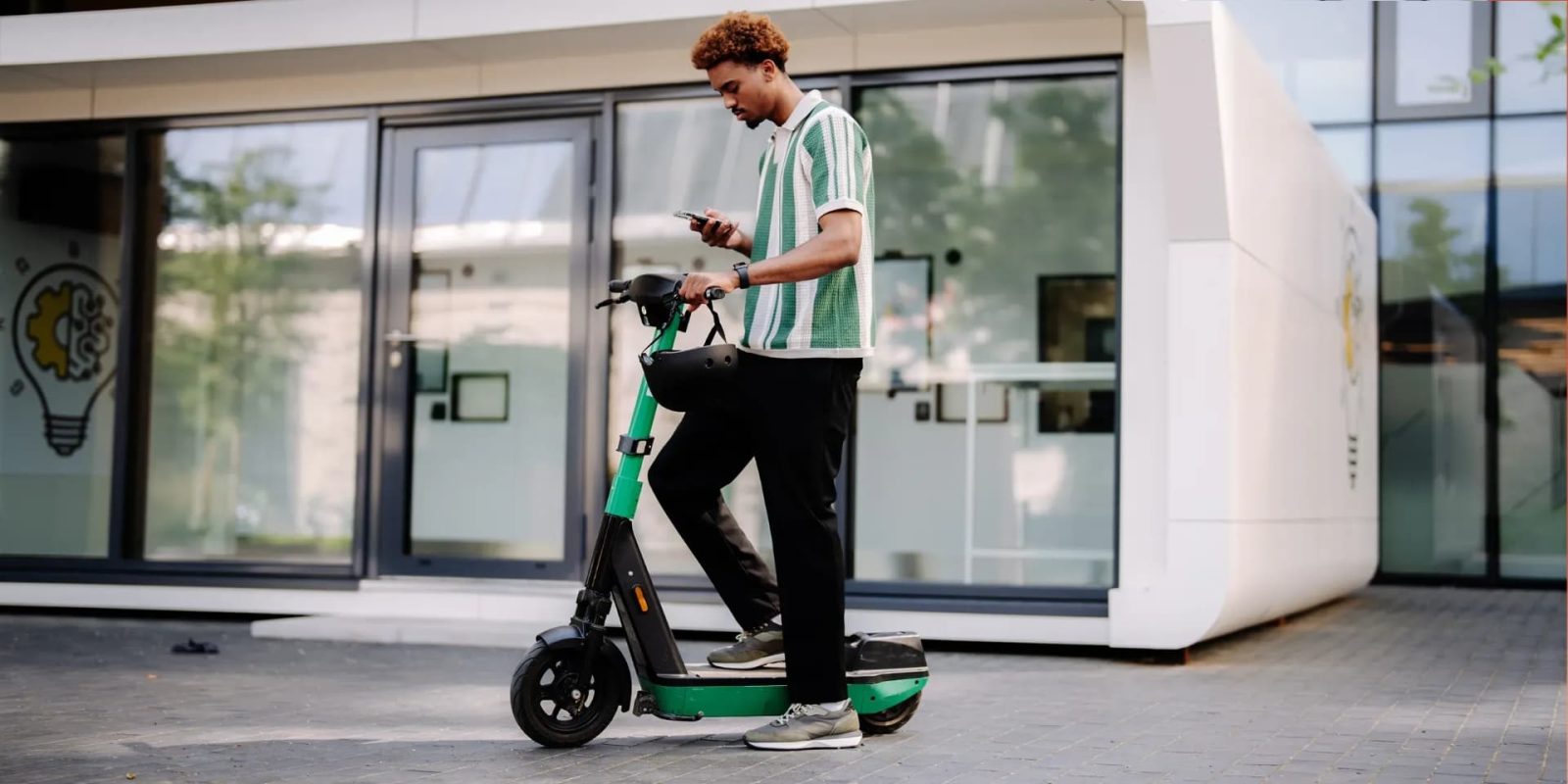
If you’ve spent any time in a city with shared micromobility, you’ve probably seen fleets of rental e-bikes and e-scooters waiting on street corners. But one company is betting that the next evolution of shared transportation isn’t just another bike or scooter – it’s an electric trike.
There are few recent advances in the transportation industry that have had as large of an impact on the shifting ways we travel around our cities than micromobility. I’m talking bikes, scooters, mopeds, self-balancing doo-hickeys, etc.
And there are a lot of hills I’m willing to die on in the micromobility world. But one of them is that we need to stop defining such vehicles by what they look like and start defining them by what they do.
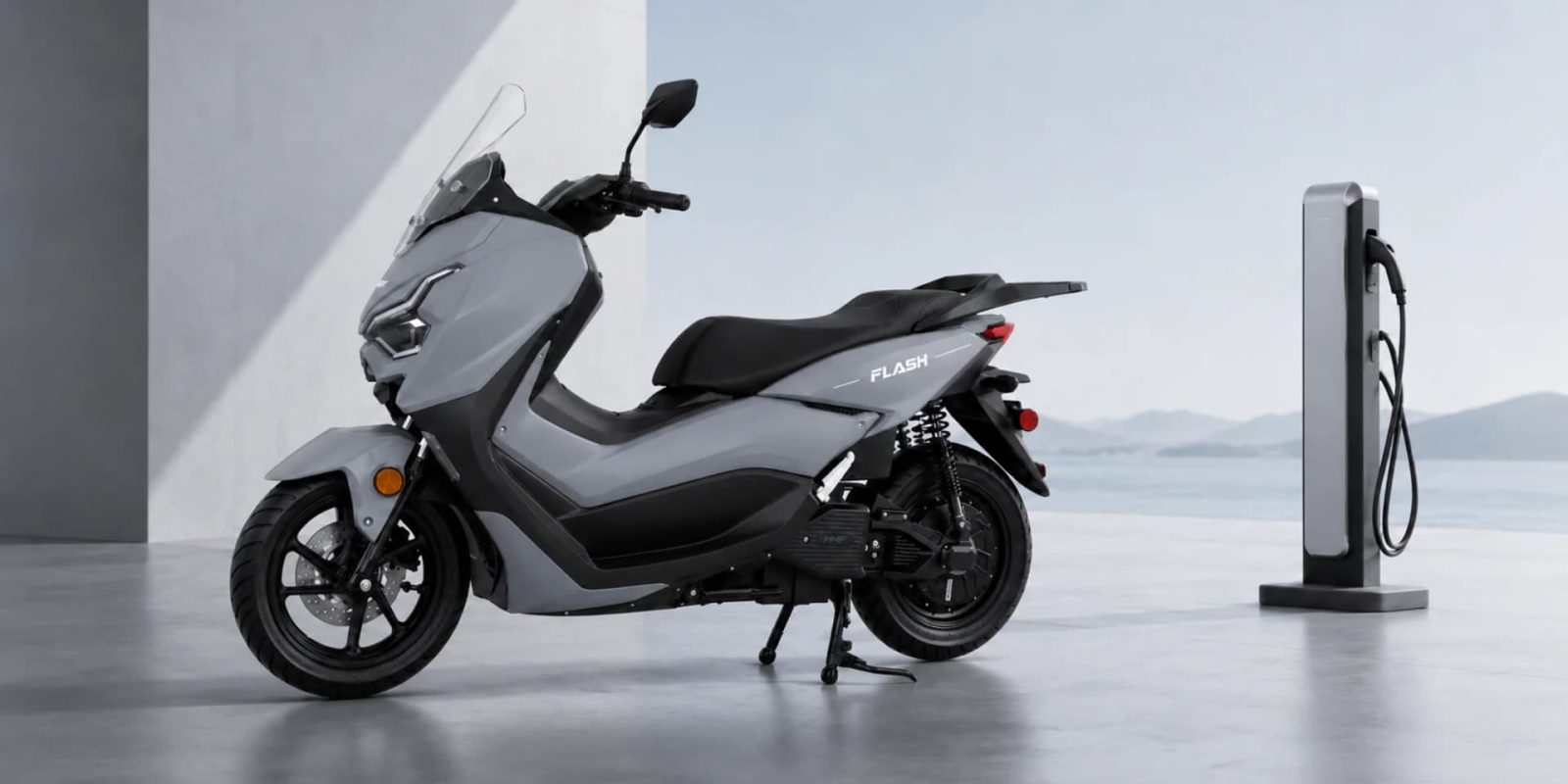
Electric scooters are everywhere in much of Europe and Asia, but they’ve always remained something of an oddity in the US market. While American riders have recently embraced electric bicycles and, to a measurably smaller extent, electric motorcycles, traditional seated scooters have struggled to gain traction in North America. Now San Francisco-based HMP Bikes is hoping to change that with its new HMP Flash, a high-performance electric scooter designed from the ground up for riders who rack up serious mileage.
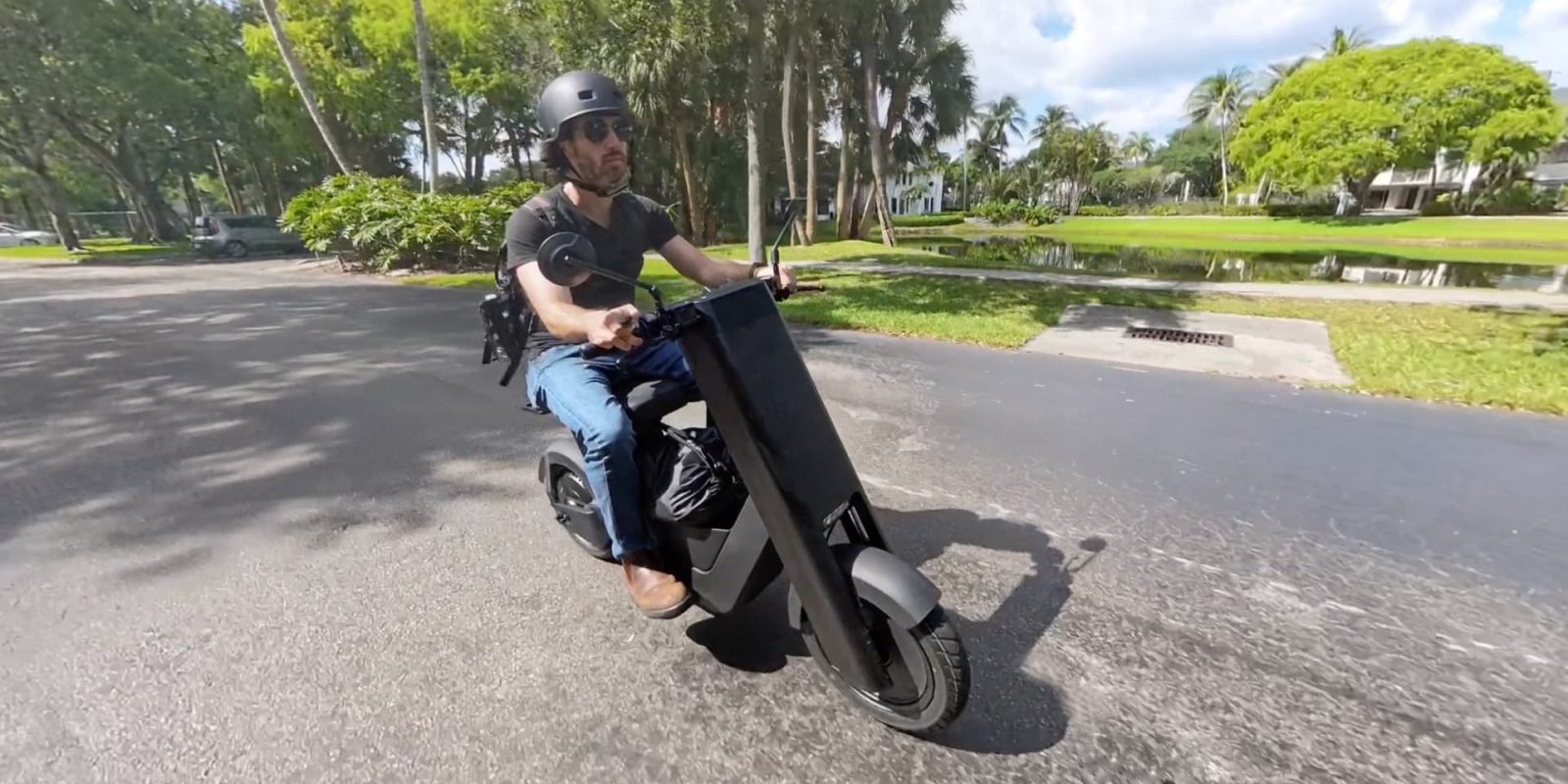
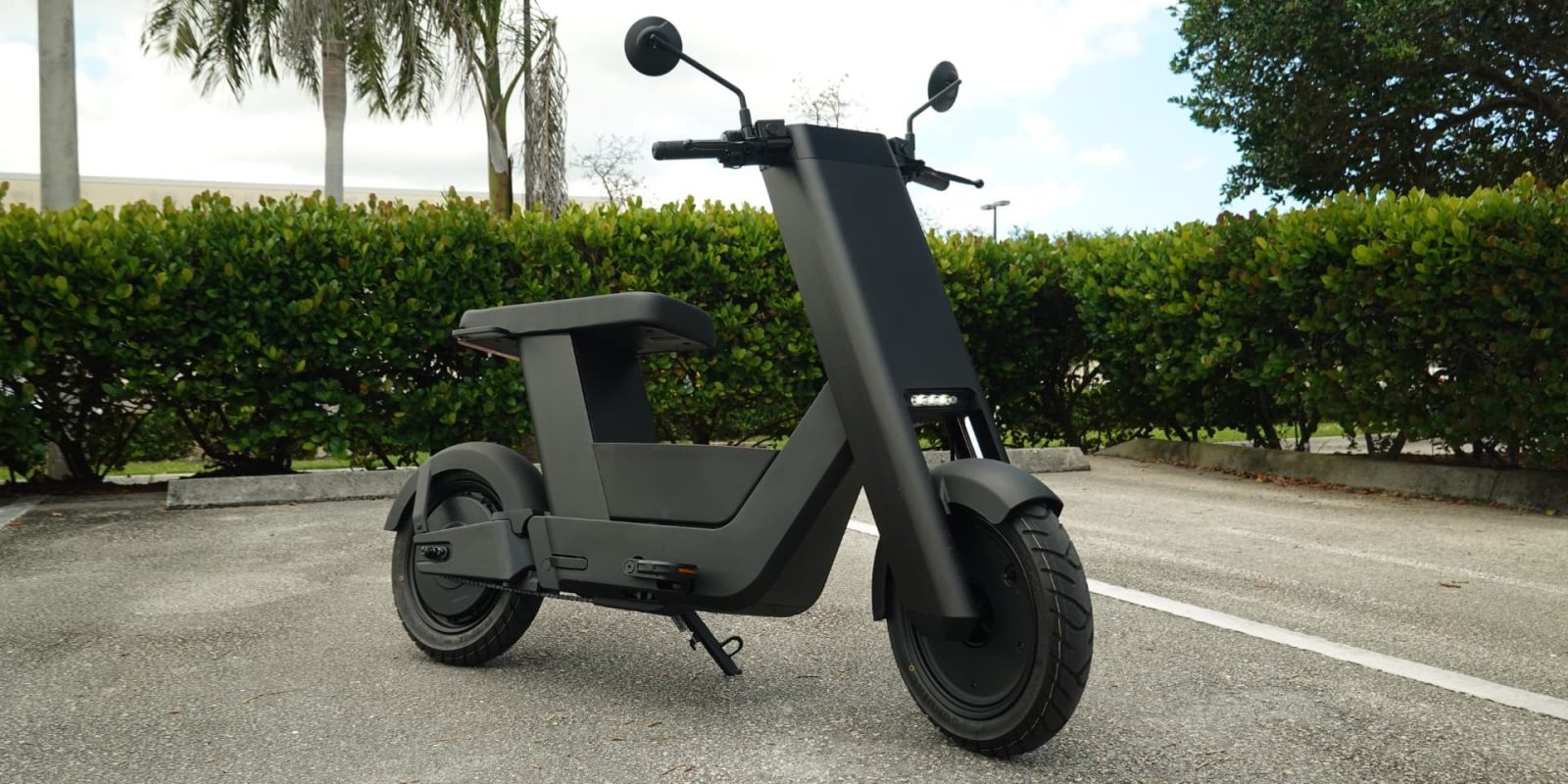
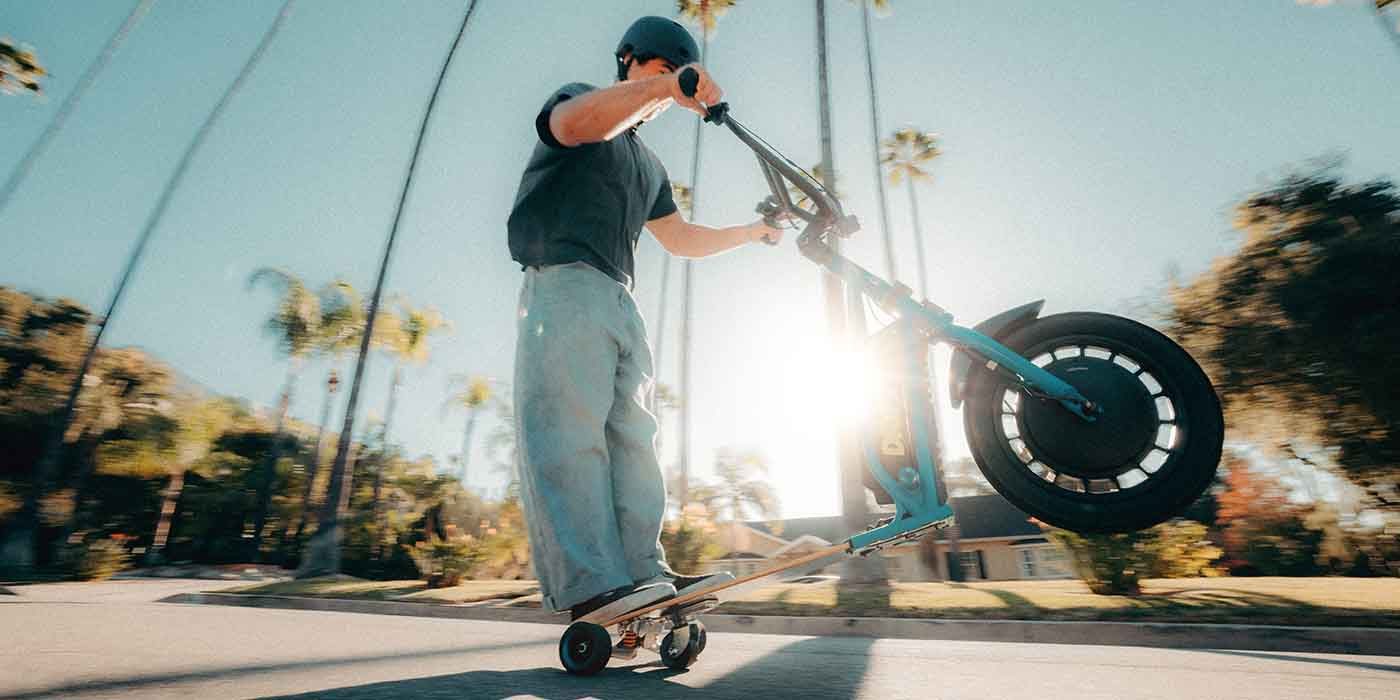
Every now and then, a company launches something that doesn’t fit neatly into any existing category. Not because it’s obscenely powerful or flaunts conventional safety, but just because it doesn’t fit the mold that we’ve grown accustomed to. That’s exactly what the Infinite Machine Olto is.
Call it an e-bike, call it an electric moped, call it a scooter with pedals – everyone is going to have a different opinion. But after spending several weeks riding the Olto around town, I can confidently say one thing: it’s unlike anything else currently on the market.
Germany is preparing to tighten the rules governing shared electric scooters, proposing new legislation that would make rental operators like Lime and Bolt directly liable for damages caused by their vehicles.
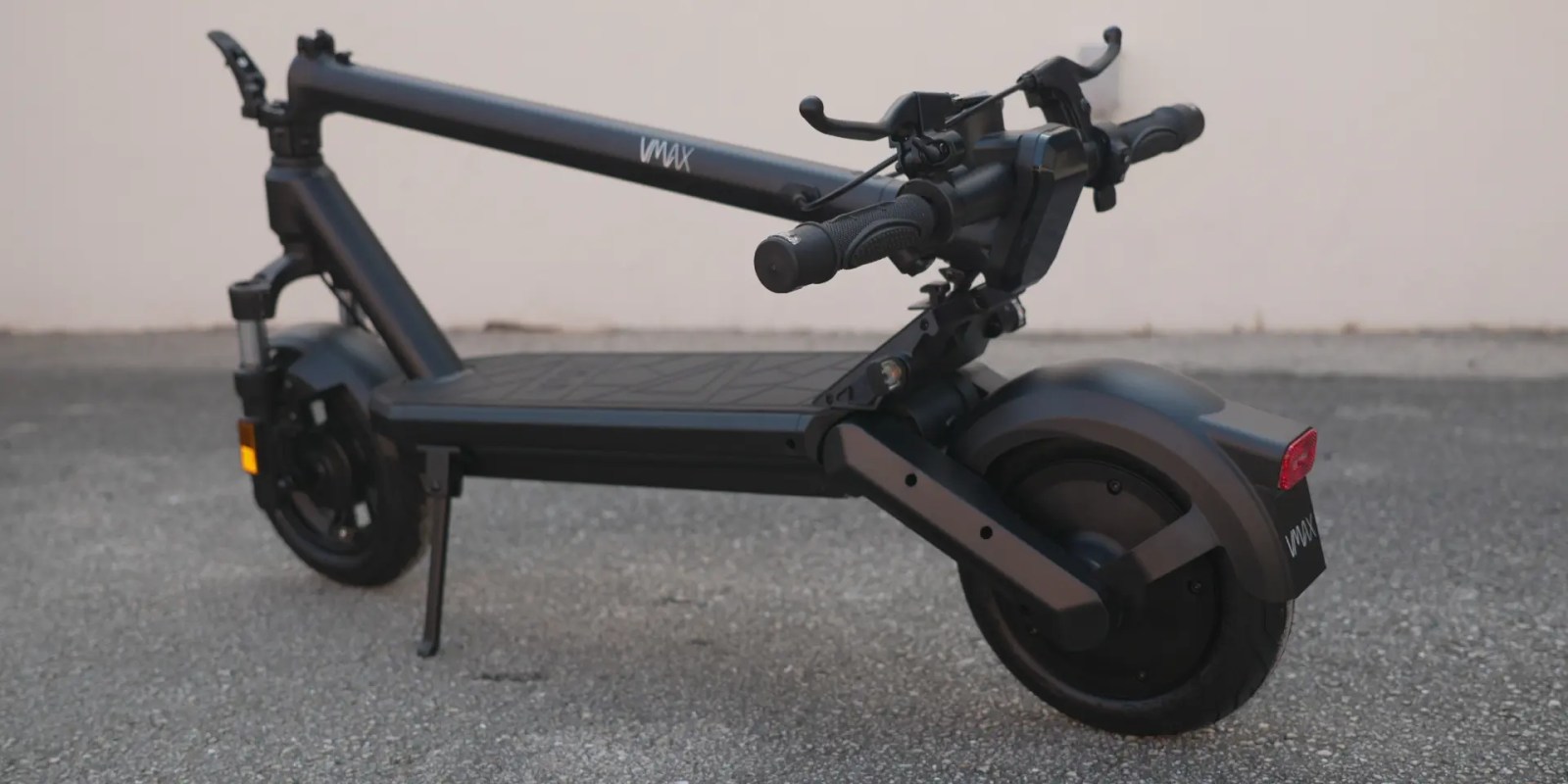
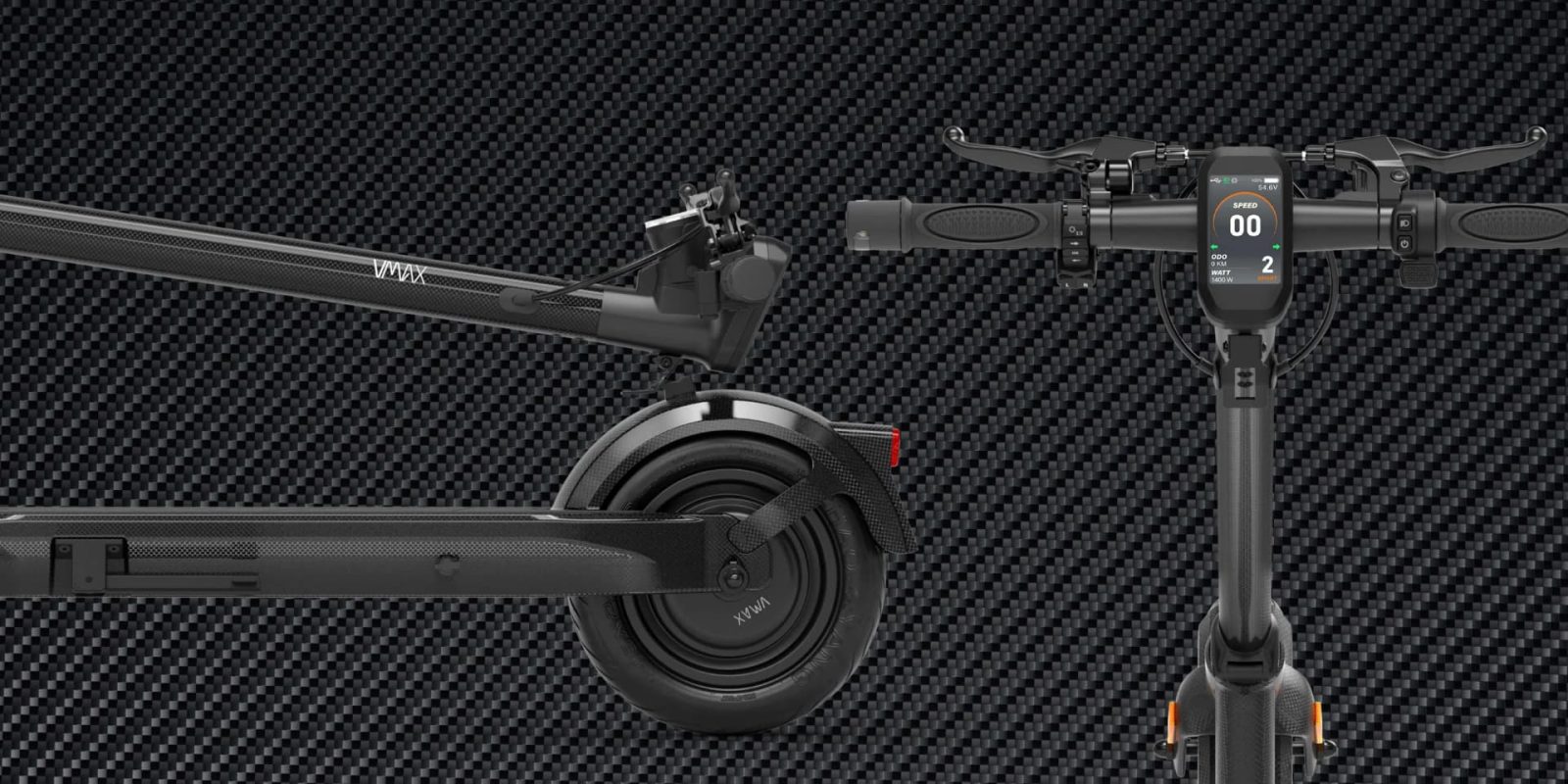
Swiss electric scooter maker VMAX has launched the new VX2 Lite, a commuter-focused electric scooter that packs premium features like full suspension, a 56-mile (90 km) maximum range, and up to 1,400W of peak motor power into a relatively lightweight package.
As communities across the US continue grappling with the rapid rise of electric bikes and scooters, one Oregon sheriff’s office is introducing a new tool designed to help identify trouble spots before someone gets hurt.
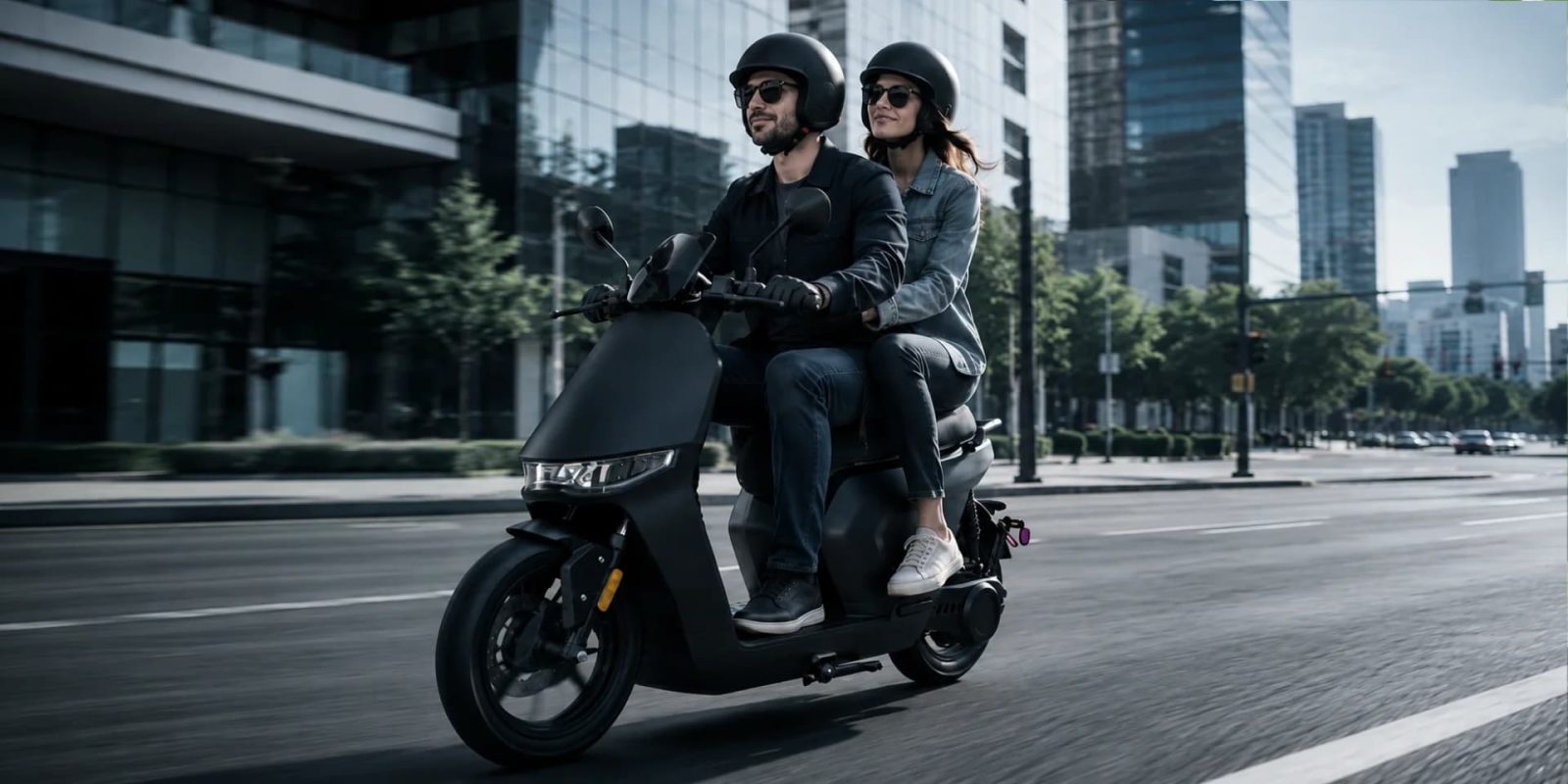
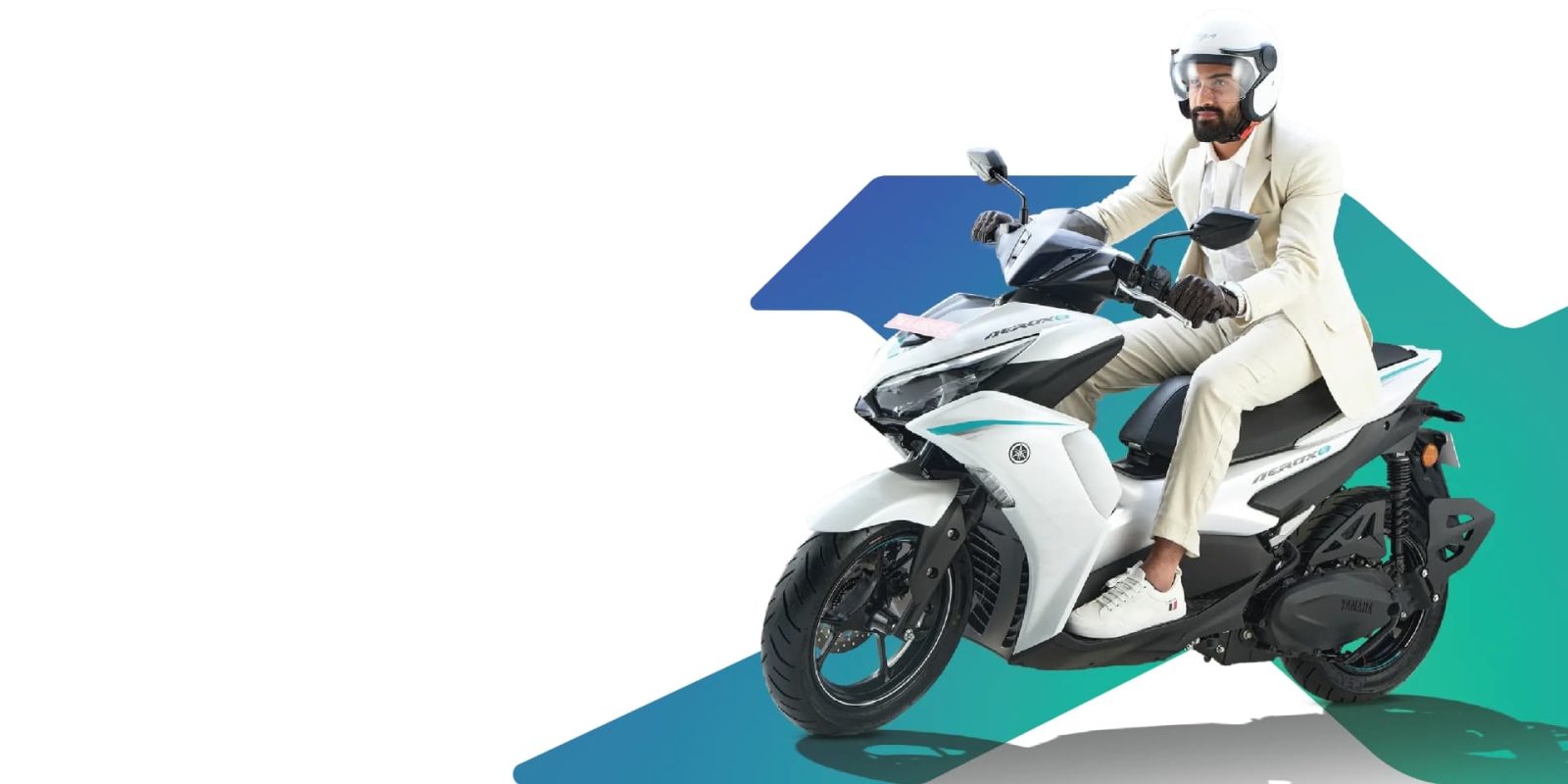
Yamaha has officially entered India’s increasingly competitive premium electric scooter market with the launch of the new Aerox-E, an electric version of its popular sporty maxi-scooter. Rather than chasing outright affordability, Yamaha is targeting riders looking for performance-focused urban transportation with premium features.
That has resulted in a more premium scooter, but also one of the highest scooter price tags in the country.
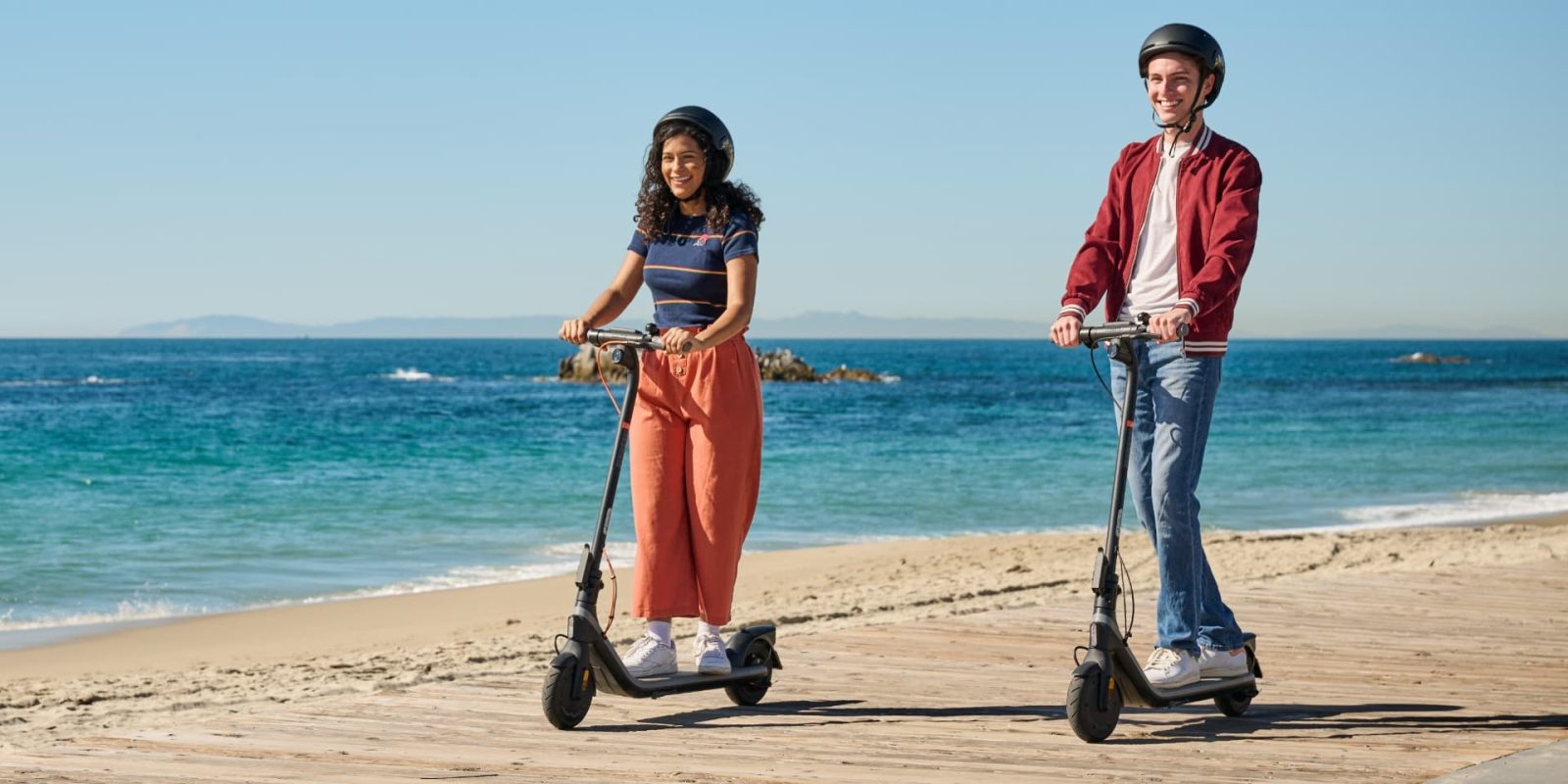
Segway has announced a milestone that might be easy to gloss over at first glance, but that actually says a lot about where micromobility is headed: the company has now sold more than 1 million units of its Ninebot E2 series electric scooters worldwide.
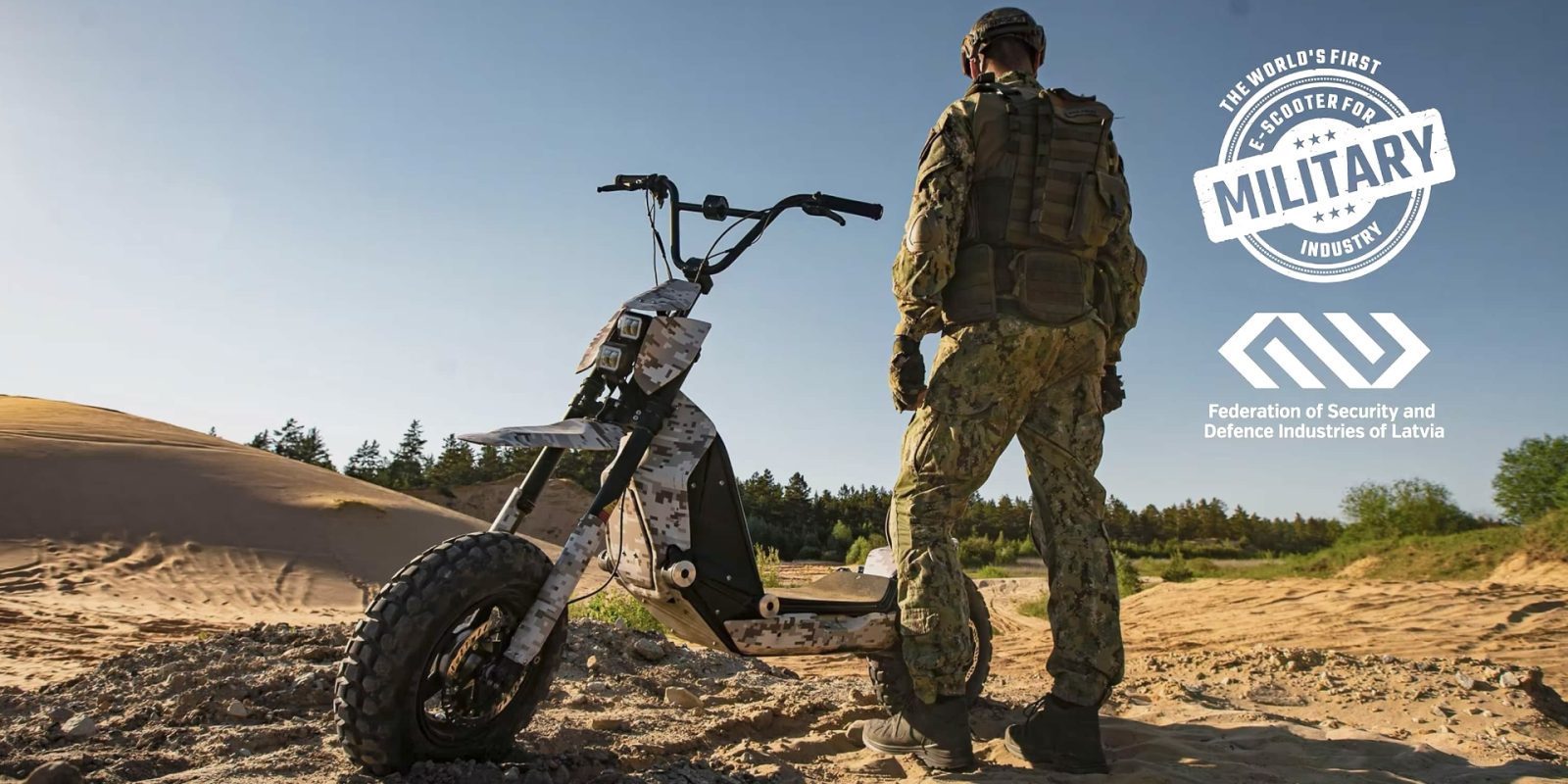
Electric scooters aren’t usually the first thing that comes to mind when you think of front-line military equipment. But in Ukraine, a unique class of rugged, high-powered electric scooters is quietly carving out a role in modern warfare.
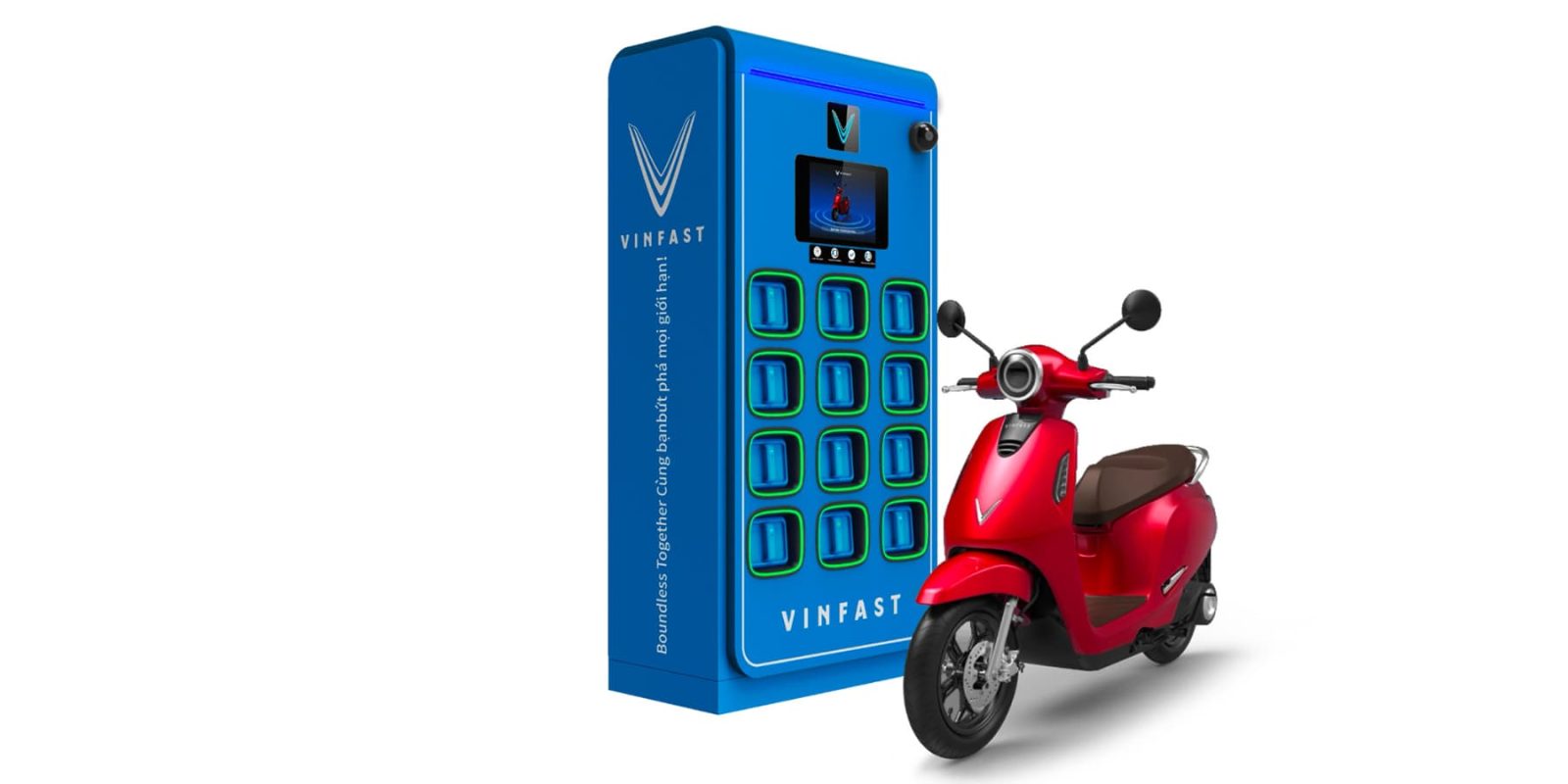
VinFast is making a bold push to electrify two-wheeled transport in Vietnam, with plans for a nationwide expansion of its electric scooter lineup alongside an ambitious battery swapping network that could reshape how riders think about charging.
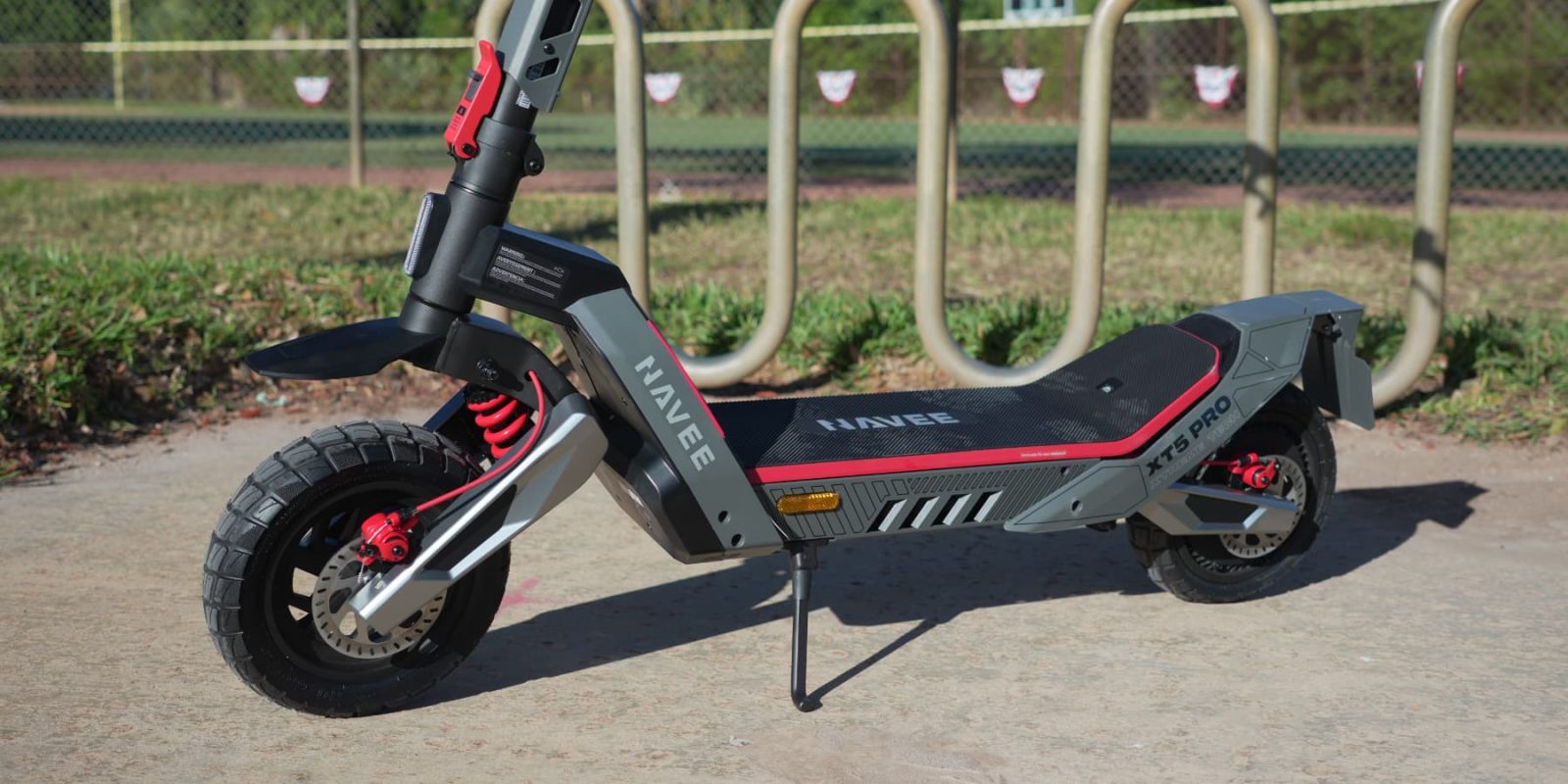
After spending some time riding and testing the Navee XT5 Pro electric scooter, I came away with a pretty clear impression: this thing is unapologetically built for speed, comfort, and stability, but not portability. And I’m okay with that – so long as you know what you’re signing up for.
Spend enough time in the e-bike world, and you’ll start to notice something strange: a huge amount of how we regulate micromobility comes down to one simple question – does it have pedals? That might have made sense a decade ago, but today it’s starting to look increasingly outdated.
And to be clear, this isn’t about whether having pedals is a requisite for being considered an electric bicycle. It surely is. Rather, I think the bigger question here is this: Should it even matter?
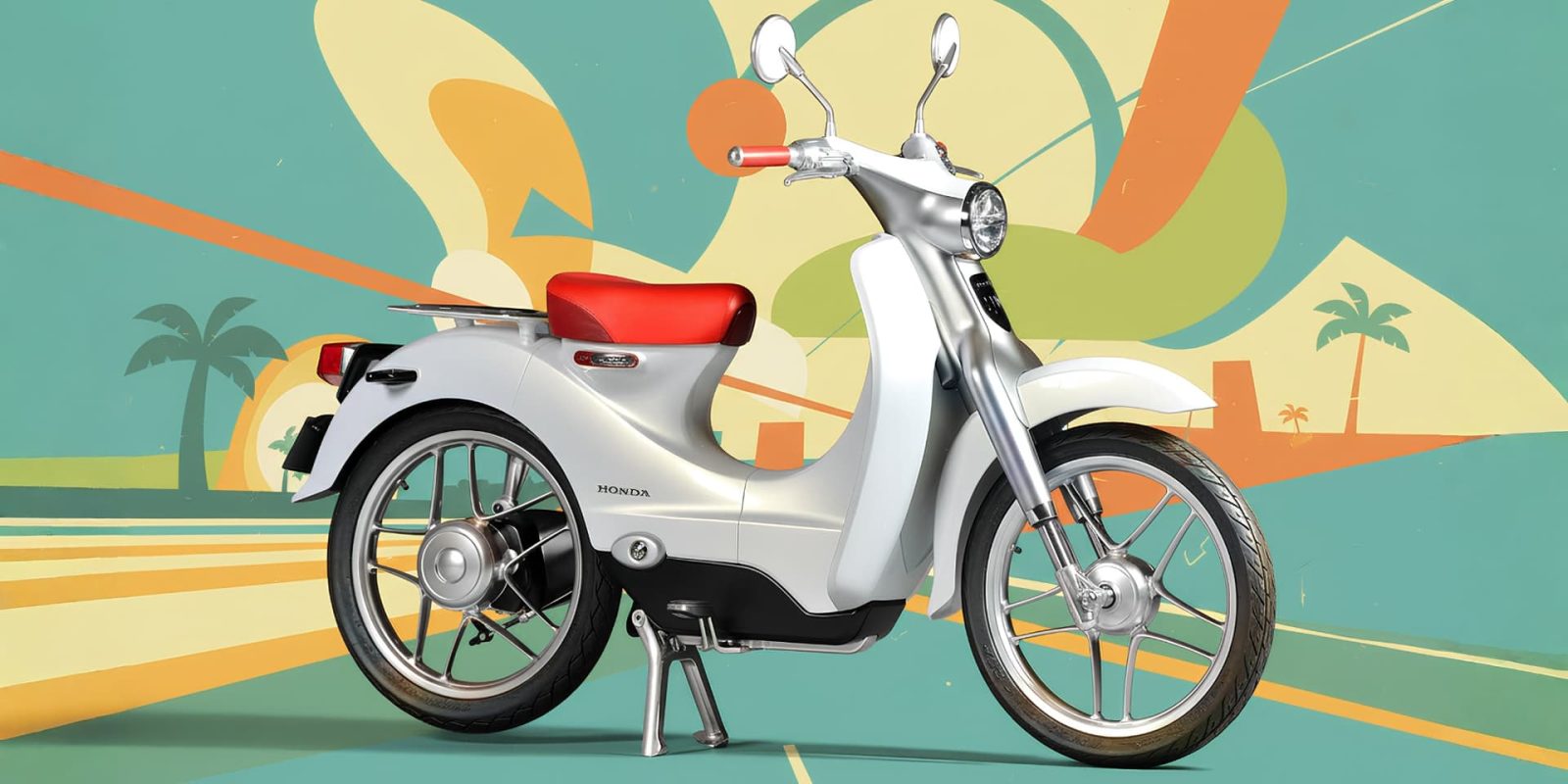
For years now, riders have been asking the same question: When is Honda finally going to give us a true-to-form electric Super Cub?
The gasoline-powered Honda Super Cub isn’t simply another small bike in the long history of mopeds and light motorcycles. It’s the best-selling motor vehicle in history, with more than 100 million units produced since its 1958 debut. The Cub helped motorize post-war Japan, democratized two-wheeled transport across Southeast Asia, and even carved out a cult following in the US with its step-through frame and famously approachable design. It’s not an exaggeration to say that the Super Cub is one of the most important vehicles ever built.
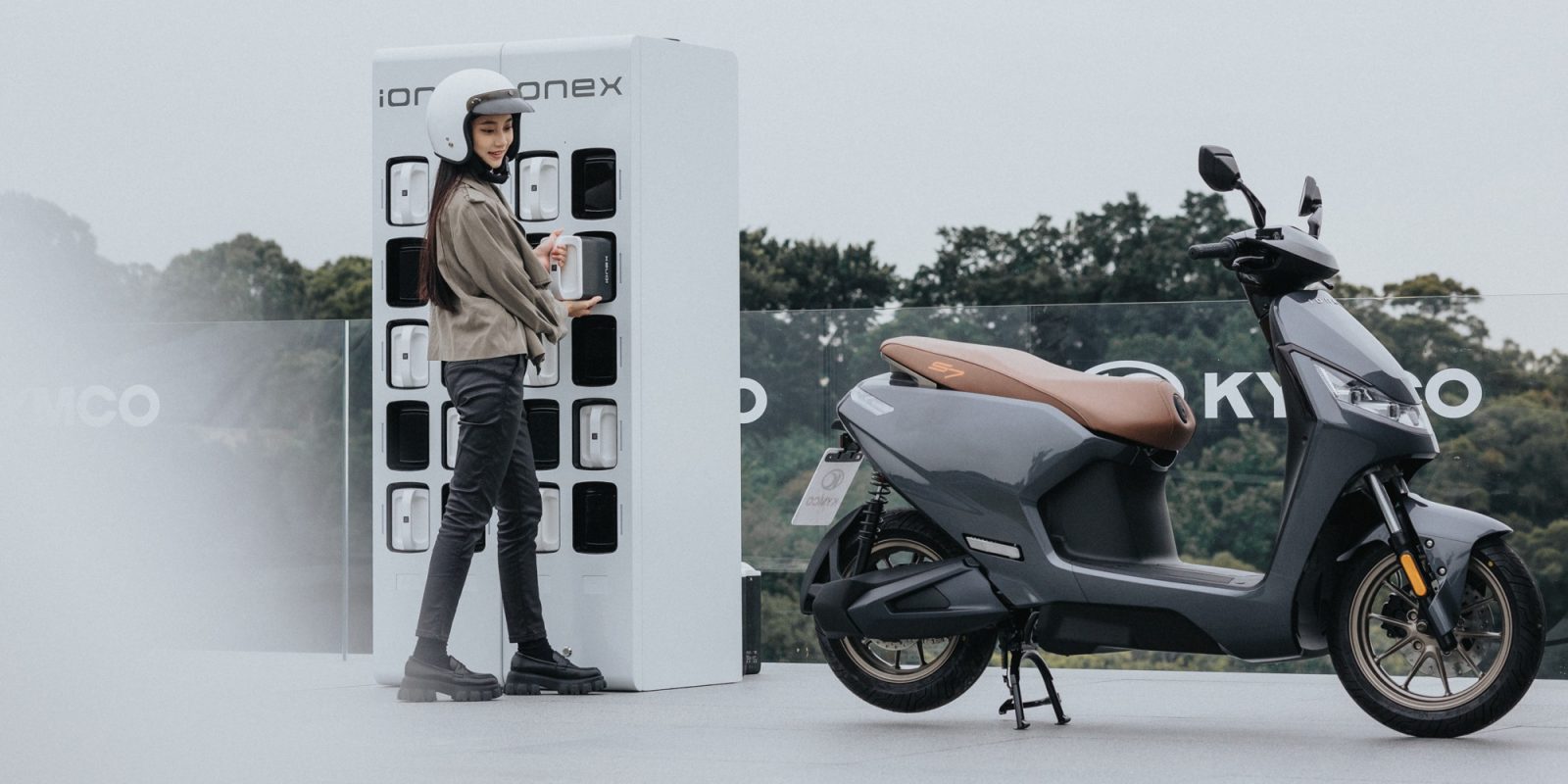
If you’ve ever stood at a red light in Taipei, you know that when it turns green, it’s not just cars that surge forward – it’s a tidal wave of scooters. In Taiwan, scooters are a way of life, outnumbering cars by roughly two to one. That also means they represent one of the country’s biggest transportation-related pollution sources.
So Taiwan decided to do something about it: pay people to switch.
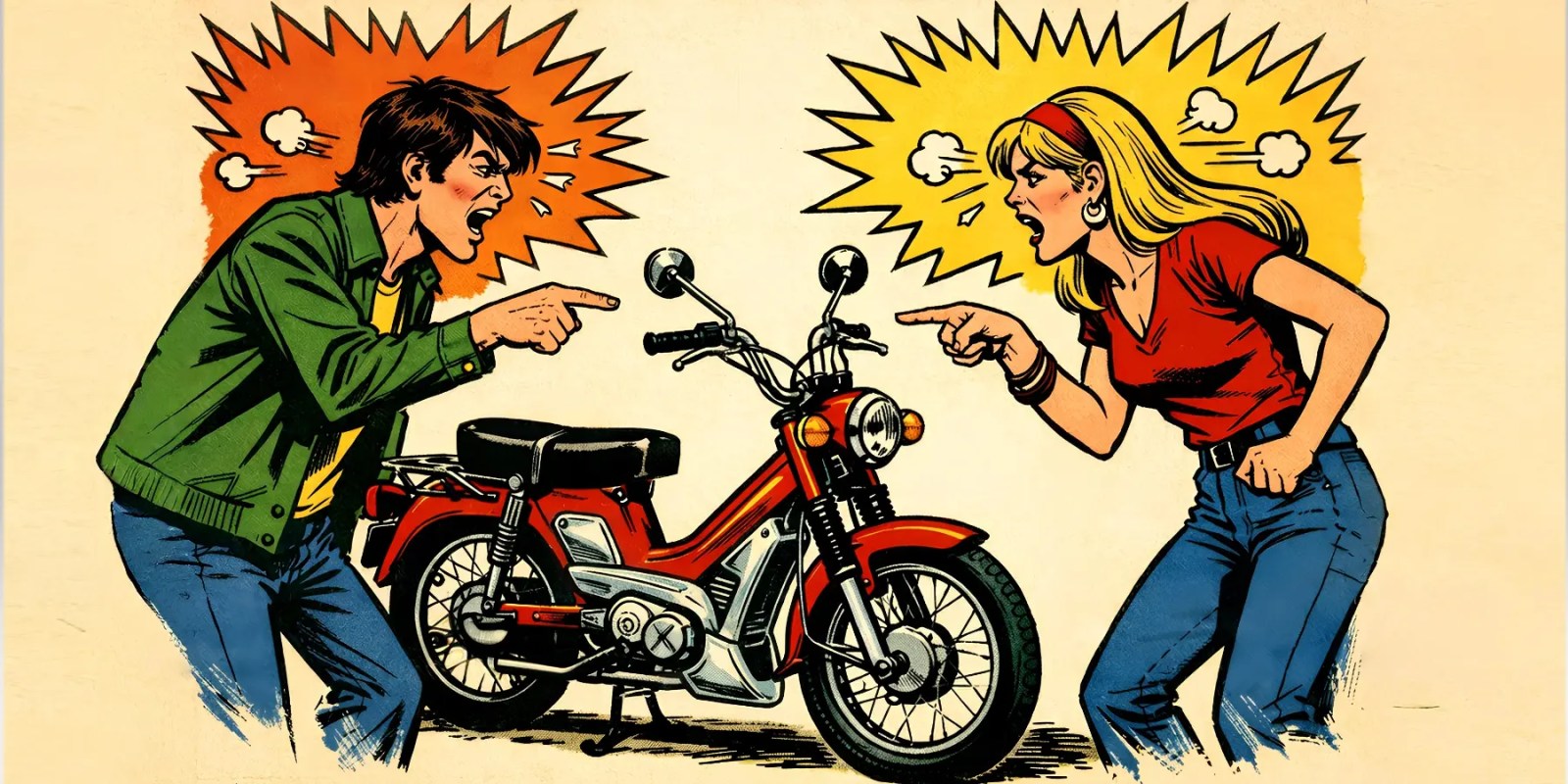
There’s a surprisingly strong debate long-swirling around the term “moped.” For a word that started as a simple mashup of “motor” and “pedal,” moped has caused an outsized amount of contention. Now, with the prevalence of a new age of light electric two-wheelers, that debate has only grown.
What began as a literal description of a pedal-equipped motorbike has, over the decades, evolved into something broader – from legal definitions to common usage. That evolution hasn’t sat well with everyone. So let’s talk about what a moped was, what it became, and why insisting that language remain stuck in time might be missing the bigger picture.
Swiss e-scooter maker VMAX came out of CES 2026 swinging, unveiling three new electric scooters that span the spectrum from ultra-light commuter to full-on high-performance “why does this go 50 mph?” territory. And unlike some CES announcements that feel more like vaporware than vehicles, these new models are built for real riders with very different needs.
I’ve ridden a lot of electric scooters over the years, and many of them blur together. Plenty are fast. Many are powerful. Some look aggressive. But only a handful manage to combine all of that with a ride that actually feels polished and confidence-inspiring. After spending real time riding the Apollo Phantom 2.0 (52V version), it’s clear this scooter sits firmly in that top tier.
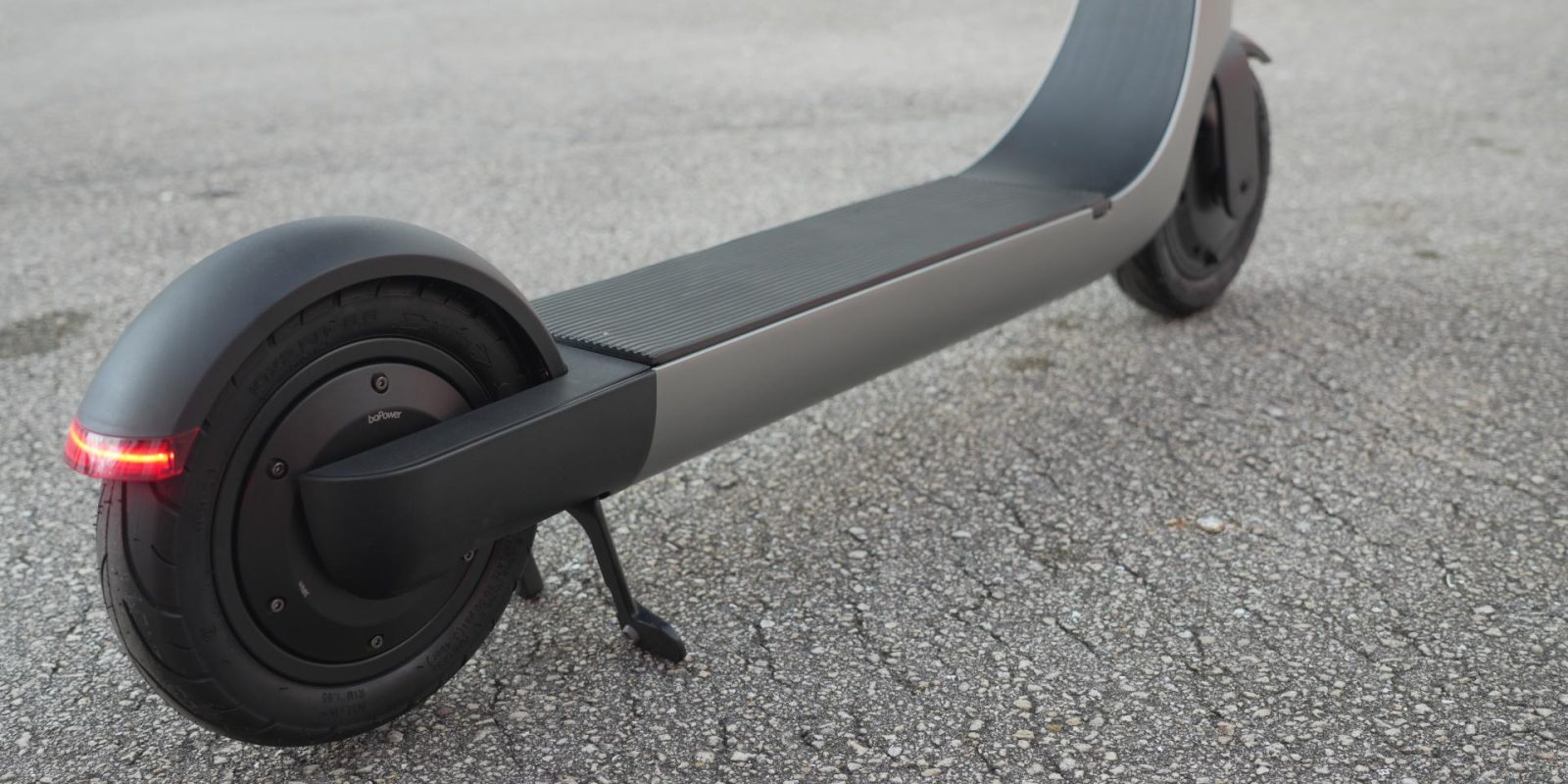
I’ve ridden a lot of electric scooters over the years. Most blur together – two wheels, a deck, a motor, and a series of compromises. But every now and then, one stands out. And after a couple of weeks riding the Bo M2 electric scooter, I can confidently say: this one’s different.
The Bo M2 is not your average e-scooter. It’s a purpose-built, premium commuter with some seriously refined features – and a price tag to match. At $2,490, it’s firmly in high-end territory. But for riders who want a serious transportation tool, not a toy, there’s a lot to like here.
Scooters have never really had their moment in the US the way they have in Europe or much of Asia (despite the few fun-loving Vespas clubs here and there). A mere ocean away in Europe, a scooter is just basic transportation – a smart, efficient, dead-simple way to navigate a city. But in the US, scooters tend to get ignored by car folks and lumped into the “not really a motorcycle” category by bike folks.
Yamaha is doubling down on urban electrification in Japan with the launch of its new Jog E electric scooter – and in a twist that we’ve been waiting years to see, it runs on Honda’s Mobile Power Pack e: swappable batteries.