Tampa is bringing back one of the most generous e-bike incentive programs in the country, and for some residents, it could mean up to $3,000 off the cost of a new electric bike.
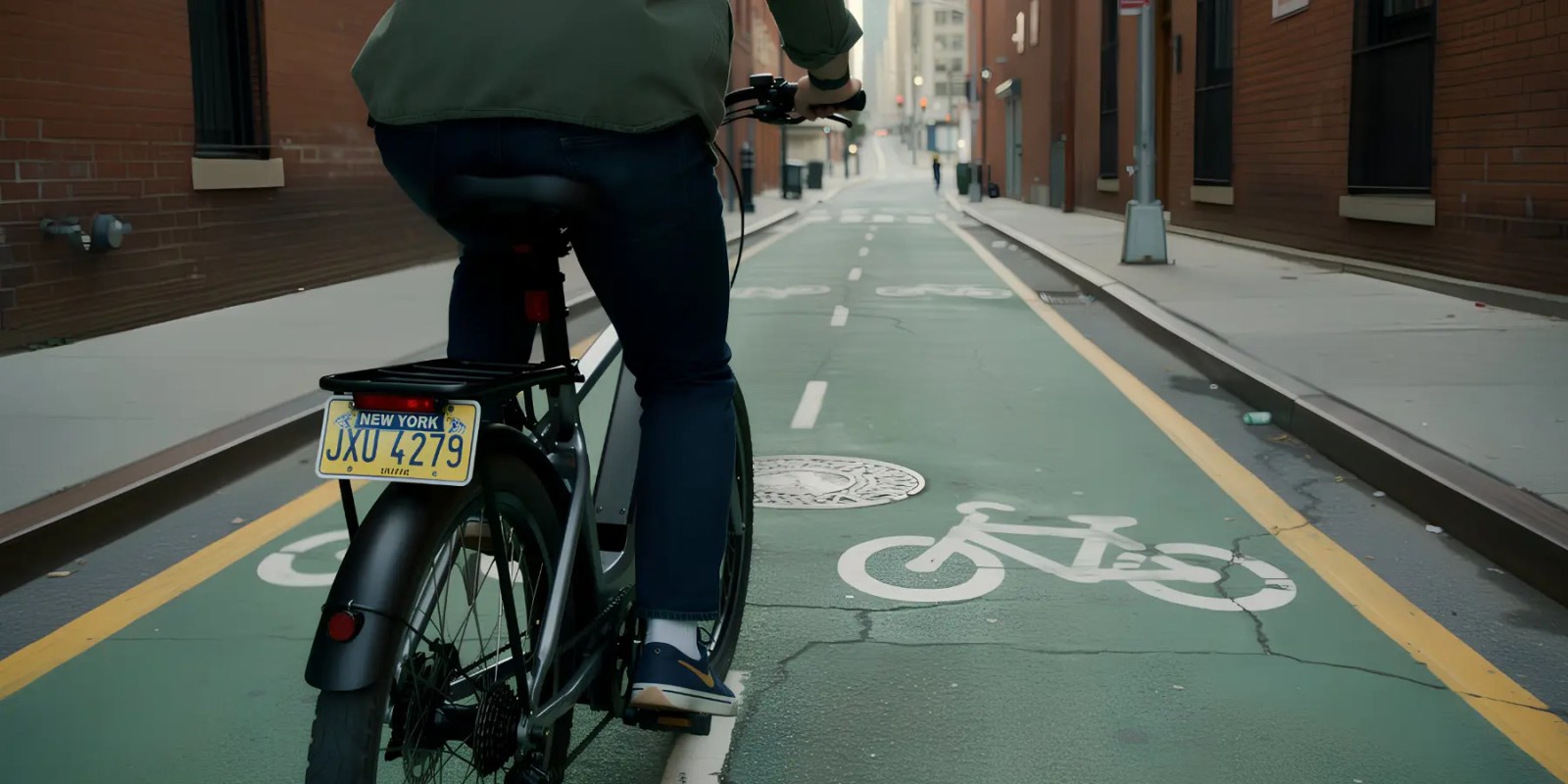
Last week, news of California lawmakers attempting to require license plates for electric bicycles took the internet by storm. But the Golden State isn’t the only one trying to slap tags on e-bikes this year.
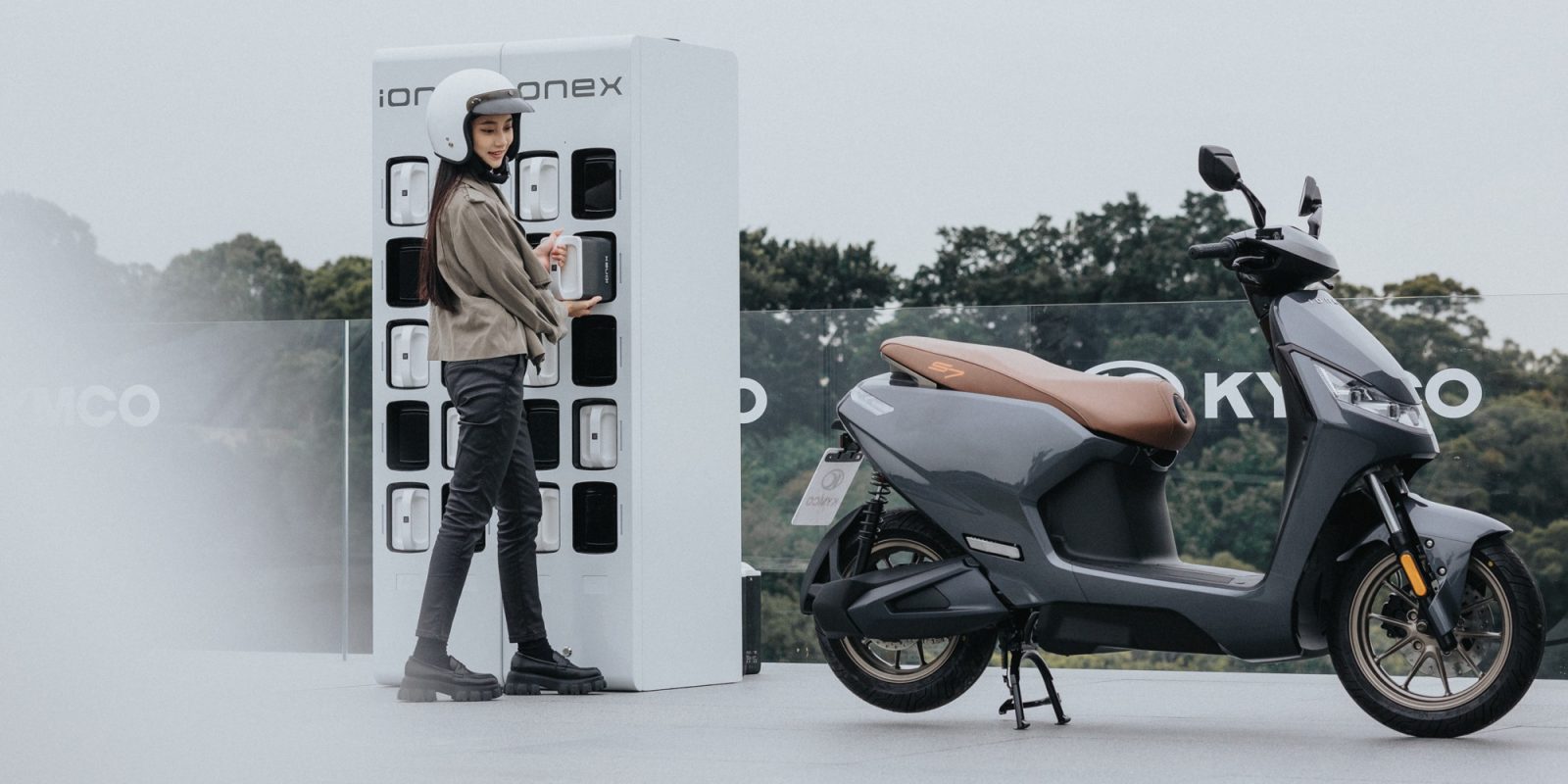
If you’ve ever stood at a red light in Taipei, you know that when it turns green, it’s not just cars that surge forward – it’s a tidal wave of scooters. In Taiwan, scooters are a way of life, outnumbering cars by roughly two to one. That also means they represent one of the country’s biggest transportation-related pollution sources.
So Taiwan decided to do something about it: pay people to switch.
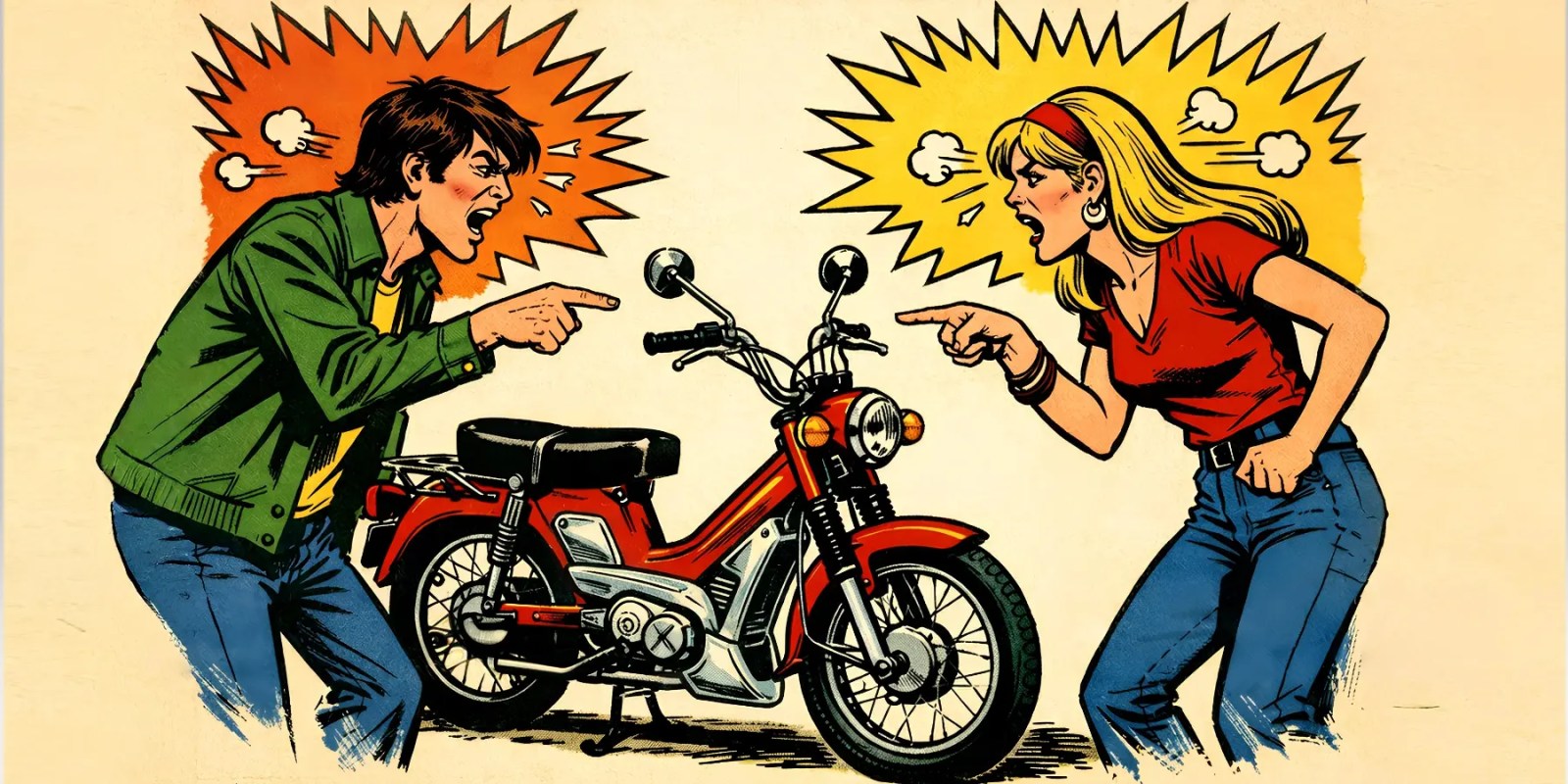
There’s a surprisingly strong debate long-swirling around the term “moped.” For a word that started as a simple mashup of “motor” and “pedal,” moped has caused an outsized amount of contention. Now, with the prevalence of a new age of light electric two-wheelers, that debate has only grown.
What began as a literal description of a pedal-equipped motorbike has, over the decades, evolved into something broader – from legal definitions to common usage. That evolution hasn’t sat well with everyone. So let’s talk about what a moped was, what it became, and why insisting that language remain stuck in time might be missing the bigger picture.
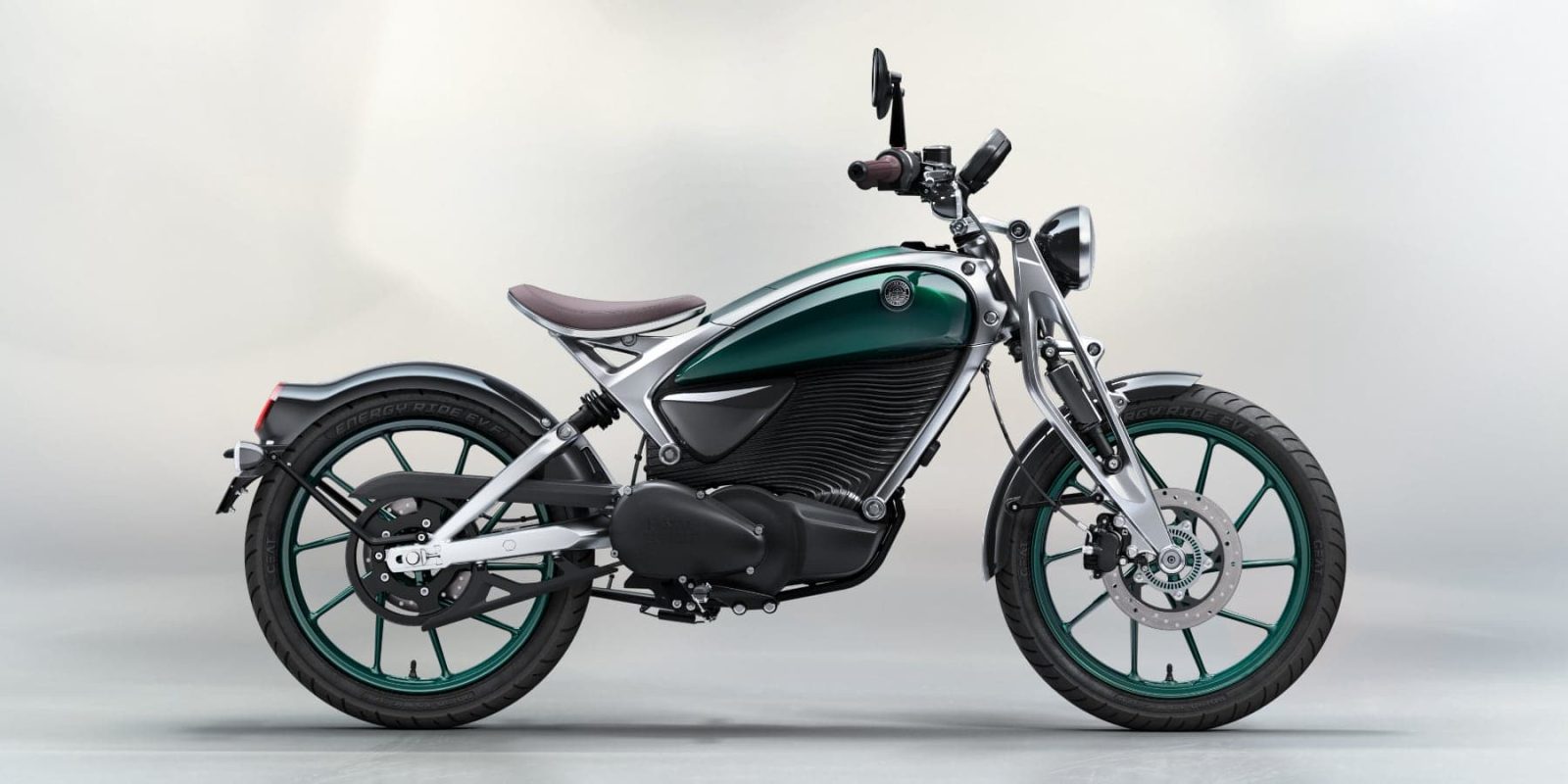
Royal Enfield’s first electric motorcycle is looking increasingly production-ready. The upcoming Flying Flea C6 (FF C6) has now been spotted testing in Chennai completely undisguised, giving us the clearest look yet at what appears to be the final design.
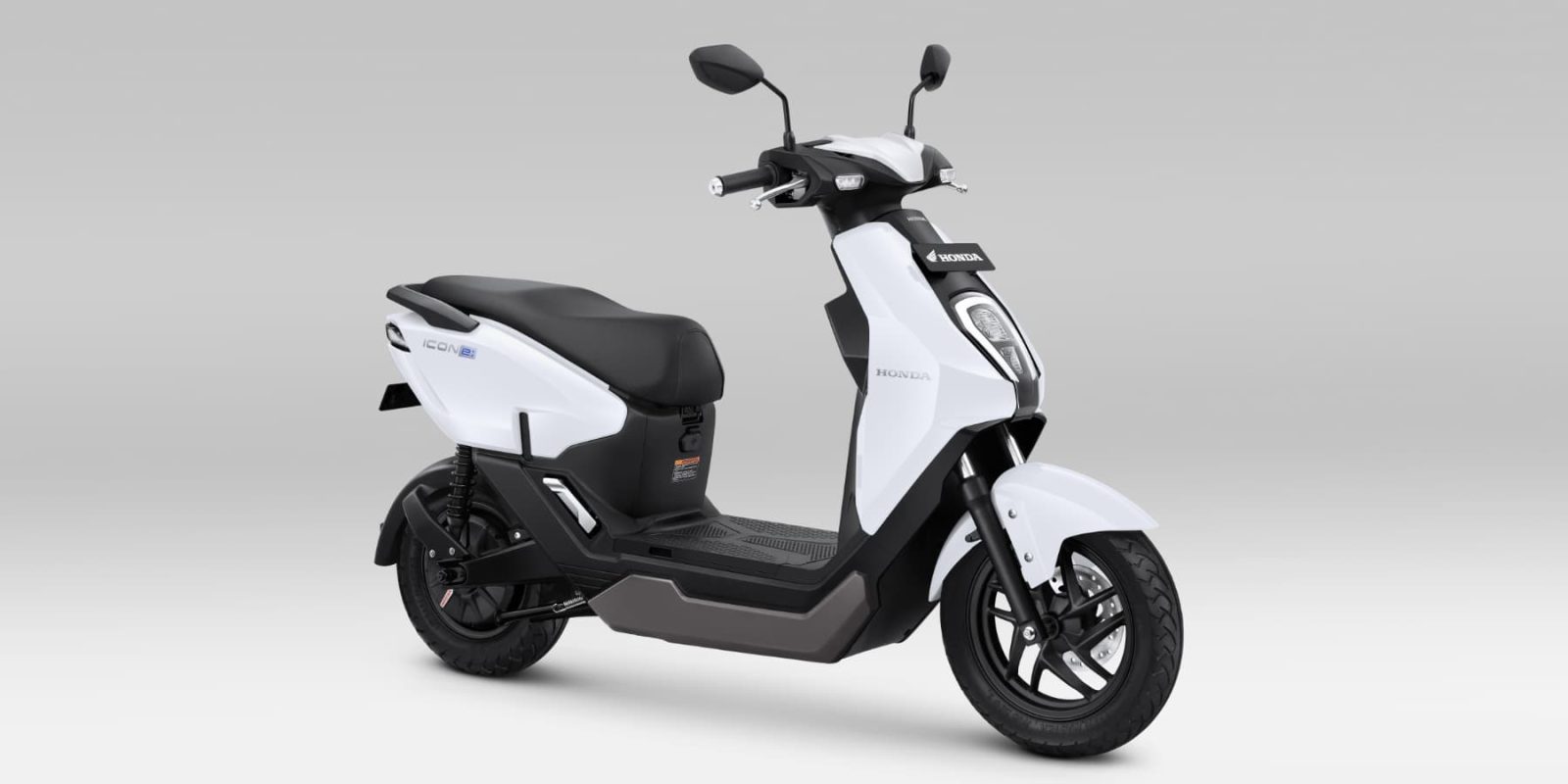
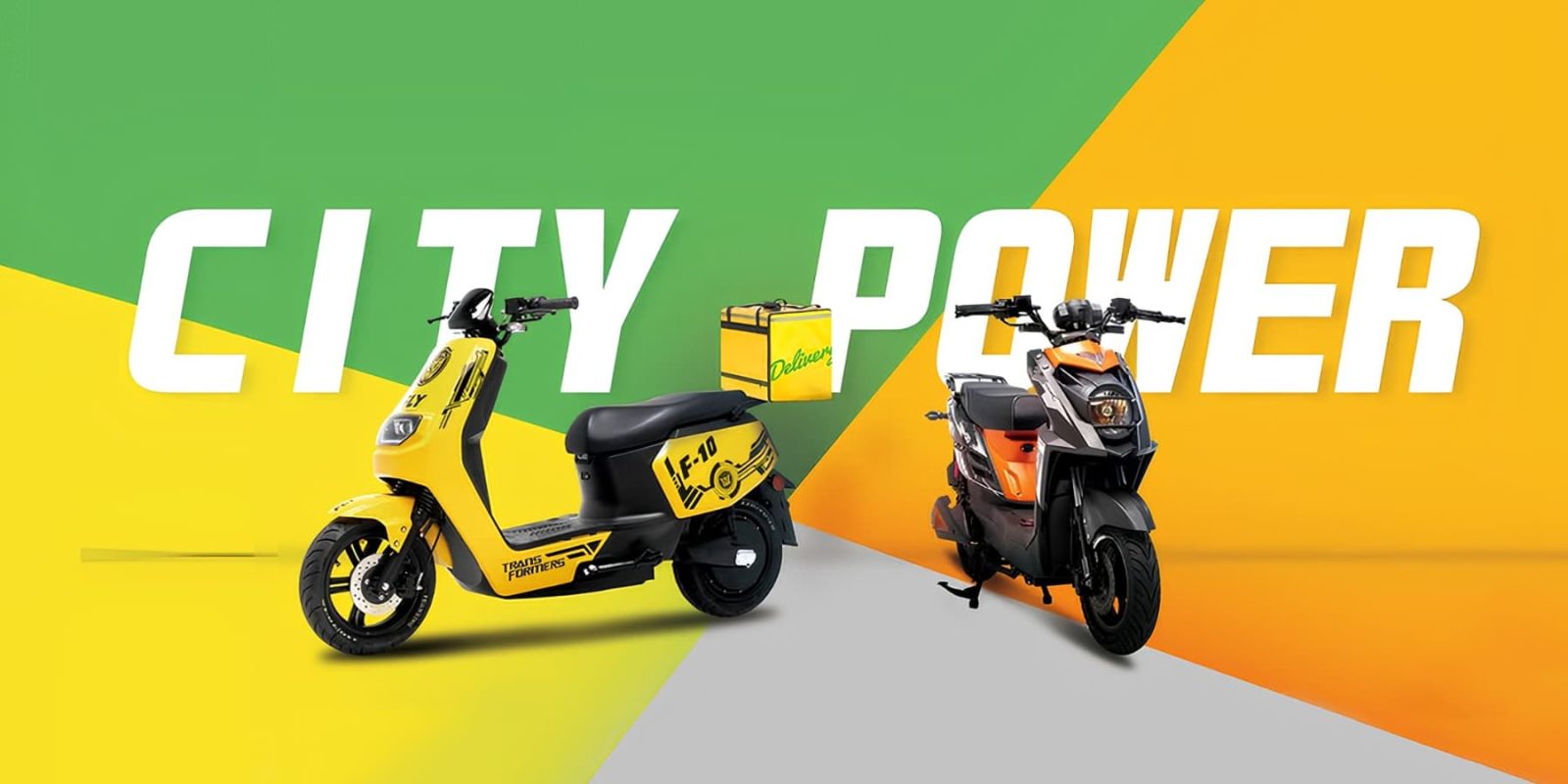
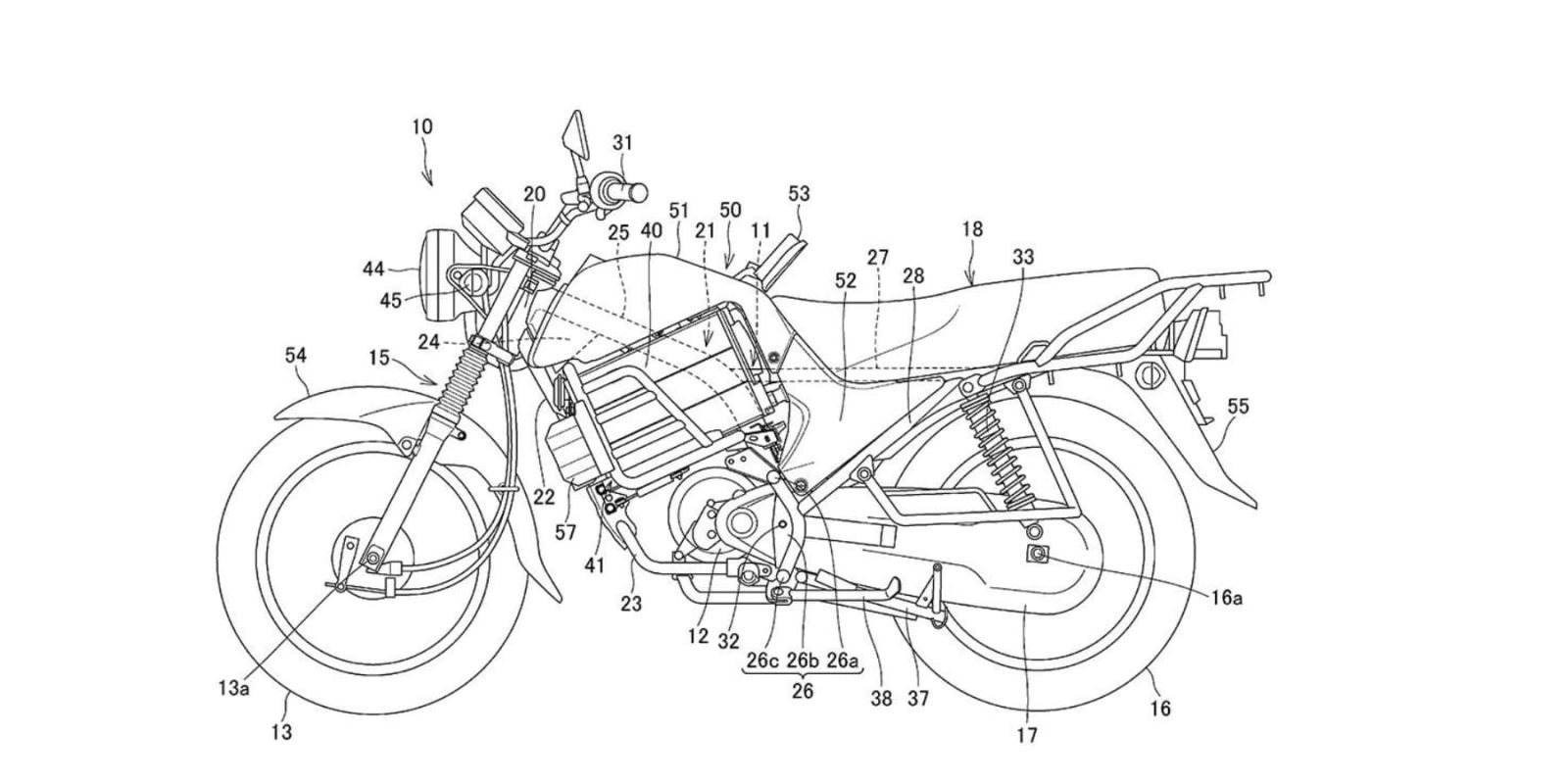
Honda is doubling down on small electric two-wheelers with the launch of a new budget-friendly model that undercuts its own gasoline equivalent – and can be ridden without a full motorcycle license.
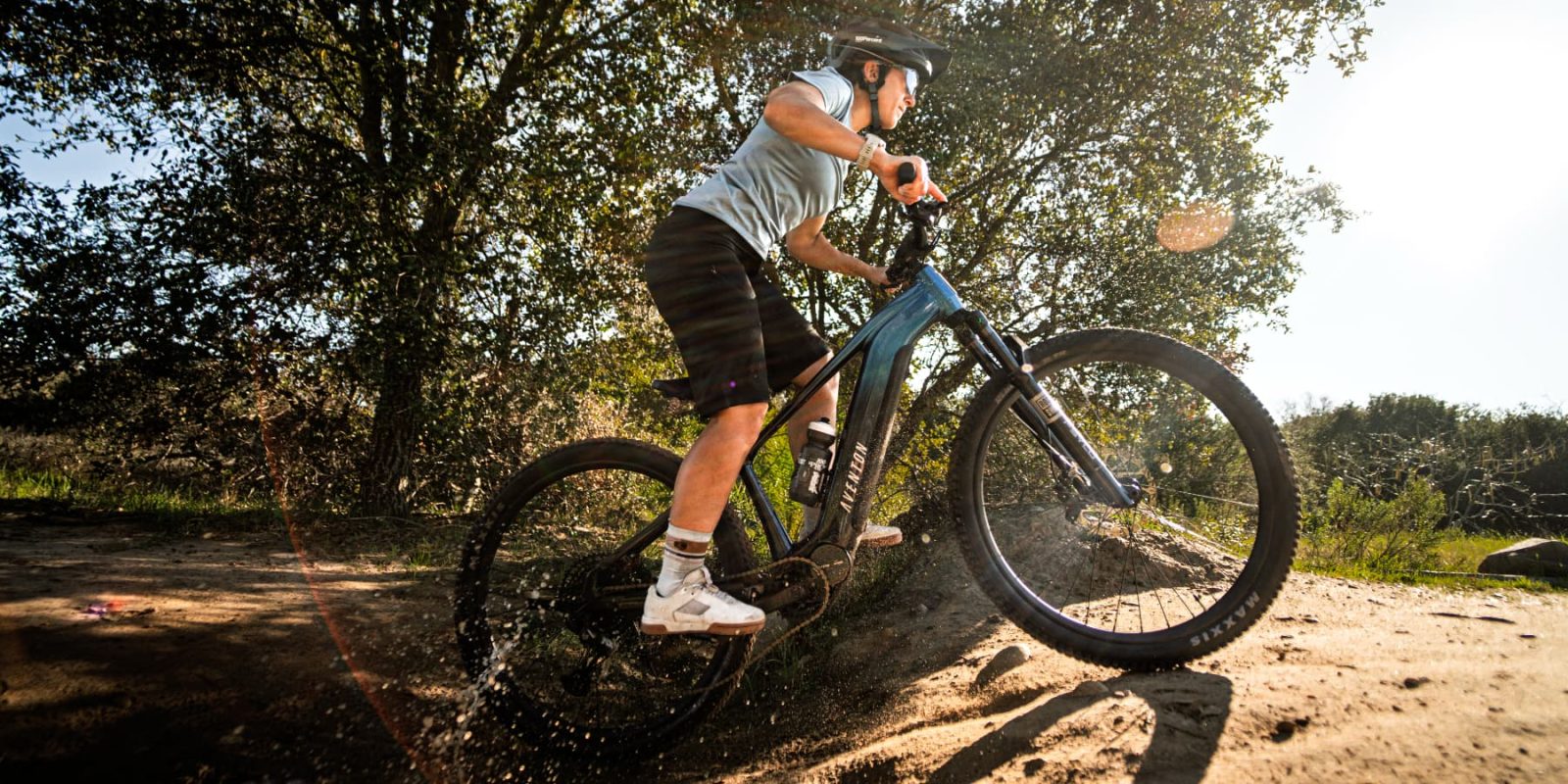
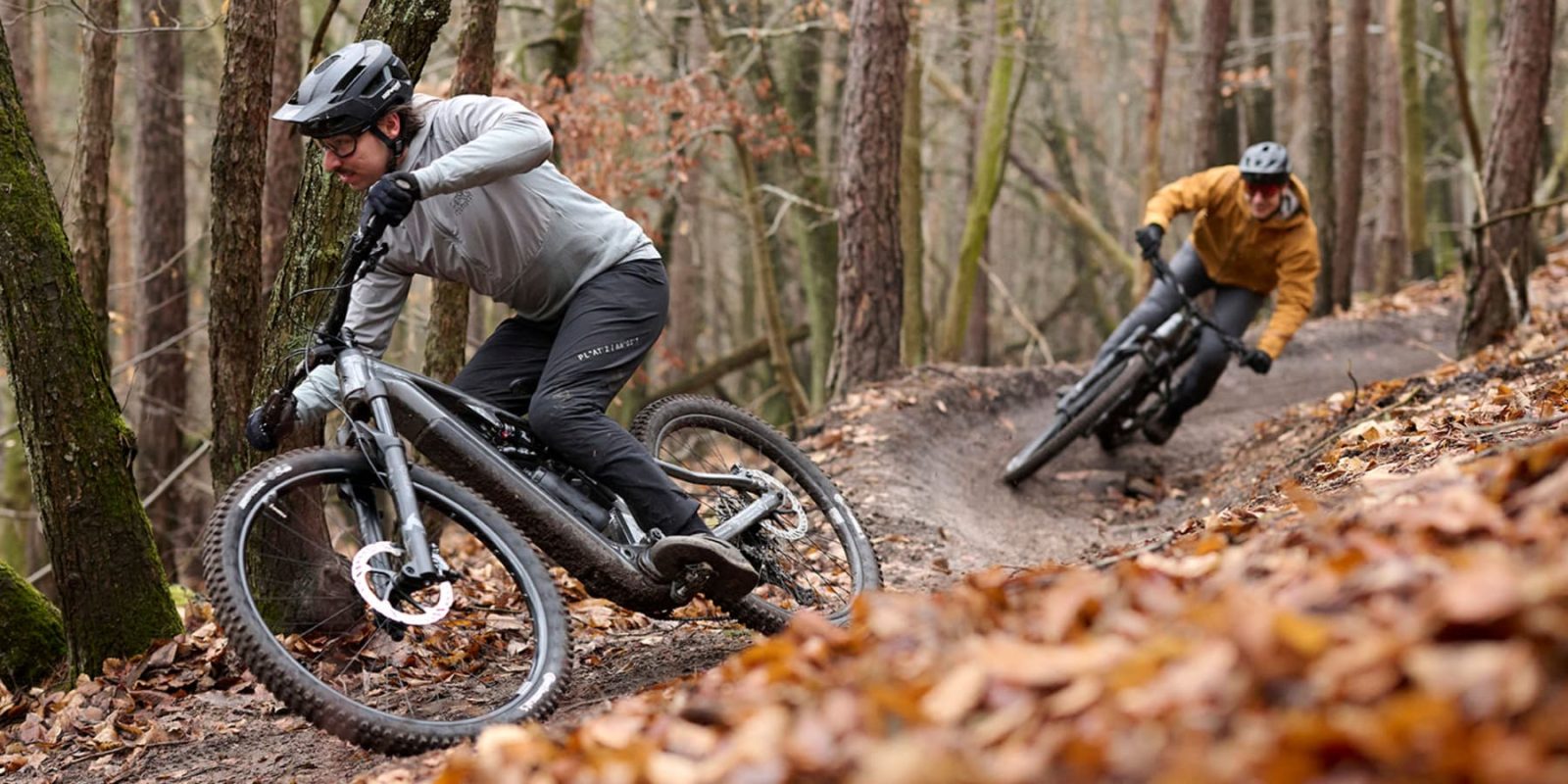
Aventon is doubling down on trail performance with the launch of the new Ramblas ADV, an electric hardtail mountain bike built around the company’s second-generation in-house mid-drive motor. Positioned as a do-it-all, go anywhere, all-terrain machine, the Ramblas ADV blends legitimate MTB components with commuter-friendly versatility, all at a price that undercuts many premium mid-drive competitors but may still make eyes water in the direct-to-consumer market that has become accustomed to bargain basement pricing on simpler e-bikes.
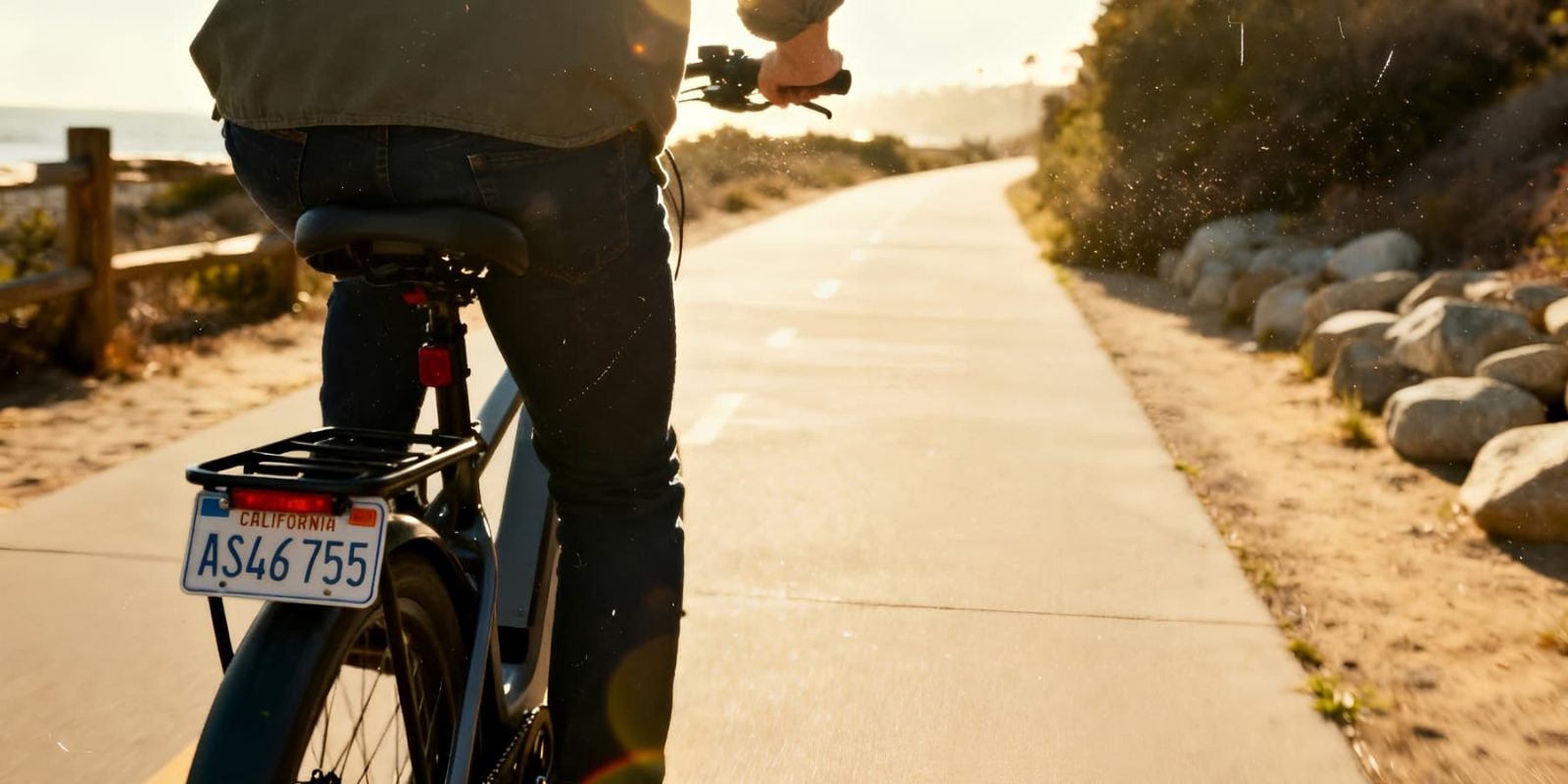
A newly introduced bill in California could dramatically change how electric bikes are treated under state law – and it may put license plates on most e-bikes.
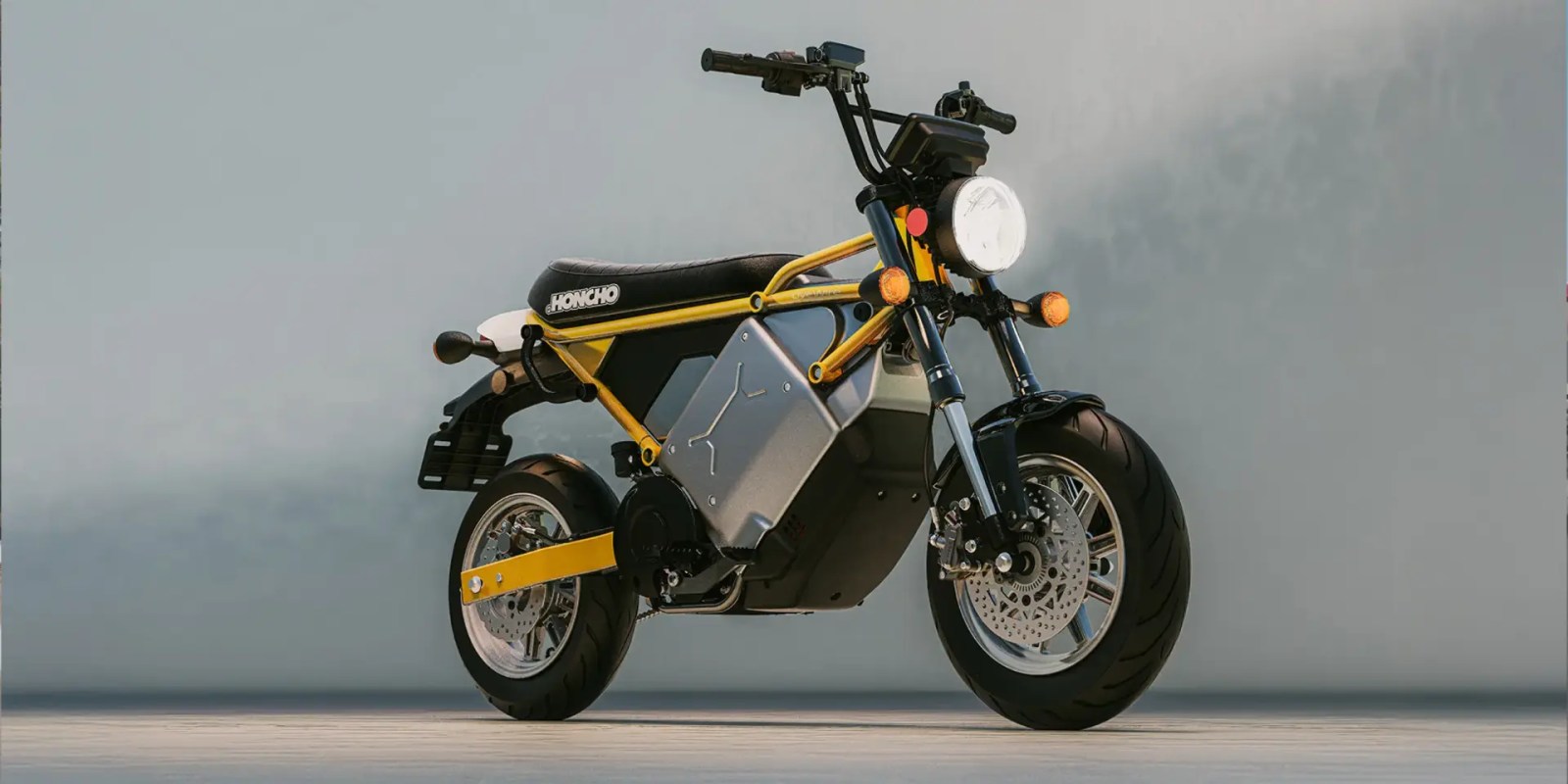
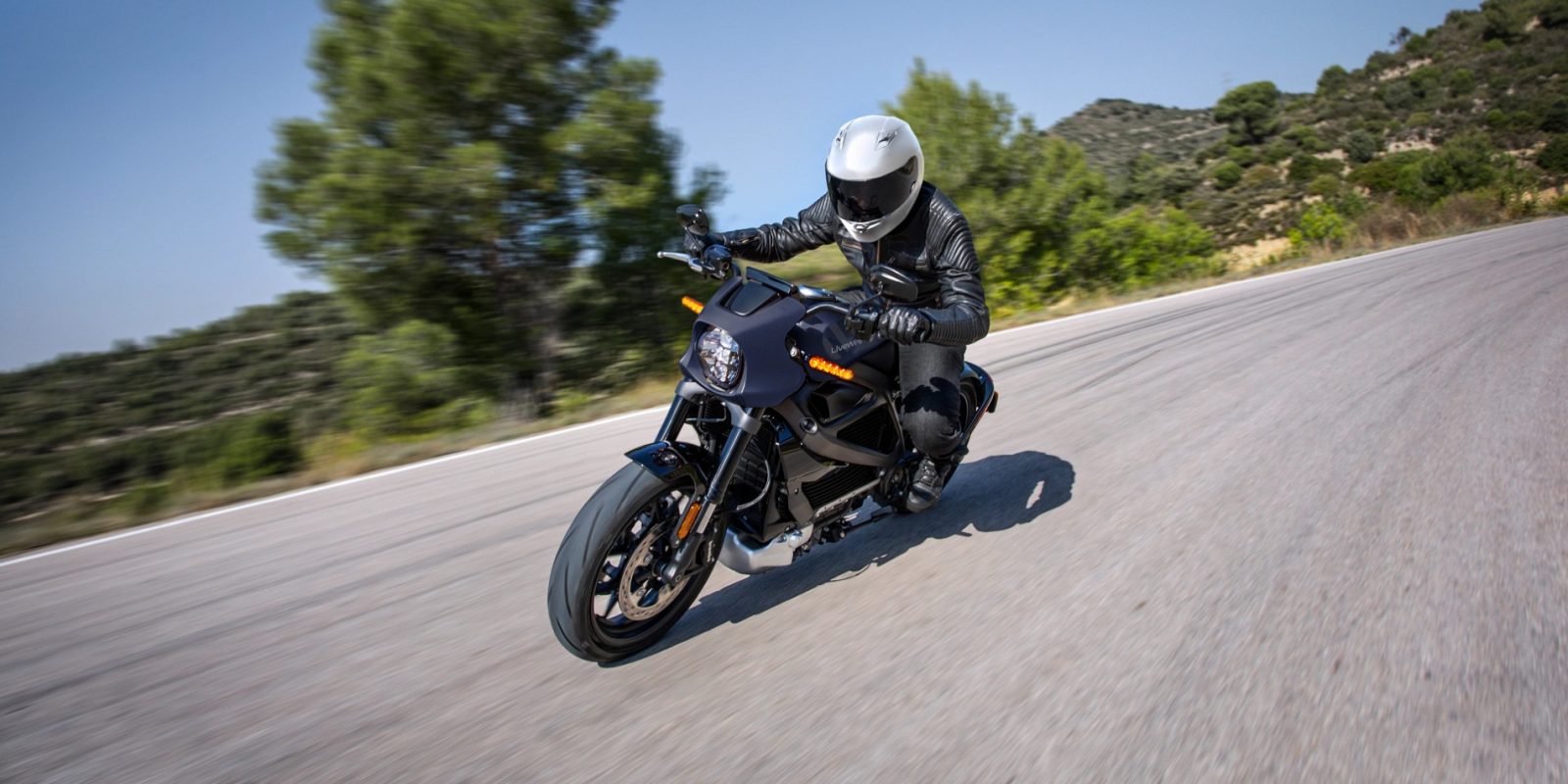
The LiveWire S4 Honcho hasn’t officially launched yet, but it may already be one of the most important electric motorcycles the company has ever developed.
As of early 2026, the S4 Honcho is still in the pre-release phase, with LiveWire indicating a likely launch sometime this year, potentially spring or summer. While full specifications and pricing haven’t been formally announced, the positioning is clear: this is definitely not going to be yet another premium, heavyweight electric motorcycle. It’s something very different.
Merida is taking aim at the more budget-conscious end of the electric mountain bike market with the launch of its new ETMO range, described as the brand’s most price-focused Bosch-powered electric mountain bikes yet.
Of course for big eMTB names like Merida, the idea of “affordable” becomes something of a relative term.
Royal Enfield has offered a clearer timeline for its long-awaited first electric motorcycle. During a recent earnings call, CEO B. Govindarajan said the company’s new Flying Flea C6 is “almost ready for production” and that “you will see it in the next quarter time window,” signaling a launch that now appears set for early 2026.
This week on Electrek’s Wheel-E podcast, we discuss the most popular news stories from the world of electric bikes and other nontraditional electric vehicles. This time, that includes a fun new automatic shifting e-bike from Trek, a whole host of potential new e-bike laws from around the US, a study that shows the impacts of e-bike use on the brain, Fly mopeds get in more trouble, Honda has a new low-cost electric motorcycle design, and more.
Boston City Councilor Ed Flynn has filed a new ordinance that would ban delivery app drivers in the city from using e-bikes, mopeds, or other motorized scooters to make deliveries, citing growing safety concerns.
There’s one company that now sells nearly three-quarters of all full-size electric motorcycles in the US. And no, it’s not some scrappy startup out of Silicon Valley (though there are some very cool California-based electric motorcycle startups).
It’s actually LiveWire – the Harley-Davidson-born electric motorcycle spinoff that just claimed a 70% market share in the 50+ horsepower on-road electric motorcycle segment in 2025.
Federal regulators have ordered a recall of Fly E-Bike’s popular model known as the Fly 10 moped, marking the latest and perhaps most serious blow to the embattled micromobility company that has long been a major supplier of low-cost electric mopeds and e-bikes in the US.
From a fitness perspective, electric bikes are often framed as a way to make cycling easier on the legs or more accessible for people who might otherwise avoid riding. But new research suggests the biggest benefits of e-bikes for older riders may be happening somewhere else entirely: the brain.
Trek just pulled the covers off a new top-tier city e-bike aimed squarely at riders who want comfort, power, and polish without turning daily riding into a hobby that requires constant tinkering. The new Trek Charter+ arrives as Trek’s most premium everyday e-bike yet, blending high-end drivetrain tech, deep integration, and a strong focus on car-replacement practicality.
Across the US, the e-bike policy map is starting to look oddly contradictory. In some states, lawmakers are responding to the rise of high-powered, moped-like electric bikes by reaching for blunt instruments: licensing requirements, insurance mandates, registration schemes, and laws that effectively treat e-bikes like motorcycles. New Jersey’s recent move to scrap the widely adopted three-class system in favor of motor-vehicle-style regulation is a prime example of how quickly a state can go from “e-bikes are the future” to “please don’t ride one at all.”
There’s a growing consensus in the electric motorcycle world that the key to success when considering the constraints of today’s technology is to target smaller, simpler, more urban electric motorcycles. While much of today’s attention goes to high-tech, high-price electric motorcycles and e-bikes, the real opportunity for electrification may lie at the opposite end of the spectrum: ultra-simple, ultra-affordable machines designed for the masses.
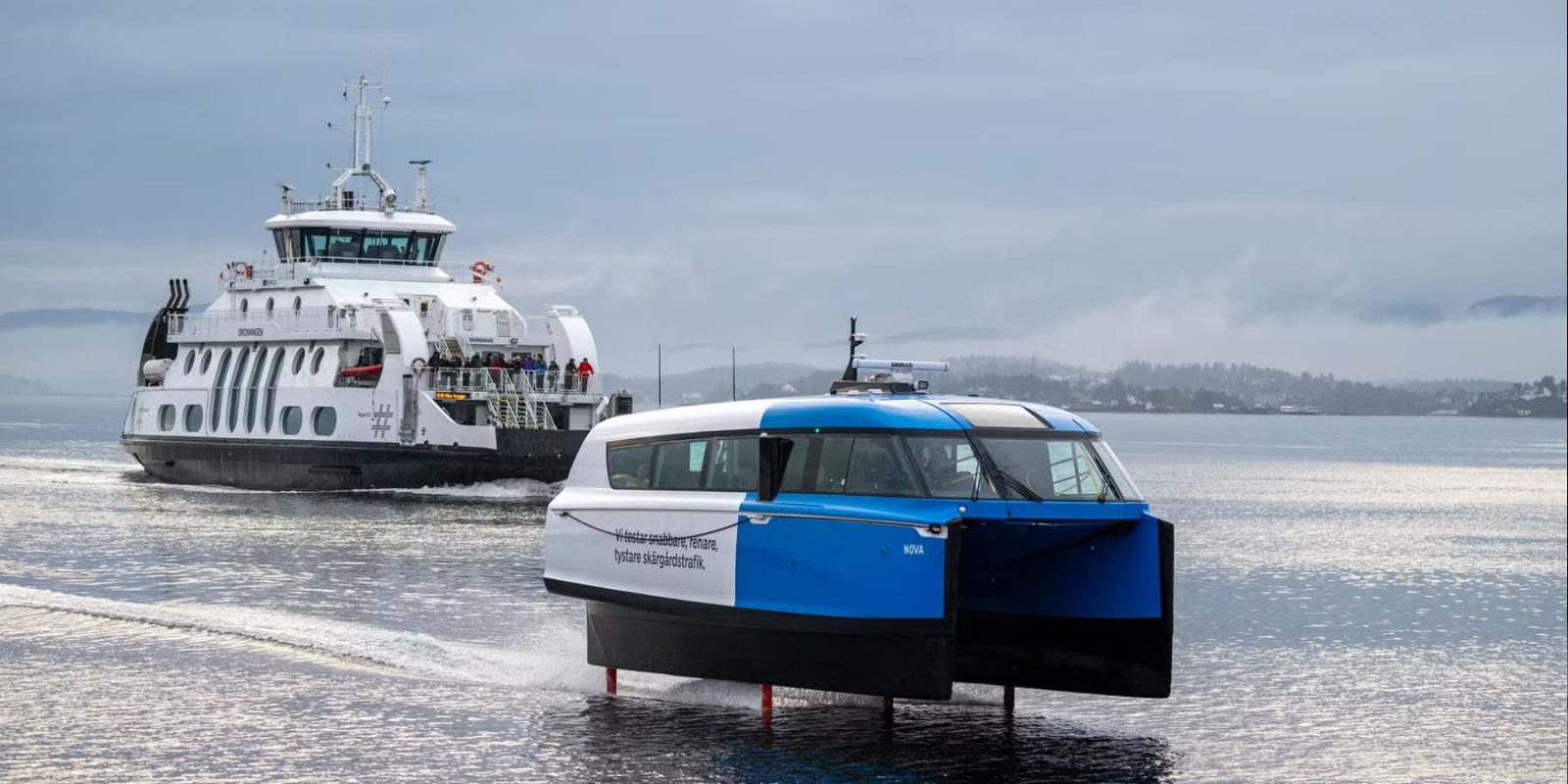
Electric boats and ferries are starting to become more common, but they have typically been confined to short, fixed routes with expensive, purpose-built charging infrastructure. This week, Swedish electric boat maker Candela set out to prove that those limits are no longer necessary – and did so in record-setting fashion.
This week on Electrek’s Wheel-E podcast, we discuss the most popular news stories from the world of electric bikes and other nontraditional electric vehicles. This time, that includes a range of stories from new e-bike laws in New Jersey and Amsterdam, Rad Power Bikes getting bought out of bankruptcy, the clever way that e-bike batteries can be used for extra power during storms or even power a food truck, Honda’s new 50 MPH electric scooter, and more.
Years ago, UL certification was a niche detail in the e-bike industry, often buried deep in spec sheets if it was there at all. But today, it’s one of the most important labels in the entire e-bike industry – and now, it’s at the center of a major lawsuit involving counterfeit safety marks, Chinese manufacturers, and the world’s largest online retailer.