
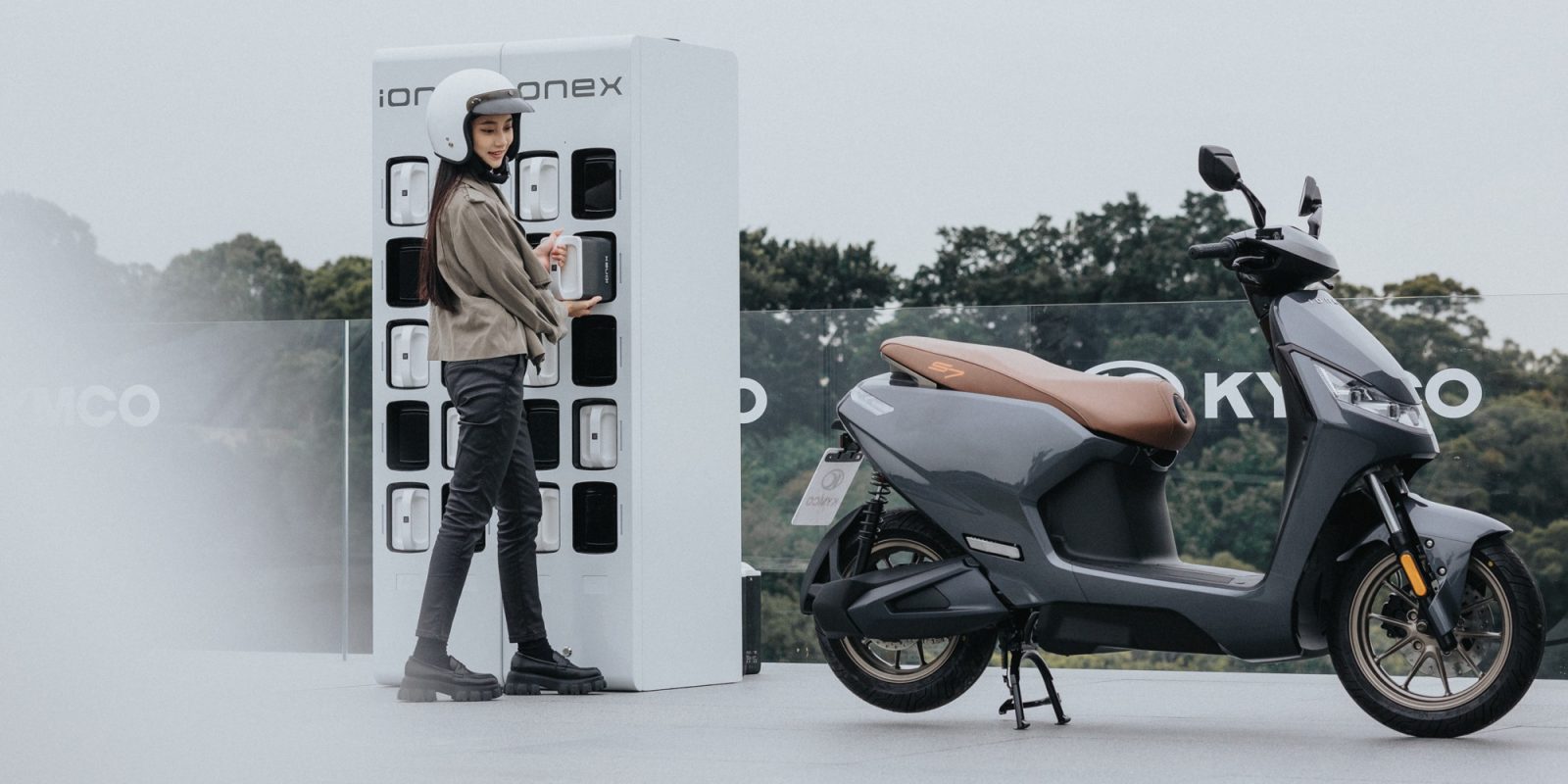
If you’ve ever stood at a red light in Taipei, you know that when it turns green, it’s not just cars that surge forward – it’s a tidal wave of scooters. In Taiwan, scooters are a way of life, outnumbering cars by roughly two to one. That also means they represent one of the country’s biggest transportation-related pollution sources.
So Taiwan decided to do something about it: pay people to switch.
According to Taiwan’s Ministry of Environment, the country has successfully matched 124,798 old vehicles for replacement since launching its “vehicle replacement and matching” policy in 2022. The goal is straightforward: scrap older combustion engine-powered motorcycles and cars and replace them with electric vehicles. The result so far has been a reported cumulative reduction of 529,212 metric tons of CO2 equivalent by the end of 2025, according to local media.
Incentives vary depending on the type of vehicle and fuel type, with scooters gaining lower rewards, while replacing more polluting vehicles like diesel trucks gaining incentives up to around NT$16,000 (roughly US $500). But in a nation where NT$16,000 can be close to a monthly salary, that figure is quite meaningful. And when a new electric scooter like those from KYMCO can cost well under NT$30,000 (roughly US $1,000), not to mention the follow-on fuel savings, the economic benefits begin to stack up.
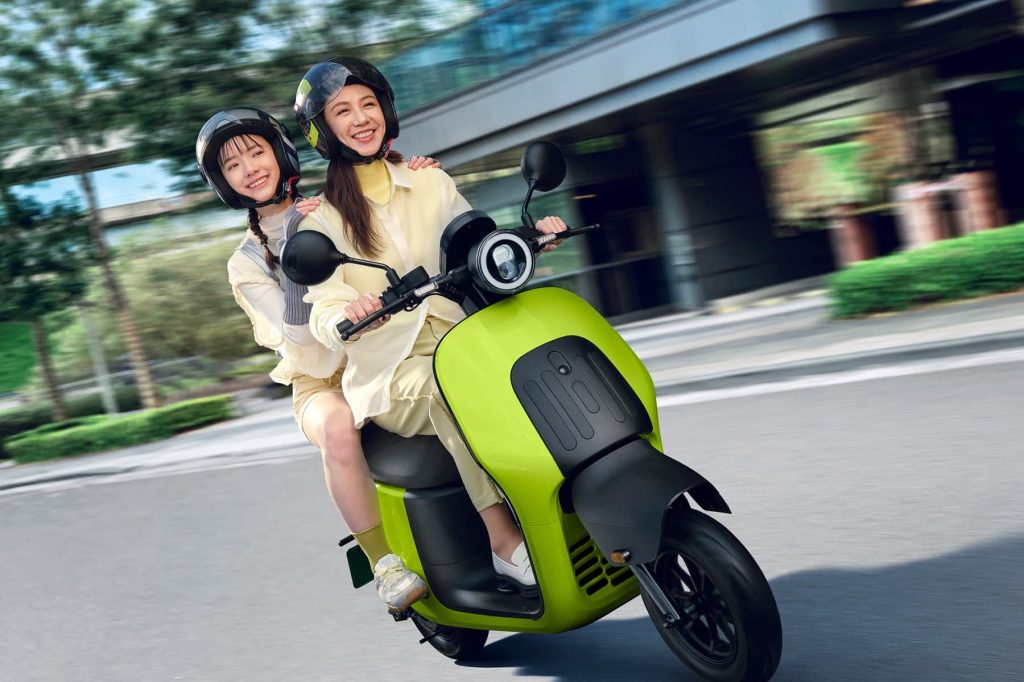
Importantly, these programs apply nationwide and are supported by a growing list of development units and local governments, including major cities like Tainan and Kaohsiung.
Developers participating in greenhouse gas offset programs are also required to implement replacement measures, further boosting uptake.
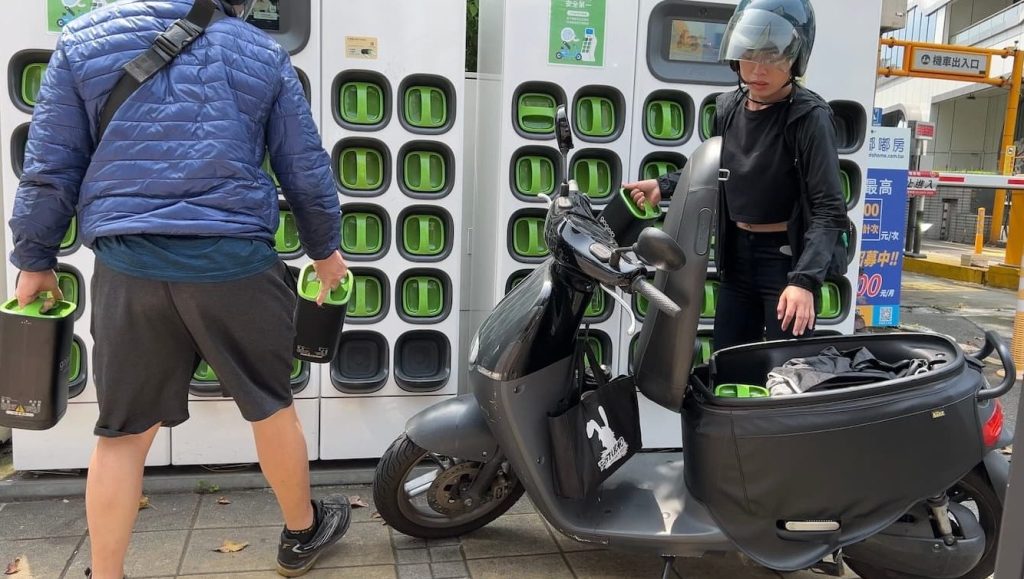
Taiwan’s transportation ecosystem makes this kind of policy especially impactful. The island is already home to some of the world’s most developed electric scooter networks, led by companies like Gogoro and KYMCO, with dense urban charging and battery swapping infrastructure.
That means incentives aren’t running up against a technology vacuum, but rather accelerating a transition that already has real-world support.
Nearly 125,000 replacements in just a few years won’t eliminate Taiwan’s exhaust-filled intersections overnight. But cutting over half a million metric tons of CO2 while modernizing a vehicle fleet that dominates daily life shows how targeted financial incentives can move the needle. In a country where two-wheelers rule the road, paying people to go electric is starting to reshape the traffic light surge.


FTC: We use income earning auto affiliate links. More.


Comments