Green Energy
Get the best local deal from Electrek
Powered By


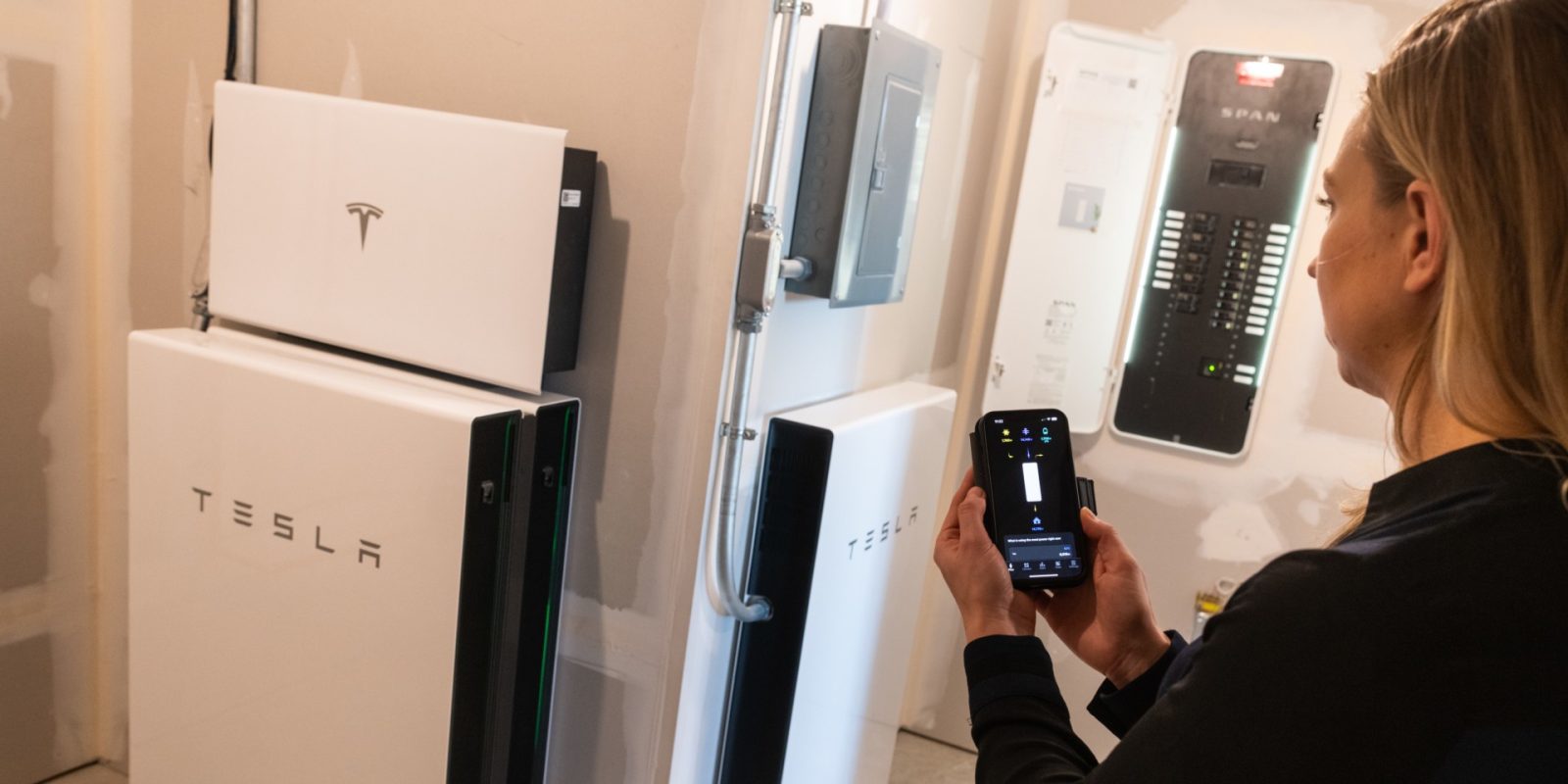
Green Mountain Power’s virtual power plant (VPP) – the state’s largest energy source – cut an estimated $6 million from all customers’ peak electricity costs during Vermont’s early July heat wave.
Expand Expanding Close
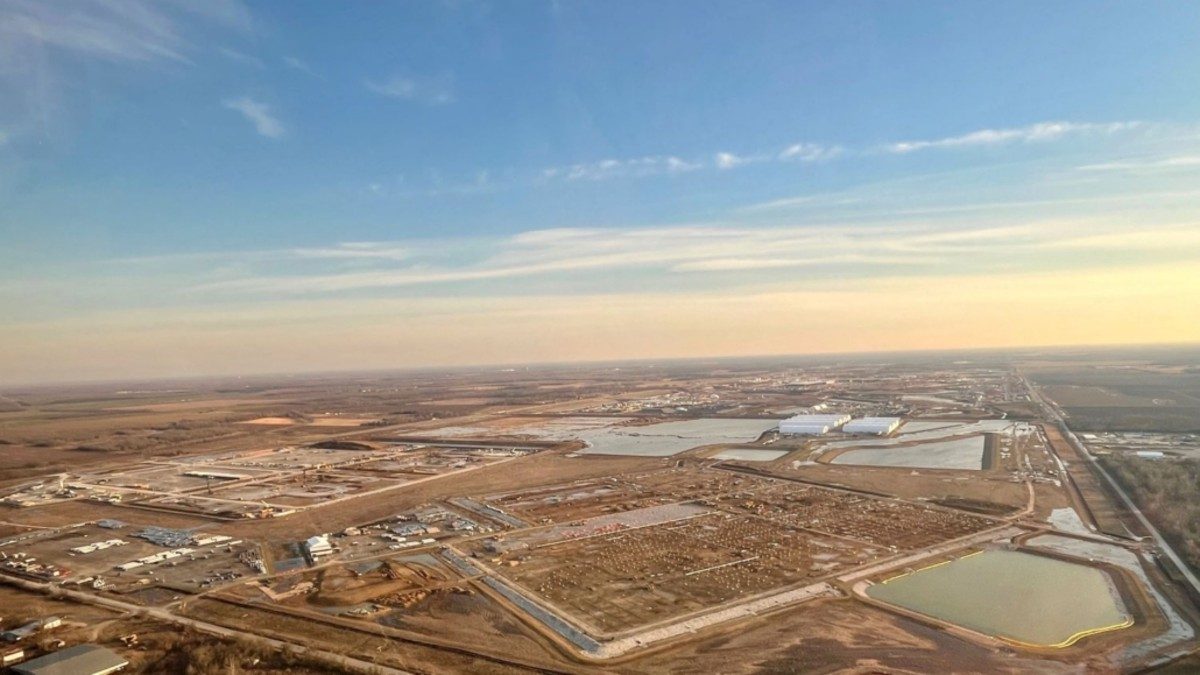
Facebook and Instagram’s parent company, Meta, has quit RE100, the global corporate initiative whose members commit to using 100% renewable electricity. That’s because Meta is bankrolling a fleet of new gas-fired power plants to fuel its expanding AI data centers.
Expand Expanding Close
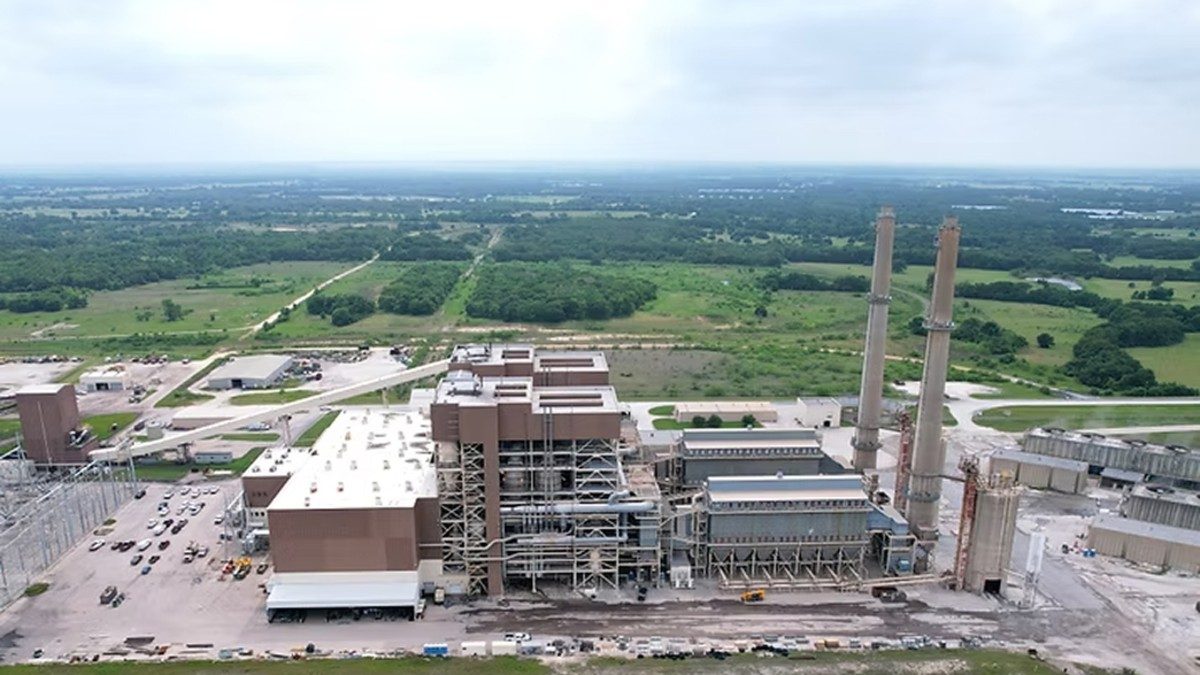
One of North America’s biggest coal-site solar projects is now under construction in Texas – but the coal plant next door isn’t going anywhere. Here’s why.
Expand Expanding Close
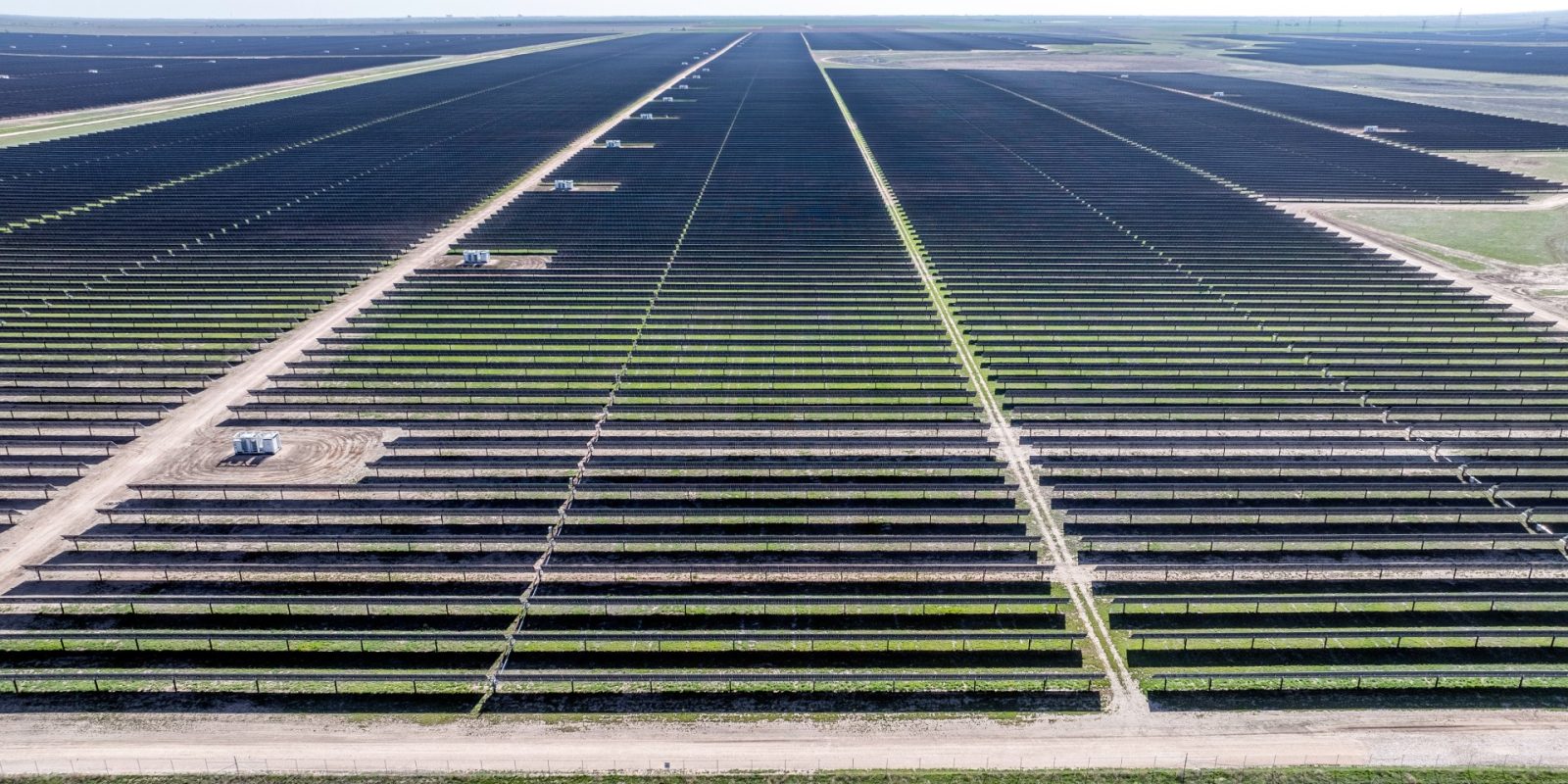
In May alone, solar-generated electricity exceeded that of both coal and wind, according to new data just released by the US Energy Information Administration (EIA), and reviewed by the SUN DAY Campaign.
Expand Expanding Close
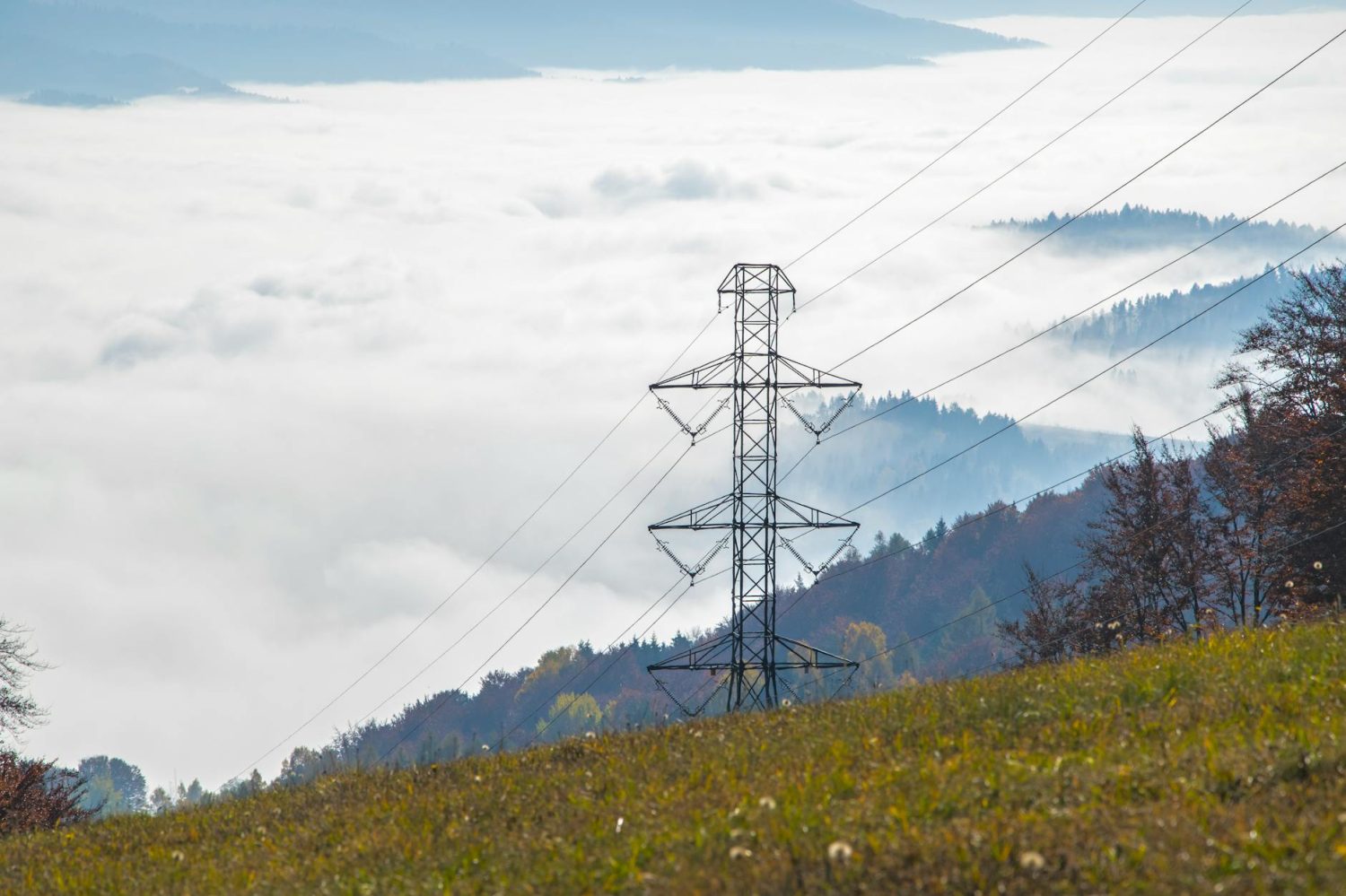
Global electricity use is growing again, but renewables are expected to overtake coal as the world’s largest source of electricity this year, according to the International Energy Agency (IEA).
Expand Expanding Close
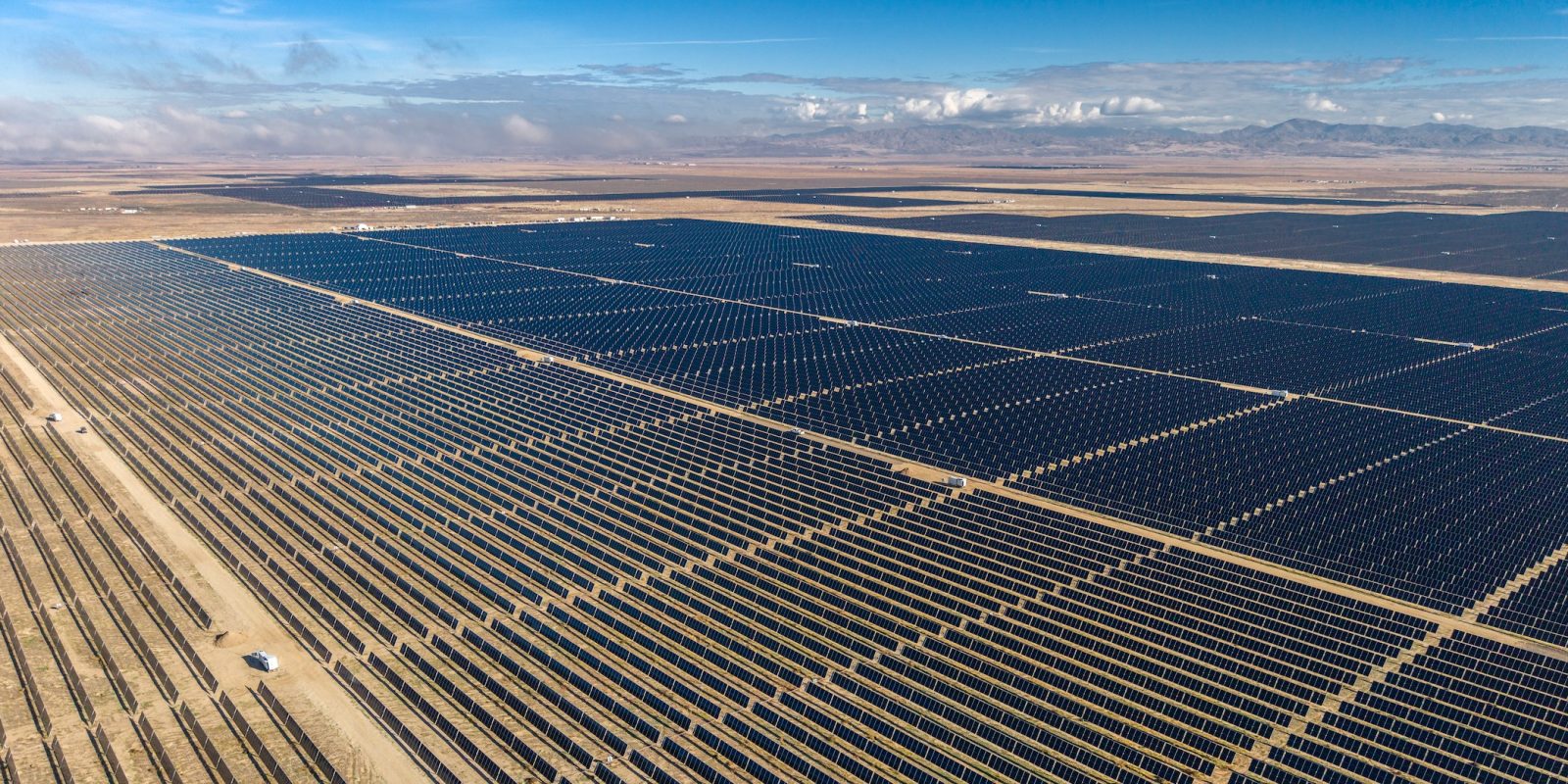
Idaho just brought a 125-megawatt (MWac) solar farm online – and construction has begun on another one more than three times its size.
Expand Expanding Close
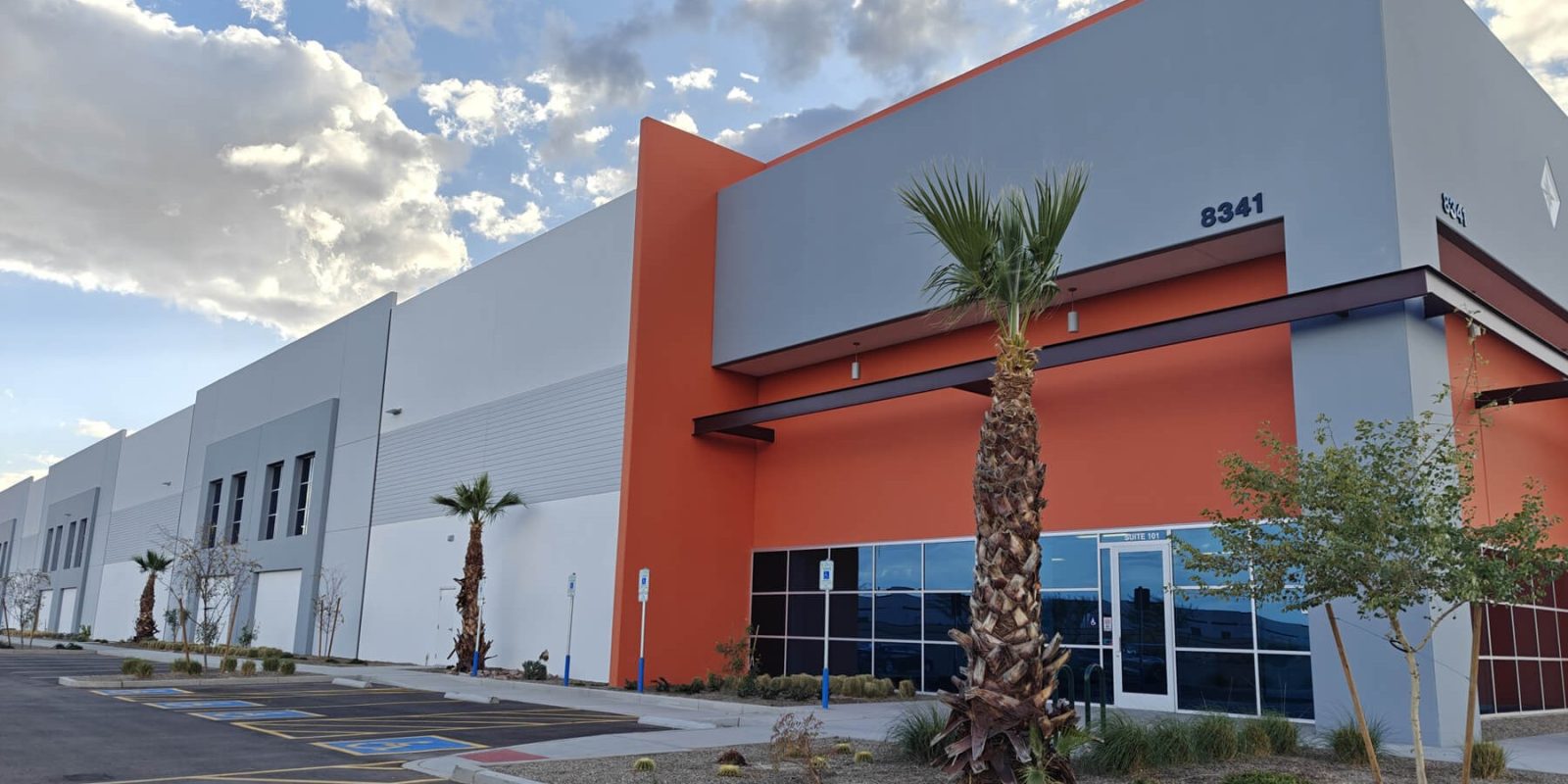
Electronics recycler ERI and rare earth recycling company Cyclic Materials have signed a global partnership agreement to recover rare earths and other critical minerals from high volumes of e-waste. The companies say the deal will create one of the largest commercial portfolios of rare earth recycling feedstock in the US.
Expand Expanding Close
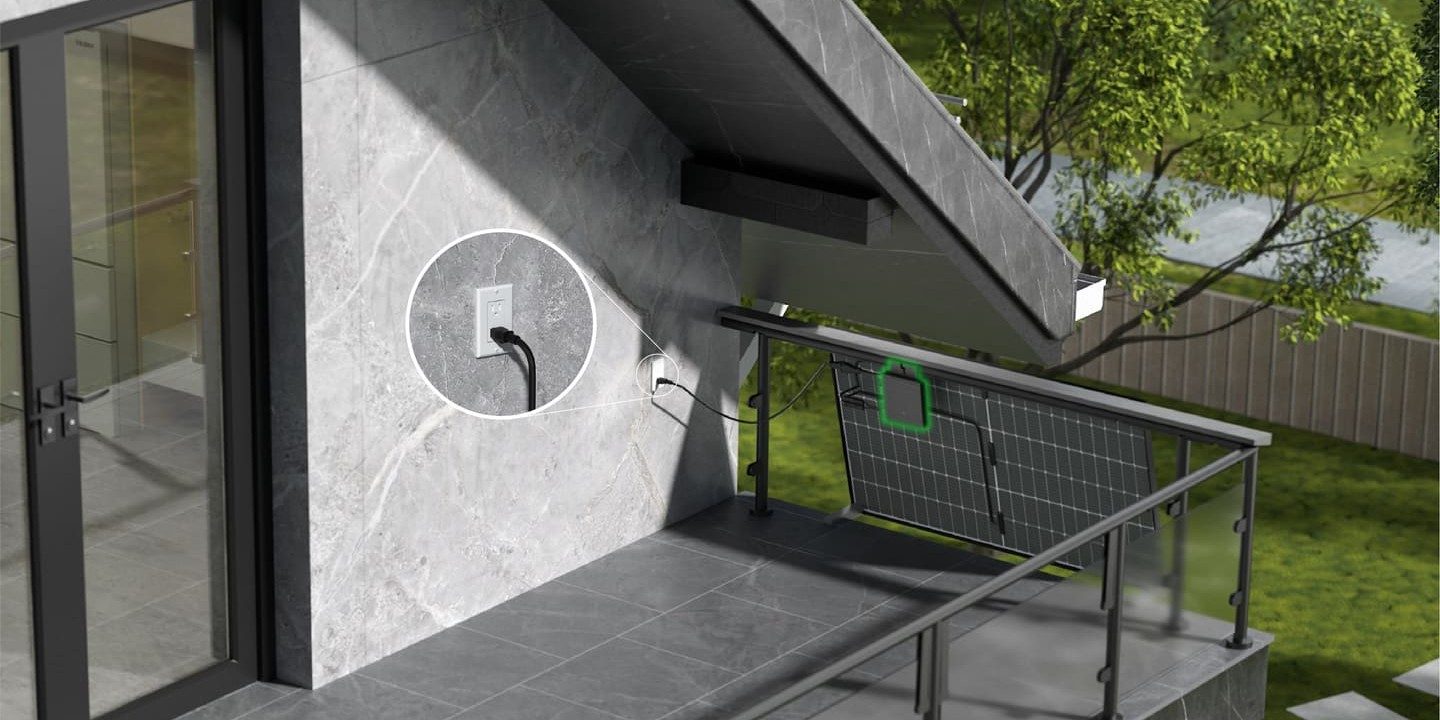
Hoymiles has launched the HiFlow Pro, the first US microinverter certified to meet UL 3700, North America’s new safety standard for plug-in balcony solar.
Expand Expanding Close

Solar power reached a new milestone across Europe last month, generating a record 52 terawatt-hours (TWh) of electricity and supplying 25% of all electricity used in the European Union in June 2026, according to new analysis from energy think tank Ember.
Expand Expanding Close
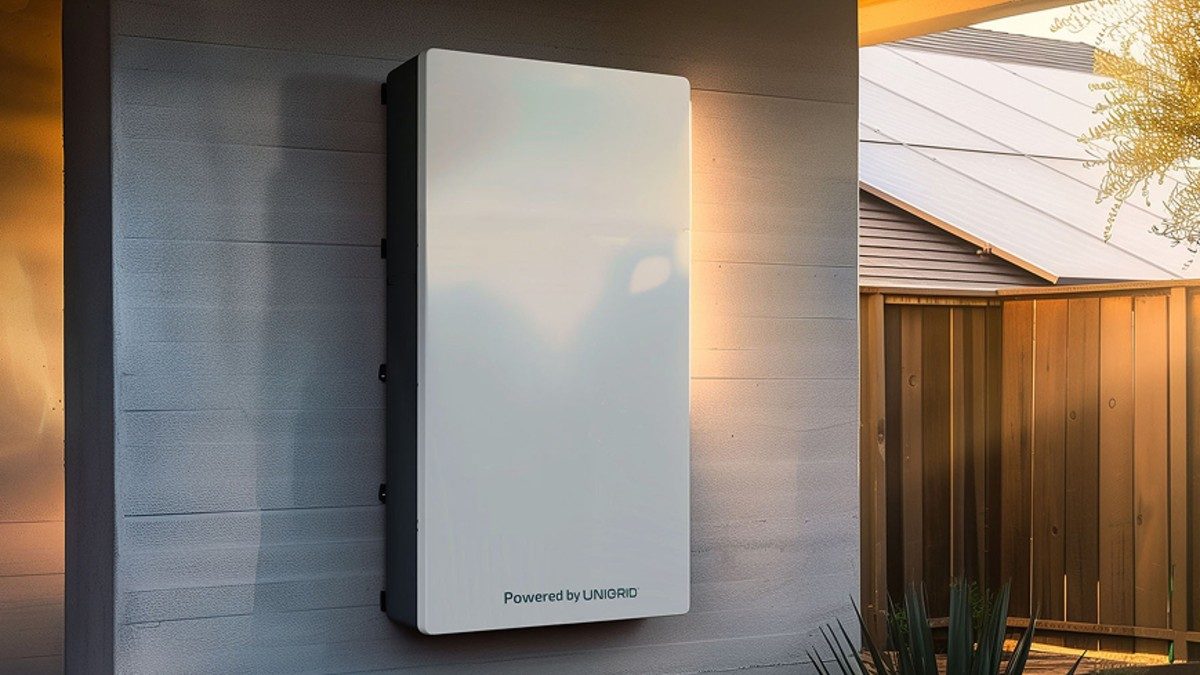
Lithium-ion has long dominated home battery storage, but sodium-ion is starting to make its move. Sodium-ion battery startup UNIGRID has shipped the first units of its Na+Casa residential battery, with the first systems now installed in homes across Europe.
Expand Expanding Close
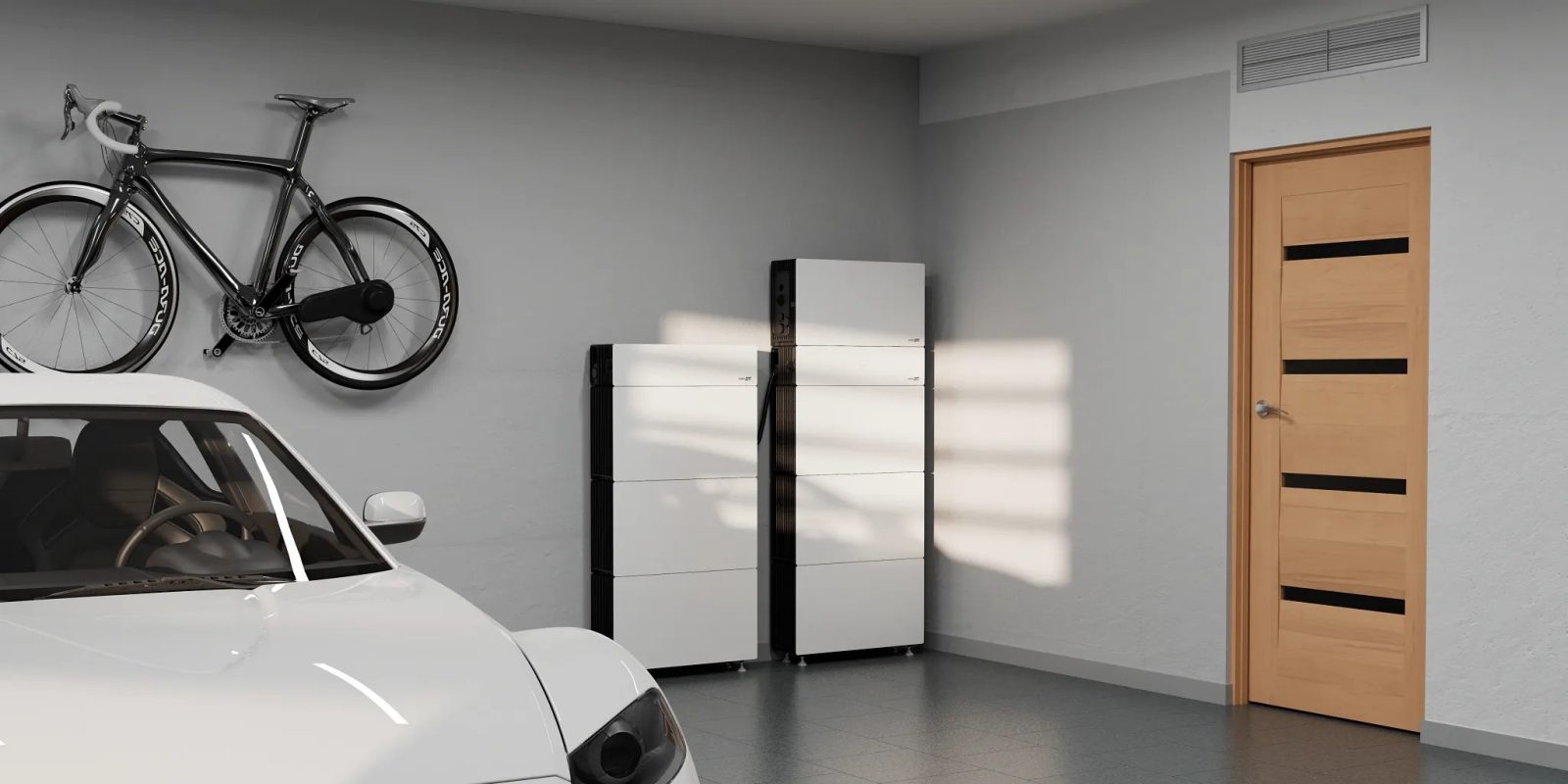
SolarEdge is rolling out its next-generation home solar and battery storage platform across the US, with orders for SolarEdge Nexis now open.
Expand Expanding Close

The Trump administration’s rollback of clean energy policies has now cost the US nearly 470,000 jobs and $68 billion in private investment, according to a new report released today.
Expand Expanding Close
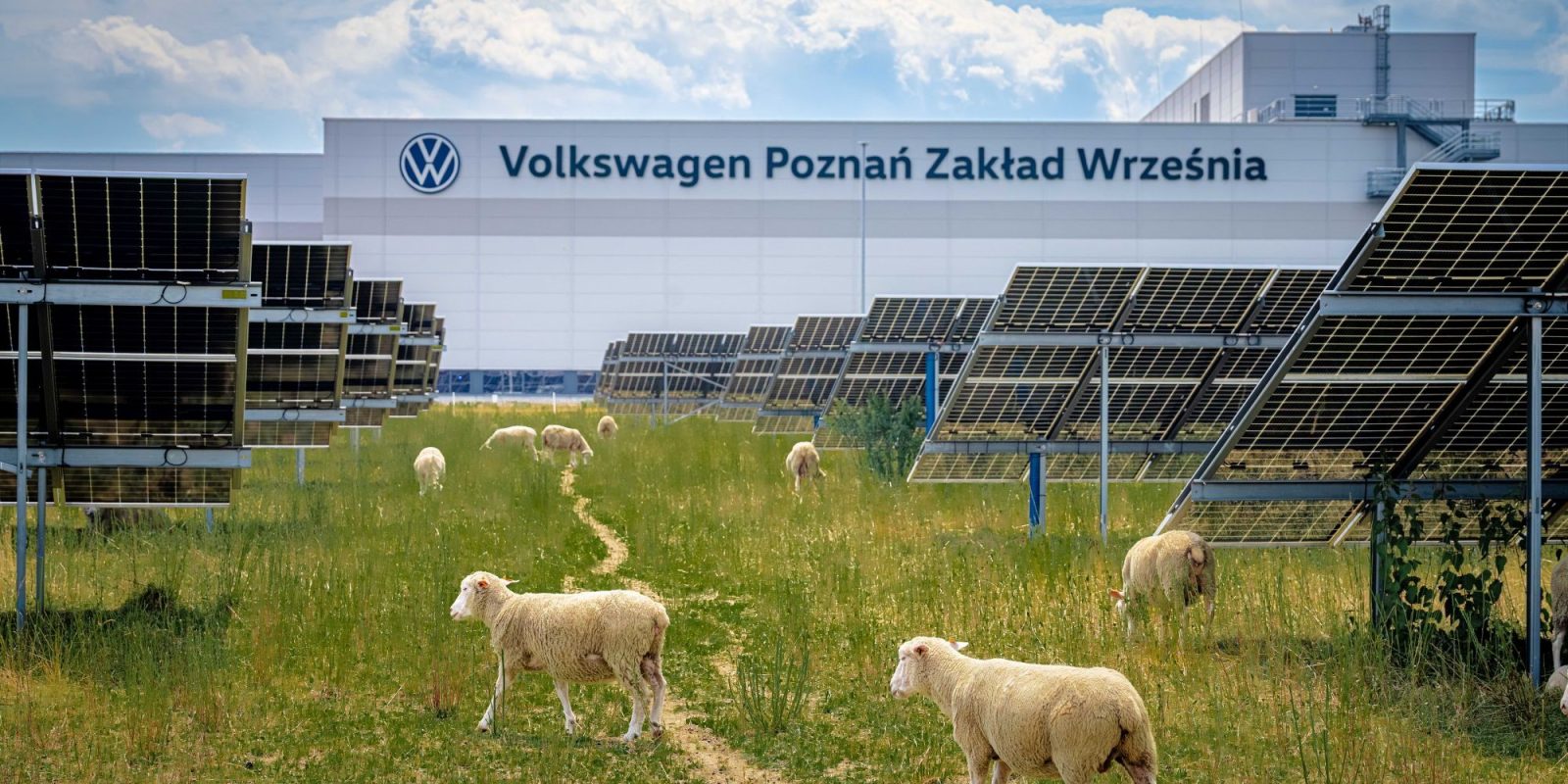
Volkswagen has traded lawnmowers for sheep at the massive solar farm that helps power one of its factories in Poland, and the animals are doing more than just keeping the grass short.
Expand Expanding Close
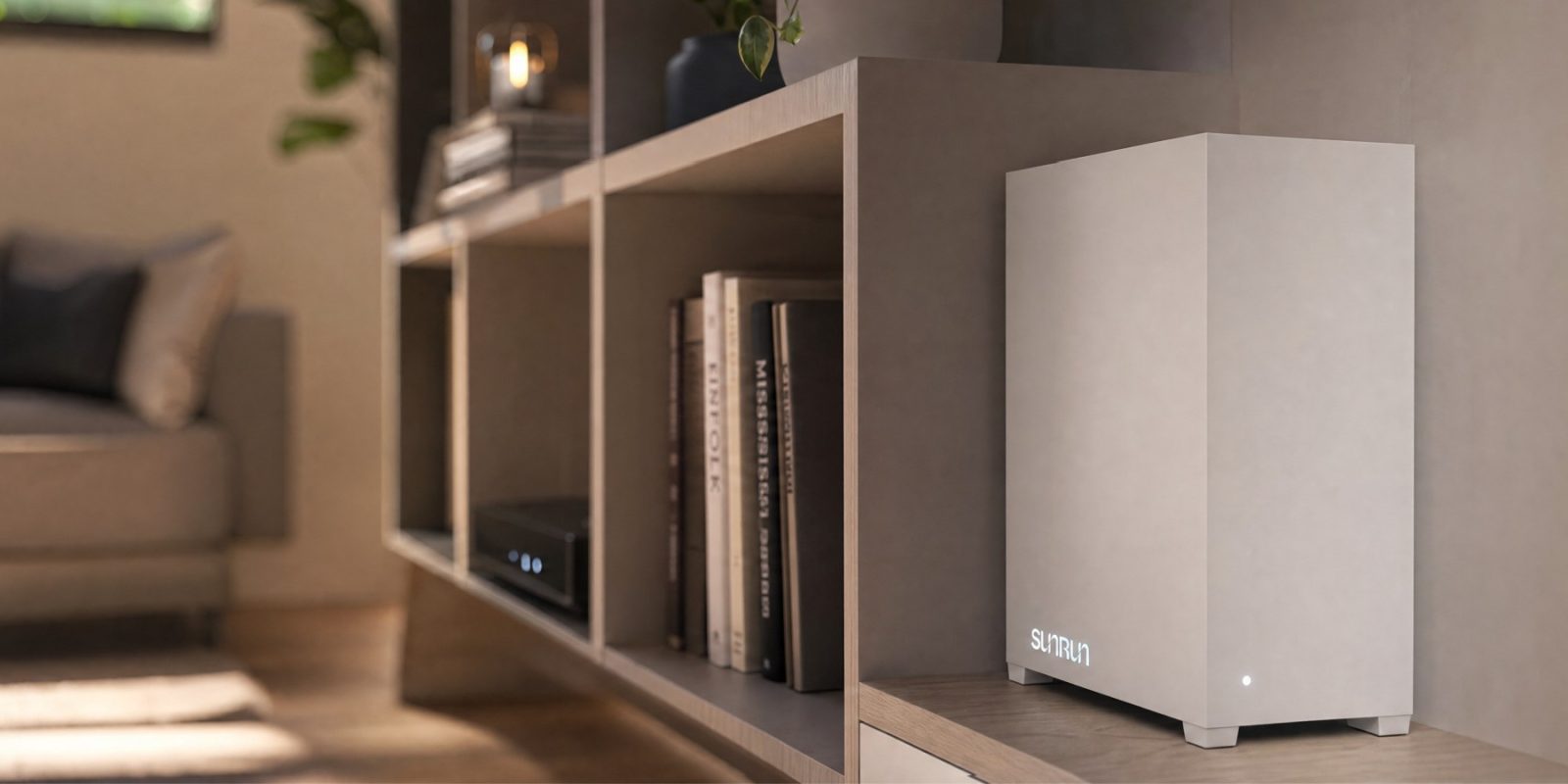
Sunrun wants to turn thousands of solar-powered homes into a giant distributed AI data center – and pay homeowners to help power the AI boom.
Expand Expanding Close
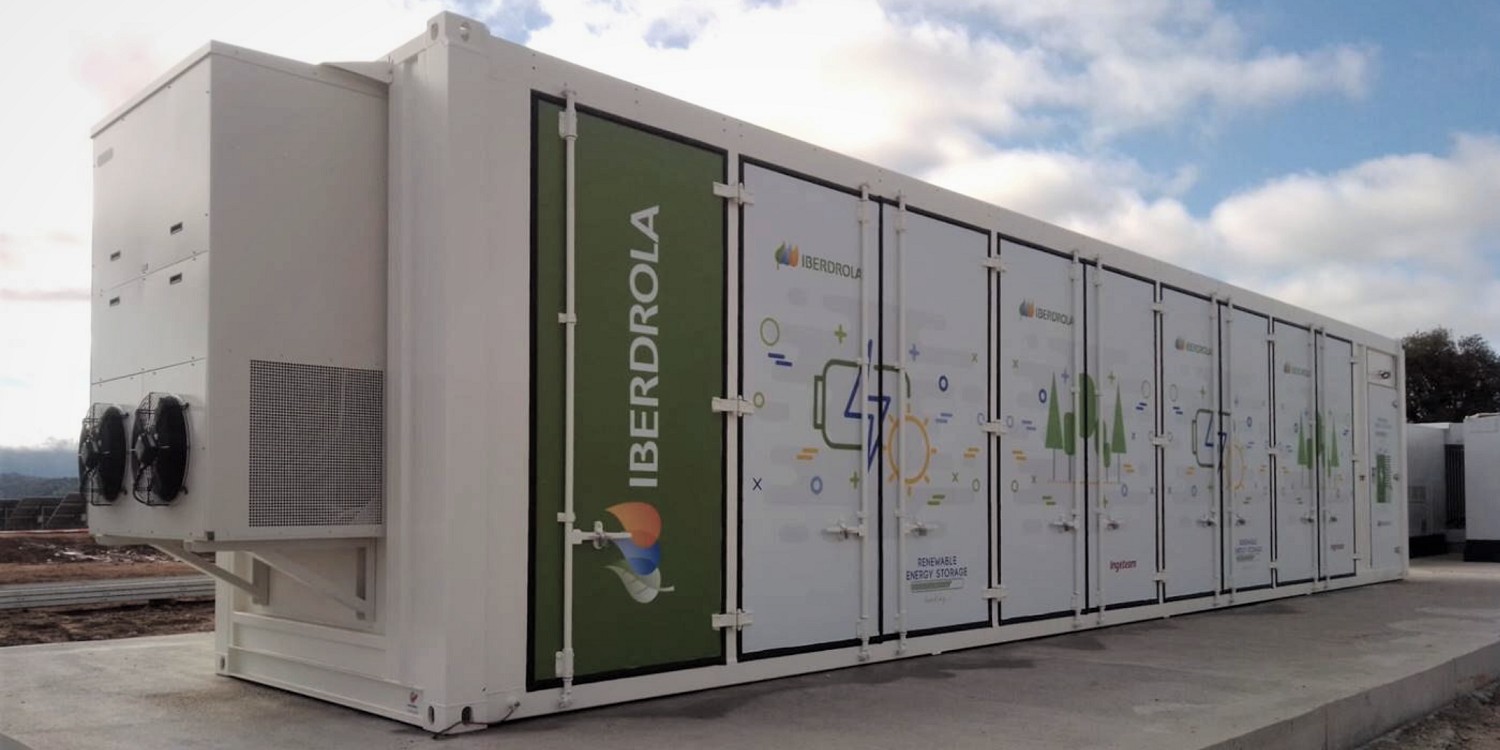
Spanish renewable energy and electricity giant Iberdrola is constructing its first battery energy storage project in the US as utilities race to add more storage to strengthen the grid.
Expand Expanding Close
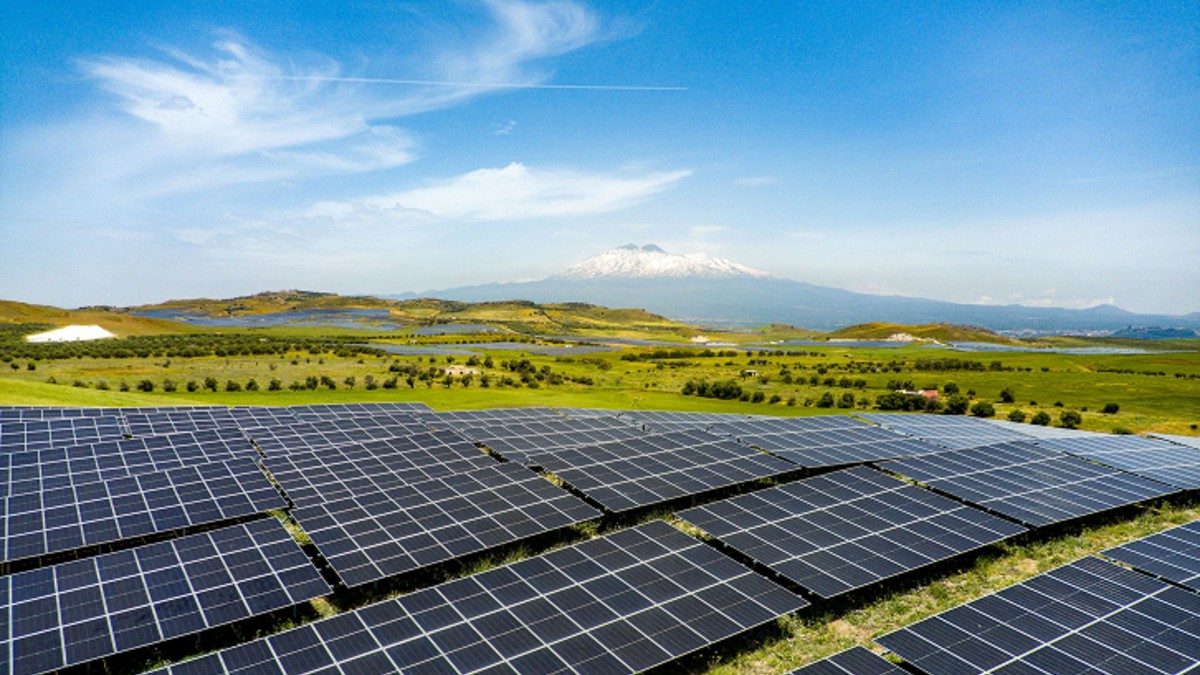
Italy’s largest solar farm is now online, giving the country another boost in clean power as it races to add more renewable energy.
Expand Expanding Close
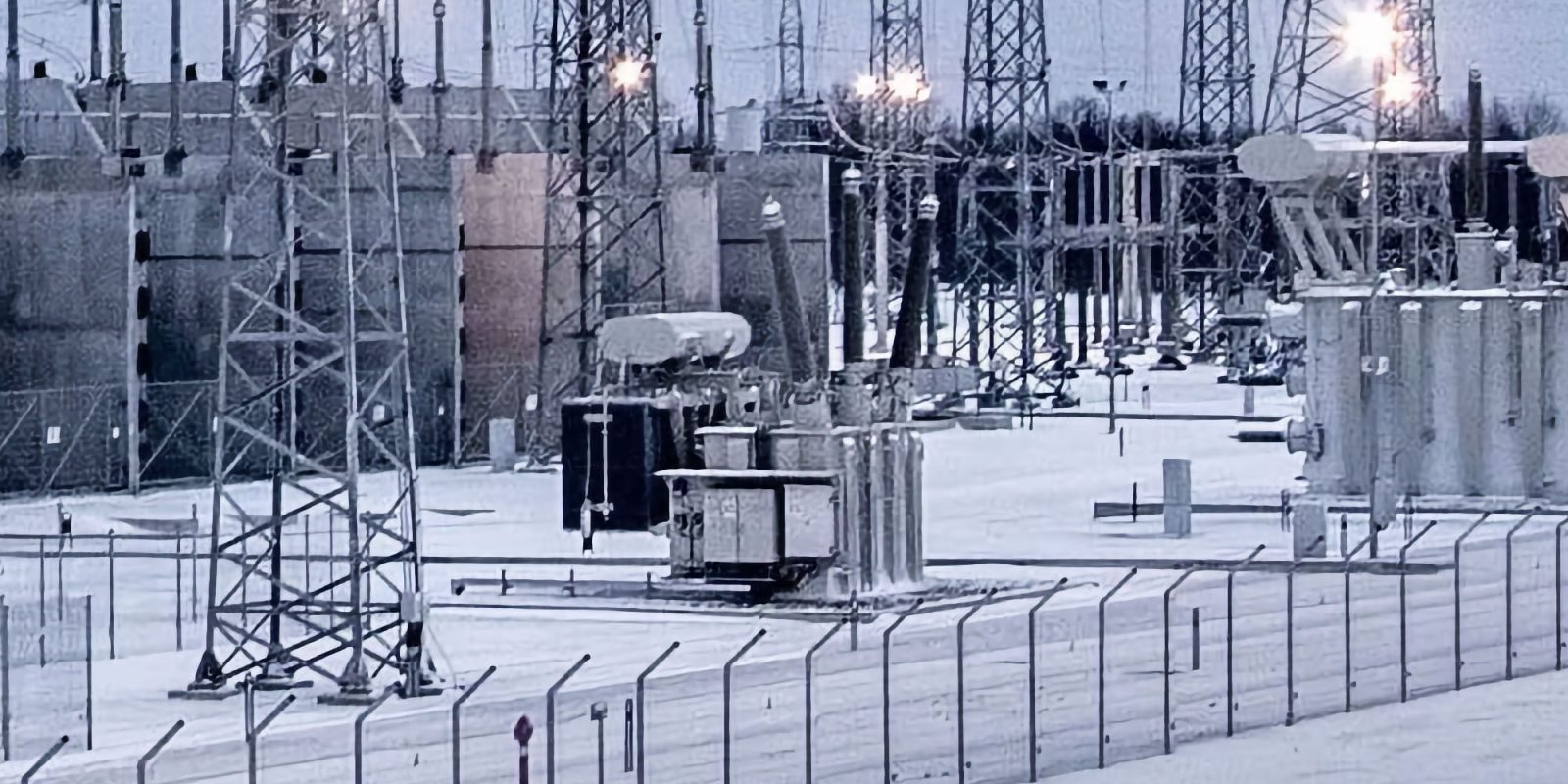
Hitachi Energy has broken ground on a major expansion of its South Boston, Virginia, campus that will become the largest power transformer factory in the US – one of the most in-demand pieces of equipment for the country’s aging, overloaded electric grid.
Expand Expanding Close
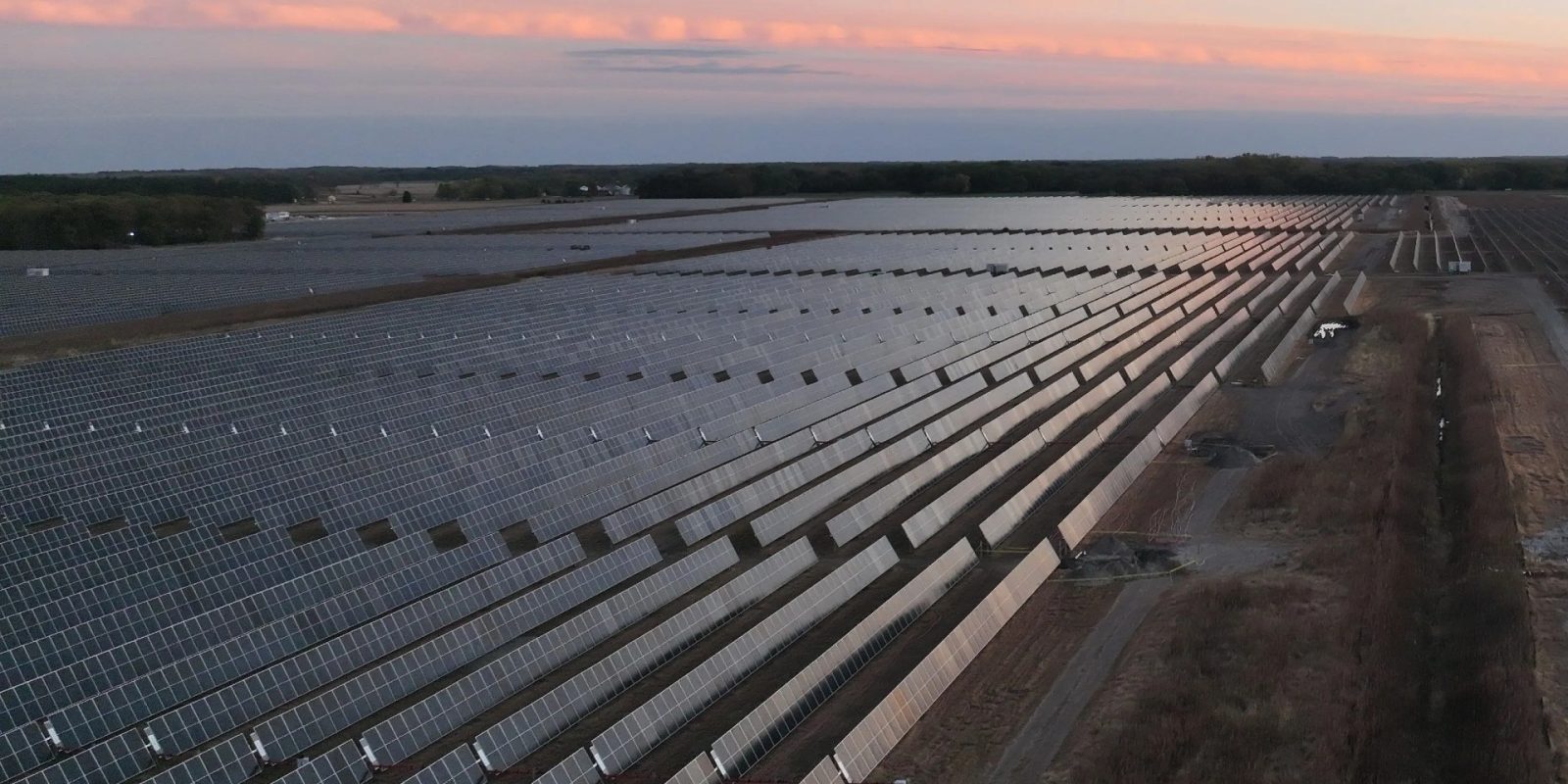
Renewables accounted for 30.0% of total US electrical generation during the first third of 2026, up 2.2% year over year, according to new data recently released by the US Energy Information Administration (EIA), and reviewed by the SUN DAY Campaign.
Expand Expanding Close
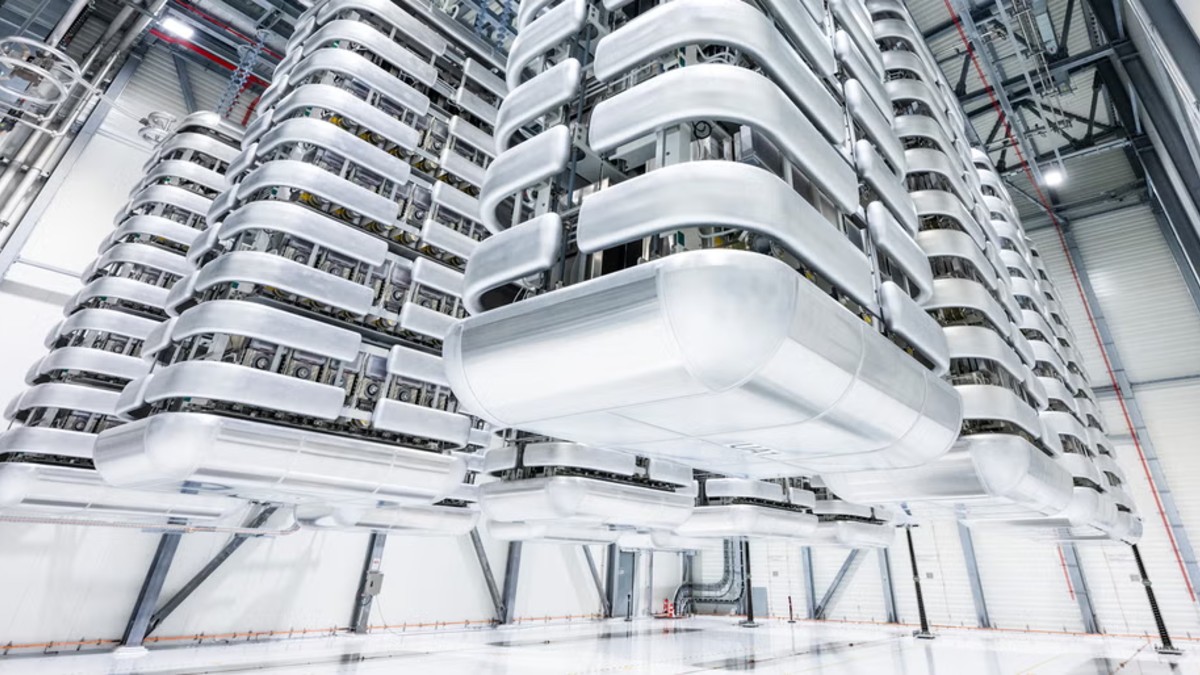
Italy and Tunisia have taken a major step toward building the first DC power link between Europe and North Africa.
Expand Expanding Close
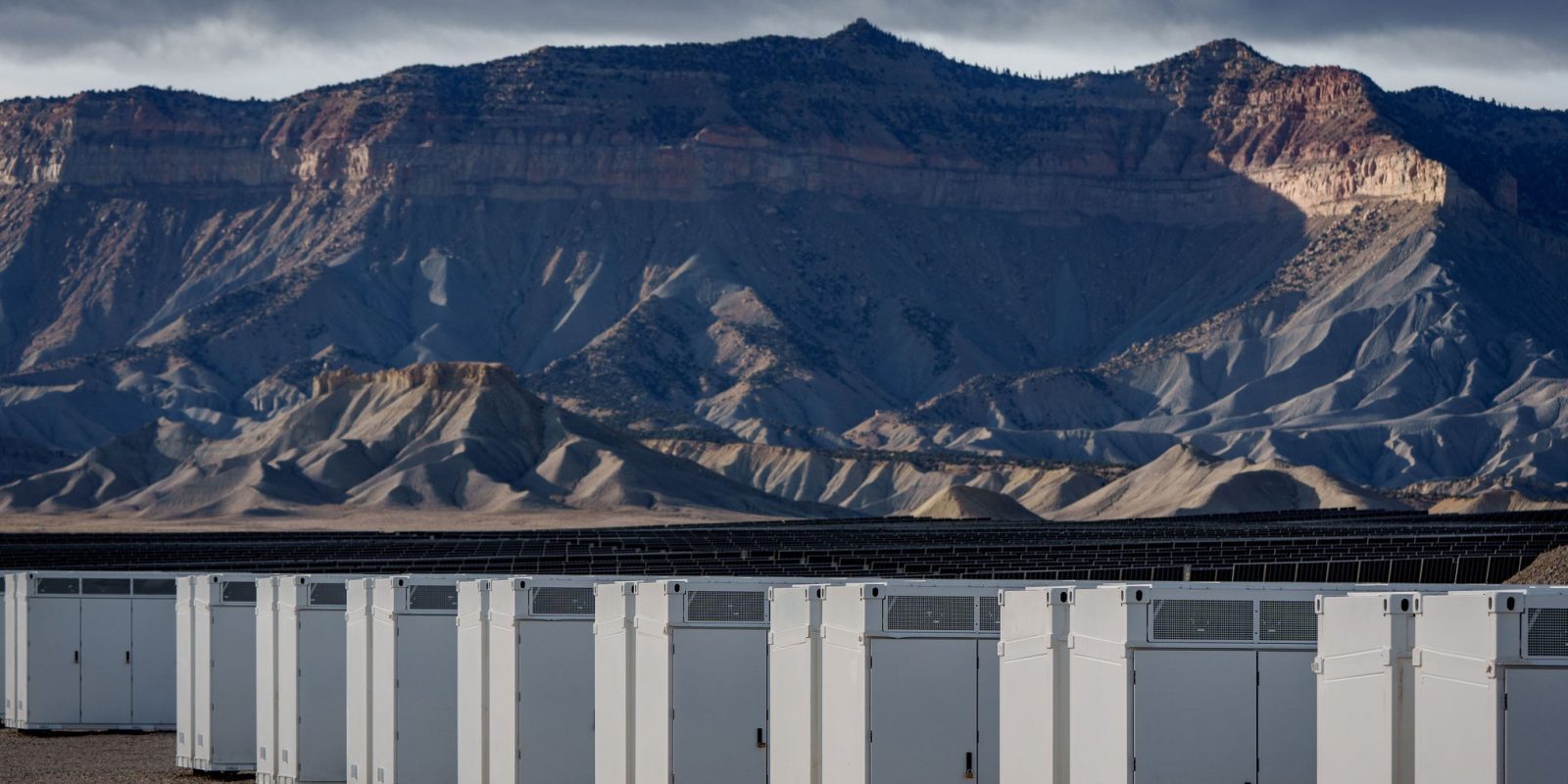
Utah’s largest solar and battery storage project is now officially generating electricity.
Expand Expanding Close
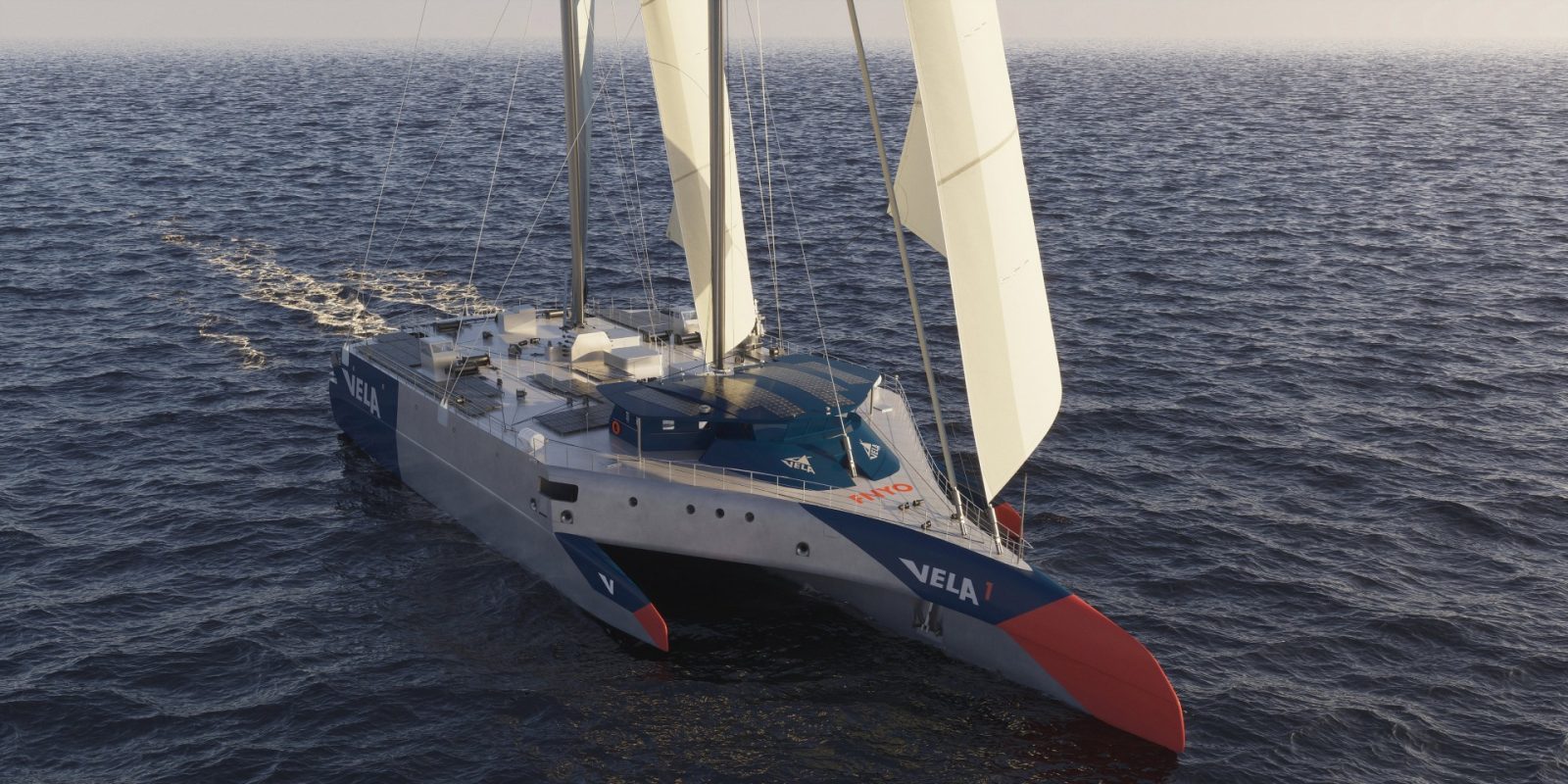
DHL is turning to VELA for wind power to help move cargo across the Atlantic.
Expand Expanding Close
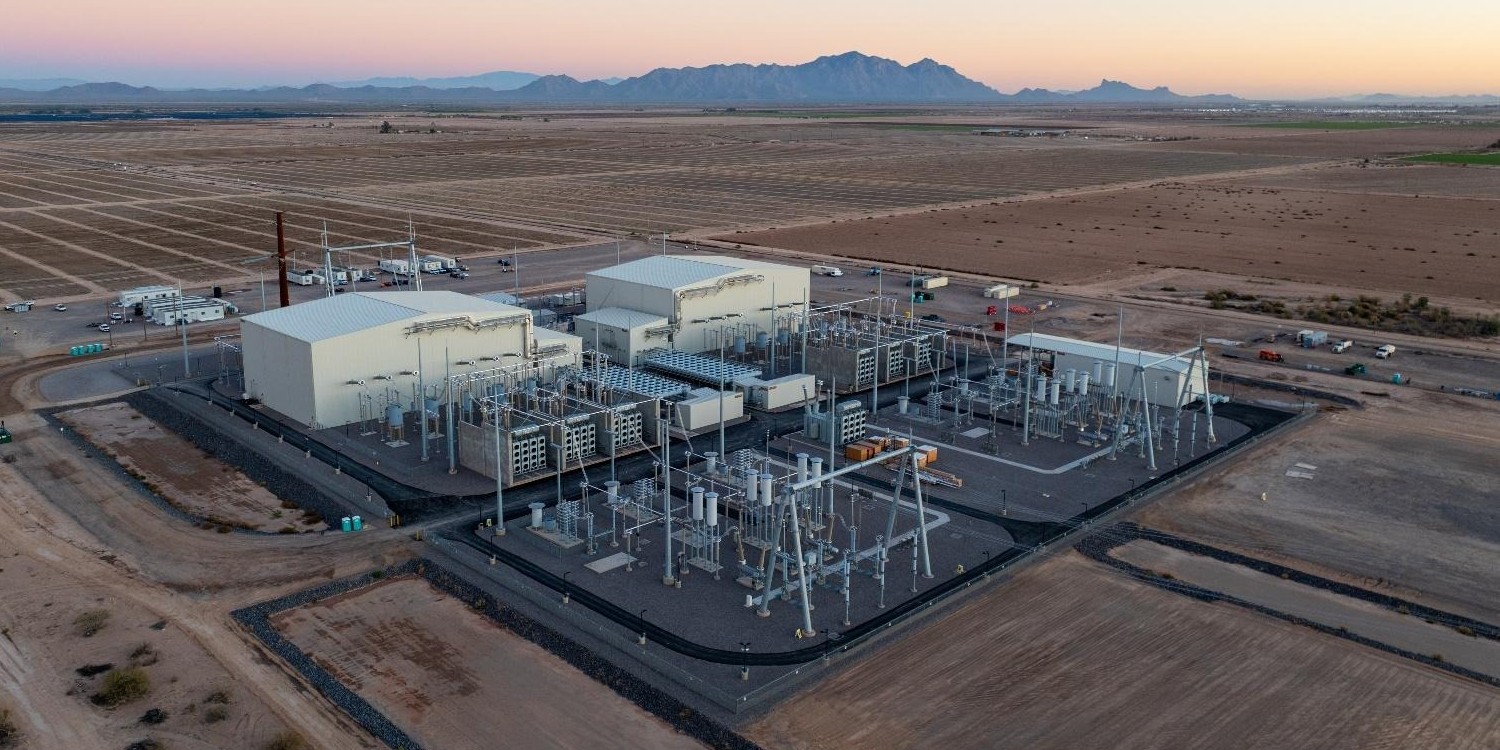
SunZia, an $11 billion wind-and-power-line project and one of the largest US clean energy transmission projects ever built, is officially online.
Expand Expanding Close
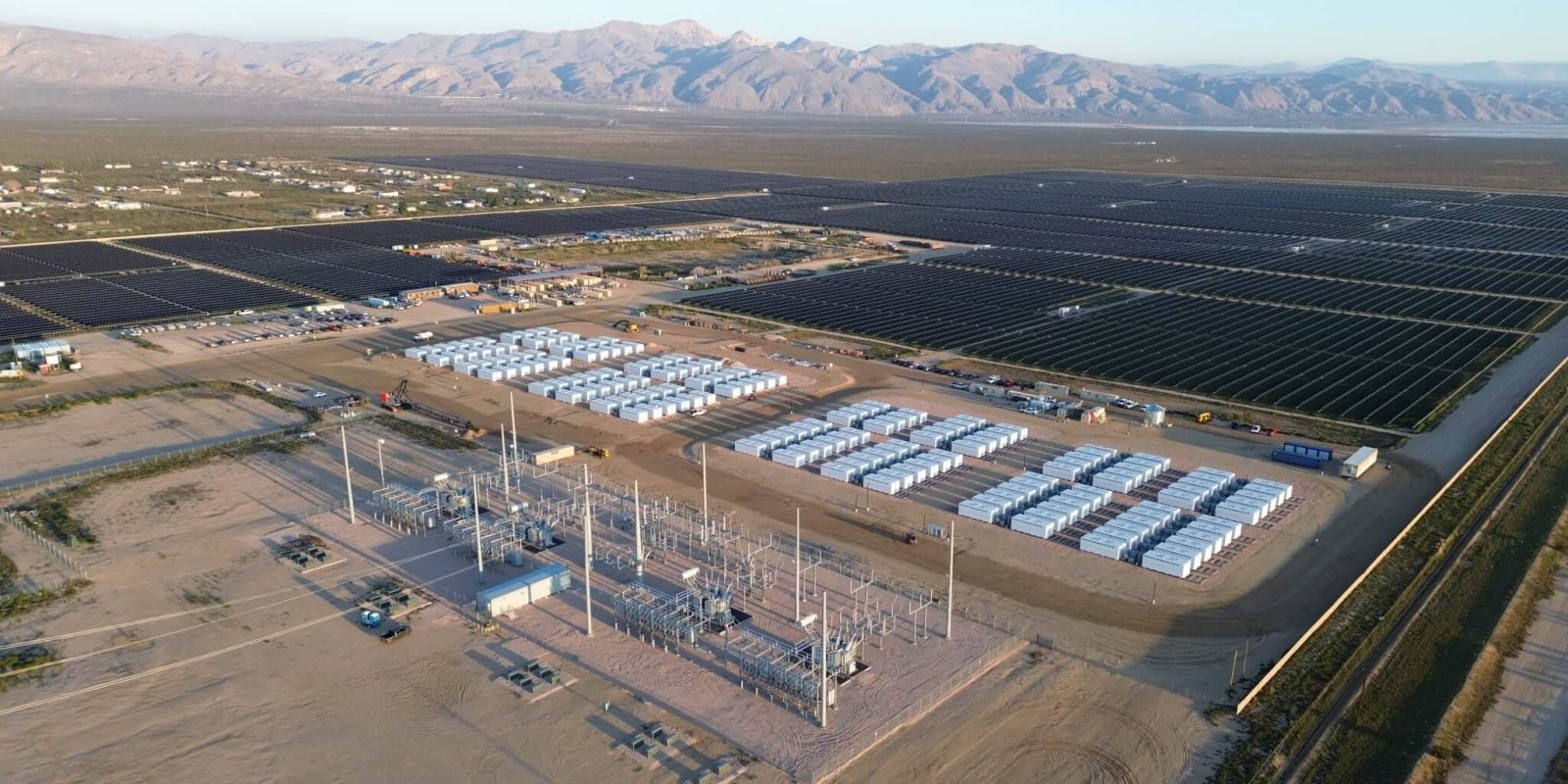
California’s utility-scale solar plants are generating more electricity than natural gas for most days of the year in 2026, according to new data from the US Energy Information Administration (EIA).
Expand Expanding Close
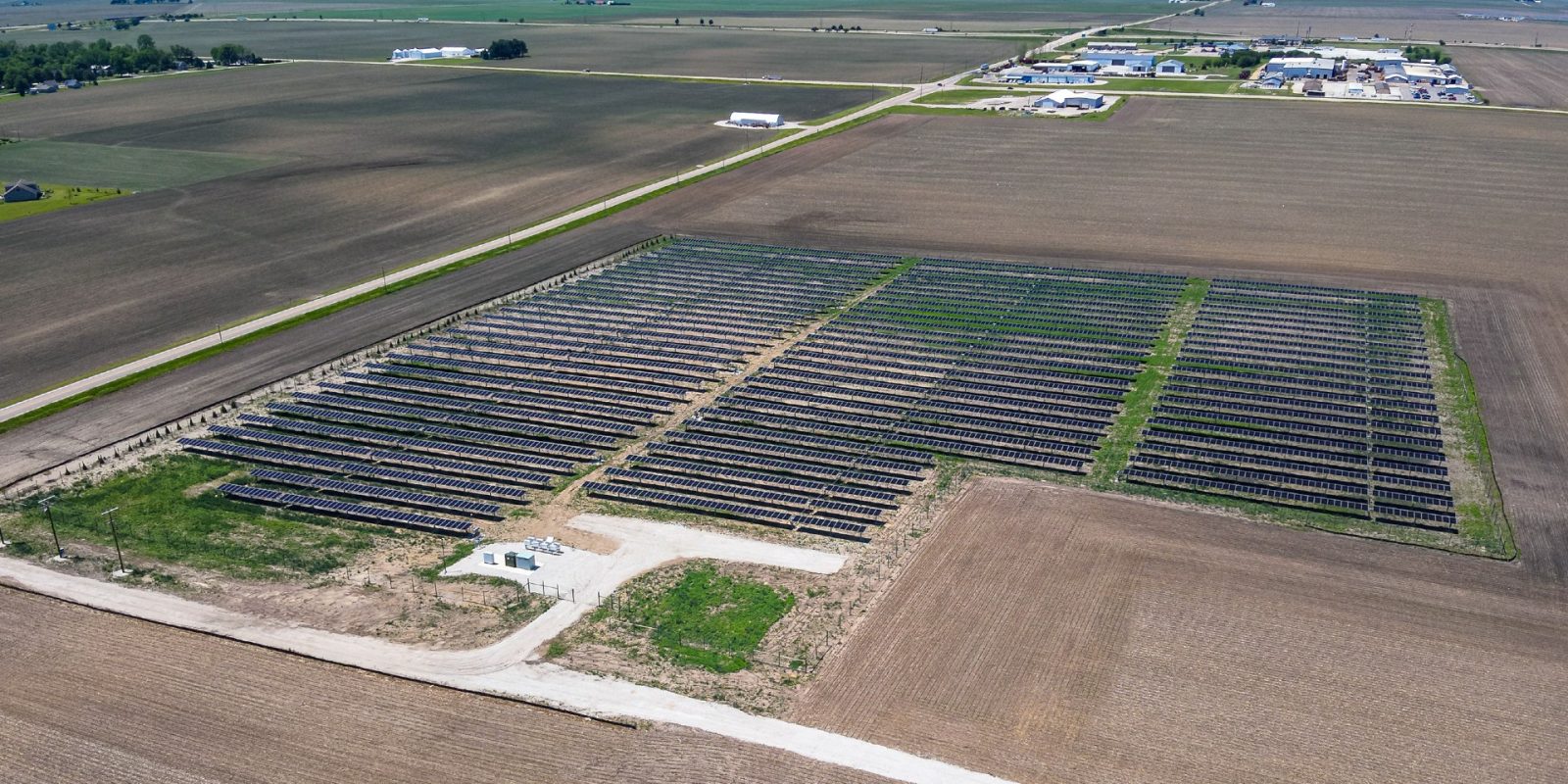
An old coal mine in Illinois is now generating community solar power for hundreds of households and businesses.
Expand Expanding Close