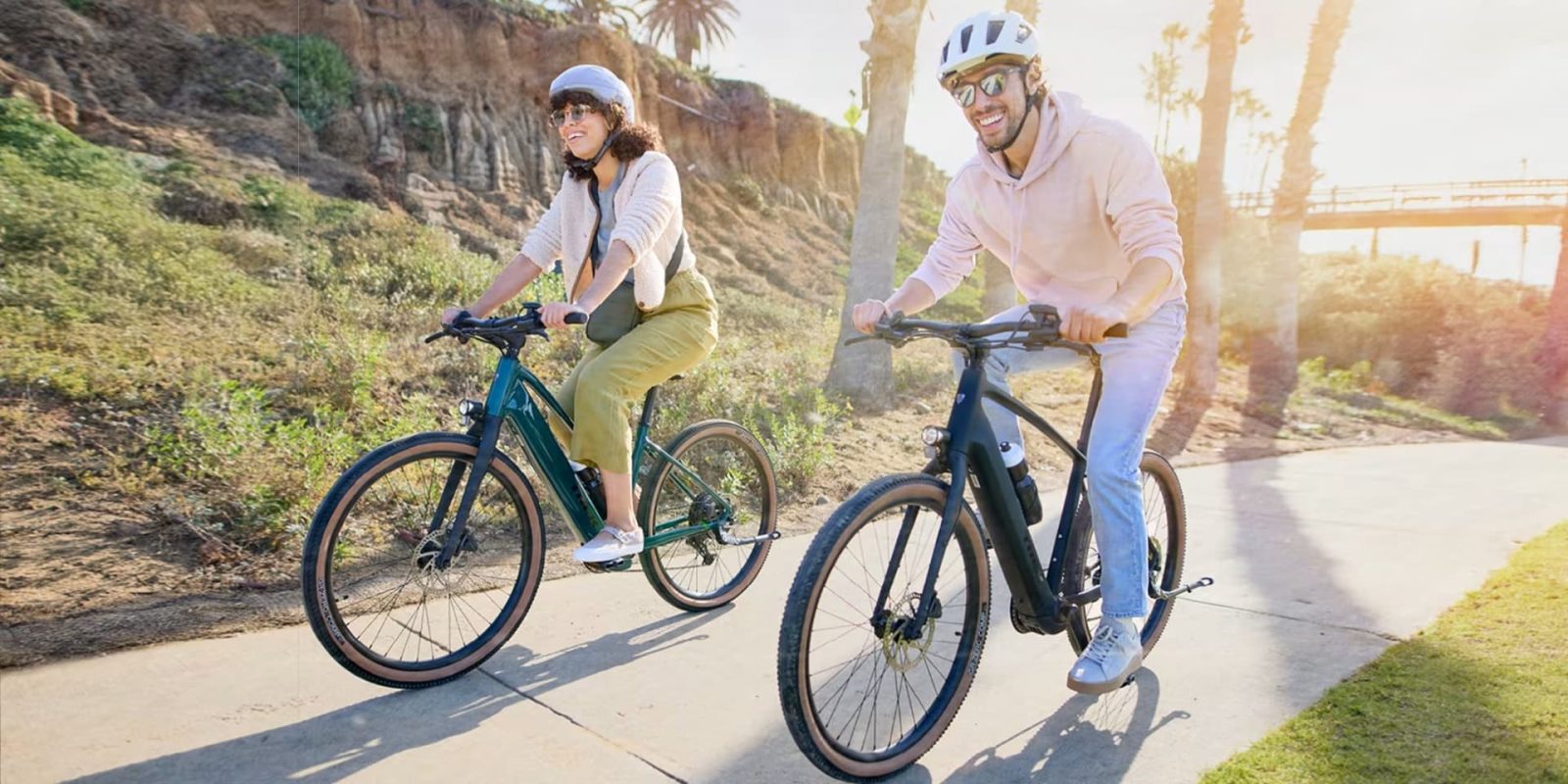
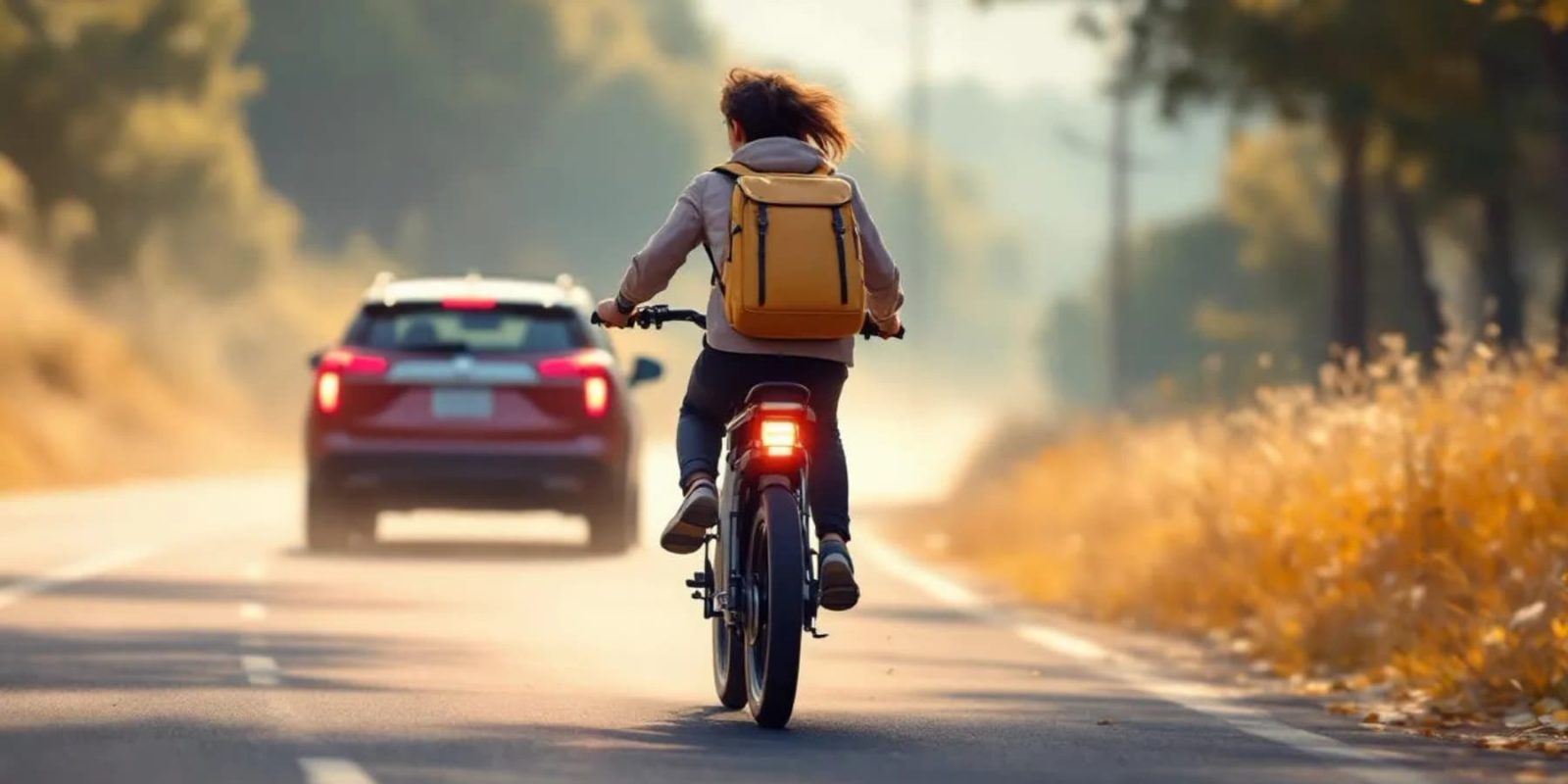
Electric bikes are booming in popularity in just about every demographic in the US. From teens riding to school all the way to elderly folks getting back on a bicycle for the first time in years, electric bikes are becoming ubiquitous. But as speeds and power levels have increased, Connecticut is responding with new laws.
Electric bikes are booming in popularity across the US, and cities are starting to take notice. From famous programs like those in Denver to smaller initiatives around the country, local governments are rolling out rebate and incentive programs to make e-bikes more affordable, especially for lower-income residents. The goal? Get more people out of cars and onto two wheels.
Canadian startup Beachman has just unveiled its latest electric two-wheeler, the ’64, a vintage-styled electric motorcycle that looks like it rolled straight out of the 1960s. With throwback café racer design and a respectable top speed of 45 mph (72 km/h), it’s a slick little ride with a curious twist: it calls itself an e-bike.
[Update: A previous version of this article incorrectly stated that the Beachman ’64 E-bike did not have pedals. In fact, it does have small cranks and pedals folded up against the bike, mounted to the swingarm.]
Let’s get one thing out of the way early: single-speed electric bikes aren’t perfect. If you live in the hills of San Francisco, they’re not going to be your best friend. But if you’re like the majority of city riders around the world – rolling through mostly flat neighborhoods, navigating stop-and-go traffic, and hopping on and off curbs – then a single-speed e-bike might just be the smartest and most underrated option on the market.
Electric mountain biking has long been one of the most exciting – and most expensive – corners of the micromobility world. Riders get to explore rugged trails, climb hills that would leave most lungs gasping, and experience the rush of mountain biking with a little extra electric assist. But for many, the cost of entry has felt more like a brick wall than a welcome gate. Until now.
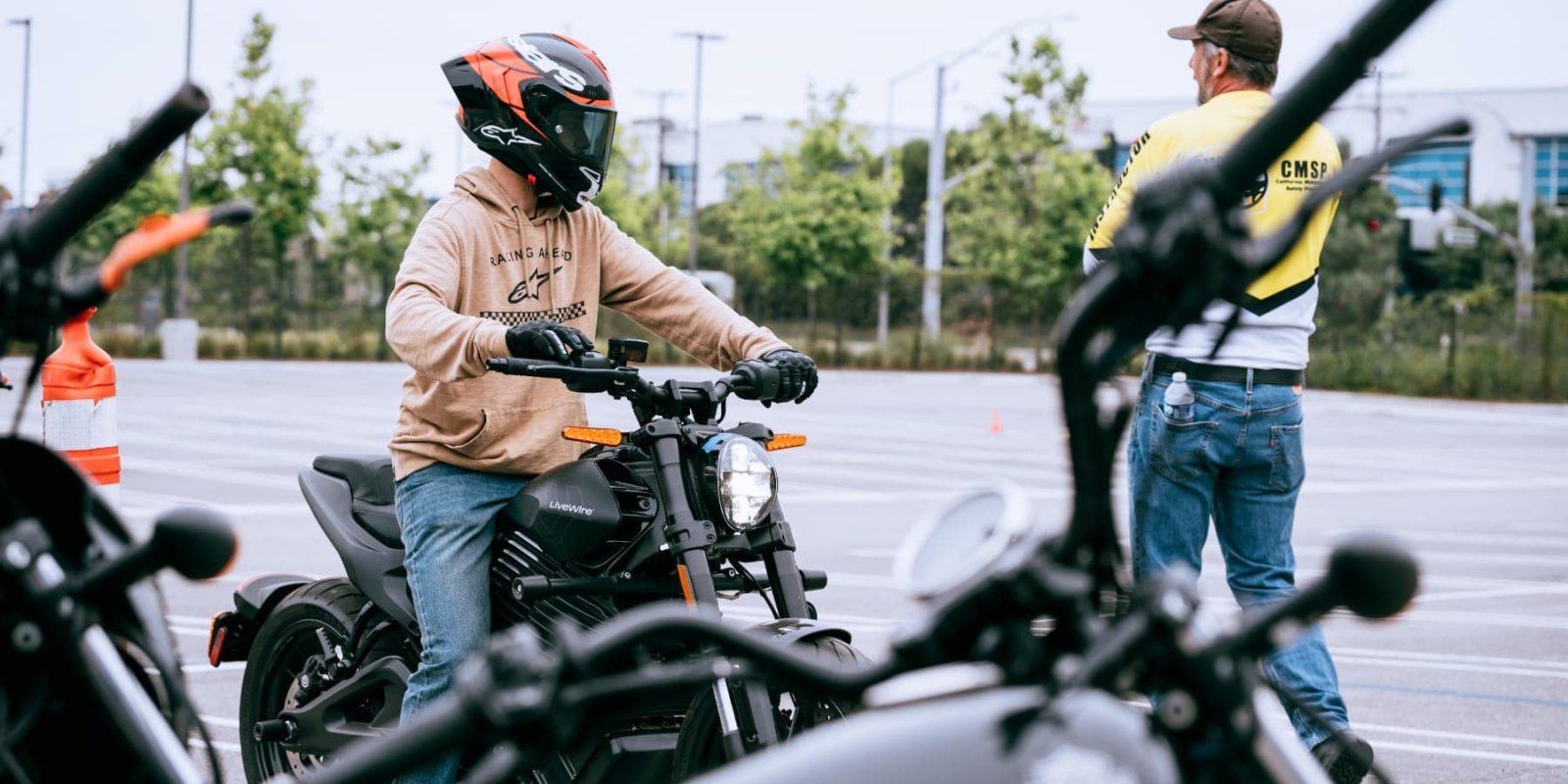
Getting a motorcycle license just got a little easier – and more electrifying. In a move that could help usher more riders into the electric future, new riders now have a chance to learn on LiveWire electric motorcycles as part of a licensing course.
California’s growing fleet of electric bikes is the subject of two new laws signed this week by Governor Gavin Newsom and intended to increase the safety of the quickly growing form of alternative transportation.
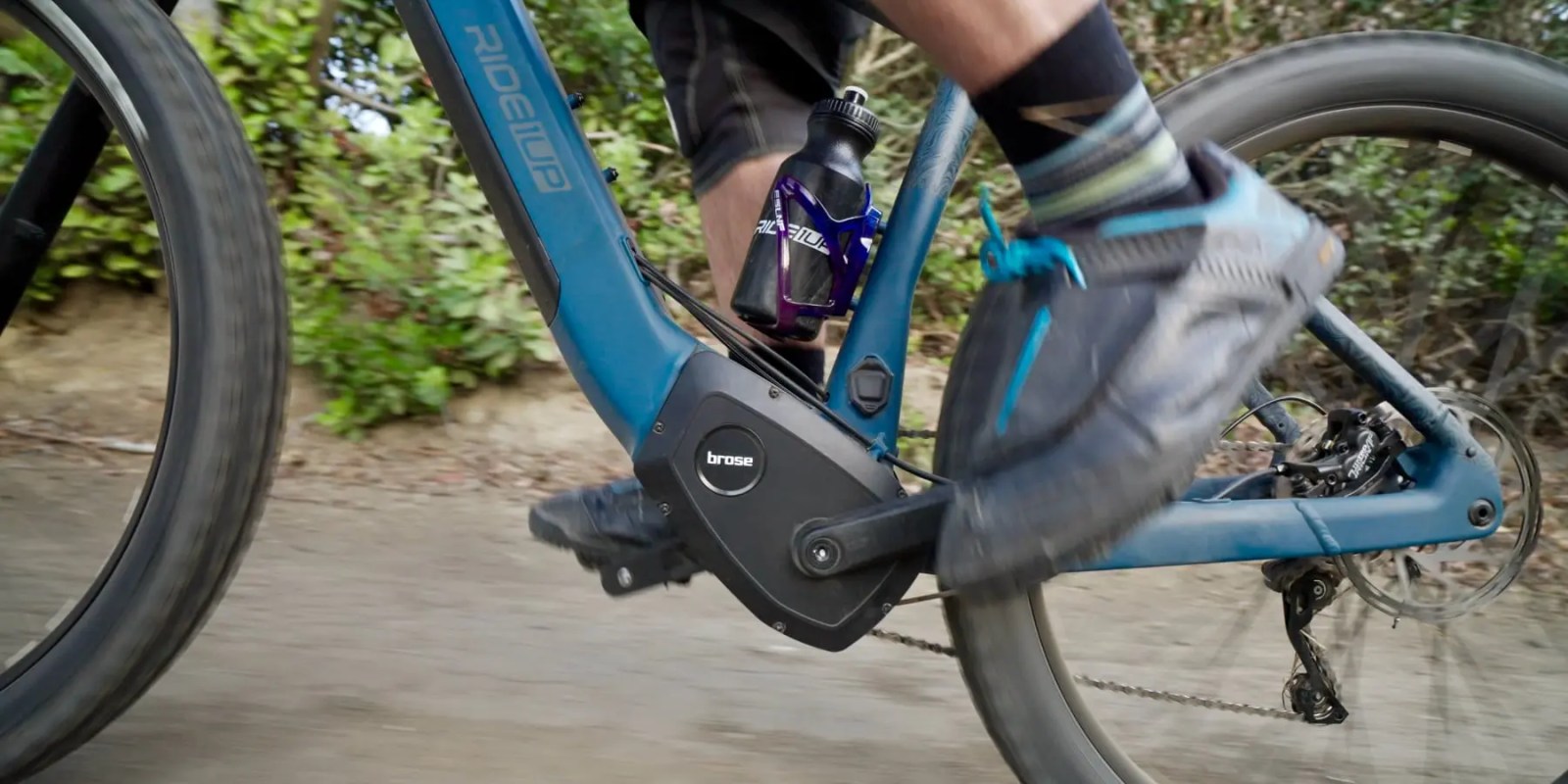
Ride1Up is officially hitting the trails in a big way. Known for its commuter-focused electric bikes that deliver impressive value, the San Diego-based brand has just announced the new Ride1Up TrailRush: a trail-ready electric mountain bike that marks Ride1Up’s first true entry into the rugged world of eMTBs.
In a market full of complicated tech, sky-high torque specs, and smartphone apps to control an e-bike, New York-based Priority Bicycles is going in the opposite direction with the launch of its newest model: the Priority Glide, a lightweight, fuss-free e-bike that brings belt drive simplicity to the masses.
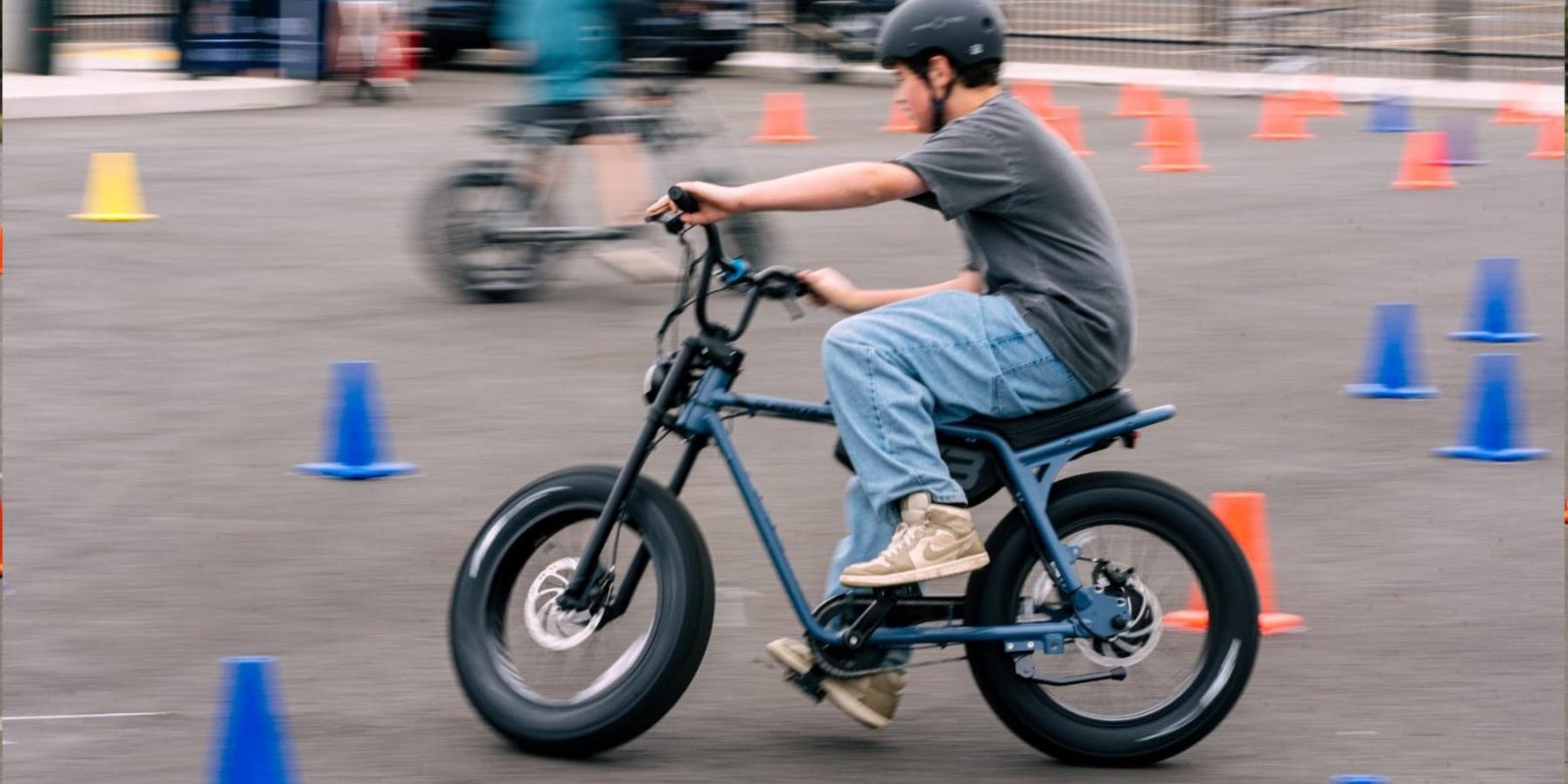
Get ready, children. There’s a new electric bike licensing scheme that will soon be tested as one of several methods designed to help educate young riders on responsible road use and combat the growing concern of dangerous e-bike riding among youths around the world.
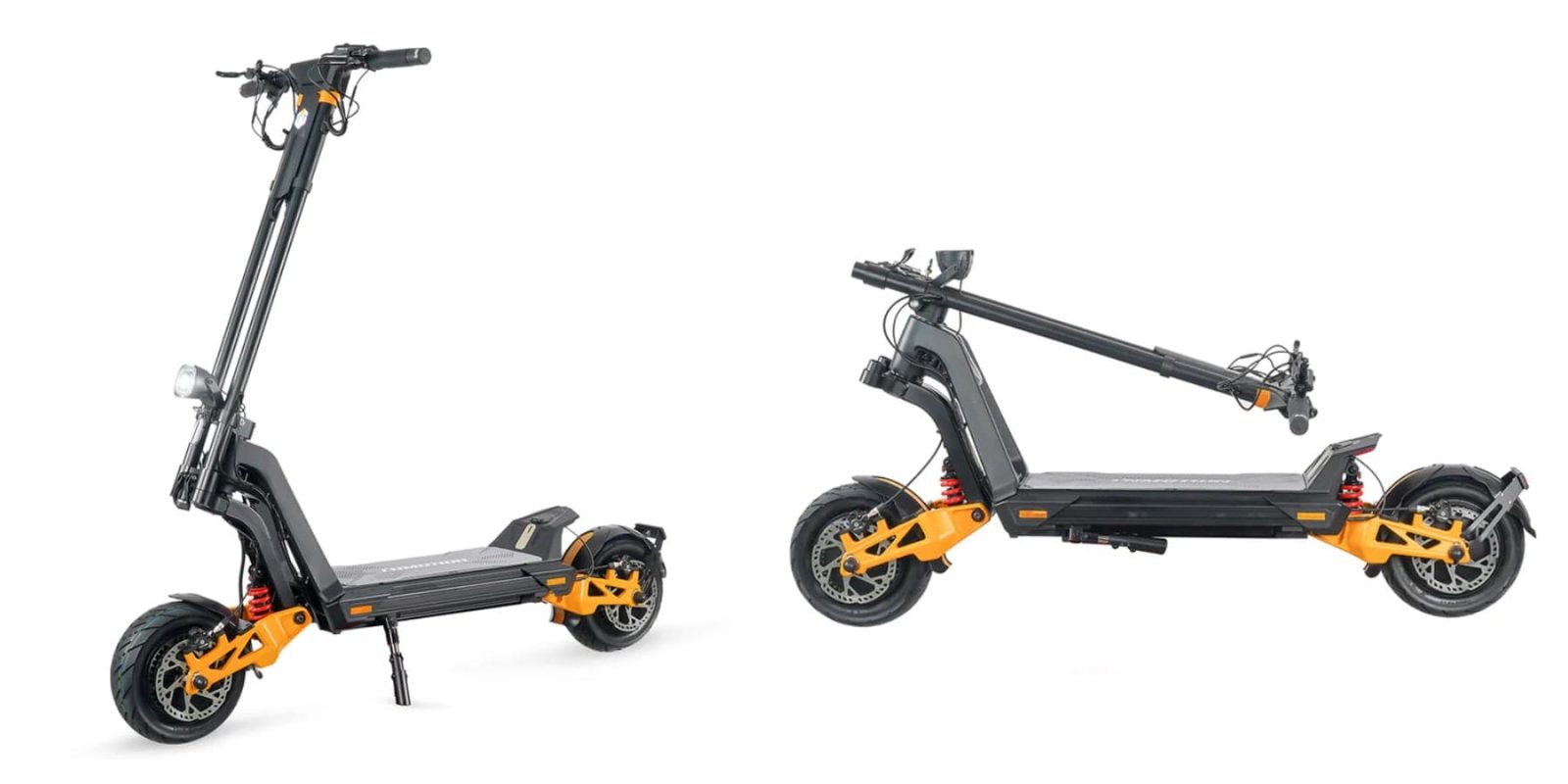
Inmotion has unveiled its latest high-performance electric scooter, the Jet, and it’s shaping up to be a serious contender for riders who want both speed and commuter utility in one package. With a top speed of 50 mph (80 km/h) and dual 1,200W motors peaking at 2,300W, the Jet is one of the highest-performance electric scooters available in the ~$2k price range.
Vietnam is taking bold steps to clean up its streets – and quiet them down. Starting next summer, the major downtown areas of Hanoi will ban all gasoline-powered motorcycles as part of a program to cut down on emissions.
Electric bikes are a menace. They go almost as fast as a car (if the car is parking), they’re whisper quiet (which makes them impossible to hear over the podcast playing in your headphones), and worst of all, they’re increasingly ridden by teenagers.
There’s something about the joy of playing around with Tonka trucks in a sandbox that men really never grow out of. Sure, we grow up, get real jobs, and most of us never take the toys back out of the dusty, long-forgotten box. But the desire is still there. And if you gave just about any former boy and reluctant adult the option, I’d be dollars to donuts they’d gladly play around with the life-sized version of their childhood construction toys in a heartbeat.
If that sounds like fun, then I’ve got good news for you. I just found the coolest grown-up toy construction vehicle and it’s unlike anything you’ve seen before. I’d argue that it slots in nicely as a perfect example of some of the coolest and weirdest things you can find from China’s endless supply of innovative EVs. So, for your viewing pleasure, I submit this week’s Awesomely Weird Alibaba Electric Vehicle of the Week: the Octo-dumper!
In his latest crackdown on e-bike riders, New York City Mayor Eric Adams is pushing for a new citywide e-bike speed limit of 15 mph (25 km/h), despite the fact that no one seems to know how it would actually be enforced.
This week on Electrek’s Wheel-E podcast, we discuss the most popular news stories from the world of electric bikes and other nontraditional electric vehicles. This time, that includes new e-bikes from Aventon and Lectric, a surge in Amish riding e-bikes, a wireless charging kickstand, cheaper electric motorcycles coming from Honda and LiveWire and more.
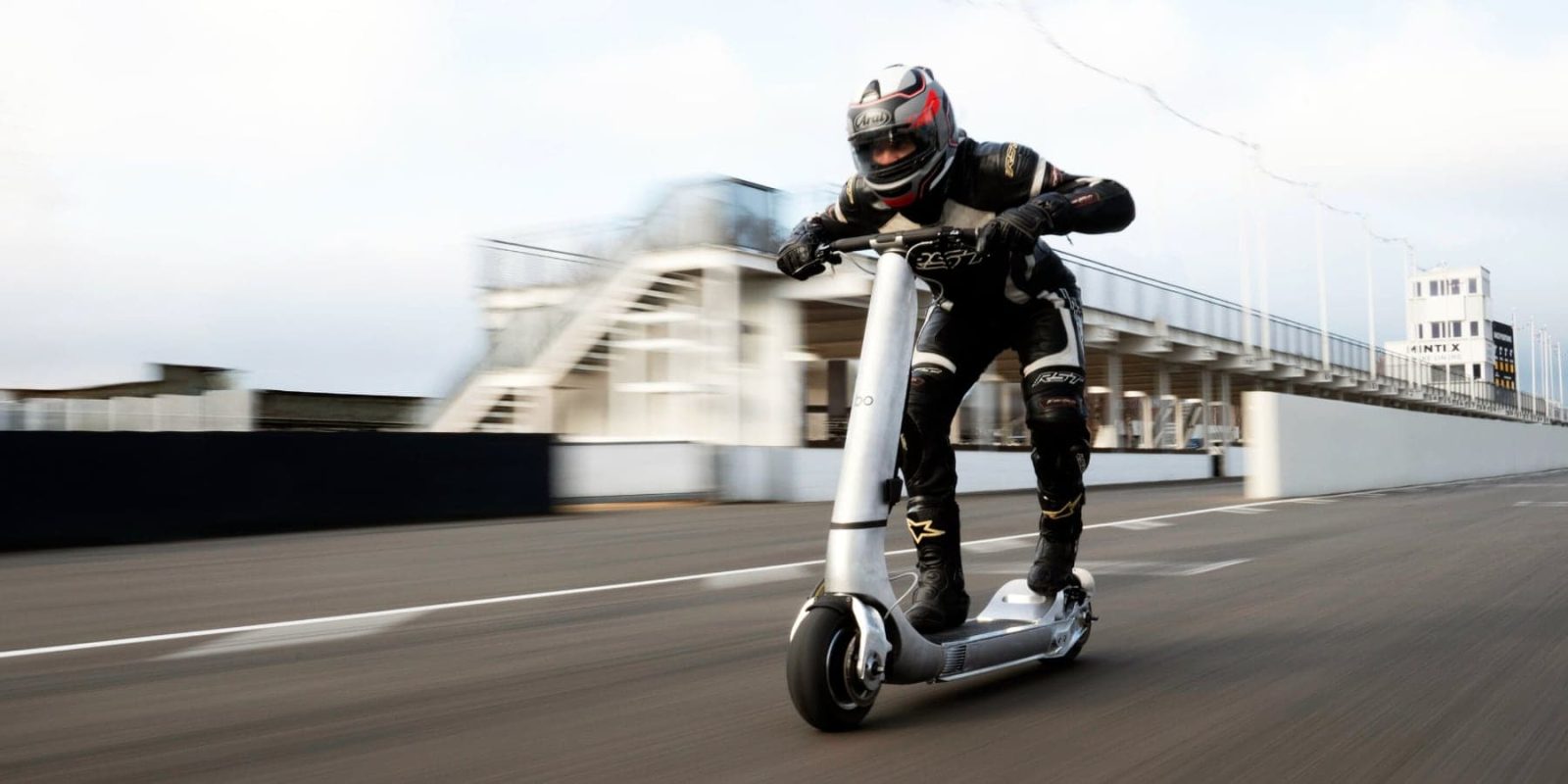
You might want to hold onto your handlebars for this one – literally. The fashion-forward British electric scooter maker Bo just unveiled what could be the most extreme electric scooter the world has ever seen. Named The Turbo, this standing e-scooter isn’t just playing around with speed – it’s aiming to smash right through it and find out what’s waiting on the other side.
And it all begs the question, “How much is too much?”
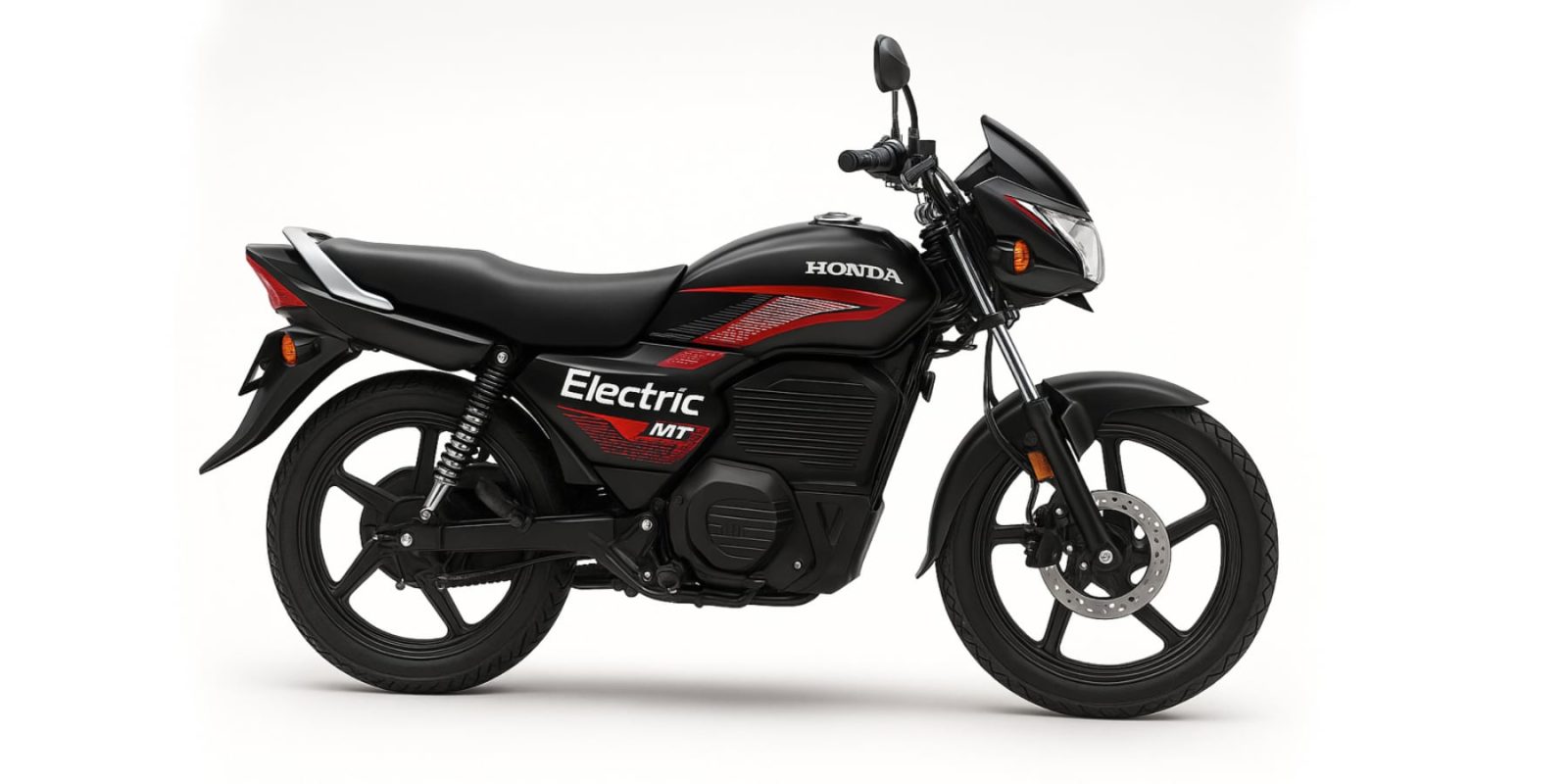
Earlier this week, we covered Honda’s new patent images that revealed what looks to be a production-ready, ultra-low-cost electric motorcycle from the world’s most prolific motorcycle maker. While the company hasn’t officially announced plans to bring the bike to market, the level of detail in the patent suggests one thing loud and clear: Honda’s electric commuter is no longer just a concept – it’s waiting on a green light from the boardroom. And if they’re still debating giving it the thumbs up or down, then now would be the perfect time to make everyone’s day and release this thing to the world.
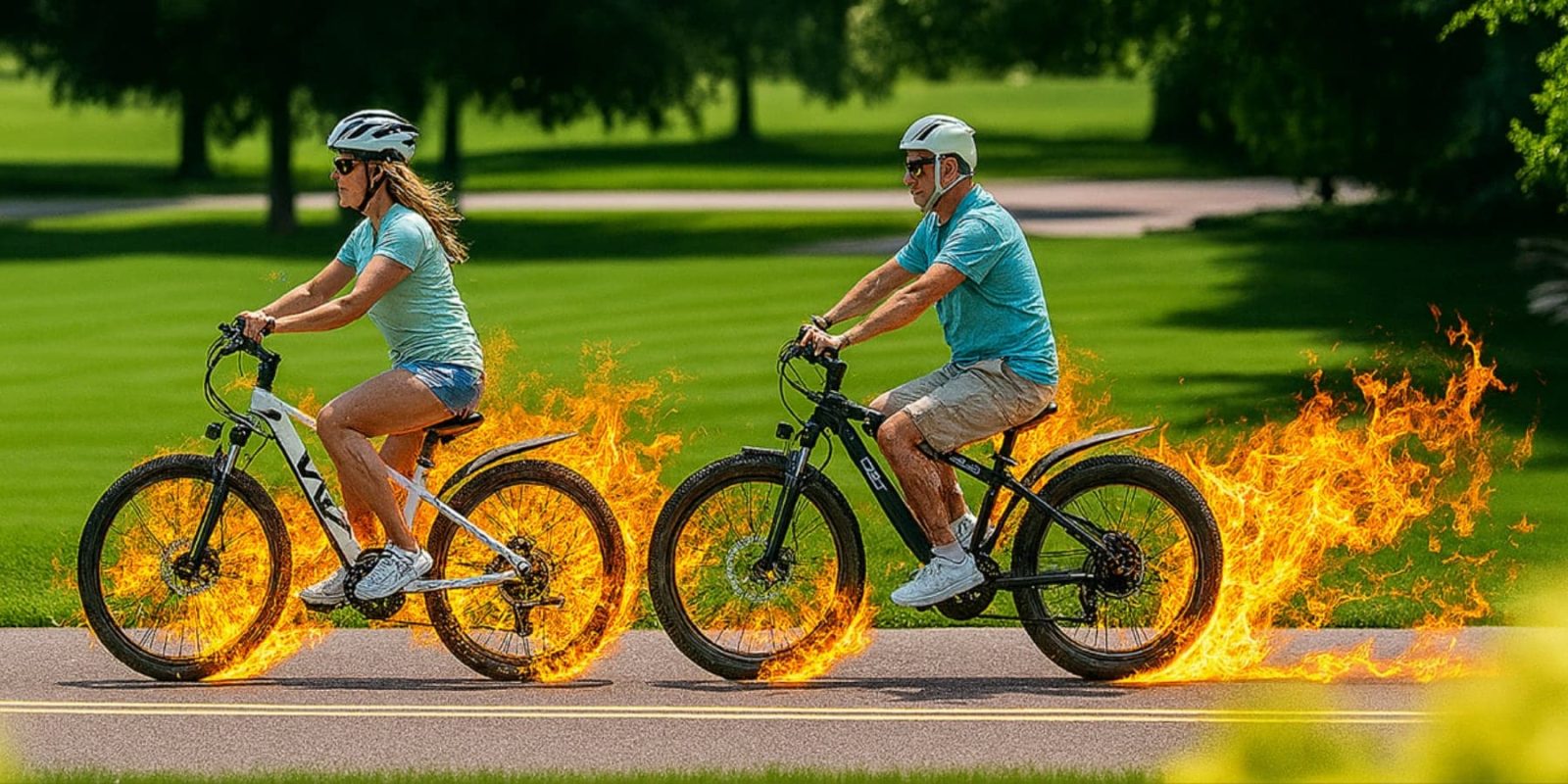
VIVI e-bikes, a budget-friendly brand commonly found on Amazon and Walmart, just got hit with a major recall affecting around 24,000 electric bicycles due to fire risks. The US Consumer Product Safety Commission (CPSC) announced that the lithium-ion batteries included with VIVI e-bikes can overheat, catch fire, and potentially cause injury or death.
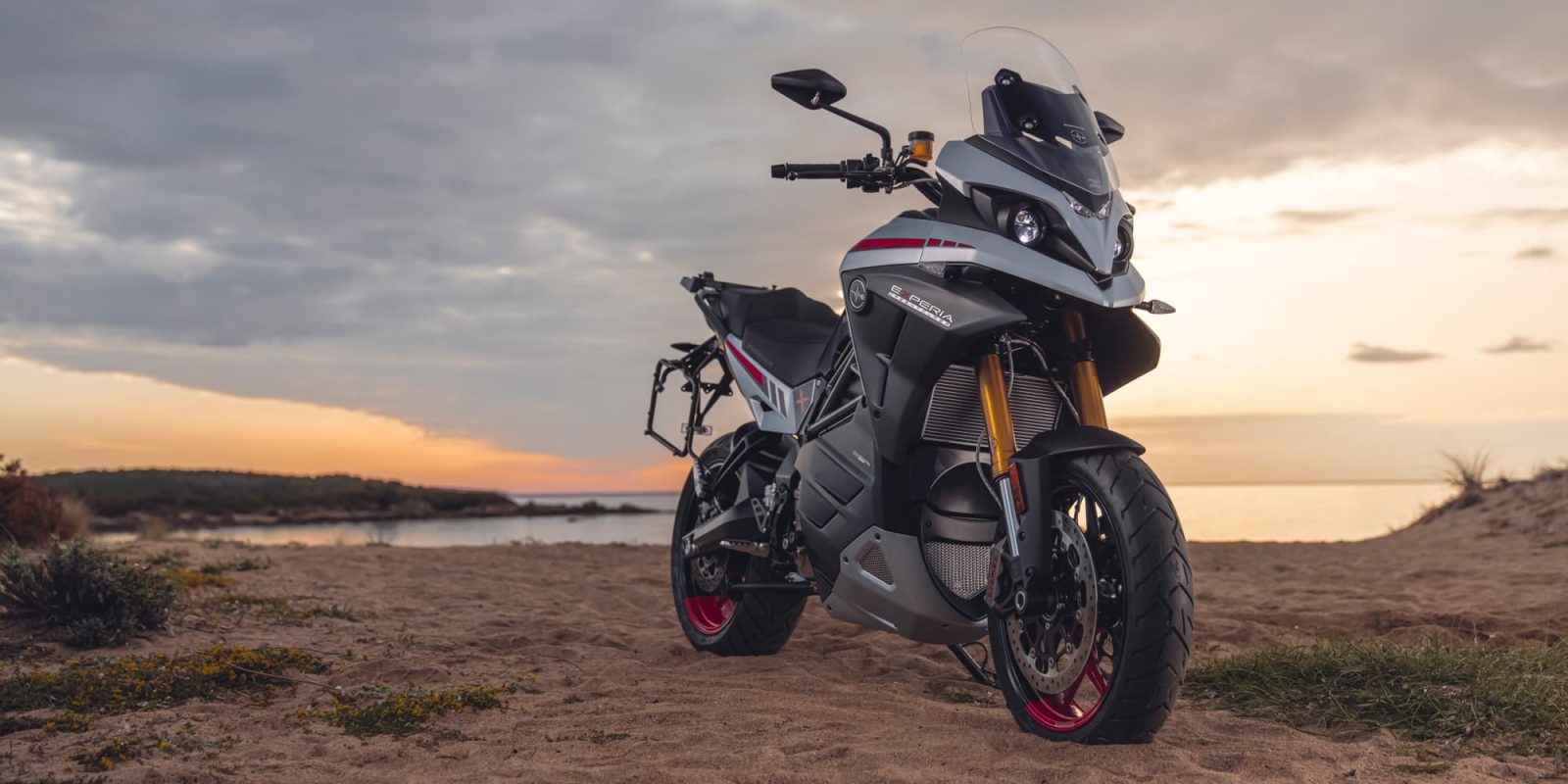
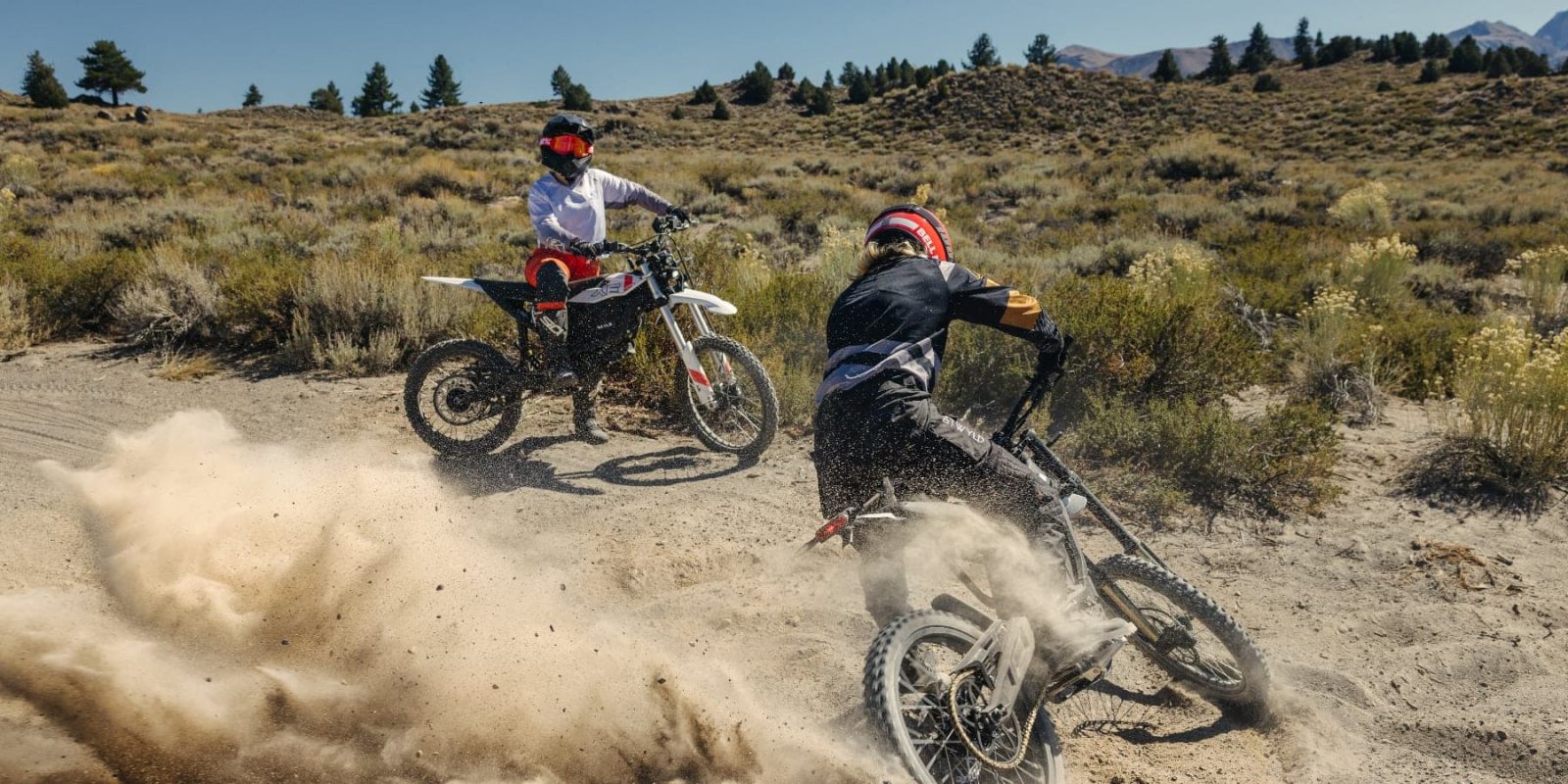
America’s two best-known flagship electric motorcycle brands are making a bold pivot – opening their business models up to include smaller, more affordable bikes – and the timing couldn’t be better. Zero Motorcycles and LiveWire have each unveiled new, budget-conscious models aimed at expanding the mainstream appeal of electric two-wheelers.
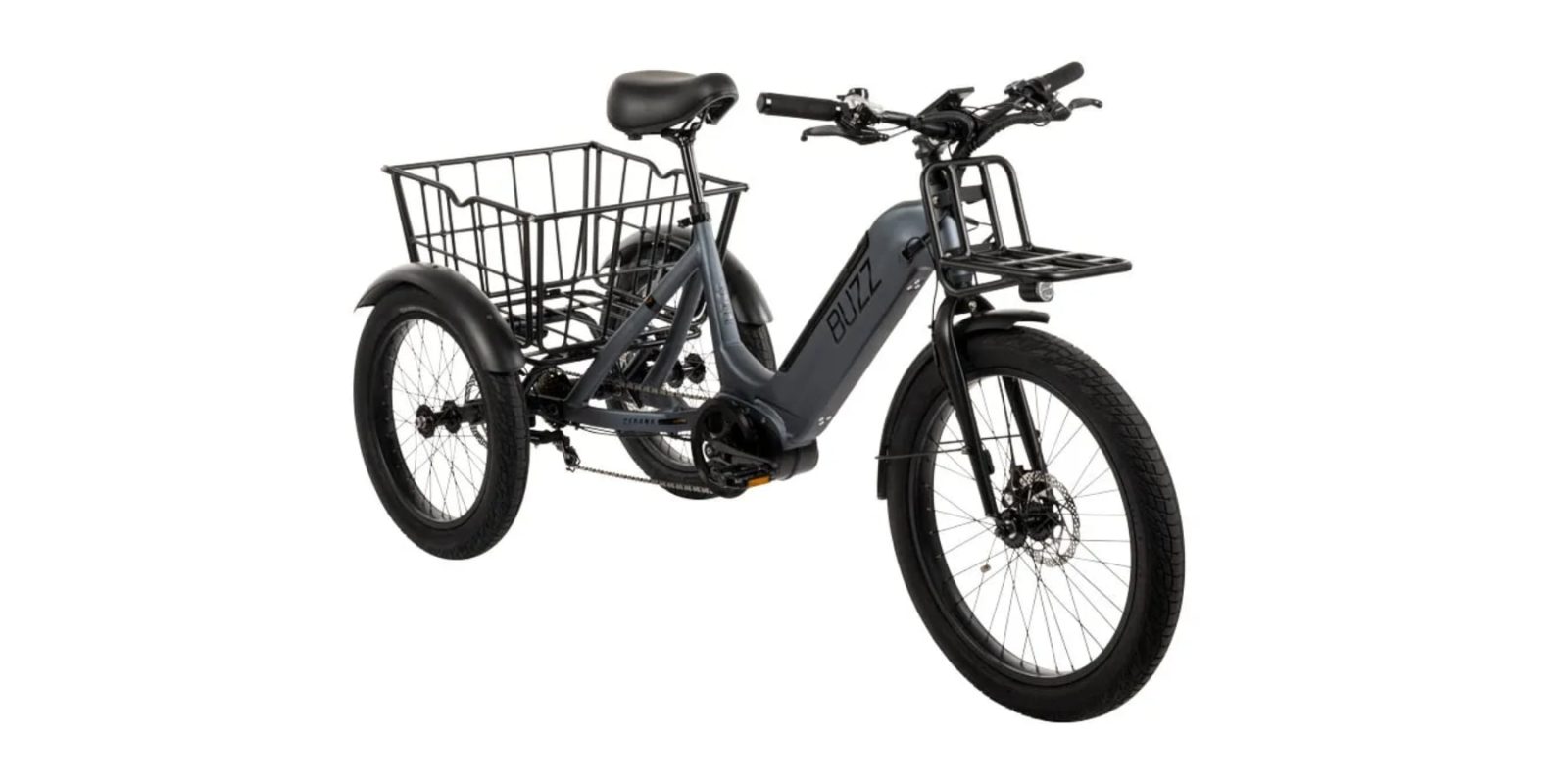
Buzz Bicycles has just launched its newest electric tricycle model, pushing prices even lower as older riders continue to gravitate towards electric three-wheelers as accessible e-bikes for both recreation and transportation. Now with the Buzz Cerana T2 hitting the road, the lower end of the market is heating up even faster. And Buzz may now have one of the best-priced mid-drive e-trikes in town.
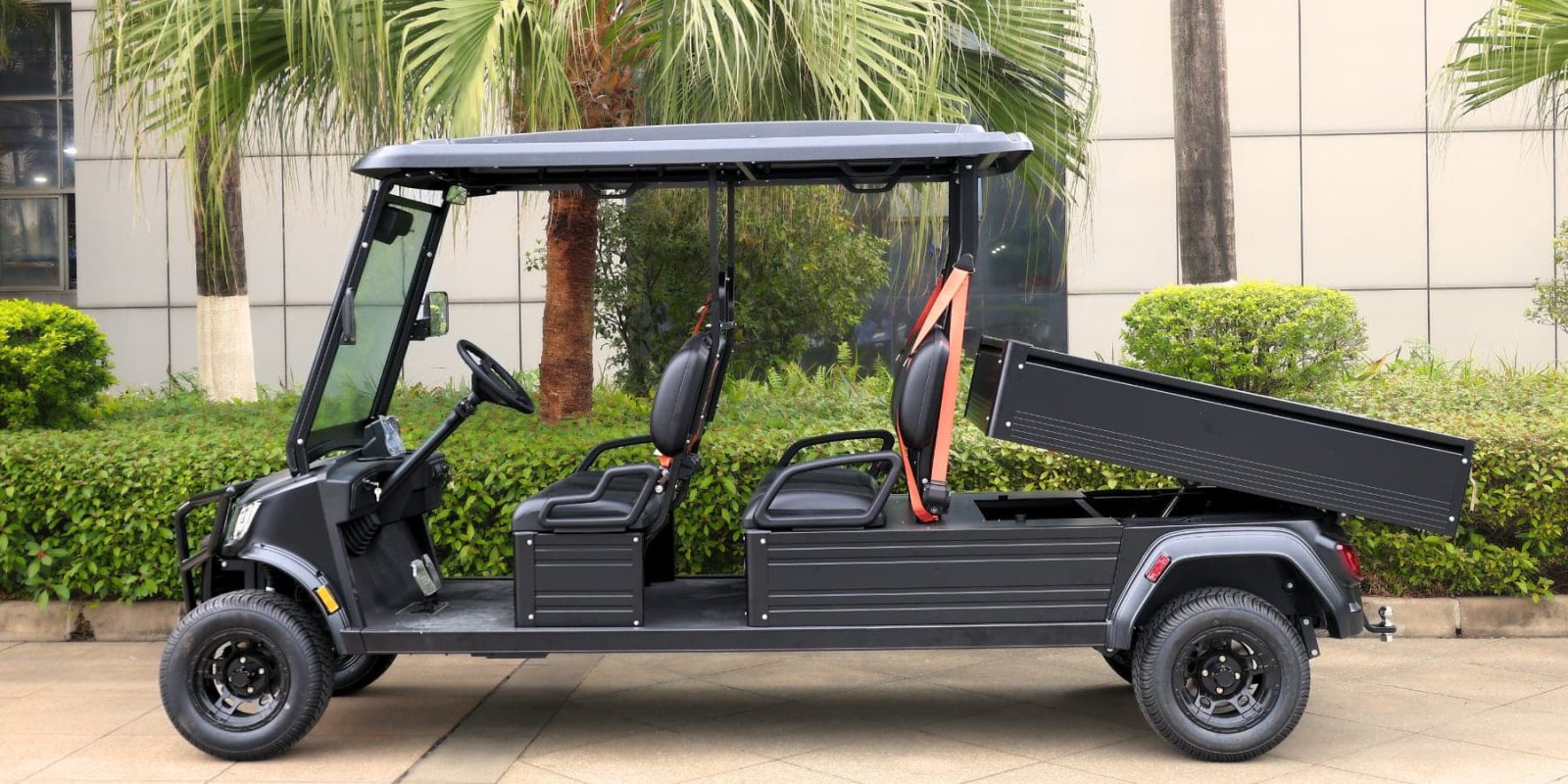
Waev, the company best known for its iconic GEM electric low-speed vehicles (LSVs), just unveiled a brand new lineup of commercial electric carts and LSVs. And this time, they’re not messing around when it comes to utility. Dubbed the Fusion line, these new lithium-ion-powered vehicles include mashups plucked from the worlds of golf carts, street-legal shuttles, and jobsite pickup trucks.