
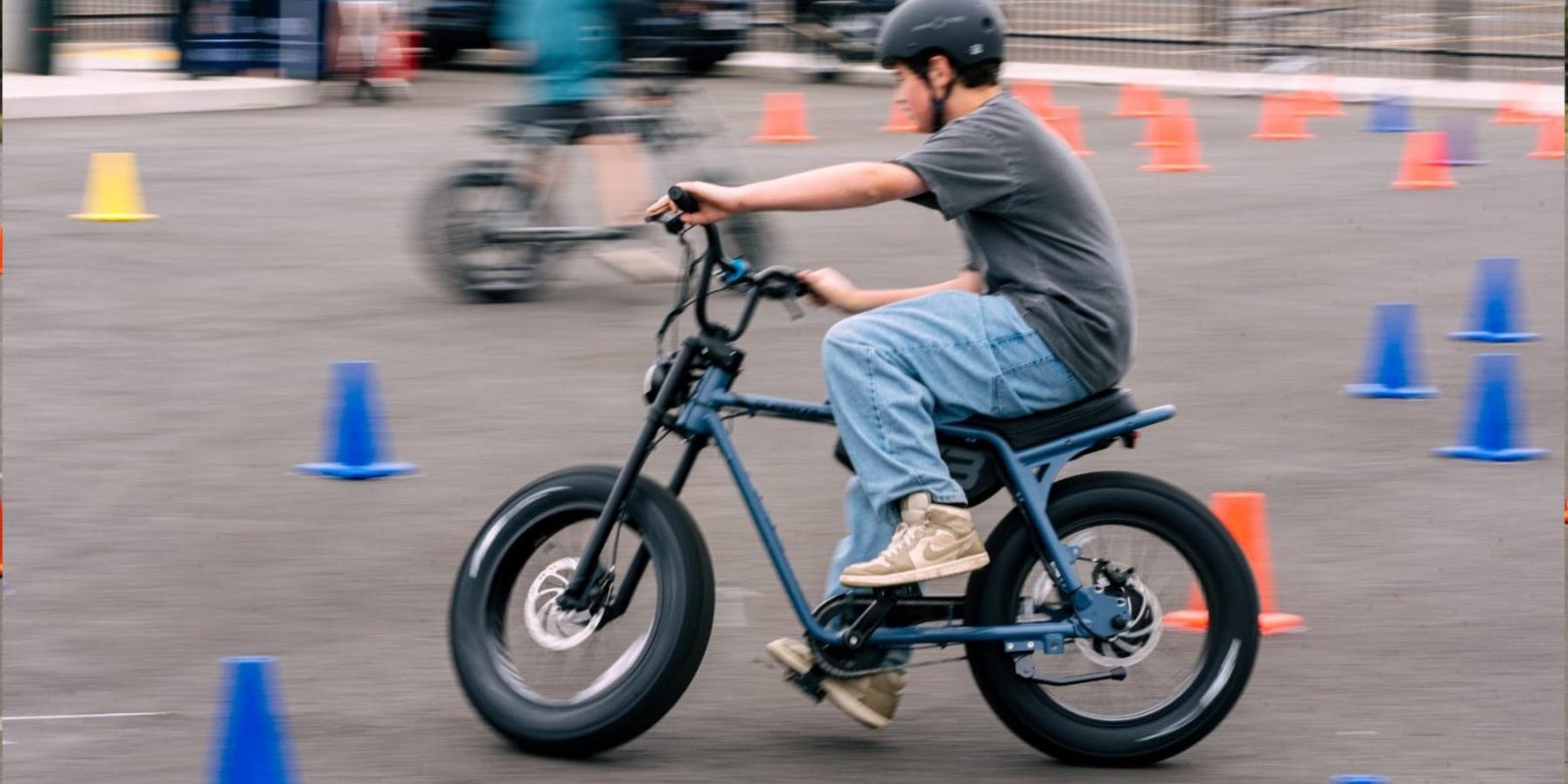
Get ready, children. There’s a new electric bike licensing scheme that will soon be tested as one of several methods designed to help educate young riders on responsible road use and combat the growing concern of dangerous e-bike riding among youths around the world.
Known as the Student Bicycle License Scheme (SBLS), the proposal in New South Wales, Australia, will operate as a trial of a new licensing program for electric bike riders. The program targets school-aged e-bike riders in response to a growing number of accidents and misuse cases involving young riders.
The pilot program will require students to complete an online training course and pass a knowledge test before being issued a digital license to ride an e-bike or e-scooter. The scheme is expected to launch later this year in select schools, and if successful, could pave the way for a broader rollout.
Schools in Sutherland and Newcastle have reportedly expressed interest in joining the program, which leaves it up to individual schools to decide how they wish to use the new license program. For example, they can make it mandatory for students who want to ride to school or use secured bicycle parking facilities at the school.
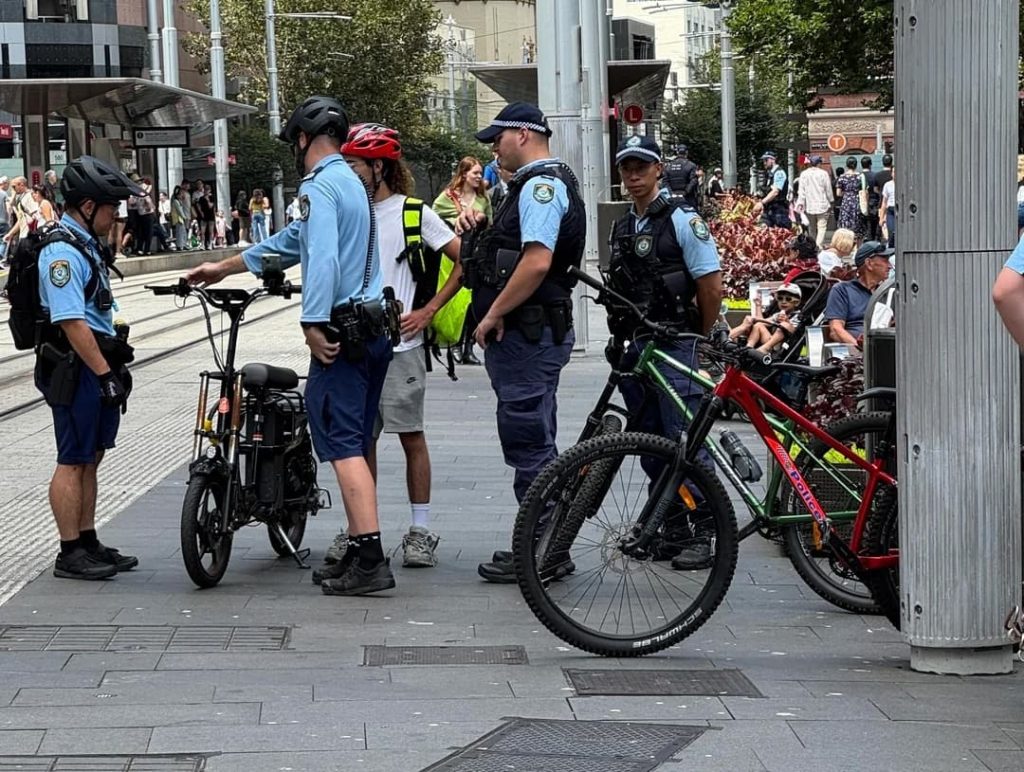
The trial will initially focus on education rather than enforcement. Students who complete the course will receive a digital “ride-ready” credential, but there are currently no plans to introduce fines or penalties for unlicensed riders during the pilot phase. The government is partnering with road safety experts and schools to develop the training materials, which will cover speed limits, helmet use, sidewalk etiquette, and proper intersection behavior.
Australia’s National Transport Research Organisation is also reviewing current electric micromobility laws, with a report expected by the end of the year. The Queensland trial is seen as a possible blueprint for other regions facing similar safety concerns.
The announcement comes as electric bikes become increasingly popular among Australian youth, not just as toys, but as practical transportation to and from school, work, and social events. With that growth has come scrutiny – several high-profile crashes, some involving modified or overpowered e-bikes, have pushed lawmakers to act.
The same phenomenon is playing out around the world, including in Europe and the US, where young riders have increasingly taken to electric bikes as an alternative form of transportation, though one that has raised concerns around road safety among a young populace who has yet to learn the rules of the road.
Electrek’s Take
Top comment by SPeng
The biggest issues are with large groups kids riding Surrons, Talaria’s and the like, doing tricks in the middle of public roads and going at speeds way beyond regular e-bike classifications, ignoring all traffic rules. These kids know the rules and are blatantly ignoring them, and getting away with it because they are so fast and so many that it’s unenforceable.
These are not technically e-bikes, but the general public perceives them to be in the same category.
These are the ones that need to be banned from sale or regulated like motorcycles with strict licensing requirements, and enforceable consequences.
This is one of several school-level educational outreach programs we’ve seen pop up lately, and I think these are great ideas.
While the idea of requiring a license to ride an e-bike might sound extreme in some places, Australia’s approach here is education-first, and it could actually be a smart move. It also seems like the license is designed to be effective without being a burden. If you can grasp the knowledge, you can pass the test. And since many of the issues surrounding young e-bike riders arise from a general ignorance of road rules, this could be an effective solution. Teaching young riders the rules of the road before they hit the pavement might help reduce injuries and improve public perception of micromobility. Plus, the fact that it is a digital license means that there would presumably be fewer costs involved, which will hopefully allow the program to be free of charge and further reduce the burden of the licensing process.
Of course this won’t do anything for the “hooligan” riders who know the rules and simply don’t care, but that’s where enforcement has to step in as the heavy-handed partner to education.
I think this is a great example of balanced e-bike regulation. A measured mix of education and enforcement is key to ensuring e-bikes remain safe while taking advantage of their myriad benefits to the public. And hey, it sure makes a lot more sense than NYC trying to cut the speed of all electric bikes in half overnight.


FTC: We use income earning auto affiliate links. More.

Comments