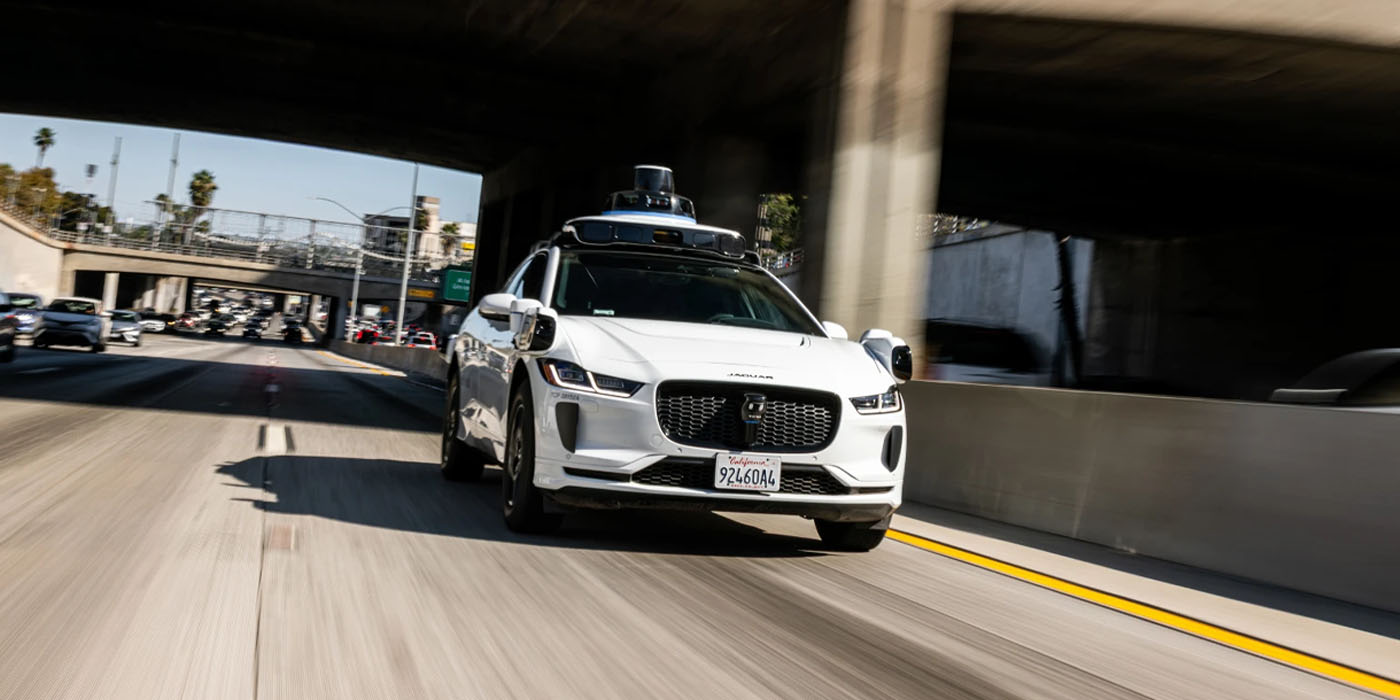
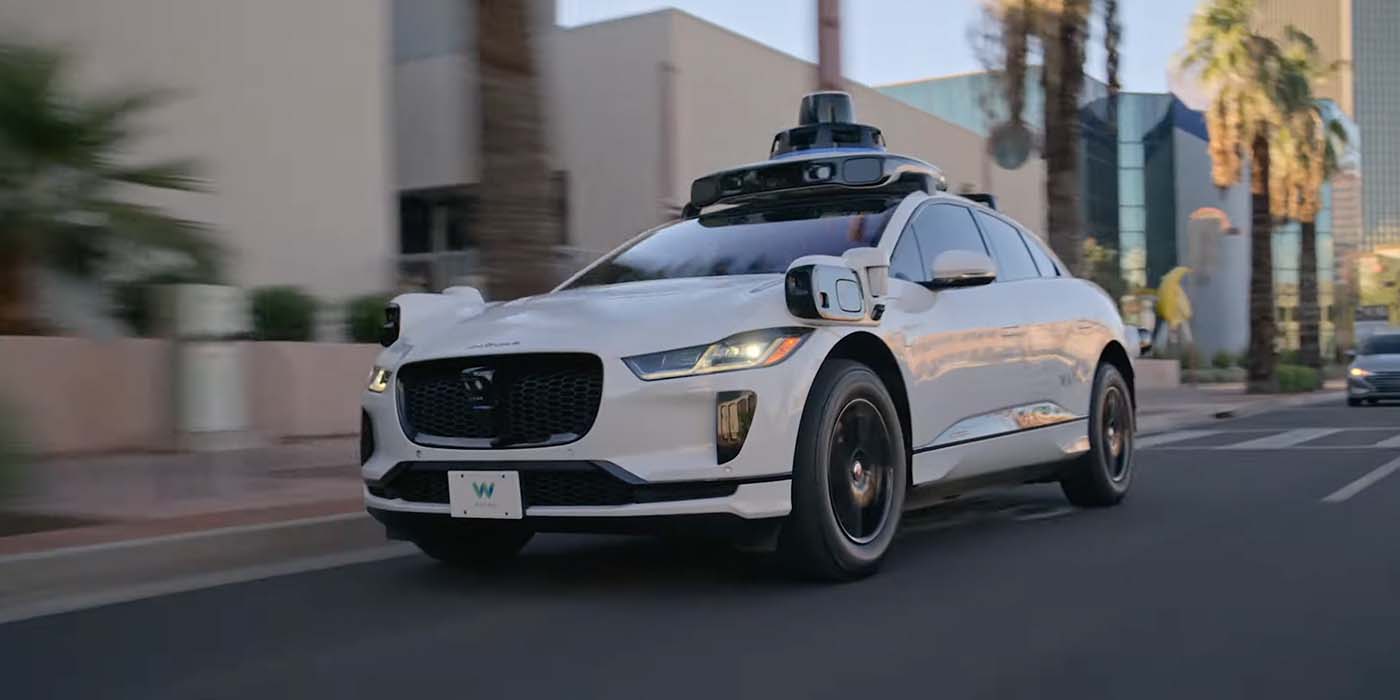
Waymo is reportedly looking to raise a massive new round of funding that would value the autonomous driving company at over $100 billion as it accelerates its expansion.
For years, the loudest and most persistent argument coming from the Tesla camp, including Elon Musk himself, against Waymo has been simple: “Sure, it works, but it can’t scale.”
The narrative, usually pushed by those heavily invested in the promise of Tesla’s “generalized Full Self-Driving”, was that Waymo was a geofenced parlor trick. They argued that Waymo’s reliance on lidar, radar, and, specifically, high-definition (HD) mapping would mean it would take years to launch in every new city.
But the narrative is now dying, as Waymo went from testing to fully autonomous in a couple of Texas cities in just a few months.
Robotaxi network Waymo is continuing the rapid expansion of its test fleet vehicles in new cities around the US as it looks to offer more driverless ride options to the public. The Alphabet Inc. subsidiary announced three new cities where test vehicles will roll out en route to commercial services, marking Waymo’s second expansion announcement in just three days.
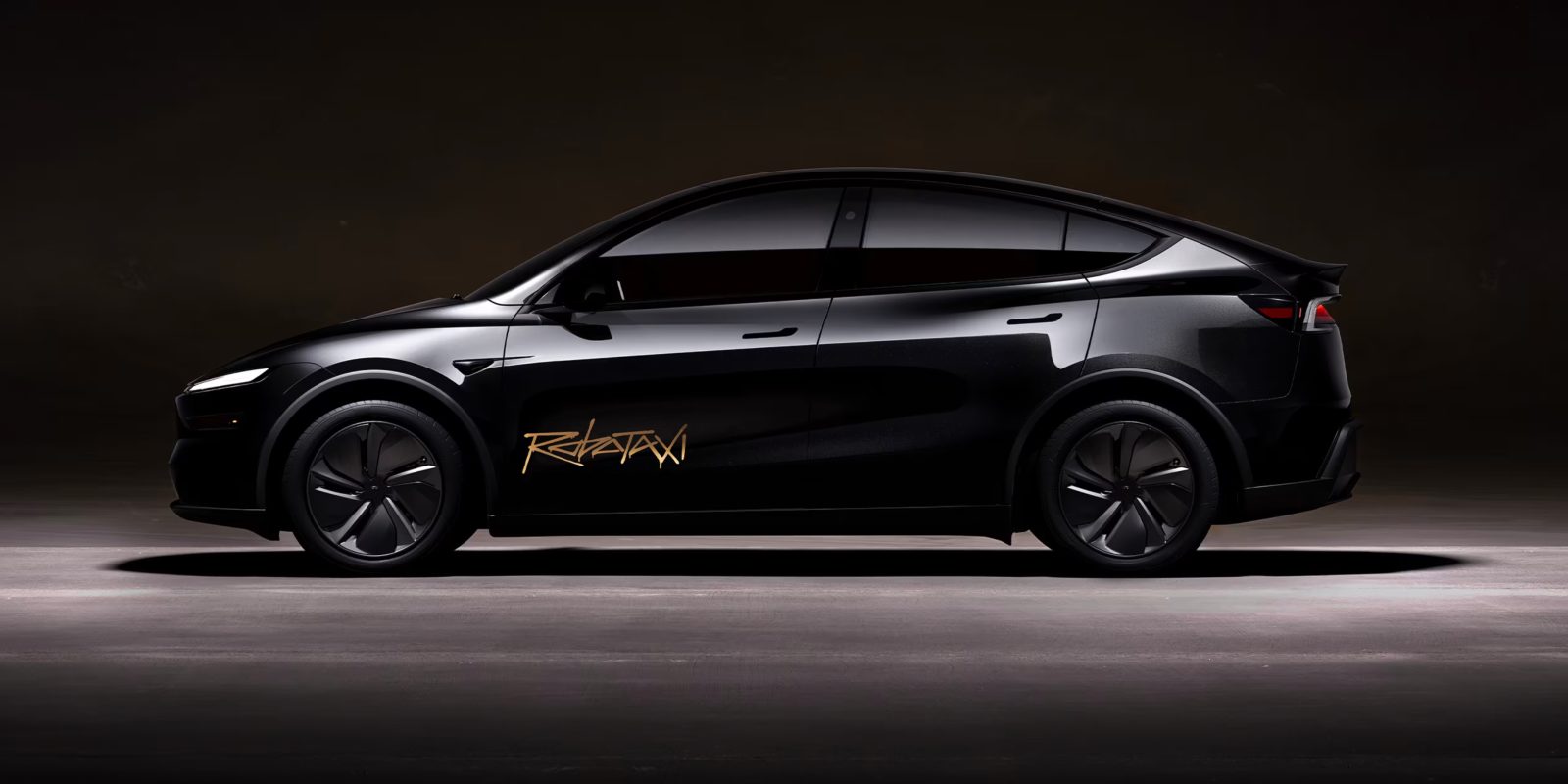
Tesla and Waymo are currently on opposite sides of a back-and-forth regarding how to proceed with California’s autonomous ride-hailing rules, and Tesla’s filings paint a different picture of its “Robotaxi” system’s capabilities than its CEO Elon Musk has in his public statements.
Waymo is significantly accelerating its rollout. After years of slow and methodical expansion, the Alphabet-owned company is now moving at a faster speed, announcing today that it is bringing its autonomous driving technology to five new major cities, starting with Miami.
This comes just days after the company finally unlocked driverless freeway rides for passengers in its core markets.
Robotaxi network Waymo is continuing to expand the reach and capabilities of its driverless vehicles to public riders in new cities. Today, the Alphabet, Inc. subsidiary announced freeway trips in three major US cities, as well as an expansion of its service availability in a familiar region.
Autonomous taxi company Waymo faced scrutiny last month when a car was caught on video illegally passing a stopped school bus that was letting children off in Atlanta. Now, the National Highway Traffic Safety Administration (NHTSA) is looking into it.
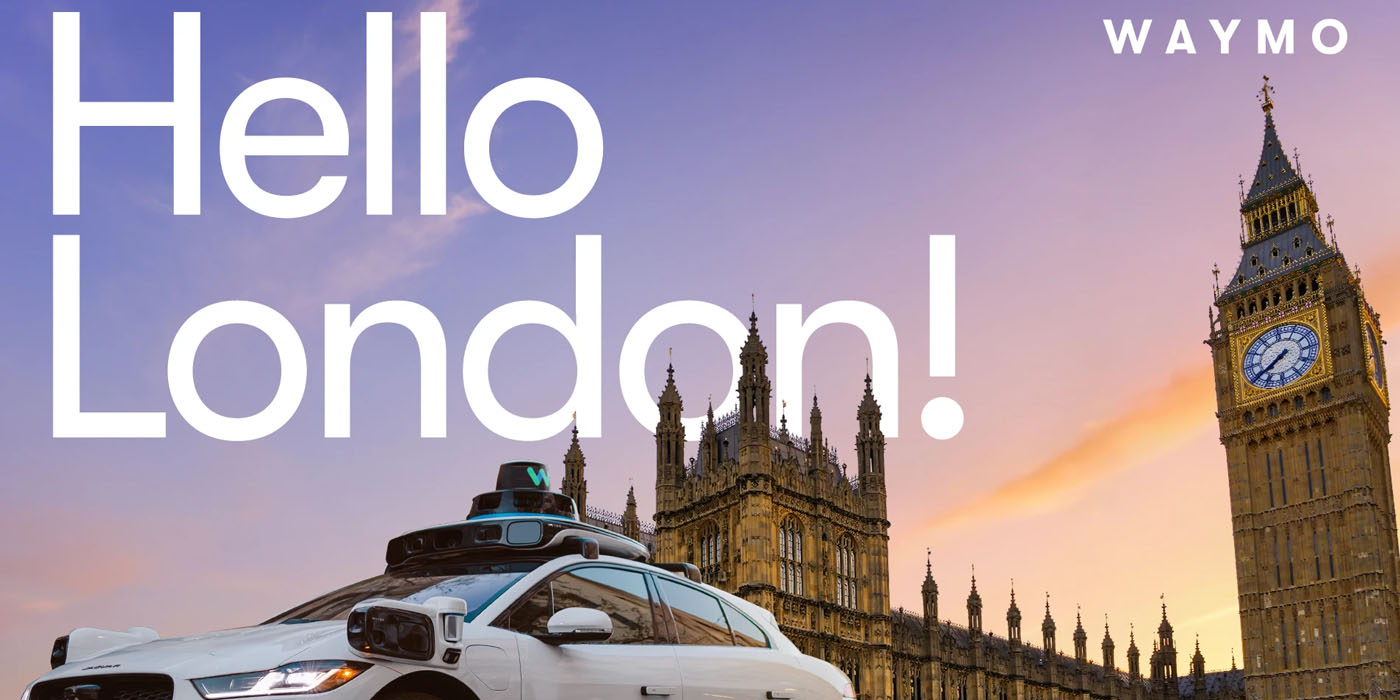
Fully autonomous technology developer Waymo continues to expand the reach of its test fleet as well as bona fide customer rides without a driver present. This morning, Waymo shared plans to expand across the pond to London, with public robotaxi rides expected sooner than you might think.
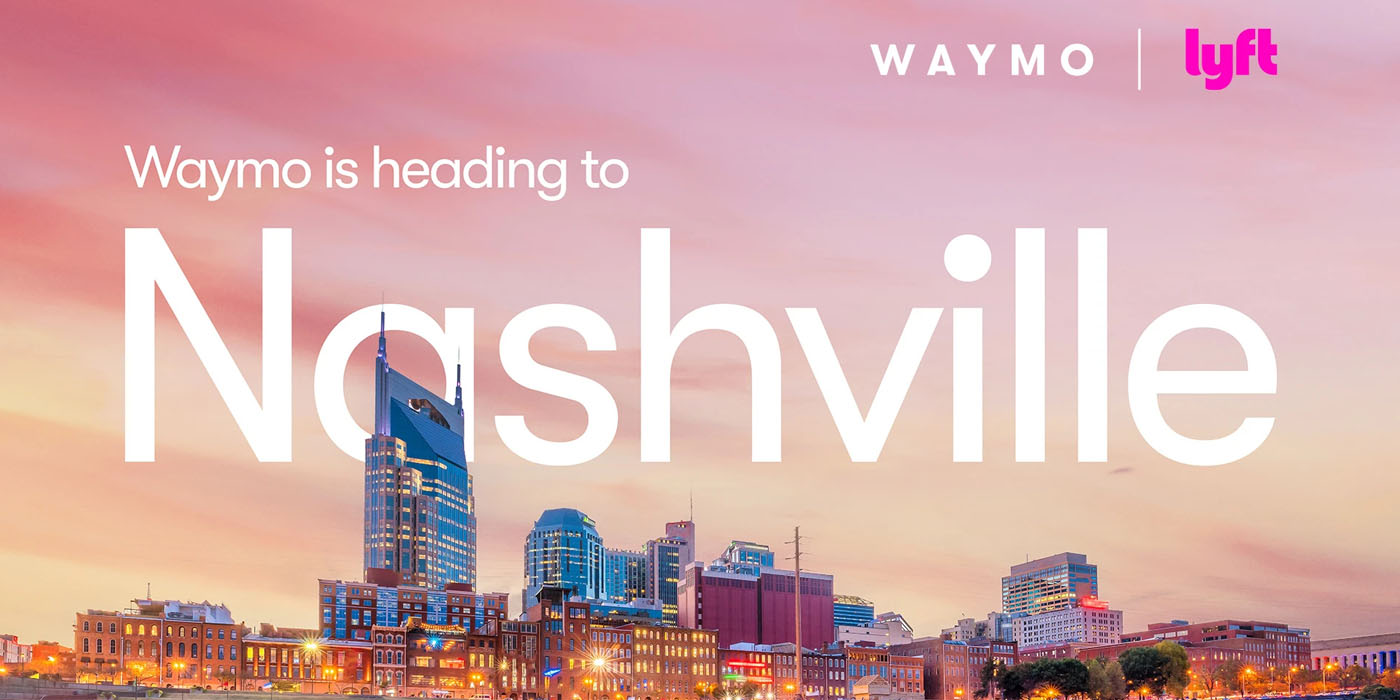
Fully autonomous technology developer Waymo announced a new partnership with rideshare network Lyft to offer driverless robotaxi rides to customers in Nashville, Tennessee.
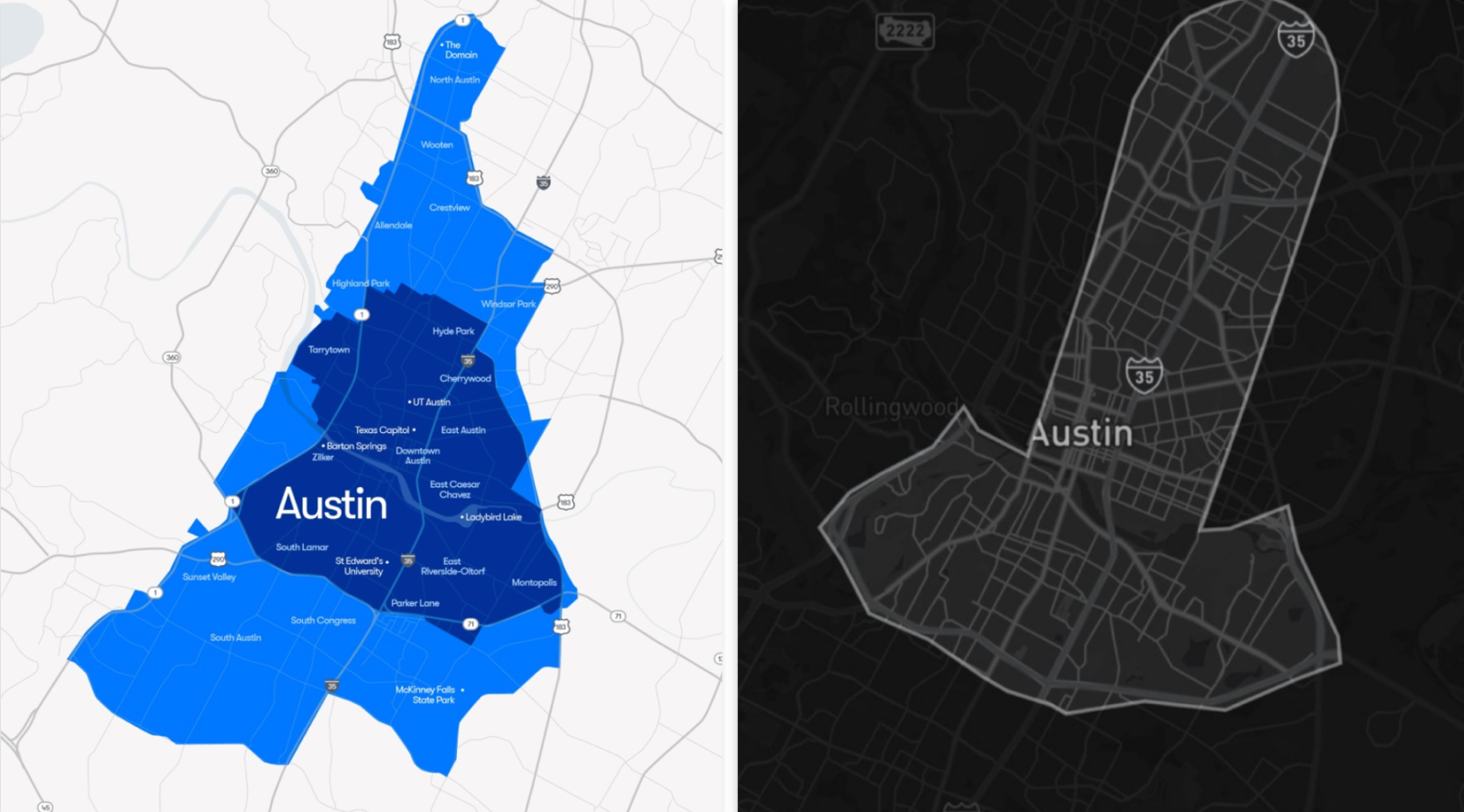
Tesla started a dick measuring contest with Waymo, and it is losing. The Alphabet company is expanding its service area in Austin beyond Tesla’s recently updated penis-shaped service area.
Waymo is taking a few shots at Tesla in the announcement, too.
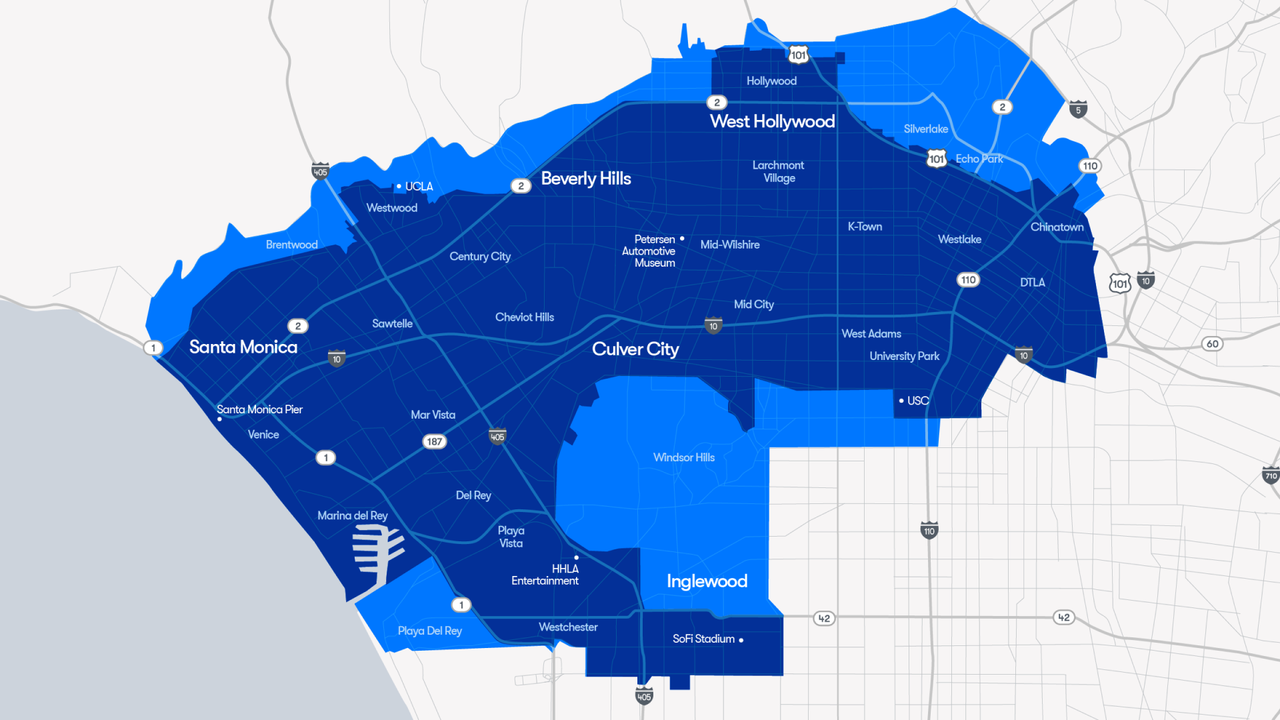
Waymo is once again expanding its driverless taxi service areas in Los Angeles, San Francisco and Silicon Valley, adding over 80 square miles total between the three areas.
The move comes less than a week before the tentative, much-anticipated launch of Tesla’s robotaxi service in Austin, another market that Waymo operates in.
Bloomberg has just released an embarrassingly bad report about the self-driving space, in which it claimed Tesla has an advantage over Waymo by misrepresenting data.
Waymo has released new research saying that its driverless robotaxis reduce pedestrian- and cyclist-involved collisions by 82%-92%, and crashes that involve an injury by 96%, when compared to the average driver.
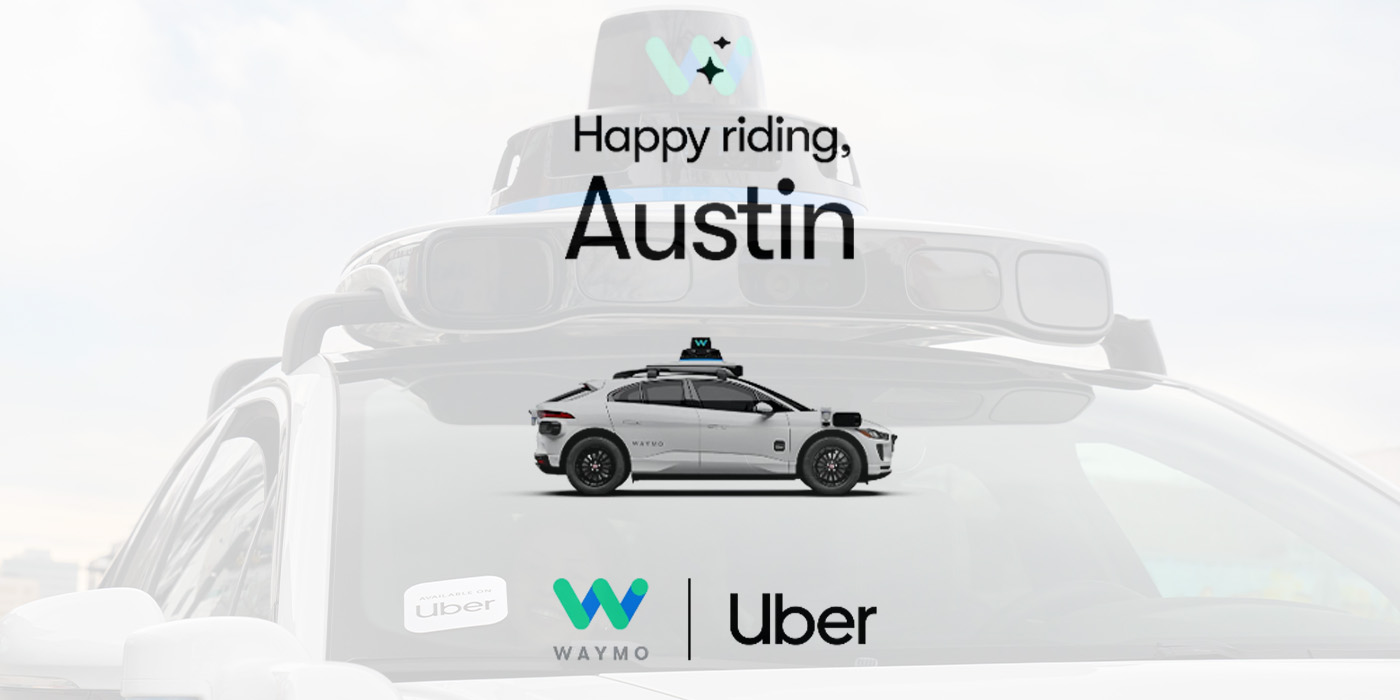
Starting today, the fully autonomous Waymo One ride service is available exclusively to customers in Austin, Texas through the Uber app. Today’s news builds upon Waymo’s existing partnership with Uber and is a milestone in the robotaxi startup’s expansion to new cities around the US.
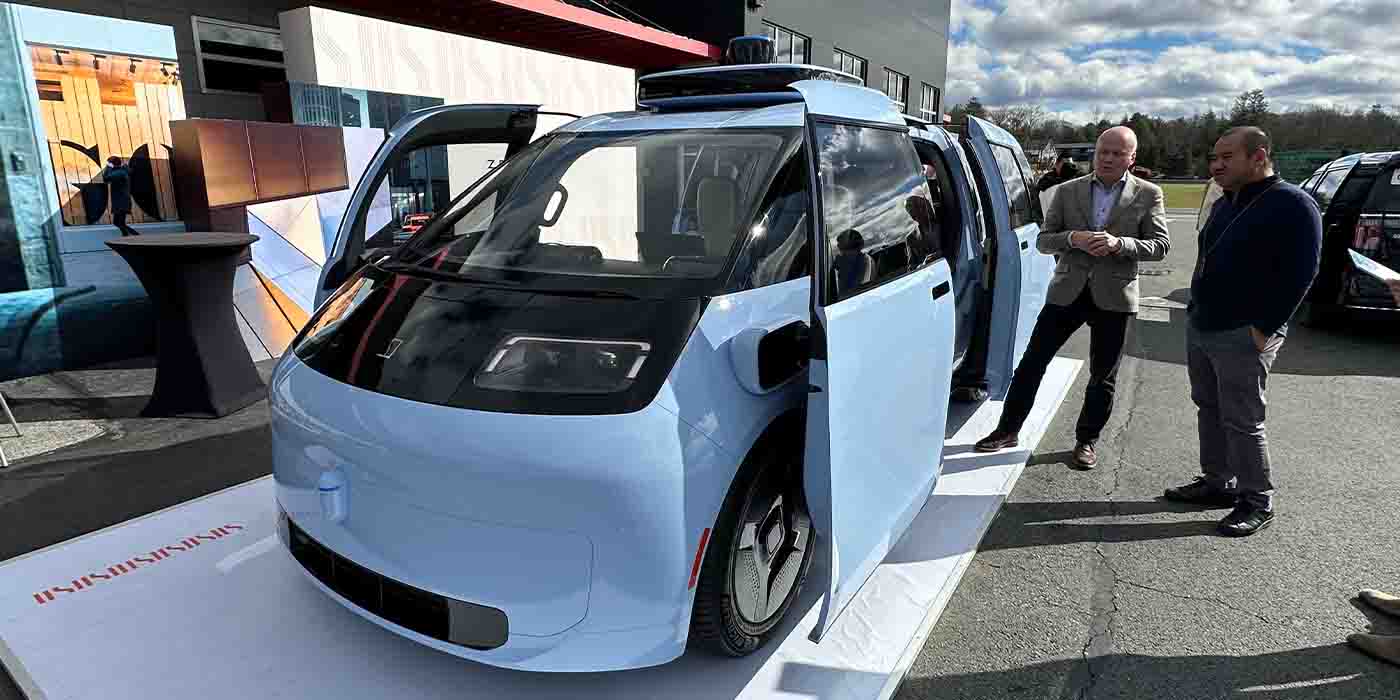
Chinese EV Automaker ZEEKR is marking its third consecutive presence on the display floors of CES. During this year’s event, ZEEKR began teasing at least three new models scheduled to launch in 2025, some of which will feature an NVIDIA DRIVE Thor-based smart driver domain controller. In addition to those codenamed models, ZEEKR is also planning to launch another NVIDIA DRIVE Thor-equipped EV called “RT” in the US to be used by robotaxi developer Waymo.
There are still many questions surrounding the plausibility of full-fledged autonomous robotaxi operations around the world, but Waymo, one of the current leaders in the segment, is putting at least one stigma to rest. A new study conducted with the help of reinsurance provider Swiss Re used hundreds of thousands of liability claims to demonstrate that robotaxi vehicles using the Waymo Driver platform deliver significantly higher safety performance than vehicles operated by a human driver.
Alphabet’s autonomous driving unit Waymo is going overseas for the first time and testing its tech in Japan. In early 2025, the company will begin testing its Jaguar I-PACE vehicles in Tokyo, with plans to stay in the region for the foreseeable future.
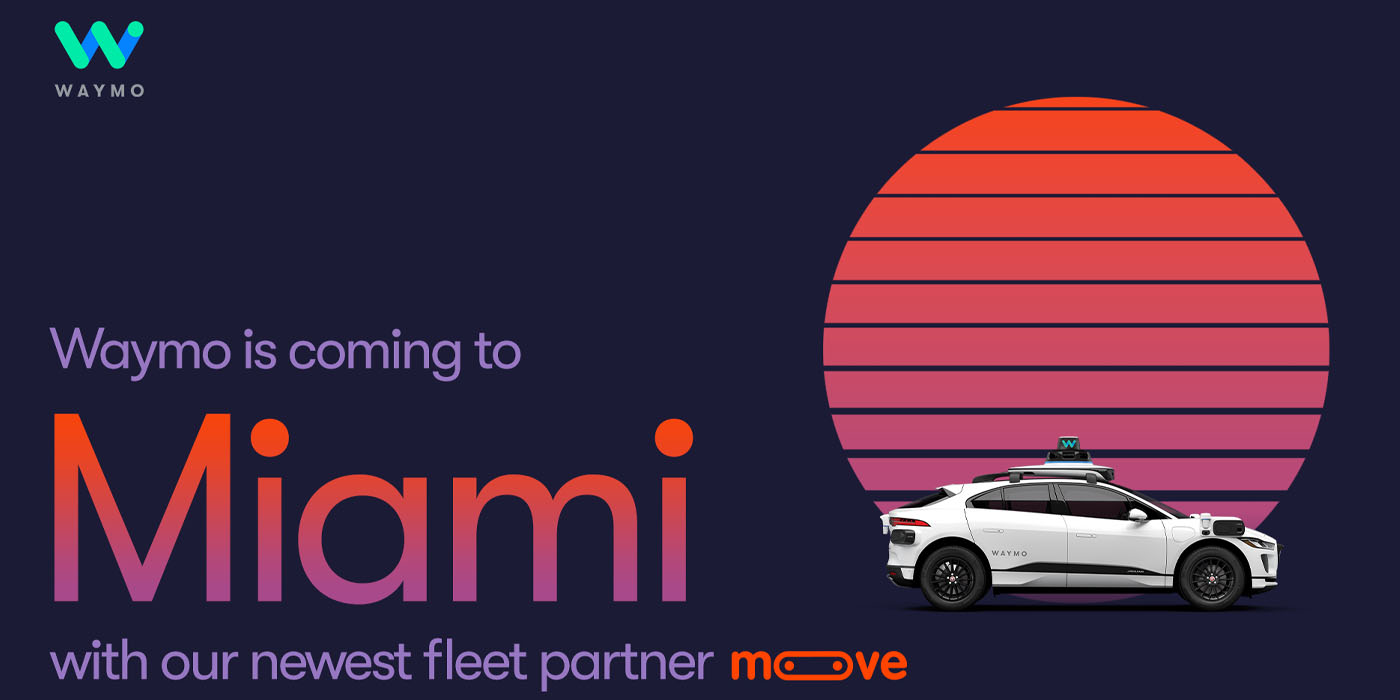
As promised, robotaxi developer Waymo is expanding its Waymo One service to new US cities. The latest on its service map is Miami, which will see a start of robotaxi testing operations next year before Waymo opens up public rides to all customers. ¡Hasta pronto, Miami!