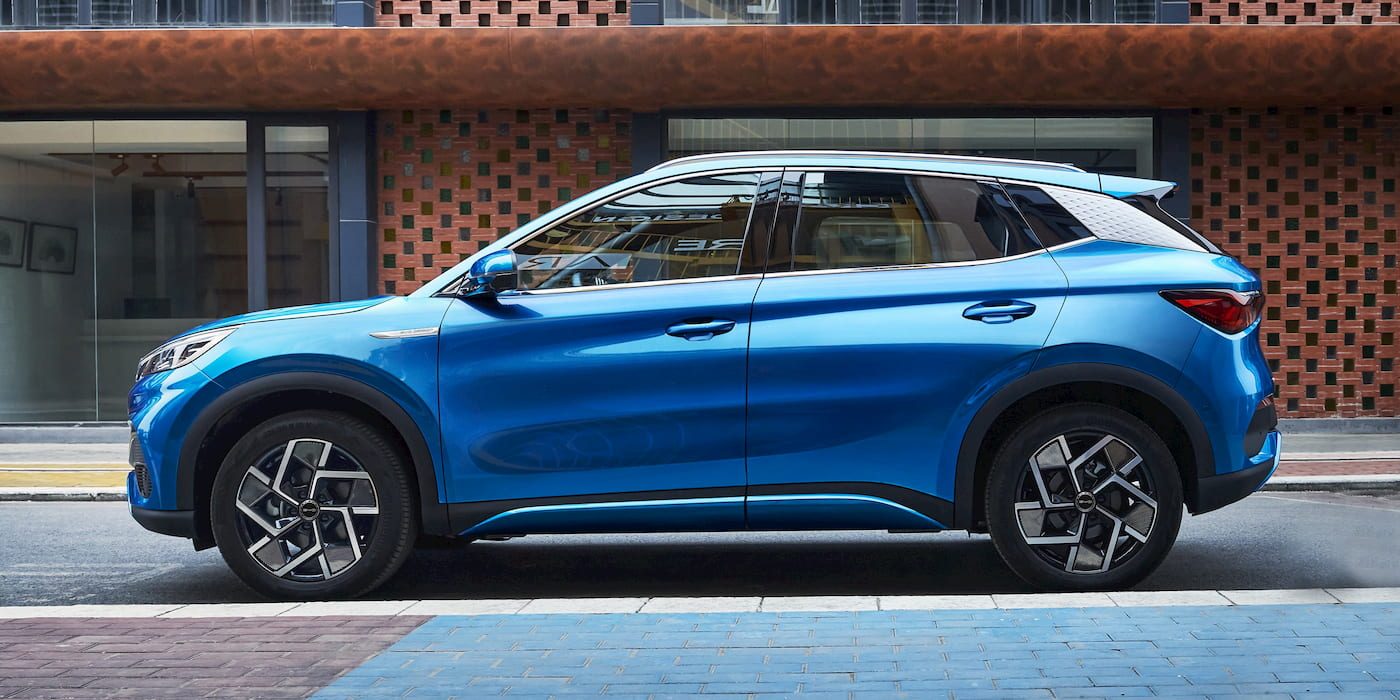
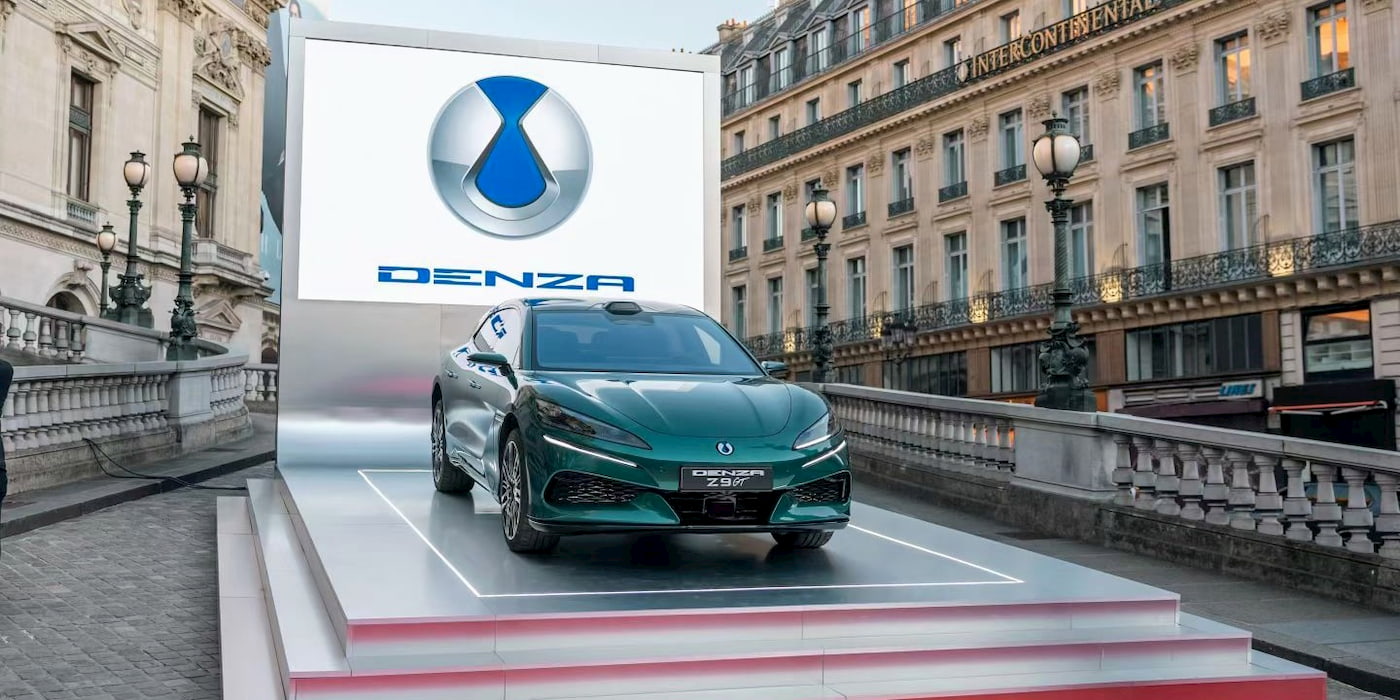
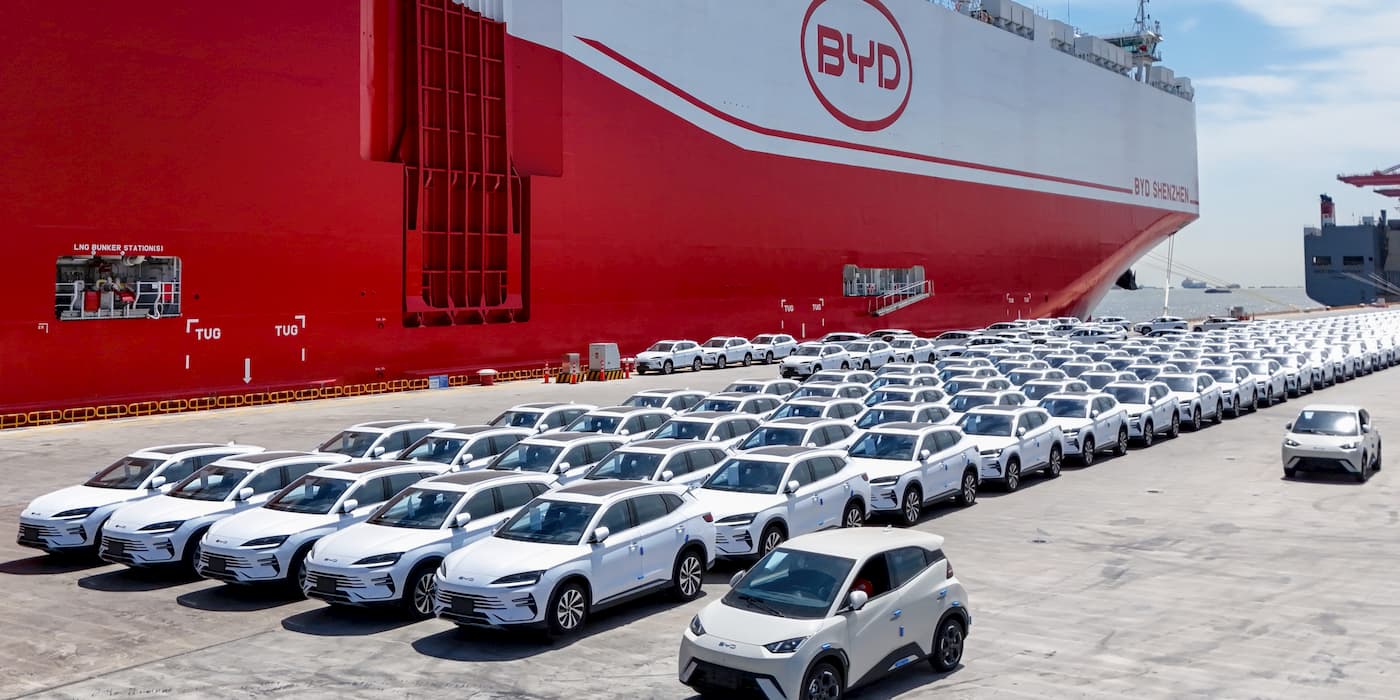
Global EV sales shook off a rough start to 2026 and came bounding back in Q2, jumping 35% from the first three months of the year and setting quarterly records in 50 countries.
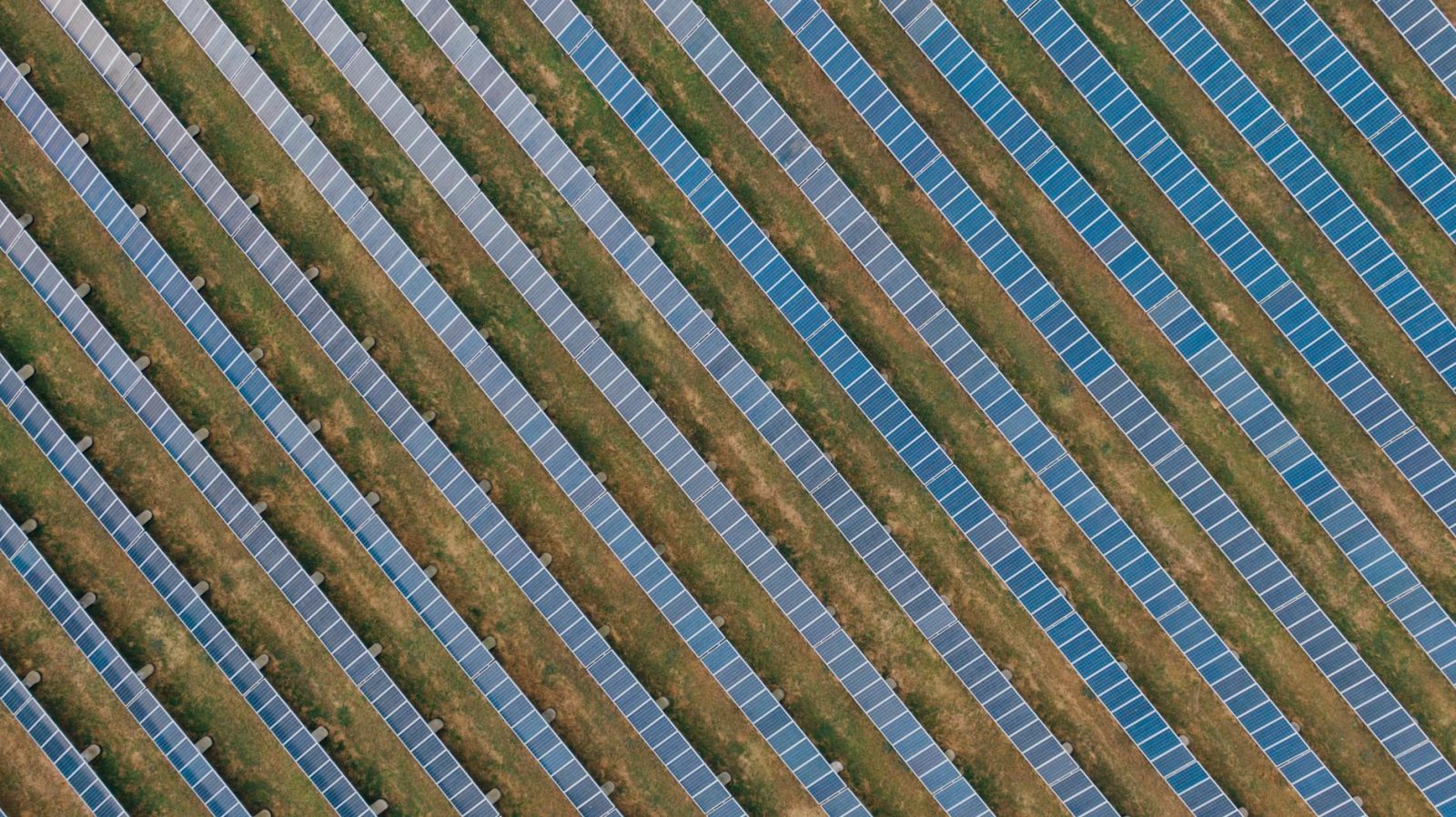
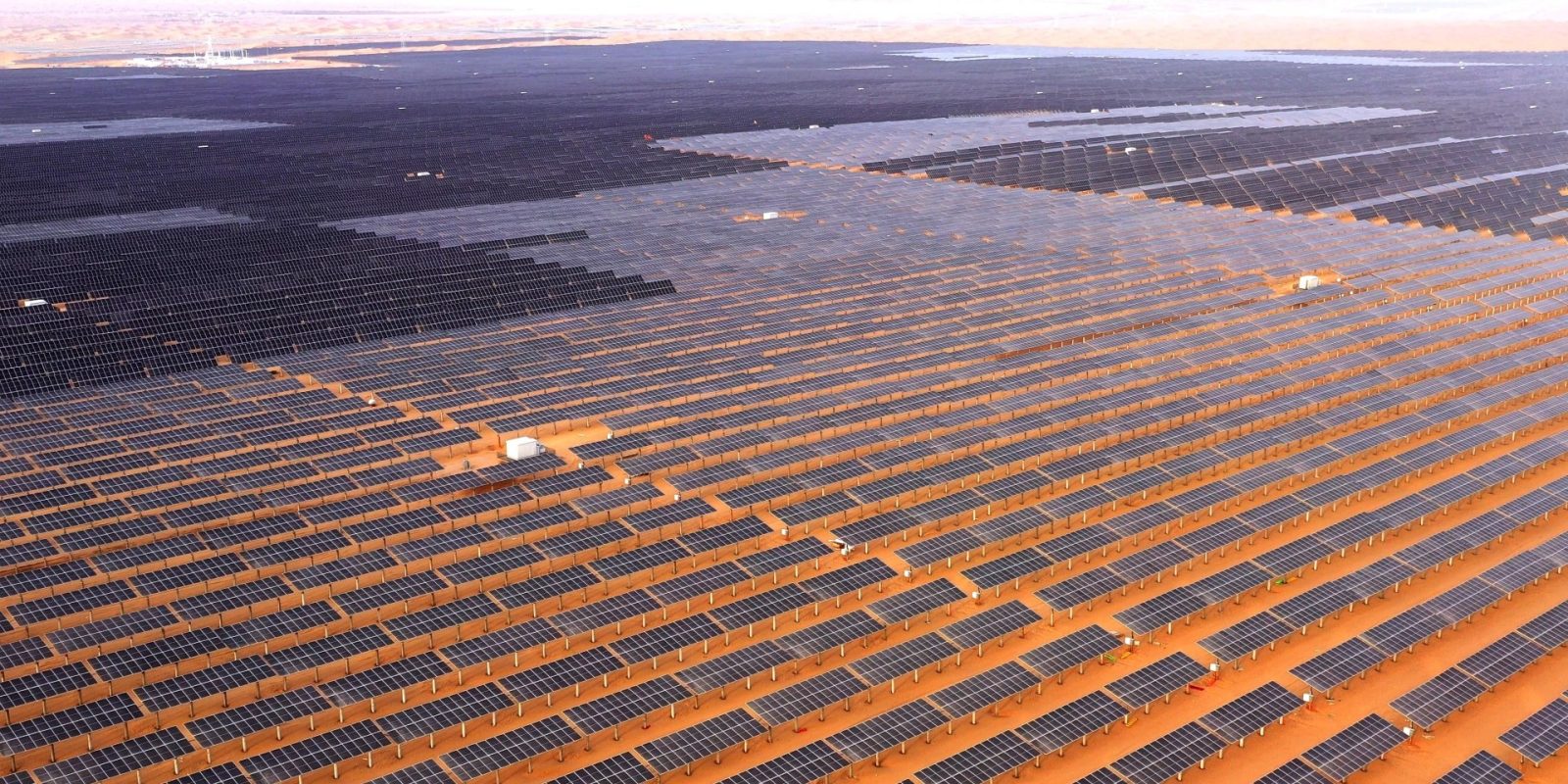
Global electricity use is growing again, but renewables are expected to overtake coal as the world’s largest source of electricity this year, according to the International Energy Agency (IEA).
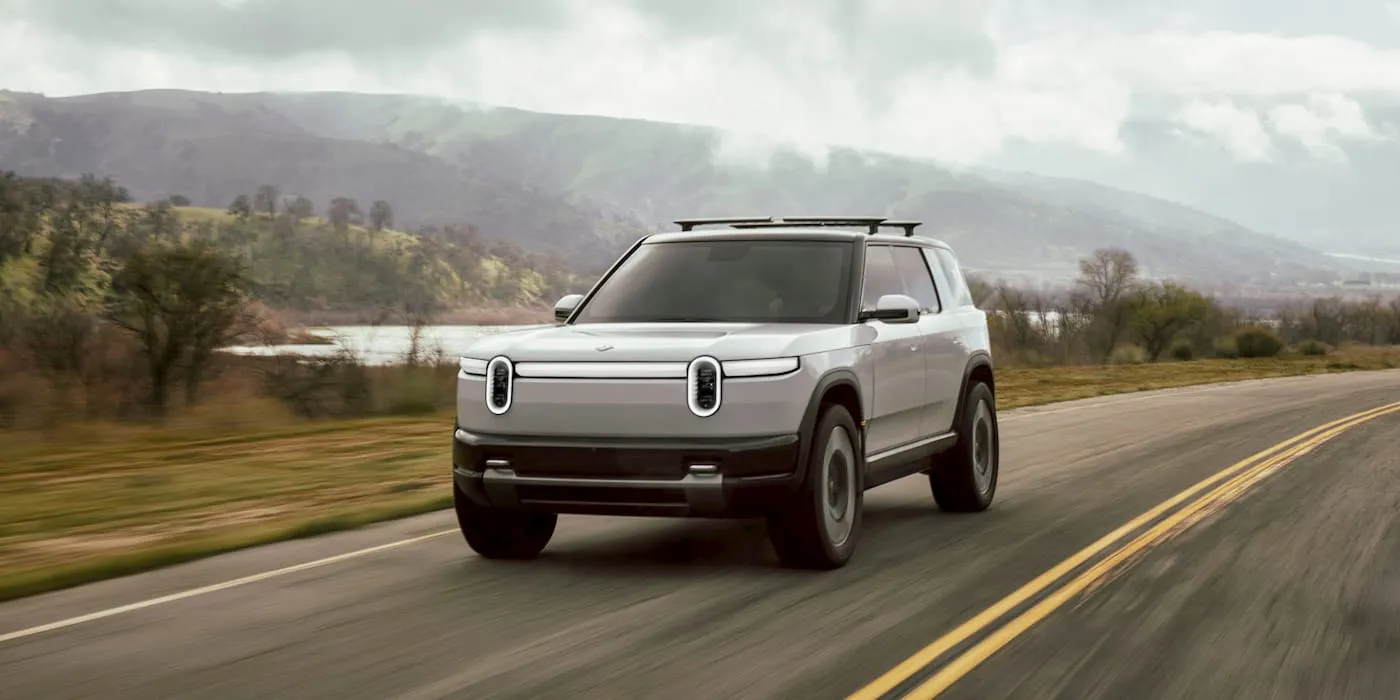
According to the International Energy Agency’s (IEA) new Global EV Outlook, electric car sales are expected to hit 23 million in 2026, making up nearly 30% of all new cars sold worldwide. That comes after EV sales topped 20 million in 2025, up 20% year over year, with 1 in 4 new cars sold globally now electric.
Global energy demand growth slowed in 2025 – but electricity use is still surging, and solar just hit a major milestone, according to the International Energy Agency (IEA).
The International Energy Agency (IEA) says renewables and AI are reshaping the world’s energy future, and that transformation is happening faster than anyone expected. In its new “World Energy Outlook 2025,” the IEA warns that energy security risks now stretch far beyond oil and gas. Critical minerals essential to clean tech, defense, and AI have become the new fault lines in global supply chains. The IEA also states that energy has become a central focus of geopolitical power struggles, making it one of the defining economic and security challenges of our time.
Electricity demand is skyrocketing across the Middle East and North Africa, and it’s being driven by two big factors: cooling homes and businesses in extreme heat, and making seawater drinkable through desalination. A new report from the International Energy Agency (IEA) shows just how dramatic the surge is. Electricity use in the region has tripled since 2000, and it’s expected to jump another 50% by 2035. That’s like adding the current combined electricity demand of Germany and Spain.
Global energy investment is on track to hit a record $3.3 trillion in 2025, according to the new International Energy Agency’s (IEA) annual World Energy Investment report, even as the world navigates economic turbulence and rising geopolitical risks.
More than 1 in 4 cars sold around the world in 2025 are expected to be EVs, according to a new report from the International Energy Agency (IEA). And if EVs stay on track, they could make up over 40% of global car sales by 2030.
Global energy demand spiked in 2024, driven largely by surging electricity use, according to a new report released today by the International Energy Agency (IEA). Electricity consumption jumped by nearly 1,100 terawatt-hours – a hefty 4.3% increase – nearly twice the annual average growth of the past decade.
This dramatic rise was largely fueled by the electrification of transportation, record-breaking global temperatures that ramped up cooling needs, coupled with increased industrial activity, and growing energy demand from data centers and AI applications.