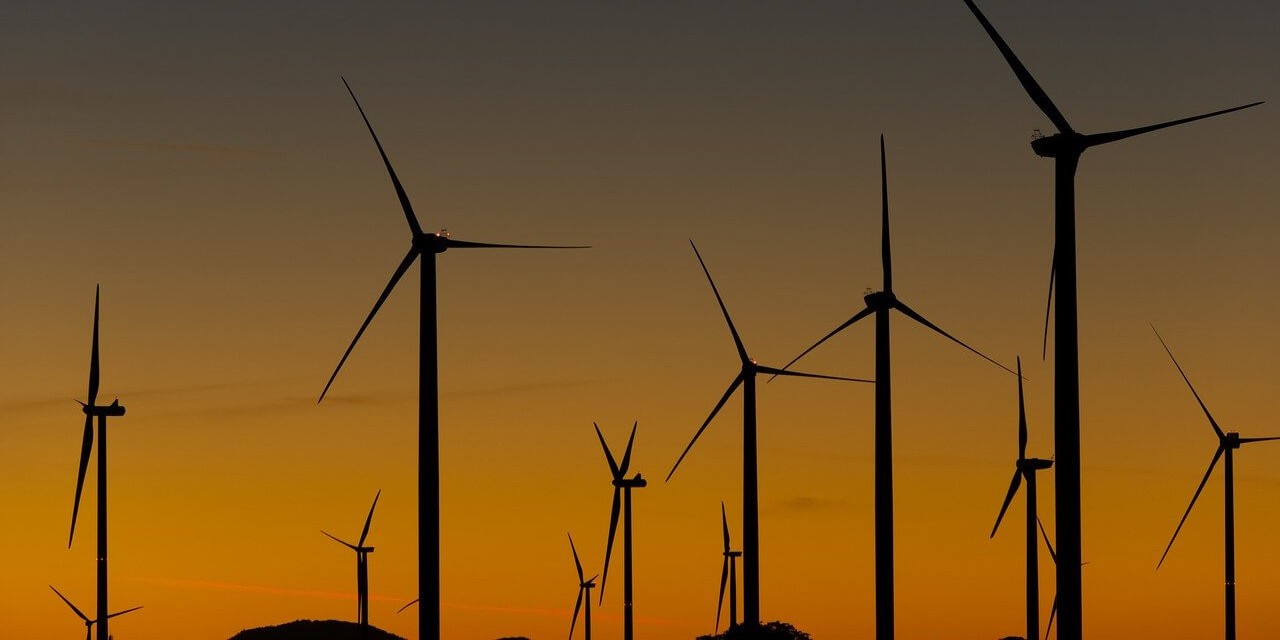
European energy giant Vattenfall has started construction on a new hybrid renewable energy project in southwest Germany that combines wind and solar power at a single site.
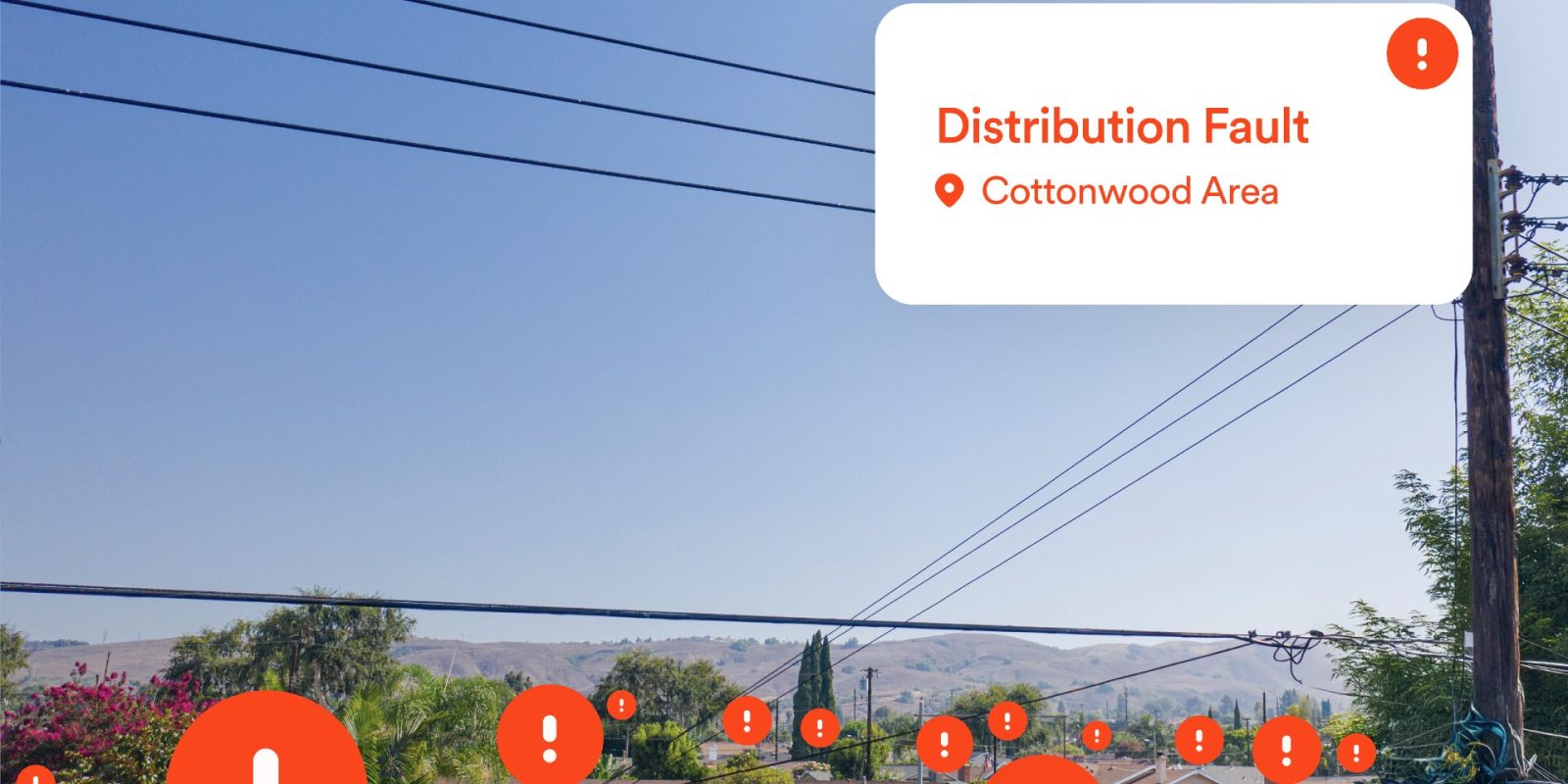
More than 90% of US power outages start on the distribution grid – the part closest to homes that utilities can’t always see in real time – but Sense says it’s trying to change that by pushing fault detection directly into smart meters.
Winter Storm Fern knocked out power for millions of people across the US and reignited a familiar political and media fight over what really causes large-scale outages during extreme weather. To separate the rhetoric from the operational reality, Electrek spoke with Leah Qusba, CEO of GoodPower, a research, strategic communications, and campaigning organization focused on advancing the global renewable energy transition.
In this Q&A, Qusba walks through what tends to fail first during major winter storms, what outage data shows about the role of wind, solar, and fossil generation during Fern, why fuel supply and winterization still matter more than the generation mix, and how coordinated disinformation campaigns exploit moments of uncertainty after grid emergencies and what works to counter them.
National Grid is rolling out new AI tools to get ahead of increasing wildfire risk across the Northeast. The utility is partnering with Washington DC-based Rhizome, a grid resilience planning company, to identify and prevent potential ignition threats across its transmission and distribution networks in Massachusetts, New York, and the UK.
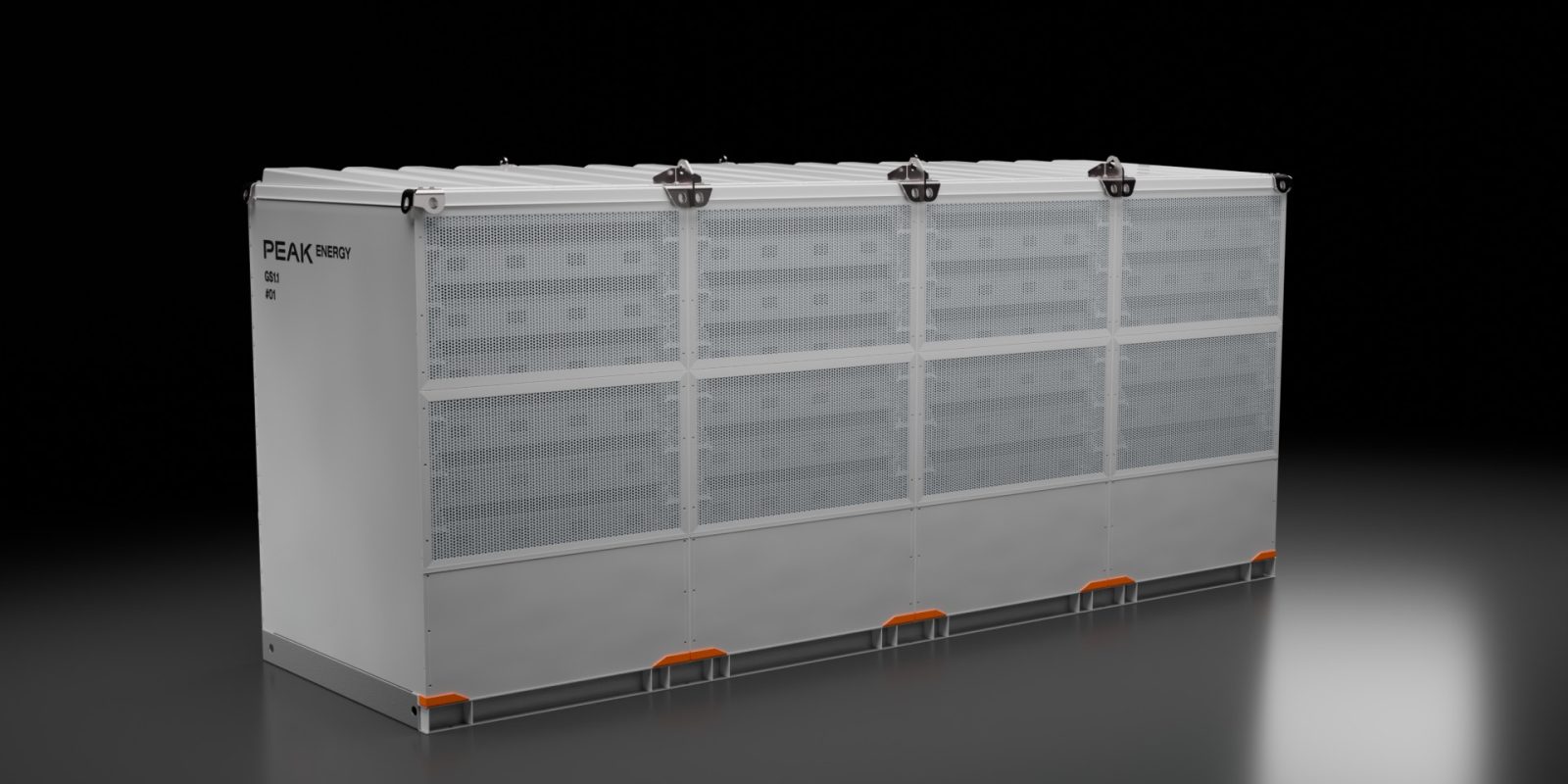
Peak Energy just switched on a 3.5 MWh sodium-ion battery, the largest sodium-ion energy storage project developed in the US. The system is the first of its kind at grid scale, and may eventually be a game-changer for delivering affordable energy in the US.
Peak Energy shipped out its first sodium-ion battery energy storage system, and the Burlingame, California-based company says it’s achieved a first in three ways: the US’s first grid-scale sodium-ion battery storage system; the largest sodium-ion phosphate pyrophosphate (NFPP) battery system in the world; and the first megawatt-hour scale battery to run entirely on passive cooling – no fans, pumps, or vents.
California-based B2U Storage Solutions is building a new battery energy storage facility east of San Antonio, Texas – and it’s going to be powered by used EV batteries.
Renewables continued to dominate fossil fuels on price in 2024, according to a new report from the International Renewable Energy Agency (IRENA). The big takeaway: Clean energy is the cheapest power around – by a wide margin. So it’s pretty bad business that the biggest grid upgrade project in US history just got kneecapped by Trump’s Department of Energy to stop the “green scam.”
An EV charging pilot in California is flipping the script on how and when we plug in, and it could save drivers hundreds while making the grid cleaner and more stable.
Fluence Energy has officially started production at its new factory in Goodyear, Arizona, where it’s now cranking out steel enclosures and battery management system (BMS) hardware for its grid-scale energy storage systems.
Not-for-profit power cooperative Great River Energy, which serves 1.7 million people across Minnesota and Wisconsin, has partnered with Prisma Photonics to roll out real-time monitoring technology across 90 miles of transmission lines in northern Minnesota. Prisma Photonics will provide its PrismaPower system to track threats like wildfires, ice, wind, and physical damage to the Minnesota grid.
Georgia utility Southern Company is teaming up with Georgia Tech and Smart Wires to roll out a US Department of Energy (DOE)-backed project aimed at boosting Georgia and Alabama’s electric grid.
The US Department of Energy (DOE) announces $1.5B for four transmission projects – including connecting the Texas grid to the Southeast grids for the first time ever.
A new International Energy Agency (IEA) report roadmaps how it’s feasible to triple renewables and double energy efficiency globally by 2030 “with the right enabling conditions.”
US grid operators haven’t been practicing long-term transmission planning, but for the first time, the Federal Energy Regulatory Commission (FERC) just made it mandatory.