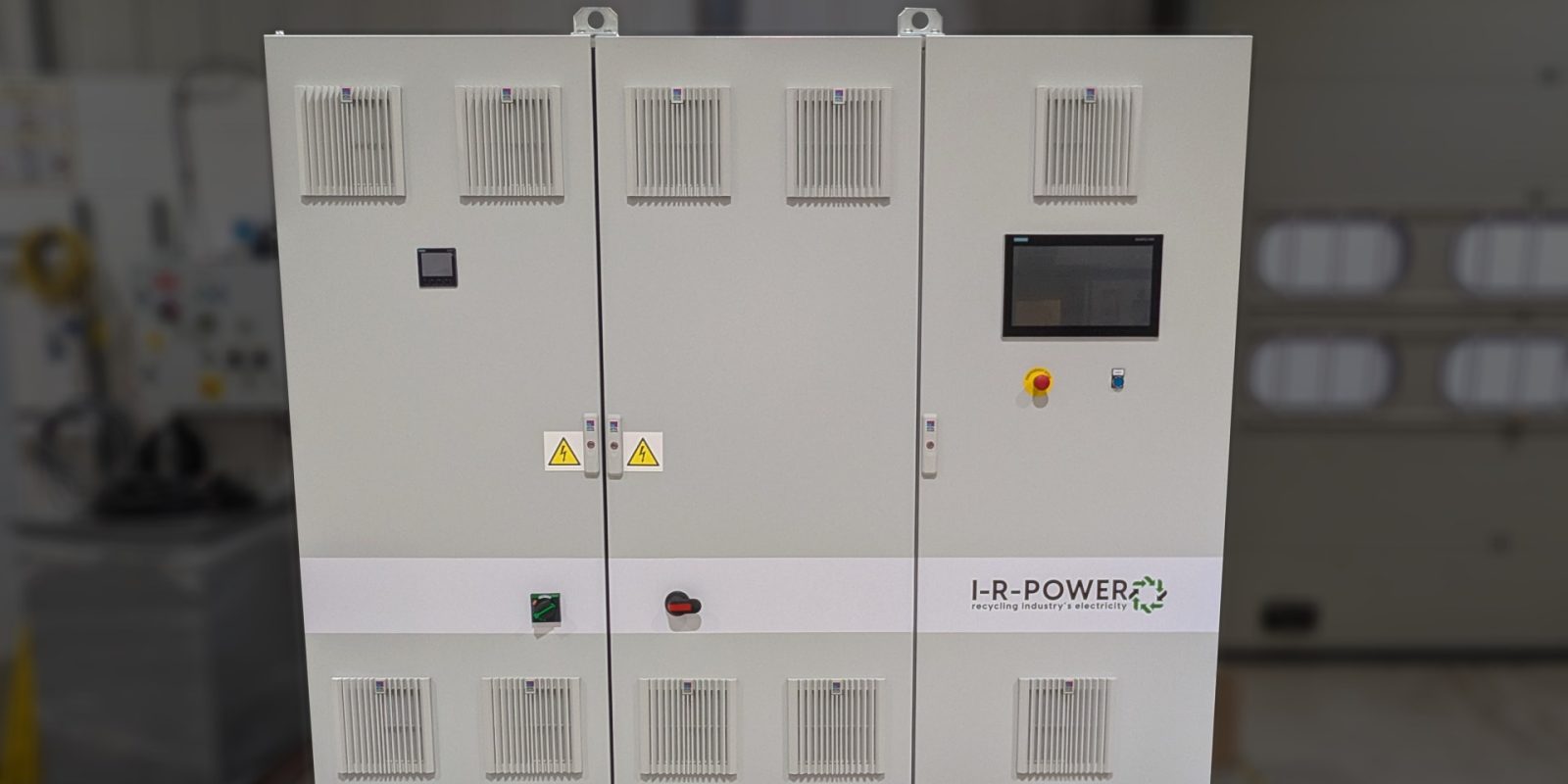
Factories waste vast amounts of electricity every time heavy machinery slows down. This Scottish company says it can capture that lost power and slash energy bills by up to 20%.
The Trump administration wants to pull the plug on ENERGY STAR, the federal program behind those familiar blue labels on energy-efficient appliances, homes, and buildings. Launched in 1992, ENERGY STAR has saved Americans more than $500 billion in energy costs while slashing greenhouse gas emissions.
To dig into what this means for everyday Americans, we spoke with Rebecca Foster, CEO of clean energy nonprofit Vermont Energy Investment Corporation (VEIC), which has spent decades working to make homes, schools, and businesses more energy efficient.
Faster progress on energy efficiency is crucial if we’re going to meet the global 2030 goal, but a year after countries pledged at COP28 to double energy efficiency improvements by 2030, the International Energy Agency (IEA) says we’re still falling short.
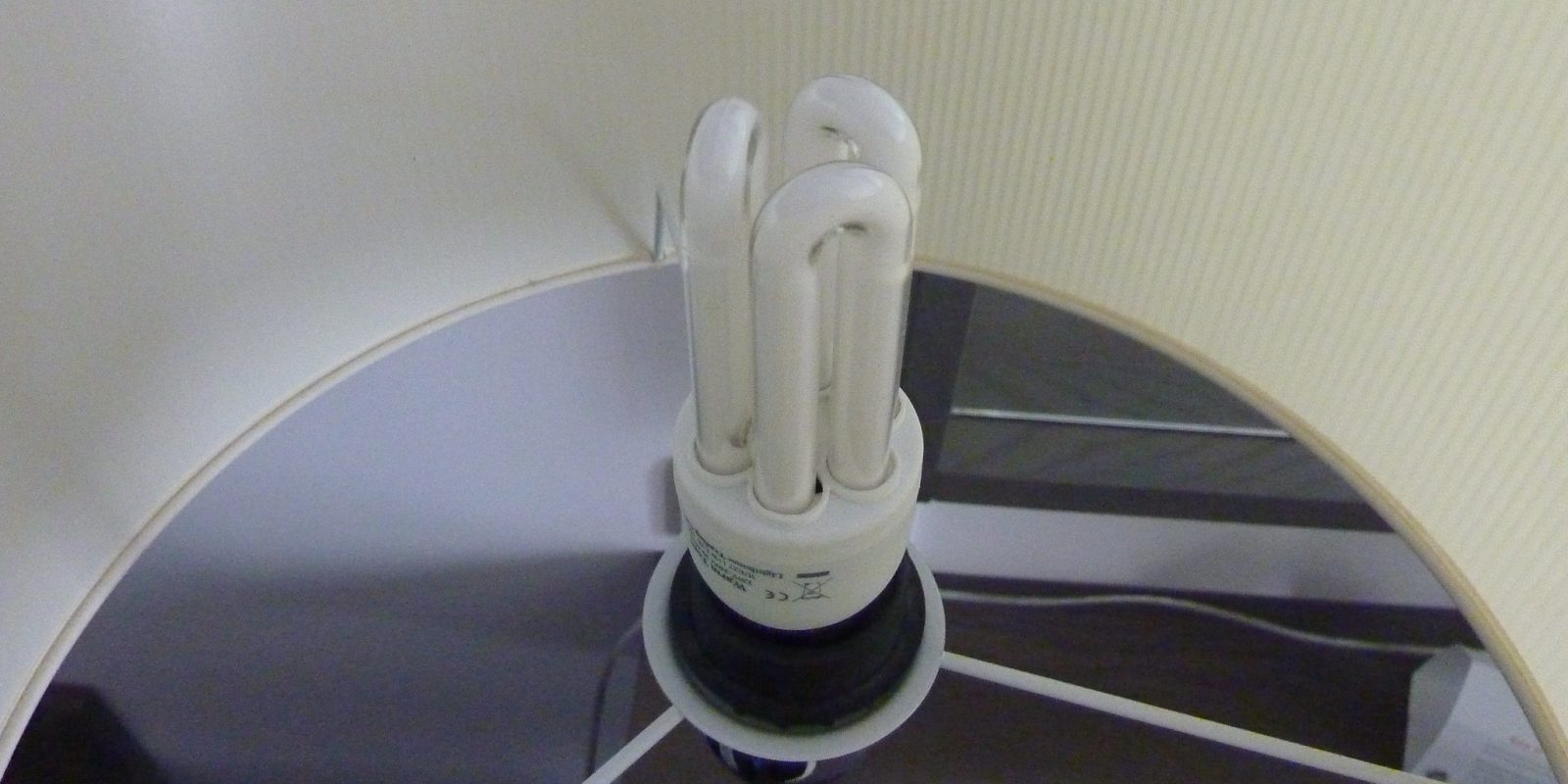
The US Department of Energy (DOE) announced this week that it wants to significantly raise the minimum common lightbulb efficiency level from 45 lumens per watt to over 120 lumens per watt.
The Democrats passed the big climate bill – the Inflation Reduction Act (IRA) – in the US Senate on Sunday, 51-50. It’s expected to pass in the House of Representatives this week, and President Joe Biden says he’ll sign it as soon as it lands on his desk. Here’s how the IRA helps homeowners achieve energy efficiency and lower their energy bills.
During last week’s power crisis in Texas, prices surged to the market price cap of $9,000 per megawatt-hour for several days, resulting in some huge bills for a lot of homeowners. (To put that in perspective, the state’s seasonal average is $50 per megawatt-hour.) The entire US, not just Texas, has a lot of infrastructure work to do in order to avoid more power crises like this. But in the meantime, how can consumers protect themselves from exorbitant surprise power bills when extreme weather increasingly occurs?
A newly released report tracks the progress of American cities when it comes to clean energy efforts, and finds that fewer than a dozen are currently on pace to meet greenhouse gas emission goals.
Much has been made about the coming SmartHome – it started with the Jetsons and their robots, however the reality has been a bit slow coming. Last week, EnergySage+WiseAir+Schneider launched an offer of $300 cash back if you install solar power and a smart thermostat. Back in February, SolarCity+Nest+Tesla introduced the “Smart Energy Home” that combines solar panels, battery storage, smart electric water heaters and the Nest Learning Thermostat. Vermont utilities are renting PowerWalls. It has become clear the home energy generation & management is on the path into powering the SmartHome.