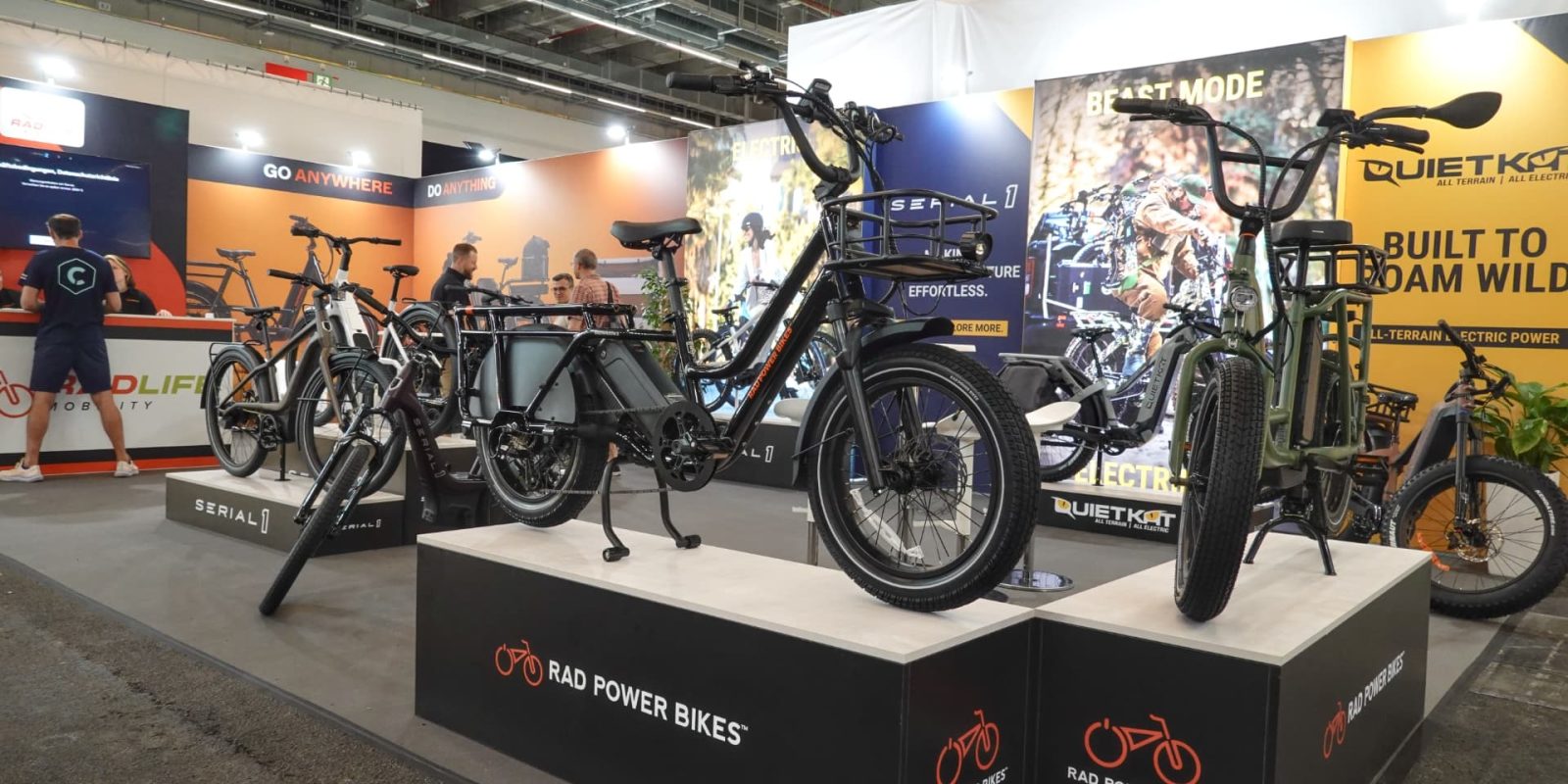
Just a few months ago, few people in the e-bike industry had heard of Rad Life Mobility. Today, the company is already assembling a portfolio of brands it has scooped up in the North American e-bike market.
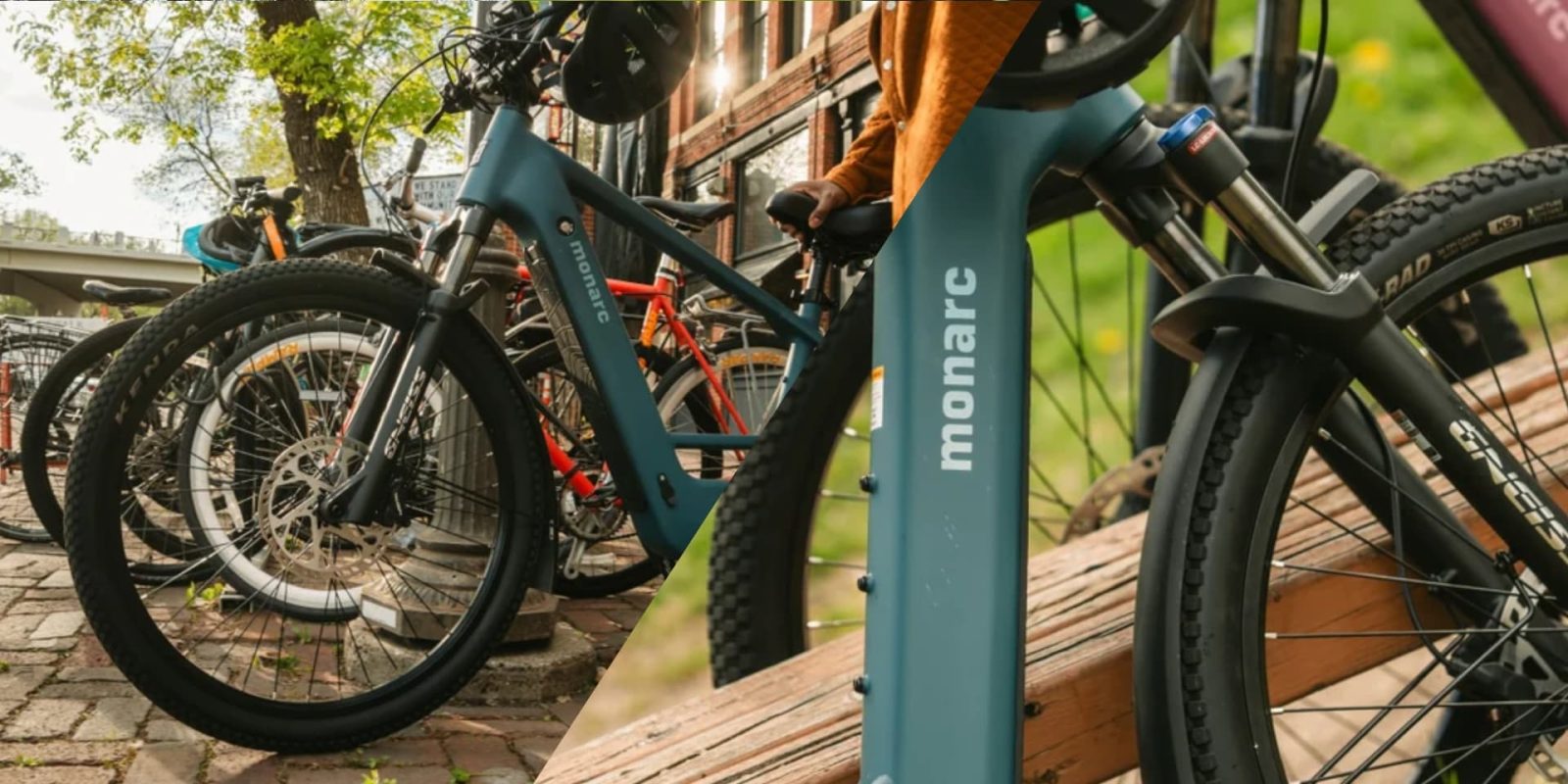
A new e-bike company has entered the increasingly crowded commuter e-bike market, but it’s doing so with a strategy that feels notably different from the usual playbook. The new Monarc Tracer combines a powerful Class 3 commuter platform with premium components, a surprising amount of integrated technology, and one feature that almost no other e-bike company includes as standard: a second battery.
Plus, it comes with the backing of the largest e-bike company in North America.
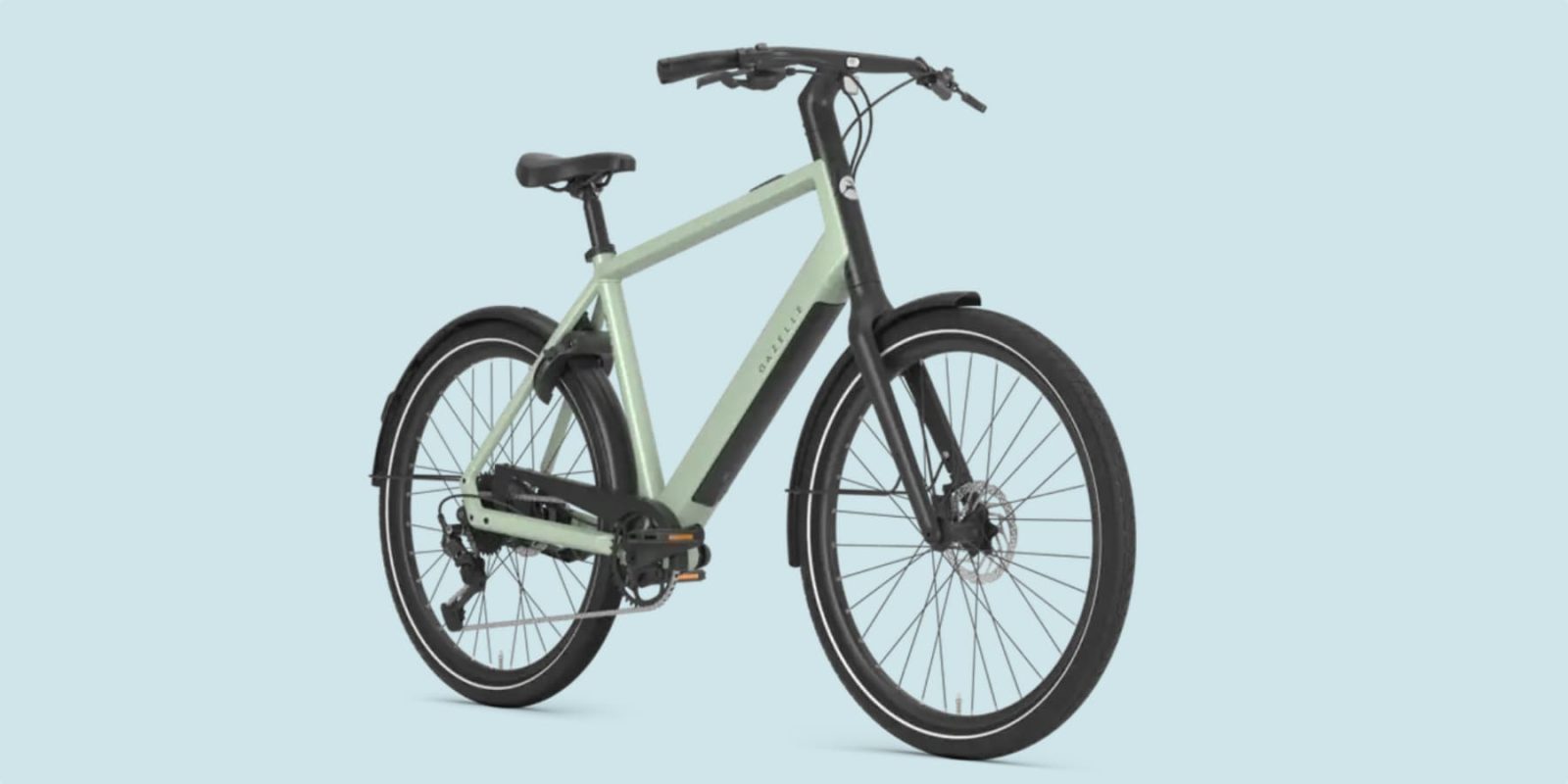
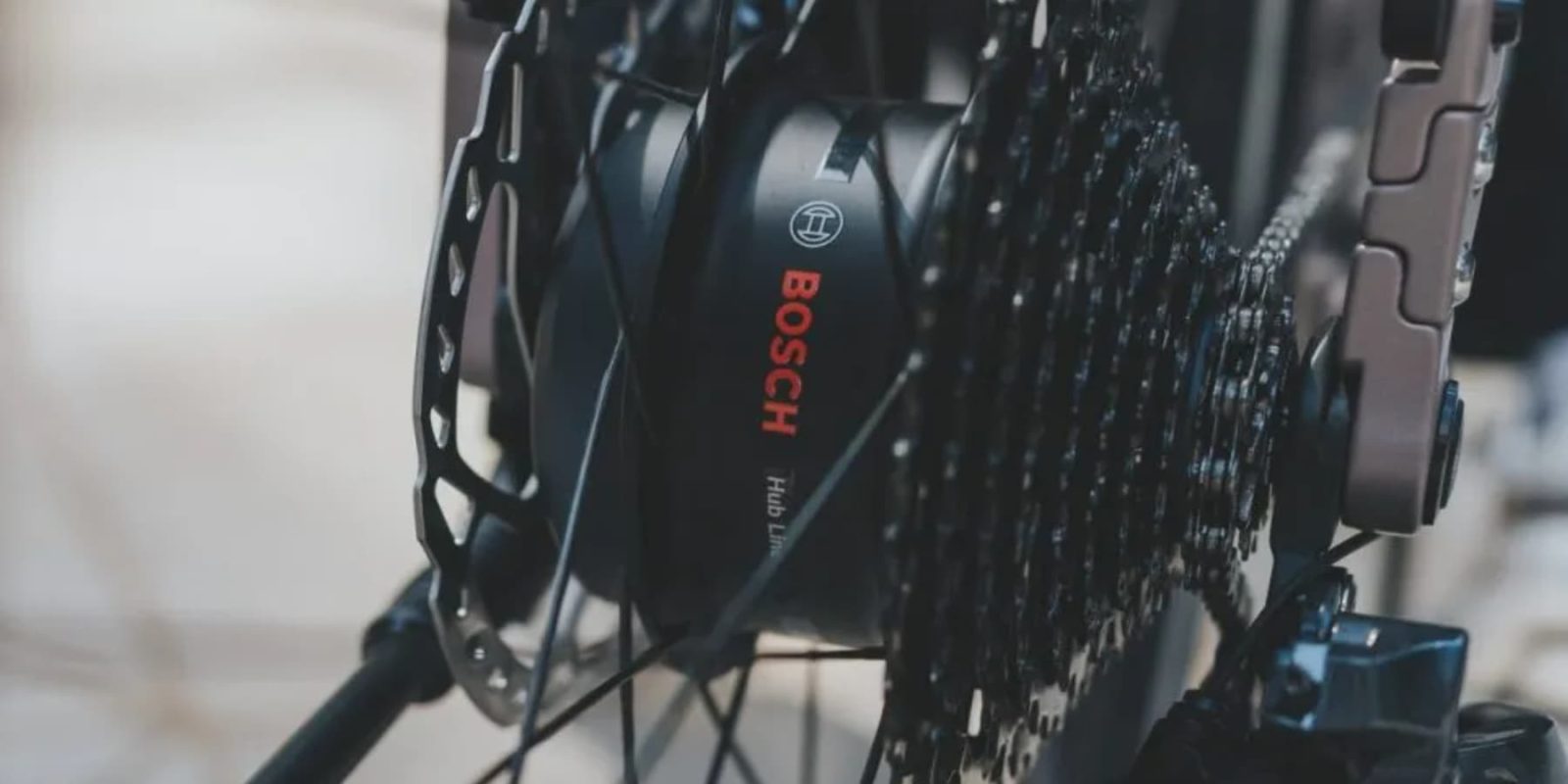
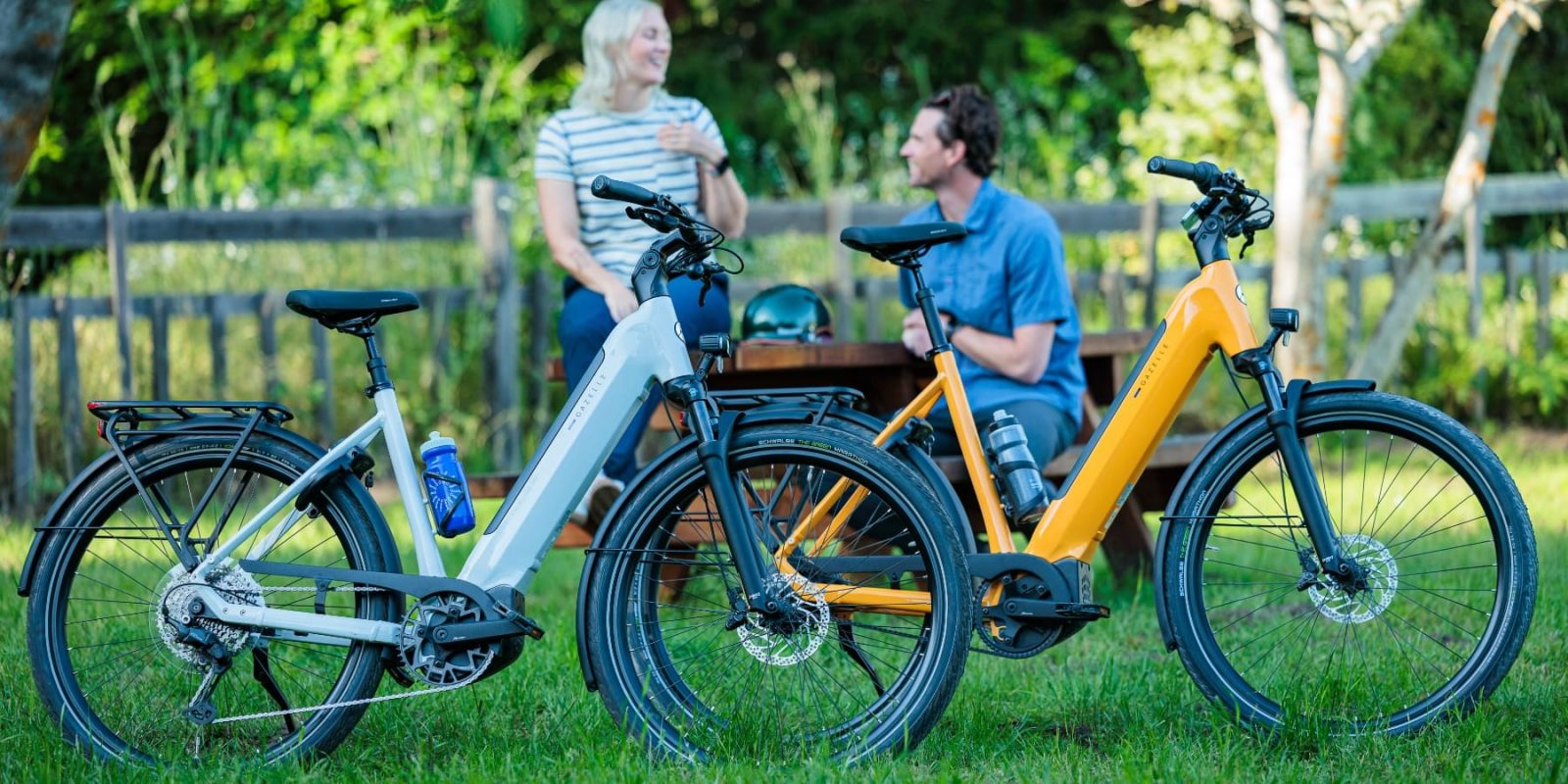
Gazelle has become one of the first major bicycle brands to launch a new e-bike built around Bosch’s recently announced Hub Line motor, unveiling the sleek new Gazelle Curb urban commuter.
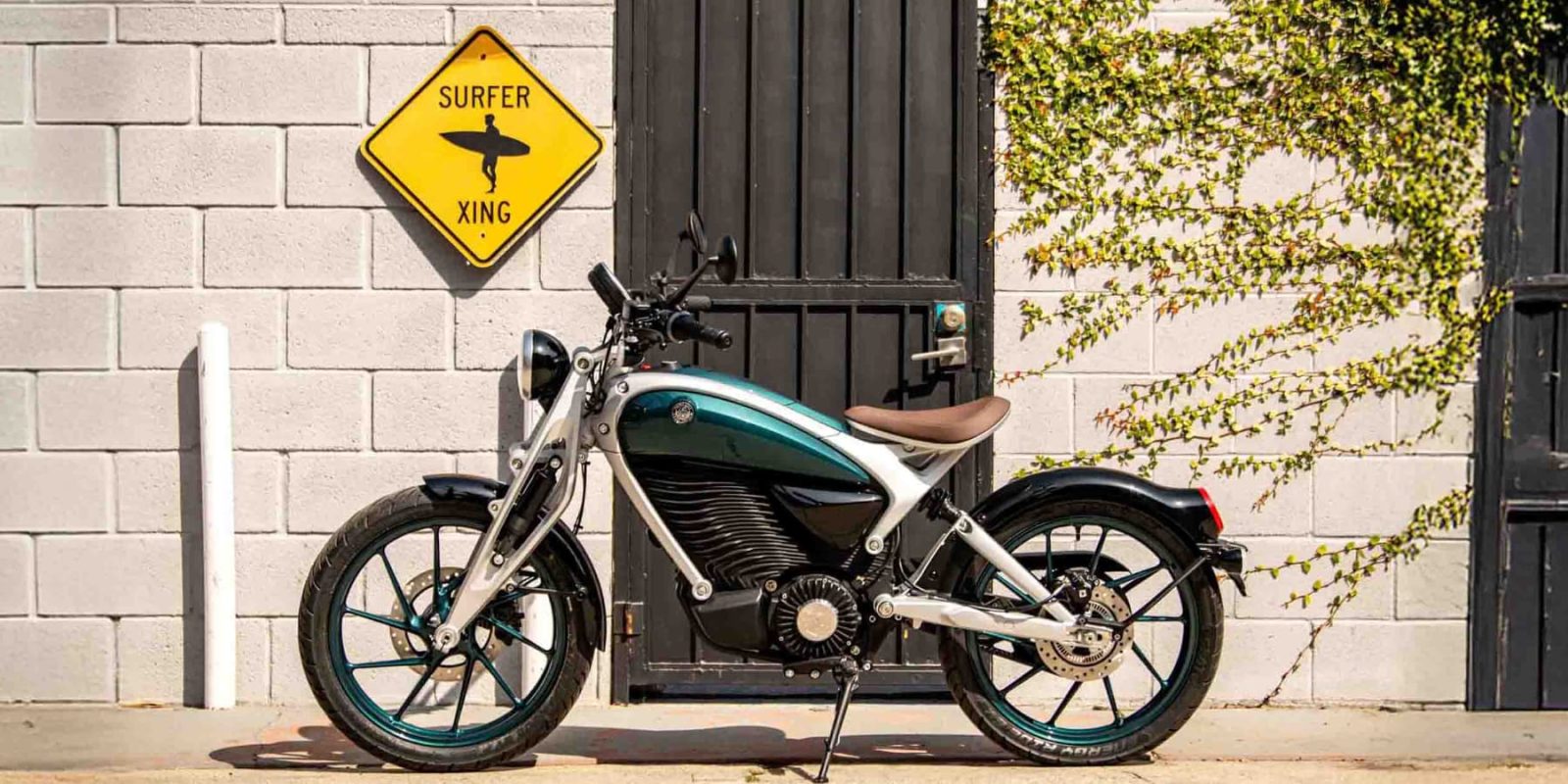
Royal Enfield’s long-awaited entry into the electric motorcycle market has officially begun. The company’s dedicated EV sub-brand, Flying Flea, has started customer deliveries of its first electric motorcycle, the FF.C6, with initial handovers taking place in Bengaluru, India.
This week on Electrek’s Wheel-E podcast, we discuss the most popular news stories from the world of electric bikes and other nontraditional electric vehicles. This time, that includes new e-bike models from several premium brands, Bosch gets into hub motors, Vinfast excels on two wheels, Ukraine doubles down on e-motorcycles, and more.
AAA may be best known for roadside assistance and travel services, but the organization is now taking a much closer interest in electric bicycles and electric scooters as their popularity continues to surge across the US.
There’s a new law in Washington state regarding the classification of electric bicycles. But if you want to know what the new law says, you should probably avoid reading the news in Washington.
Florida is the latest US state to wade into the increasingly crowded waters of e-bike regulation, with lawmakers advancing a bill that would impose a situational 10 mph (16 km/h) speed limit for e-bikes on shared-use paths. It’s a move that fits squarely into a broader national trend, as states and cities across the country reconsider how electric bikes fit into public spaces that were never designed with fast, motor-assisted travel in mind.
[Update June 16, 2026: The Florida Senate and House have passed the bill, which has now been sent to the Governor to be signed into law.]
There was a time, not all that long ago, when the electric bicycle industry seemed headed in a very different direction. The promise of the e-bike was elegantly simple: take a normal bicycle and make it easier. Easier to commute, easier to climb hills, easier to ride farther without arriving sweaty, and easier to replace car trips.
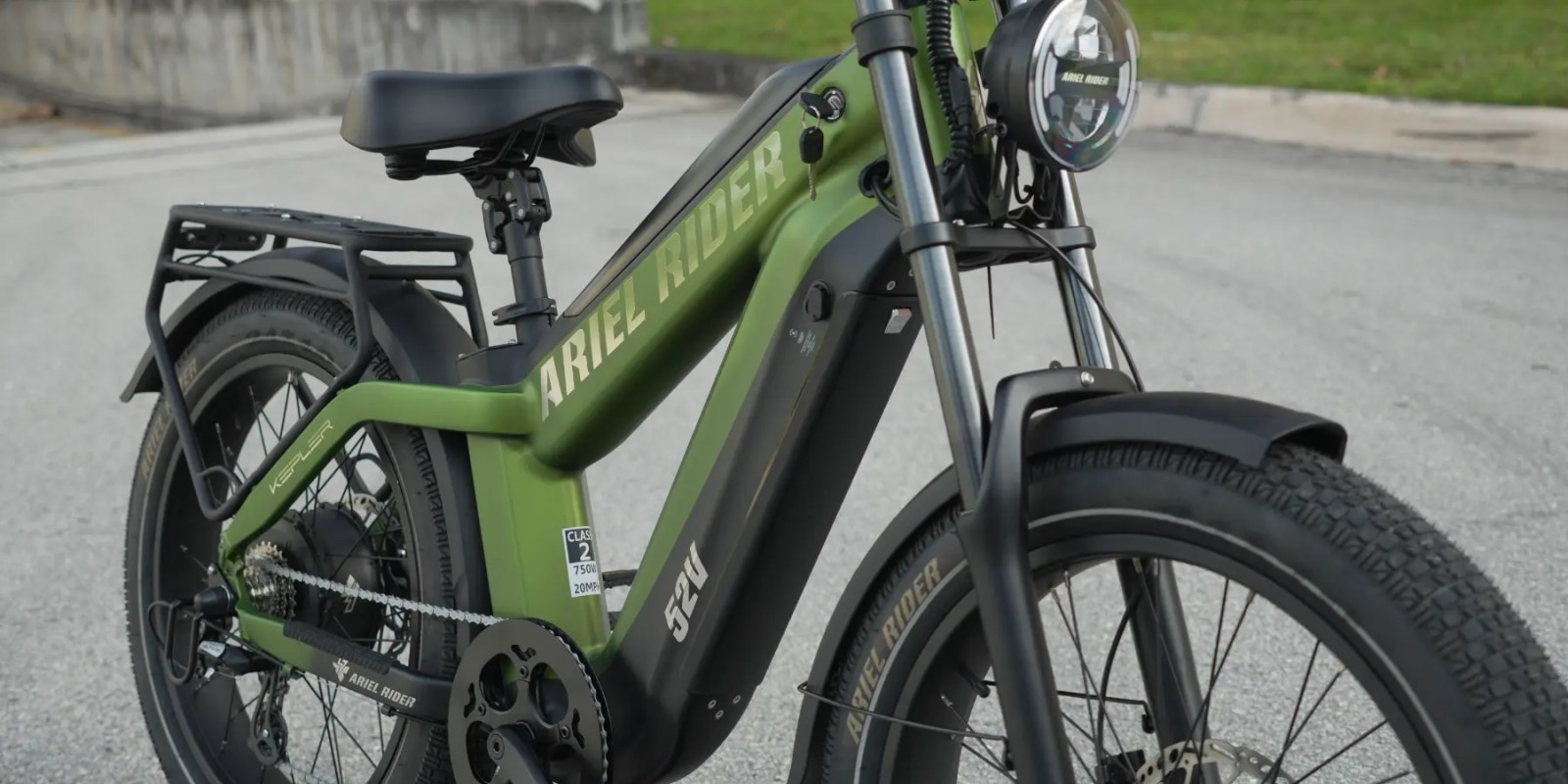
Ten years ago, if you had told me that I’d be riding what I would soon call an “excellent commuter e-bike” despite it weighing 118 pounds (53.5 kg) and rolling on 24×4.0-inch fat tires, I probably would have laughed. Today, though, I’m not so sure.
The Ariel Rider Kepler occupies a category that doesn’t really exist on paper but makes a lot of sense in the real world: the fat tire commuter. Plenty of riders buy adventure-style e-bikes and end up using them almost exclusively for city riding anyway, enjoying the comfortable fat tires, upright riding position, and confidence-inspiring handling. Ariel Rider seems to have looked at that trend and decided to lean into it instead of fighting it.
When many riders hear about a new electric motorcycle, they tend to compare it to the flagship machines that dominate the headlines. Bikes like those from Zero or LiveWire have shown that electric motorcycles can be fast, powerful, and technologically impressive. They’ve also shown that they can be expensive.
But a much more interesting battle may be happening lower down the power scale.
New Jersey’s controversial new e-bike law was pitched as a way to improve safety, but with its July 19 implementation date rapidly approaching, a growing number of riders, advocates, and even lawmakers are arguing that the state may have gone too far.
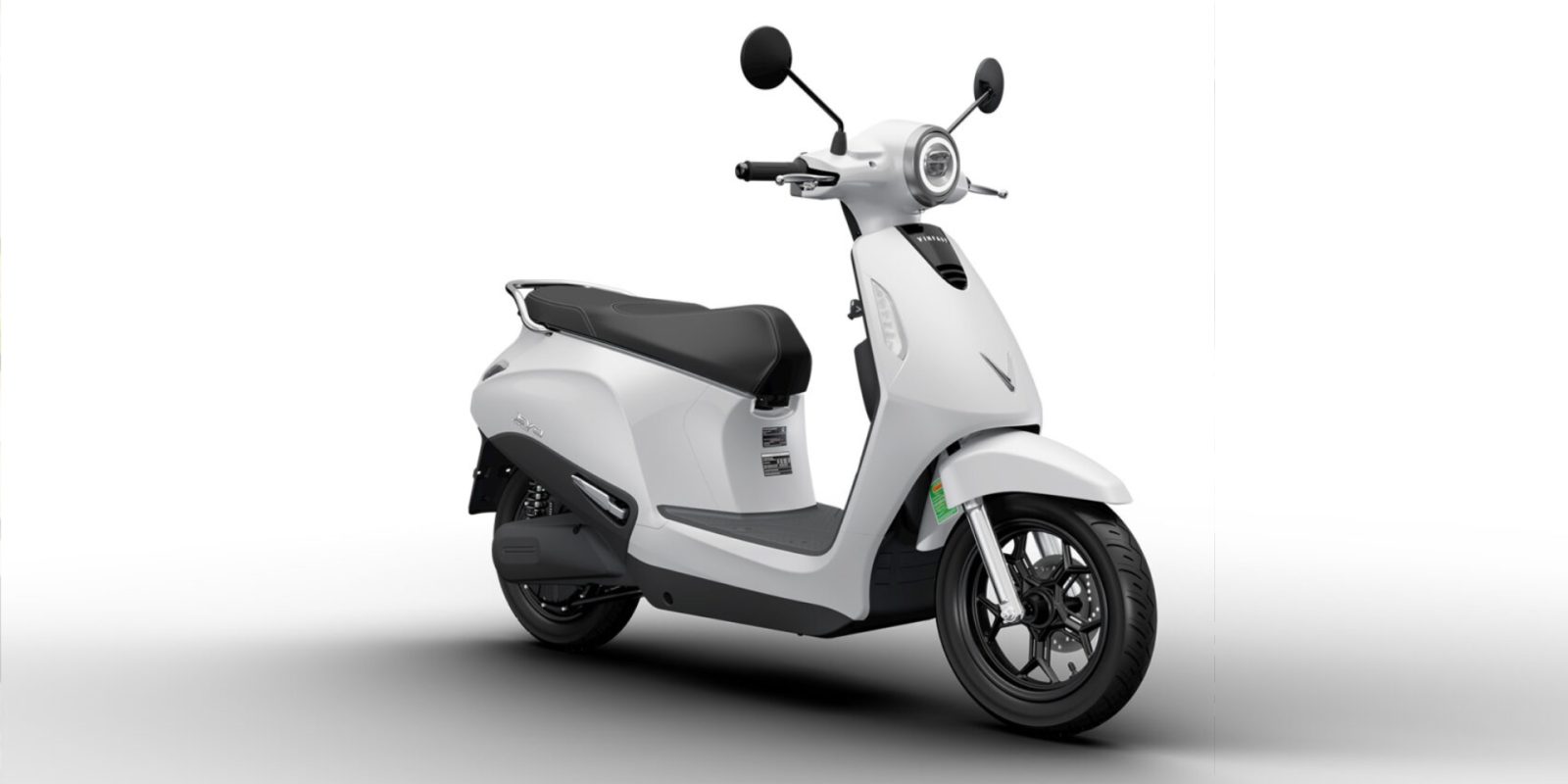
When most people in North America or Europe hear the name VinFast, they probably think of the Vietnamese electric car company trying to break into international markets with a lineup of electric SUVs.
What many don’t realize is that VinFast is already a giant in another corner of the EV industry: electric two-wheelers.
I love listening to music, podcasts, and audiobooks when I’m riding my e-bikes. Depending on the type of ride I’m doing, I’ve got an affinity for all of them. But I also love not getting hit by a car. And those two goals don’t always work well together.
Traditional earbuds and headphones can be great for audio quality, but they also have a nasty habit of disconnecting you from the world around you. On an e-bike, situational awareness is a key part of staying safe. Hearing a car approaching, a cyclist calling out a pass, or a pedestrian running into your path can make a real difference.
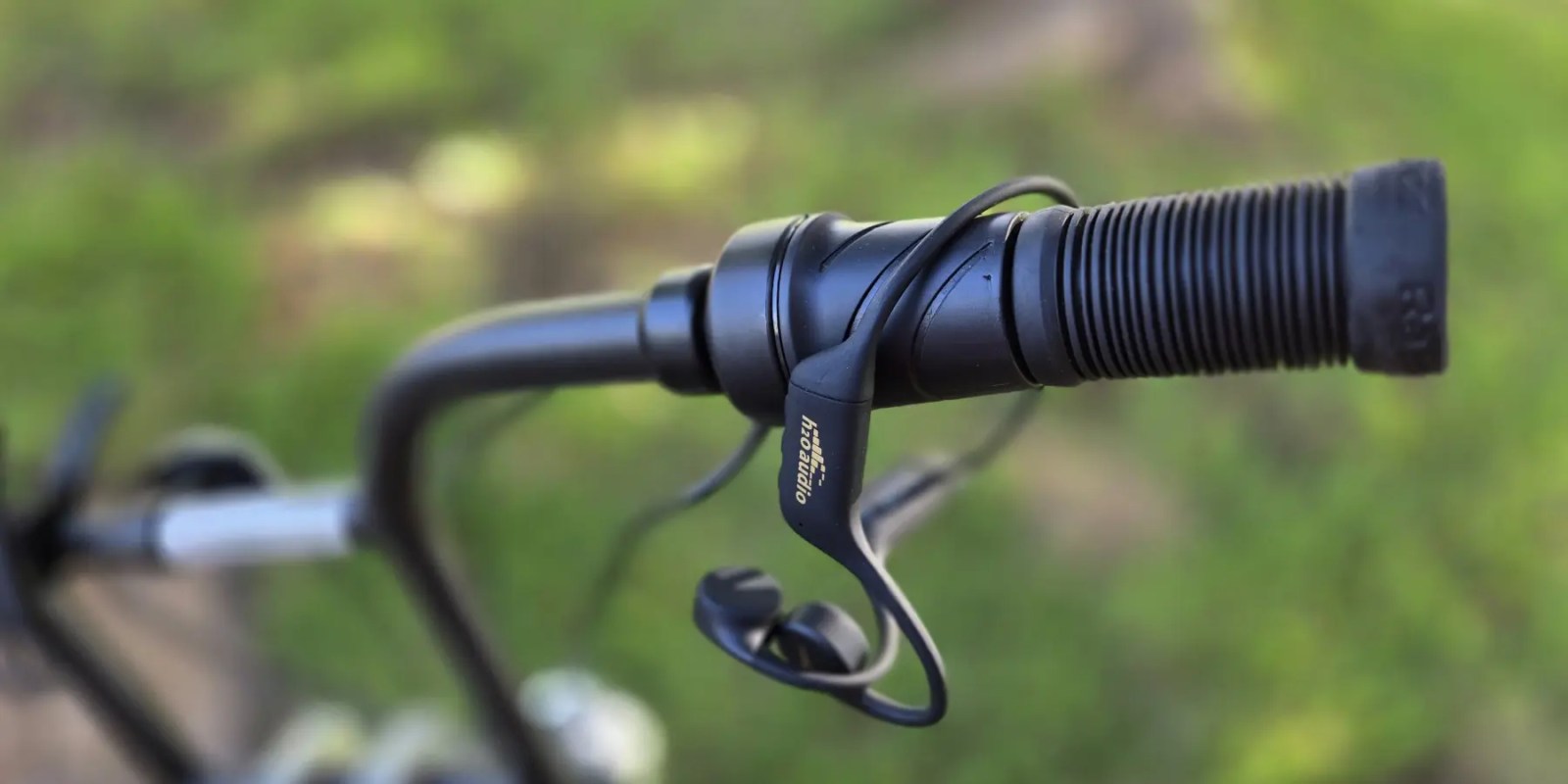
That’s why I’ve become such a fan of bone conduction headphones, and after spending time with the TRI 2 Pro Multi-Sport with Playlist+ headphones from H2O Audio, I think I’ve found my favorite pair yet.
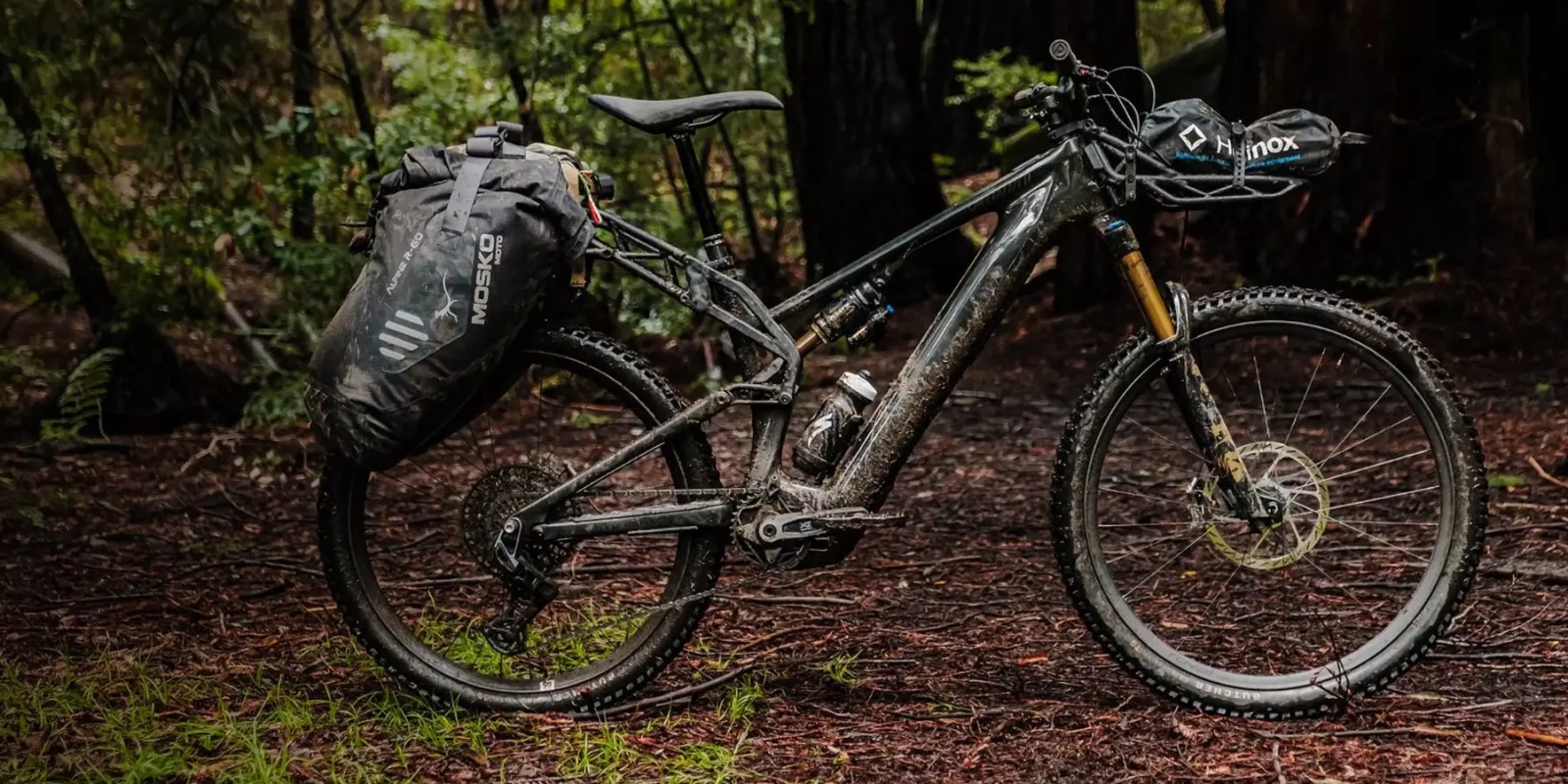
Specialized is taking the increasingly popular concept of bikepacking and giving it a serious electric boost with the launch of the new Turbo Levo 4 X.
The company describes the model with a simple tagline: “Electric Overlanding.” Basically, this is the bike to take you and all your gear beyond where the trail stops, blazing your own path and your own adventure.
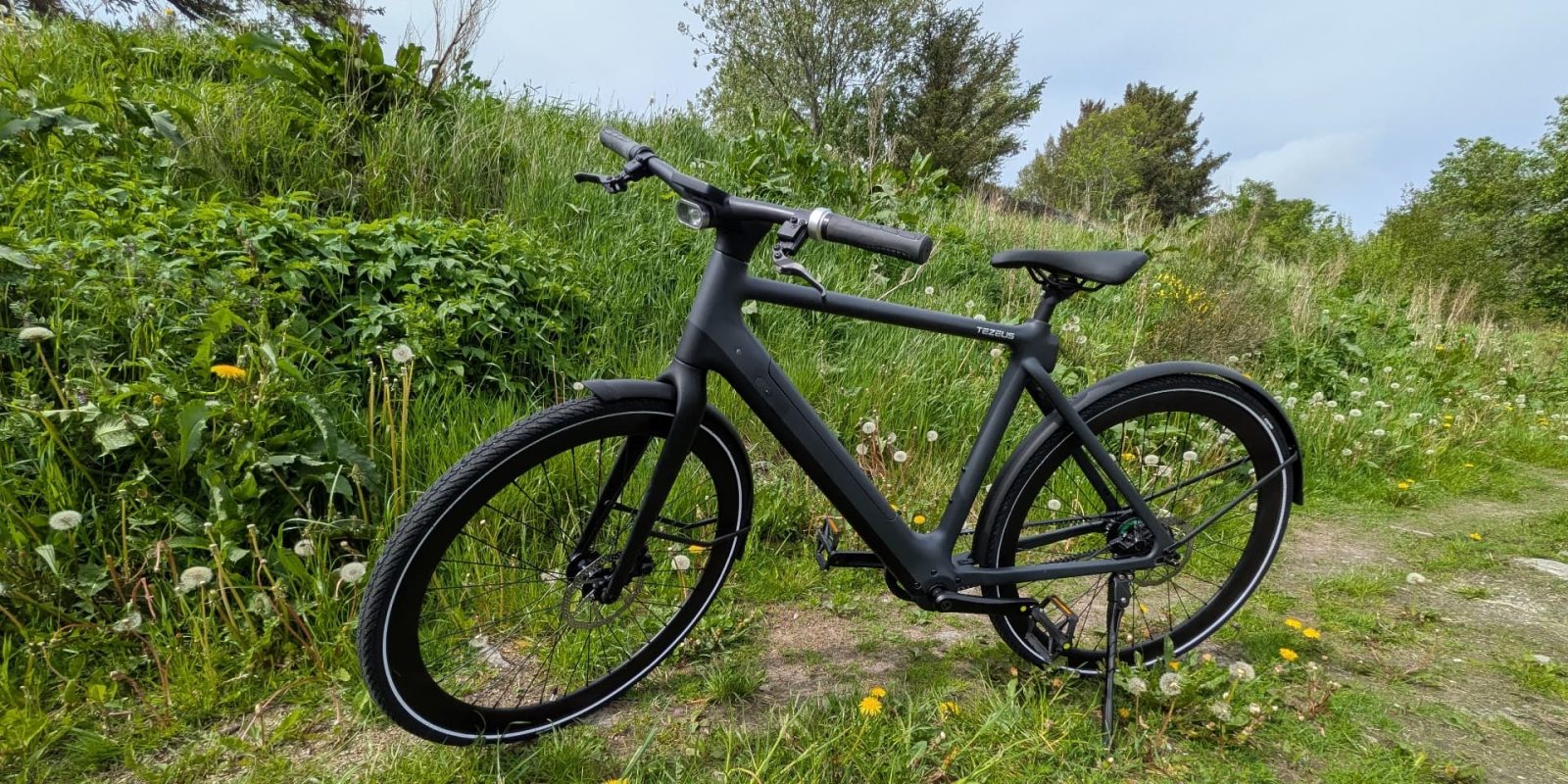
The Tezeus C8 is one of those e-bikes that hides several interesting, higher-end features/components behind an unassuming design, giving you more than you bargained for without attracting too much unwanted attention. And while it’s a pricier model than the usual budget suspects, the added features may be enough to warrant a deeper look.
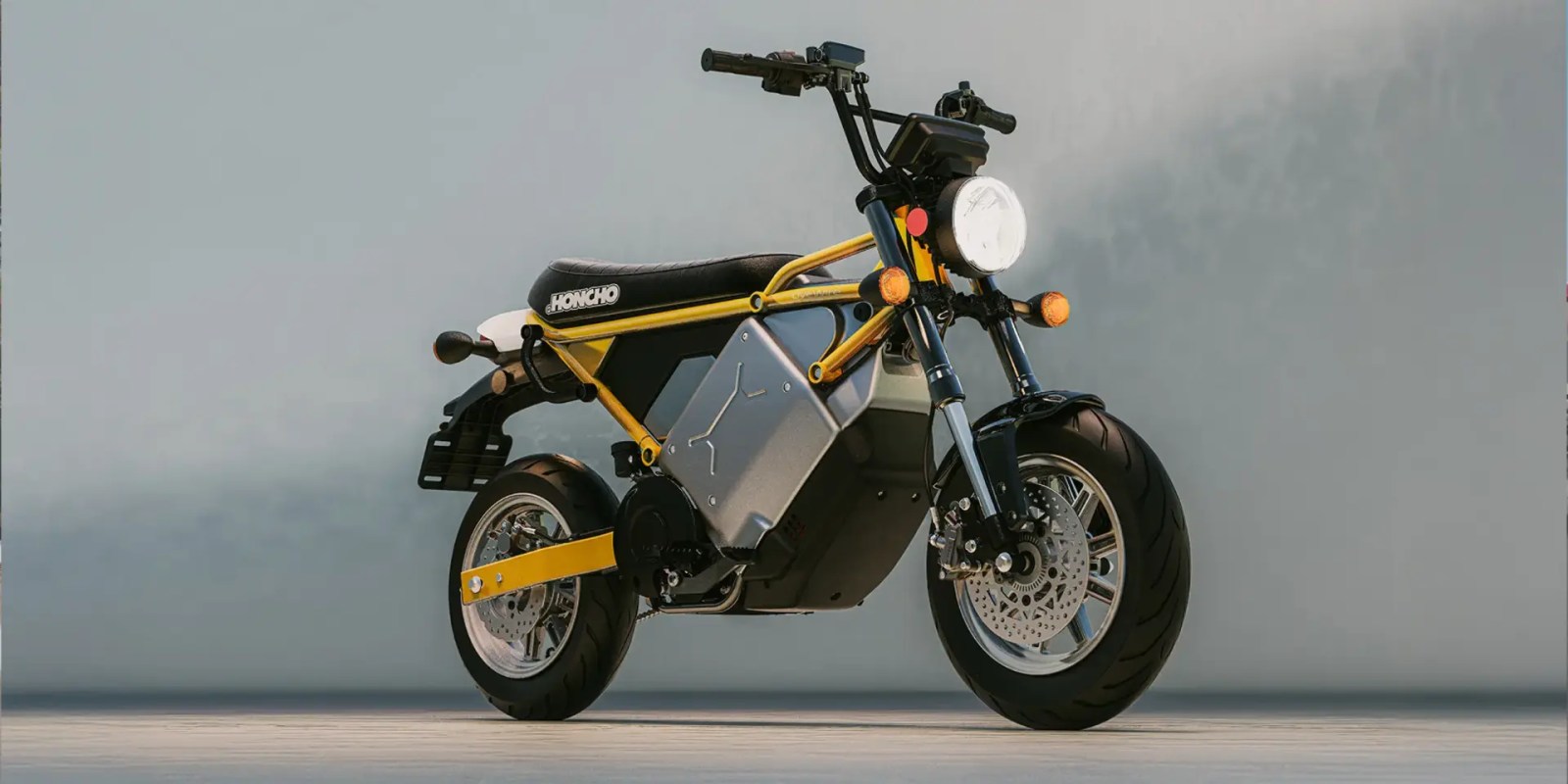
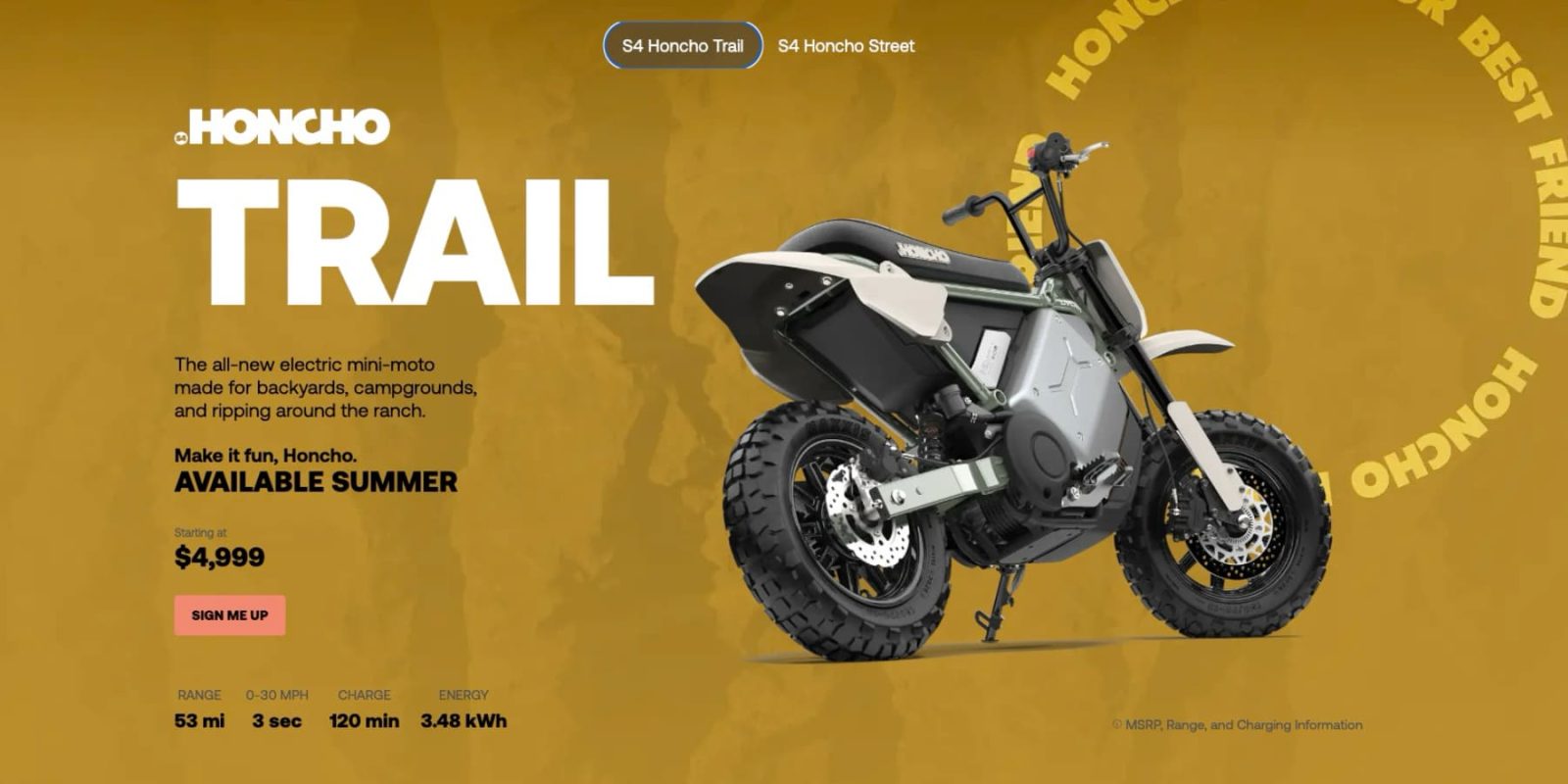
Despite being unveiled less than a year ago, it feels like we’ve been waiting forever for LiveWire’s new S4 Honcho to reveal its official pricing and begin production. Today, we got both, as the Harley-Davidson spinoff pulled the last curtain off, revealing the final secrets behind the brand’s new low-cost electric motorcycles headed to streets and trails near you soon.
Gazelle has unveiled a completely redesigned Ultimate platform in North America, giving riders a faster take on the company’s signature Dutch-inspired comfort and refinement.
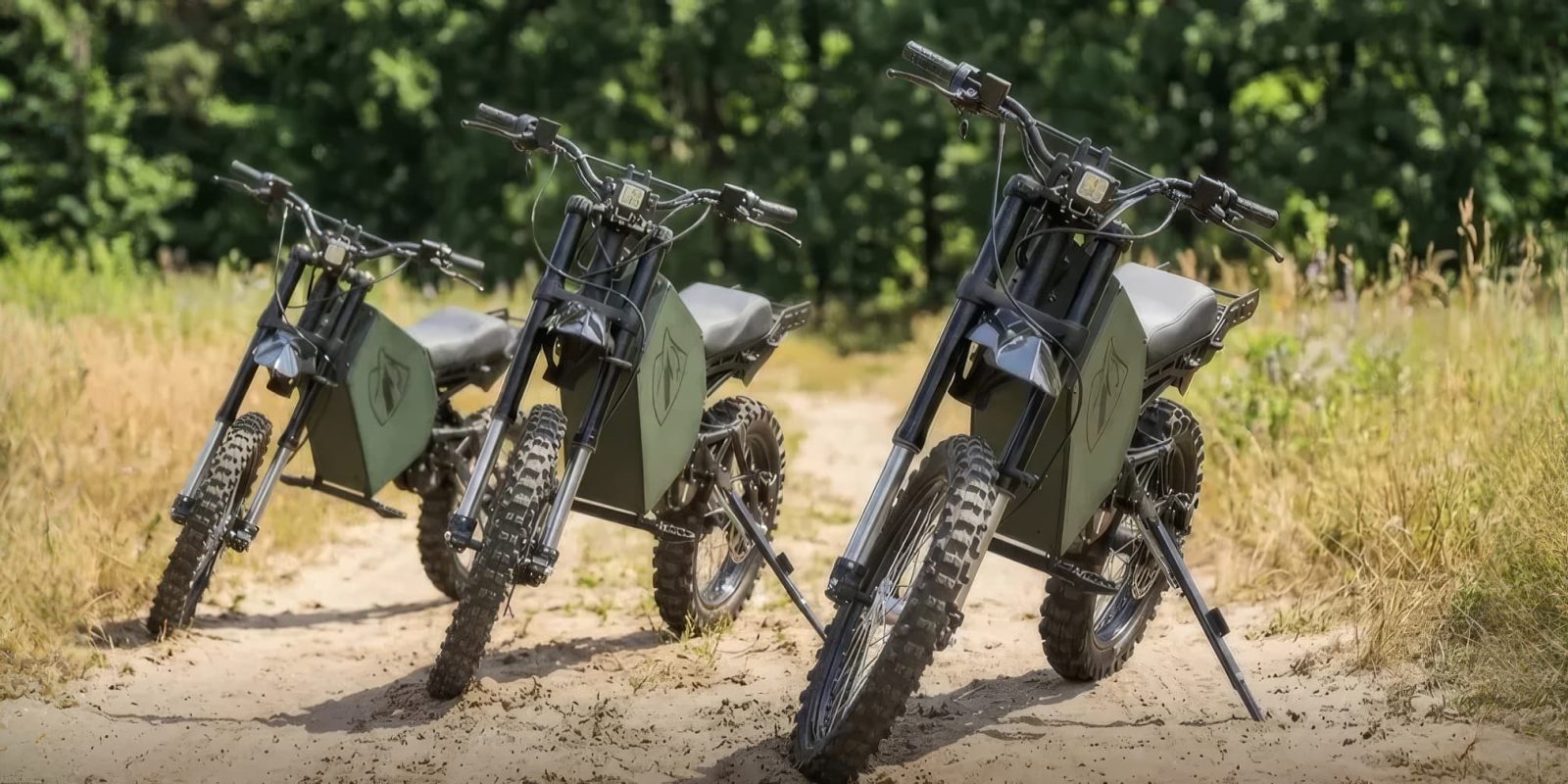
Ukraine has officially approved a new electric motorcycle for use by its armed forces, highlighting the growing role that battery-powered two-wheelers are playing in modern military operations.
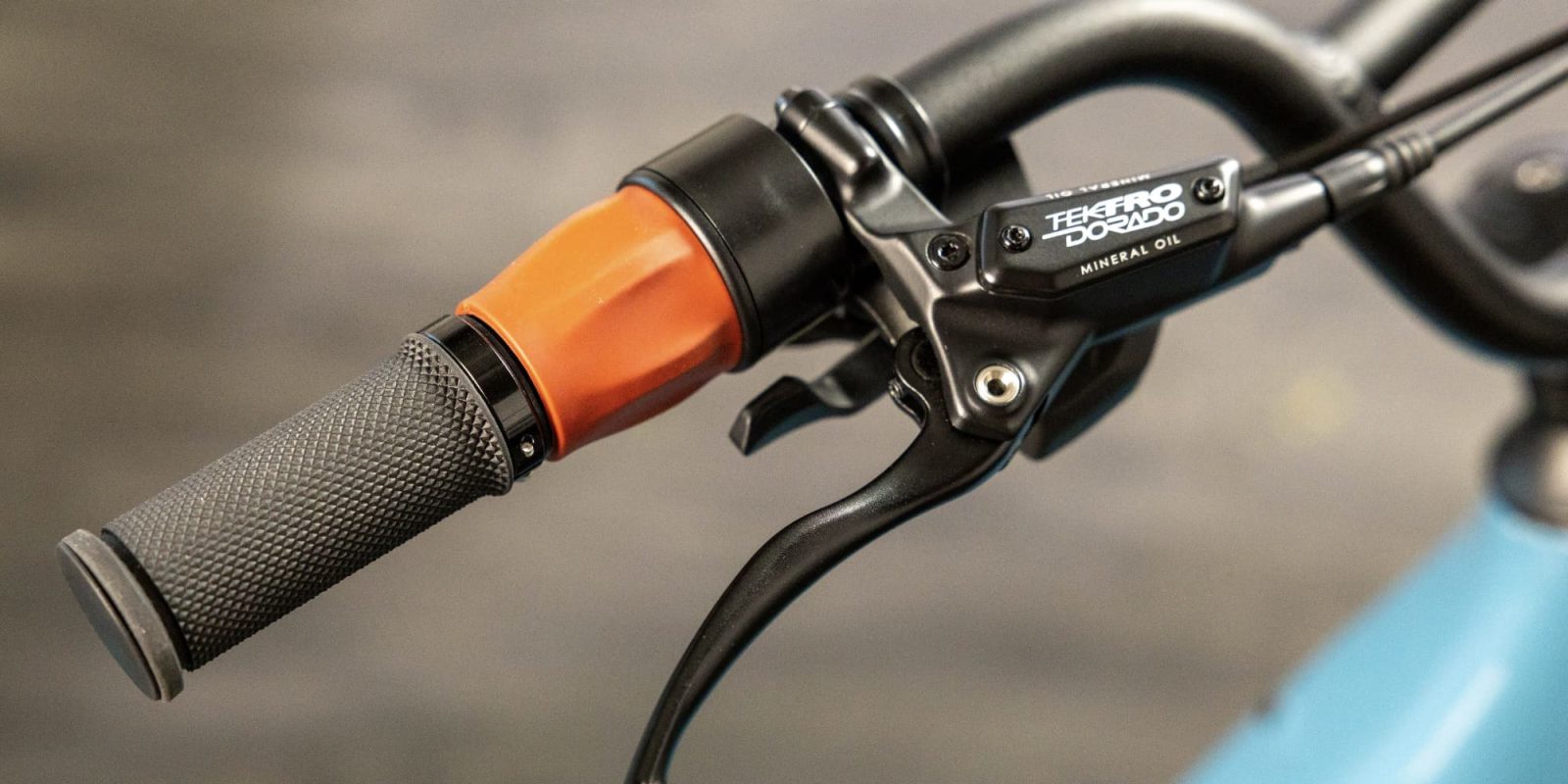
I’m going to say something that may make me sound old, but I just don’t care. E-bike throttles used to be better in the old days.
Not every e-bike throttle, of course. There have always been good ones and bad ones. But if you’ve been riding e-bikes for a decade or more, you’ve probably noticed the same trend I have.
This week on Electrek’s Wheel-E podcast, we discuss the most popular news stories from the world of electric bikes and other nontraditional electric vehicles. This time, that includes new e-bikes from Monarc and Engwe, frames that are glued together from Flit, new e-bike laws, court-ordered pedaling, and more.
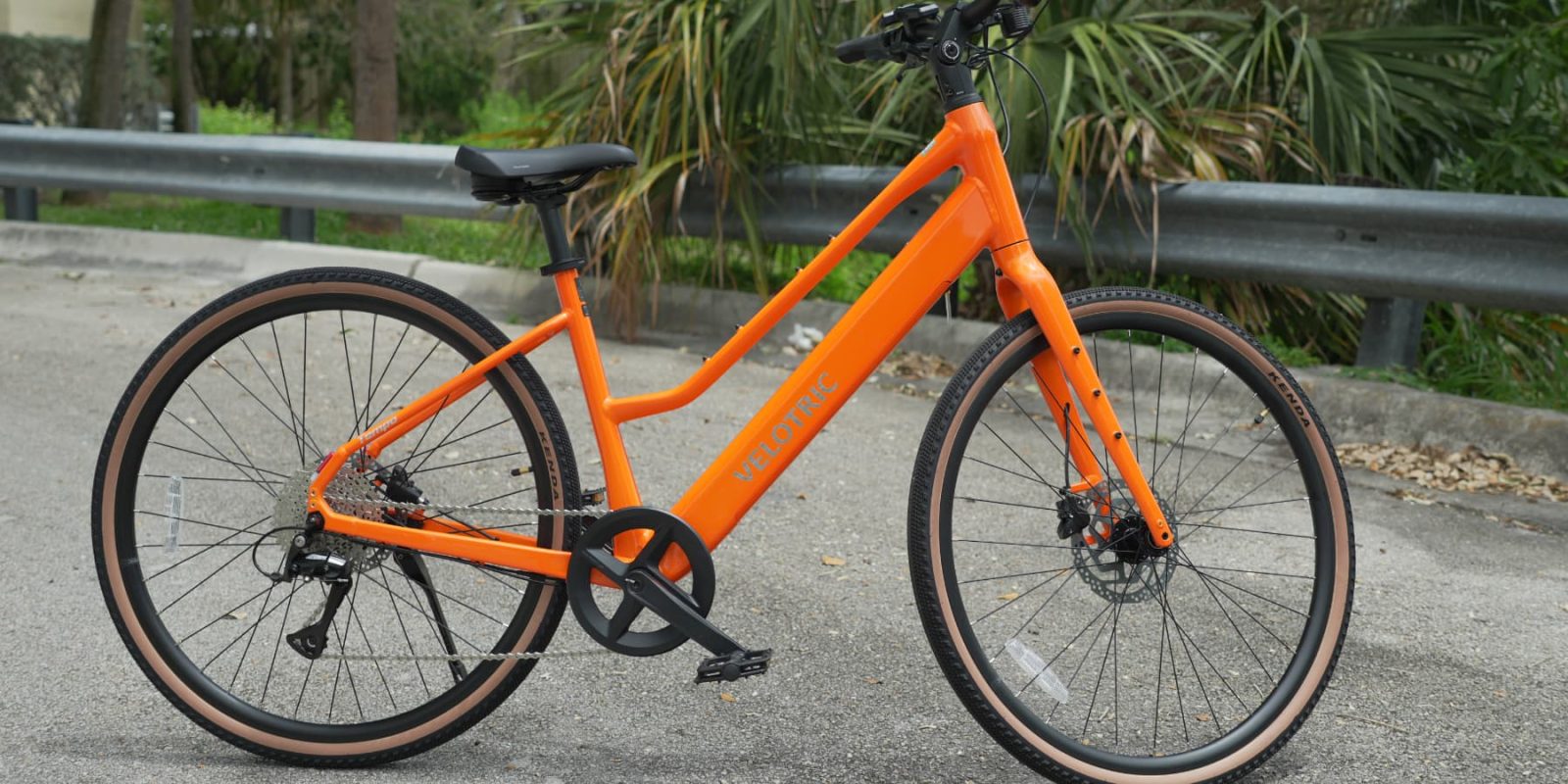
There’s a growing category of electric bikes that seem designed less around raw power and more around simply being pleasant to ride. They’re lighter, cleaner-looking, easier to pedal, and more focused on enhancing the cycling experience instead of replacing it.
After spending time testing the new Velotric Tempo, I think this bike fits squarely into that category.
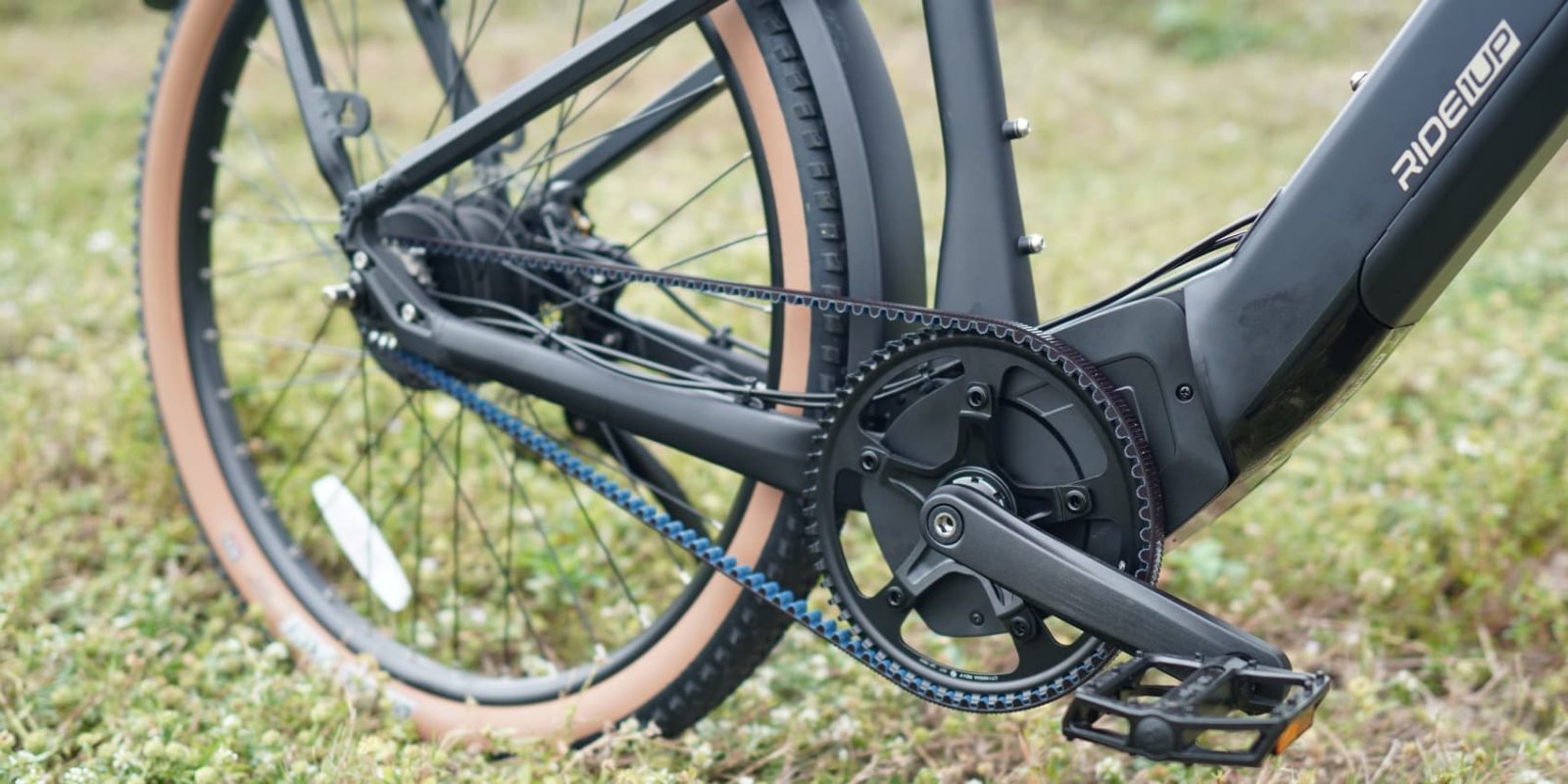
If you’ve been waiting for an excuse to try a premium German-made mid-drive e-bike without paying premium German-made prices, Ride1Up may have just handed you one.
The San Diego, California-based company has dropped the price of its Prodigy V2 to just $1,595, marking the lowest price we’ve seen yet on the bike and shaving nearly $1,000 off its usual $2,495 MSRP.