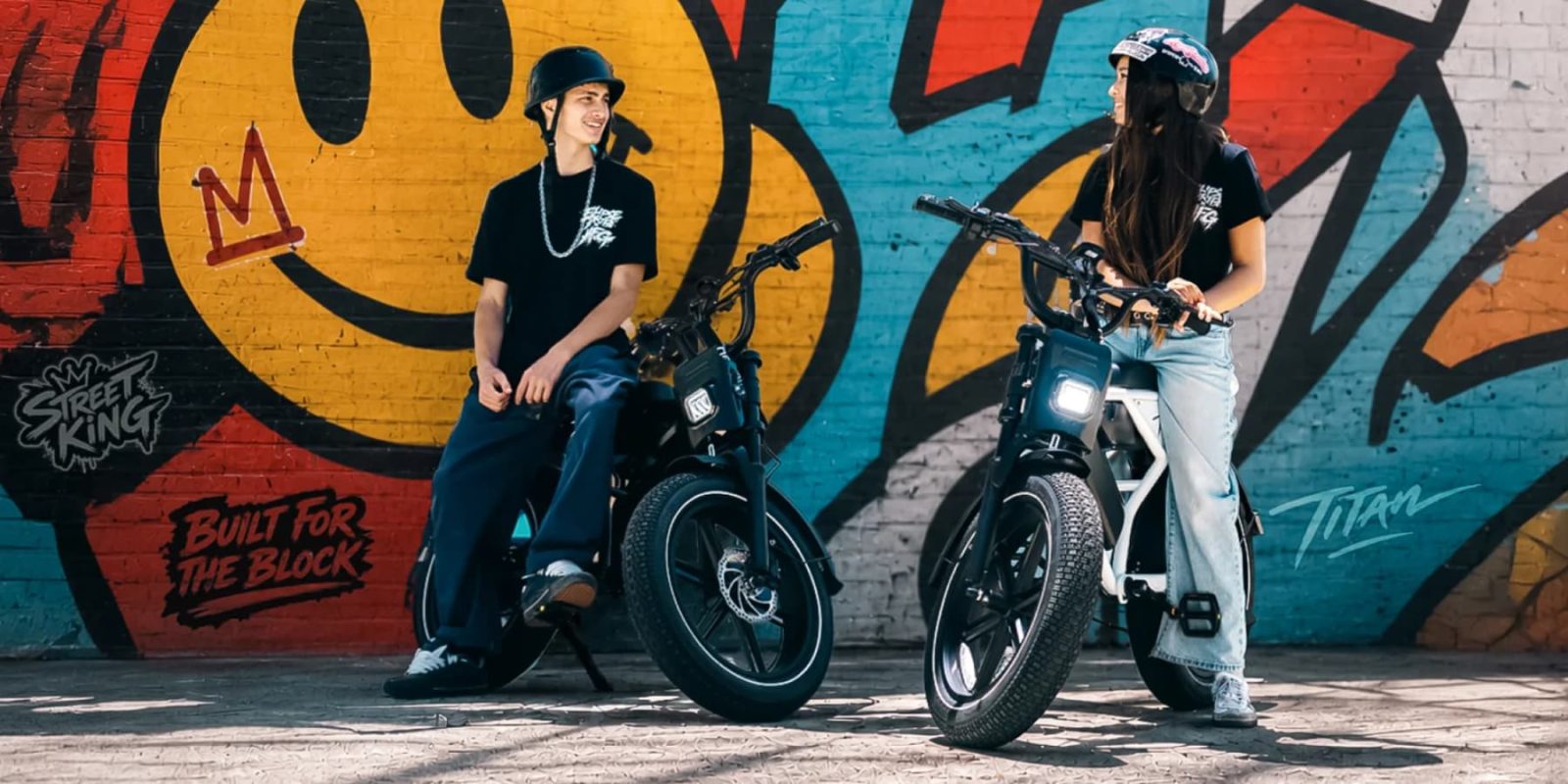
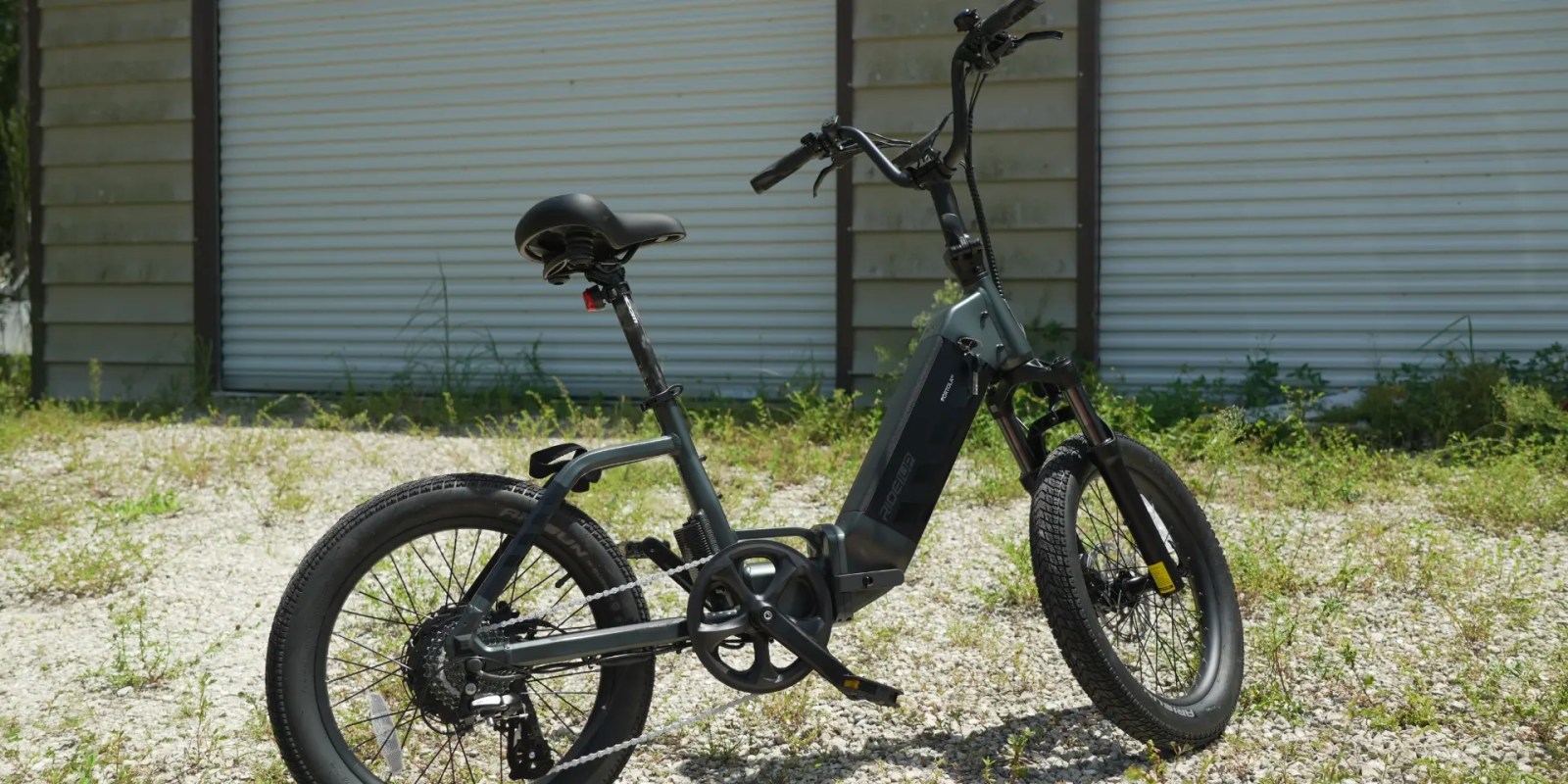
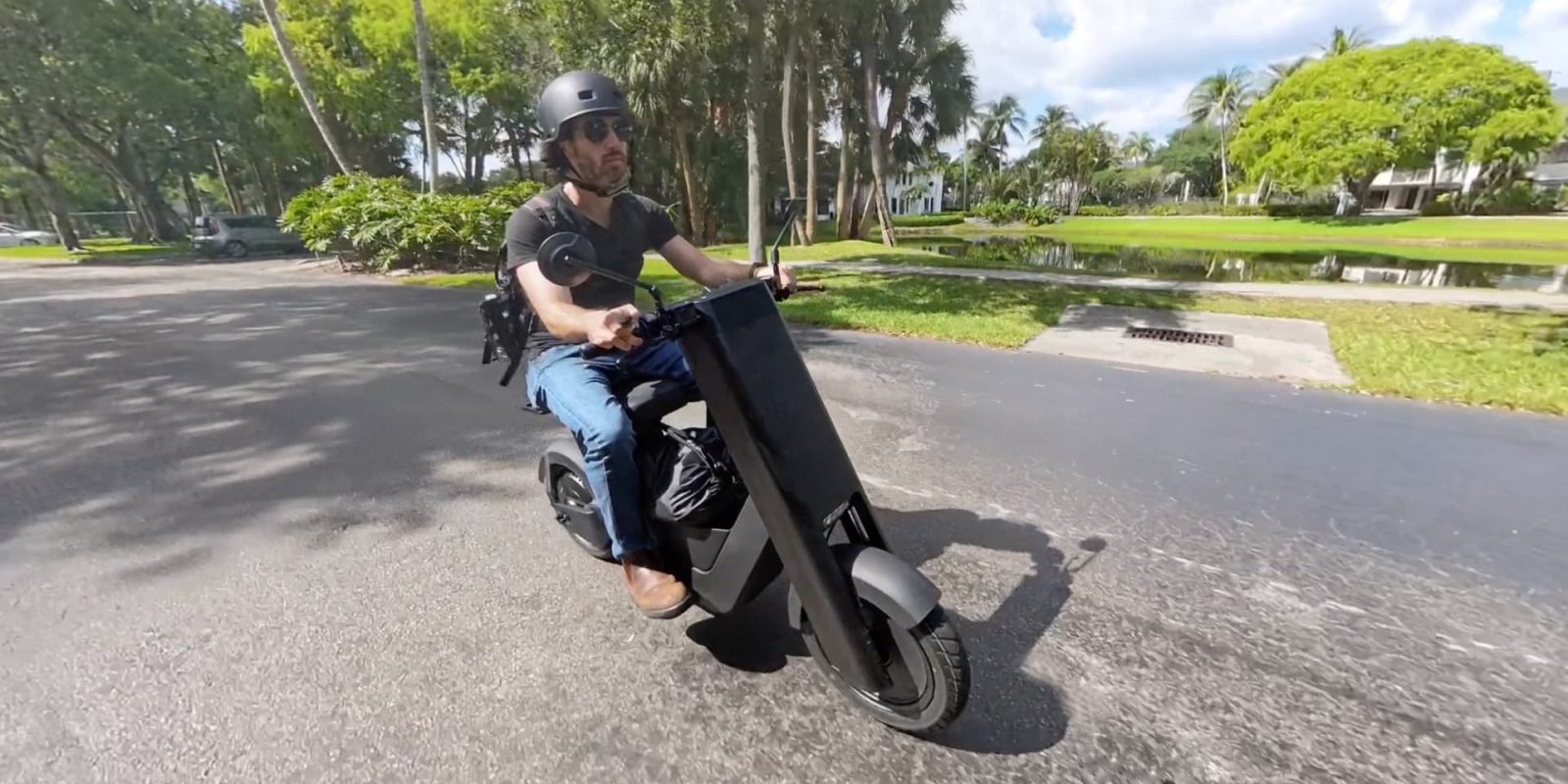
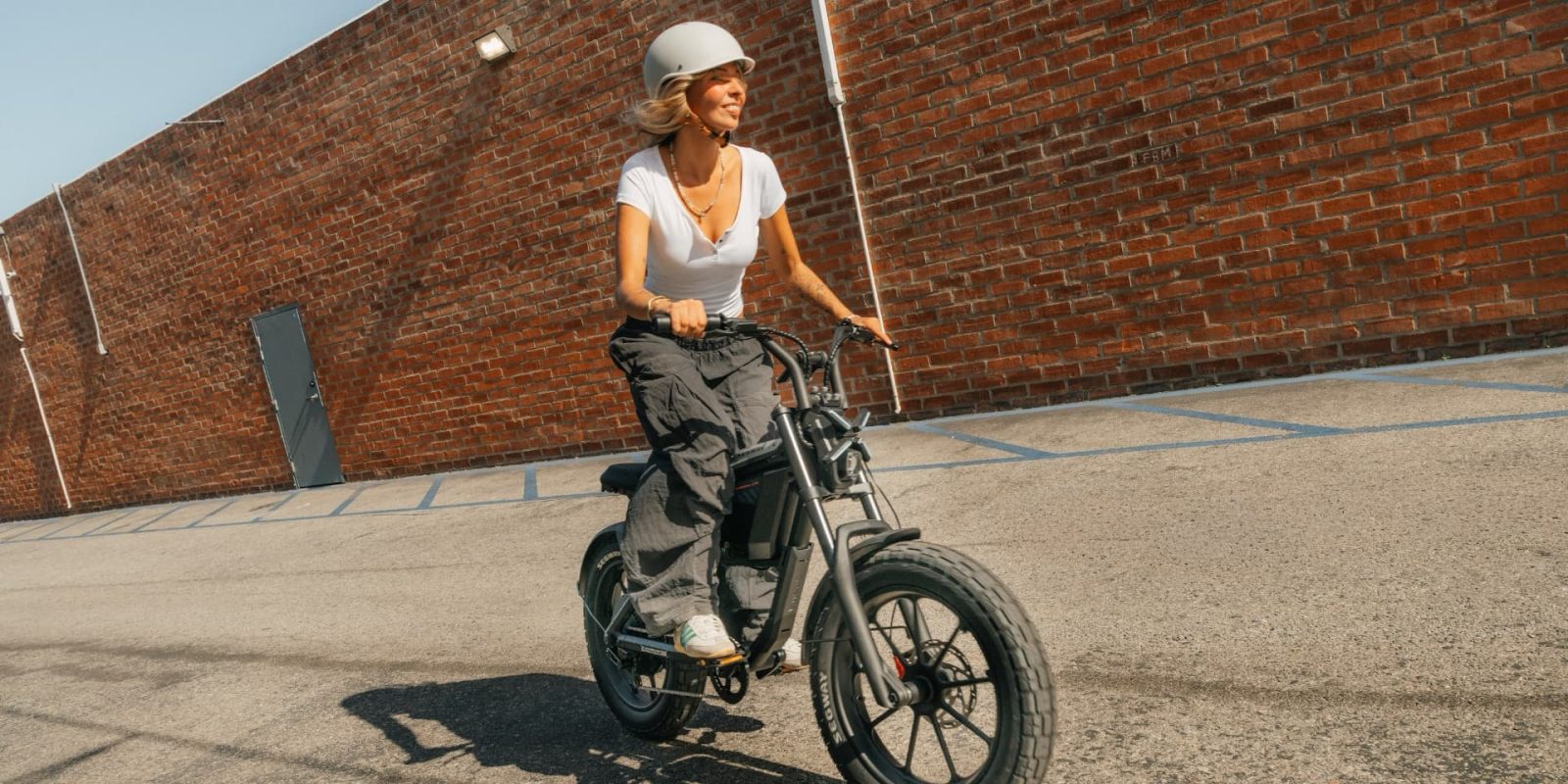
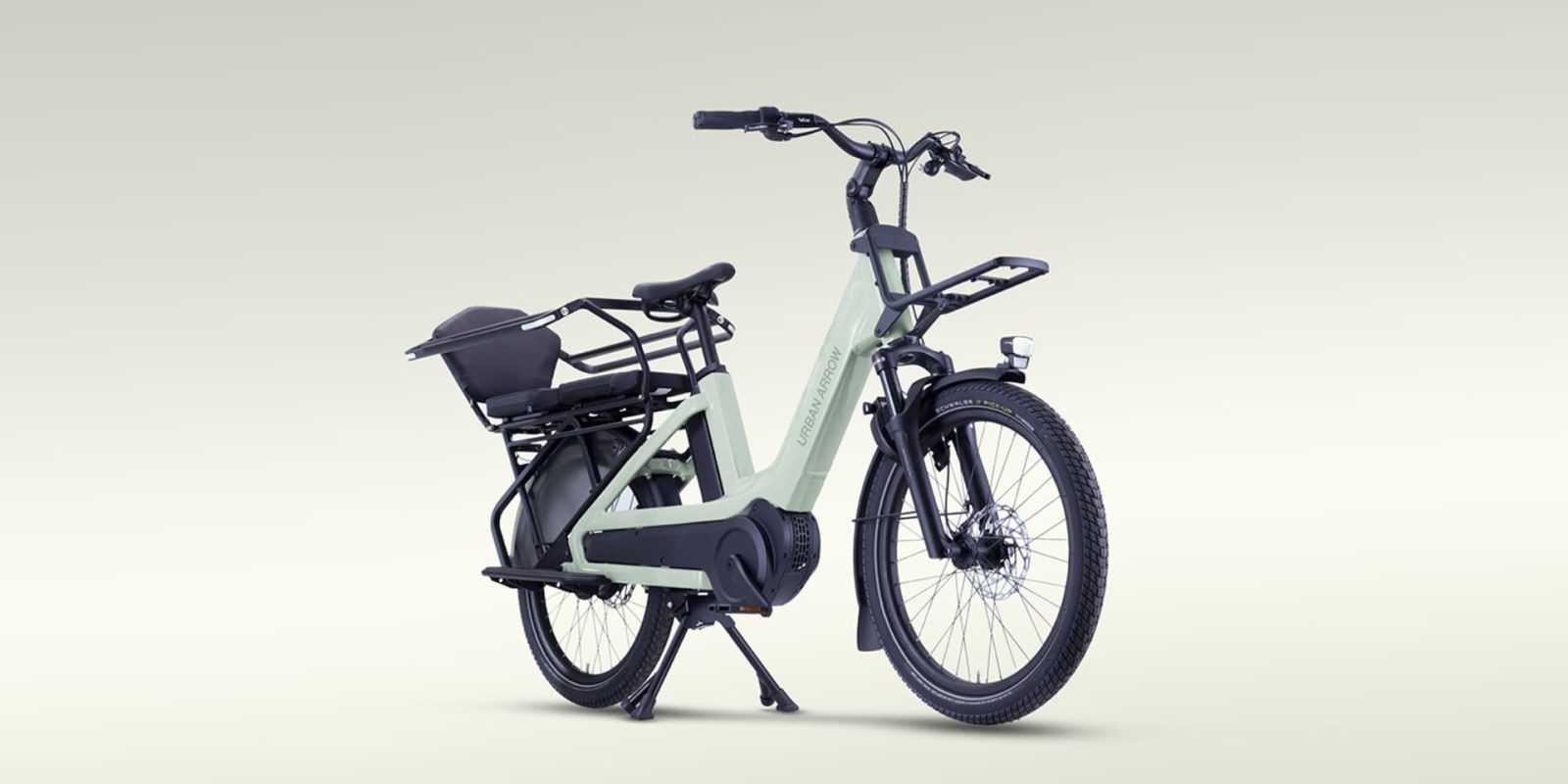
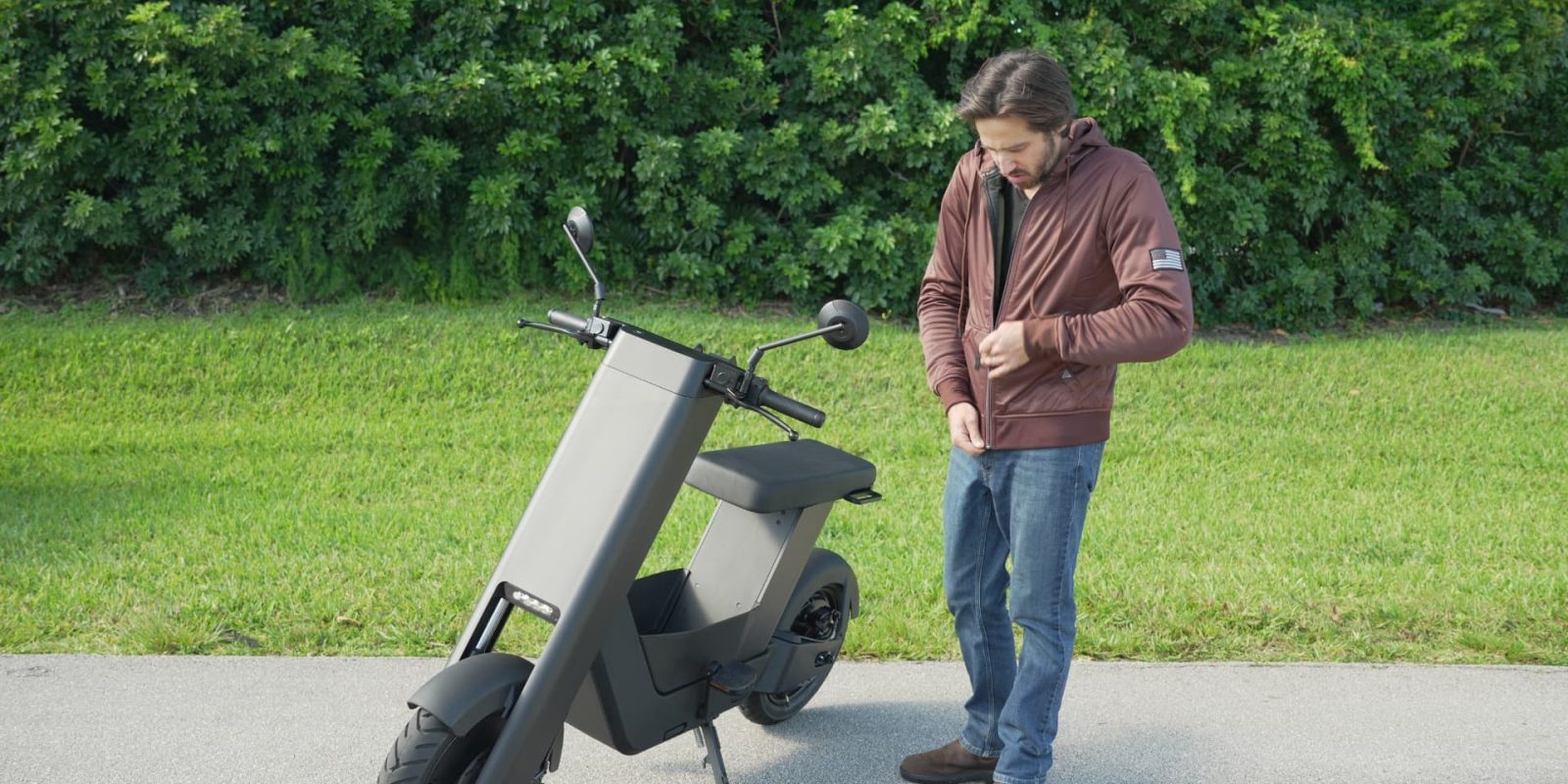
Segway is expanding its footprint in the electric bike space with the launch of its new MUXI e-bike, a model that blends urban utility with a design that feels more akin to a light electric motorcycle than a traditional bicycle.
There’s a strange pattern emerging in Western coverage of Royal Enfield’s upcoming electric motorcycle, the Flying Flea C6. And if you’ve been following the story closely, it’s getting harder to ignore.
This week on Electrek’s Wheel-E podcast, we discuss the most popular news stories from the world of electric bikes and other nontraditional electric vehicles. This time, that includes new e-bikes from Esel, Specialized, and Radio Flyer, a pair of new drives from Avinox, new e-bike bills in the works, Royal Enfield’s Flying Flea motorcycle launches, and more.
Royal Enfield has officially launched its first electric motorcycle, the Flying Flea C6, marking a major milestone for one of the world’s most iconic motorcycle brands as it steps into the electric era.
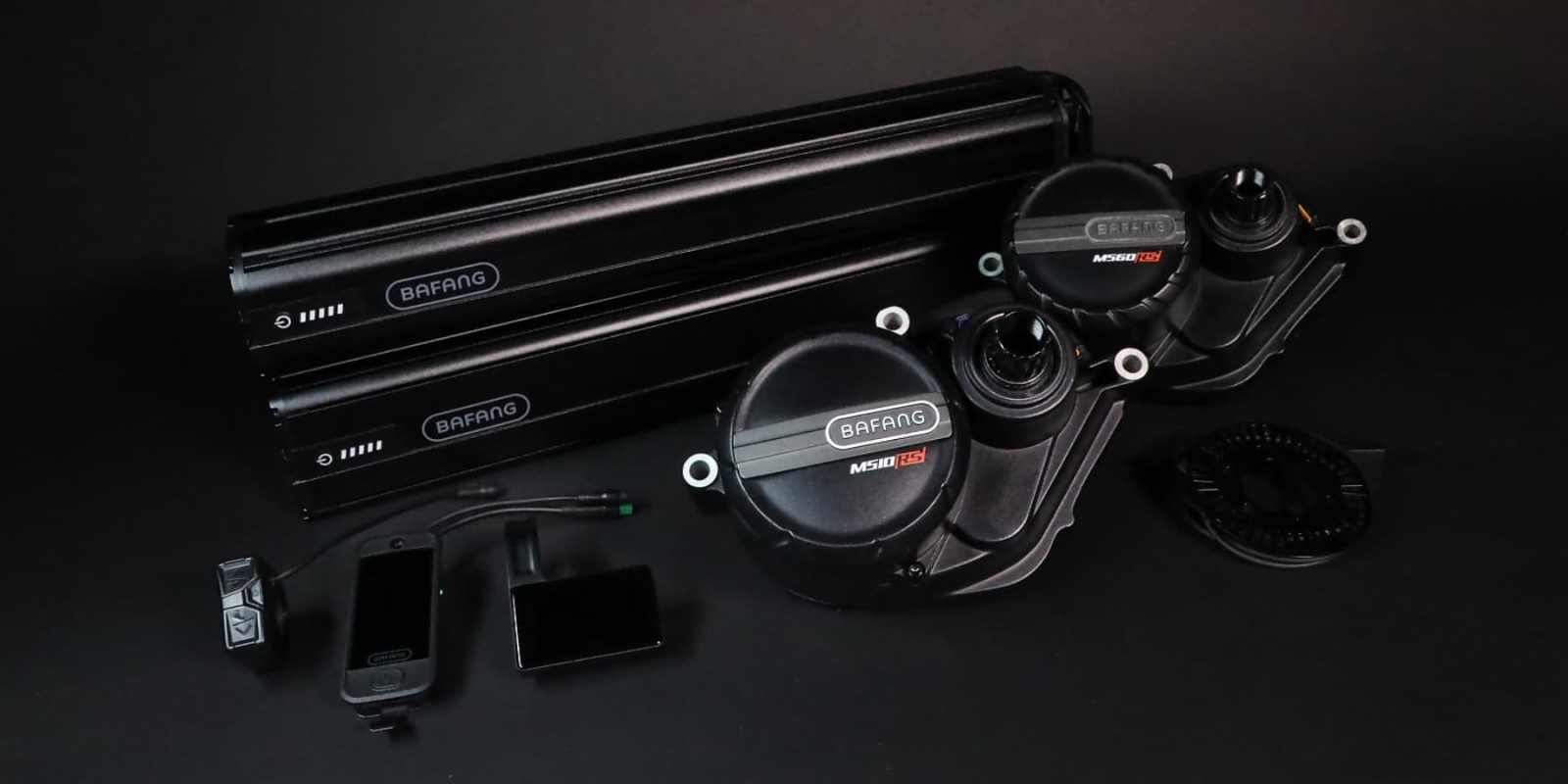
Avinox is back with its next-generation e-bike drive systems, and if the numbers are anything to go by, the company is definitely targeting the higher performance end of the market.
Norway is doubling down on electric maritime transport in a big way, placing an order for 20 of Candela’s P-12 electric hydrofoil ferries in what’s being described as the largest deployment of its kind to date.
A newly introduced California bill could quietly reshape how passengers are carried on bicycles and e-bikes – and in the process, potentially outlaw one of the most popular features on many modern electric bikes.
In a rare bit of good news for the e-bike industry, manufacturers, importers, and advocacy groups have successfully fought off a potentially painful round of new tariffs on bicycles and e-bikes in the US.
Specialized has unveiled its latest generation of urban electric bikes with the all-new Vado 3 and Vado 3 EVO, bringing a surprising amount of high-performance DNA from its trail-dominating electric mountain bikes into a more practical, everyday package.
Royal Enfield has officially pulled the wraps off the full specifications of its first electric motorcycle, the beautifully designed Flying Flea C6, ahead of its April 10 launch in India. And while there’s a lot to like about the bike on paper, one particular number stands out so much that it almost overshadows everything else.
Radio Flyer is back with another electric bike, and this time the iconic American brand is taking aim at one of the biggest barriers in the cargo e-bike space: intimidation.
Electric scooters aren’t usually the first thing that comes to mind when you think of front-line military equipment. But in Ukraine, a unique class of rugged, high-powered electric scooters is quietly carving out a role in modern warfare.
Vietnamese EV maker VinFast is setting its sights on a major new frontier: India’s massive two-wheeler market. After already laying groundwork for its electric car business in the country, the company is now preparing to launch a lineup of electric scooters as part of a broader push into India’s fast-growing EV sector.
Swedish electric boat maker Candela has just unveiled its latest vessel, the P-12 Business, and it’s aiming to do something that’s long felt overdue: make getting to your destination on the water just as enjoyable as the destination itself.
The new ferry builds on Candela’s already impressive P-12 platform, but adds a premium, business-class interior designed for high-end transport routes like resort transfers and urban commuter links. And if you’ve ever stepped off a smooth flight only to be tossed into a loud, wave-slamming speedboat to reach the last leg of your coastal adventure, you’ll immediately understand the problem Candela is trying to solve.
The Los Angeles Fire Department is adding a new tool to its emergency response arsenal, and it’s not your typical fire truck. The department is rolling out 30 new ERidePro electric motorcycles designed to serve as fast, highly mobile medical response units.
VinFast is making a bold push to electrify two-wheeled transport in Vietnam, with plans for a nationwide expansion of its electric scooter lineup alongside an ambitious battery swapping network that could reshape how riders think about charging.
After spending some time riding and testing the Navee XT5 Pro electric scooter, I came away with a pretty clear impression: this thing is unapologetically built for speed, comfort, and stability, but not portability. And I’m okay with that – so long as you know what you’re signing up for.
A new bipartisan bill introduced in Congress could finally establish a long-missing federal framework for regulating electric bikes and similar micromobility devices in the US.
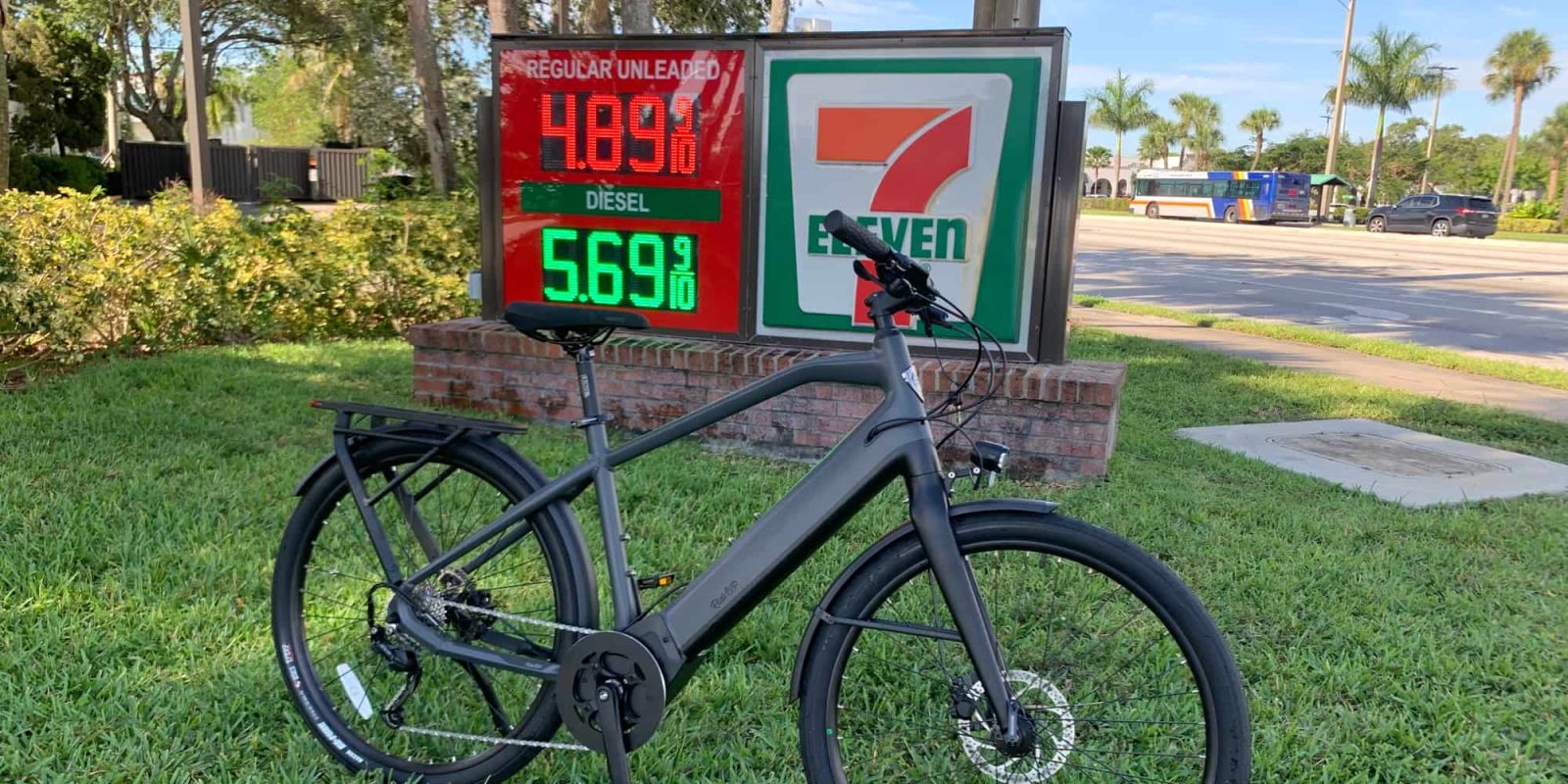
This week on Electrek’s Wheel-E podcast, we discuss the most popular news stories from the world of electric bikes and other nontraditional electric vehicles. This time, that includes new electric bicycles from brands like Ride1Up and Heybike, plus comeback stories from Juiced Bikes and Rad Power Bikes, a look at how the answer to high gas prices might have been parked in the corner of your garage this whole time, and more.
I’m very much among those who believe “the correct number of e-bikes to have is N+1”. But I’m also a realist (and one who knows that happy wife equals happy life), and so I recognize that we often have to make do with the bike we have. And it was in that vein that I thought it’d be fun to take a city-focused electric bicycle on an off-road trip to see how it would handle. I wanted to show, or perhaps just prove to myself, that my everyday beater city e-bike could perform where you might think a dedicated electric mountain bike or fat tire e-bike would be a necessity.
And if I’m being completely honest with myself, I wound up in a bit over my head. But all is well that ends well, and here I am the next day, slightly sore, but still able to type it out.
Many states across the US have spent the last several years promoting electric bikes as a climate solution. California, one of the leaders in e-bike adoption in the US, has funded rebate programs, invested in bike infrastructure, and championed e-bikes as a way to reduce car trips and cut emissions. At the same time, however, another trend has emerged: a sharp increase in youth ridership – and with it, a growing number of complaints about unsafe riding.
Now, some lawmakers in states with high e-bike usage are proposing something that would have sounded unthinkable just a few years ago: license plates for e-bikes.
Spend enough time in the e-bike world, and you’ll start to notice something strange: a huge amount of how we regulate micromobility comes down to one simple question – does it have pedals? That might have made sense a decade ago, but today it’s starting to look increasingly outdated.
And to be clear, this isn’t about whether having pedals is a requisite for being considered an electric bicycle. It surely is. Rather, I think the bigger question here is this: Should it even matter?