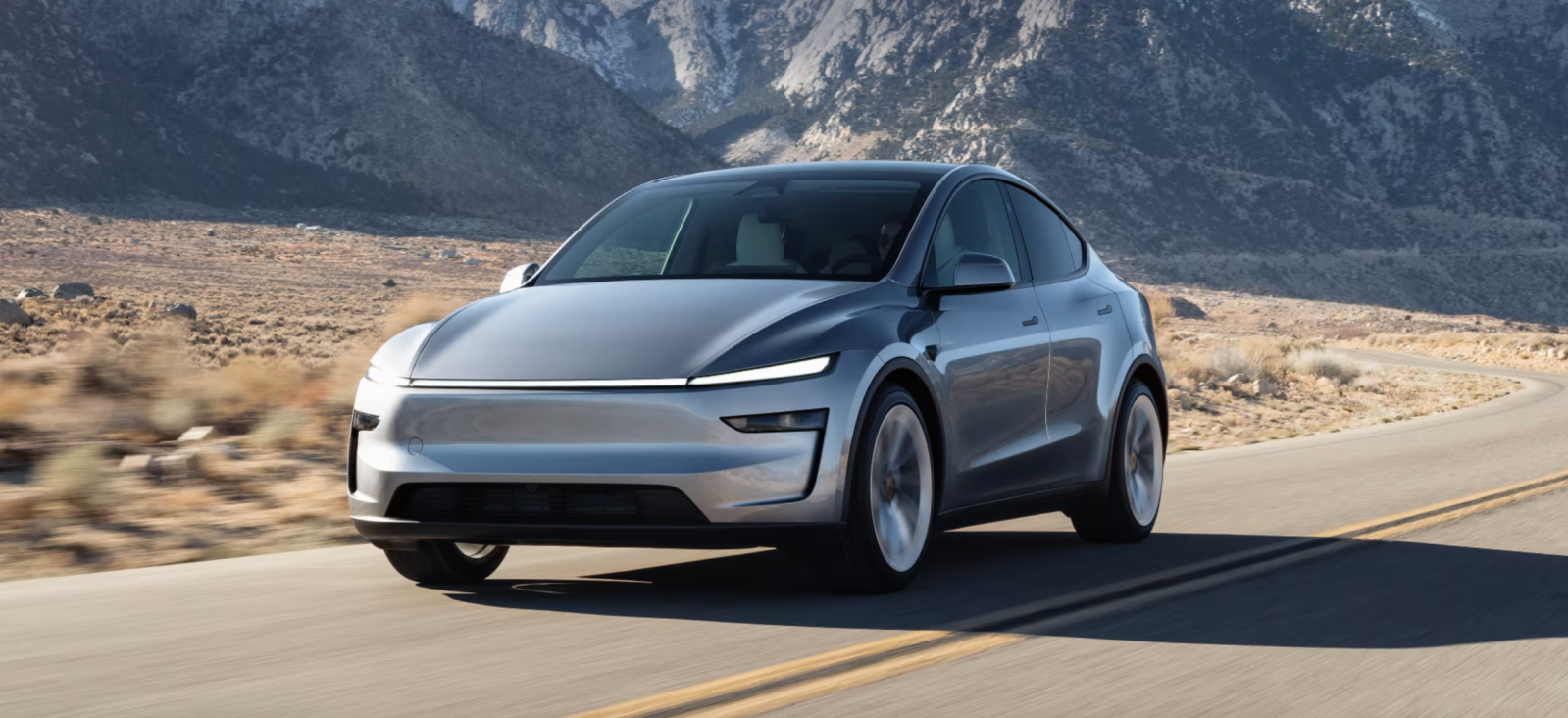
After months of anticipation and a few teasers, Tesla has officially launched the Model Y 7-seater in the US, along with a suite of small new features for the electric SUV.
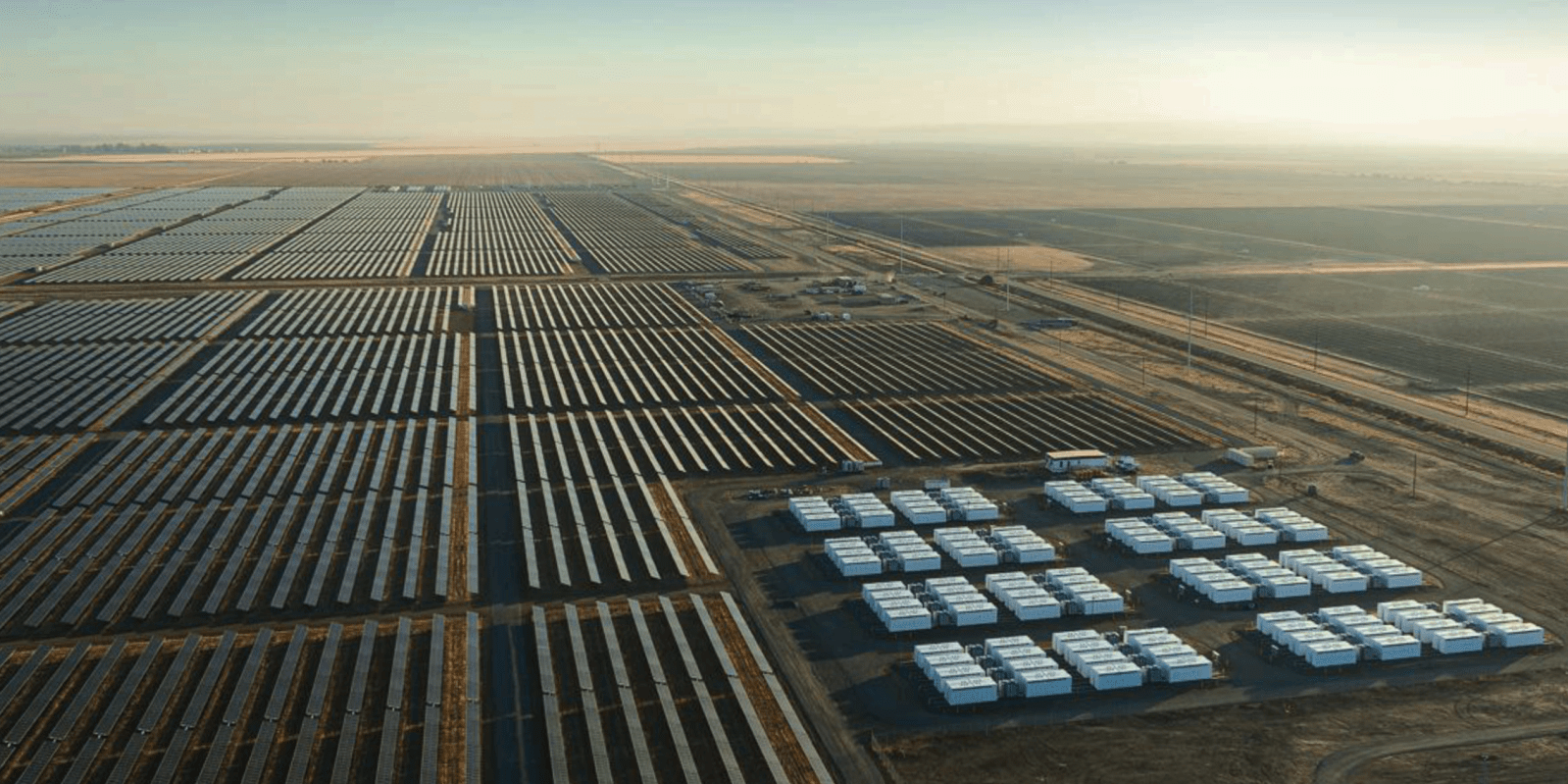
Tesla has updated its online configurator with a new solar panel heavily emphasizing its US manufacturing at Gigafactory New York. It’s a surprising new product launch for a business that Tesla has seemingly been dismantling for the last two years.
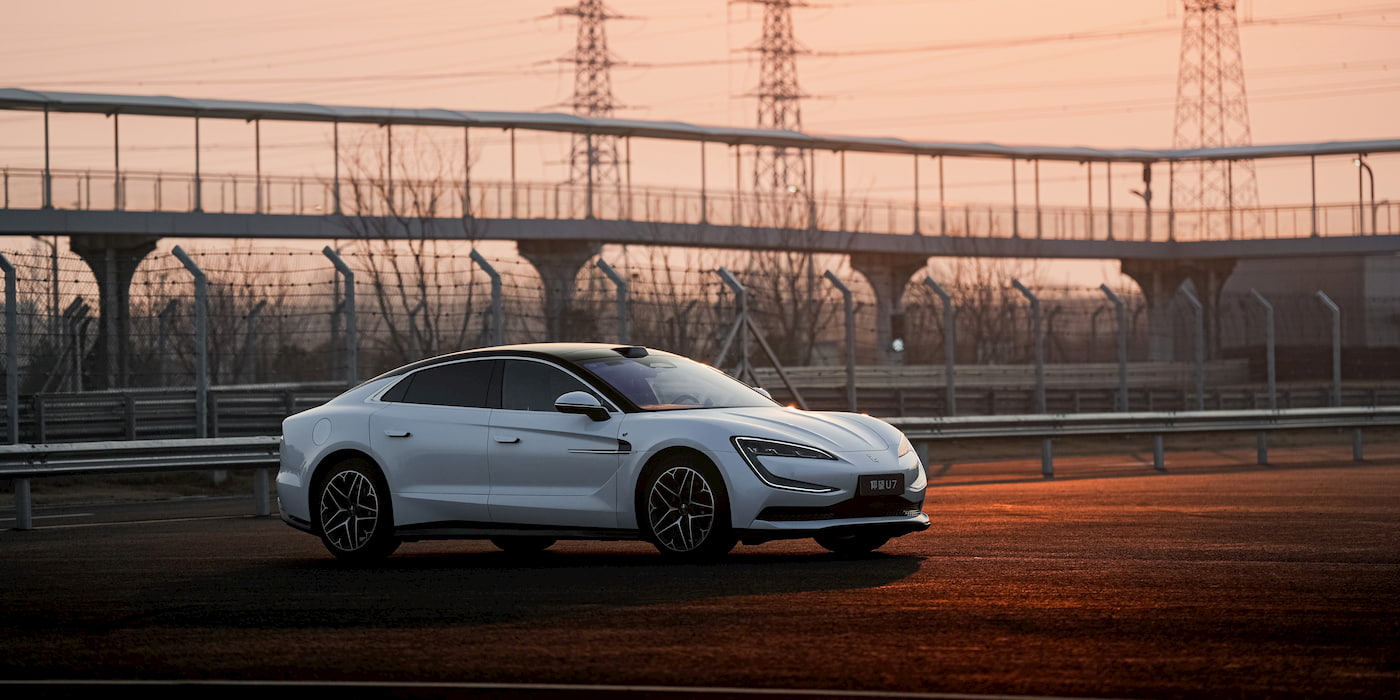
After months of back-and-forth and the looming threat of a full-blown trade war, the European Union and China are reportedly nearing a deal that would replace the EU’s controversial tariffs on Chinese electric vehicles with a minimum price undertaking.
It looks like sanity might prevail, or at least, a “soft landing.”
In the Electrek Podcast, we discuss the most popular news in the world of sustainable transport and energy. In this week’s episode, we discuss a battery holy grail too good to be true, NVIDIA open sourcing self-driving, Tesla Model Y ‘Standard’ Long Range, and more.
Tesla has launched a new “Standard” Model Y Long Range in Europe and a non-long range version in Canada, bringing another more affordable version of its best-selling electric SUV to these markets.
The simultaneous launch in the two markets separated by an ocean is due to Model Y vehicles in Canada actually coming from Europe.
Tesla’s trim name-scheming is starting to get a bit complicated.
In a move that completely undermines the “Tesla is an AI company” narrative, Elon Musk’s private startup, xAI, has reportedly told investors that it plans to build the AI to power Tesla’s Optimus robot.
This new development comes from a Bloomberg report detailing xAI’s widening losses and massive cash burn. According to the report, xAI executives explicitly told investors that their goal is to “develop self-sufficient AI to power robots like Tesla’s Optimus.”
This is a massive shift in the narrative and potentially the smoking gun in ongoing shareholder lawsuits regarding Musk’s breach of fiduciary duty.
Is Tesla preparing to pull the plug on domestic production in Germany? It might sound crazy for a factory that just opened a few years ago, but when you look at the abysmal sales numbers in Europe and combine them with the latest threats from management against the union, the writing might be on the wall.
For months, we have been reporting on the demand issues Tesla is facing in Europe. Now, the situation has deteriorated to a point where the existence of Gigafactory Berlin itself seems to be in question.
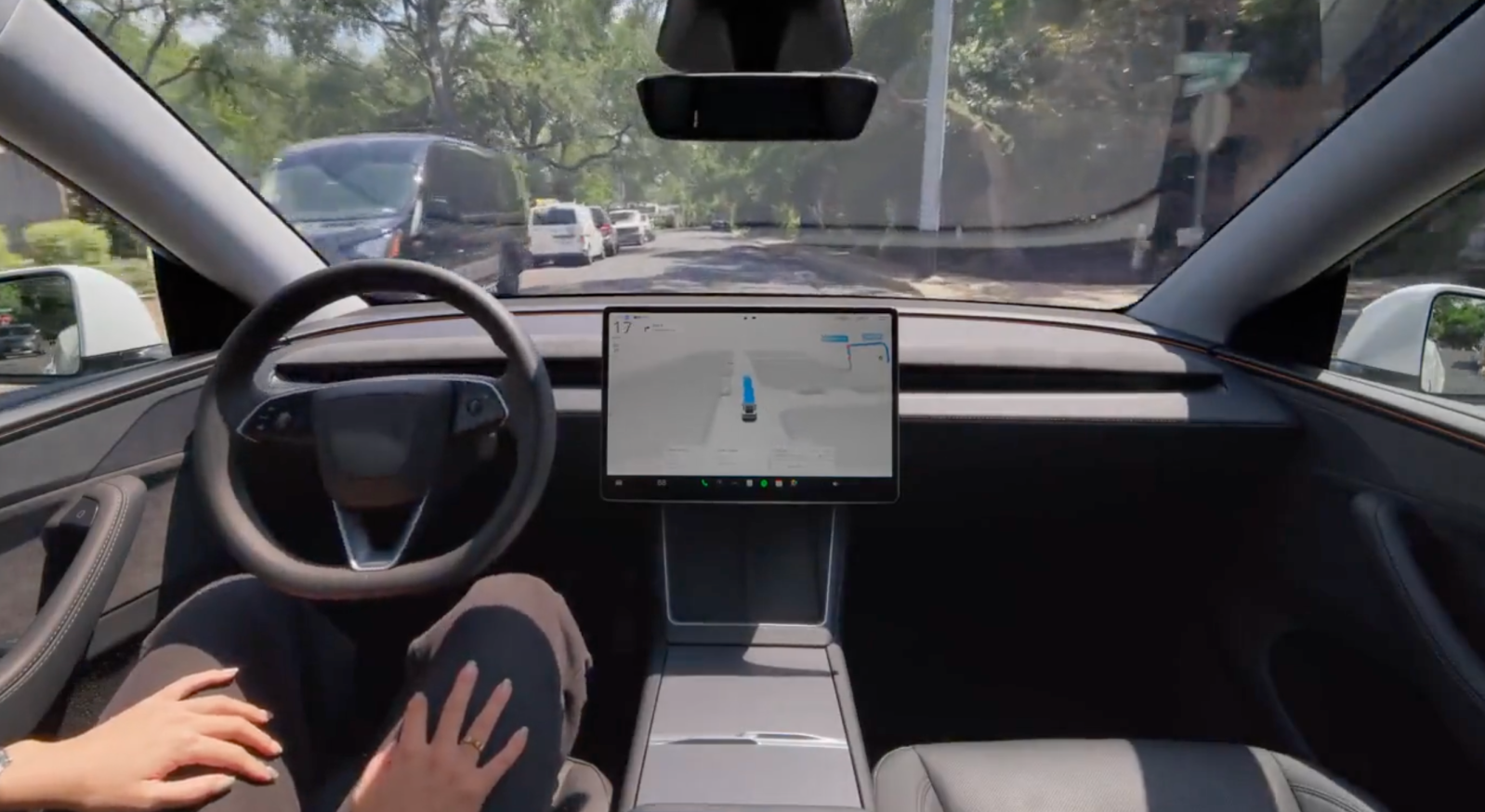
We are barely a week into 2026, and we are already seeing a significant shift in the narrative regarding Tesla’s Full Self-Driving (FSD) timeline. After missing yet another high-profile deadline to achieve unsupervised autonomy by the “end of the year” in 2025, Elon Musk has now dropped a new metric that explains a lot — and raises even more questions.
In a new comment today, Musk has stated that Tesla needs to accumulate roughly 10 billion miles of data to achieve “safe unsupervised self-driving.”
The new statement raises the question: why did Musk claim that Tesla would be unsupervised in Austin just a few weeks ago, when he knew that Tesla was nowhere near 10 billion miles?
A new bill has been introduced in the US House of Representatives today that specifically targets the design of electric vehicle door handles, with the sponsor explicitly calling out Tesla and Elon Musk.
The bill, dubbed the “Securing Accessible Functional Emergency (SAFE) Exit Act,” aims to force automakers to install easy-to-find manual releases in case of power failure.
CES 2026 in Las Vegas has been dominated by two things: the next generation of AI compute and a sudden explosion of credible humanoid robots.
While Tesla isn’t officially exhibiting on the floor, Elon Musk has been actively monitoring the event from X. His reactions, and lack thereof, to the major announcements give us a fascinating look into how Tesla views the rapidly crowding field of autonomy.
Musk was quick to comment on NVIDIA’s major push into embedded AI for autonomous systems, but he has been noticeably quiet regarding the masterclass put on by Hyundai and Boston Dynamics.
A new player in the electric transit space, Quebec-based Letenda, is trying to solve a problem that has plagued the transition to electric buses in North America: the “missing middle.” While we have seen plenty of full-size 40-foot electric buses and smaller shuttles, the 30-foot “midibus” market has been largely underserved.
Letenda thinks they have the answer with the “Electrip,” a ground-up design that focuses heavily on winter efficiency and a modular build.
A new lawsuit has been filed against Tesla following a tragic accident in Idaho that killed four family members, with the plaintiffs blaming the automaker’s Autosteer and driver-assist features for veering the Model X into an oncoming truck.
This is just the latest in a wave of lawsuits hitting Tesla after the automaker lost its first major Autopilot trial last year.
Nvidia (NVDA) held its CES 2026 keynote today, and as expected, Jensen Huang dropped a massive amount of news on the autonomous driving front. The biggest takeaway? Nvidia is moving beyond just “perceiving” the road to “reasoning” about it with a new family of open-source models called Alpamayo, which will power new autonomous and driver-assistance features.
Starting with Mercedes-Benz as soon as this quarter.
Tesla’s naming strategy for its autonomous vehicles has been, frankly, a bit of a mess since the “We, Robot” event back in October 2024, but now it is running into another issue trying to secure the ‘Cybercab’ trademark.
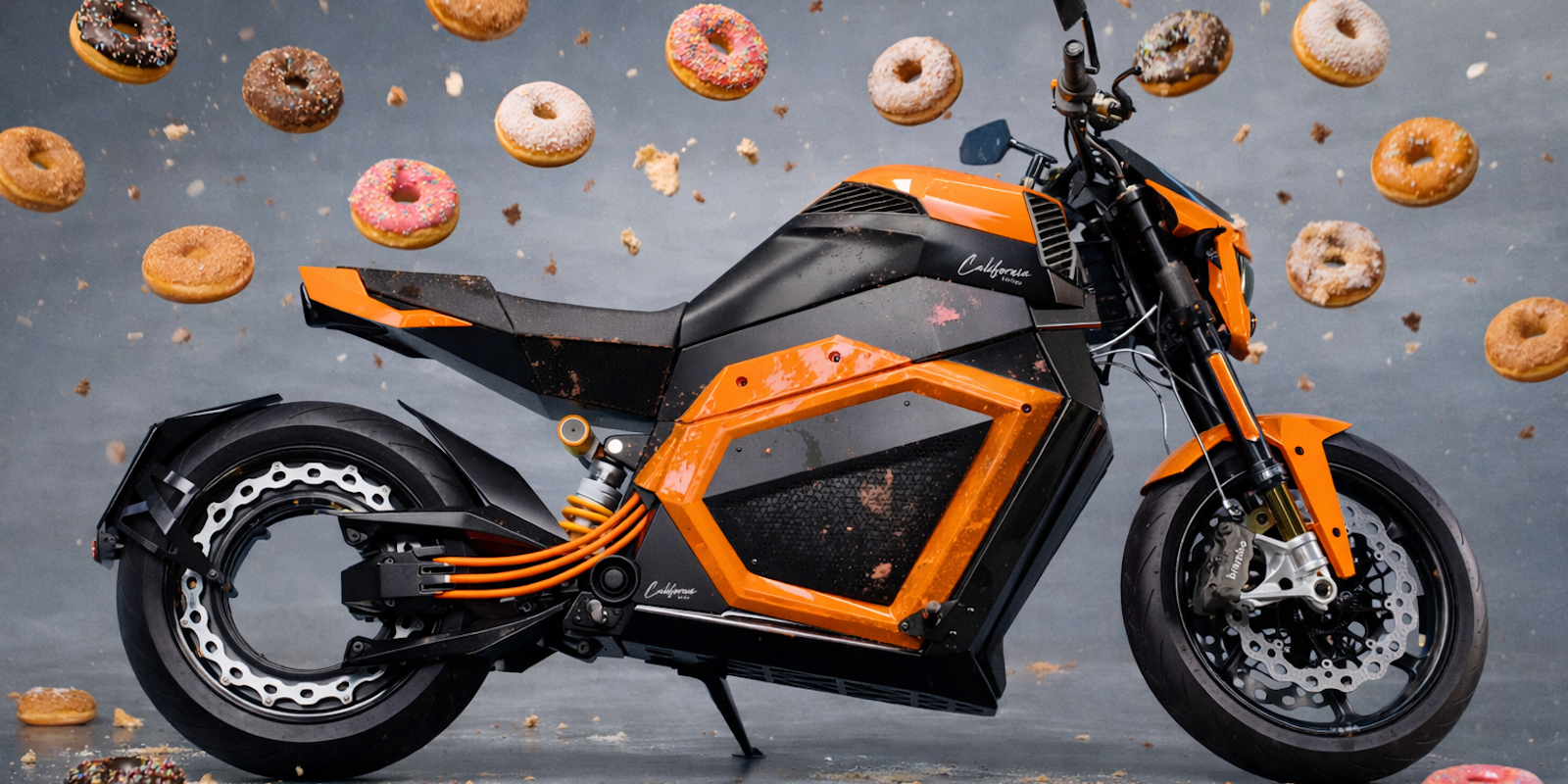
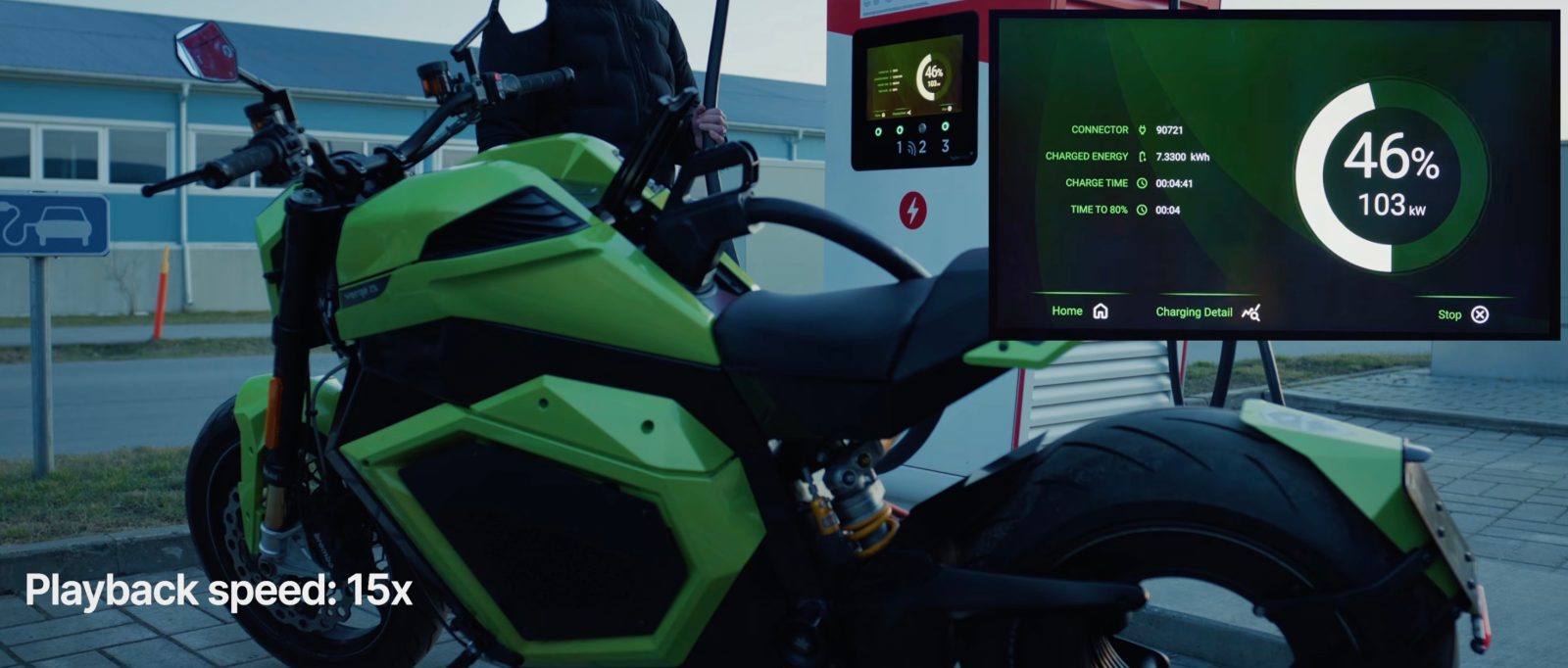
Verge Motorcycles, the Finnish electric motorcycle manufacturer known for its futuristic hubless rear wheel design, is claiming another massive first for the industry. The company announced today that it is launching the “world’s first” production motorcycle equipped with solid-state batteries, promising a massive leap in range and charging speed.
We finally have the full picture for Tesla’s 2025 out of Giga Shanghai, and while the headline wholesale numbers look spectacular, digging into the data reveals a significant milestone we’ve been warning about for months: Tesla’s domestic growth story in China has hit a wall.
In the Electrek Podcast, we discuss the most popular news in the world of sustainable transport and energy. In this week’s episode, we discuss Tesla’s Q4 deliveries, BYD securing the BEV crown, the Cybercab being spotted, and more.
After years of trading quarterly blows, BYD has officially overtaken Tesla as the world’s largest manufacturer of all-electric vehicles (BEVs) for the full year of 2025.
Tesla (TSLA) has released its Q4 2025 and full-year 2025 delivery and production results. The results confirmed that Tesla had its second consecutive full year of decline in electric vehicle deliveries.
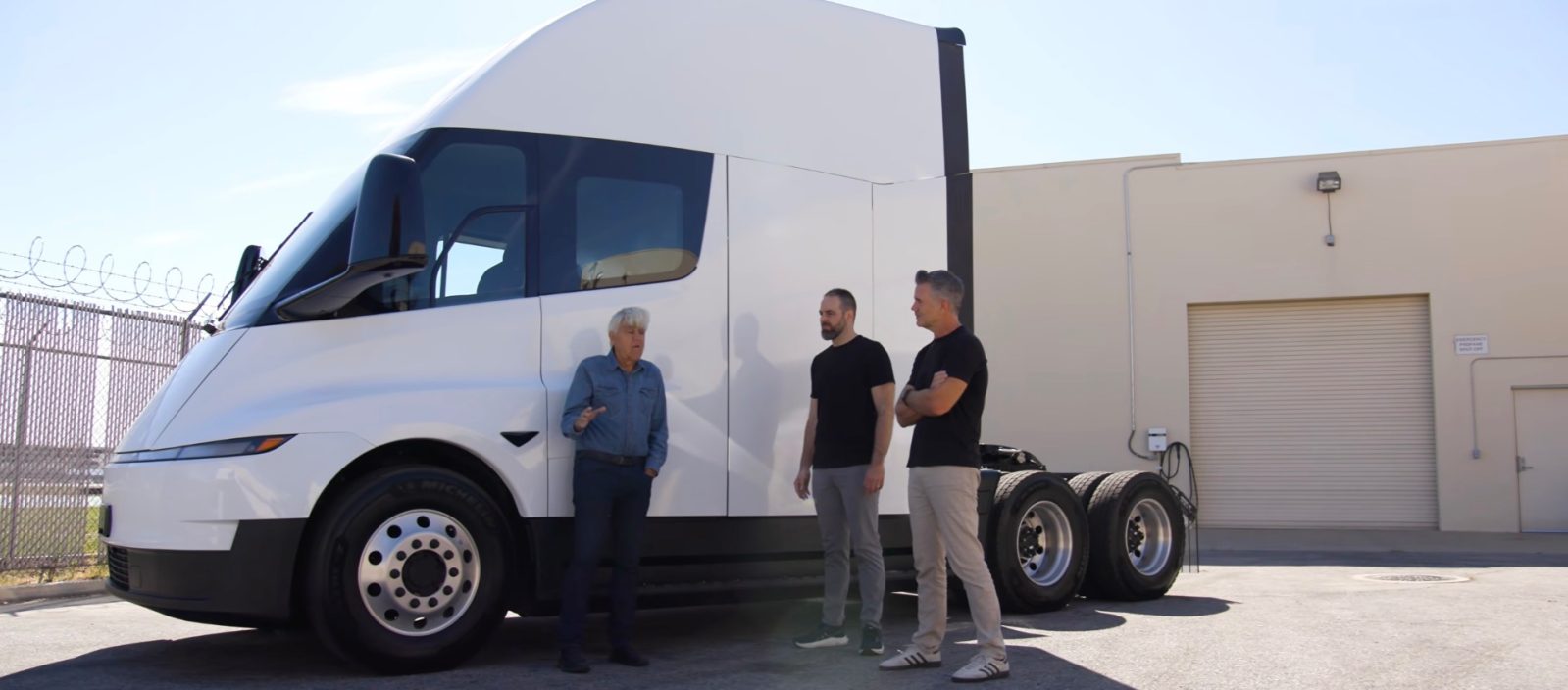
Tesla has released a new video showing a Tesla Semi truck charging at a massive 1.2 megawatts (MW), finally giving us a clear look at the charging speeds that will enable long-haul electric trucking.
Another year has passed, and with it, another collection of Elon Musk’s ambitious timelines that didn’t quite align with reality. For those of us who have been following Tesla for years, this pattern is all too familiar. 2025 was billed as a year of massive expansion, widespread autonomy, and humanoid robots.
Now that the year is pretty much in the rearview mirror, let’s take a look at Musk’s top 5 Tesla predictions that missed the mark.
A new sighting of Tesla Cybercab prototypes in Austin, Texas, is fueling the ongoing debate about the vehicle’s design. While the prototypes were spotted with steering wheels, which is standard for testing, it raises questions about whether Tesla can actually stick to its plan to launch the vehicle without them given the state of its self-driving effort.