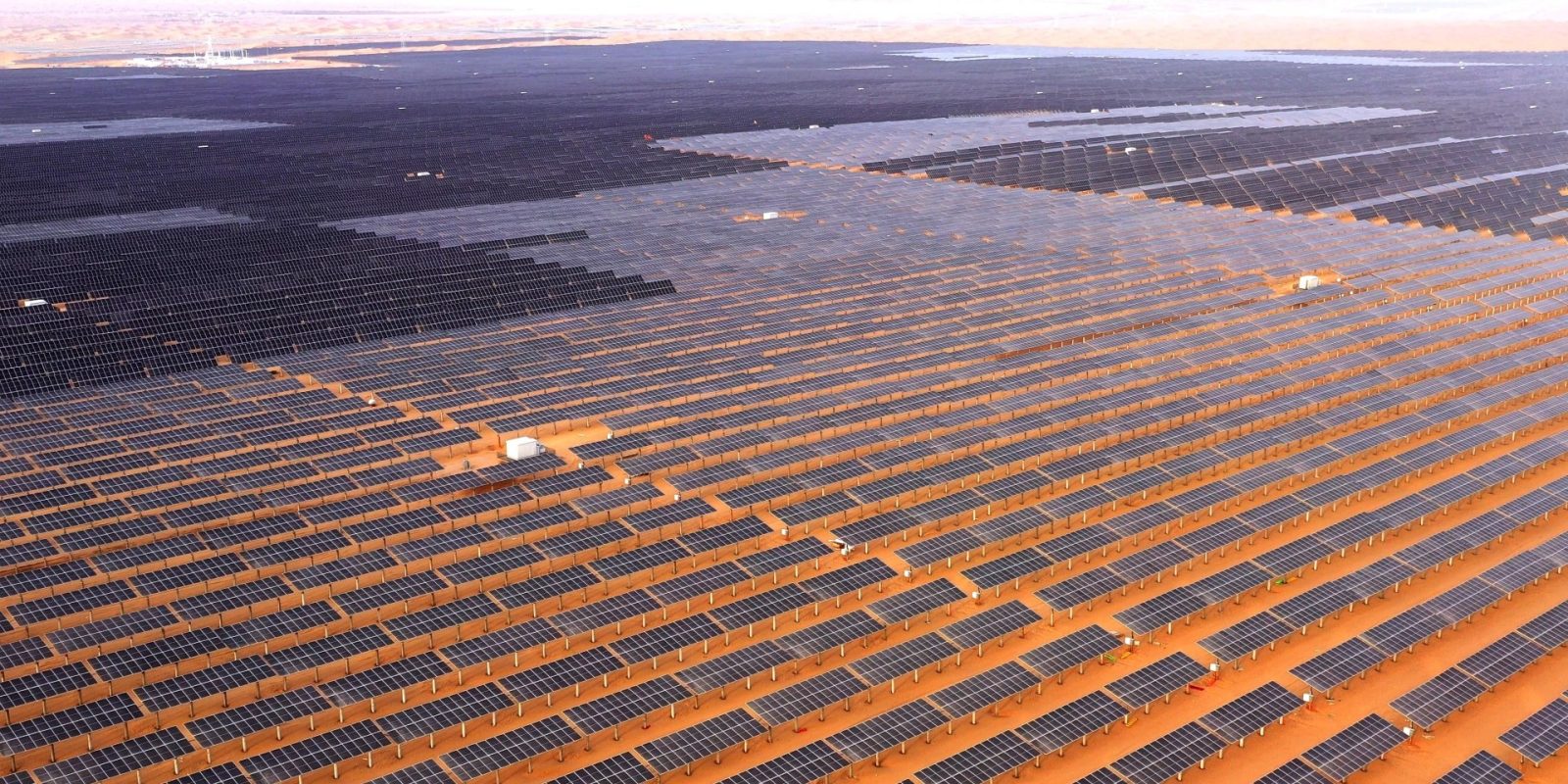
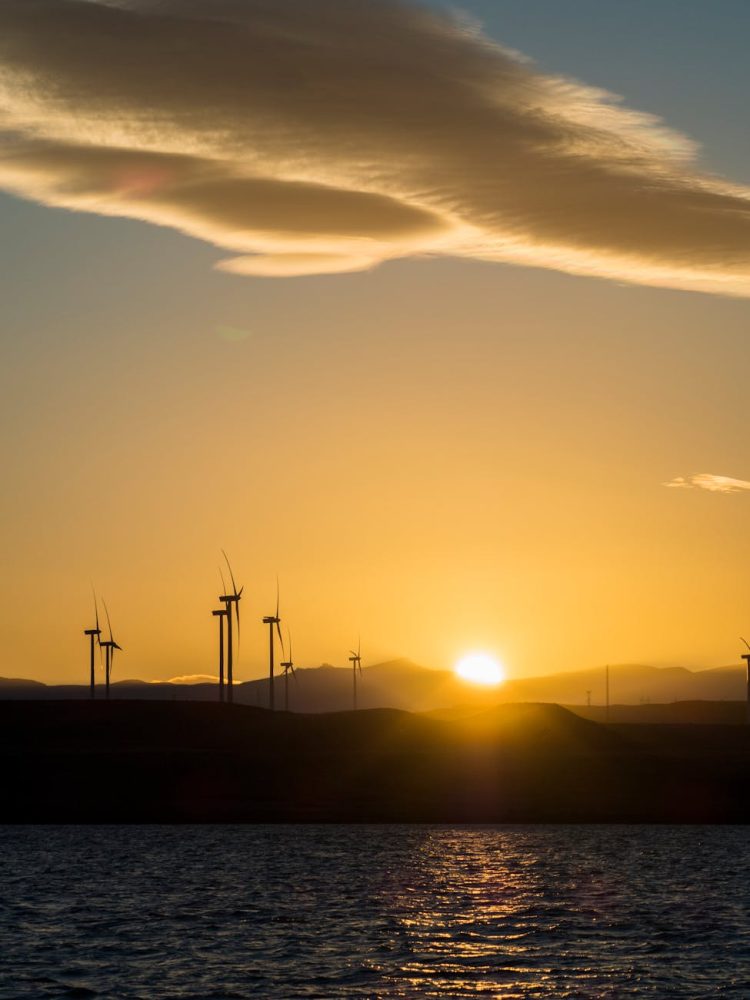
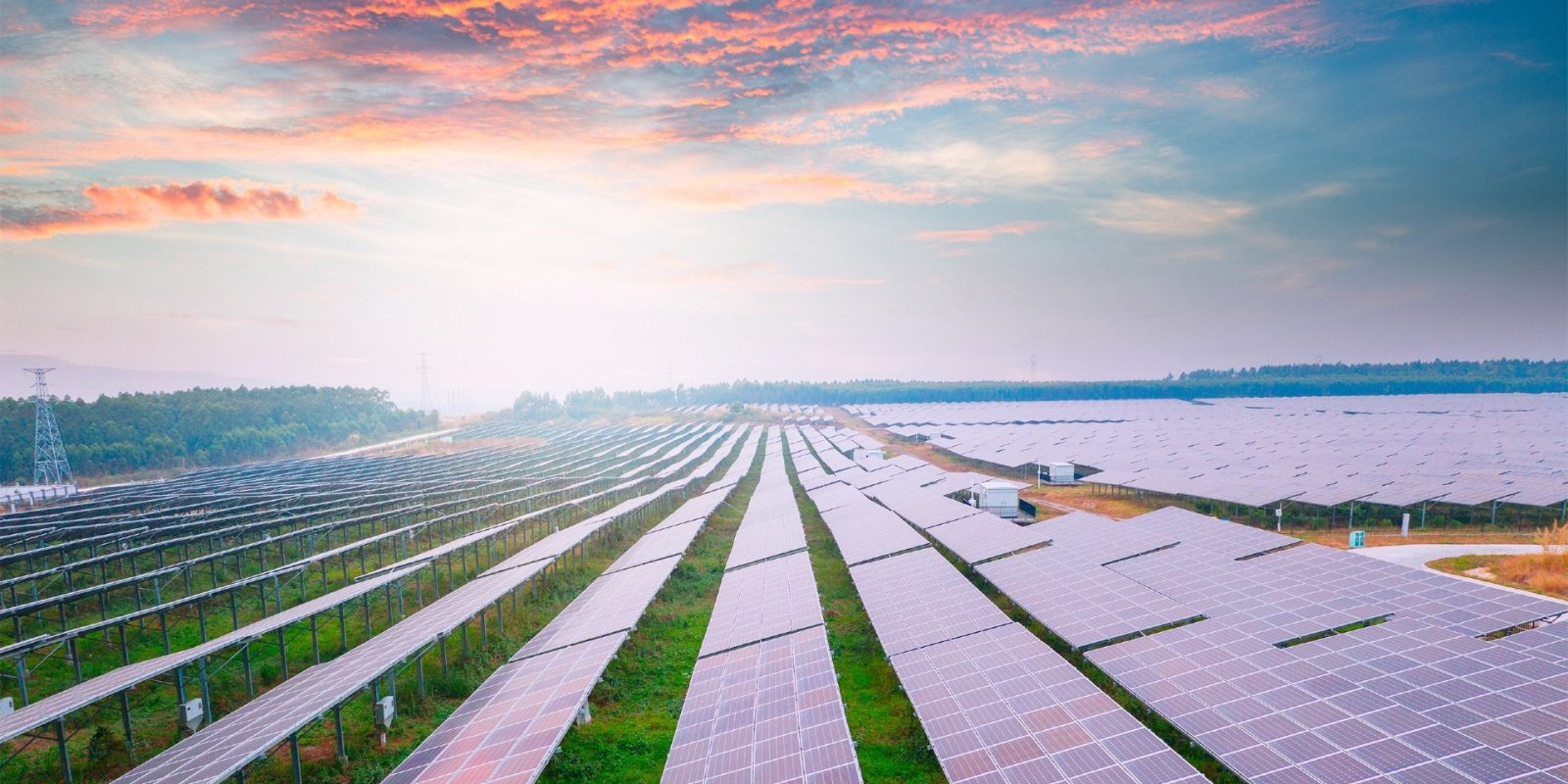
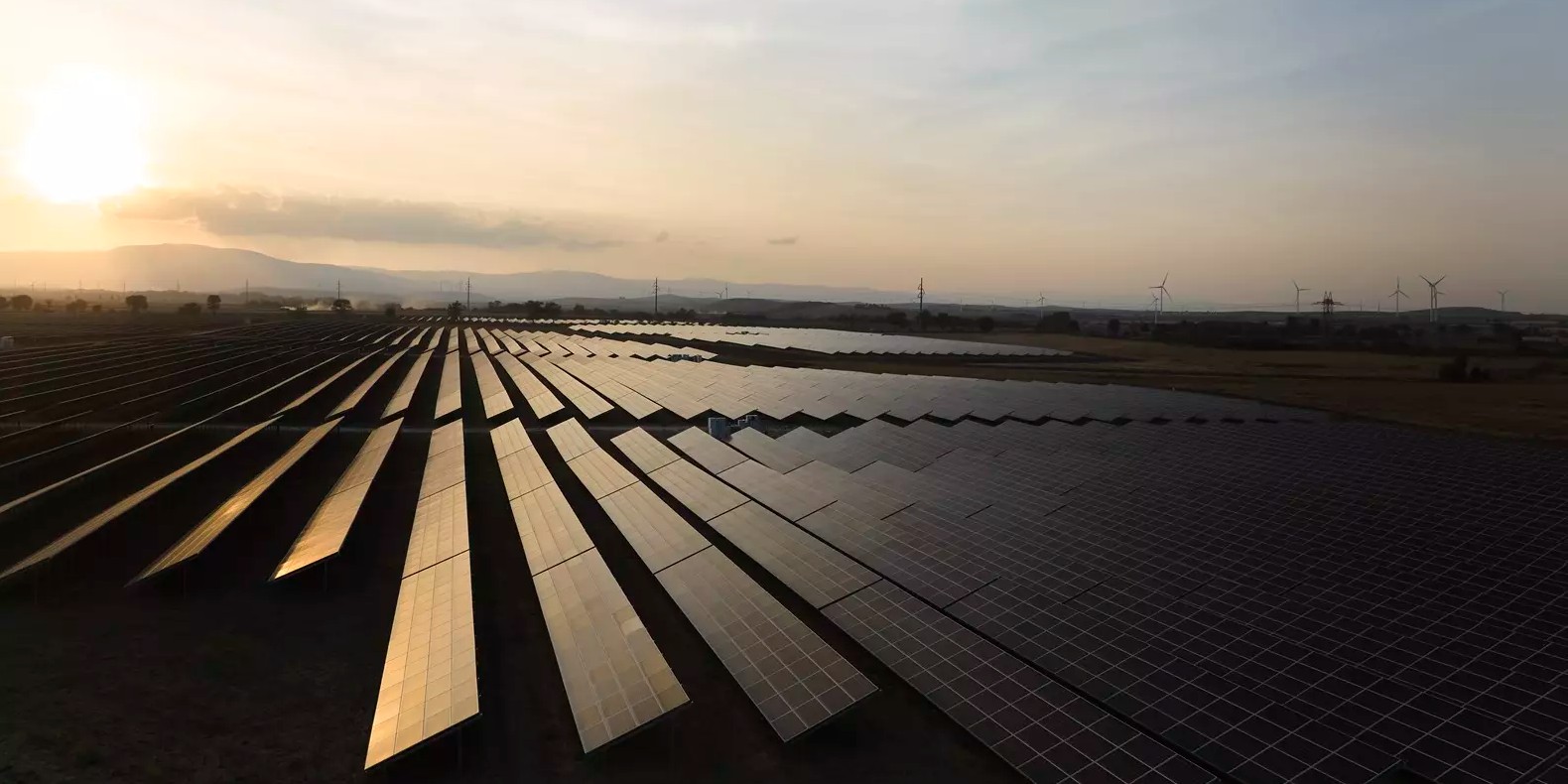
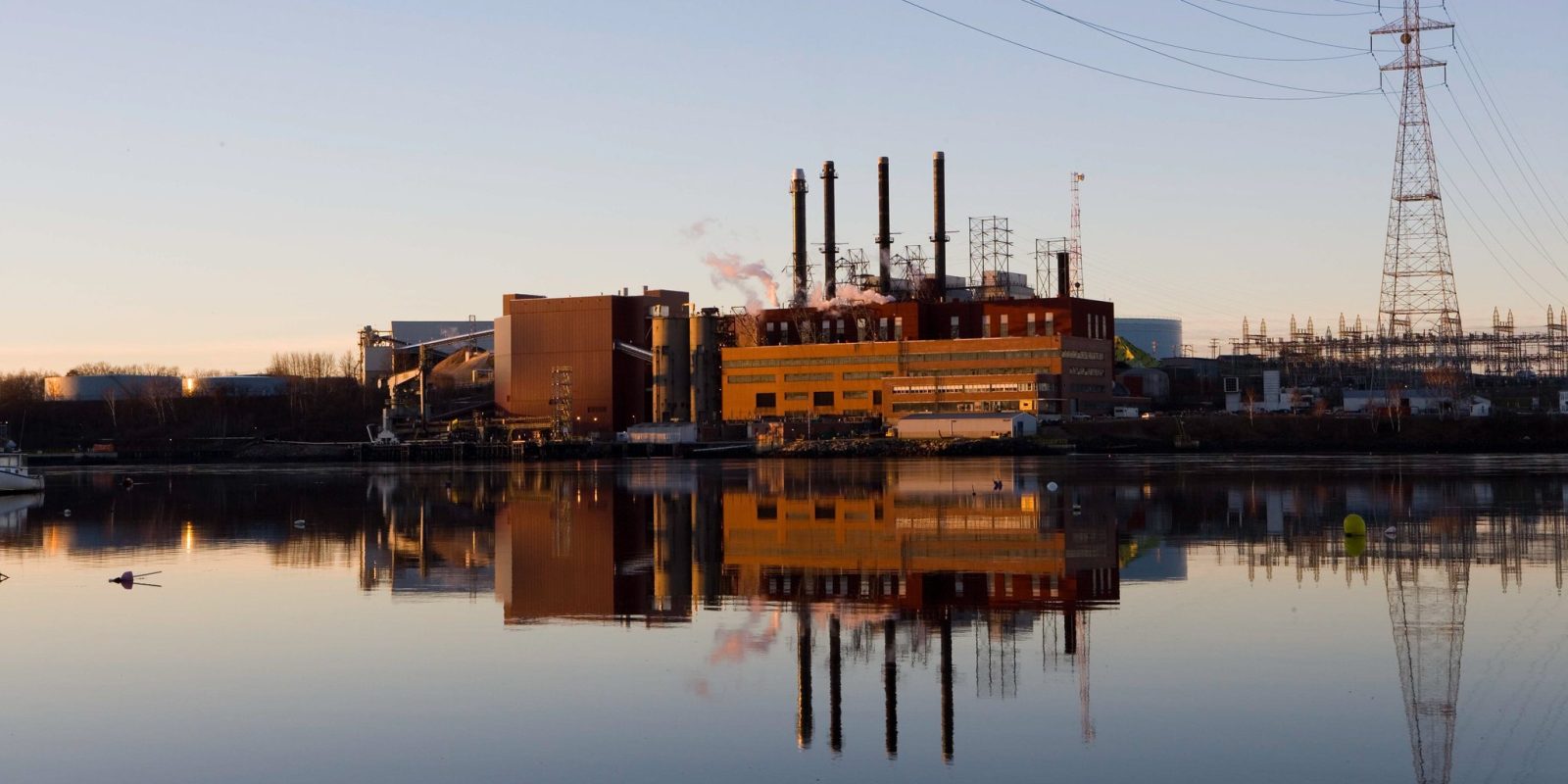
Fossil fuels just hit a record low in the US electricity mix last month, while solar and wind soared to all-time highs, according to fresh data from global energy think tank Ember.
Global energy demand spiked in 2024, driven largely by surging electricity use, according to a new report released today by the International Energy Agency (IEA). Electricity consumption jumped by nearly 1,100 terawatt-hours – a hefty 4.3% increase – nearly twice the annual average growth of the past decade.
This dramatic rise was largely fueled by the electrification of transportation, record-breaking global temperatures that ramped up cooling needs, coupled with increased industrial activity, and growing energy demand from data centers and AI applications.
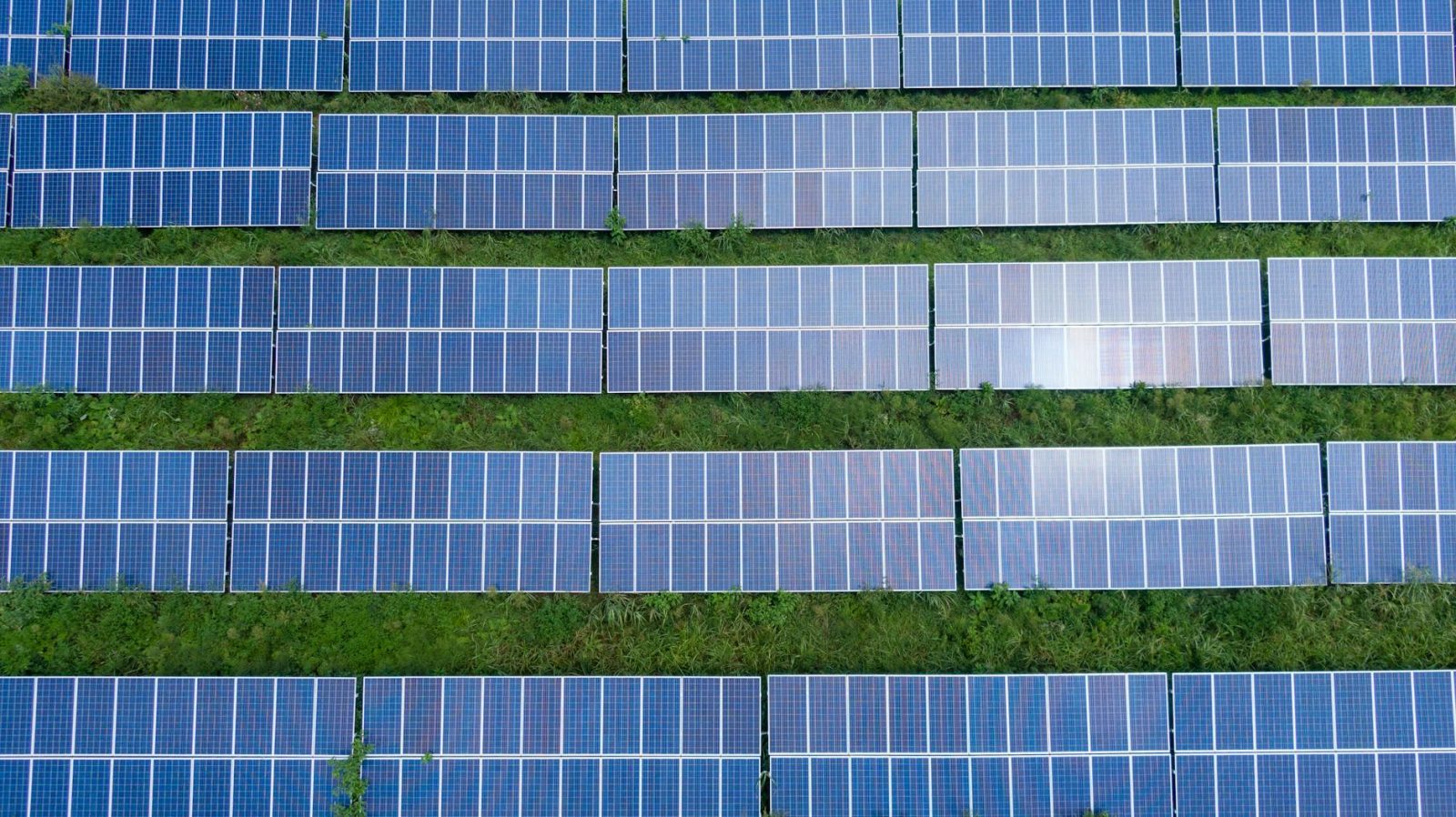
In the US in 2024, wind and solar accounted for 17% of total electricity generation, surpassing coal, which fell to a record low of 15%, according to a new report from global energy think tank Ember.
Renewable capacity additions, especially solar, will continue to drive the growth of US power generation over the next two years, according to the US Energy Information Administration (EIA).
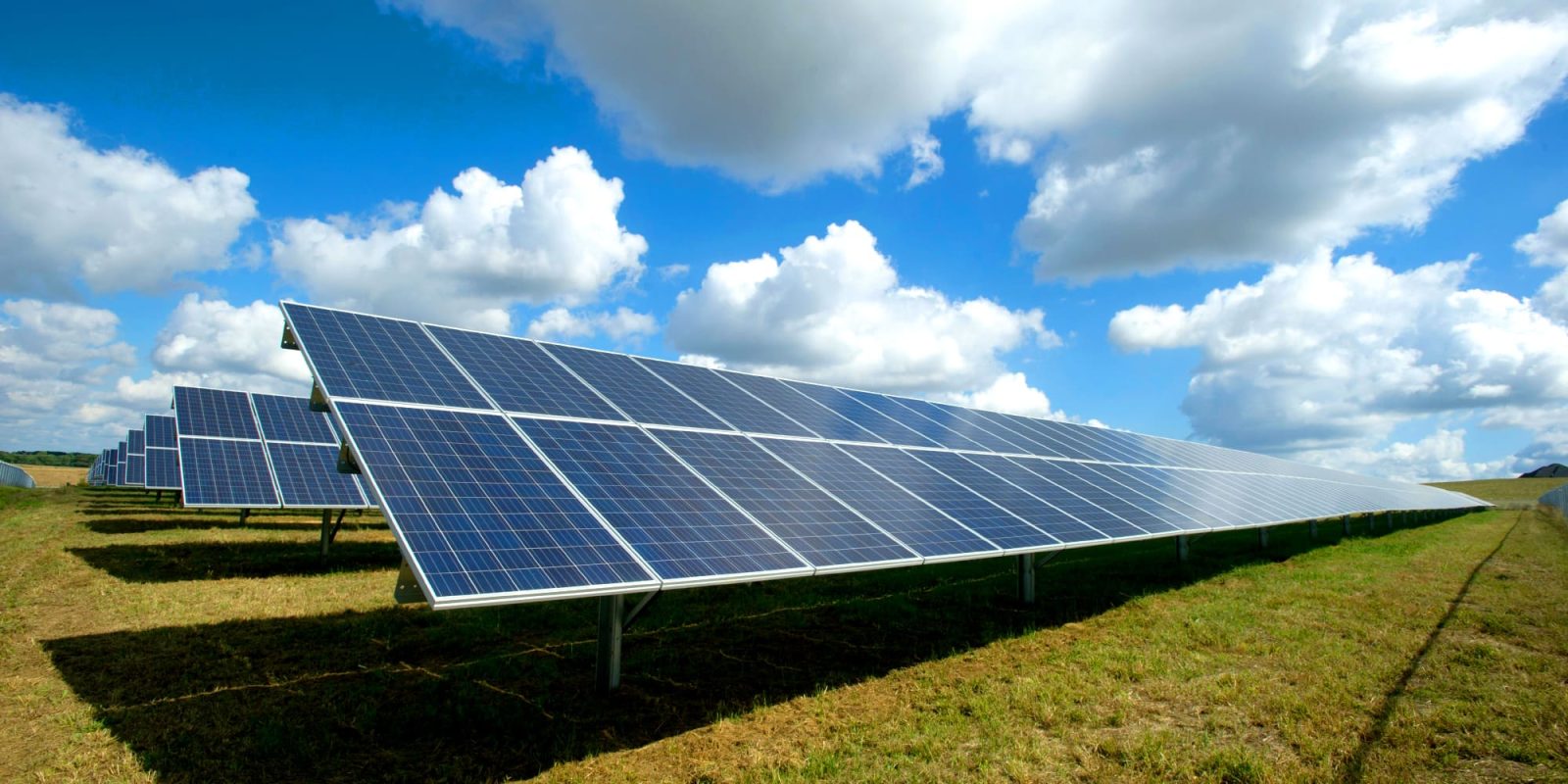
Solar generated 11% of EU electricity in 2024, overtaking coal which fell below 10% for the first time, according to the European Electricity Review published today by think tank Ember.
EU gas generation declined for the fifth year in a row, and total fossil generation fell to a historic low.
A coal plant in South Texas will shut down and convert to a solar + battery electricity generation facility, with the help of a $1.4 billion grant from the US Department of Agriculture meant to help clean energy while saving rural jobs.
US coal giant Peabody and Germany’s RWE are teaming up to develop 5.5 gigawatts (GW) of solar and energy storage projects on former mining land in the Midwest.
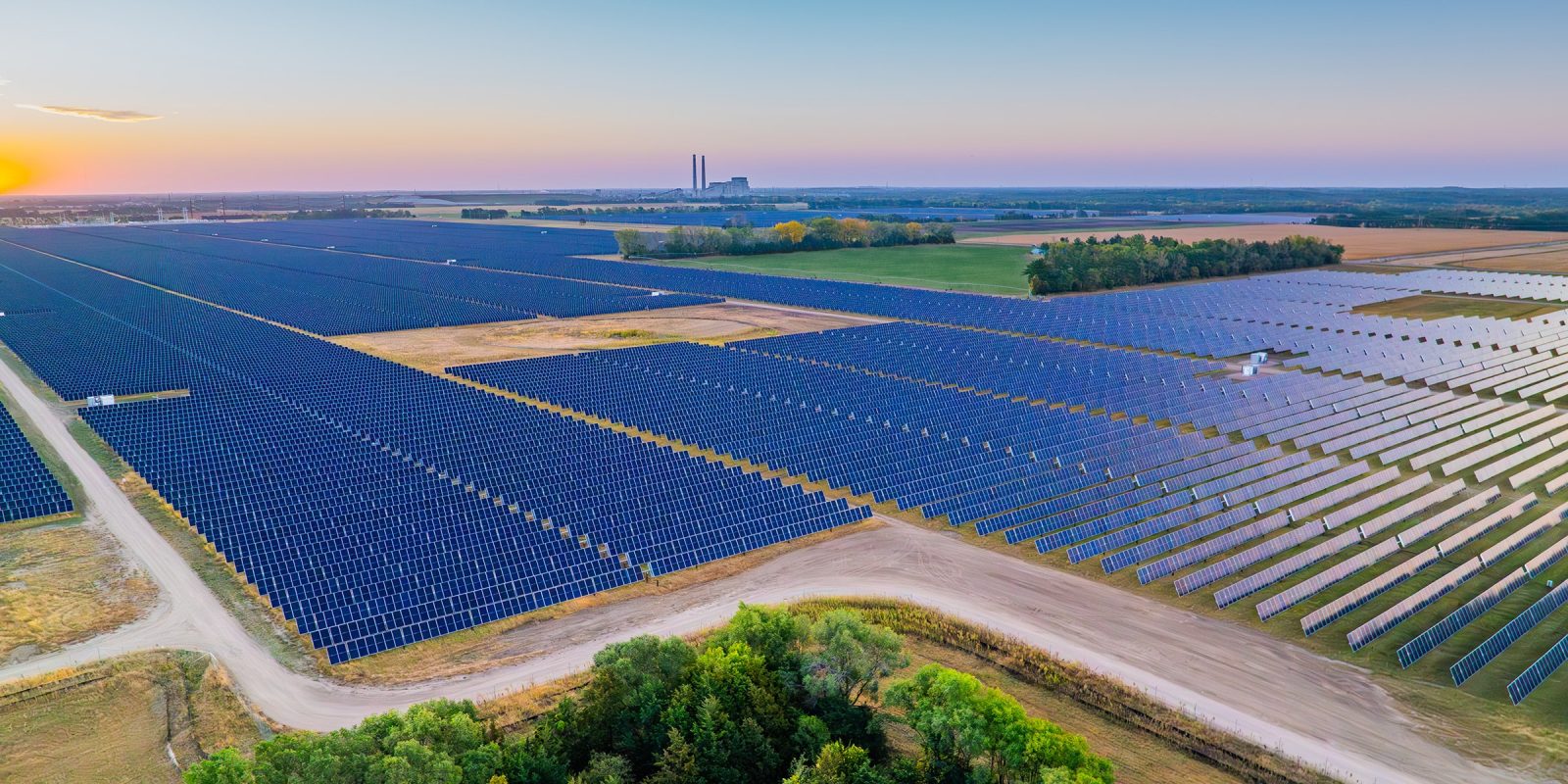
Xcel Energy has started delivering clean energy from one of the US’s largest solar farms: Sherco Solar in Minnesota. It’s a major step in the utility’s push to ditch coal and move to renewable energy across the Upper Midwest.
The UK has marked a historic moment in its energy transition by shuttering the Ratcliffe-on-Soar Power Station in Nottinghamshire, its last remaining coal power plant.
Renewables – solar, wind, biomass, geothermal, hydropower – are now 30% of total US electrical generating capacity, according to analysis of FERC’s mid-year data.
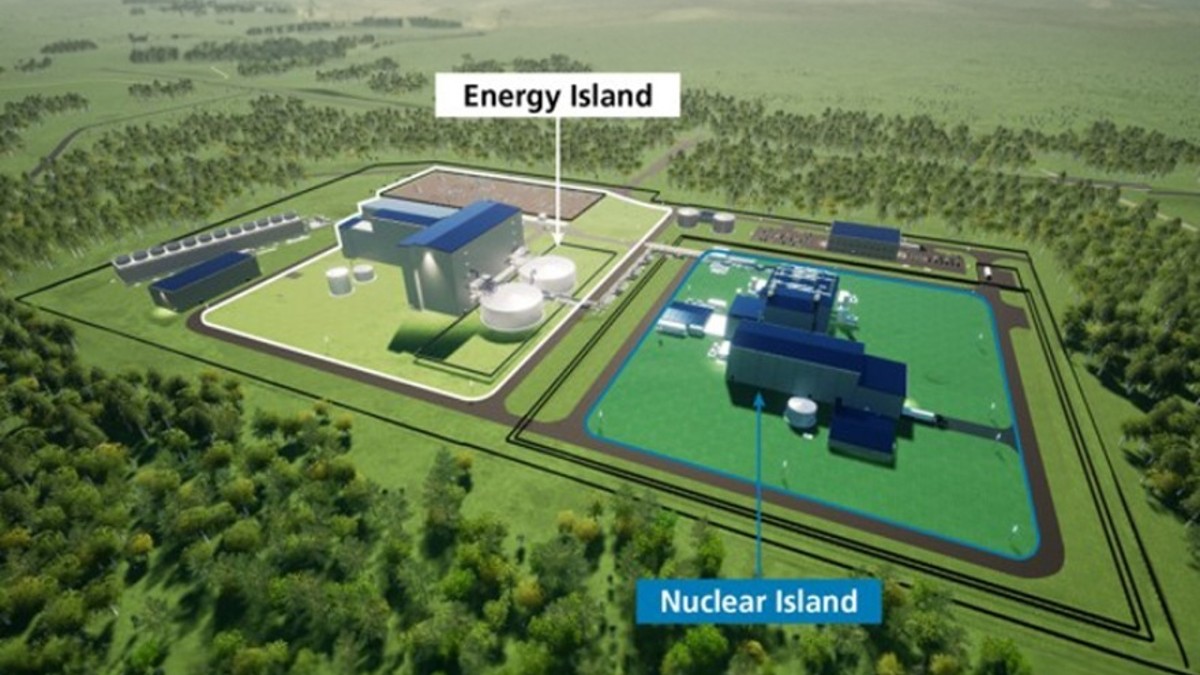
Bill Gates’ TerraPower broke ground yesterday on its Natrium nuclear reactor plant, making it the first advanced reactor project ever to start construction.
The Environmental Protection Agency (EPA) will require existing coal-fired and new natural gas-fired power plants to control 90% of their carbon emissions or shut down.
Solar topped coal’s output in Texas for the first time in any month, sending 3.26 million megawatt-hours (MWh) onto the grid vs. coal’s 2.96 million MWh in March.
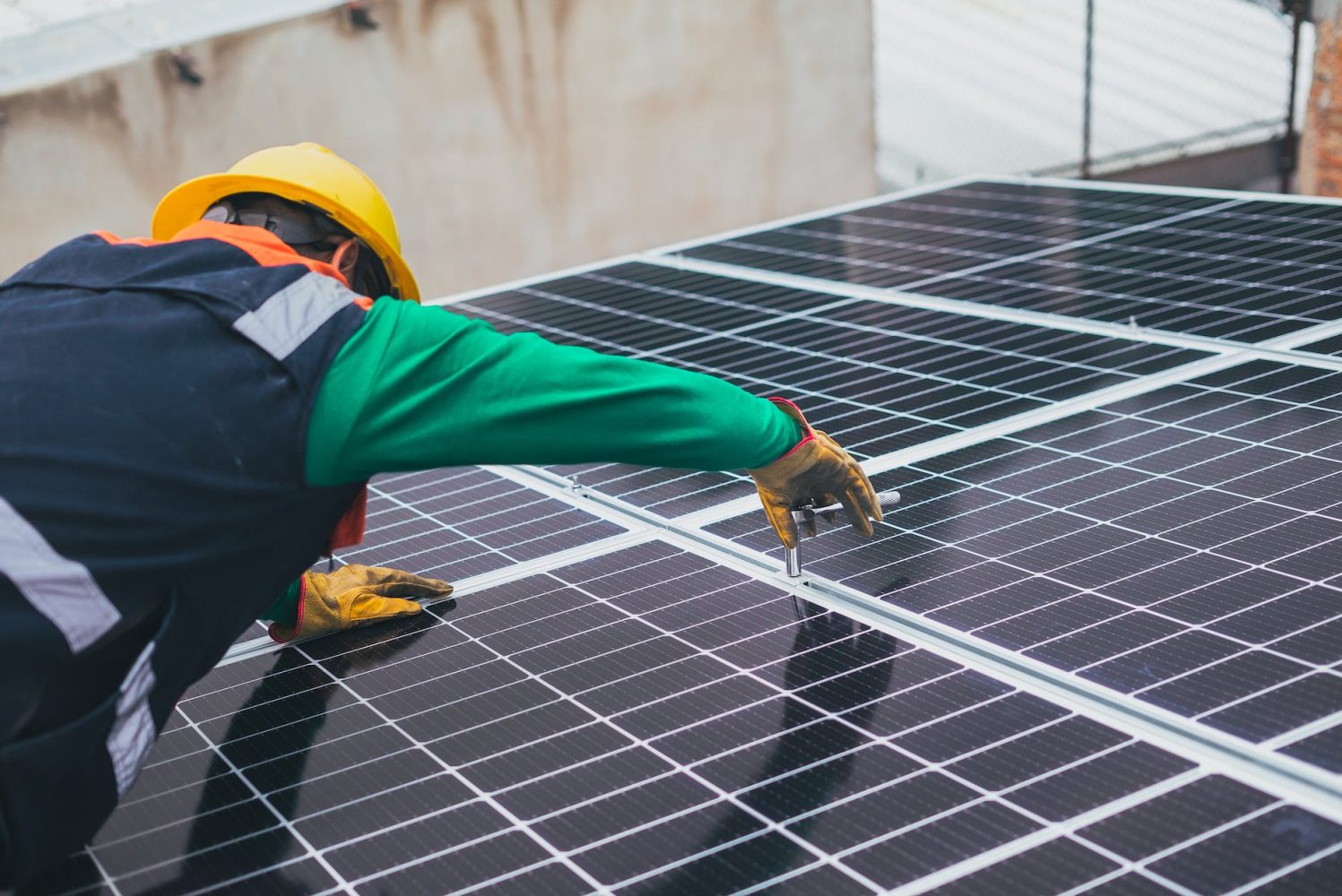
Solar capacity additions hit the ground running in 2024, pushing renewables’ installed generating capacity past coal, according to new US Federal Energy Regulatory Commission (FERC) data.
Type One energy has announced its intention to use a retired TVA coal plant site, the Bull Run Fossil Plant in Oak Ridge, Tennessee, as the site for a prototype fusion reactor with the hope to eventually commercialize fusion power – and maybe even find a neat way to use old EV batteries to help power the process.
The International Energy Agency’s latest report forecasts a decline in global coal demand by 2026, marking a potential turning point in global energy consumption.
The oil and gas industry is banking on carbon capture as its “fix” for climate change. The IEA’s new report dispels that idea and offers real solutions.
Half of the world’s economies are already five years past a peak in power generation from fossil fuels, new analysis from energy think tank Ember shows.