
With plans to slash its lineup by up to 50%, several Volkswagen EVs, including those under the Audi and Porsche brands, may not be around for much longer.
Which EVs is Volkswagen dropping from its lineup?
After announcing plans last week to reduce its global headcount by up to 100,000 as part of its latest cost-cutting efforts, Volkswagen said it would also slash its lineup by up to 50% by 2030.
While VW didn’t reveal exactly which models it planned to discontinue, German newspaper Bild reported that 10 models are being axed, including a few EVs.
The list, first reported by Motor1, includes Volkswagen’s popular Jetta sedan and Taos SUV. Jetta was, for many years, one of the most popular sedans on the market and among VW’s top-selling vehicles, but buyers are shifting to SUVs or more efficient alternatives.
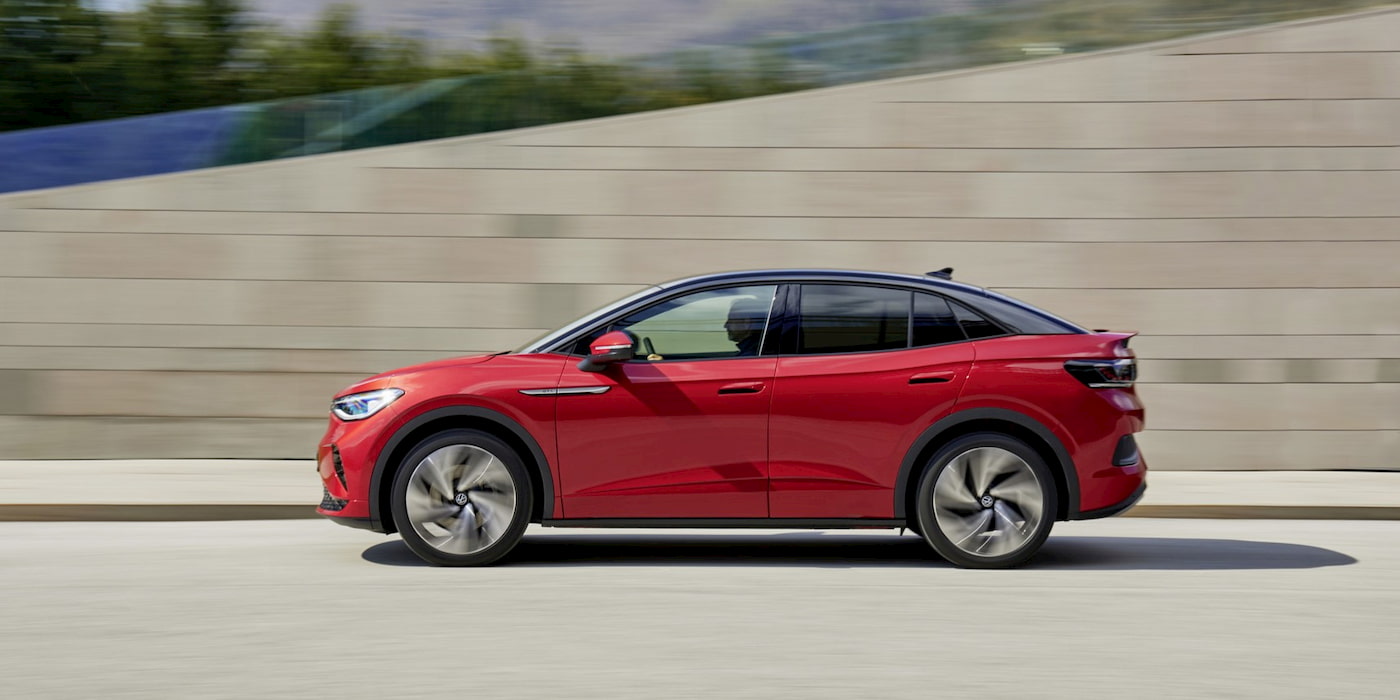
While it wasn’t mentioned in the report, the ID.5, Volkswagen’s electric SUV coupe sold in Europe, the UK, and other global markets (not the US), has also been rumored to be on the chopping block.
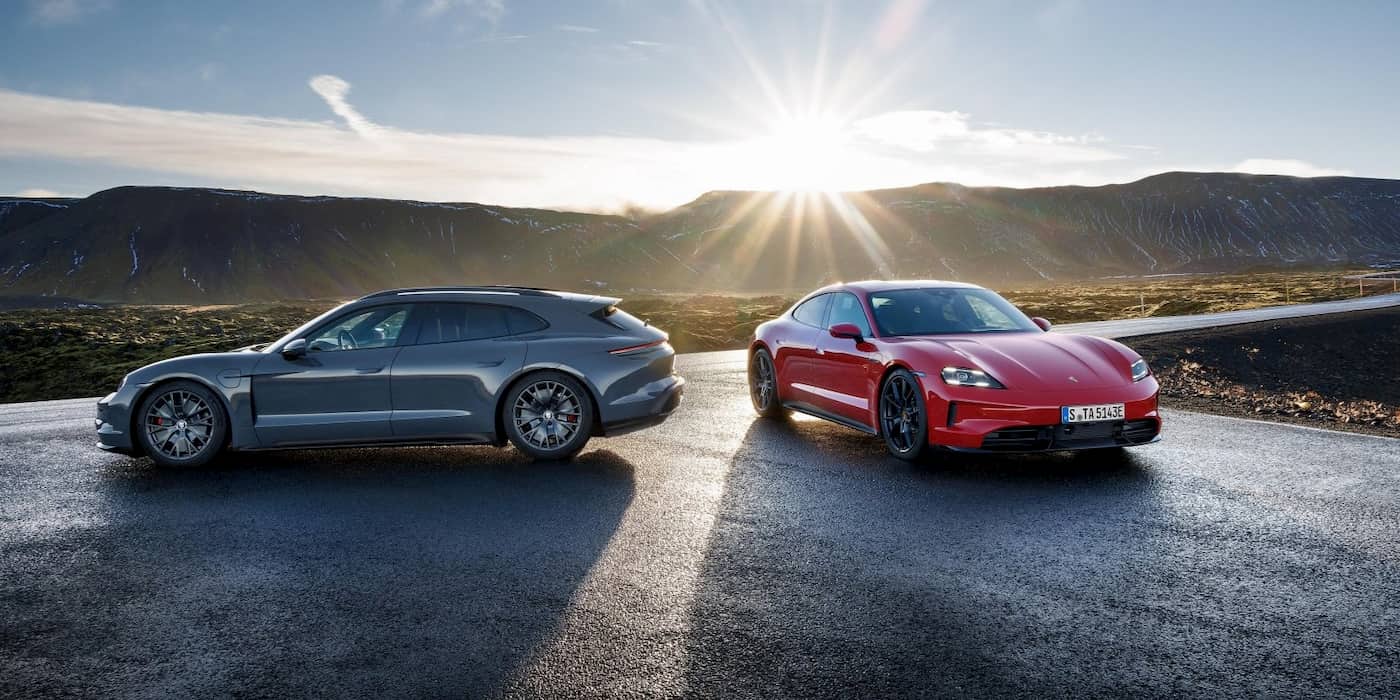
The “concrete list” also includes several gas and EV models from Porsche and Audi. According to Bild, the gas-powered 718 and electric Porsche Taycan will not receive a next-generation model. Porsche previously revealed plans to retire the gas-powered Macan, which goes out of production later this month.
While the gas 718 Boxster and Cayman are on their way out, the upcoming electric version was not on the list, suggesting it’s still in the works.
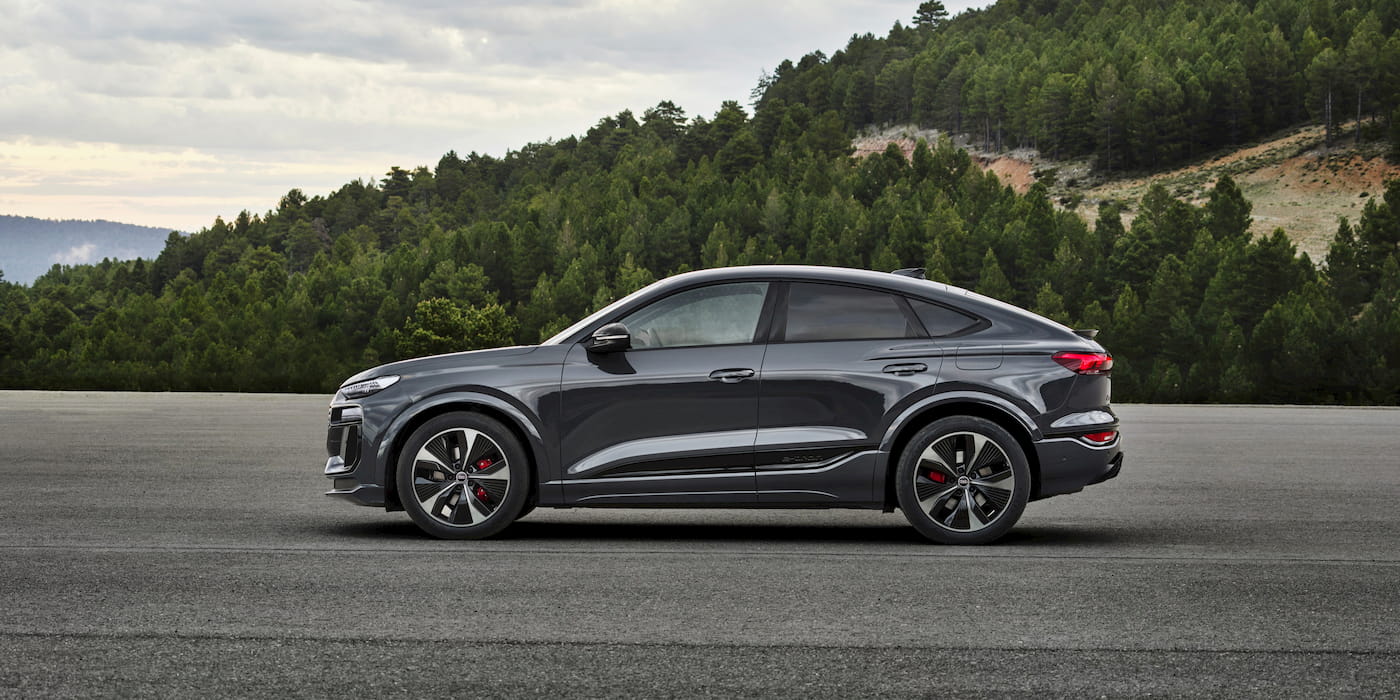
Under the Audi brand, the Q5 Sportback and electric Q6 E-Tron Sportback were on the list. However, the E-Tron GT was surprisingly not mentioned as a sibling to the Porsche Taycan.
Meanwhile, Audi is set to launch two of its most important vehicles this year: the entry-level electric A2 and the flagship Q9 SUV.
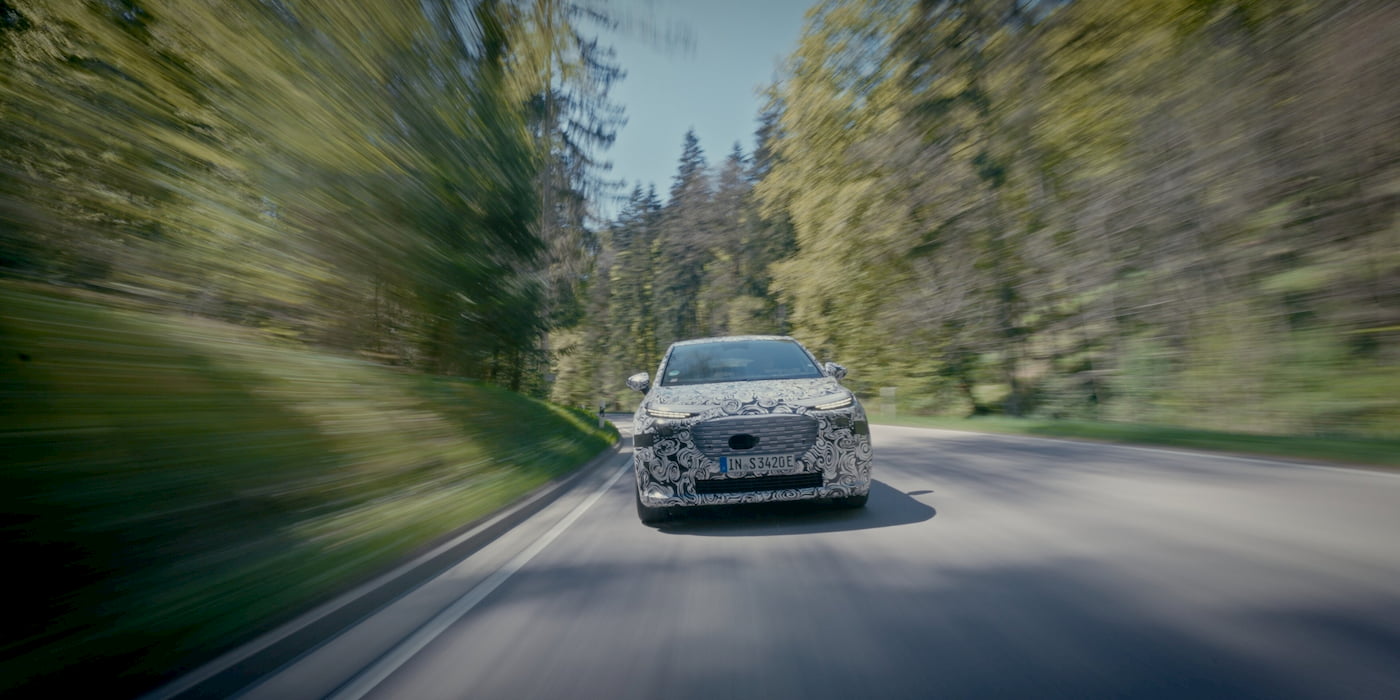
Other Volkswagen Group models mentioned include the Skoda Fabia and Cupra Raval, neither of which is sold in the US.
Electrek’s Take
While Volkswagen has yet to confirm (or deny) the vehicles it plans to pull from its lineup, the list makes sense.
Top comment by Chris M
If VW is forward-looking, they'll reduce models recognizing that the EV transition is well underway in most of the world. If they adopt US thinking, they'll retain dinosaurs because they're currently profitable. Let's hope they choose well.
The long-standing Jetta had its time, but Volkswagen failed to update it with a more efficient (or electric) alternative, essentially handing the market to Tesla, Toyota, Kia, and others. To a lesser extent, the same goes for the Taos.
Porsche has been struggling for years, so it’s not much of a surprise to see the Taycan go. Audi and Porsche are struggling to compete with upcoming Chinese brands, like BYD and Xiaomi, which offer more efficient, more advanced, and cheaper electric vehicles.
Volkswagen is betting on its new family of mass-market EVs, including the ID. Polo, to stay competitive over the next few years as it aims to compete with BYD and other low-cost Chinese automakers.


FTC: We use income earning auto affiliate links. More.



Comments