

America’s heartland is full of rural communities that are miles away from its major cities, both geographically and culturally – but that doesn’t mean these more sparsely populated regions can’t reap the benefits of electrification. In fact, EVs offer rural drivers even more benefits than they do to city-dwellers!
“An electric lifestyle would be a boon to our rural heartland,” wrote the Union of Concerned Scientists’ Maria Cecilia Pinto de Moura. “Rural communities across the country have their own distinguishing characteristics, but certain shared characteristics such as driving distances, the type of vehicles driven, and socio-economics are factors which contribute to this larger potential to benefit from vehicle electrification.”
Pinto de Moura went on to outline five ways rural and country drivers could benefit from going electric – but that was in 2021, and a whole lot has changed in the nearly five years since.
As such, I thought it was high time we revisit some of the reasons EVs could be a great fit for rural lifestyles, see if we could uncover any new ones, and outline the reasons we think rural drivers should rush to embrace electric vehicles in the coming calendar year.
1. More miles means more savings
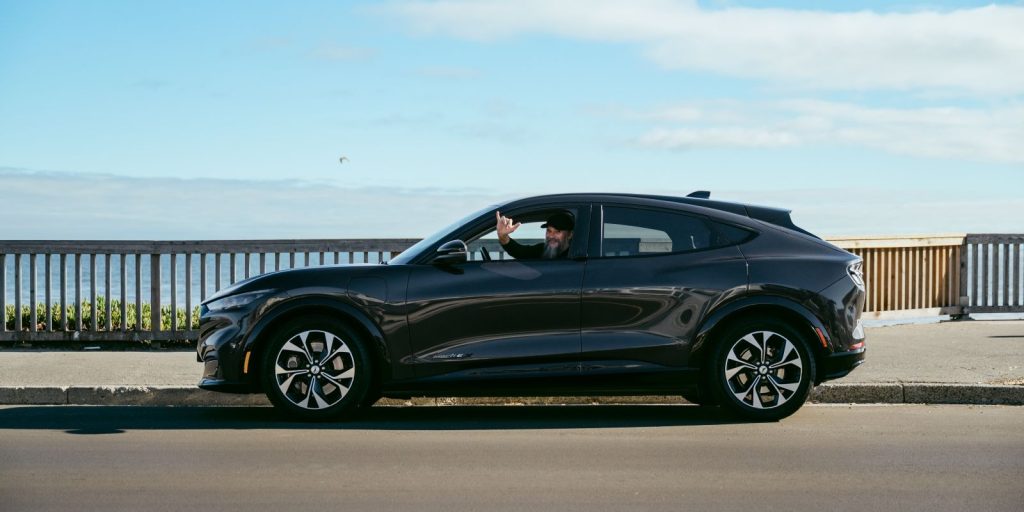
When you hear that line about, “the average American drives 30 to 40 miles a day,” remember that in towns like Wellington, Ohio, or Colfax, Washington, 30 miles is a grocery run. Each way. So when people trot out that old line about range anxiety, what rural drivers actually hear isn’t reassurance. It’s dismissal — a suggestion that they drive too far for an EV to work, when nothing could be further from the truth.
A recent study by Rural Climate Partnership found that rural drivers spend an average of 44% more on fuel than city dwellers, and that the top 3.6% of rural drivers — the “supermilers” who rack up the most miles — could save over $4,000 each year by switching to electric fuel.
2. Electric trucks have arrived

Country guys and gals love their pickups, and arguably the single biggest difference between the EV markets of 2021 and 2025 is the proliferation of electric trucks and SUVs ready to help haul, chore, camp, and tow.
Why not save your expensive horses from breathing in gas and diesel exhaust. Haul ’em with your quiet new EV, instead!
3. Home charging just works
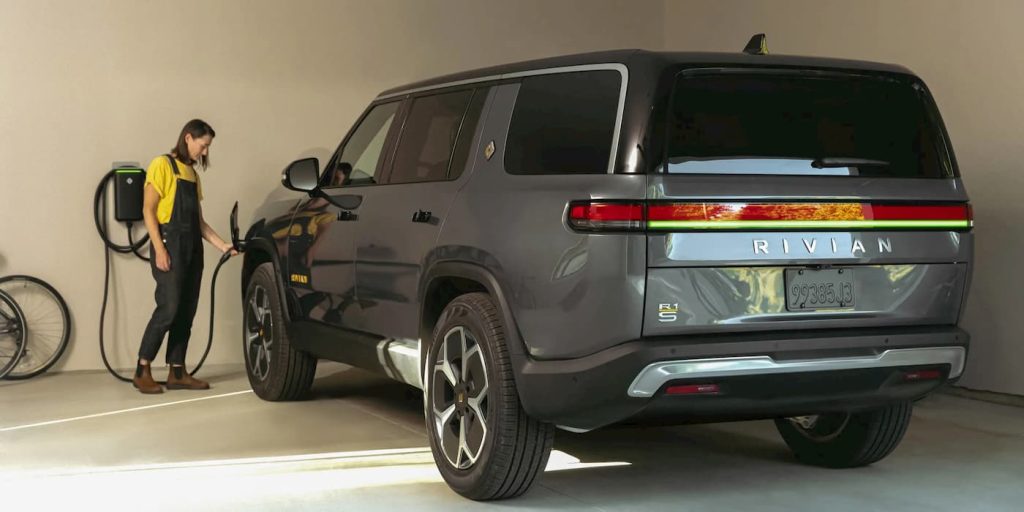
With only about 45% of rural counties having access to DC fast charging, public charging still isn’t as visible as many first-time EV buyers might like, but it’s far better than it used to be — and improving fast. Still, that’s not the real EV advantage. Home charging is.
Unlike many apartment-dwelling urban drivers, most rural owners can charge right at home. More than 80% of rural households have a driveway or garage that are ideal for overnight Level 2 charging, and many already have a 240V outlet, keeping setup costs (if there even are any) to a minimum.
Plug in before bed, wake up to a full battery every morning, and do it for pennies on the dollar, especially with off-peak rates.
4. Lifesaving battery power
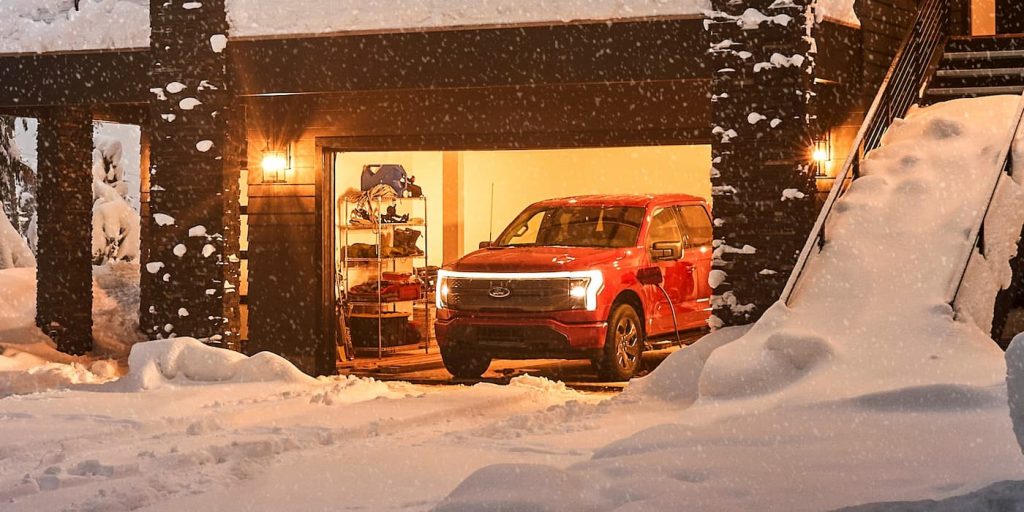
If disaster strikes and you lose power, many electric trucks have the ability to power your home and appliances with the energy stored in their massive batteries – either from the truck itself, or through a V2X home battery system. If you live in an area prone to extreme weather events, the ability to keep medication refrigerated can be a literal life-saver!
5. EVs are more affordable than ever
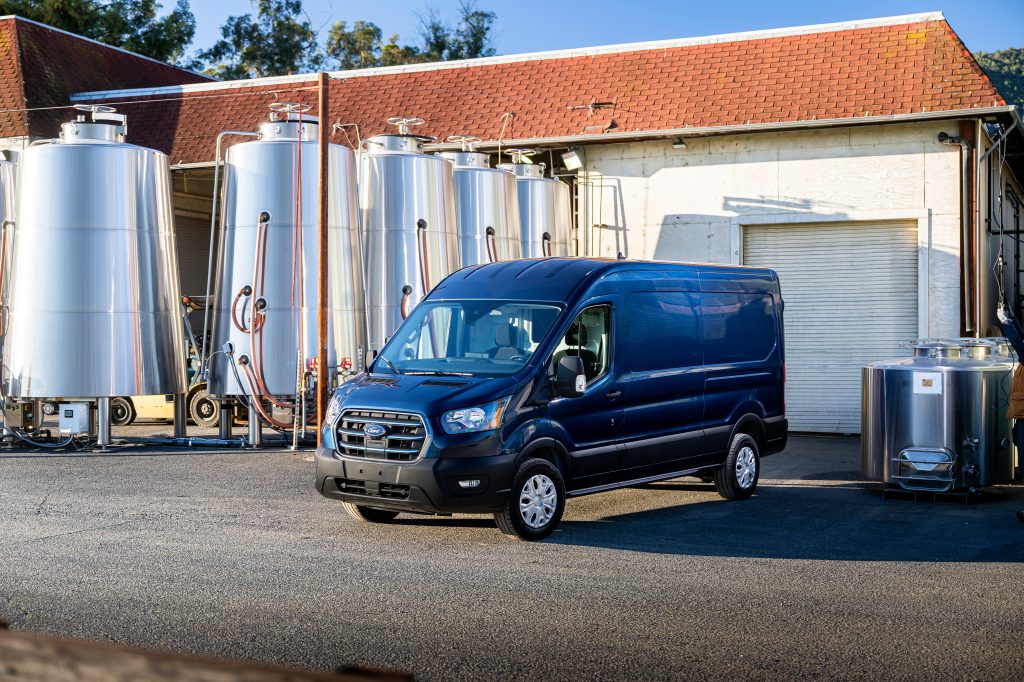
It’s been a few years since a working class guy could reasonably expect to get a new pickup for less than $50,000. And, while much has been made of the “high cost of electric vehicles,” the truth is that thanks to killer lease deals, new tax incentives, and companies like Ford Pro and TRC that are willing to help you find even more funding to help pay for them, EVs can often be had for less than a comparable gas model.
As such, getting behind the wheel of an ultra-powerful, ultra smooth-running electric pickup truck from your favorite brand is easier than ever.
6. Energy independence and American jobs

At the risk of sounding like a paranoid red hat, rural Americans are proud Americans – just like rural Canadians are proud Canadians. Unfortunately, every gallon of gas burned in their pickups and SUVs came from oil drilled, refined, and traded on global markets — and that means supporting the oil business and economies of nations whose values don’t always align with, or maybe are even outright hostile to theirs.
Switching to an EV can help more of that money right here at home, especially as more and better battery recycling efforts come online and newer battery and anode/cathode chemistries are developed, reducing dependence on rare Earth metals, cobalt, and even lithium.
Even better, thanks to the rapid expansion and dramatically reduced costs of wind and solar power, you can power your EV with energy that is 100% Made in the USA, that doesn’t support foreign oil interests even indirectly, and which creates good-paying construction and maintenance jobs for local workers.
What am I missing?
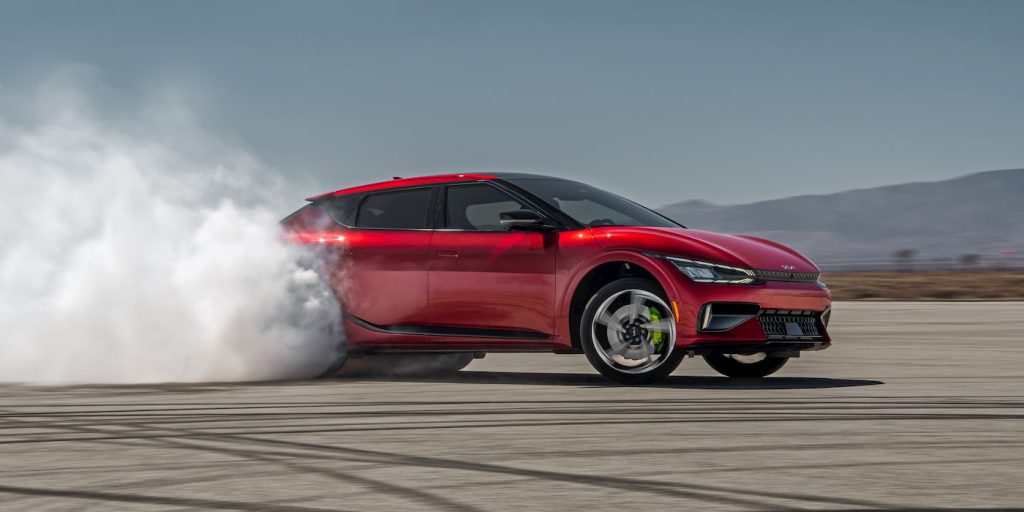
There are obviously more reasons to go electric than these, from lower cost of ownership to saving the planet to absolutely killer burnouts that would make the one-tire-fire era IROC Camaros hang their 305s in shame – but I think those kind of fade into the background as being appealing to all, instead of being especially appealing to rural drivers.
Top comment by Alexander
I live in rural Australia in a village that doesn't even have a fuel bowser. My shopping trip is usually around 164km (100miles). I have solar on my roof. I now have an EV (one of the Chinese brands that aren't available in the USA) and am delighted with it. I'm saving a lot of money on fuel and because the solar feed-in tariff goes negative in the middle of the day (I have to pay the utility company to take my electricity) by charging the car at home I save money there. For rural people with roof space for solar EVs should be a no-brainer, but like many rural areas my district is incredibly conservative (do a search for Barnaby Joyce, my local member) and the populace are convinced they don't drive far enough, they'll catch on fire (mine has an LFP battery, so the risk is low) and that I'll need to replace the battery in a year (even though the battery has an 8 year warranty).
That said, it’s been a long time since I was back in Ohio, so maybe I’ve forgotten what it’s like. You guys are smart, head on down to the comments and let me know what I missed!
Original content from Electrek.

If you’re considering going solar, it’s always a good idea to get quotes from a few installers. To make sure you find a trusted, reliable solar installer near you that offers competitive pricing, check out EnergySage, a free service that makes it easy for you to go solar. It has hundreds of pre-vetted solar installers competing for your business, ensuring you get high-quality solutions and save 20-30% compared to going it alone. Plus, it’s free to use, and you won’t get sales calls until you select an installer and share your phone number with them.
Your personalized solar quotes are easy to compare online and you’ll get access to unbiased Energy Advisors to help you every step of the way. Get started here.


FTC: We use income earning auto affiliate links. More.




Comments