
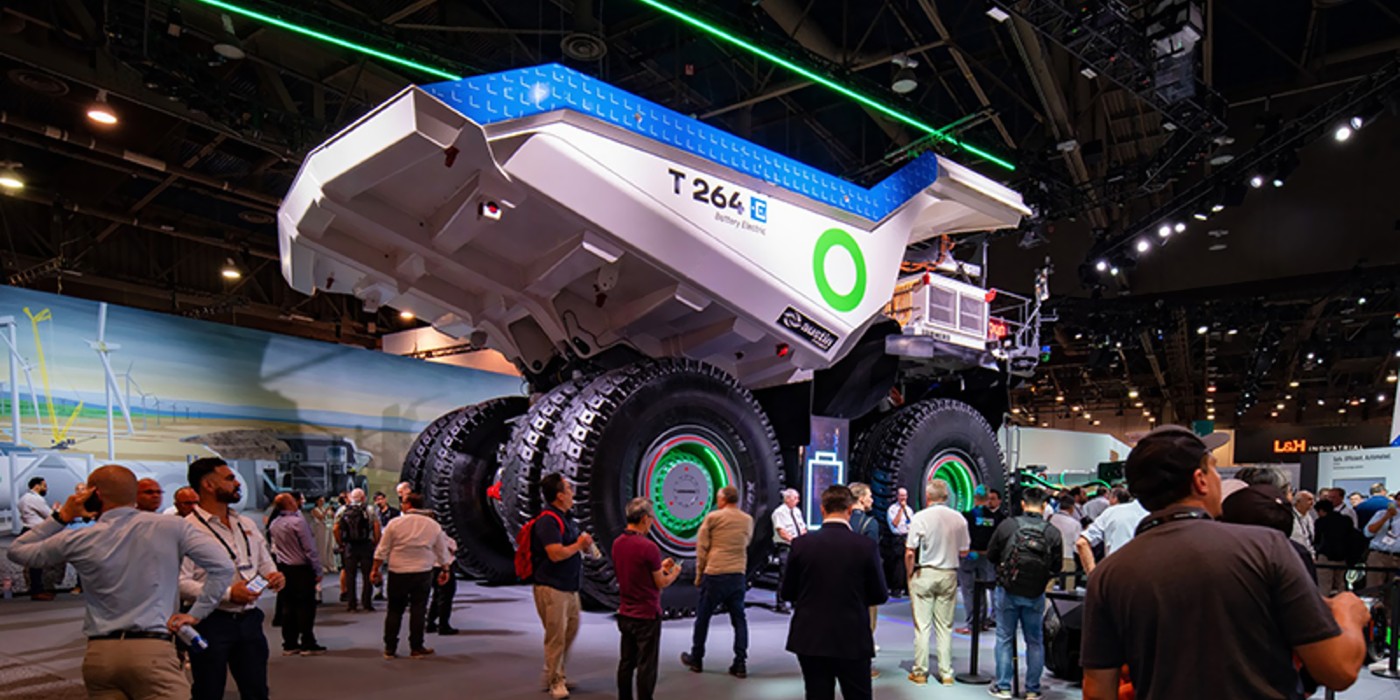
Humanoid robots aren’t ready to juice up the massive, 240-tonne electric haul trucks Fortescue is putting to work in Australia’s punishing Pilbara. Instead, the company is using specially modified and massively powerful automotive assembly-line robots from KUKA to wrangle the massive cables needed to deliver a mind-bending 6 MW of power to its trucks’ batteries.
While Chinese car brands capable of 2 MW “flash charging” are making headlines these days, Fortescue and Liebherr have been quietly working together to develop a 6MW charging system for their massive, ultra heavy-duty mining rigs since 2024 – but details about how the process actually works have been scarce.
Until now, that is. In a new video released by the company earlier this month, Fortescue explains how it delivers what amounts a controlled lightning bolt into the battery of its specially developed, 264 (short) ton Liebherr T264E electric haul truck. And, because the massive, liquid-cooled copper cables are too big, too heavy, and too dangerous for any human to handle, of course they’re using robots to get the job done.
“The challenge with a six megawatt charger is that nobody makes these, and therefore nobody makes a lot of the components, either,” says a Fortescue representative, in the video. “So, we’ve had to take systems and subsystems from different industries were using industrial robots that would normally be used for welding in a car factory.”
A little help, please
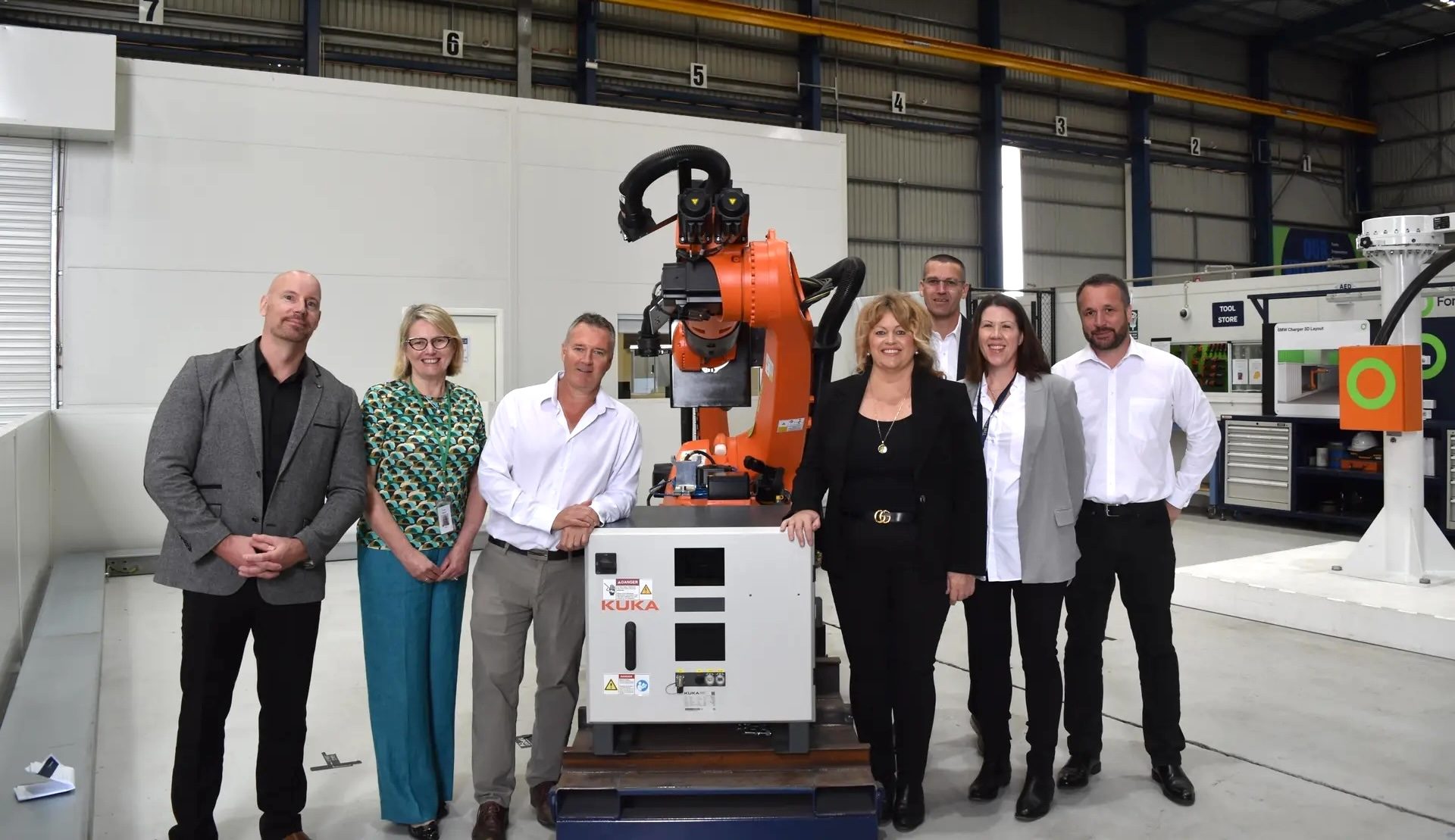
Fortescue was able to develop and refine its KUKA robots with help from a $10 million (AUD) grant from the Australian Renewable Energy Agency (ARENA), which were earmarked to help the company develop a six megawatt (MW) fast charger test unit and support its ultimate goal of achieving true net zero operations by 2030.
“Leveraging our world-class capability in battery and charging solutions from motorsport, the fast chargers have been developed for the challenging conditions of the Pilbara,” explained Fortescue Zero’s then-Chief Executive Officer, Ellie Coates, when the grant was announced in 2024. “Equipped with robotic connection options, they will be able to power Fortescue’s future 240-tonne Liebherr T 264 battery electric trucks in just 30 minutes.”
Top comment by brian magee
No need to reinvent the wheel, Cruise ship and other large vessels have ben using shore power for years when docked. these typical range from 7 MW to 16 MW, just borrow their tech, a overhead crane to lift the cable and an operator to plug it on
The Liebherr T264E packs an impossibly large 3.2 MWh (3,200 kWh) battery pack – the equivalent capacity of about 40 road-going Tesla Model Y crossovers – to put that 30 minute spec into context. You can check out the company’s official video, below, then let us know what you think of the 6 MW charging robots in the comments.
Charging a 240-tonne mining truck
SOURCE | IMAGES: Fortescue; via The Driven.

If you’re considering going solar, it’s always a good idea to get quotes from a few installers. To make sure you find a trusted, reliable solar installer near you that offers competitive pricing, check out EnergySage, a free service that makes it easy for you to go solar. It has hundreds of pre-vetted solar installers competing for your business, ensuring you get high-quality solutions and save 20-30% compared to going it alone. Plus, it’s free to use, and you won’t get sales calls until you select an installer and share your phone number with them.
Your personalized solar quotes are easy to compare online and you’ll get access to unbiased Energy Advisors to help you every step of the way. Get started here.


FTC: We use income earning auto affiliate links. More.



Comments