
The latest dumb, hypocritical “idea” to come out of the idiot running the US into the ground could actually set the precedent we need to solve climate change. Hear me out for a minute.
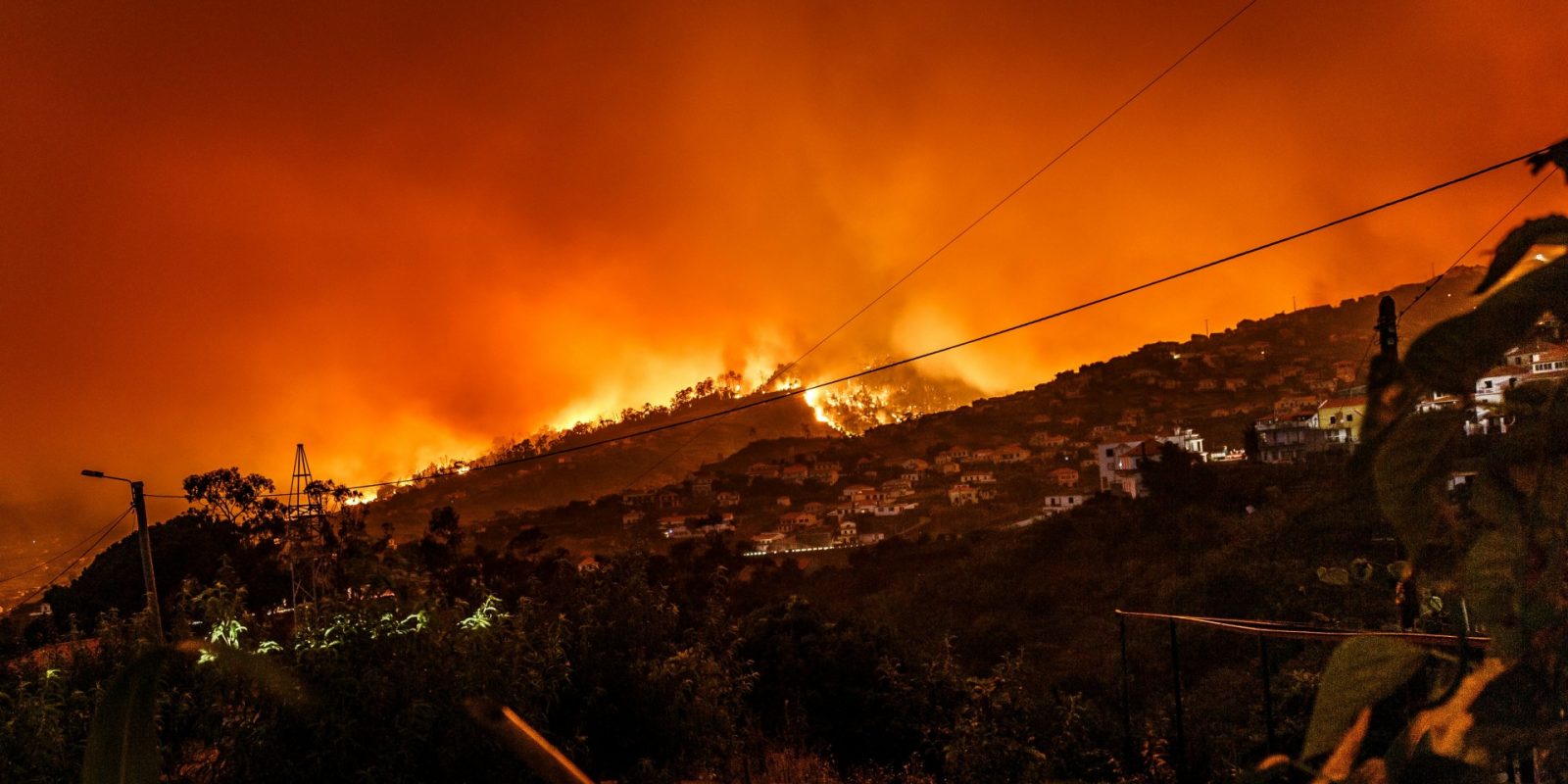
Right now, much of the east and midwest US is shrouded in smoke due to wildfires in Canada.
The wildfires are the natural result of a summer heat wave that has swept across most of the continent – and indeed, most of the hemisphere. Canada experienced similar widespread wildfires in each recent summer, and as our inaction on climate change ensures that our summers will only get hotter from here, similar wildfires can be expected in the future.
Canada is not the only nation facing wildfires – there are many burning in the US right now (update: some of these have been responsible for air quality warnings in Canada). And Russia, the country with the most similar geography to Canada (i.e., wide swaths of unpopulated boreal forest), experienced its own huge wildfires over the last few summers, with some active right now.
But despite the obvious connection between a warming world and more wildfires, US republicans have quickly decided, in their quest to be wrong about literally everything, that the solution to the problem is to… Blame Canada.
The argument, which has been made both by the current occupant of the White House (who is Constitutionally barred from holding office in the US) and by republicans in Congress, is that Canada should be punished for the smoke from this wildfire.
Republicans have of course ignored climate change, which is the actual reason that wildfires are getting more common, which the US has been the largest historical contributor to, and which republicans in the US are actively trying to make worse.
And the punishment proposed? Naturally, it would take the form of the only word the idiot in charge of the republican party knows: a tariff. Okay, whatever. Because those have worked out so well for you in the past.
Here’s the thing: we actually need something like this globally for CO2
But here’s the thing: the idea of punishing areas for the pollution they make isn’t actually a bad one.
In fact, the US has something like this, just for air quality pollution rather than carbon – the EPA’s “good neighbor” plan, which recognizes that air pollution crosses state borders, and that upwind power plants shouldn’t be able to escape regulation simply because they’re right across a border.
(Of course, Lee Zeldin, the republican environmental terrorist currently squatting as the head of the EPA is trying to roll back that plan, so, I guess holding others accountable only works when it’s the other guys, rather than the domestic oil & gas industry which has given Zeldin hundreds of thousands of dollars in bribes over his political career. Republicans really just can’t pass up an opportunity to be hypocrites)
And on a larger scale, a global implementation of a plan like this, related to CO2, has been proposed as a real solution to climate change.
The idea is called a “carbon border adjustment mechanism,” and it’s essentially a tariff on carbon emissions. (Yes, generally, tariffs are dumb. This is the only one I support).
A carbon price, but global – even if some countries refuse
Since everyone on the planet contributes to climate change, and carbon affects everyone negatively no matter where it gets emitted, then the cost associated with causing that damage to everyone globally should also be a global cost.
The concept of adding a cost to carbon pollution is called a “carbon price,” and every serious economist agrees that it is a necessary way to correct a market distorted by the unpriced negative externality of carbon emissions.
One thing that has held back carbon pricing on the global scale, though, is that some of the largest polluting countries refuse to implement such a price. And one line of thinking suggests this puts everyone who would implement a carbon price at a disadvantage – if industry in our country has to pay the price of its pollution, but some other country can get away with polluting our planet for free, then they have a competitive advantage against us, the thinking goes.
A carbon border adjustment mechanism is meant to fix this tragedy of the commons. If enough countries cooperated together on implementing one of these, even the few holdout countries wouldn’t need to implement it, as all the other countries could force the holdout countries to settle up on their debts during international trade.
A few similar proposals already exist
The idea of international cooperation over carbon pricing is not without precedent. California and Quebec have a cooperative cap & trade scheme (not quite a carbon price, but in the same ballpark), and Europe has already moved to implement a carbon border adjustment mechanism.
Top comment by Jeff
I like how dismissive most of the country has been about wildfire smoke on the west coast for decades, but now that it affects a different group of people it’s an important issue. Canada has put up with smothering wildfire smoke from the US, just as the US has had Canadian wildfire smoke drift south - this is nothing new, and there’s plenty of time left in the year for this to get much worse before winter.
A global version of the idea was recently proposed by Thomas Piketty’s World Inequality Lab in its recent Global Justice Report. The report says that even if the US and China didn’t participate, other countries could collectively impose significant taxes on exports from these countries in proportion to the damage their pollution causes (and, given the US’ many recent moves to make itself an international pariah, international cooperation on this front could be more likely than ever).
And so, while the idea proposed by republicans is self-serving, hypocritical, reactionary idiocy (as is their wont), the concept behind it – that of making entities pay for the damage they do, even if it goes across borders – could be sound, if applied to the real world instead of the fantasy one republicans live in.
And if the globe took this seriously, it could come up with a plan to fight climate change – and it wouldn’t even need every straggler to cooperate.
Charge your electric vehicle at home using rooftop solar panels. Find a reliable and competitively priced solar installer near you on EnergySage, for free. They have pre-vetted installers competing for your business, ensuring high-quality solutions and 20-30% savings. It’s free, with no sales calls until you choose an installer. Compare personalized solar quotes online and receive guidance from unbiased Energy Advisers. Get started here. – ad*


FTC: We use income earning auto affiliate links. More.




Comments