
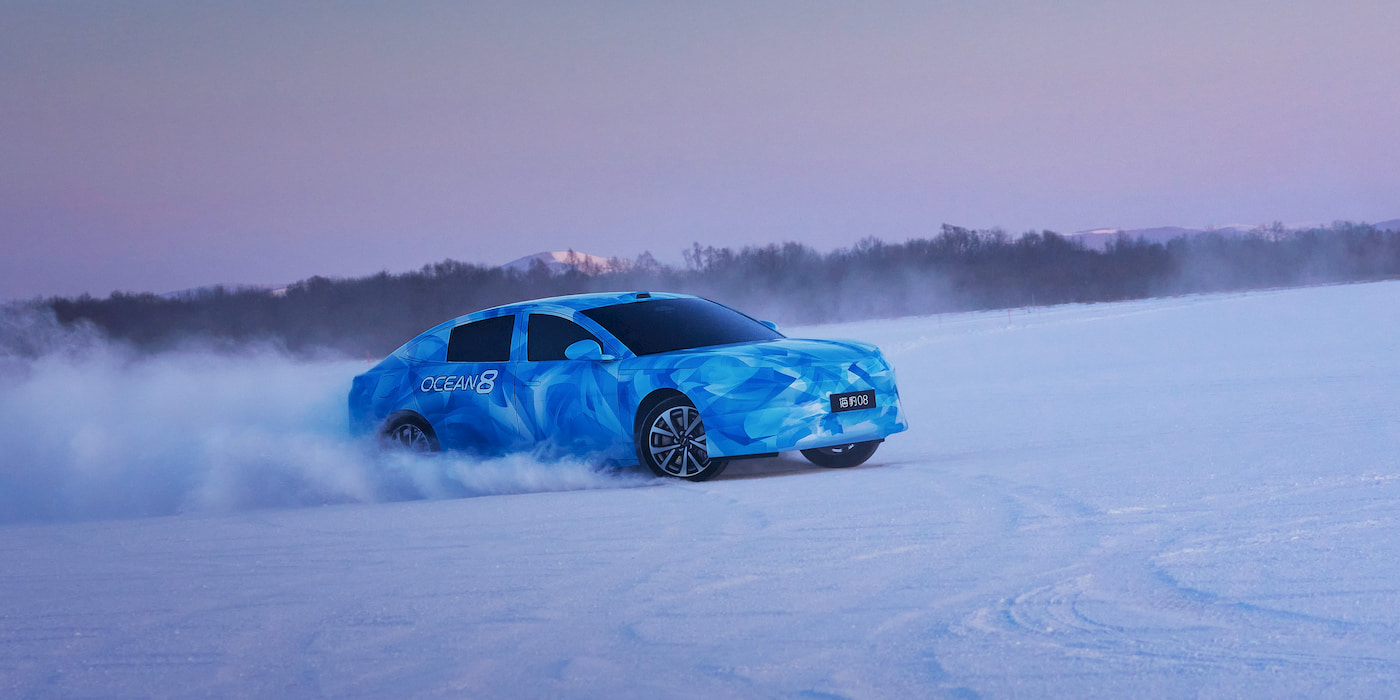
The world’s leading EV maker is preparing to introduce new battery chemistries to stay a step ahead of the competition. After a series of breakthroughs, BYD is expected to begin producing solid-state EV batteries as soon as next year.
When is BYD launching solid-state EV batteries?
BYD joins a growing list of automakers, battery manufacturers, and others moving solid-state battery tech from the lab to the real world.
According to Chinese media outlet Cailian Press, after achieving several “breakthroughs” in key areas, including battery life and fast charging, BYD is now expected to begin producing solid-state batteries in 2027 in limited batches.
The report cited information obtained from BYD’s Investor Relations Department on February 9, 2026. BYD is advancing sulfide-based solid electrolytes that promise superior conductivity, safety, and significantly higher energy density.
Although no other details were available, the updated timeline aligns with what Sun Huajun, the CTO of BYD’s battery business (Shenzen BYD Lithium Battery Co), said last year.
During the 2nd annual China All-Solid-State Battery and Development Summit, Sun said that BYD expects to begin producing solid-state EV batteries in 2027. He noted that sulfide electrolytes are longer-lasting and more stable than traditional liquid lithium-ion batteries, and they enable faster charging.
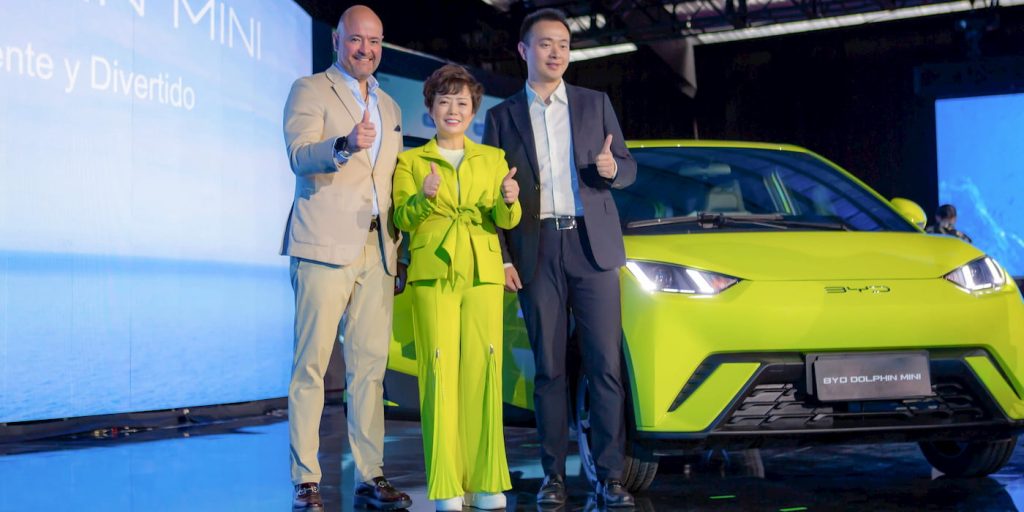
The first two years will serve as a demo phase with limited production. Toward the end of the decade, the company expects to begin mass production as the new batteries are adopted at scale.
Initially, BYD will use sulfide-based solid-state batteries in its higher-end electric vehicles, then roll them out to mass-market models.
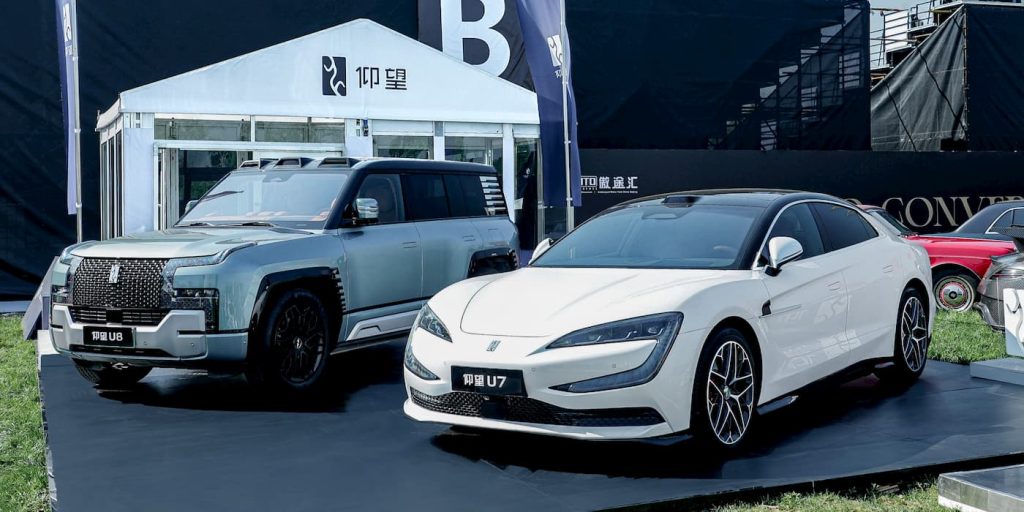
BYD has been researching solid-state batteries since 2013. In 2023, it reached a milestone, demonstrating that mass production was feasible with various cell systems and materials. A year later, it began testing solid-state battery cells with capacities of 20 Ah and 60 Ah.
A report last year claimed that BYD was already testing solid-state batteries in the Seal EV sedan on public roads, but the company shut down the rumors, saying, “Currently, it is unknown, and the first model and parameters are not officially reported.
Electrek’s Take
BYD is among the many automakers, battery manufacturers, and other companies chasing the “Holy Grail” of battery tech.
Solid-state batteries show promise as superior to liquid lithium-ion batteries, with significantly higher energy density, faster charging, longer lifespan, and improved safety.
Moving them from the lab to the real world hasn’t been easy, given manufacturing costs and the challenge of finding the right electrolyte.
Several companies have announced breakthroughs or milestones, confirming plans to introduce the new battery tech over the next few years.
Top comment by Jeff Morse
Good news. Better tech, be it from the USA or China, will eventually become a global norm and improve the value of BEVs, energy storage and so on. I guess this is the "third wave of BEVs". More BEV + solar the lower cost of power for us all (and mostly greener as a bonus).
China’s FAW Group and Dongfeng Motors began testing solid-state batteries in prototype vehicles in January. Dongfeng Motors’ prototype was equipped with a 350 Wh/kg solid-state battery, which the company claims can deliver more than 620 miles (1,000 km) of CLTC driving range.
Last September, Mercedes-Benz drove a modified EQS equipped with Factorial’s solid-state battery cells for more than 745 miles (1,200 km) on a single charge, and could have squeezed out a little more.
Mercedes is already calling Factorials battery cells “a true game-changer.” Factorial launched the first commercial solid-state battery program in the US last week through a partnership with Karma Automotive.
Others, including Toyota, Volkswagen, Stellantis, Honda, and Nissan, are all advancing solid-state EV batteries. BYD’s timeline, with limited production starting in 2027 and scaling to mass production around 2030, aligns with most companies’ targets.


FTC: We use income earning auto affiliate links. More.


Comments